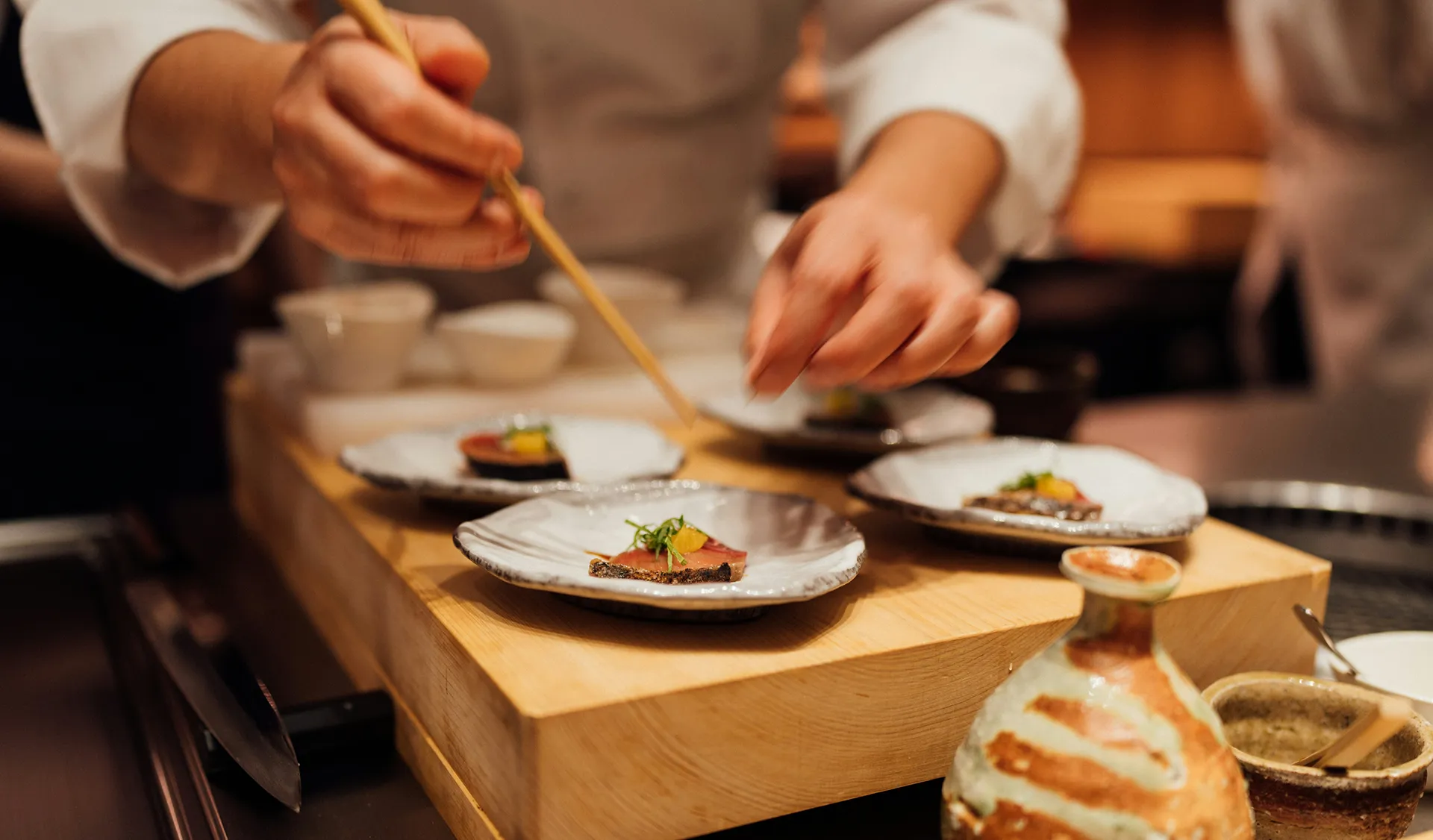

Few dining experiences embody the relationship between craftsmanship, ritual and hospitality as completely as omakase. Derived from the Japanese phrase omakase shimasu, meaning “I leave it up to you”, omakase dining places trust entirely in the hands of the chef. Unlike traditional à la carte ordering, the experience unfolds as a curated progression of dishes determined by seasonality, ingredient quality, technique and the pace of the meal itself. Every course is considered in relation to the next. Temperature, texture, timing and conversation become part of the composition.
Although omakase is now recognised globally through luxury sushi counters and contemporary Japanese restaurants, its deeper significance extends beyond exclusivity or fine dining. At its core, omakase reflects broader Japanese ideas surrounding precision, attentiveness, restraint and the choreography of hospitality. The experience is not only about food. It is about rhythm, observation and trust.

Omakase emerged most prominently through sushi culture during the twentieth century, particularly in Tokyo, where smaller specialist sushi counters developed close relationships between chef and guest. Historically, sushi itself evolved from earlier forms of preserved fish before becoming the faster edomae style associated with Tokyo during the Edo period. In many traditional sushi establishments, regular guests would allow chefs to decide what should be served according to the best ingredients available that day. Rather than selecting fixed menu items, diners deferred to the chef’s judgement and seasonal awareness. Over time, this evolved into the formalised omakase experience recognised today.
This structure depended heavily on trust and reputation. Diners were expected to place confidence in the chef’s technical skill, sourcing knowledge and understanding of balance. In return, the chef tailored the progression of the meal carefully around pacing, appetite and atmosphere. The relationship became highly personal, particularly within intimate counters where guests sat directly opposite the chef and observed each movement throughout the service.
The above video by Alvin Zhou Films on Youtube perfectly encapsulates one of the defining characteristics of omakase dining about precision. In high-level sushi preparation, small variations can significantly alter flavour and texture. Rice temperature, knife angle, fish ageing, soy application and serving sequence are all carefully calibrated. The difference between excellent and average sushi often lies in details that appear almost invisible to the guest. This precision reflects broader Japanese attitudes toward craftsmanship found across architecture, ceramics, carpentry, tea culture and traditional performing arts. Process is treated with deep seriousness. Repetition and refinement are valued more highly than novelty alone.
Many renowned sushi chefs spend years repeating foundational tasks before advancing to more visible responsibilities. Apprenticeships can involve prolonged periods focused solely on rice preparation, knife maintenance or ingredient handling. The discipline required reflects the belief that mastery emerges gradually through consistency and attention rather than speed. Unlike dining cultures built around abundance or spectacle, omakase often relies on subtle variation and controlled pacing. Dishes may appear visually minimal, yet each element has been deliberately considered. Negative space on the plate, the temperature of ceramics, the timing between courses and even silence within the room can contribute to the experience.
Omakase dining is inherently theatrical, though not in an exaggerated sense. The counter operates as both workspace and stage, placing craftsmanship directly in front of the guest. Knife movements, ingredient preparation, plating and conversation become visible parts of the experience. Guests observe the chef’s concentration, rhythm and technical control in real time. This relationship creates a level of intimacy uncommon in many Western dining formats. There is little separation between front-of-house and kitchen. Instead, the chef becomes host, performer, craftsperson and storyteller simultaneously.
The architecture of omakase restaurants often reinforces this atmosphere. Seating is typically limited, lighting subdued and materials carefully restrained. Hinoki timber counters, textured plaster walls, handmade ceramics and soft focused lighting encourage concentration and calmness rather than distraction. In many ways, the environment mirrors principles found within traditional Japanese tea ceremony spaces, where movement, pacing and sensory awareness are carefully orchestrated.
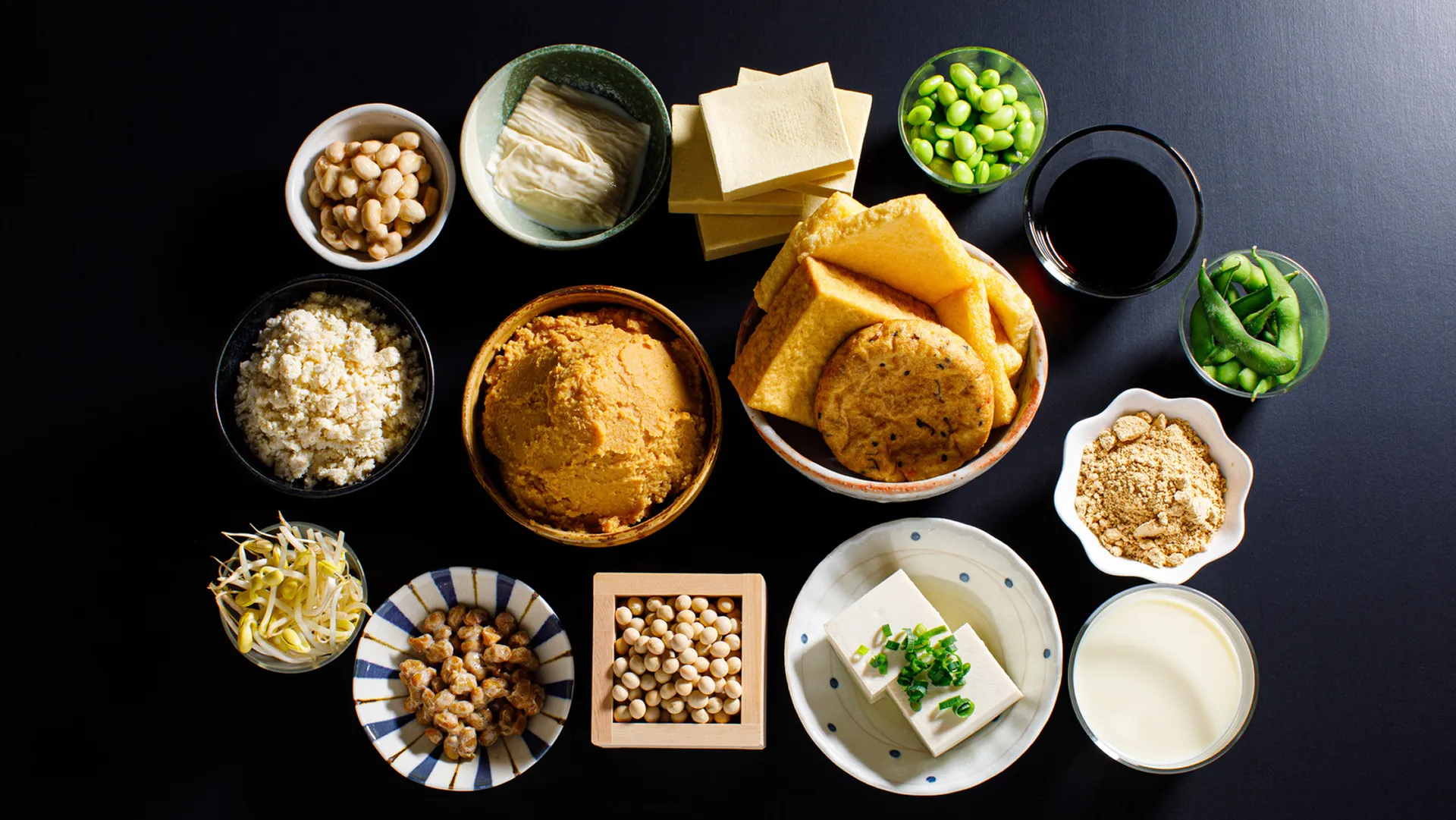
Central to omakase dining is the idea of "shun" ( 旬 ), the moment when an ingredient reaches its ideal seasonal condition. Japanese cuisine places enormous emphasis on seasonality, not simply through ingredient availability but through emotional and cultural association. Certain fish, vegetables and garnishes evoke specific times of year and seasonal transitions. Menus often respond subtly to weather, climate and mood.
This awareness extends into plating and presentation. Ceramics may shift according to season, while garnishes, colours and serving vessels are selected to reinforce a particular atmosphere. Autumn dishes might emphasise earthy tones and warmth, while spring courses become lighter and more delicate. The omakase structure allows chefs to respond fluidly to these changes rather than remaining tied to rigid menus. For guests, this creates a dining experience that feels temporary and unrepeatable. No two services are ever entirely identical.

Although sushi remains the format most closely associated with omakase internationally, the philosophy extends across multiple forms of Japanese dining. Kaiseki, Japan’s traditional multi-course dining tradition, shares many similar principles involving seasonality, pacing and aesthetic balance. Yakitori, tempura and kappo restaurants may also operate through omakase-style service where chefs determine the sequence of dishes according to ingredients and guest interaction.
In recent years, contemporary chefs have expanded the concept further by incorporating global ingredients, modern techniques and experimental presentation styles while retaining the structure of chef-led progression and intimate hospitality. This evolution has helped omakase spread internationally beyond Japan itself. Cities including New York, Hong Kong, Singapore and London have seen significant growth in chef-led Japanese dining experiences, often combining traditional techniques with local cultural influences. Yet despite these adaptations, the essence of omakase remains rooted in attentiveness and trust rather than luxury alone.
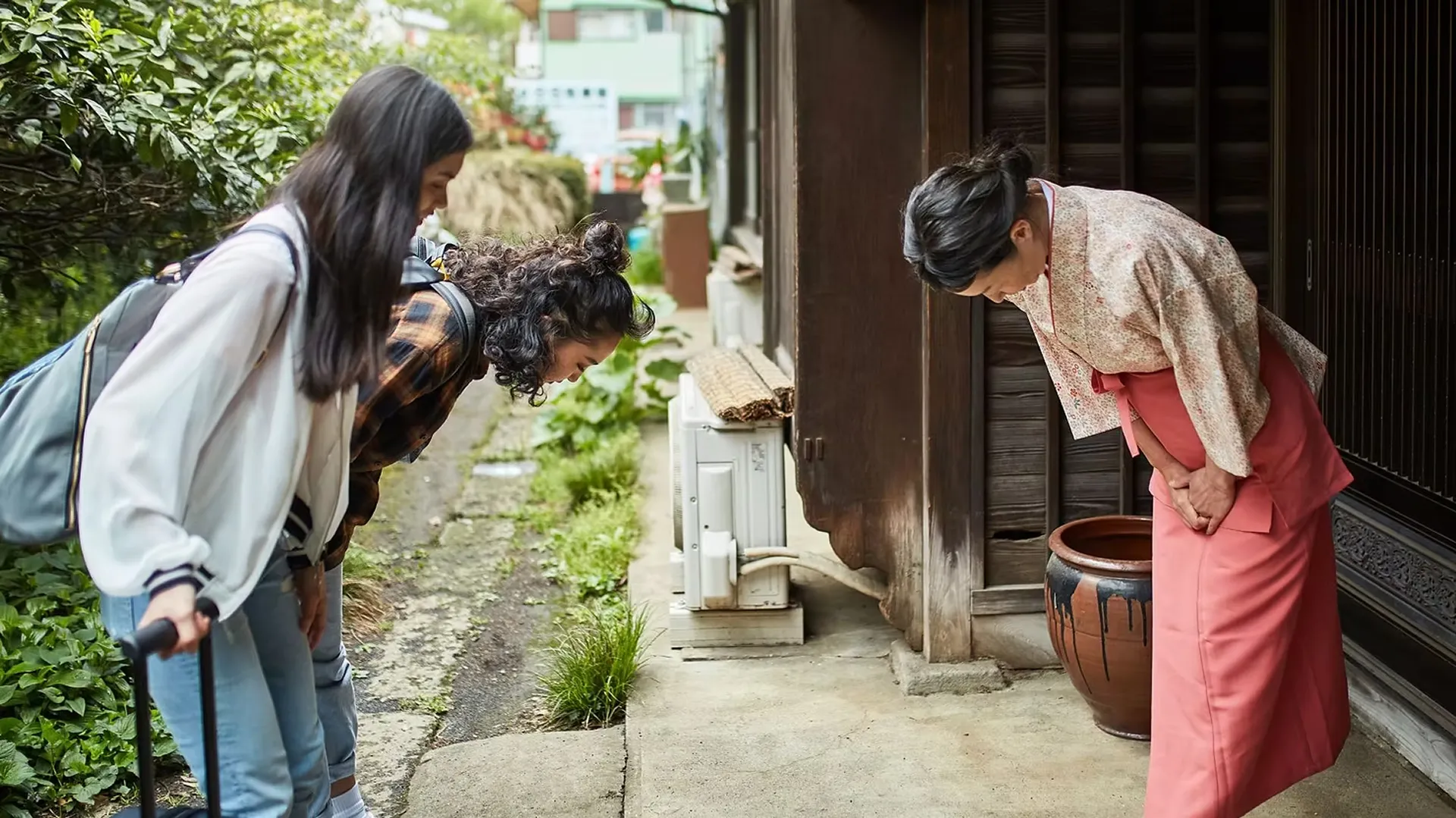
One reason omakase continues to resonate globally is because it reflects a broader understanding of hospitality as emotional attentiveness rather than transactional service. In Japan, hospitality is often connected to the concept of omotenashi ( おもてなし ), a philosophy centred on anticipation, sincerity and care without overt performance. Good service should feel seamless and intuitive rather than intrusive. Within omakase dining, this appears through countless small gestures: adjusting serving pace according to the guest observing conversation levels monitoring appetite and reactions preparing ingredients at precise temperatures creating comfort through atmosphere and rhythm
The chef’s role therefore extends beyond cooking. It involves reading the room continuously and shaping the emotional flow of the experience. This sensitivity to pacing and sensory control has become increasingly influential within luxury hospitality more broadly, particularly as restaurants and hotels focus more heavily on immersive guest experiences.
The international popularity of omakase has transformed it into one of the defining formats of modern luxury dining. In many cities, intimate chef counters have become symbols of exclusivity, craftsmanship and cultural sophistication. Yet the strongest omakase experiences rarely rely on luxury materials alone. Their appeal comes from clarity and control. Guests are drawn to environments where every detail feels intentional, from the texture of the counter to the sequencing of dishes and the pacing of conversation.
This emphasis on atmosphere explains why omakase has become so influential within contemporary hospitality design. Restaurants increasingly incorporate concealed
- entrances
- intimate counters
- subdued lighting
- tactile materials
- curated music
- controlled acoustics
- ritualised service sequences

At The Aubrey inside Mandarin Oriental Hong Kong, many of these ideas surrounding Japanese hospitality and immersive dining culture are interpreted through a contemporary lens. Rather than presenting a purely traditional omakase environment, the venue combines Japanese dining rituals with cocktail culture, music, art and layered interior atmosphere. The experience draws heavily from theatre, pacing and sensory composition, principles closely aligned with omakase dining itself.
This approach extends into the bar programme through The Aubrey’s Omakase Cocktail Experience, where guests entrust bartenders to curate bespoke cocktails tailored to individual tastes and seasonal ingredients. Much like a traditional sushi counter, the experience centres around interaction, precision and progression, translating omakase into a contemporary cocktail setting. Lighting remains intimate and controlled, while layered materials and carefully paced food and beverage service contribute to a theatrical yet restrained atmosphere throughout the evening. Positioned within Hong Kong, The Aubrey reflects how Japanese hospitality traditions continue evolving internationally while preserving the ritual, attentiveness and precision that define omakase culture.
Omakase remains compelling because it offers something increasingly rare within contemporary dining: focused attention. The experience slows the pace of consumption and replaces choice overload with trust, rhythm and observation. Guests are invited to participate fully in the atmosphere of the meal rather than simply ordering from it. More importantly, omakase demonstrates how hospitality can function as choreography. Every movement, object and interaction contributes to the overall experience, creating a form of dining built equally around craftsmanship, environment and emotional awareness. That combination continues to resonate far beyond Japanese cuisine itself, influencing how restaurants, bars and luxury hospitality spaces are imagined around the world today.