

A CITY BUILT THROUGH LAYERS RATHER THAN ERAS

Many cities are defined by a single historical narrative. Some grew around royal courts, others around ports, religious centres or industrial power. Kuala Lumpur developed differently. Its identity emerged through overlapping waves of migration, commerce, industry and urban expansion that continue to shape the city today. Rather than replacing one another, these layers accumulated over time, creating an urban environment where different cultures, architectural styles and social traditions exist side by side.
For many international visitors, Kuala Lumpur is often introduced through its skyline. Images of the Petronas Twin Towers, elevated rail systems and dense commercial districts have become synonymous with the city. Yet the experience of Kuala Lumpur is rarely defined by its landmarks alone. Within a short distance, glass towers give way to traditional shophouses, neighbourhood markets, religious institutions and streets that still reflect patterns established more than a century ago. The city reveals itself gradually through movement, observation and everyday life rather than through a single iconic destination.
Part of what makes Kuala Lumpur distinctive is that it has never fully separated its past from its present. New development exists alongside older systems rather than replacing them entirely. The result is a city that often feels unfinished in the best possible way, continuously adapting while retaining visible traces of the forces that shaped it.
FROM MINING SETTLEMENT TO MODERN CAPITAL
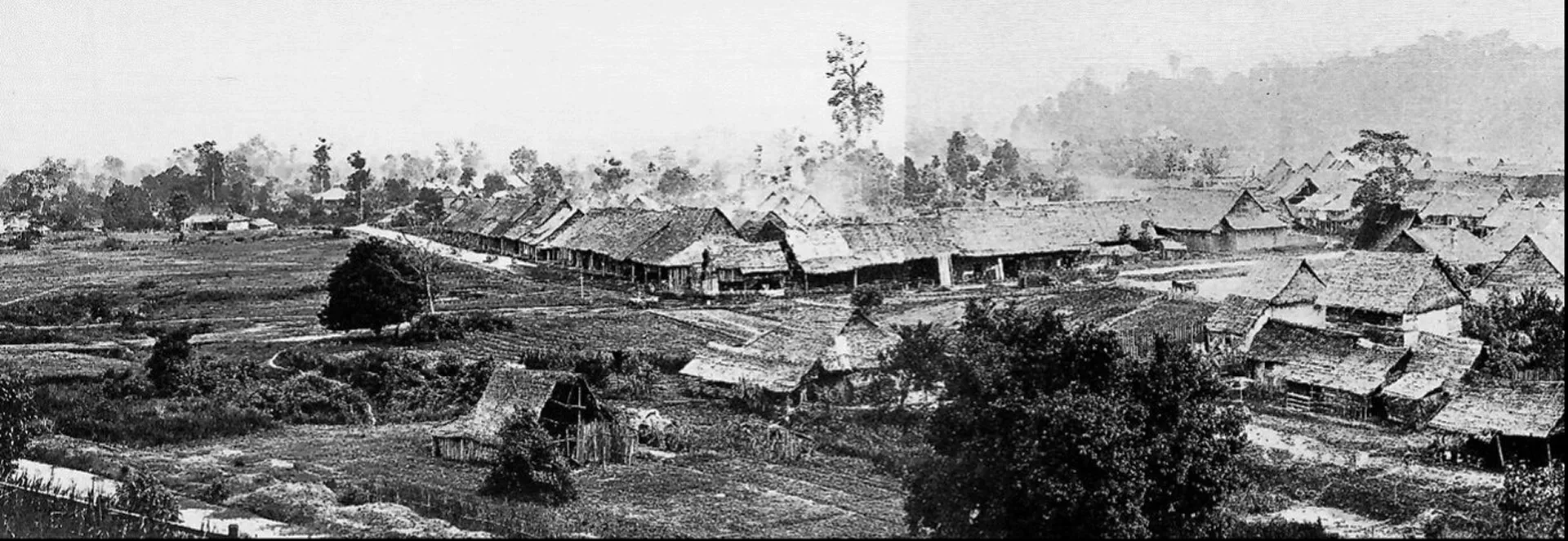
The origins of Kuala Lumpur are closely tied to the tin mining industry that expanded throughout the Klang Valley during the nineteenth century. Before the city became Malaysia's capital, it was a rough settlement established near the confluence of the Klang and Gombak rivers, where rich tin deposits attracted miners, traders and labourers from across the region. The name Kuala Lumpur itself is often translated as "muddy confluence", a reference to the environmental conditions that characterised the area during its earliest years.
Tin transformed what might otherwise have remained a small riverside settlement. Chinese miners established operations around Ampang and the surrounding valleys, creating communities that gradually evolved into permanent commercial centres. Merchants, labourers and entrepreneurs followed, bringing with them new networks of trade, investment and cultural exchange. British colonial administration later expanded railways, roads and civic infrastructure to support the growing mining economy, accelerating the settlement's development into a regional centre of commerce.
Unlike many cities shaped primarily through royal patronage or maritime trade, Kuala Lumpur grew through industry. Its early identity was formed around extraction, migration and economic opportunity. The city's multicultural character emerged from these movements of people and capital, creating a foundation that remains visible today. Beneath the modern skyline lies a history built on labour, engineering and global demand for one of the world's most valuable industrial materials.
WHY FOOD DEFINES KUALA LUMPUR

Few cities in Southeast Asia reveal themselves through food as completely as Kuala Lumpur. The city's dining culture reflects more than a century of migration and cultural exchange, bringing together Malay, Chinese and Indian traditions alongside influences from Peranakan communities, southern China, Indonesia and the wider region. Food is not simply part of the visitor experience. It is one of the most direct ways of understanding how the city developed.
Unlike destinations where culinary activity is concentrated within a single district, Kuala Lumpur's food culture is woven throughout the city. Morning markets, kopitiams, hawker centres, roadside stalls and family-run restaurants contribute to a dining landscape that changes continuously throughout the day. A breakfast of nasi lemak, a bowl of Hokkien mee at lunch or late-night satay served on a roadside pavement each reveal different aspects of the communities that helped shape the city.
What makes Kuala Lumpur particularly compelling is the way these traditions continue to coexist across different social and economic settings. Luxury restaurants operate alongside long-established neighbourhood eateries without feeling disconnected from one another. Some of the city's most influential food experiences are found not within hotels or commercial developments, but in businesses that have served the same communities for generations. The boundaries between everyday dining and culinary tourism often blur, creating a hospitality culture that feels accessible and deeply rooted in local life.
A CITY OF MANY CULTURES

Kuala Lumpur's cultural identity cannot be reduced to a single visual language, religion or historical influence. The city developed through successive waves of migration that introduced new traditions while simultaneously reshaping existing ones. As a result, Islamic architecture, Chinese temples, Hindu shrines, colonial civic buildings and contemporary towers often exist within close proximity, reflecting the diversity that defines daily life throughout the city.
This cultural layering extends beyond architecture. Languages, festivals, religious practices and social customs remain highly visible within the public realm. English, Malay, Mandarin, Cantonese and Tamil are commonly heard throughout the city, often within the same neighbourhood. Annual celebrations such as Hari Raya, Chinese New Year, Deepavali and Thaipusam transform different districts throughout the year, reinforcing the pluralistic nature of Kuala Lumpur's identity.
What makes the city particularly interesting is its willingness to allow these differences to remain visible. Rather than presenting a simplified cultural narrative for visitors, Kuala Lumpur often embraces complexity. Contrasting influences coexist rather than being carefully edited into a single story. This contributes to a sense of authenticity that many travellers find increasingly rare within rapidly globalising cities.
INFRASTRUCTURE, DENSITY AND URBAN ENERGY

Kuala Lumpur is also a city defined by movement. Elevated rail lines, highways, pedestrian bridges and dense commercial corridors shape the experience of navigating the urban environment. Infrastructure is highly visible and often integrated directly into the city's visual character rather than concealed from it. The result is an urban landscape where transportation systems, commercial activity and public life remain closely interconnected.
Architecturally, the city reflects several generations of development occurring within a relatively short period. Colonial-era buildings remain concentrated around Merdeka Square and older civic districts, while post-independence modernism introduced concrete government complexes, institutions and infrastructure projects during the twentieth century. The economic expansion of the 1990s and early 2000s transformed the skyline further through commercial towers, mixed-use developments and international hospitality projects.
Yet despite this rapid growth, many older urban patterns remain intact. Wet markets continue operating beside office buildings, traditional shophouses survive within rapidly developing districts and informal street life persists alongside large-scale commercial development. This coexistence between infrastructure and informality gives Kuala Lumpur much of its energy. The city often feels dynamic because multiple versions of Kuala Lumpur remain visible at the same time.
WHY KUALA LUMPUR FEELS DIFFERENT
Part of Kuala Lumpur's growing appeal comes from the fact that it still feels relatively unfiltered compared to many major global cities. While highly developed, it has retained a degree of unpredictability that travellers increasingly seek. The city rewards curiosity more than itinerary planning. Some of its most memorable experiences emerge unexpectedly through neighbourhood exploration, local food discoveries or encounters with the everyday rhythms of urban life.
Kuala Lumpur also serves as an accessible introduction to wider Malaysian culture. Modern transport systems, international hotels and contemporary retail environments coexist comfortably alongside deeply local experiences. Visitors can move between luxury hospitality and neighbourhood dining within a matter of minutes, creating a sense of accessibility that distinguishes the city from many other regional capitals.
Rather than relying solely on heritage tourism or landmark architecture, Kuala Lumpur's appeal lies in the interaction between old and new, local and global, planned and improvised. The city continues to evolve, yet many of the qualities that shaped its earliest growth remain visible beneath the surface.
HOSPITALITY AND THE IDENTITY OF THE CITY

As Kuala Lumpur has matured as a travel destination, hospitality projects have increasingly drawn inspiration from local narratives rather than relying exclusively on international design conventions. The city's industrial history, tropical climate, cultural diversity and urban energy provide a rich source of reference for designers seeking stronger connections to place.
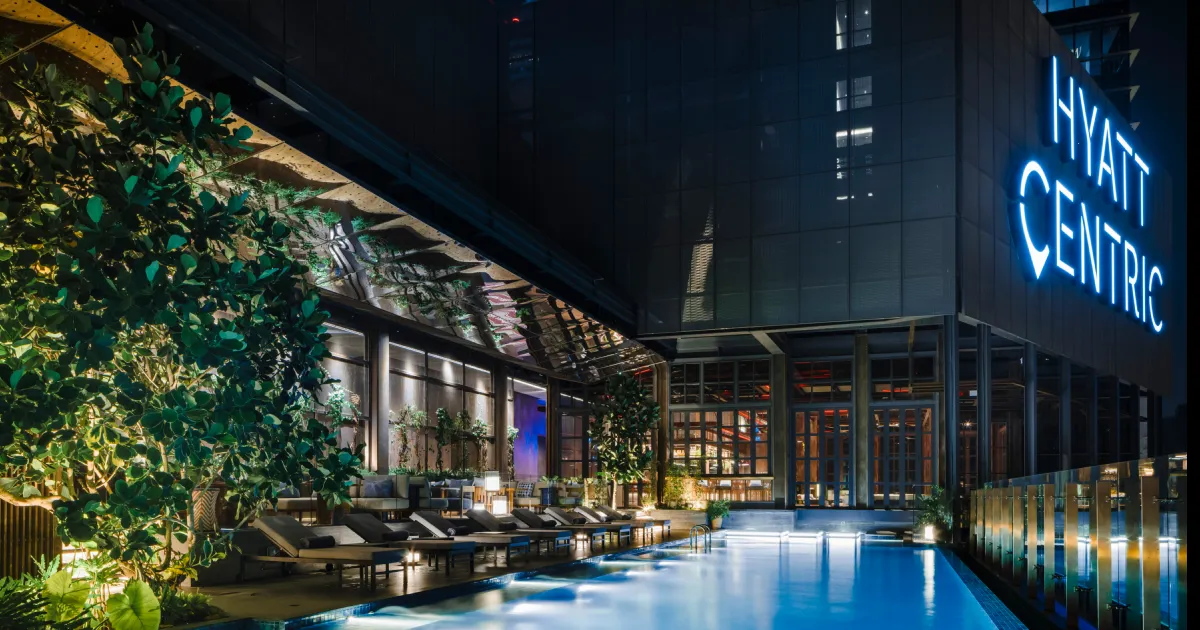
Hyatt Centric Kuala Lumpur reflects this approach through references to the city's mining heritage, tropical landscape, infrastructure and cultural influences. Elements inspired by tin mining, rainfall, greenery and local storytelling contribute to a design language rooted in the character of the city itself. Rather than presenting Kuala Lumpur through a singular theme, the project acknowledges the overlapping influences that continue to define it.
This layered quality remains one of Kuala Lumpur's greatest strengths. More than any single landmark or district, it is the interaction between these forces that gives Kuala Lumpur its distinctive identity and enduring appeal.
SOURCES
- Britannica Kuala Lumpur
- Britannica Kuala Lumpur summary
- Britannica Yap Ah Loy
- Britannica History of Malaysia: the impact of British rule
- Britannica Petronas Twin Towers
- Going Places by Malaysia Airlines Kuala Lumpur: mines to metropolis
- Visit Selangor Sultan Abdul Samad Building
- Hospitality Net Hyatt Centric City Centre Kuala Lumpur opens its doors
- Tourism Malaysia Resource Centre Malaysia: A Pictorial History 1400–2004
- Rooh Travel Halal food in Kuala Lumpur: your essential guide