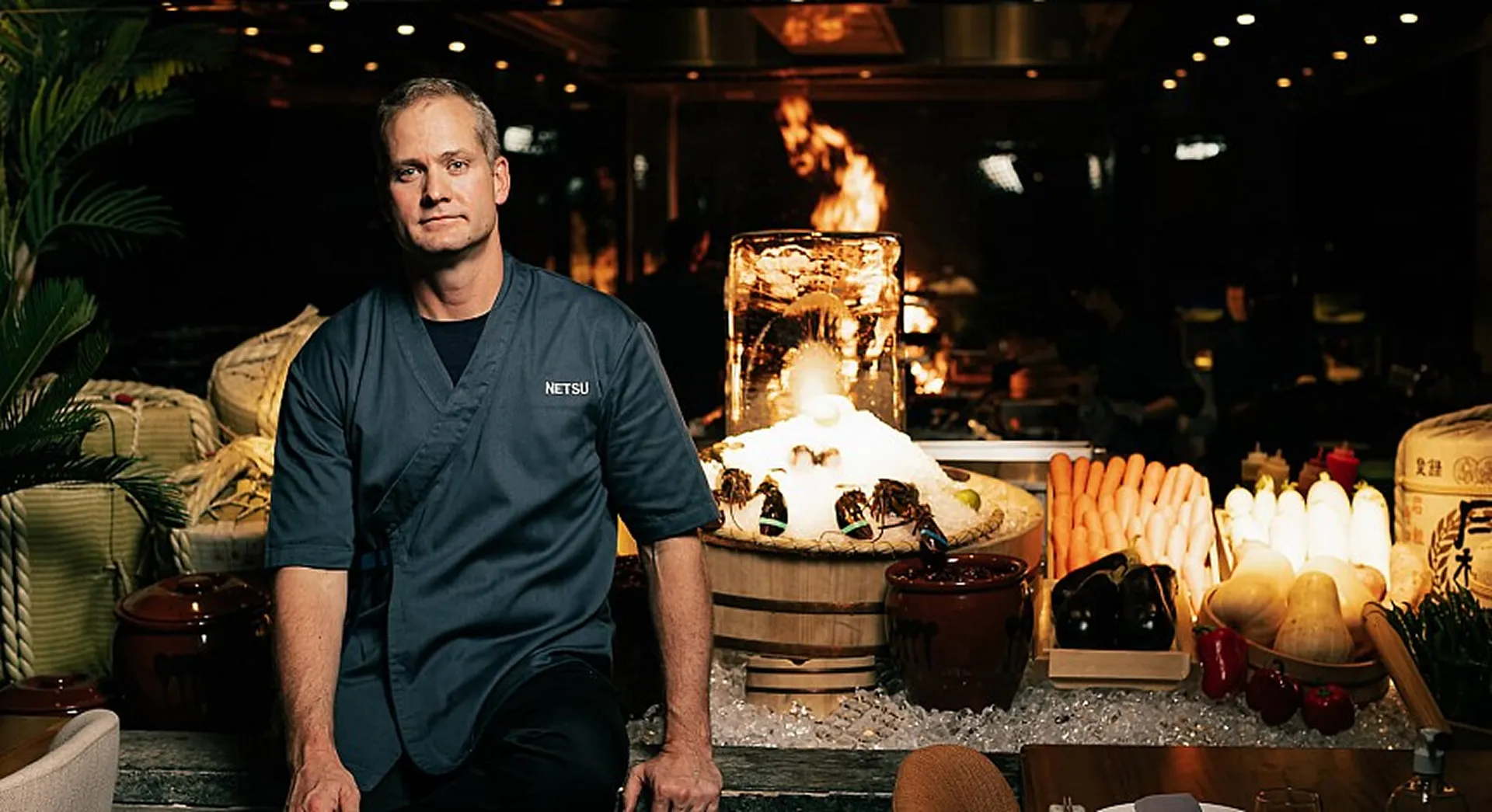
Over the past two decades, Japanese cuisine has expanded far beyond its traditional formats of sushi counters, ramen shops and omakase restaurants. A new generation of chefs has helped reshape how Japanese food is understood internationally, combining classical techniques with more contemporary, ingredient-driven approaches. Among this group is Ross Shonhan, whose work has become closely associated with modern Japanese dining concepts built around fire, grilling and hospitality-driven atmosphere.
Originally from Australia, Shonhan began his culinary career within classical Western kitchens before developing a strong interest in Japanese cooking techniques and culinary philosophy. Rather than approaching Japanese cuisine purely through traditional sushi or kaiseki formats, his work became increasingly focused on how Japanese techniques could intersect with modern restaurant culture, open-fire cooking and more social styles of dining. This direction would eventually shape many of the restaurants he became known for, particularly concepts centred around robata grilling, Warayaki cooking and Japanese-inspired hospitality experiences designed for international audiences.

One of the defining characteristics of Japanese cuisine is its emphasis on discipline, repetition and precision. Unlike many Western cooking traditions that prioritise reinvention and variation, Japanese culinary training often focuses heavily on refinement through repetition over long periods of time. This philosophy extends beyond food preparation itself. Knife work, timing, ingredient handling, plating and service rituals all play important roles within Japanese dining culture. Many traditional kitchens operate through highly structured systems where consistency and control are valued as much as creativity.
Shonhan’s restaurants reflect many of these principles, particularly in their approach to ingredient preparation and live-fire cooking. Techniques such as robata grilling and Warayaki rely heavily on timing, heat management and restraint rather than overly complicated preparation. Fire becomes both a cooking method and part of the guest experience itself. At the same time, his work differs from more formal interpretations of Japanese dining by introducing greater energy, openness and social interaction into the restaurant environment. This reflects a broader shift within modern Japanese hospitality internationally, where restaurants increasingly combine traditional cooking methods with more contemporary dining formats.

One of the most significant developments in modern Japanese dining over the last decade has been the growing popularity of fire-based cooking techniques outside Japan. While sushi has long dominated international perceptions of Japanese cuisine, grilling traditions such as robatayaki and Warayaki have gained increasing visibility within global hospitality and restaurant culture. Robatayaki originated from northern Japanese fishing communities, where fishermen would cook seafood over charcoal fires while using long paddles to pass food across the hearth. The format eventually evolved into robata restaurants, where guests sit around open grills and interact directly with chefs throughout the meal.
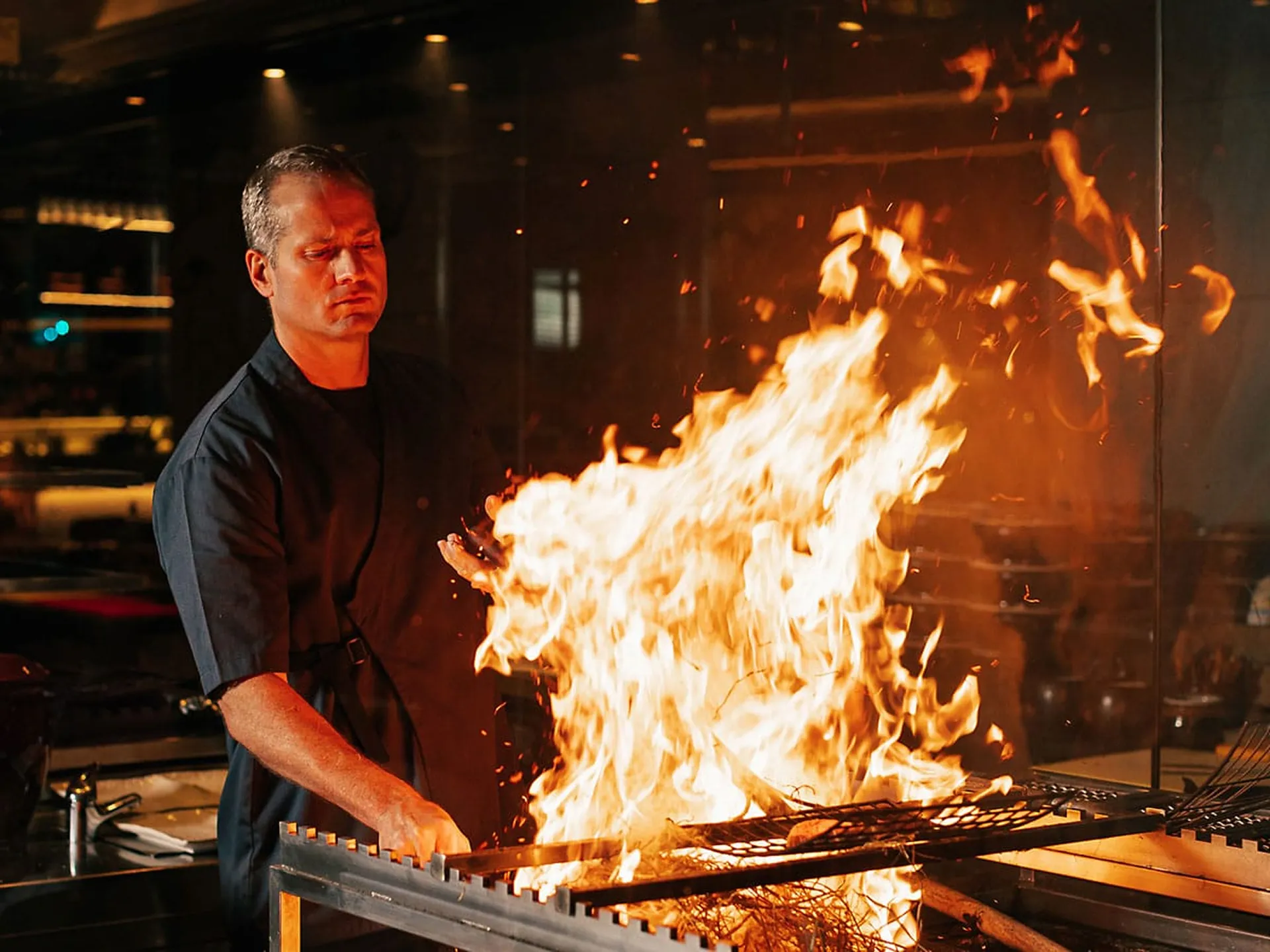
Warayaki, meanwhile, developed primarily in Kochi Prefecture on the island of Shikoku. The technique involves using burning rice straw to produce extremely high heat capable of quickly searing ingredients while introducing smoke and aroma. Traditionally associated with bonito fish, Warayaki later expanded into meats, vegetables and broader contemporary dining applications. Restaurants built around these techniques increasingly appeal to international audiences because they combine culinary precision with visible theatre. Open flames, smoke, charcoal and live preparation create sensory environments that feel more interactive than traditional fine dining formats. In many contemporary Japanese restaurants, the grill counter itself becomes the focal point of the dining experience.
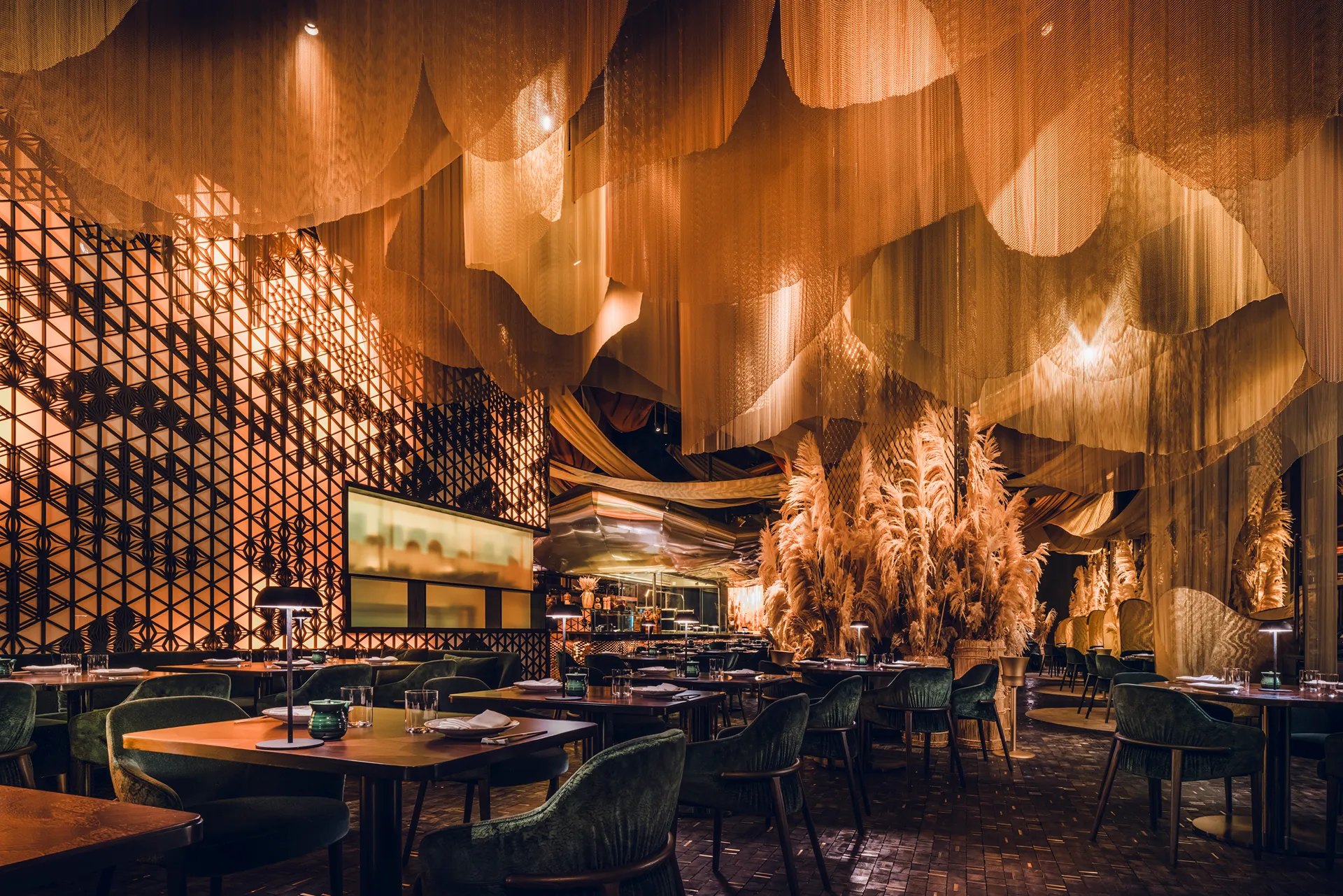
Modern Japanese restaurants increasingly operate not only as places to eat, but as carefully choreographed hospitality environments. Lighting, music, material selection and guest interaction all contribute to the atmosphere surrounding the meal. This shift reflects changing global dining habits, particularly among younger audiences seeking more social and immersive restaurant experiences. Rather than highly formal fine dining environments, many contemporary Japanese restaurants now combine technical cooking with louder music, open kitchens, bar seating and more relaxed pacing.
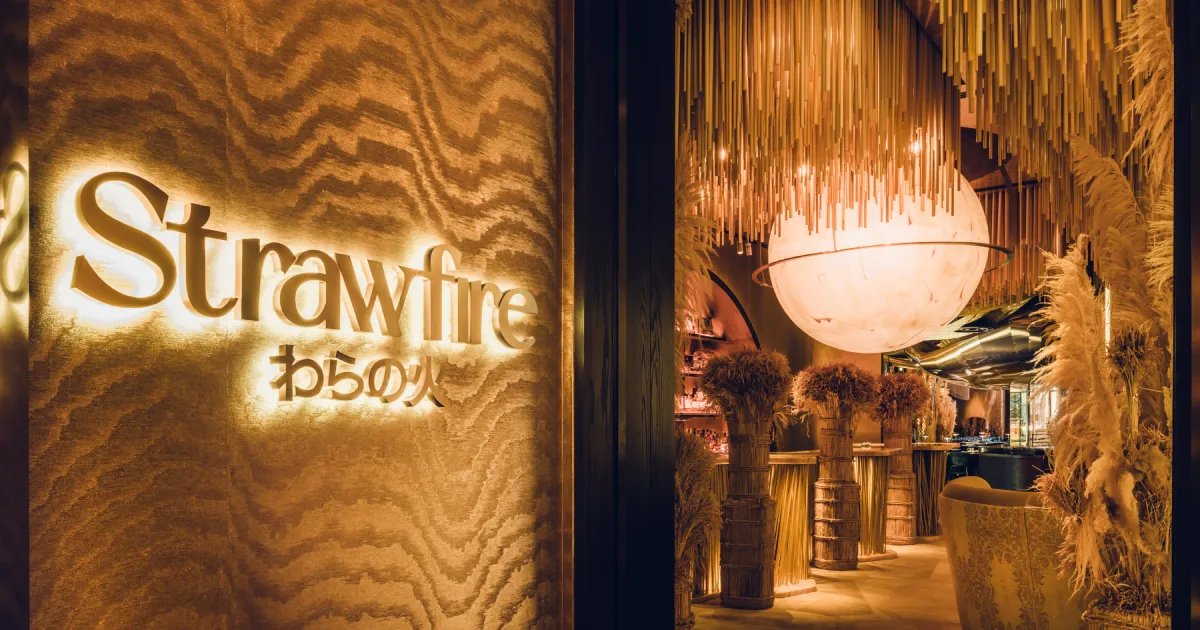
Shonhan’s restaurant concepts often sit within this category. Fire-based cooking remains central to the culinary identity, but equal attention is given to spatial atmosphere, guest interaction and the relationship between kitchen and dining room. At Strawfire within Emirates Palace Mandarin Oriental Abu Dhabi, the Warayaki grill counter becomes both culinary focal point and spatial anchor, integrating smoke, fire and theatrical preparation directly into the guest experience. Open grill counters, visible preparation areas and layered lighting conditions create restaurants where cooking becomes part of the visual environment rather than something concealed behind kitchen walls. This approach also reflects broader changes within luxury hospitality. Restaurants inside hotels increasingly function as standalone destinations designed to attract both travellers and local audiences. The objective is no longer simply serving food, but creating hospitality experiences with strong identities tied to culture, atmosphere and storytelling.
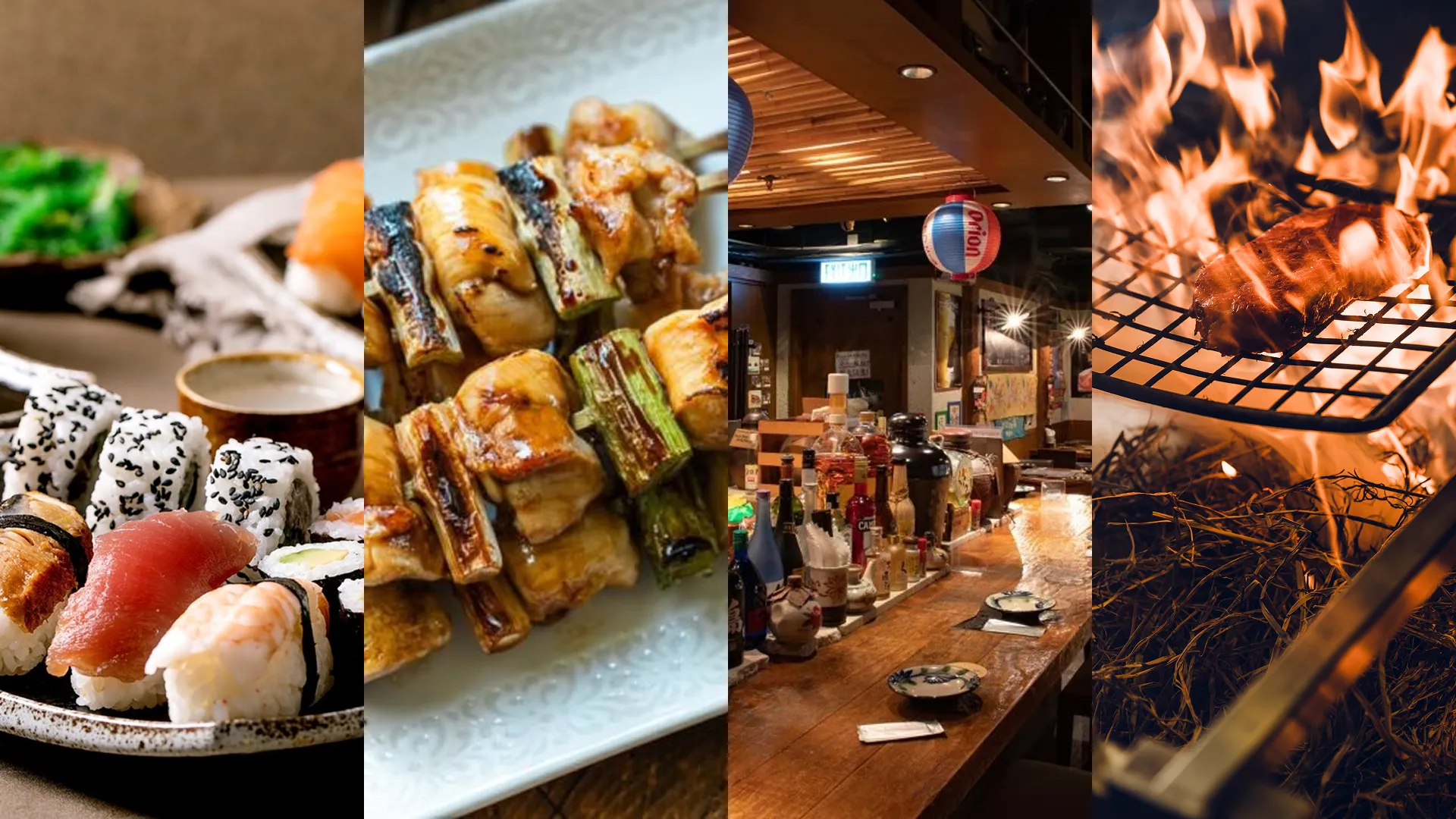
The international growth of Japanese cuisine has changed significantly since the 1980s and 1990s, when sushi became the dominant global reference point for Japanese food. Today, international audiences are increasingly exposed to more regional and specialised aspects of Japanese dining culture, including yakitori, izakaya dining, robata grilling, sake programmes and fermentation techniques. This expansion has allowed chefs to move beyond highly traditional formats while still drawing from Japanese culinary foundations. Many contemporary restaurants now balance authenticity with adaptation, introducing Japanese cooking techniques into environments shaped by international hospitality trends and local dining cultures.
At the same time, there is increasing interest in craft, provenance and ingredient sourcing within Japanese-inspired restaurants globally. Binchotan charcoal, Japanese knives, ceramics, fermented ingredients and traditional cooking methods have become part of a broader appreciation for Japanese craftsmanship within contemporary dining culture. Fire-based dining in particular continues to grow because it combines technical discipline with immediacy and atmosphere. Smoke, charcoal and visible flames create strong sensory experiences that translate effectively across different cultural contexts while still remaining closely tied to Japanese culinary traditions.
The evolution of modern Japanese dining internationally has not been driven solely by replication of traditional formats. Instead, many chefs and hospitality groups have focused on reinterpretation, combining Japanese techniques and philosophies with contemporary restaurant culture, design and social dining behaviour.
Ross Shonhan’s work reflects this broader shift. Rather than presenting Japanese cuisine as static or ceremonial, his restaurants position it within more energetic and contemporary hospitality environments built around fire, interaction and atmosphere. This approach has helped introduce wider audiences to Japanese grilling traditions while contributing to the growing global interest in live-fire dining and modern Japanese hospitality culture.
https://www.rossshonhan.com
https://www.mandarinoriental.com/en/abu-dhabi/emirates-palace/dine/strawfire
https://gurunavi.com/en/japanfoodie/article/robatayaki/
https://visitkochijapan.com/en/highlights/warayaki/
https://www.japanhouselondon.uk/read-and-watch/japanese-food-philosophy/
https://konrogrill.com/blogs/blog/binchotan-charcoal-guide
https://yakitoriguy.com/what-is-robatayaki/
https://www.japan.travel/en/guide/omotenashi-japanese-hospitality/
https://guide.michelin.com/en/article/features/japanese-cuisine-around-the-world
https://www.att-japan.net/en/warayaki/