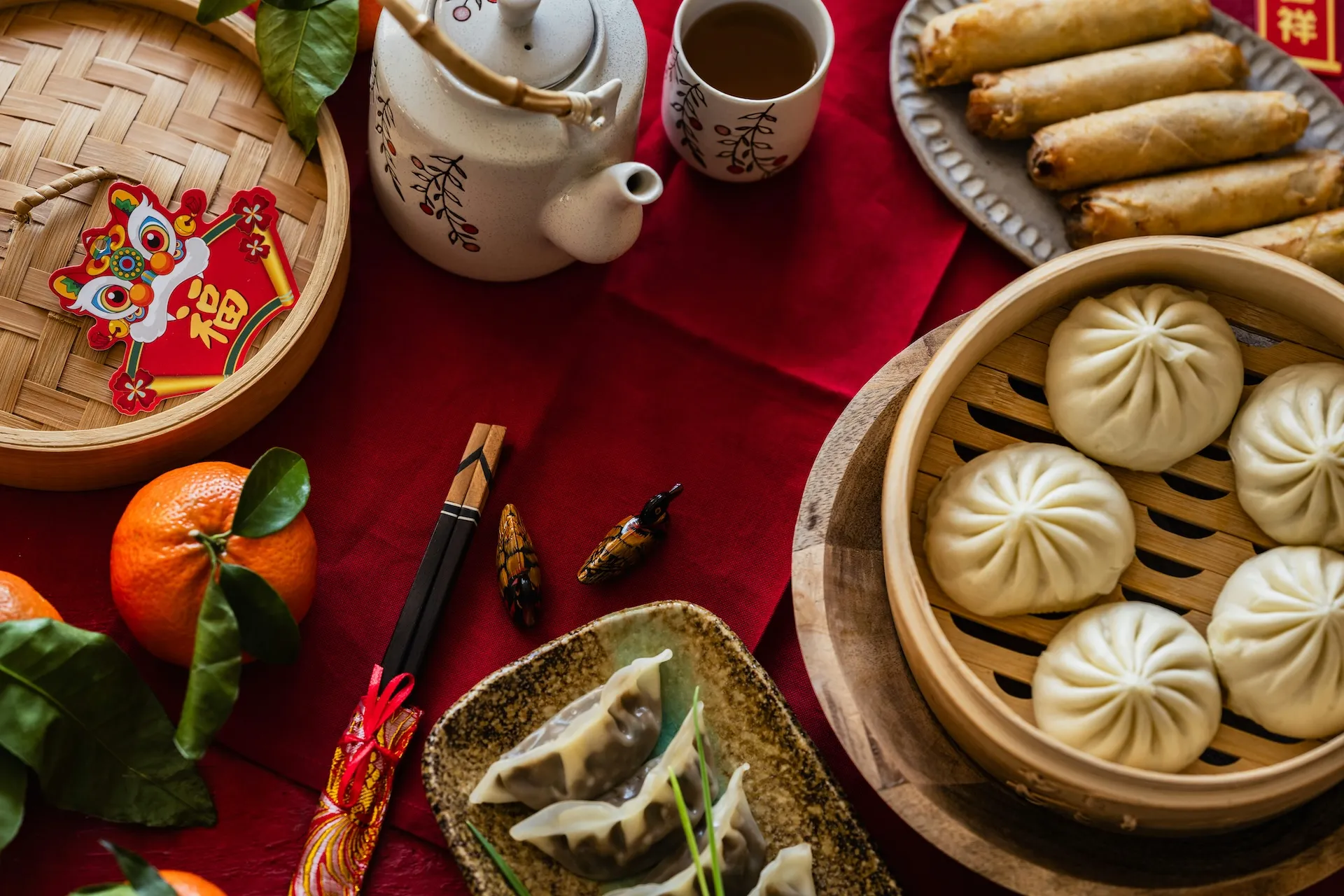
Throughout Chinese history, dining has carried significance far beyond the food itself. Meals marked family celebrations, seasonal festivals, political gatherings and commercial relationships. The dining table was one of the few places where social, cultural and economic life regularly intersected.
Hospitality occupied an important position within this world. A host was judged not only by the quality of the dishes served, but by the experience created for guests. Seating arrangements, service, atmosphere and etiquette all communicated respect and consideration. The success of a banquet reflected the host's reputation as much as their resources.
Unlike many European traditions that evolved around taverns, inns and public houses, Chinese dining culture remained closely connected to the act of hosting. Whether within a family residence, a merchant compound or an official residence, important meals were often conducted within controlled and carefully organised environments. The private dining room emerged from this tradition, becoming one of the most enduring expressions of Chinese hospitality.
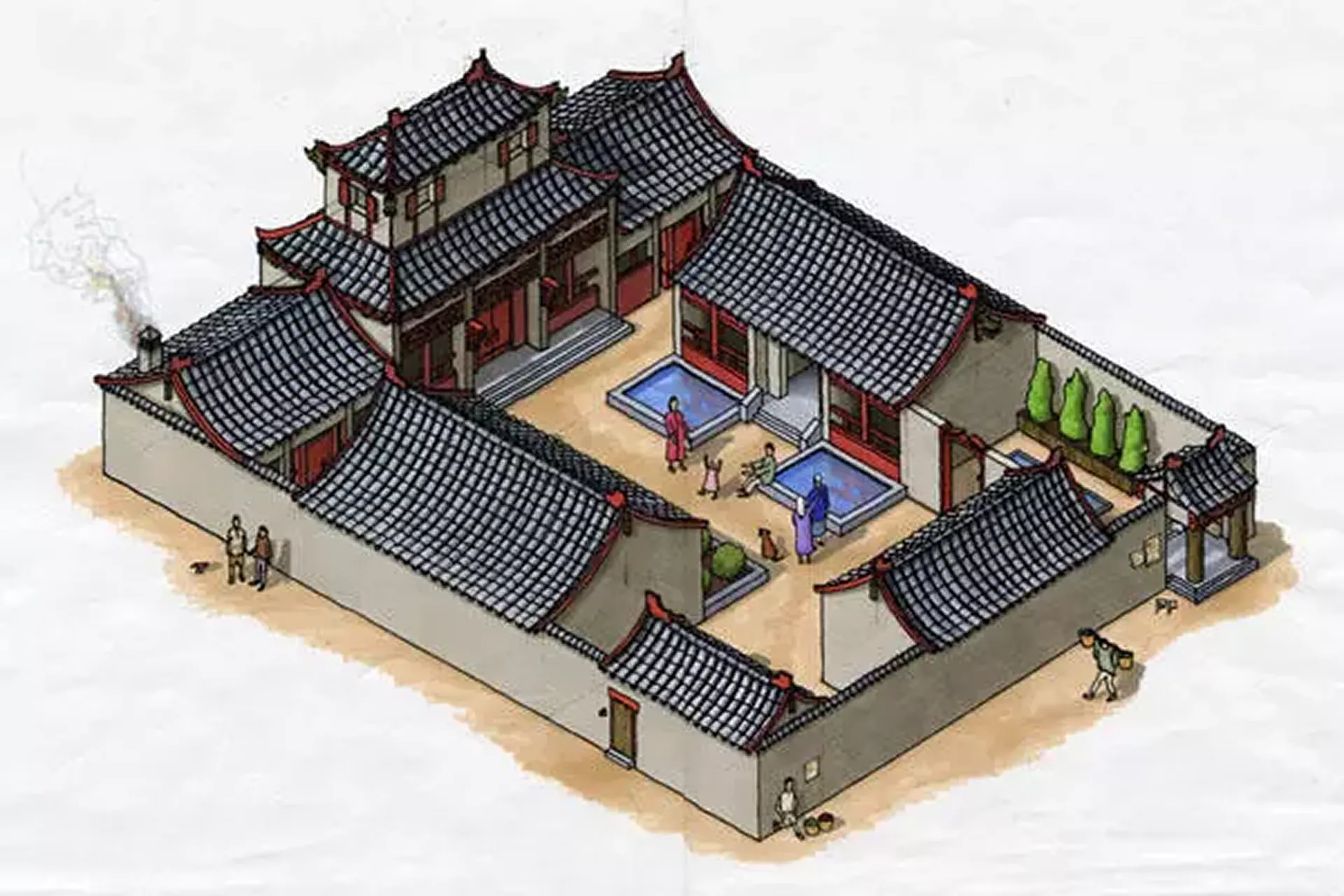
The origins of private dining can be traced to traditional Chinese domestic architecture. For centuries, homes were organised around principles of hierarchy, privacy and social order. In courtyard compounds, visitors moved through a sequence of increasingly private spaces. Public reception areas occupied the front of the residence, while family rooms and important gathering spaces were located deeper within the property.
This progression was intentional. The further a guest was welcomed into a home, the greater the level of trust and respect being extended. Architecture reinforced social relationships through space, creating clear distinctions between public interaction and private hospitality.
Confucian philosophy strengthened these ideas. Family hierarchy, respect for elders and proper conduct formed the foundation of daily life. Meals often brought several generations together around a single table, with seating positions carefully determined according to age, status and family role. Dining was not merely a practical activity. It was a social ritual that reflected broader cultural values. Within this context, dedicated dining rooms became important settings for receiving guests and marking special occasions. They offered an environment where conversation, ceremony and hospitality could unfold with greater intimacy and attention.
The tradition of private dining gained further importance through the banquet culture of imperial China. Court feasts were among the most elaborate social events in the empire. Emperors entertained ministers, military leaders and foreign envoys through highly structured banquets where every detail carried meaning. Seating arrangements reflected rank. Dishes symbolised prosperity, longevity or good fortune. Service followed established ceremonial protocols. Banquets became demonstrations of power, order and refinement.
Outside the imperial court, wealthy merchant families, scholars and regional officials adopted many of the same principles. Large gatherings were used to celebrate marriages, honour ancestors, welcome important visitors and strengthen social connections. Dedicated banquet rooms provided the setting for these occasions, allowing hosts to manage every aspect of the experience. Over time, the banquet room became an established feature of Chinese hospitality. It offered something more valuable than privacy alone. It provided a setting where guests could be received with dignity and where hosting itself could become a form of social expression.
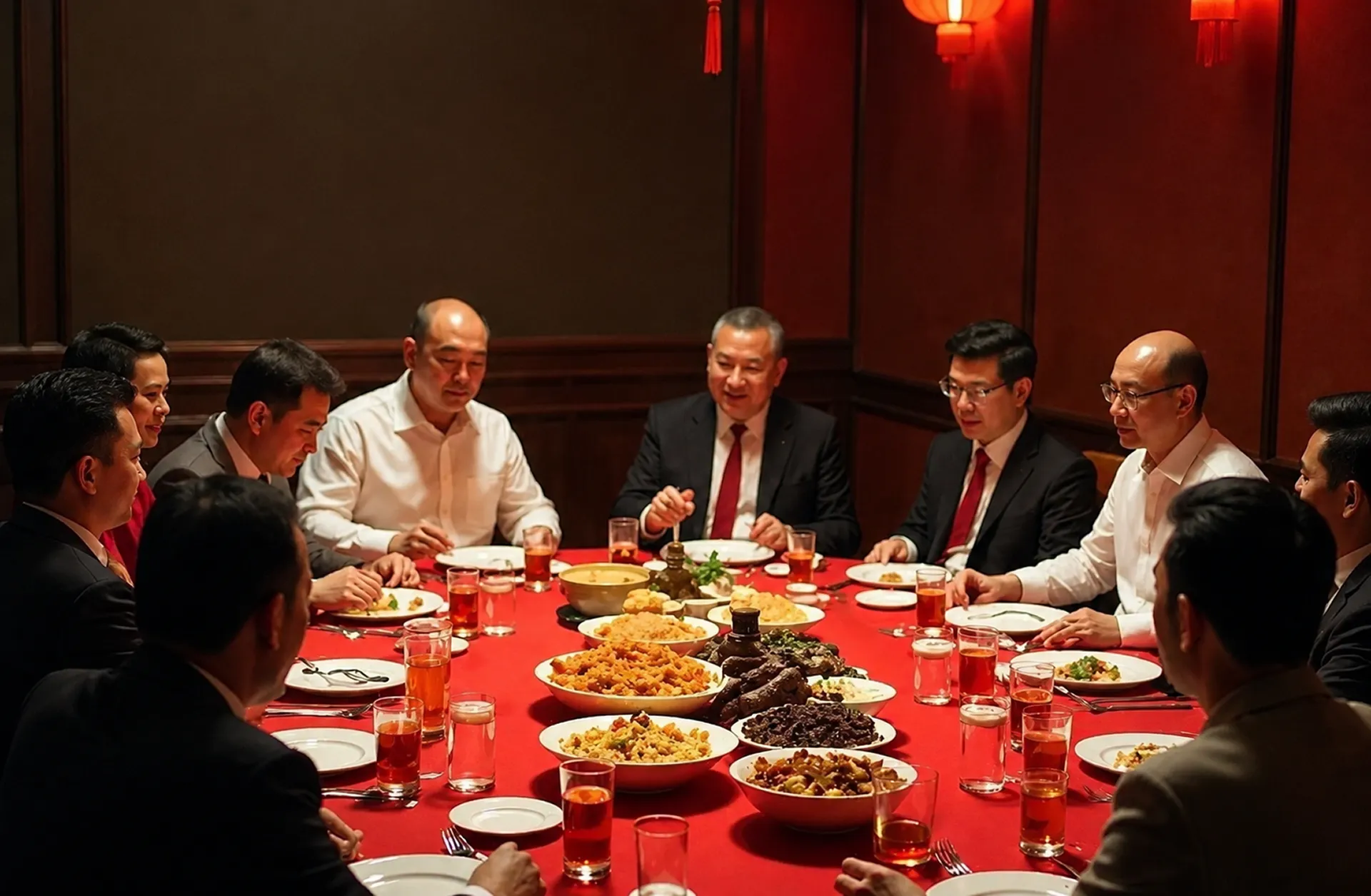
As trade expanded throughout China, hospitality became increasingly intertwined with commerce. Merchants and business leaders often preferred conducting discussions over meals rather than within formal offices. Relationships developed gradually through conversation, trust and repeated social interaction. The concept of "guanxi" (关系) played a central role in this process. Often translated as relationships or connections, guanxi refers to a network of trust and mutual obligation developed over time. Business partnerships were rarely built through contracts alone. They depended upon personal relationships that required cultivation and maintenance.
Meals provided an ideal setting for this. A private dining room allowed discussions to unfold naturally over several hours, often moving between business matters, family life and broader social topics. Food and hospitality helped establish comfort and familiarity, creating conditions where trust could develop more easily. This tradition remains highly visible today. Across China, Hong Kong and Macau, private dining rooms continue to host business negotiations, client entertainment and important corporate gatherings. The dining table remains one of the most important places where relationships are established and maintained.
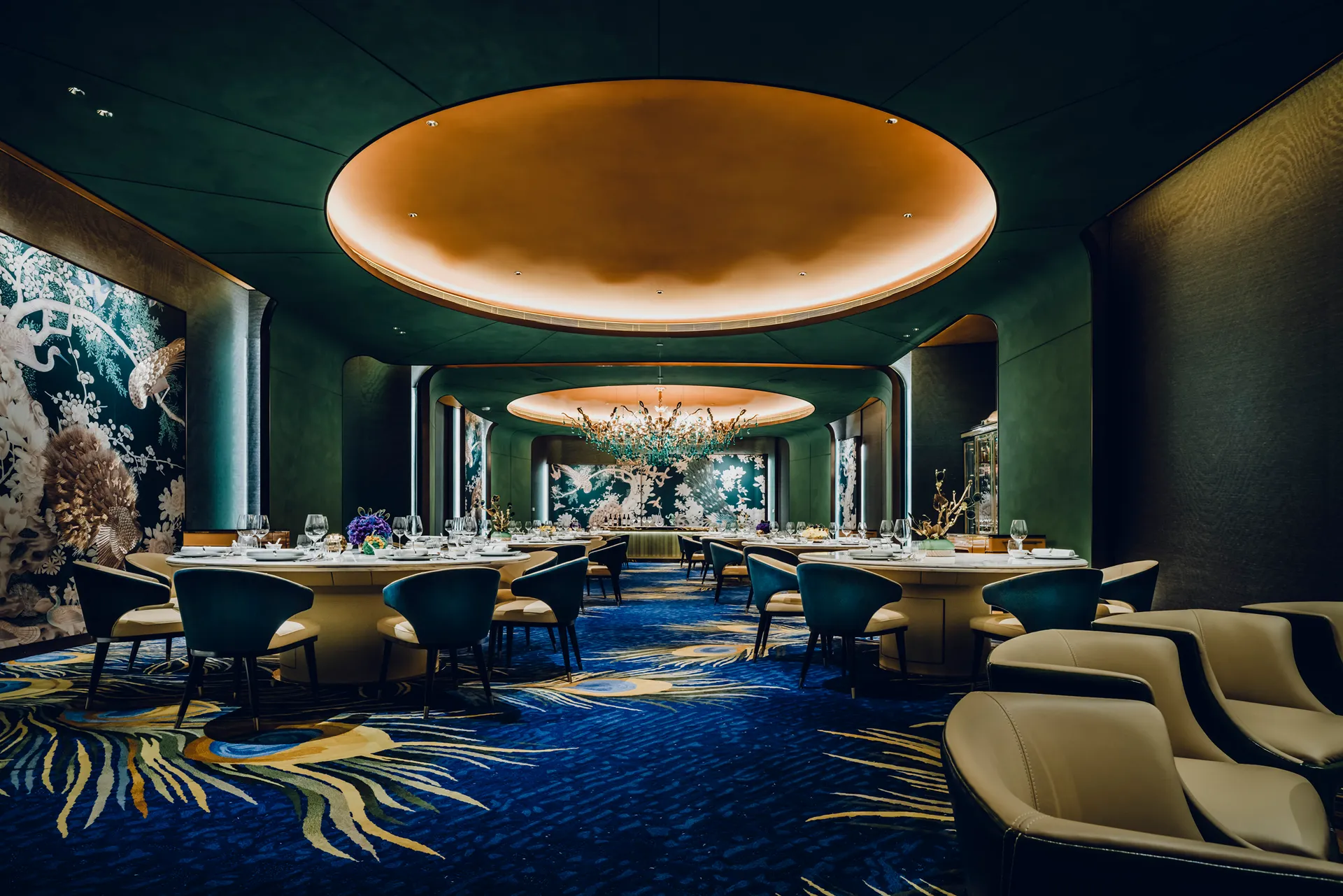
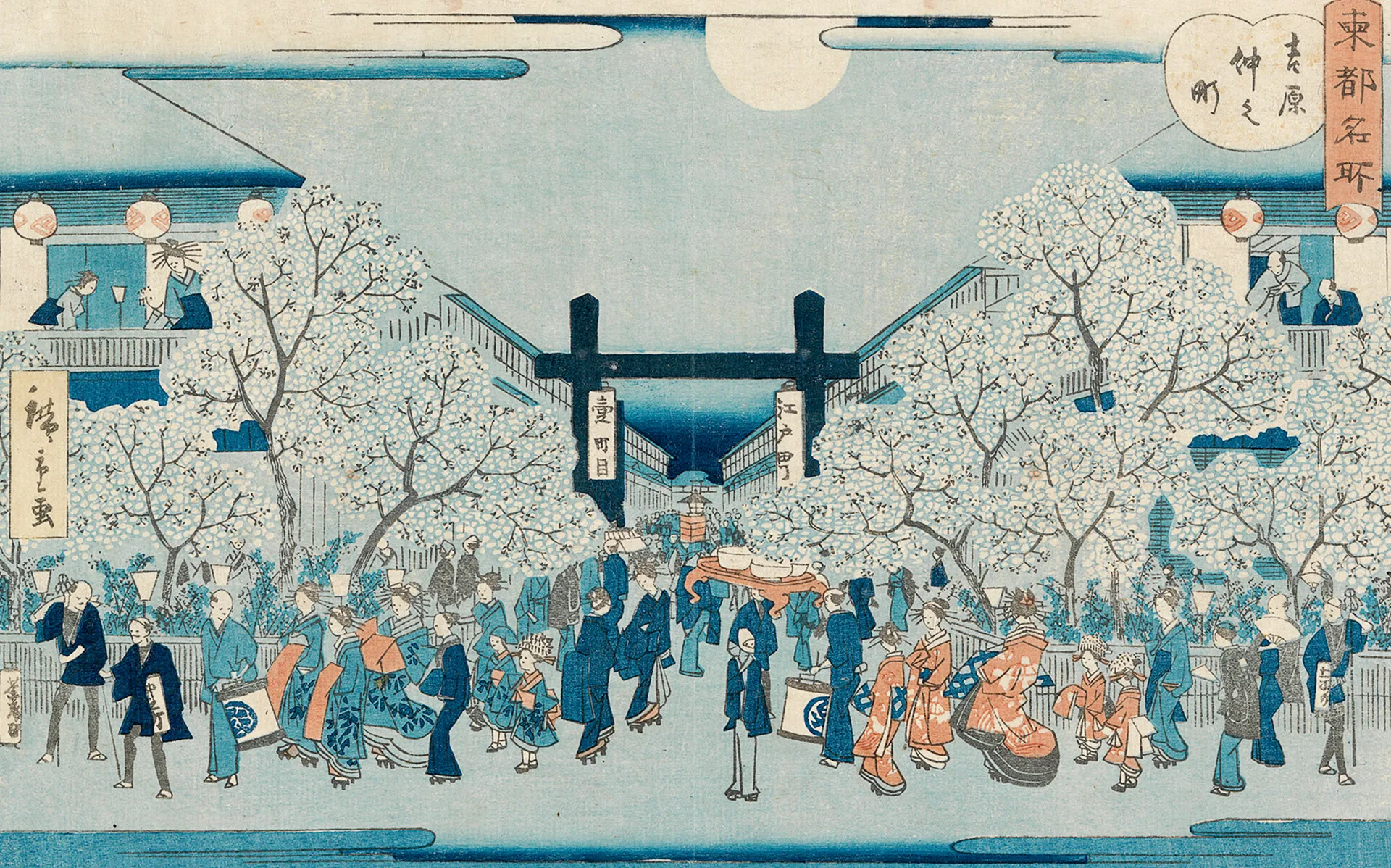
As Chinese cities expanded during the Ming and Qing dynasties, restaurants became increasingly sophisticated. Commercial centres such as Beijing, Suzhou, Hangzhou and Guangzhou developed vibrant dining cultures that attracted merchants, officials and travellers. Yet even as restaurants grew larger and more public, demand for private rooms remained strong. Many establishments incorporated dedicated dining chambers that allowed guests to enjoy professional food and service while preserving the atmosphere of a hosted gathering.
Families could celebrate important milestones without organising large banquets at home. Business associates could meet discreetly. Officials could entertain guests away from public attention. The private room became one of the most desirable parts of the restaurant, often commanding premium locations and enhanced levels of service.
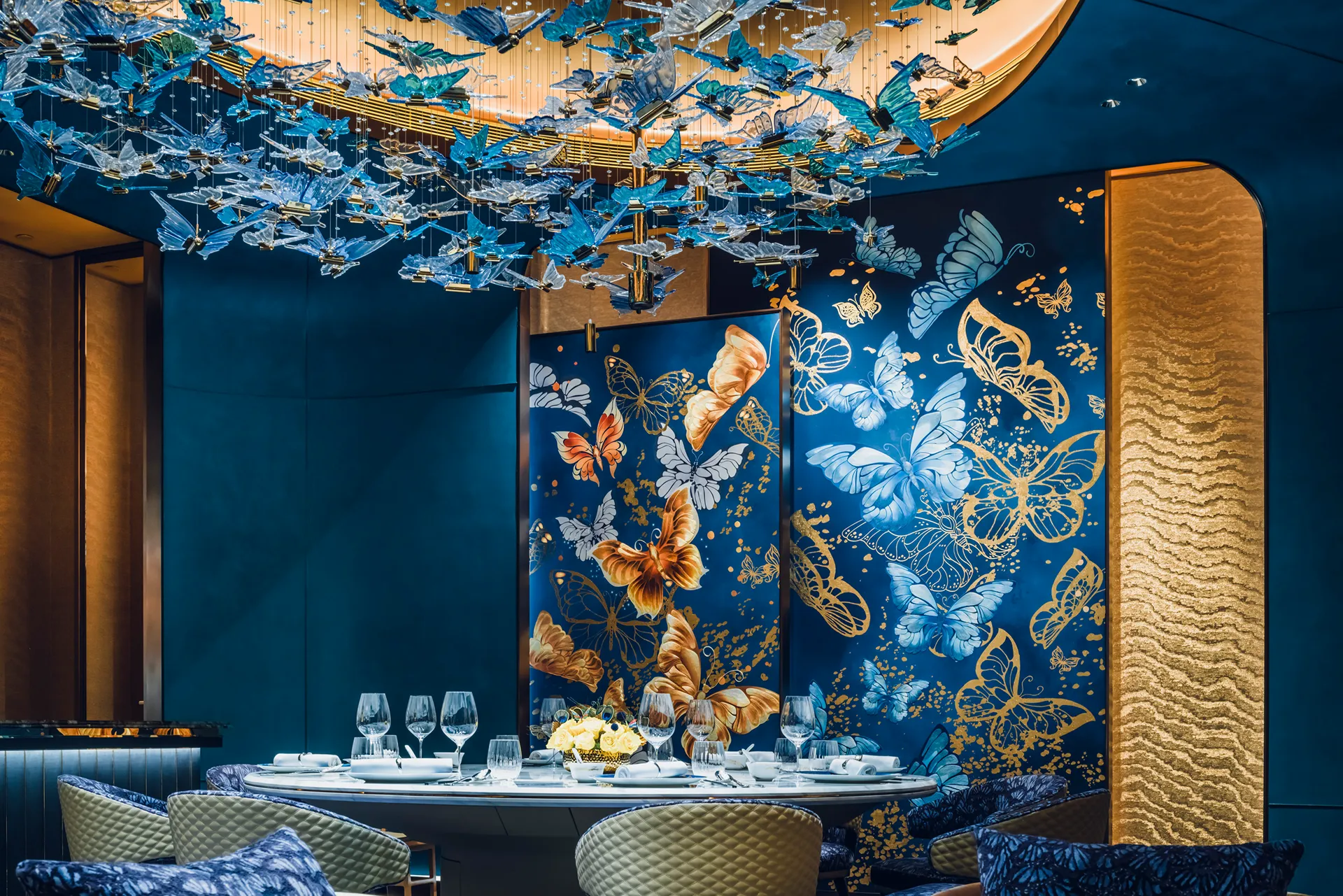
Private dining is as much an architectural experience as a cultural one. The design of a room influences how people interact, how conversations develop and how guests experience hospitality. Traditional Chinese interiors often relied on screens, latticework, carved timber partitions and layered circulation routes rather than solid barriers. These elements created varying degrees of separation while maintaining visual depth and spatial richness. Privacy was achieved gradually rather than abruptly.
Many contemporary hospitality projects continue to draw upon these principles. Designers use textured materials, controlled lighting, framed views and carefully considered circulation to create environments that feel intimate without becoming isolated. The most successful private dining rooms are not simply enclosed spaces. They create a sense of occasion. Guests become more attentive to one another, conversations last longer and the experience feels distinct from the activity of the main restaurant.
Despite changing lifestyles and dining habits, private dining remains deeply embedded within Chinese hospitality culture. Family gatherings continue to centre around shared meals. Weddings, birthdays, festivals and reunions often take place within dedicated dining rooms designed for larger groups. At the same time, contemporary guests increasingly value experiences that feel personal and tailored. A private room allows greater control over atmosphere, pace and interaction, making it particularly appealing for celebrations and business occasions alike.
Luxury hospitality has embraced this demand. Many high-end Chinese restaurants now dedicate significant space and design attention to private dining suites, recognising that these rooms often host the most important moments within the life of a restaurant. The continued popularity of private dining suggests that its appeal extends beyond exclusivity. It remains relevant because it supports the cultural behaviours that shaped it in the first place.

Contemporary Chinese hospitality continues to reinterpret the private dining tradition through architecture, craftsmanship and design. Rather than recreating historical interiors directly, many projects draw upon longstanding cultural principles while expressing them through modern materials and spatial planning.
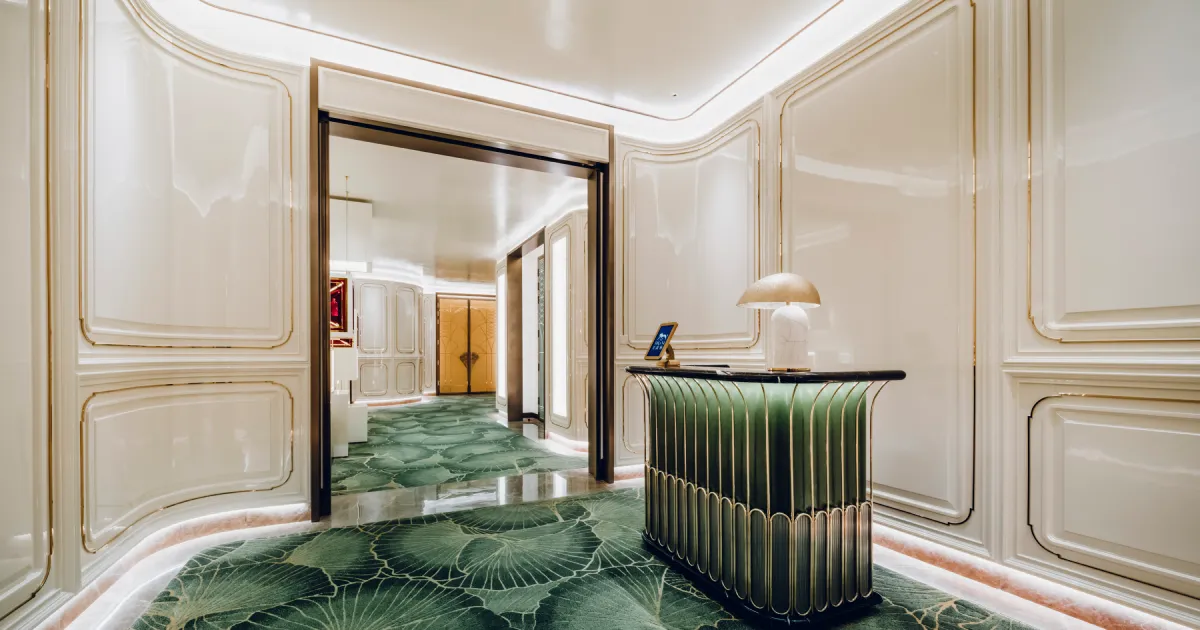
At Grand Imperial Court within MGM Macau, private dining remains central to the guest experience. A series of individually designed rooms provide settings for celebration, business entertaining and family gatherings, each distinguished by its own character, material palette and artwork. The experience reflects a tradition that stretches back centuries, where hospitality extends beyond cuisine and where the environment itself becomes part of the act of hosting.
The private dining room has endured because it fulfils a role that has always existed within Chinese culture. It provides a setting where relationships are strengthened, milestones are celebrated and hospitality is expressed through both food and space. Long before modern luxury restaurants emerged, the foundations of Chinese hospitality were already being shaped around the table and the room that surrounded it.