W Hotel AMMAN
Jordan

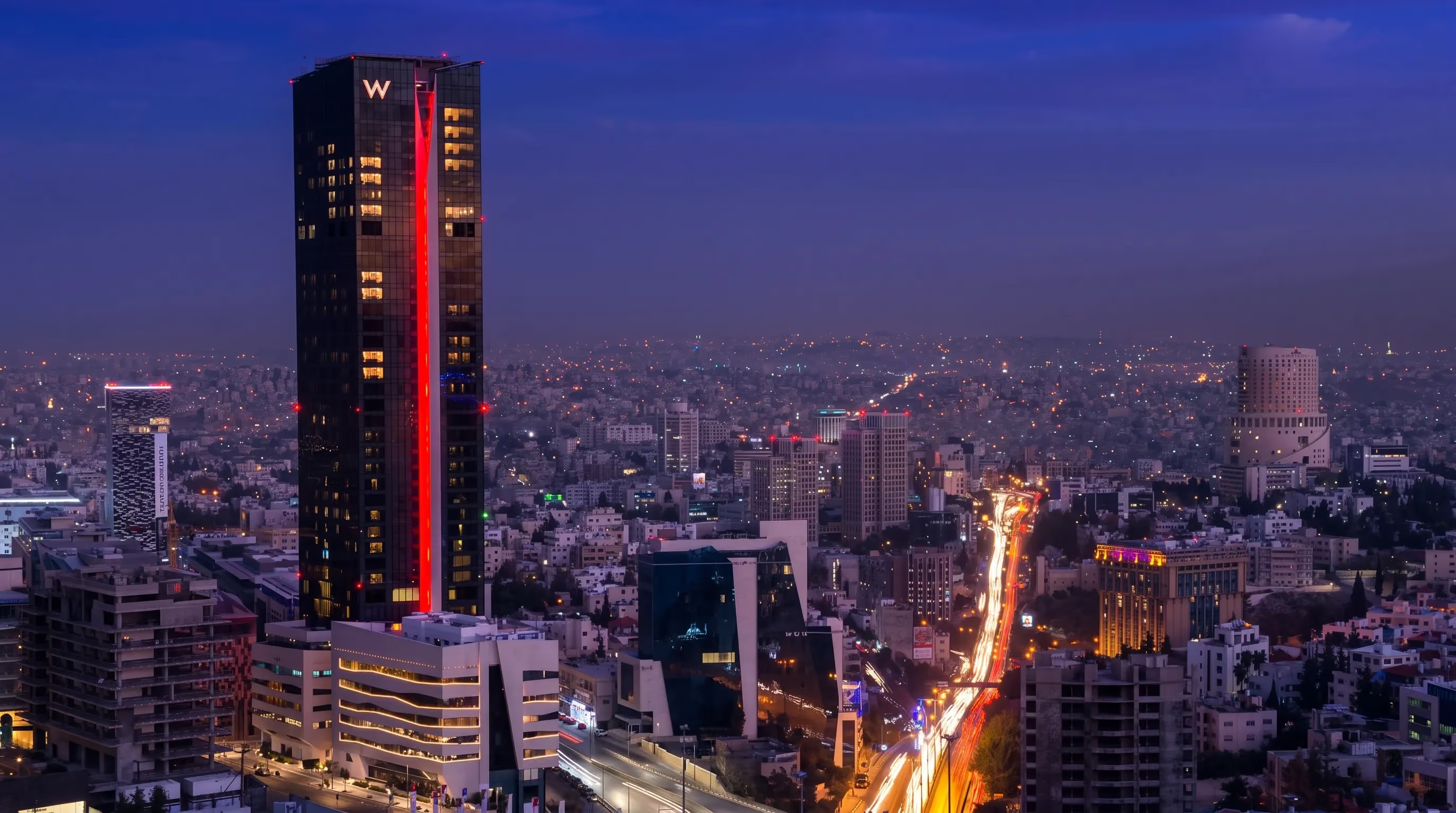
W Amman opened in April 2018 in Abdali, Amman's new downtown, as the W brand's first hotel in Jordan. The brand itself began in 1998 with W New York on Lexington Avenue, and its hotels set out to engage the senses with energy, light, scent and sound, carrying a vibrancy inspired by New York City. In Amman, the aim was for the hotel to contain the energy of the Middle East. Silverfox Studios designed the interiors of the 40-storey hotel in full.

The design draws on two sources. The first is the natural landscape of Petra, the UNESCO World Heritage Site in southern Jordan: its rose-toned rock formations and the canyon that leads into the ancient Nabataean city. The second is Amman itself, a city first built across seven hills, where buildings are clad largely in white and beige limestone and the second-century Roman Theatre still hosts events today.

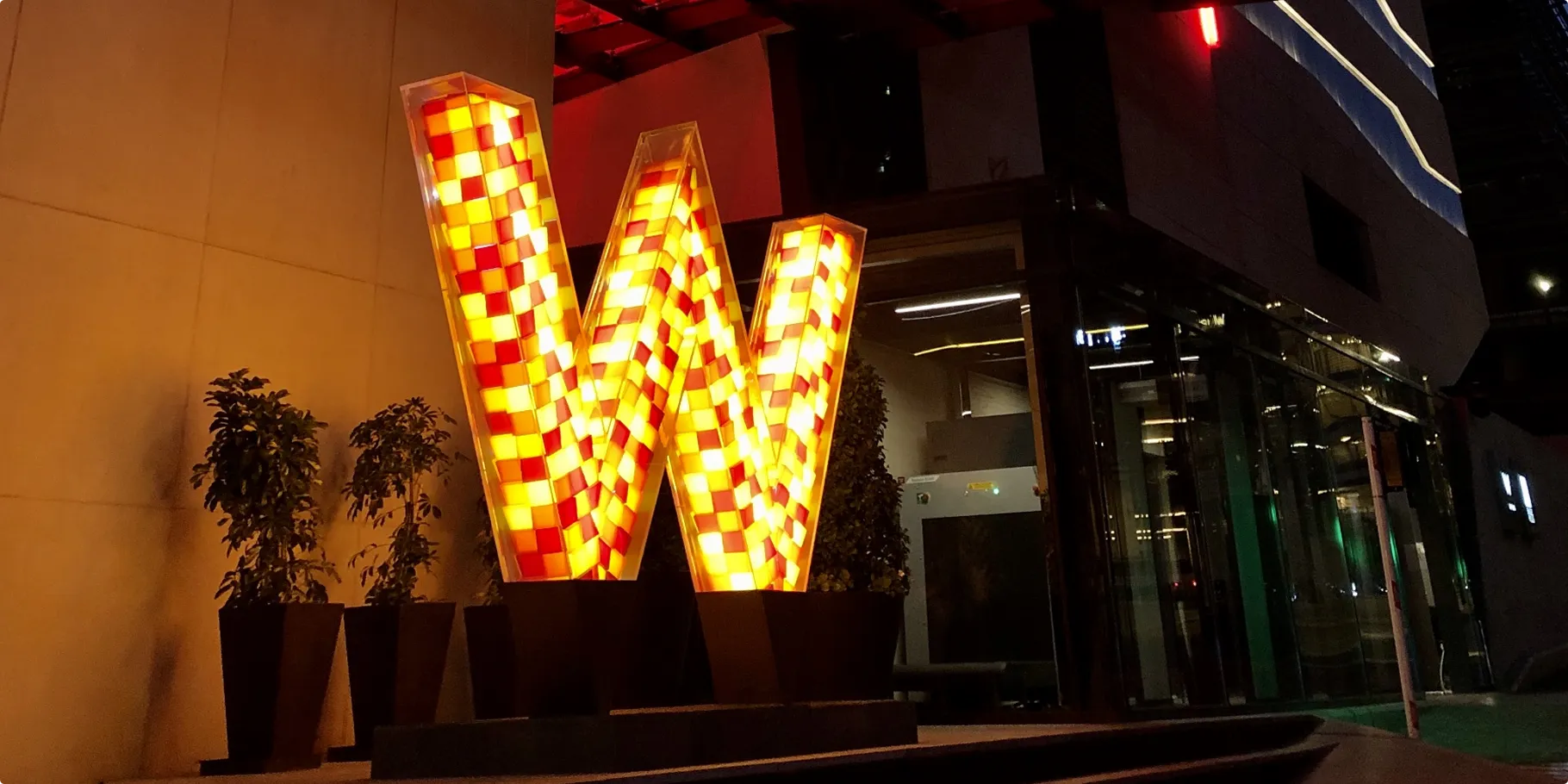
Journey of Discoveries governs how guests move into and through the building. The arrival and the food and beverage spaces are shaped as canyon and shard structures, working with both solid form and open volume to turn arrival into an adventure. The hotel's façade and entrance are inspired by the rock formations of Petra, reinterpreted in modern materials as a faceted, shard-like form lit in red above the illuminated W sign.
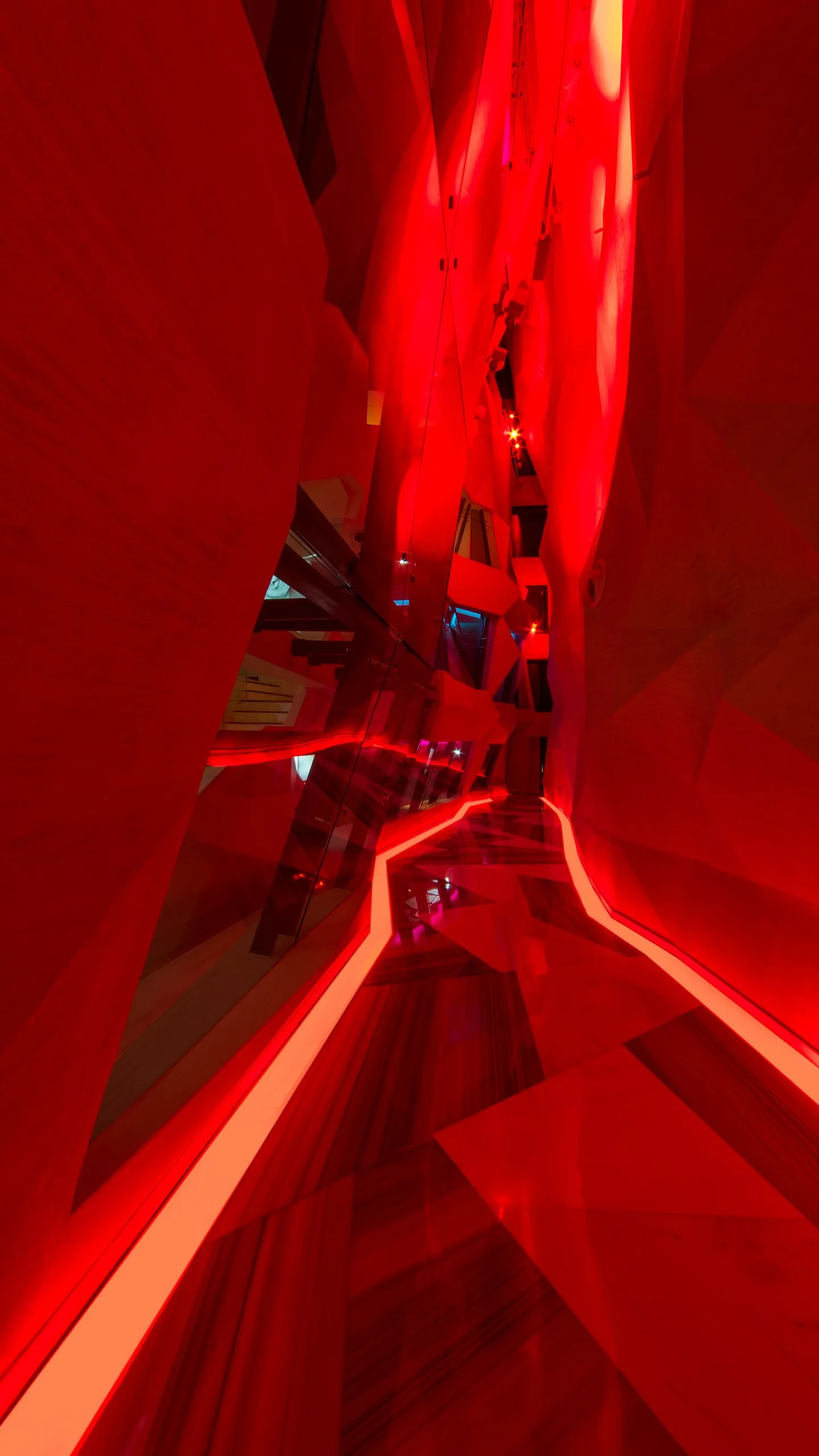
Inside, the Canyon Walk takes its reference from the Siq, the narrow gorge that serves as the main entrance to Petra. In Jordan, visitors walk the Siq for around 1.2 kilometres before it opens onto Al-Khazneh, the Treasury, one of Petra's best-known monuments. The hotel reworks that sequence at the scale of an arrival: the natural canyon is translated into faceted architecture in natural tones, with angled planes and lines of light drawing guests through to the lifts and up to the lobby.
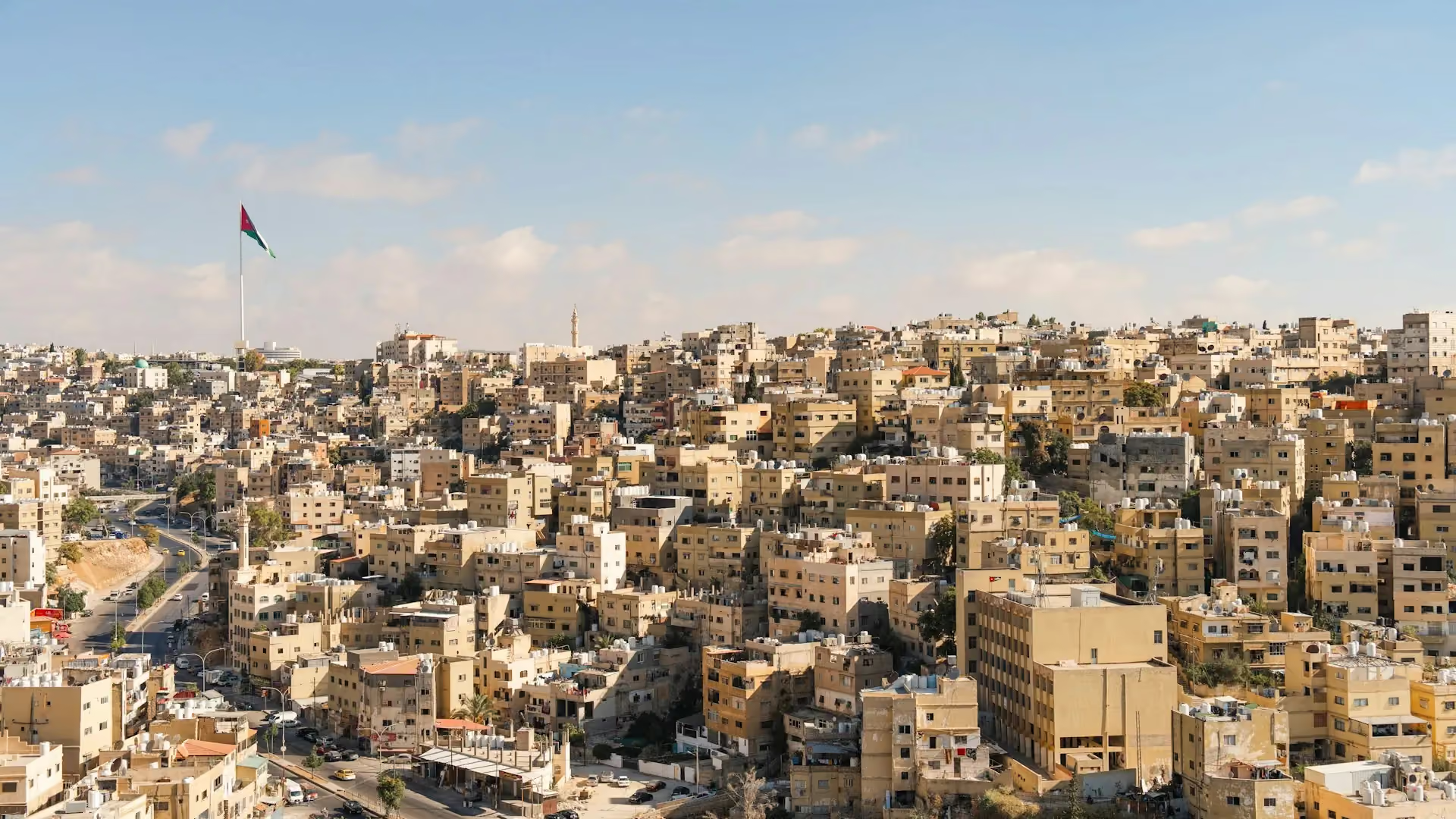
Unique Cityscape takes its cue from Amman's hills. Indoor, outdoor, personal and public spaces are arranged across different platforms and levels, layered with surface, shade and projected light, and evolving around images of sculpted groves and shaded courtyards.
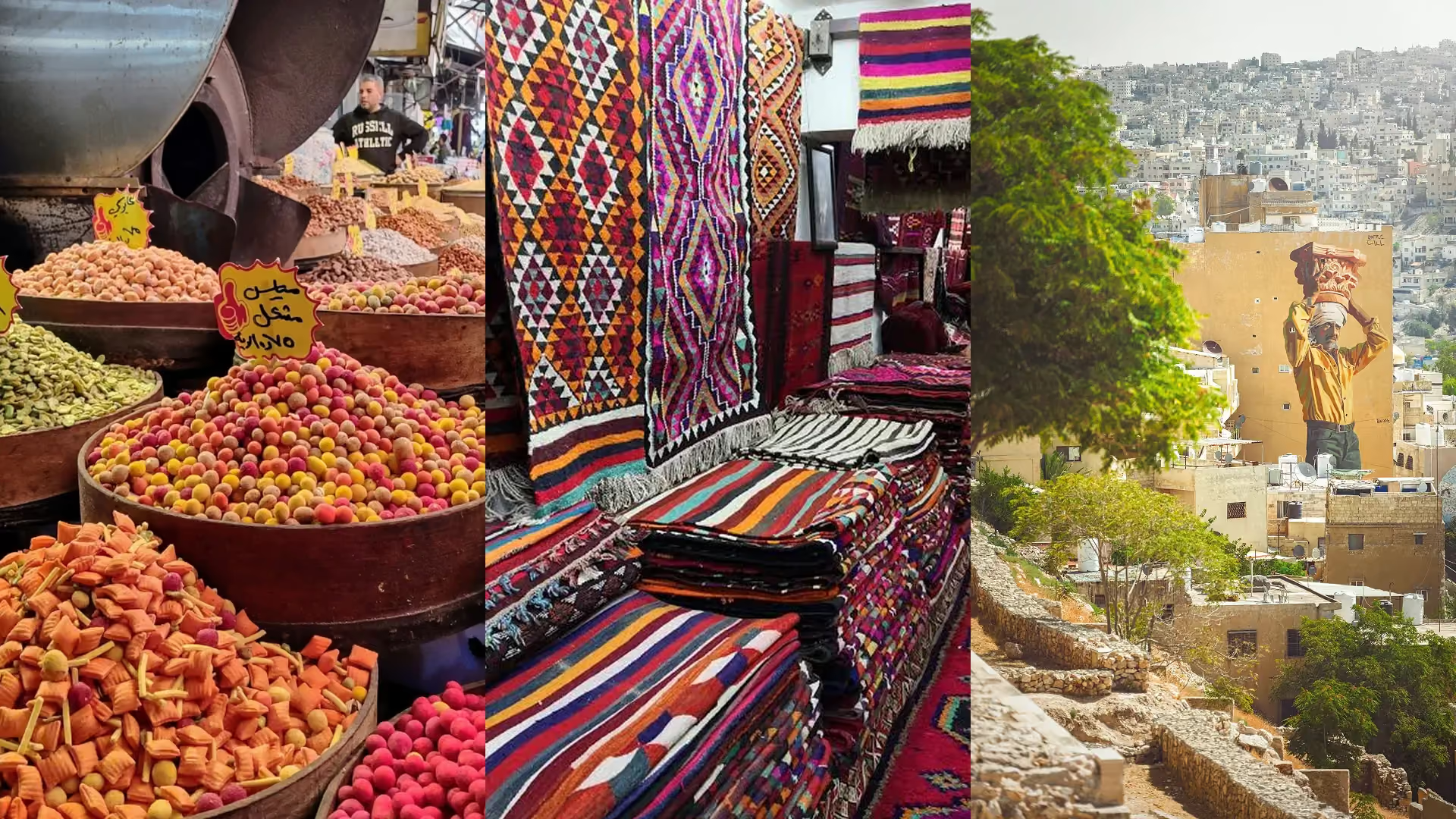
Local Accents brings the colour, pattern, texture, music and light of the region into the fabric of the building.

The Tree of Life is a sculpture inspired by the Petra olive tree and the bright colours and patterns of Amman. Its trunk is wrapped in striped, multicoloured fabric, with branches radiating outward in similarly wrapped rods.
Jordan's ancient olive trees, known locally as Roman or Mehras, include trees more than 2,000 years old. DNA studies place the Mehras among the ancestors of olive varieties later grown in Italy, Spain and Cyprus. In December 2025, UNESCO added the traditions surrounding the Mehras olive, from grafting and pruning to hand harvesting, to its Representative List of the Intangible Cultural Heritage of Humanity.
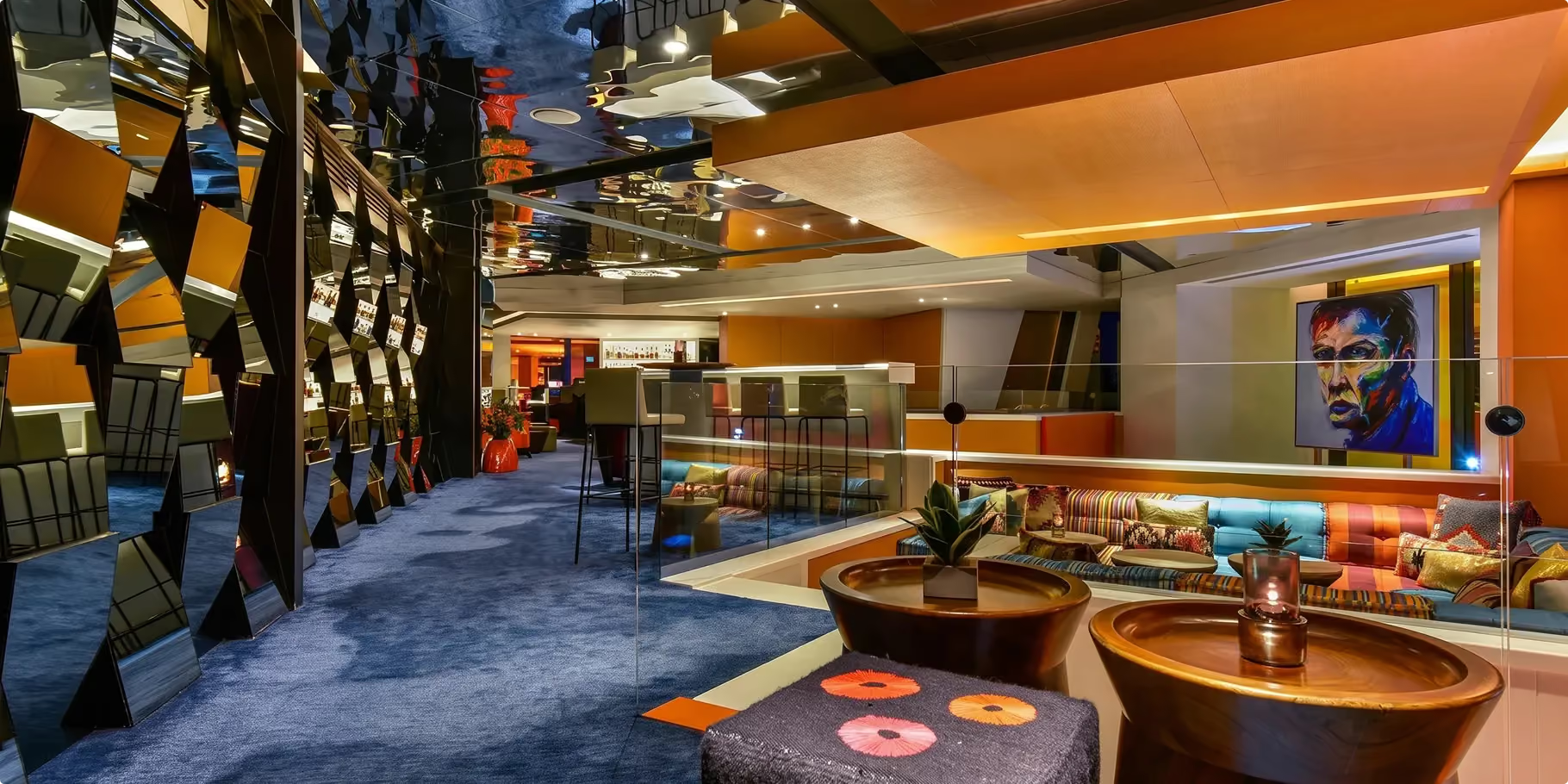
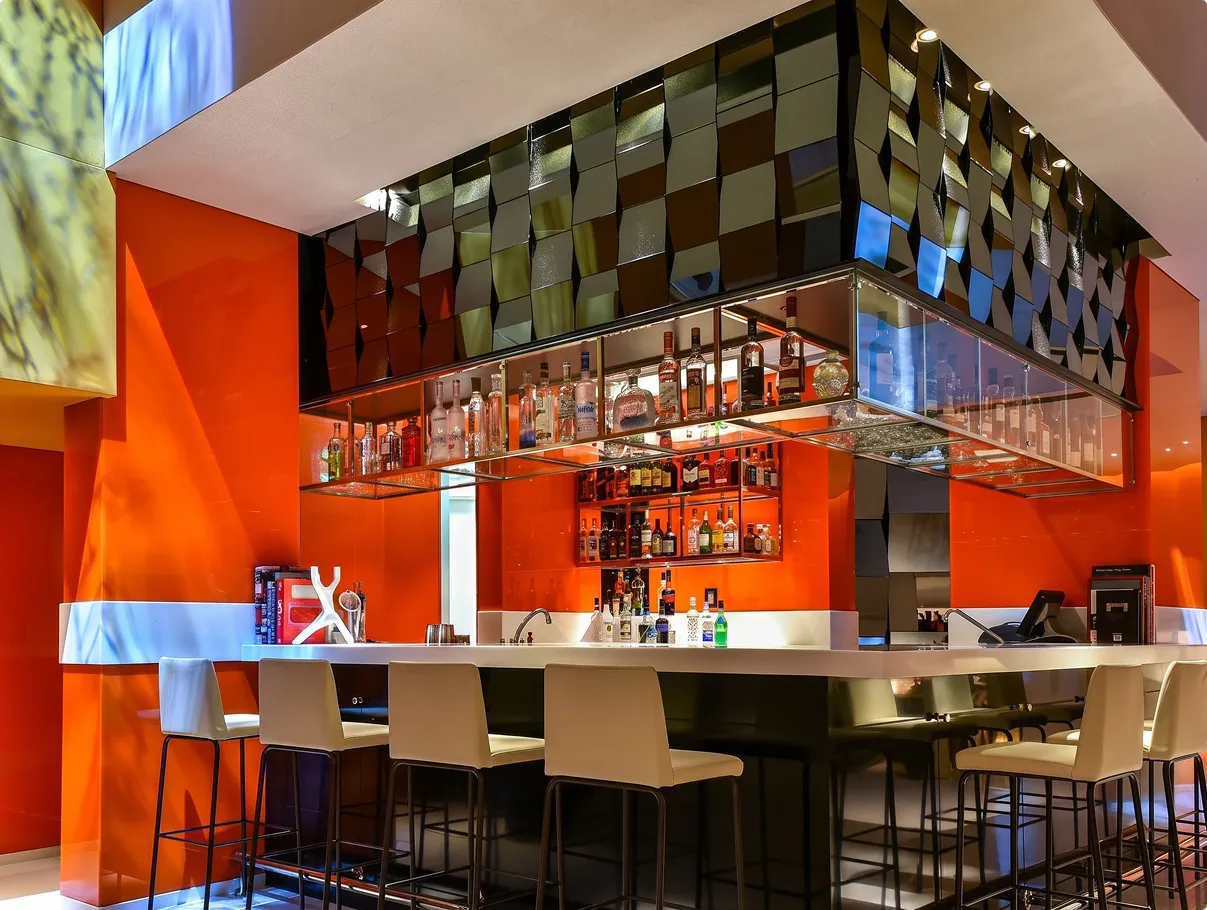
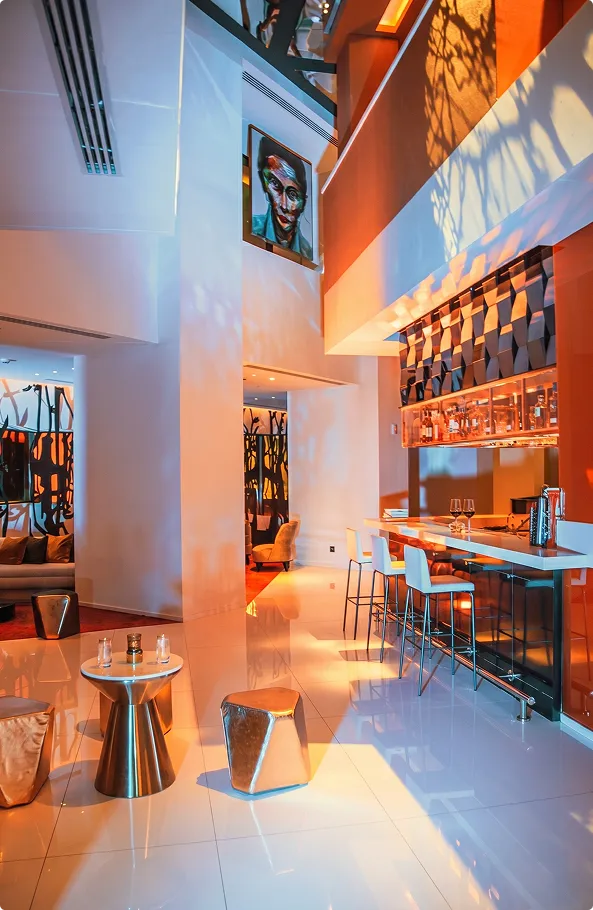
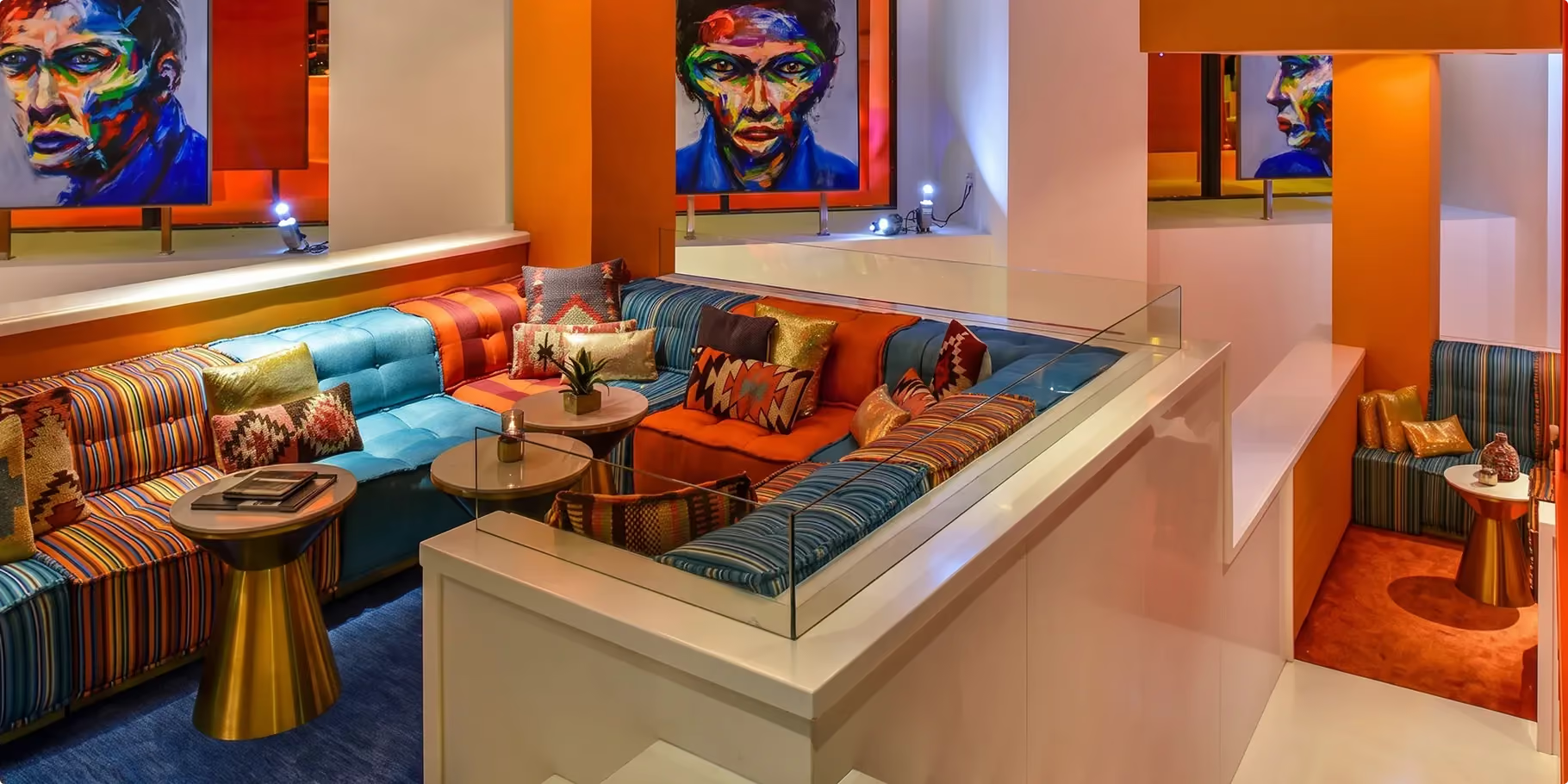
The Living Room is the hotel's lobby lounge and bar, conceived as a clubhouse for the modern traveller and arranged as a mix of intimate and open areas. Its design follows the cityscape of Amman, with its play of volumes, spaces and textures. Lacquered orange walls and faceted mirrored panels sit alongside striped banquettes, white bar counters, metallic side tables and portrait artworks, while projected lighting casts leaf and branch patterns across the walls.
Elements of Bedouin weaving are reinterpreted throughout the space, and the lounge features locally designed pillows from the Jordan River Foundation, the non-profit founded in 1995 by Queen Rania, then Princess Rania, to support women and communities across the country. Among its handicraft programmes is the Bani Hamida weaving project, which has supported Bedouin women weavers since 1985.
The hotel's art includes work by Bahraini artist Jamal A. Rahim, and by Jordanian artists Bader Mahasneh, known for his paintings of faces, and Hazem Al Zoubi.

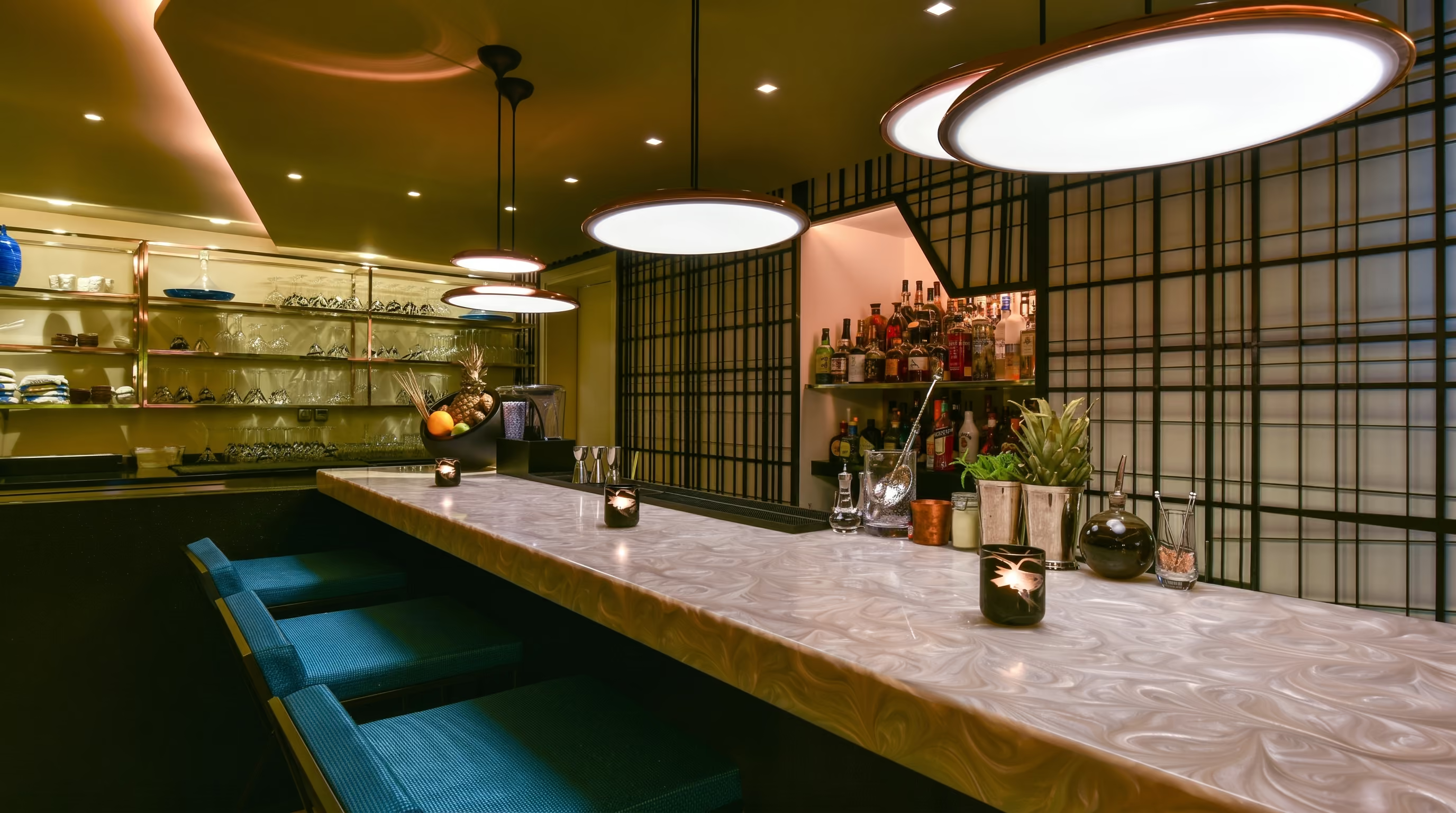
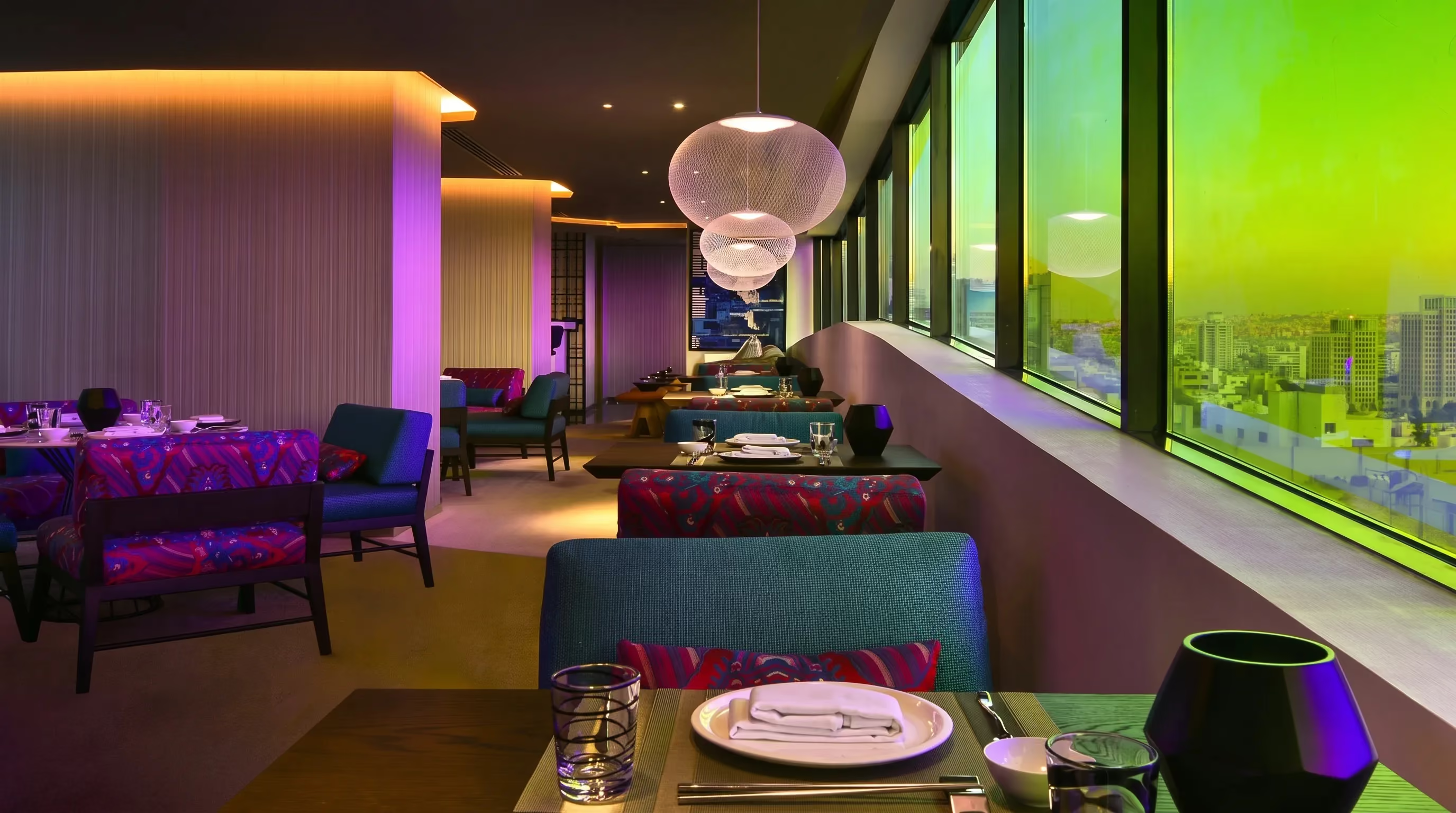
Enso, the hotel's Pan-Asian restaurant, brings together flavours from five regional cuisines across Southeast Asia. Its interior is inspired by the vibrancy of the city, drawing on natural rock formations and Amman's colours and textures. Woven globe pendants hang over the dining room, with patterned banquette seating along the windows, and the bar is set against a black lattice screen with a marble counter and backlit bottle shelving.
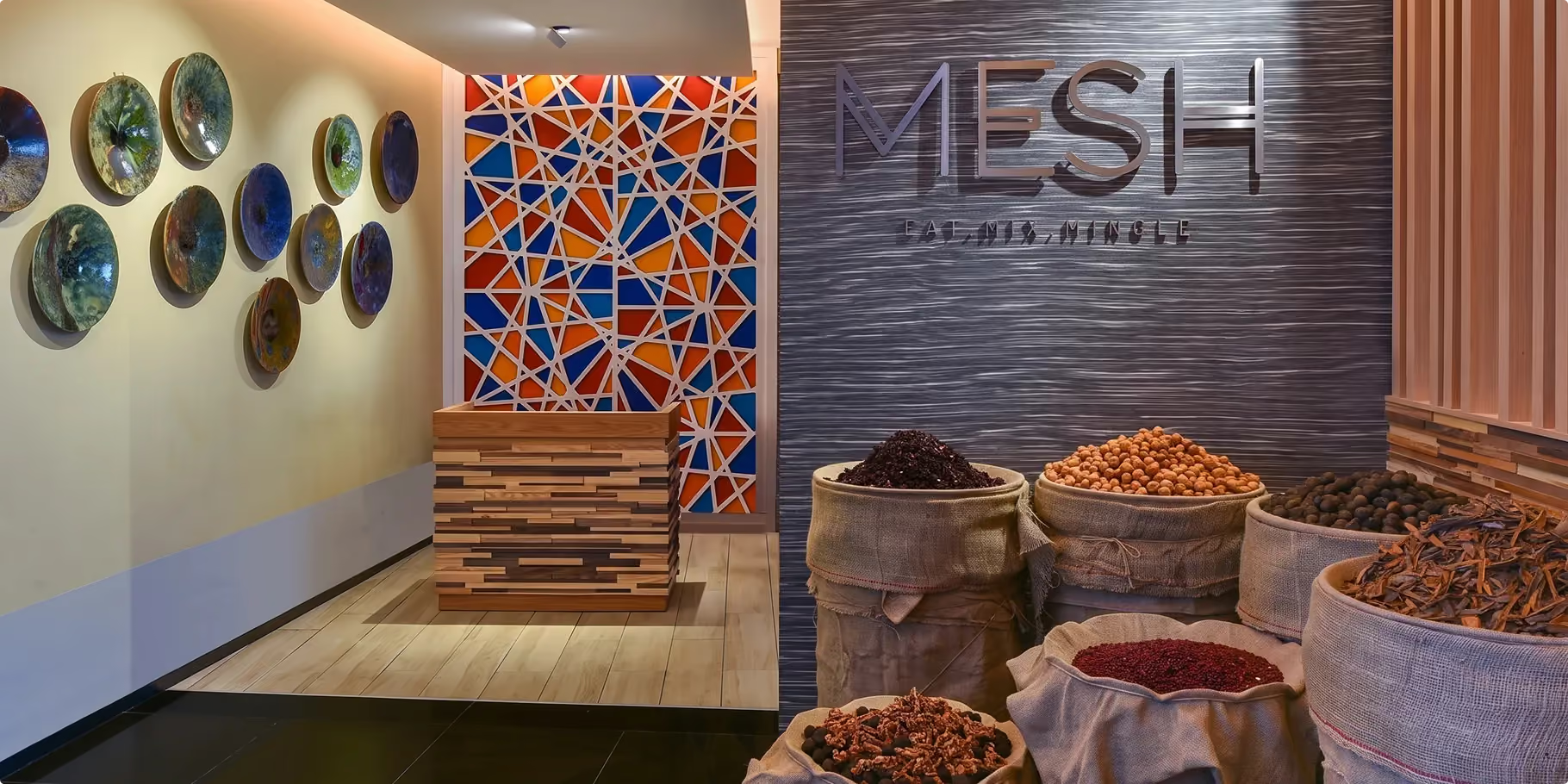
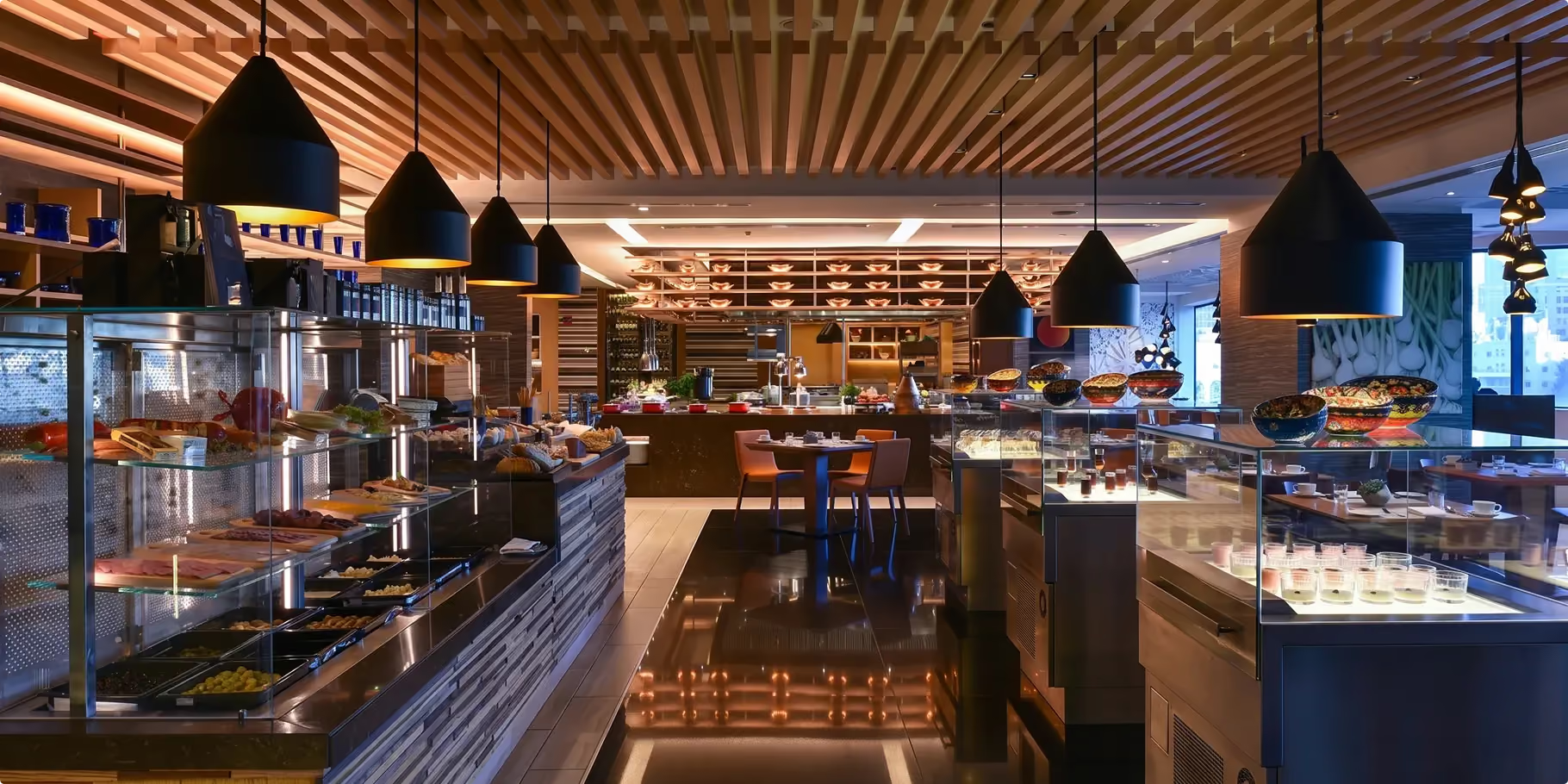
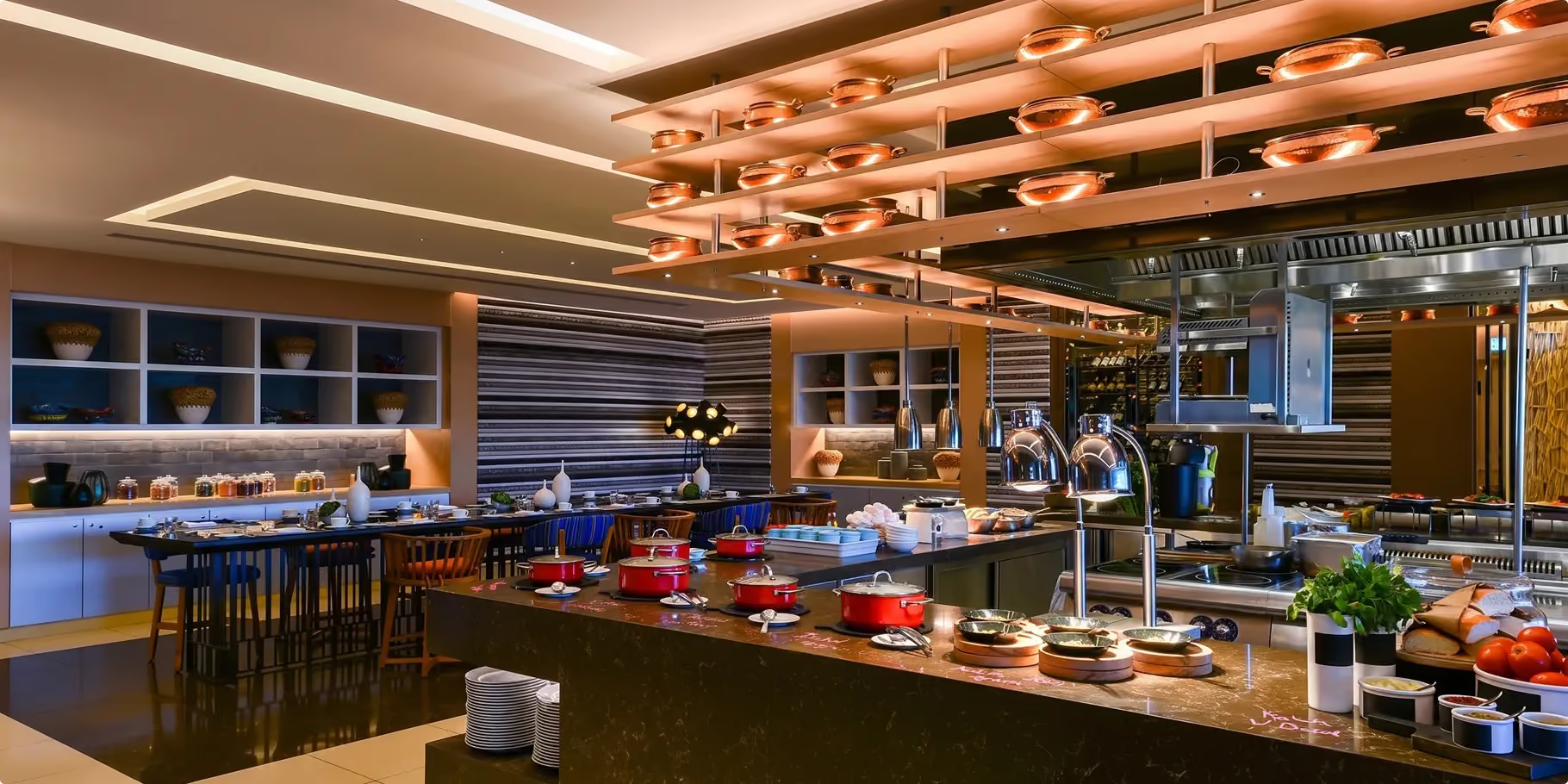
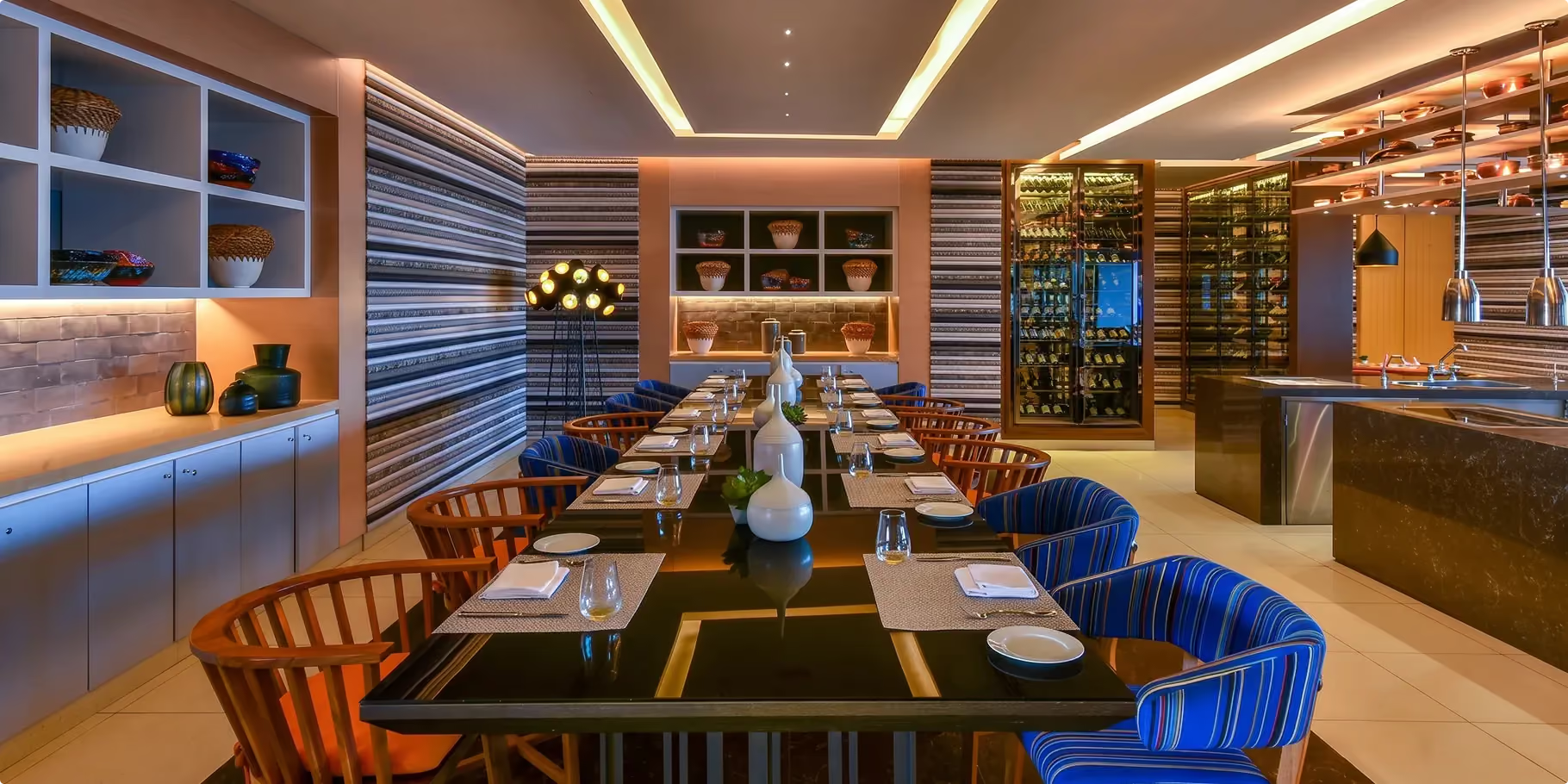
Mesh serves international cuisine with a Levantine touch. Its design takes inspiration from accents found around Amman: textured and shaded screens, the layering of objects, and brightly coloured prints and patterns. A white geometric lattice screen frames the window seating, with clusters of black pendant lights above. The open kitchen runs as a series of show stations under a slatted timber ceiling, alongside a glass-fronted wine display and long communal tables with striped upholstered chairs.

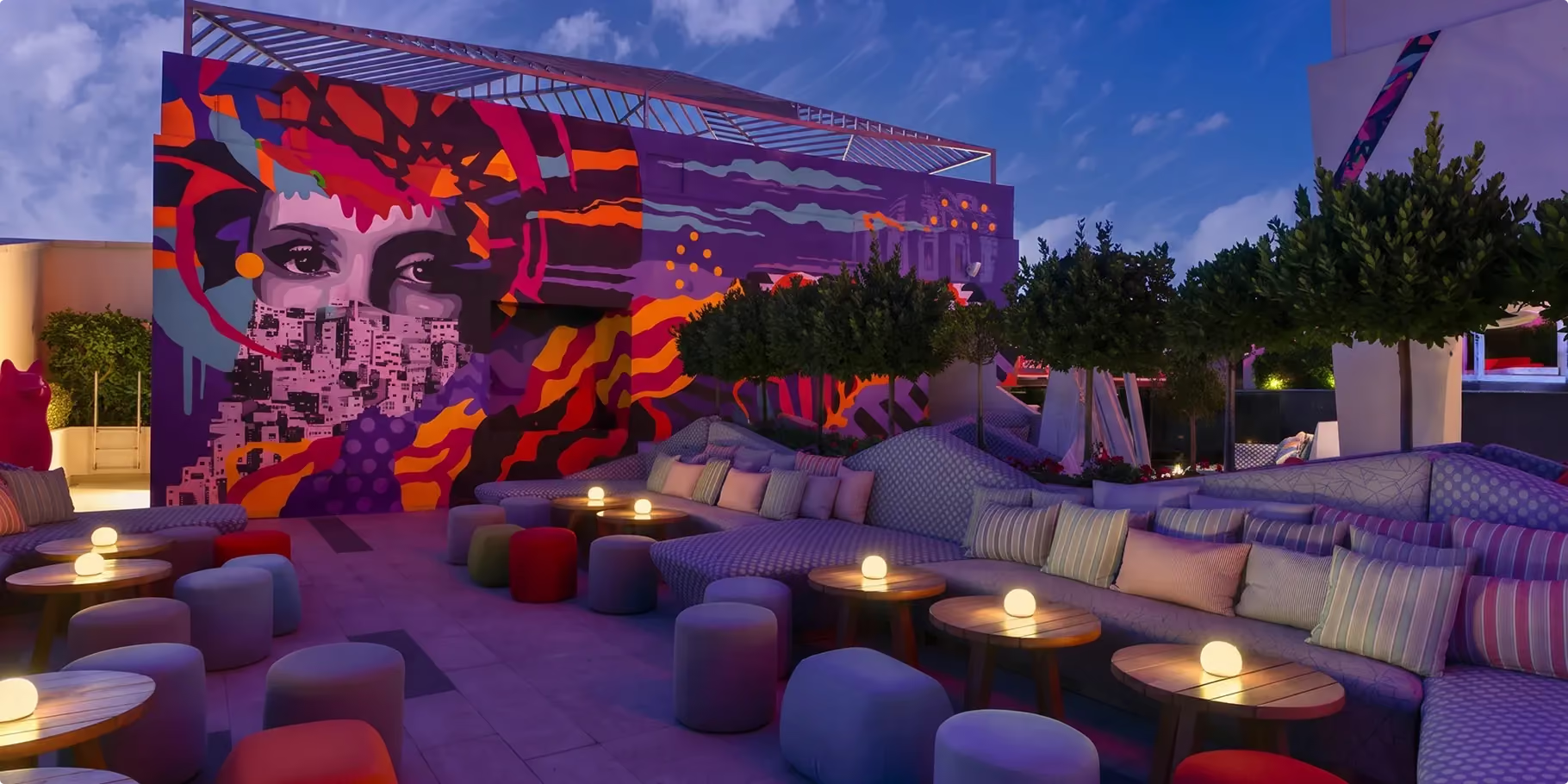
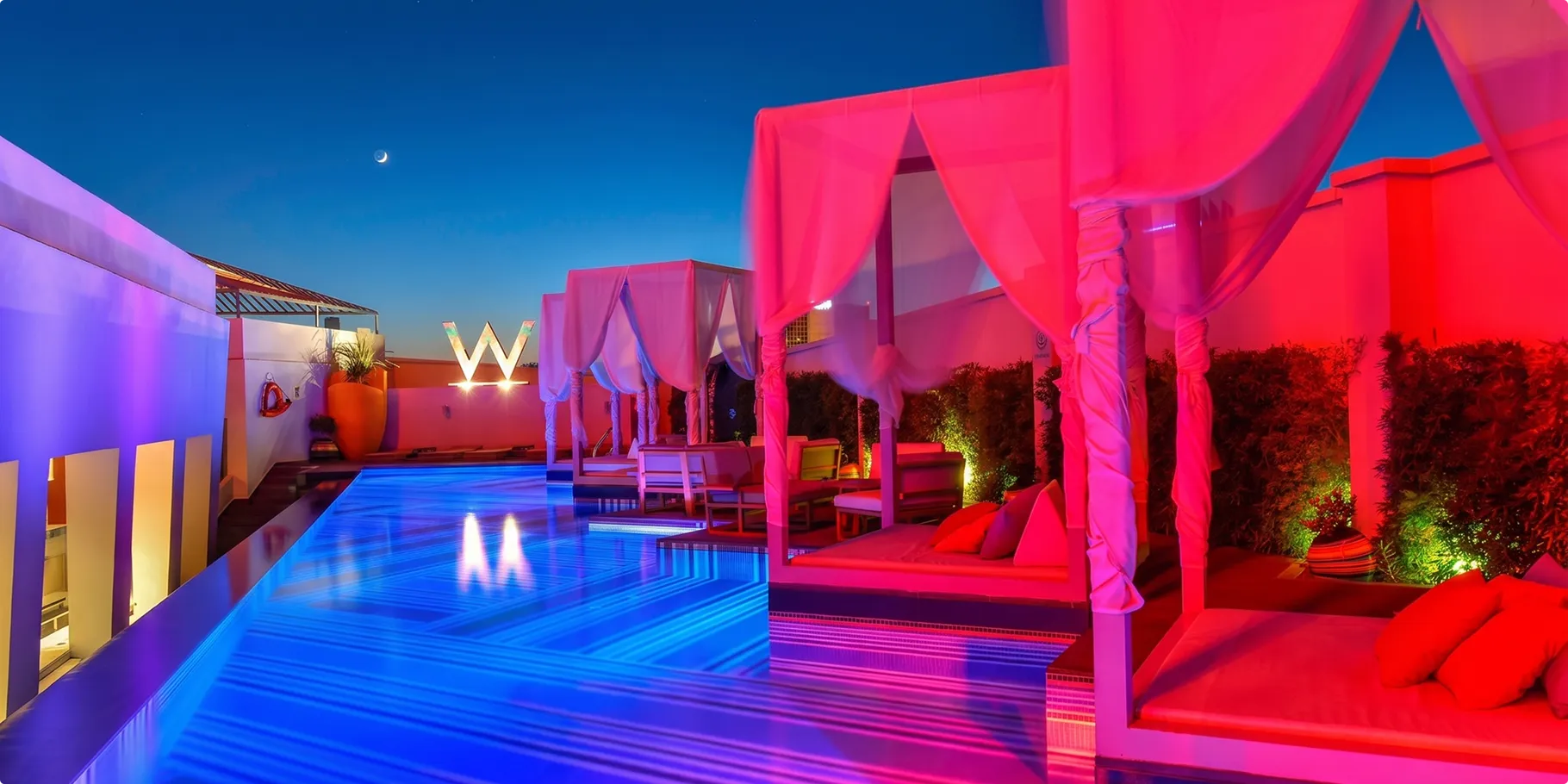
The WET Deck spans the sixth and seventh floors and returns to the theme of Amman's cityscape through the play of different levels and heights. Its design includes a modern depiction of Amman's Roman Theatre, with terraced lounges, low tables and pouffes descending across the deck, set against views over the city, a large-scale screen and a faceted pavilion structure.
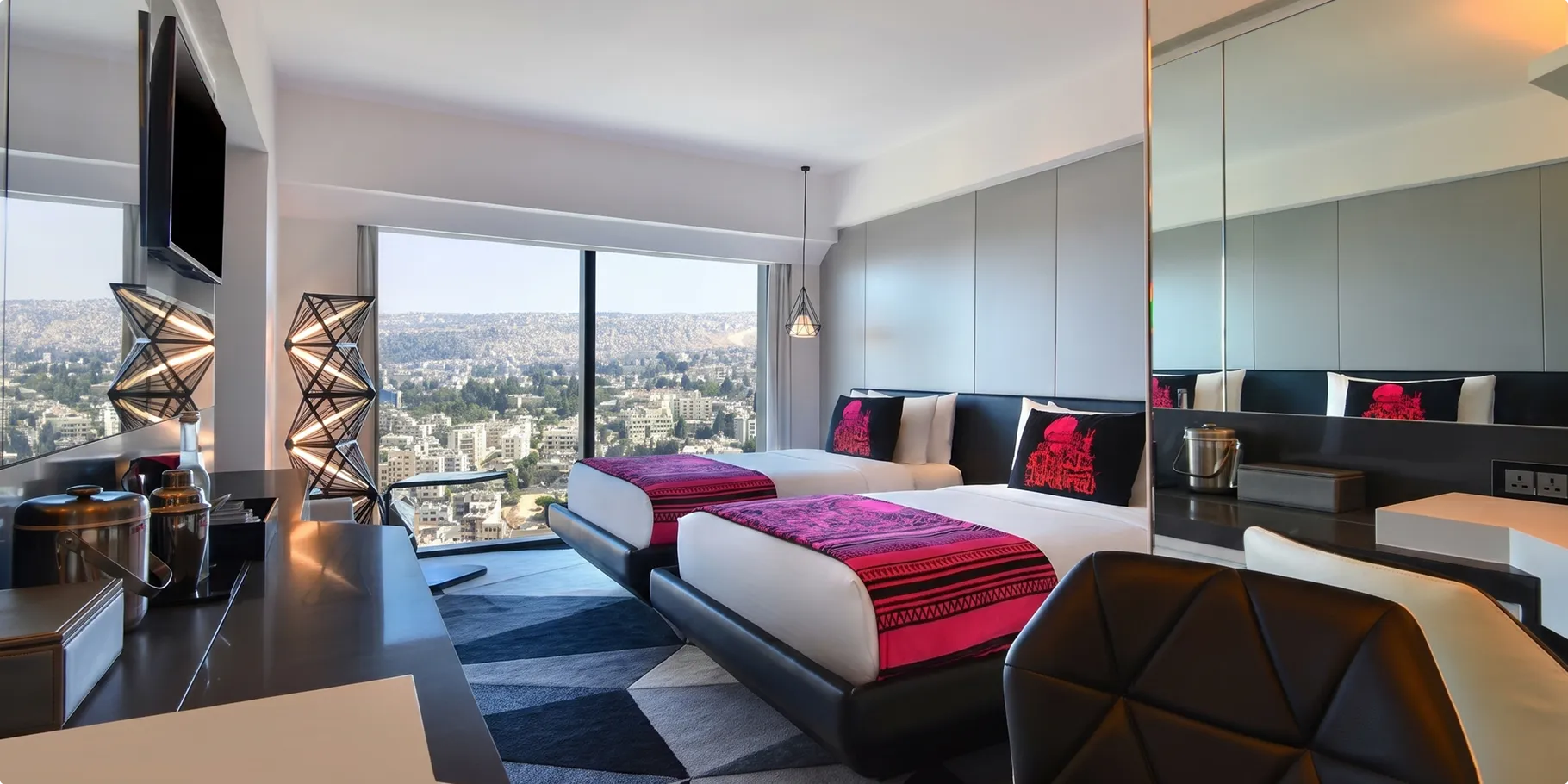
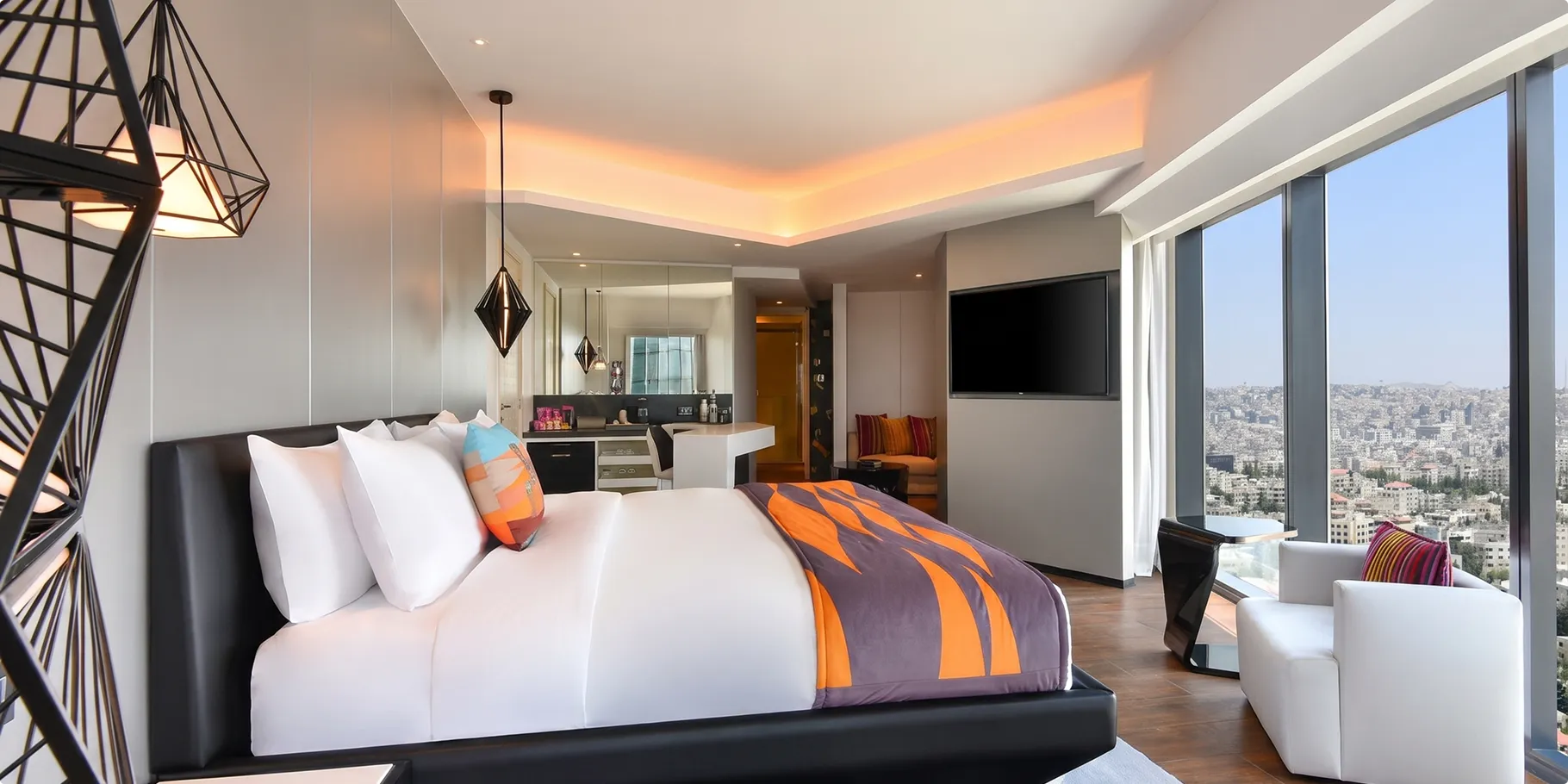
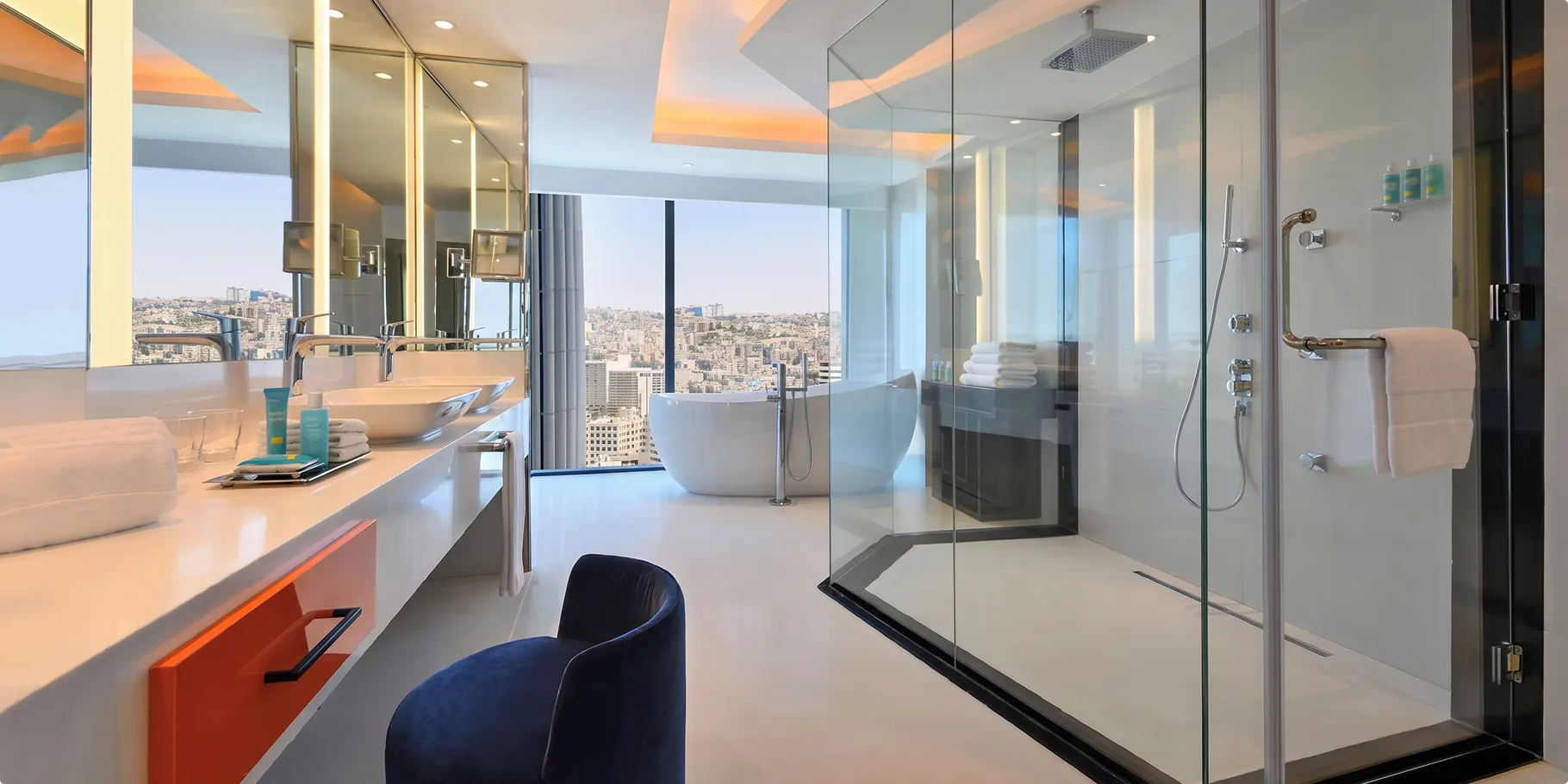
W Amman has 280 guestrooms: 236 rooms and 44 suites. Every room has floor-to-ceiling windows looking out across the city, vivid designs, W signature beds and bathrooms with rain showers. Across the hotel, Bedouin weaving and multicoloured textiles are worked into the furniture.
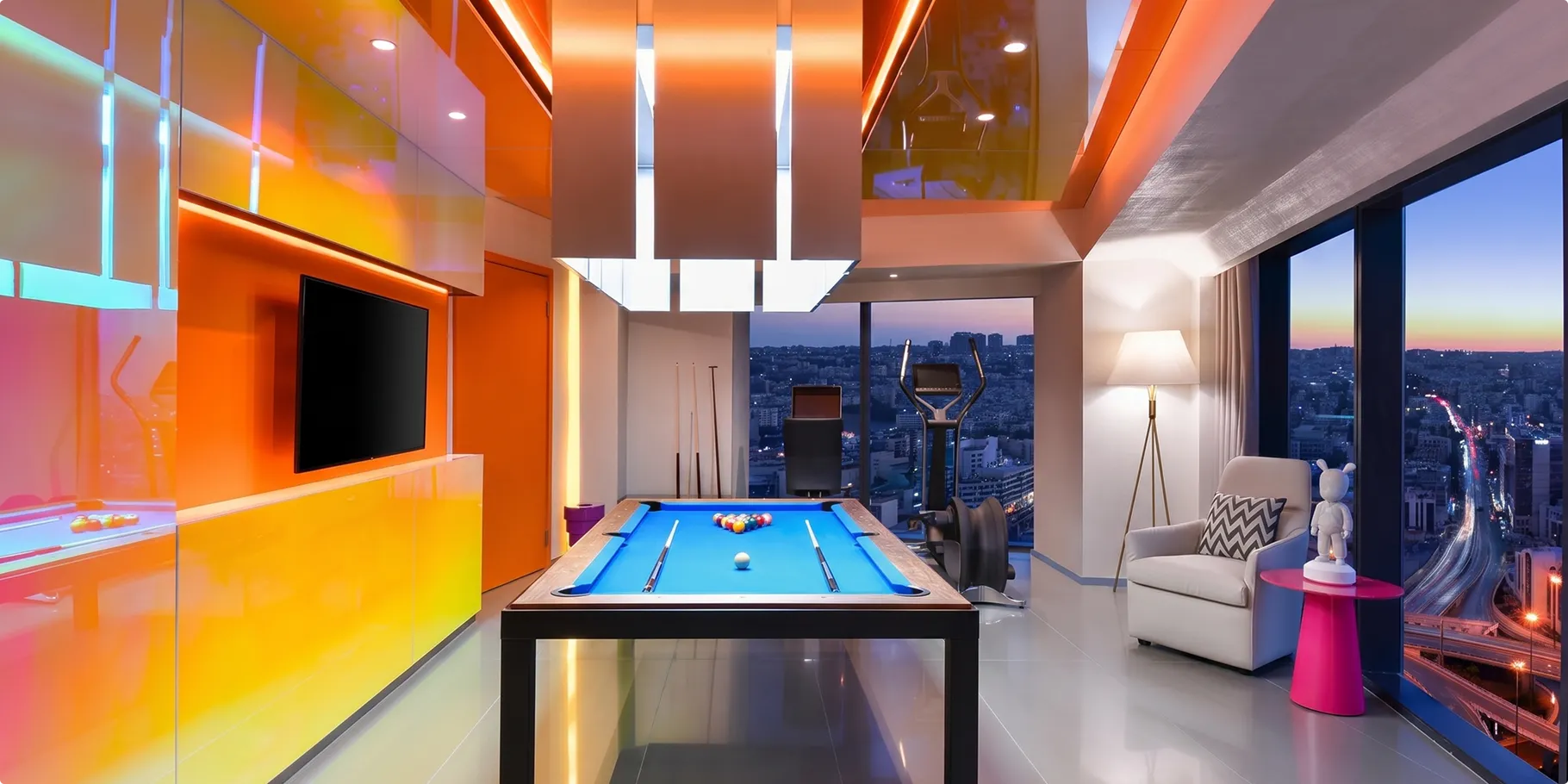
At the top of the range are four WOW Suites and the 1,710-square-foot Extreme WOW Suite, the hotel's presidential suite, with panoramic views of Amman, an in-room DJ deck, an amplified entertainment system and a private jacuzzi.
The Cool Corner Suite takes its inspiration from accents in Amman, with its textures, coloured patterns and interweaving fabrics. Striped cushions and throws in orange, red and charcoal set off a pale palette, with geometric pendant lights and a lattice-framed floor lamp.