Outside Japan, sake is often simplified as a rice-based alcoholic drink served warm in Japanese restaurants. In reality, sake occupies a far more complex position within Japanese culture. It is deeply tied to religion, hospitality, agriculture, ceremony and social etiquette, with a history that stretches back more than a thousand years. In Japan, sake has traditionally functioned not only as a beverage, but as a cultural instrument. It appears in weddings, seasonal festivals, shrine rituals, business gatherings and formal dining traditions. The act of drinking sake is rarely isolated from the setting in which it is served. Temperature, glassware, seasonality, food pairing and even the sequence of pouring all contribute to the experience.
This relationship between sake and ritual has had a significant influence on Japanese hospitality culture, particularly within fine dining environments where service, pacing and atmosphere are considered inseparable from the meal itself. Today, as Japanese dining continues to expand internationally, sake has increasingly become part of a broader cultural narrative surrounding craftsmanship, ceremony and sensory hospitality.

The origins of sake are closely connected to the development of rice cultivation in ancient Japan. Early forms of fermented rice alcohol are believed to have existed as far back as the Yayoi period, when wet rice farming became established across the country. Over time, sake production evolved alongside Shinto religious practices, where rice itself was considered sacred due to its connection with agriculture, harvest cycles and community survival. Within Shinto tradition, sake became an offering to the gods, known as kami. Shrines frequently used sake during purification ceremonies, seasonal festivals and religious celebrations. Even today, barrels of sake are commonly displayed at major shrines across Japan as symbolic offerings from breweries and communities.
This spiritual association shaped the cultural perception of sake for centuries. Unlike many alcoholic beverages that developed primarily through trade or recreation, sake was closely tied to ritual and collective identity from the outset. By the Nara and Heian periods, sake production had become increasingly refined, particularly within imperial courts and religious institutions. Brewing methods improved significantly during the medieval era, with temples often acting as centres of technical development. Many of the foundational brewing practices still used today emerged during this period, including multiple parallel fermentation techniques that distinguish sake from wine or beer production.
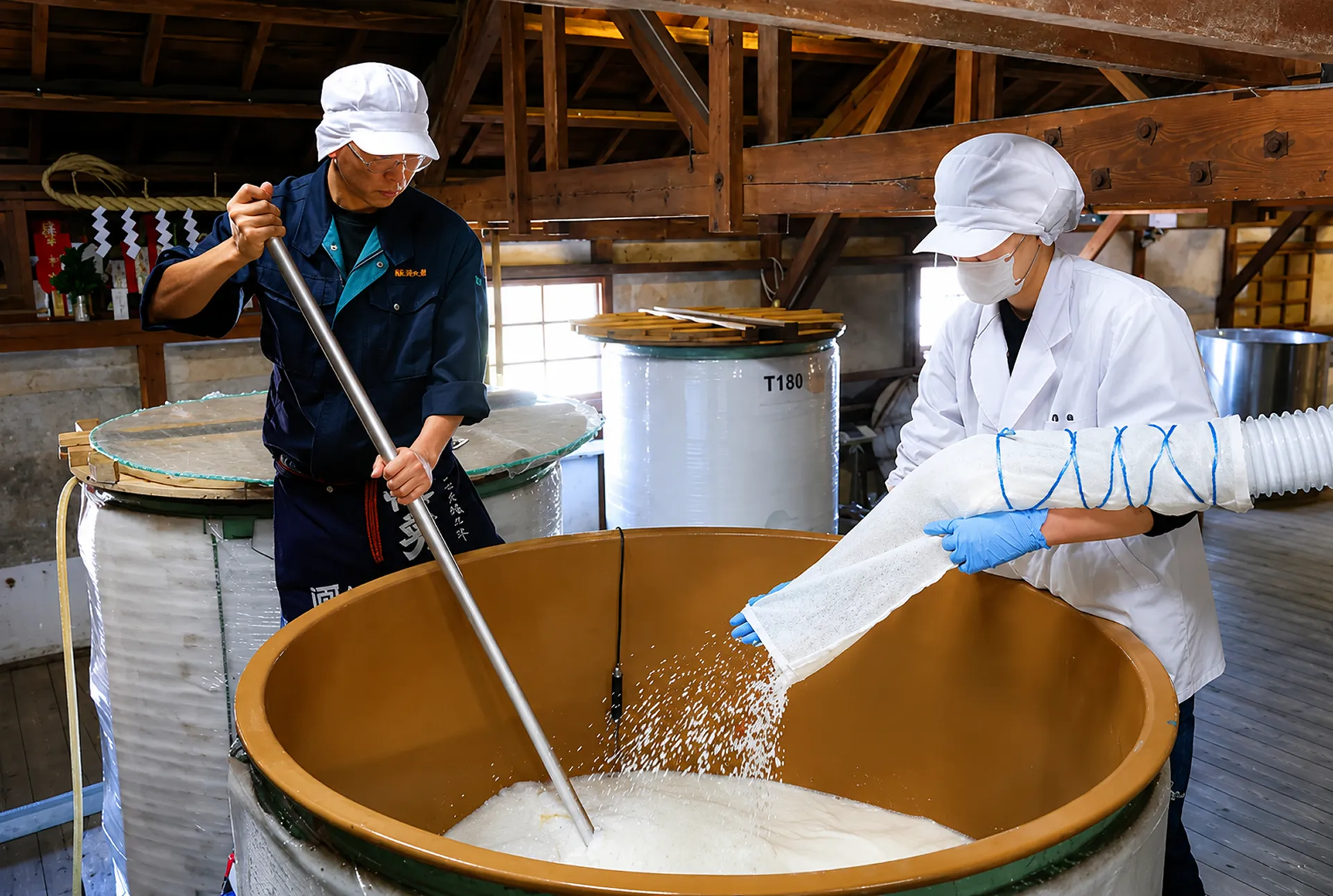
Although sake is often discussed broadly as a single category, its production is highly regional and deeply dependent on local environmental conditions. The quality of water, rice strain, climate and brewing traditions all influence the final product. In many ways, sake shares similarities with wine culture in its relationship to geography. Certain prefectures became known for softer or drier flavour profiles depending on mineral content within local water sources. Regions such as Niigata, Kyoto and Hiroshima developed particularly influential brewing traditions that continue to shape premium sake production today.
Rice polishing also became central to sake refinement. Unlike table rice, sake rice varieties are specifically cultivated for brewing, with the outer layers polished away to expose the starch-rich core. The degree of polishing affects flavour, aroma and texture, contributing to classifications such as Junmai, Ginjo and Daiginjo. This emphasis on process and precision reflects broader Japanese attitudes toward craftsmanship. Sake brewing is often treated less as industrial production and more as a disciplined practice shaped by patience, environmental awareness and technical consistency.
Many breweries still operate as multi-generational family businesses, with brewing knowledge passed down over decades or even centuries.

The cultural significance of sake extends beyond production into the rituals surrounding its consumption. In formal Japanese dining, the etiquette of serving sake is often considered as important as the drink itself. Traditionally, it is considered improper to pour one’s own sake. Instead, guests pour for one another as a gesture of attentiveness and mutual respect. This small ritual reinforces ideas of social awareness and collective participation that are deeply embedded within Japanese hospitality culture.
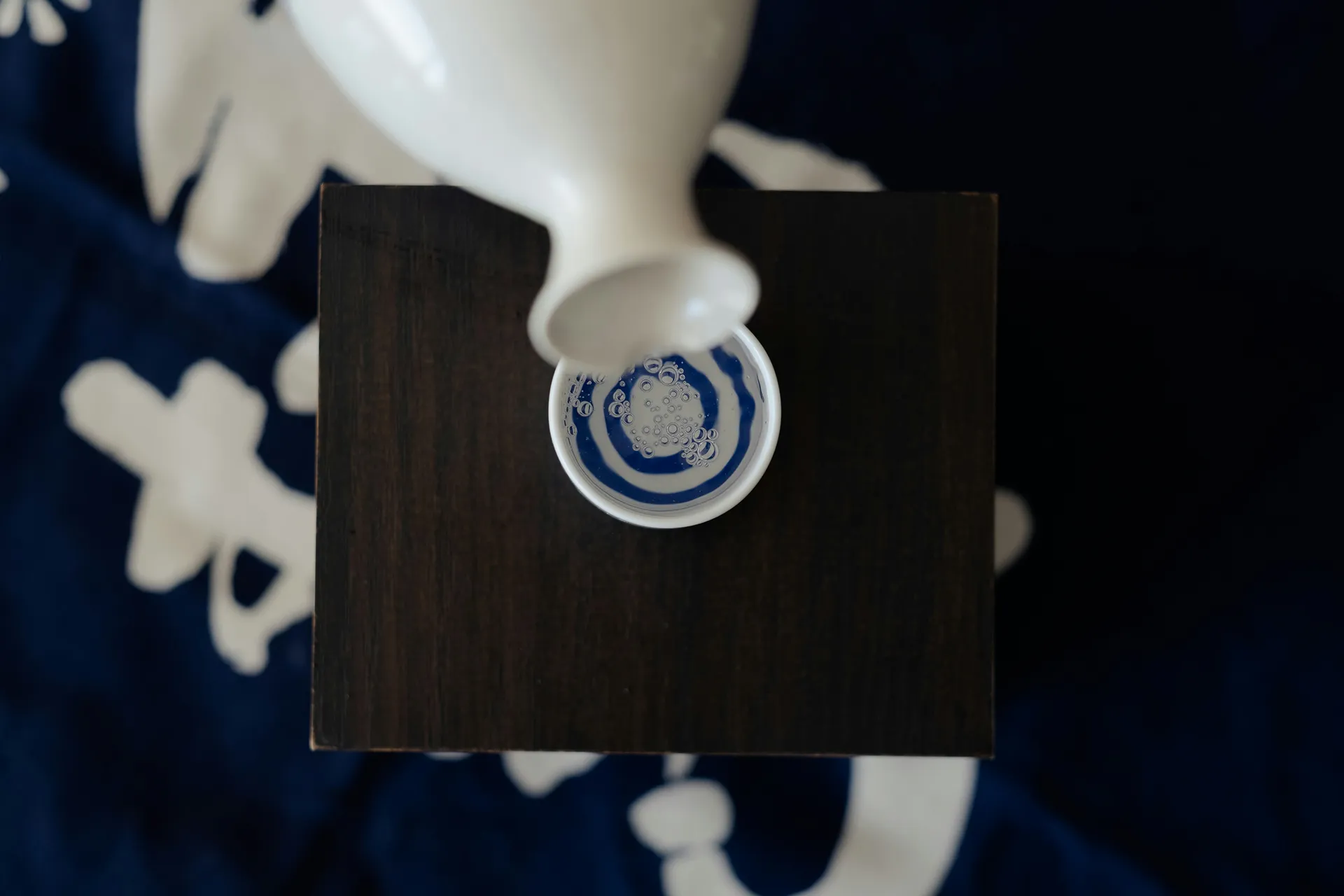
Glassware also carries significance. Depending on the setting, sake may be served in ceramic cups, lacquerware vessels, wooden masu boxes or delicate stemware designed to emphasise aroma and temperature. Seasonal changes influence presentation as well. During colder months, certain styles may be gently warmed, while lighter and more aromatic varieties are often served chilled. These rituals are not simply decorative traditions. They slow the pace of dining and encourage attentiveness to the meal, the company and the atmosphere of the space itself. This sense of pacing is particularly important within Japanese fine dining. Meals are designed as sequences rather than isolated courses, and sake frequently acts as a transitional element between dishes, conversations and moments of service.

The relationship between sake and hospitality is especially visible within traditional Japanese dining environments such as kaiseki restaurants, ryotei establishments and izakayas. In kaiseki dining, sake pairings are often carefully structured to complement the progression of the meal, balancing lighter seasonal dishes with richer grilled or simmered courses. The objective is not simply flavour matching, but rhythm and harmony.
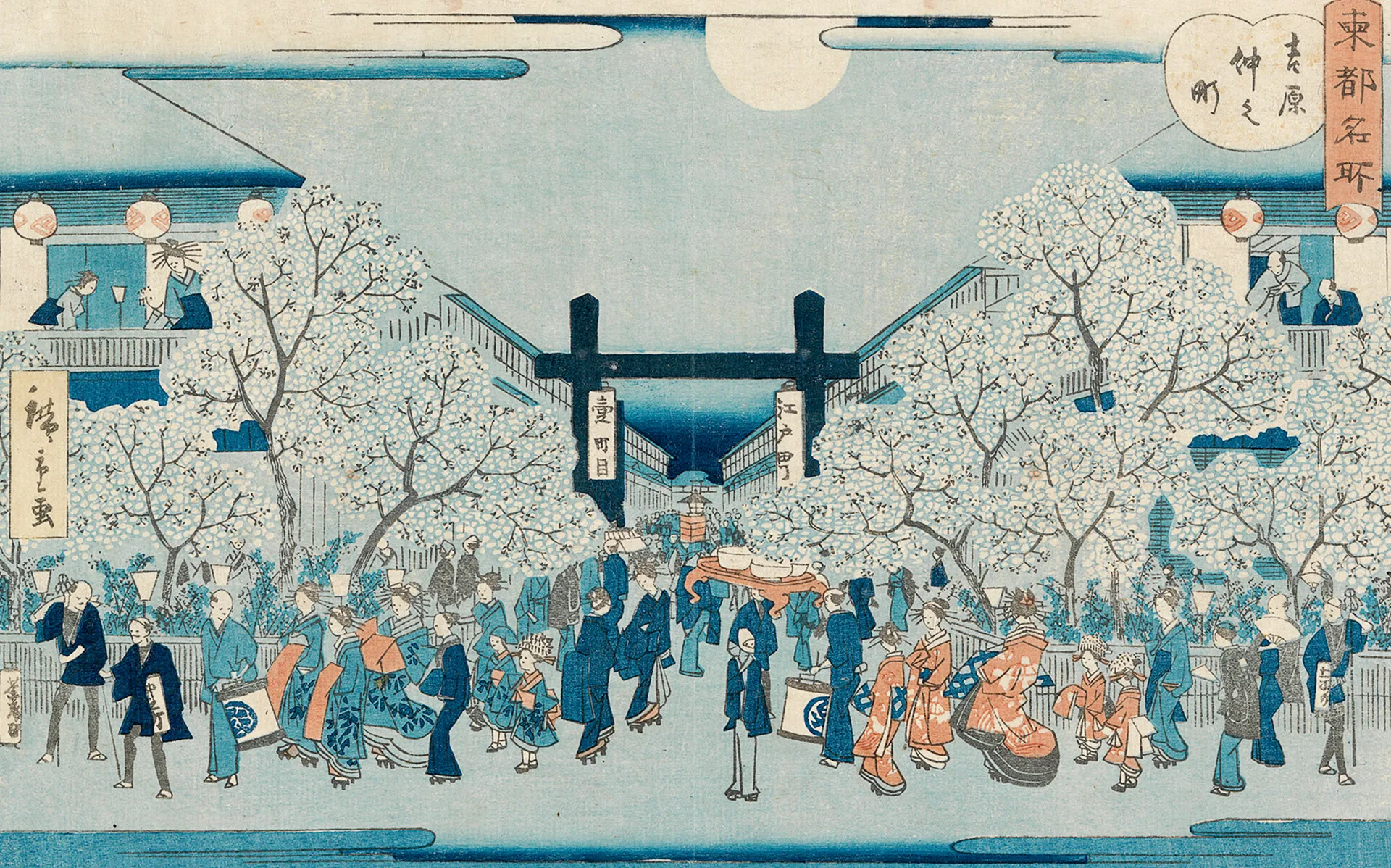
Ryotei establishments, historically associated with formal entertaining and political or business gatherings, elevated sake service into a highly choreographed aspect of hospitality. Privacy, pacing and discretion became central to the experience, influencing many aspects of contemporary Japanese fine dining culture today. At the opposite end of the spectrum, izakayas developed a more relaxed and social relationship with sake. Here, drinking became tied to after-work gatherings, shared plates and informal conversation. Yet even within casual environments, elements of ritual and etiquette remained present. This flexibility is one reason sake remains culturally significant across such a broad range of dining experiences. It can function within highly formal ceremonial settings while also supporting more relaxed forms of social interaction.
As Japanese cuisine expanded internationally during the late twentieth century, sake gradually gained recognition outside Japan not only as a beverage, but as part of a broader cultural experience surrounding Japanese dining. Chefs, sommeliers and hospitality operators increasingly recognised that sake offered pairing possibilities different from wine. Its lower acidity, umami characteristics and textural softness made it particularly adaptable across seafood, grilled dishes and complex tasting menus.
At the same time, global interest in Japanese craftsmanship and culinary culture elevated sake into a premium product category. Breweries began collaborating with international chefs and restaurants, while specialised sake programmes emerged within luxury hotels and fine dining venues around the world. Importantly, much of sake’s appeal internationally comes from the cultural narrative surrounding it. The drink represents precision, ritual, restraint and hospitality values that many contemporary restaurants seek to embody architecturally and operationally.
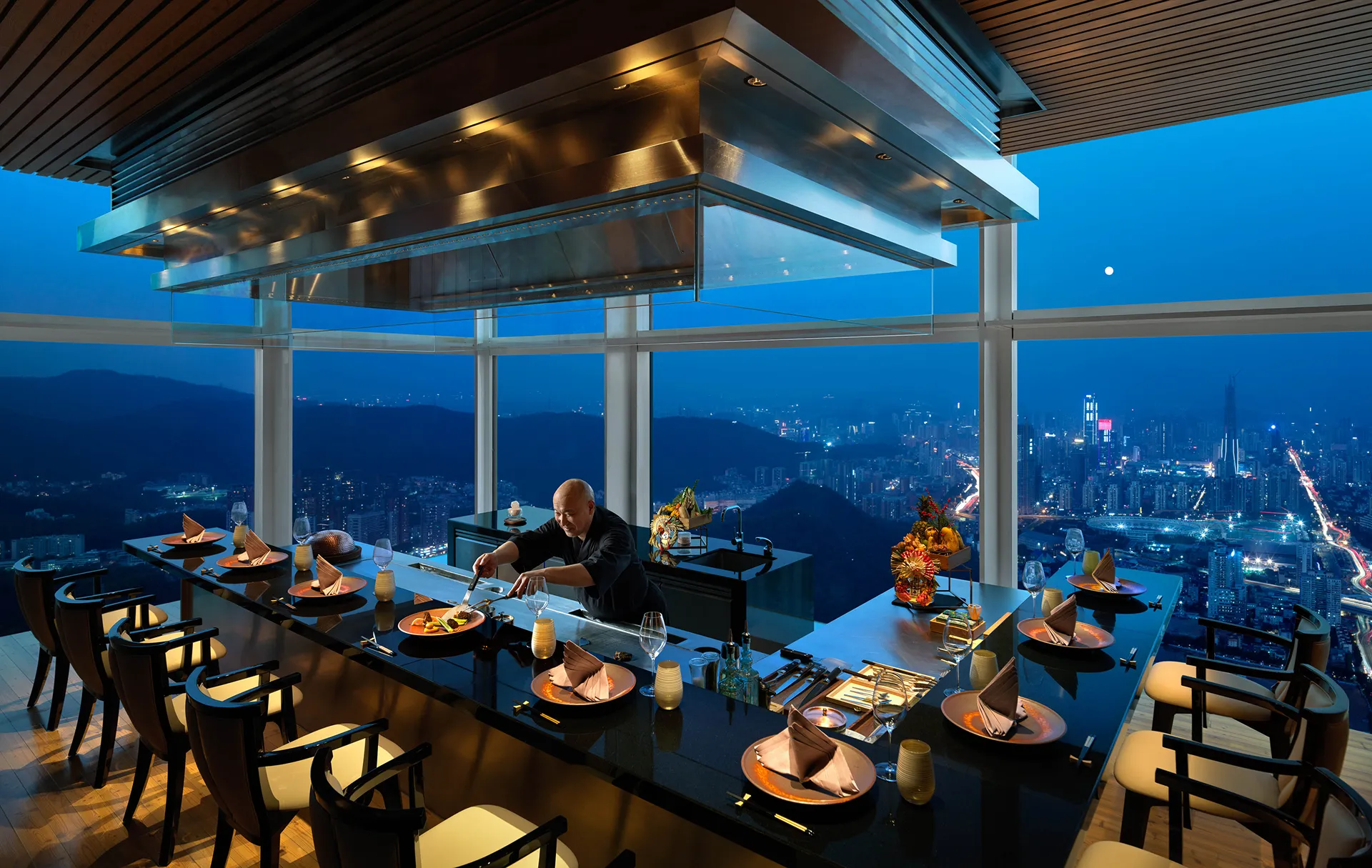
Japanese dining environments are often designed around rhythm, atmosphere and sensory control rather than visual spectacle alone. Sake culture reinforces many of these same principles. Lighting tends to be softer and more controlled. Materials are selected for texture and tactility. Timber, stone, ceramics and hand-finished surfaces help create quieter, more intimate environments that encourage slower dining and conversation.
In many contemporary hospitality projects, sake lounges and bars are designed as transitional spaces between ceremony and social interaction. Guests may begin with quieter tastings before moving into larger dining environments, or end the evening within more intimate lounge settings after dinner service. This layered approach to hospitality has become increasingly influential internationally, particularly within restaurants seeking to balance theatre with restraint.
At projects such as RIN within Mandarin Oriental Shenzhen, sake culture forms part of the broader spatial narrative surrounding Japanese dining, materiality and atmosphere. Rather than treating sake simply as a beverage offering, the project incorporates elements of ceremonial dining, layered textures and controlled intimacy that reflect the wider cultural traditions associated with Japanese hospitality. Ultimately, sake’s enduring significance comes from the fact that it was never intended to function purely as alcohol. Within Japanese culture, it has long operated as a medium for ritual, gathering and hospitality itself, shaping not only how people drink, but how they host, celebrate and dine together.