

FROM INDUSTRIAL INFRASTRUCTURE TO CONTEMPORARY ARCHITECTURE
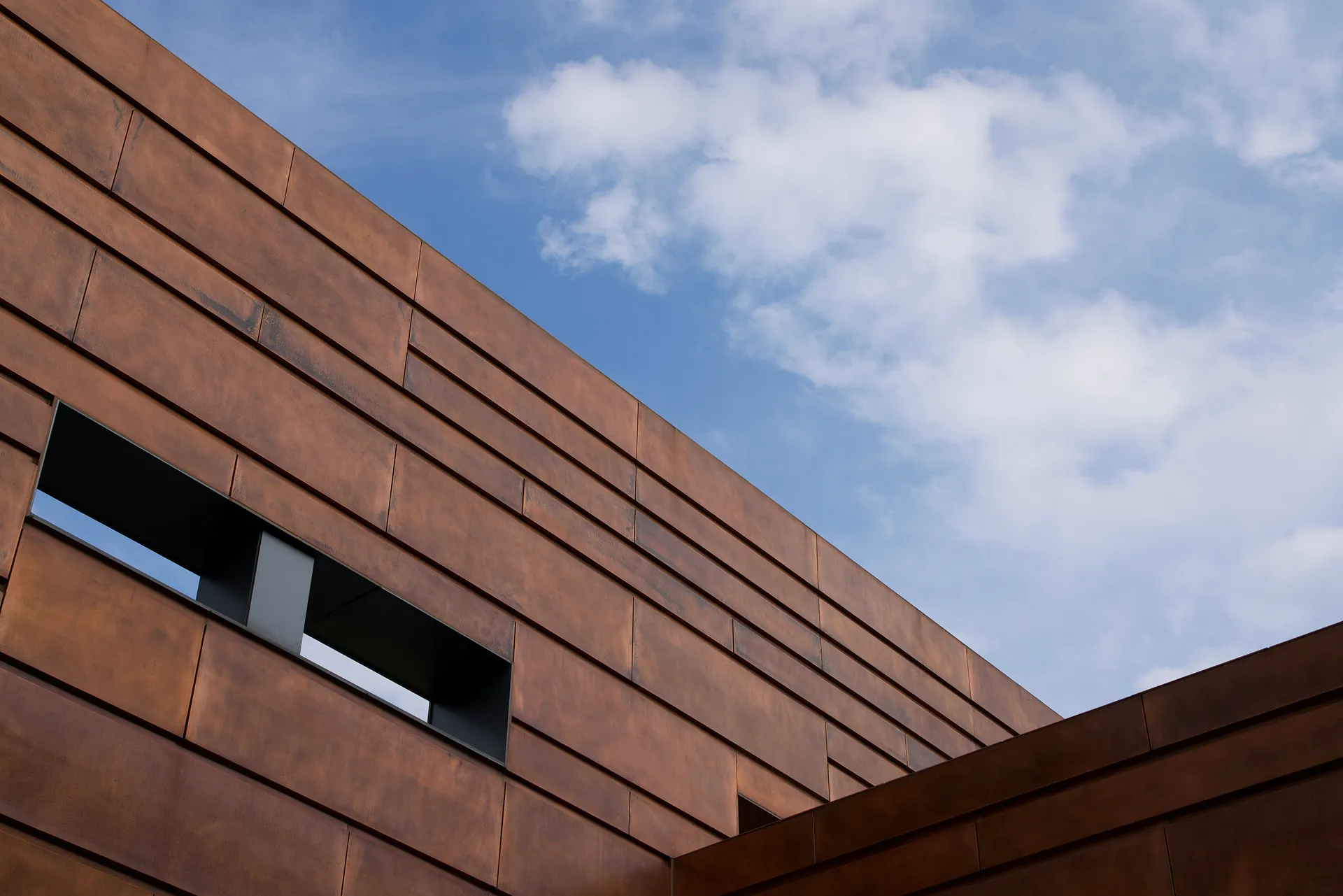
Corten steel is one of the few construction materials that became architecturally desirable because of how it ages. Known for its rusted surface and deep burnt-orange patina, the material was originally developed for engineering and industrial infrastructure rather than hospitality or interior design. Today, however, it has become widely associated with contemporary architecture, landscape design and material-led interiors, particularly in projects that prioritise texture, ageing and a sense of permanence.
Often referred to as weathering steel, Corten was first developed in the United States during the 1930s by U.S. Steel. The material was engineered to form a stable oxidised surface when exposed to weather conditions, allowing it to resist deeper corrosion without requiring paint coatings. The name "Corten" itself comes from two of the material’s defining properties: corrosion resistance and tensile strength. This outer oxidised layer acts as a protective barrier, slowing deterioration while giving the material its distinctive rusted appearance.
Its earliest applications were entirely functional. Weathering steel was used for railway coal wagons, bridges, industrial buildings and heavy infrastructure because it reduced long-term maintenance requirements. Over time, architects and artists became increasingly interested in the visual qualities produced by oxidation itself. Unlike polished metals that aimed for uniformity and precision, Corten steel developed irregular tonal shifts and surface variation that changed gradually through exposure to climate and time.
This transition from engineering material to architectural finish reflected a broader shift within twentieth-century design culture. Modernist architects had already begun exposing concrete, timber and steel structures rather than concealing them behind decorative finishes. Corten steel extended this approach further by allowing buildings to visibly weather and evolve. Rust was no longer treated purely as damage or decay, but as part of the material’s identity.
WHY ARCHITECTS WERE DRAWN TO WEATHERING STEEL
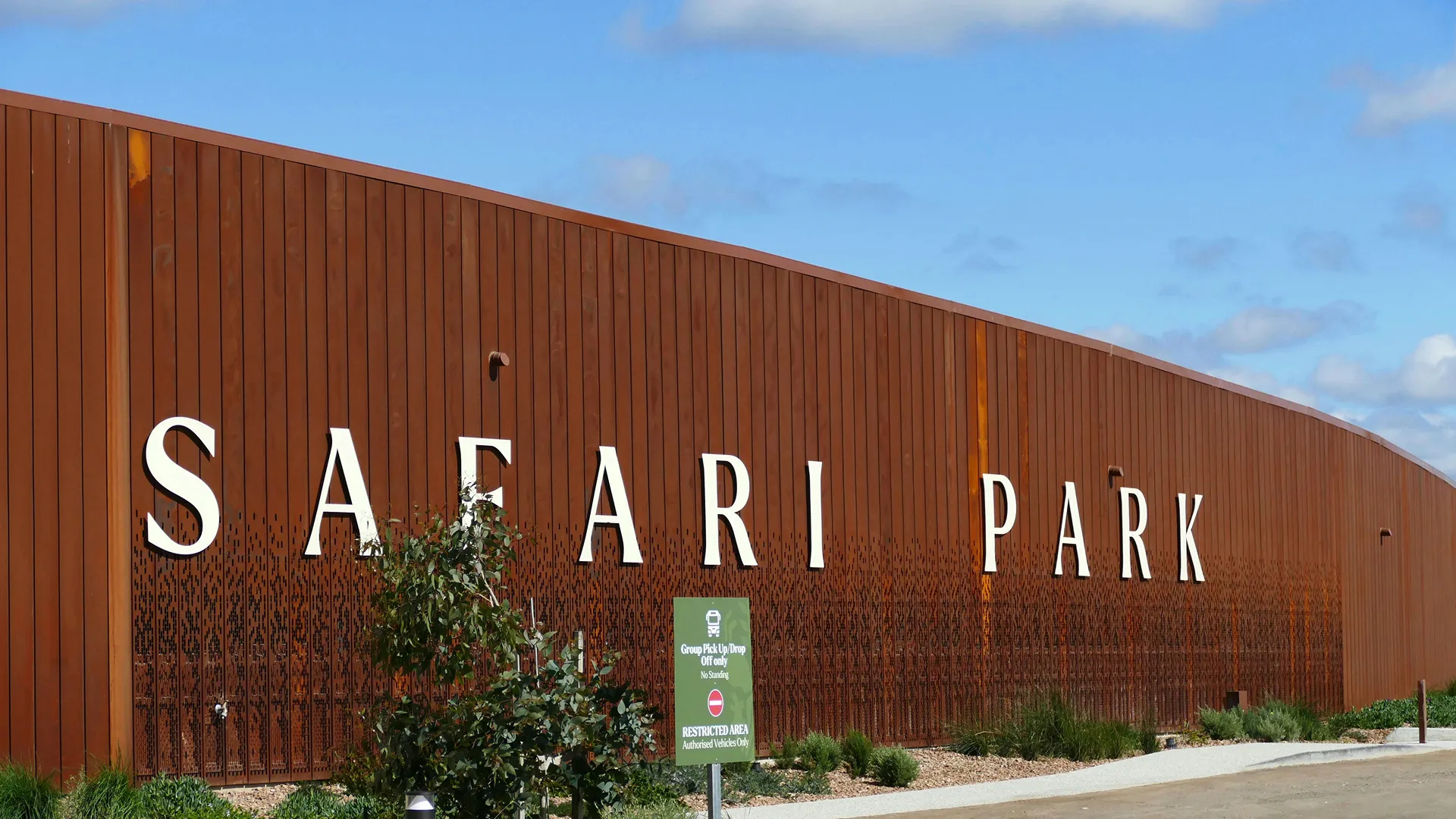
The rise of Corten steel within architecture during the post-war period was closely tied to changing attitudes toward industrial materials and material honesty. Architects increasingly sought finishes that felt grounded, tactile and connected to process rather than purely decorative. Weathering steel offered a surface that carried visual weight and texture while also expressing exposure, climate and age.
Large-scale civic projects and public sculptures helped establish its architectural identity. Its deep oxidised tones contrasted strongly against glass, polished stone and concrete, allowing buildings to feel simultaneously industrial and monumental. In urban environments, the material developed associations with rail infrastructure, shipyards, heavy engineering and manufacturing districts, which gave it a certain cultural and visual familiarity.
Unlike painted metal finishes, which attempt to remain static and controlled, Corten steel changes continuously. Depending on environmental conditions, the surface can shift between burnt orange, dark umber, charcoal brown and red oxide tones. Rainfall, humidity and exposure all affect the final appearance, meaning no two surfaces weather identically. This unpredictability became part of the material’s appeal, particularly for architects interested in buildings that could record the passage of time visibly.
Over the decades, weathering steel moved beyond infrastructure and civic architecture into museums, galleries, private residences and eventually hospitality interiors. Designers became increasingly interested in surfaces that felt aged and materially expressive from the outset rather than perfectly polished or artificially pristine.
HOW CORTEN STEEL ENTERED INTERIOR DESIGN
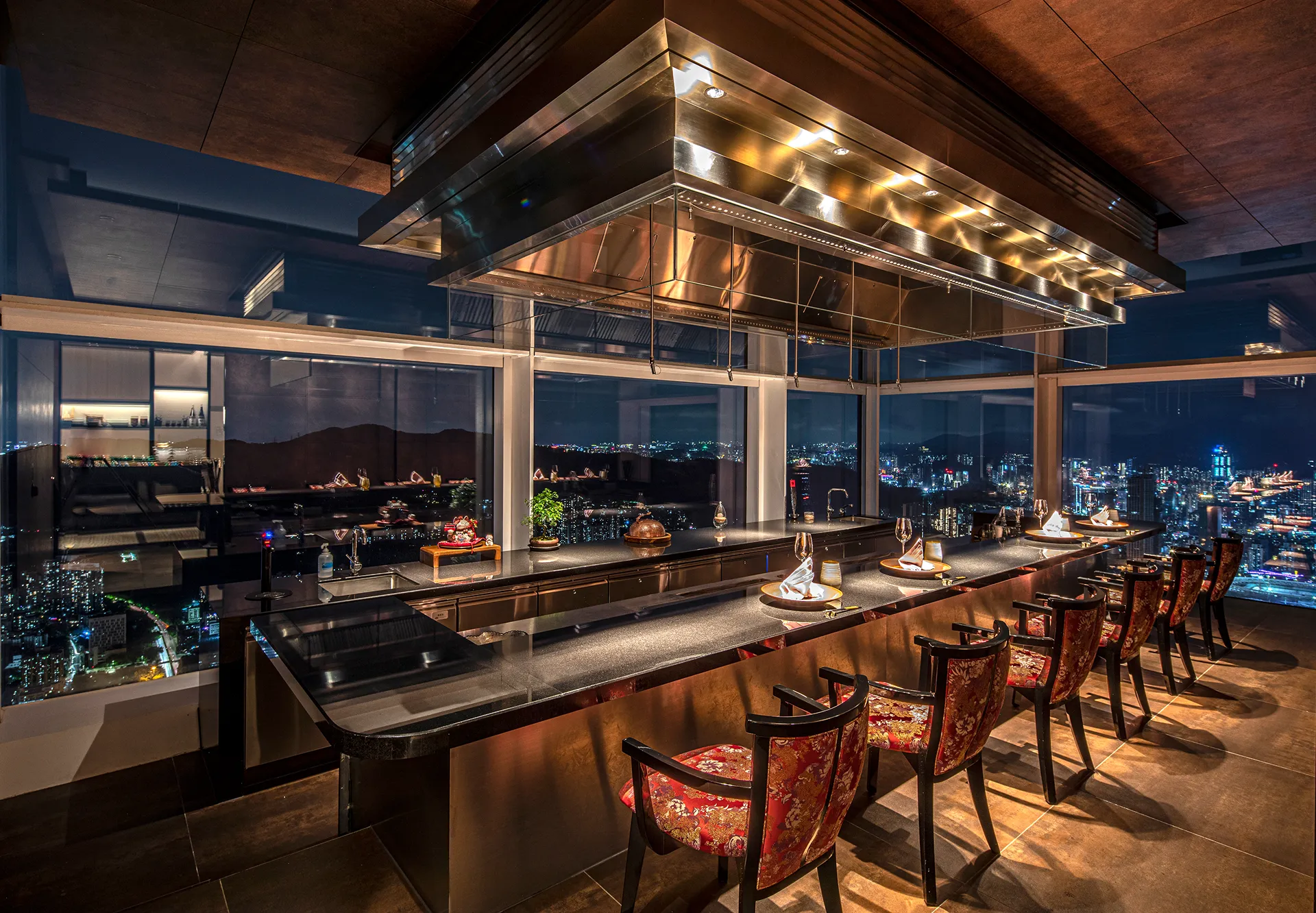
Although originally intended for exterior use, Corten steel gradually found its way into interior architecture because of its ability to create atmosphere through texture and tone. In many interiors, especially within hospitality projects, the material introduces a sense of visual depth that smoother or more reflective finishes cannot achieve.
Its appeal lies partly in contrast. Weathering steel sits comfortably alongside timber, leather, stone, dark fabrics and softer lighting conditions, creating layered environments that feel more tactile and grounded. Under warm lighting, the oxidised surface develops richer amber and burnt-red tones that soften its industrial origins. This has made the material particularly popular in restaurants, whisky bars, grill concepts and lounge environments where atmosphere plays a central role in the guest experience.
There is also a psychological quality to weathering steel that designers continue to respond to. The material carries associations with machinery, fire, heat, forging and industrial production. Within food and beverage environments, these references often reinforce concepts related to open-fire cooking, smoke, ageing and craftsmanship. Rather than functioning purely as decoration, the material contributes to the narrative language of a space.
At the same time, Corten steel challenged conventional ideas of luxury. Traditionally, luxury interiors often prioritised polished stone, lacquer, brass and refined finishes associated with precision and perfection. Weathering steel introduced an alternative approach, where imperfection, ageing and surface variation became desirable qualities in themselves. This shift aligned with broader movements in contemporary architecture and hospitality, where authenticity and material honesty increasingly replaced overt ornamentation.
REAL WEATHERING STEEL VERSUS IMITATION FINISHES
As the popularity of Corten steel increased, many projects began using rust-effect paints, porcelain tiles and decorative coatings designed to imitate weathered metal. While these alternatives can reproduce certain colours, they rarely achieve the same depth or variation found in genuine weathering steel. Authentic Corten continues to evolve subtly over time. Light exposure, humidity and oxidation create surface changes that cannot be replicated exactly through printed or painted finishes. For many designers, this gradual ageing process is precisely what gives the material its value. The surface develops character naturally rather than remaining fixed.
That said, genuine weathering steel also requires careful detailing. In exterior environments, runoff from oxidation can stain surrounding surfaces if drainage is not considered properly. Interior applications often involve stabilising or sealing the surface to reduce transfer while preserving the material’s texture and appearance. As a result, using weathering steel successfully requires both technical understanding and restraint.
WHY CORTEN STEEL STILL FEELS MODERN
Despite being developed nearly a century ago, Corten steel remains highly relevant within architecture because it aligns with current interests in texture, ageing and material authenticity. As digital culture increasingly flattens visual experiences into screens and imagery, physical surfaces that visibly react to time and environment have become more valuable within spatial design.
Corten steel possesses a certain permanence that many other materials lack. Depending on how it is detailed, it can appear industrial, sculptural or quietly architectural without relying on excessive ornament. Its continued use across museums, hotels, restaurants and residential projects reflects this versatility. The material can support minimalist architecture just as easily as more layered hospitality interiors, which explains why it continues to appear across such a broad range of contemporary projects.
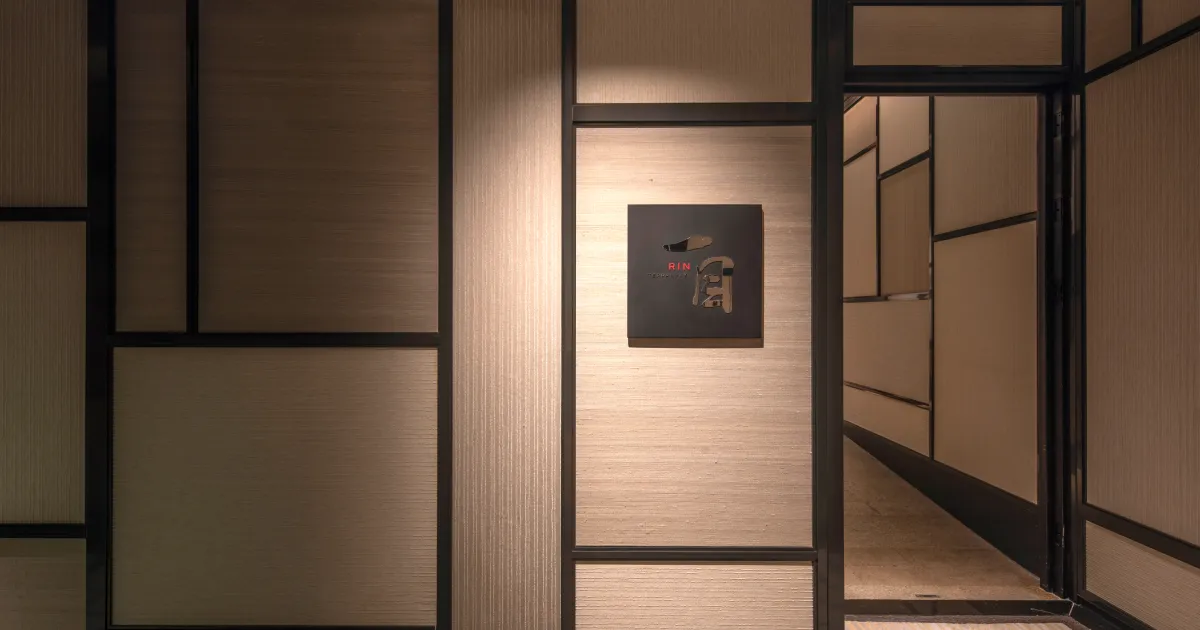
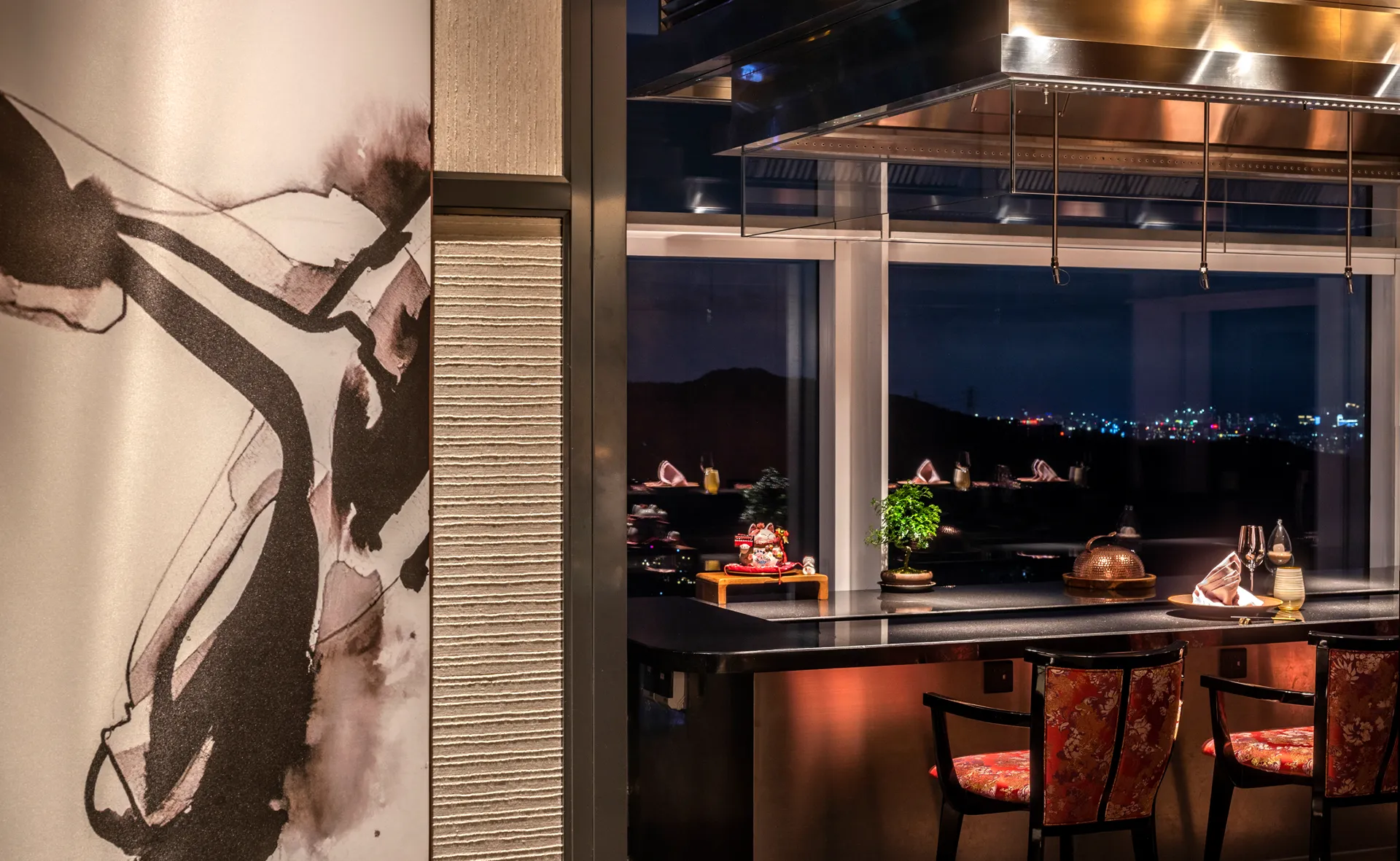
Within hospitality design, weathering steel is often used to introduce warmth and grounding into spaces shaped by darker palettes, controlled lighting and material layering. At RIN within Mandarin Oriental Shenzhen, one of the dining rooms incorporates Corten steel as part of the overall material composition, reflecting the project’s broader interest in texture, atmosphere and Japanese-inspired material contrasts.
SOURCES
- Steel Construction Info Weathering steel: corrosion resistance and patina
- The Steel Construction Institute Guidance Note 1.07: Use of weather resistant steel
- AISC, Modern Steel Construction Out in the Open: weathering steel
- Museum of Fine Arts, Boston Cor-Ten, CAMEO materials database
- Zahner The History of COR-TEN and Weathering Steel
- City of Chicago The Picasso, Daley Plaza
- Wikipedia John Deere World Headquarters
- Australian Institute of Architects Monarto Safari Park Visitor Centre
- BlueScope SteelSelect Monarto Safari Park Visitor Centre