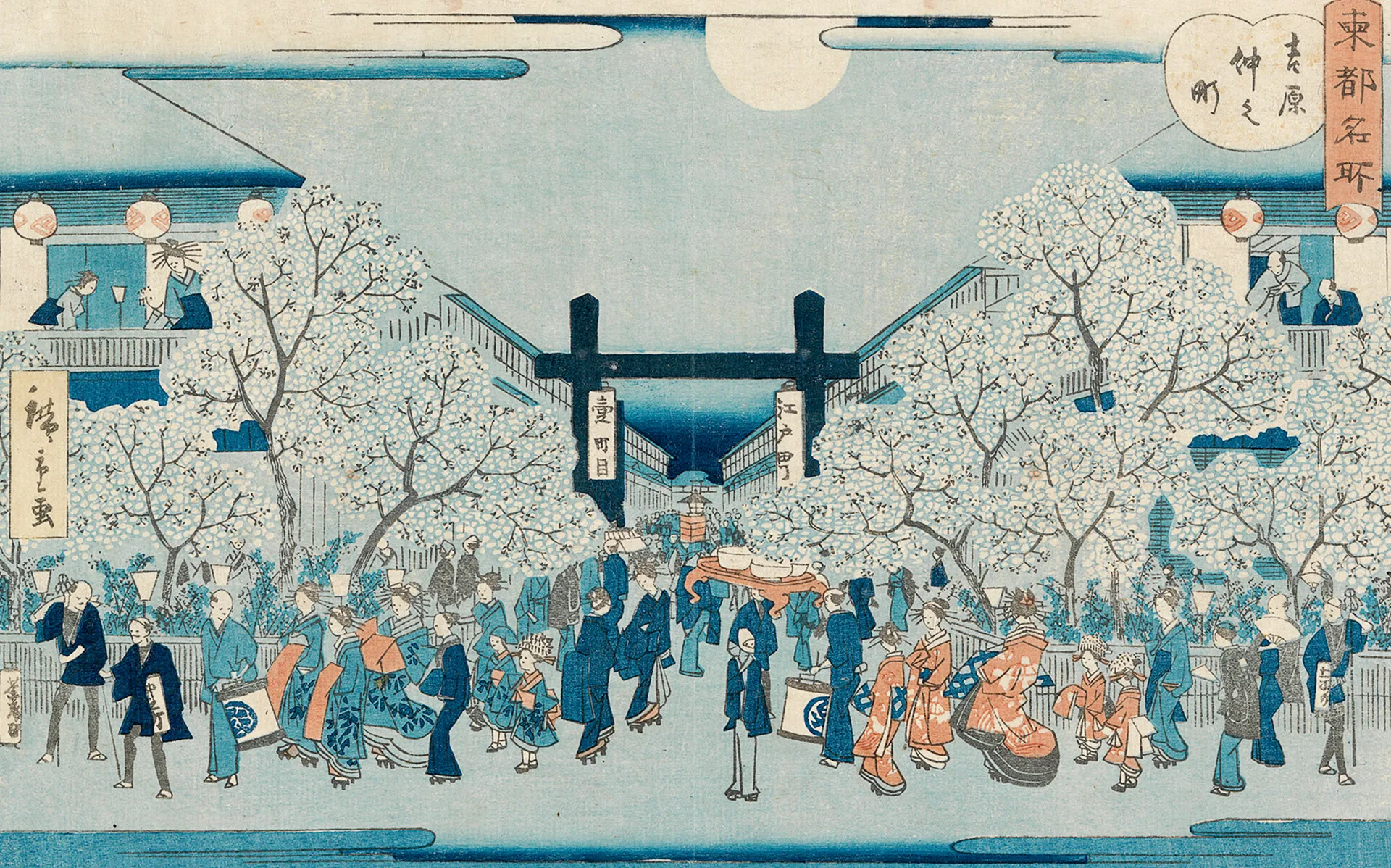
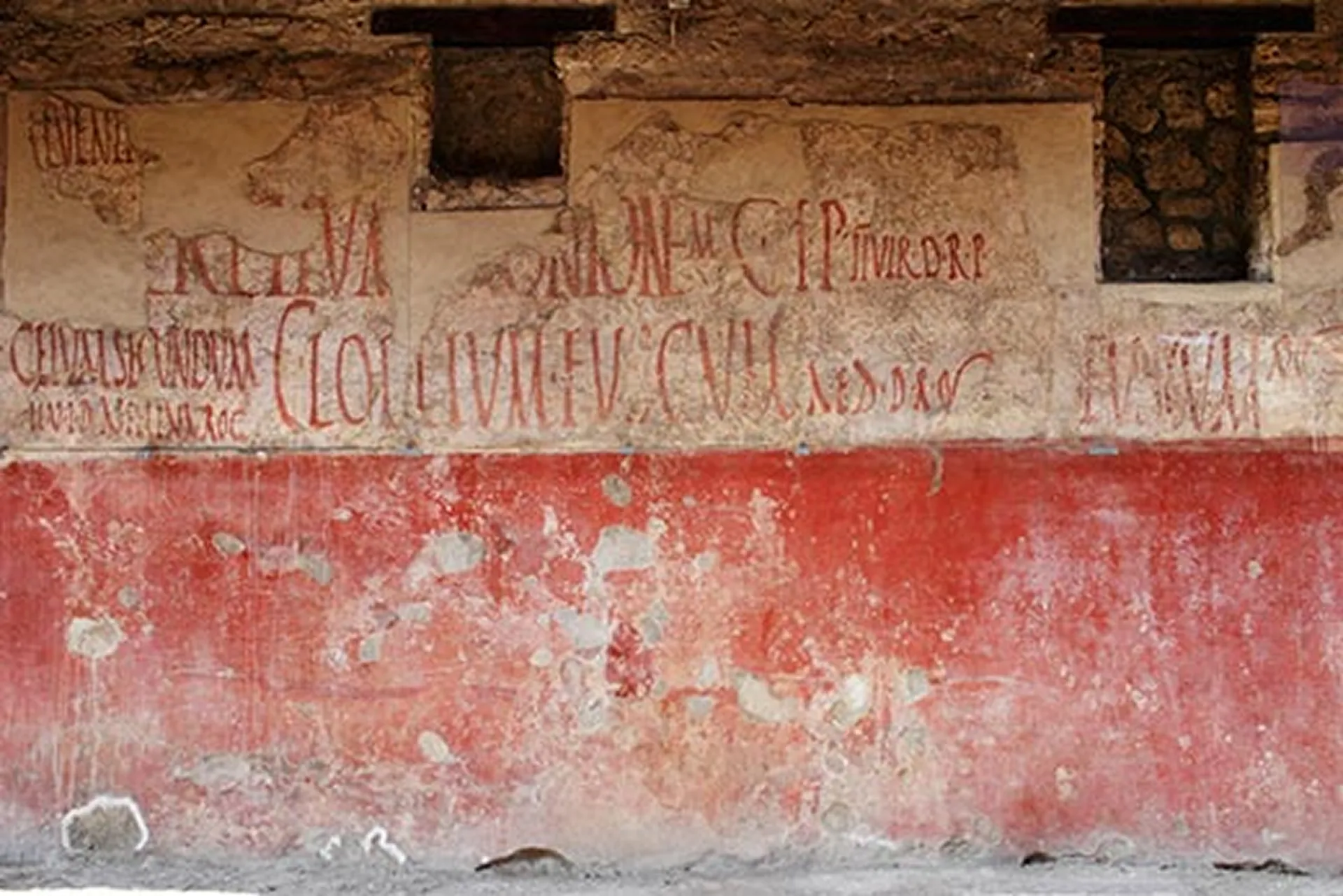
Long before graffiti became associated with spray paint, subway trains and urban street culture, people were writing on walls. Archaeologists working in Pompeii have uncovered election slogans, advertisements, insults, jokes and declarations of love scratched directly into stone nearly two thousand years ago. Similar examples appear throughout ancient Greece, Rome and medieval Europe. Most were never intended to become art. They were simply traces left behind by ordinary people who wanted to record their presence within public space. While rulers commissioned monuments and governments documented official history, walls often became places where the voices of everyday citizens survived.
The impulse itself has changed remarkably little. Across different societies and centuries, people have continued to leave names, messages and symbols in public because cities can be anonymous places. Graffiti emerged from this same instinct, but within the conditions of the modern industrial city. As railways, highways, factories and concrete infrastructure transformed urban environments during the nineteenth and twentieth centuries, entirely new surfaces appeared. Walls, tunnels, train carriages and bridges became places where individuals could communicate directly with the city around them. Modern graffiti grew from this environment, becoming one of the most influential and controversial visual languages of contemporary urban life.
The history of graffiti is closely tied to the history of cities themselves. As urban populations expanded during the Industrial Revolution, cities became larger, denser and increasingly impersonal. Millions of people lived and worked alongside one another while remaining largely anonymous. Public space became a shared environment shaped by governments, businesses, transport systems and institutions, yet many individuals had little control over how those environments looked or functioned.
Graffiti offered a way to reclaim visibility. Unlike traditional art, it required no invitation, no gallery and no formal training. A wall became available to anyone willing to use it. This accessibility helped explain why forms of graffiti appeared repeatedly within neighbourhoods experiencing social change, economic hardship or rapid urban growth. In many cases, graffiti developed not because communities lacked creativity, but because conventional cultural institutions remained inaccessible or disconnected from their experiences.
By the middle of the twentieth century, graffiti had become increasingly visible within cities around the world, although the movement most closely associated with contemporary graffiti would emerge in New York.

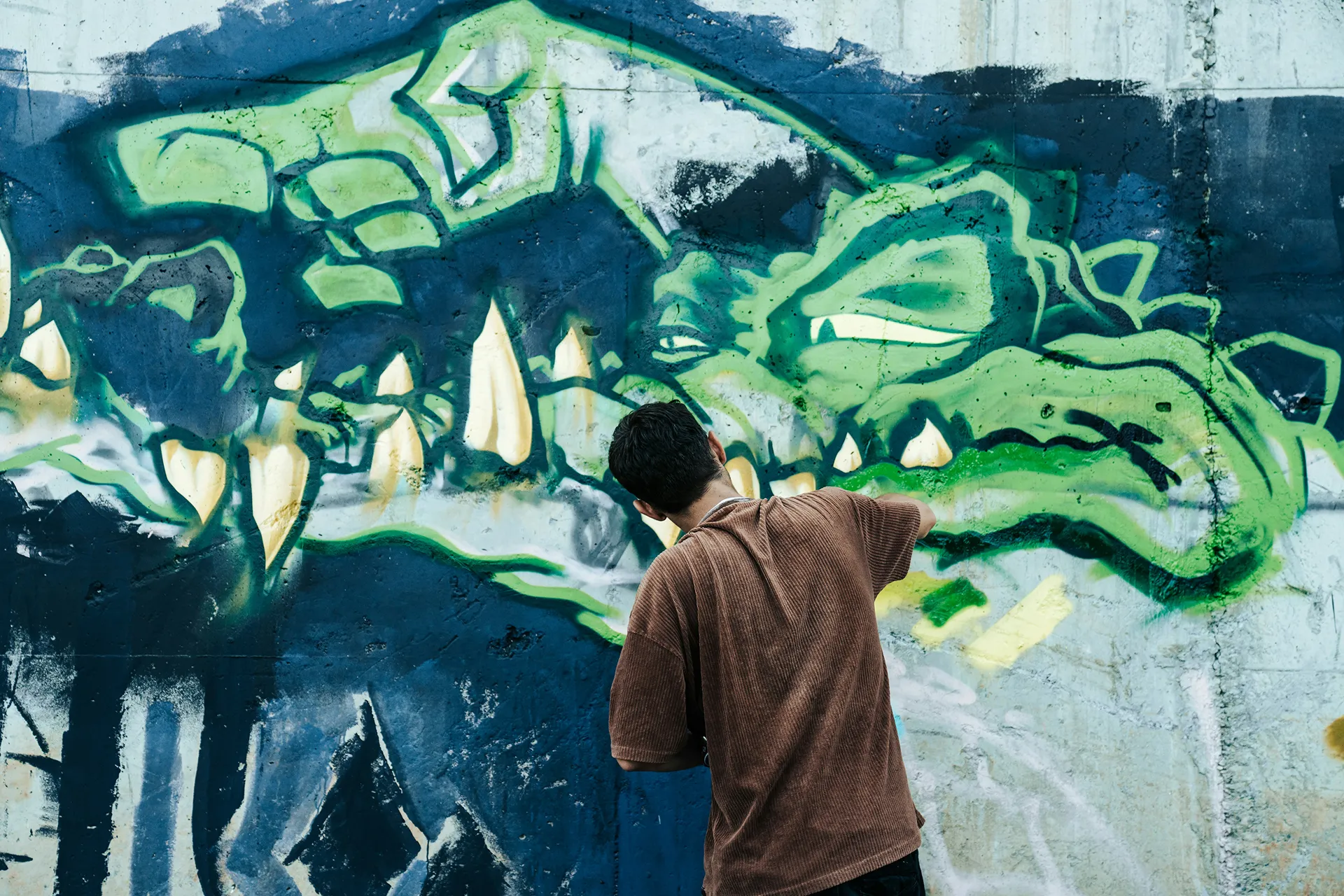
Modern graffiti culture is often traced to New York during the late 1960s and early 1970s. Across the city, young writers began placing stylised signatures, commonly known as tags, throughout subway stations, train lines and neighbourhood streets. Names such as TAKI 183 and Julio 204 became widely recognised, not because the individuals themselves were public figures, but because their names travelled. The subway system transformed local recognition into something much larger. A tag written in one borough could appear across the city within hours, turning trains into moving canvases that carried identities from one neighbourhood to another.
Visibility quickly became a form of status. Writers competed to place their names in increasingly difficult, prominent and unexpected locations. Simple signatures evolved into more elaborate lettering styles, larger compositions and eventually full train-car murals. By the mid-1970s, graffiti had developed its own hierarchy, terminology and standards of craftsmanship. Writers studied one another's work, refined techniques and pushed the limits of scale and complexity.
Many of these early participants came from Black and Latino communities that were experiencing economic decline, disinvestment and social neglect. Graffiti provided a means of claiming space within a city where many felt overlooked. The work was frequently removed and rarely preserved, yet that impermanence became part of the culture itself. A piece painted over one day would often be replaced by another the next. Recognition depended not on permanence, but on persistence.

The rise of graffiti coincided with another cultural movement that would eventually influence the world: hip-hop. During the 1970s, graffiti, DJing, rap and breakdancing developed alongside one another in many of the same neighbourhoods. Although each evolved independently, they shared similar social conditions and became interconnected forms of cultural expression.
Graffiti served as the visual counterpart to music. While DJs transformed sound and dancers transformed public space through movement, graffiti transformed the physical appearance of the city itself. Train carriages, walls and neglected infrastructure became places for artistic experimentation. What distinguished graffiti from many traditional art forms was its direct relationship with everyday urban life. People encountered it while commuting to work, walking through neighbourhoods or waiting on train platforms. It existed outside museums and galleries, embedded within the routines of the city.
By the early 1980s, graffiti had become one of the most recognisable visual languages associated with youth culture worldwide. Its influence extended beyond New York, spreading through photographs, films, magazines and music. Writers in London, Paris, Berlin, São Paulo and countless other cities began adapting the movement to their own local conditions, creating styles and traditions that reflected their own urban environments.
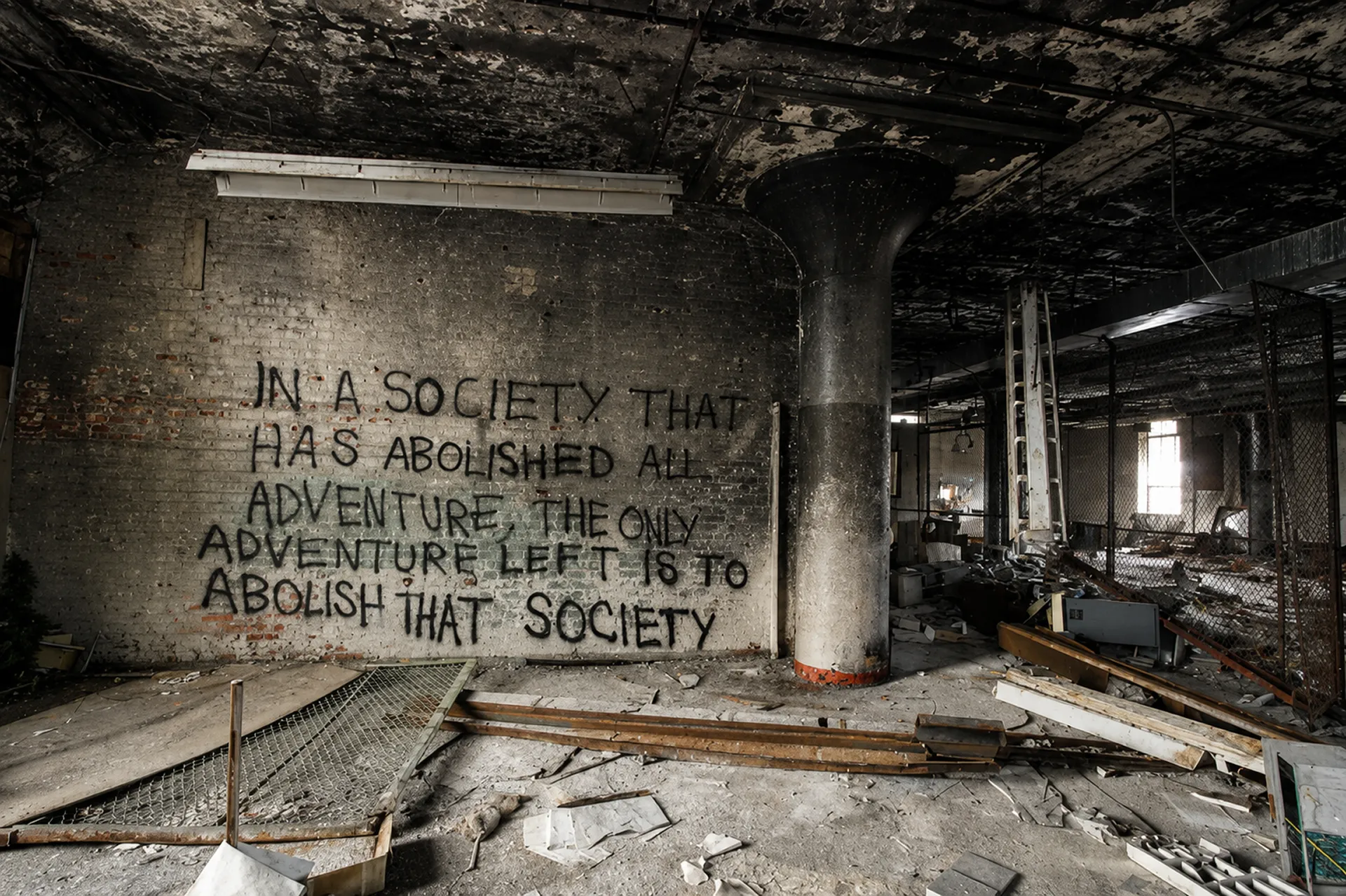
Although graffiti is often associated with identity and artistic expression, it has also played an important role in political communication. Throughout history, walls have frequently become places where dissent appears when other forms of communication are restricted, censored or inaccessible. Public surfaces allow messages to reach large audiences without relying on traditional institutions or media channels.
Political graffiti appeared prominently during the Paris protests of 1968, across Berlin during the Cold War, throughout Latin American protest movements and during the anti-apartheid struggle in South Africa. In more recent decades, walls have continued to serve as sites of political expression during demonstrations, social movements and periods of unrest. Messages can appear overnight, responding immediately to events as they unfold.
Part of graffiti's political power comes from its visibility. Unlike newspapers, television broadcasts or social media platforms, a wall occupies a physical location. It becomes part of the environment itself. Residents encounter the message not by seeking it out, but by moving through the city. Even when graffiti is not overtly political, questions surrounding ownership, authority and public space remain present. The simple act of altering a wall raises broader questions about who has the right to shape the visual character of the city.

By the 1980s and 1990s, graffiti was beginning to attract attention beyond the street. Artists such as Jean-Michel Basquiat and Keith Haring helped introduce elements of urban visual culture into galleries and museums, while later figures such as Banksy would further blur the boundaries between street intervention, political commentary and contemporary art.
This transition fundamentally changed how graffiti was perceived. What had once been dismissed almost entirely as vandalism began appearing within exhibitions, auction houses and major cultural institutions. Fashion brands, advertising campaigns and commercial developers increasingly adopted graffiti-inspired aesthetics, attracted by their association with authenticity, rebellion and urban creativity.
Yet acceptance brought new debates. Many writers questioned whether graffiti could retain its meaning once removed from the environments that produced it. A train carriage displayed in a museum is no longer part of the city. A commissioned mural operates under different conditions from an unauthorised piece created overnight. These tensions continue today, contributing to graffiti's unusual position within contemporary culture. Few art forms exist simultaneously as criminal offence, cultural heritage, artistic practice and commercial aesthetic.
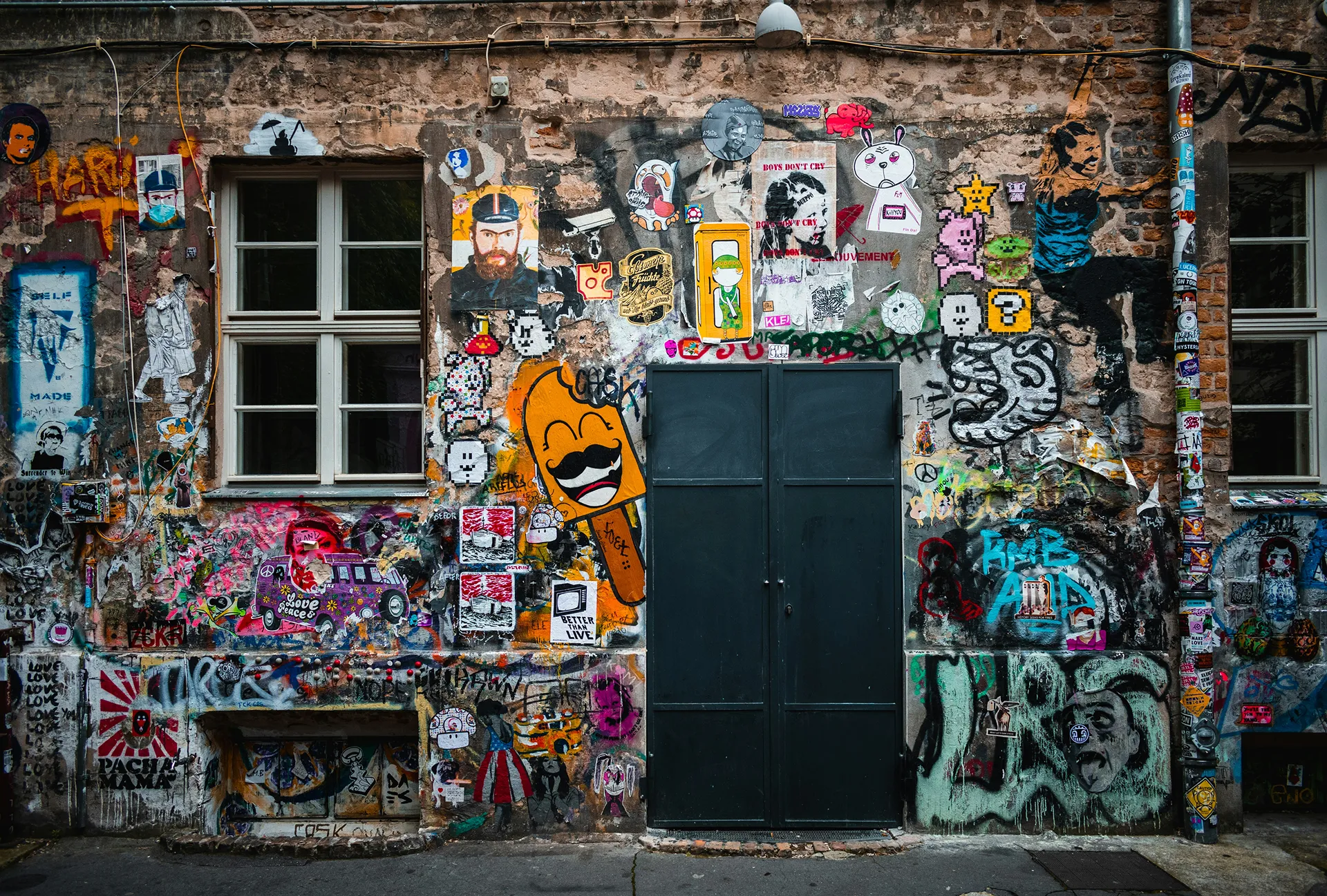
As cities have become increasingly globalised, graffiti has also become a way of preserving local identity. Neighbourhoods undergoing redevelopment often lose traces of their industrial history, social character and cultural memory. Graffiti frequently survives as one of the few visible records of earlier communities and experiences. A painted wall can reveal far more about a neighbourhood's history than a newly completed development.
Cities such as Berlin, São Paulo, Melbourne and Penang have developed distinct street art cultures shaped by local histories rather than international trends. Visitors seek out these districts because they offer something increasingly rare within contemporary urbanism: a sense of place. The artwork reflects local voices, local tensions and local stories. It records the city from the perspective of those who live within it rather than those who market it.
This relationship between graffiti and identity helps explain why street culture continues to influence architecture, hospitality and design. As many cities become visually similar, local narratives become increasingly valuable. Graffiti offers access to those narratives because it emerges directly from the social and cultural conditions of a place.

Kuala Lumpur is a city shaped by layers of migration, commerce, industry and cultural exchange. Historic shophouses stand alongside contemporary towers, while former industrial districts continue to influence the character of newer neighbourhoods. Public art, murals and street culture form part of this broader urban landscape, reflecting the city's ongoing transformation and diversity.
At Hyatt Centric Kuala Lumpur, references to graffiti and street-inspired artwork were incorporated as part of a wider exploration of local identity. These elements sit alongside influences drawn from tin mining, tropical vegetation, city infrastructure and the stories that have shaped Kuala Lumpur's development over time. Rather than treating graffiti as decoration, the project acknowledges it as one layer within a much larger urban narrative.
More than fifty years after its emergence in New York, graffiti continues to provoke debate because it remains closely connected to the city itself. It is an art form shaped by movement, visibility and public space. Whether viewed as creative expression, political commentary, cultural archive or urban disruption, graffiti continues to reflect one of the most enduring human desires: the need to leave a mark and participate in the story of the city.