THE SLOW ENSEMBLE MUSIC OF QUANZHOU AND THE MINNAN WORLD
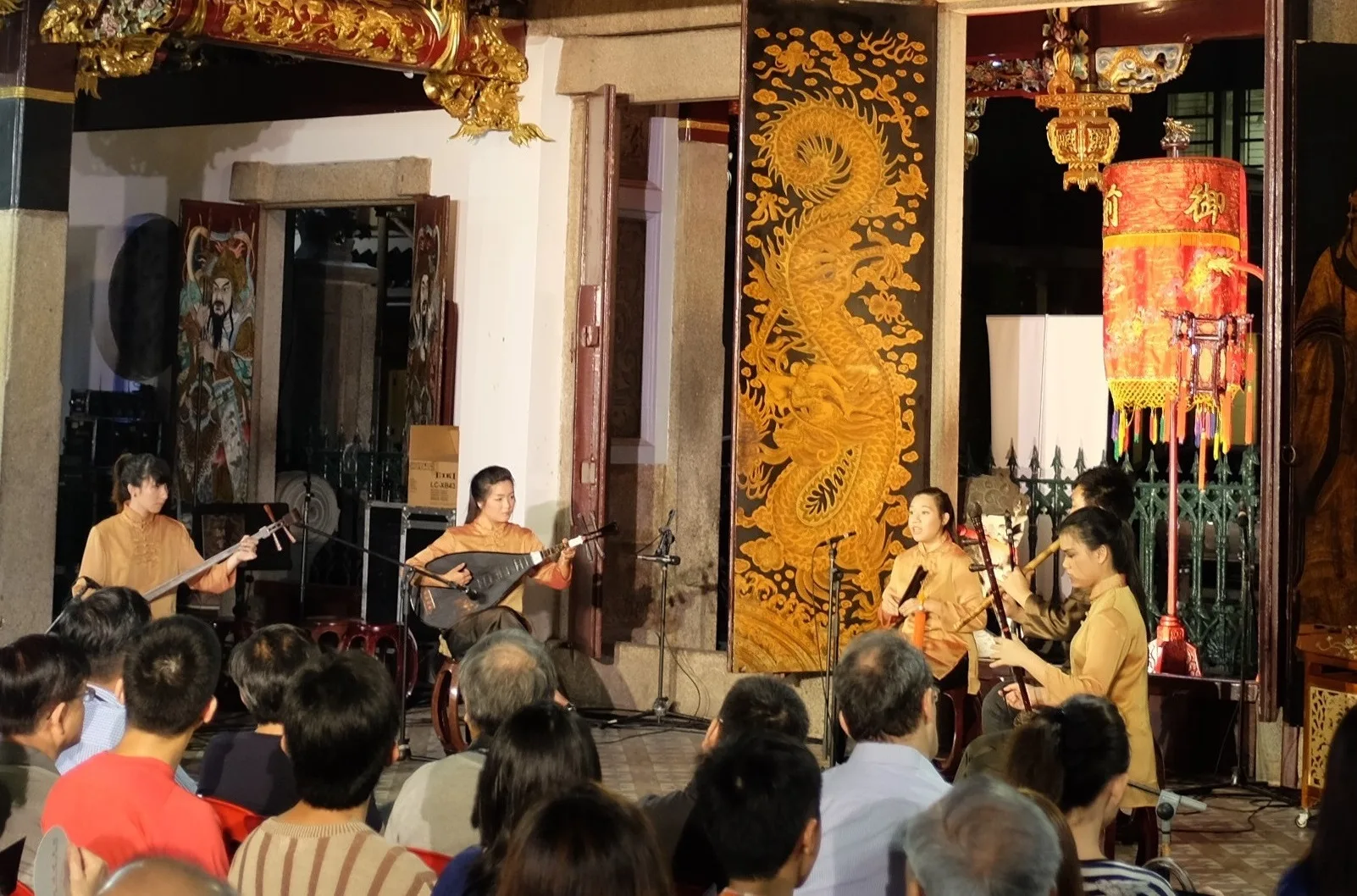
Nanyin music, also called nanguan, is an ensemble tradition of southern Fujian, sung in the dialect of Quanzhou and played on a small set of string, wind and percussion instruments. Its core group is five musicians: a singer who keeps time with wooden clappers, a pipa lute held horizontally, a three-stringed sanxian, a two-stringed erxian fiddle and a bamboo flute, the dongxiao. Scores are written in the gongche system of Chinese characters, and the repertoire divides into song suites, individual songs and instrumental suites. From Quanzhou the music travelled with Minnan-speaking migrants to Taiwan, the Philippines, Malaysia, Indonesia and Singapore, and in 2009 UNESCO inscribed it on the Representative List of the Intangible Cultural Heritage of Humanity.
WHAT IS NANYIN MUSIC
Nanyin translates as "southern music" in the words of Singapore's National Heritage Board (NHB), and as "music of the south" in China Daily. The tradition goes by several names. A page on the website of the Department of Traditional Music at Taipei National University of the Arts (TNUA), written by Lin Po-chi and titled The Music of Lâm-koán (Nanguan), notes that the genre is called nanyin in south-eastern China and nanyue in South-east Asia. Because it is sung with a Quanzhou accent, it is also known as Chôan-Chiu Hiân-koán. Lin places its home in the Minnan-speaking region, including Quanzhou and Xiamen, and records that many scholars call it a "living fossil" of Chinese music.
UNESCO describes three components. The first is purely instrumental, the second adds voice, and the third consists of ballads with ensemble accompaniment, sung in Quanzhou dialect either by one singer who also plays the clappers or by a group of four who sing in turn. The UNESCO listing calls the melodies "slow, simple and elegant". It records that nanyin is performed at spring and autumn ceremonies honouring Meng Chang, the god of music, at weddings and funerals, and at festivities in courtyards, markets and streets.
WHERE DID NANYIN MUSIC COME FROM

Accounts of nanyin's origins reach far back and differ in their dates. An NHB article by Joen Goh, published in MuseSG in 2016, says the music began as court music in the Han dynasty more than two thousand years ago and took root in the coastal city of Quanzhou after nobles and musicians left the Central Plains. China Daily traces it to the Tang dynasty (618 to 907) and describes it as developing when the culture of central China reached Quanzhou and blended with local arts. Lin Po-chi writes that modern performances preserve the form of Tang daqu, that the singer's use of the clappers to direct the ensemble is said to reflect a Han tradition of accompanied song, and that the instruments keep Tang and Song styles of construction.
The written record is later. In programme notes for the Freer and Sackler Galleries of the Smithsonian Institution, Nora Yeh of the Library of Congress states that the earliest surviving nanguan songbooks date only to the early seventeenth century, in the late Ming period. Comparing them with versions sung today suggests that some songs have stayed unchanged for at least 400 years. The city at the centre of the tradition was itself a major port: in 2021 UNESCO inscribed "Quanzhou: Emporium of the World in Song-Yuan China" on the World Heritage List for its role as a maritime emporium from roughly the 10th to the 14th centuries.
WHICH INSTRUMENTS MAKE UP A NANYIN ENSEMBLE
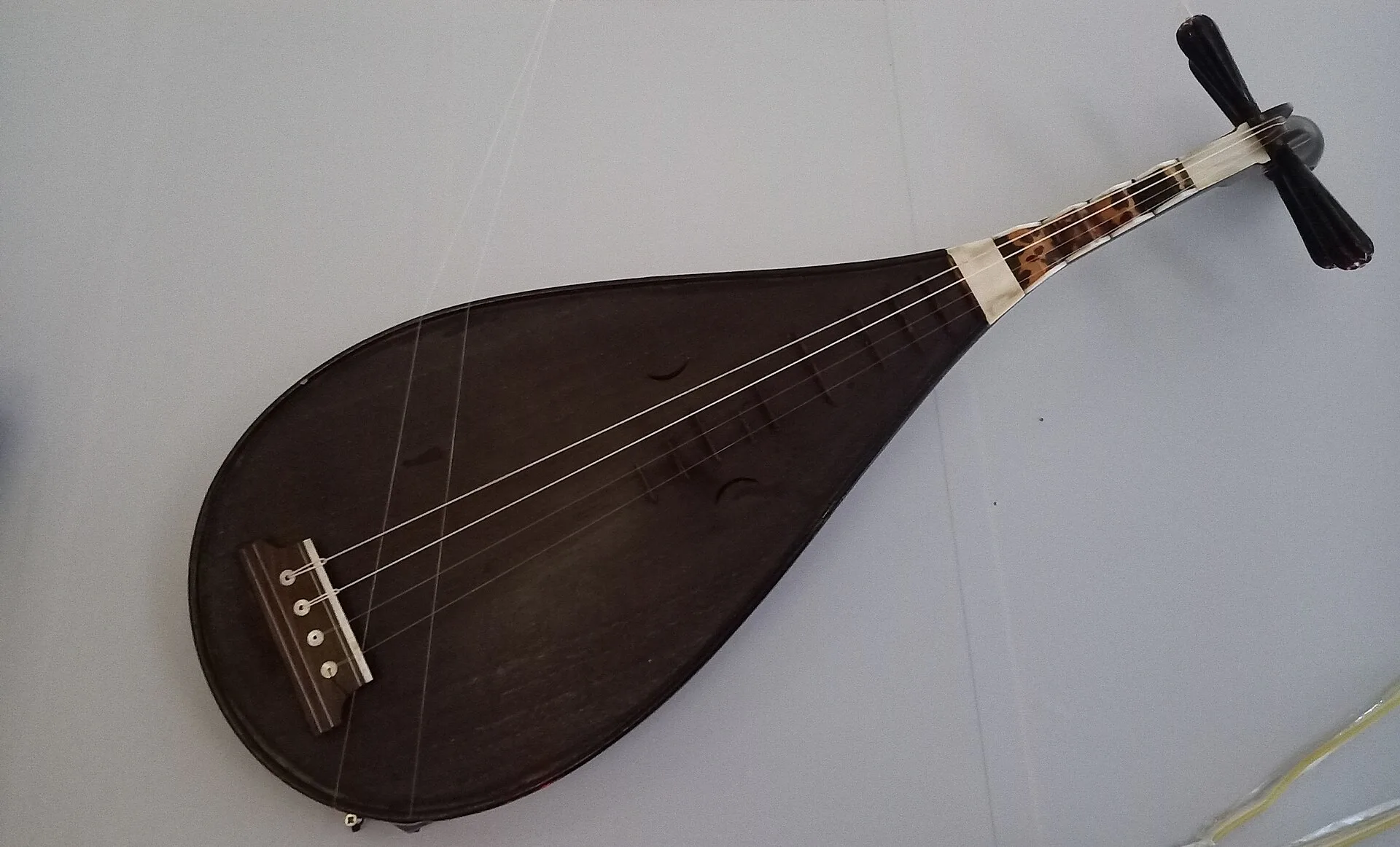
The pipa leads. UNESCO describes it as a crooked-neck lute played horizontally, and Joen Goh compares the playing position to holding a guitar. Lin Po-chi gives it ten frets and four strings tuned d, g, a and d'. The sanxian has a resonator covered in snakeskin and no frets, and sounds an octave lower than the pipa. In the Smithsonian notes, Nora Yeh explains that these two plucked instruments play the skeletal melody as it is notated in the songbooks, while the dongxiao and the erxian ornament it, so that the instruments together produce a heterophonic texture.
Lin describes the erxian as having a bamboo neck of usually 13 nodes, a resonator made from the root of the pandan plant, silk strings and a soft bow. The dongxiao is cut from bamboo root with nine nodes, and its length follows a Tang measure of about 54 cm; Joen Goh notes that it has kept its length of one foot eight inches. The clappers, or paiban, are five long pieces of wood struck on every beat. The singer holds them and, according to the NHB, sits in the middle of the five musicians.
For a livelier mood, Yeh writes, four percussion instruments and a small double-reed suona called the aia are added to form a ten-instrument ensemble. Lin lists among these a small hanging gong, a small gong with a temple block, and the sibao, two pairs of clappers held one pair in each hand, which the NHB describes as bamboo and unique to nanyin. Lin also sets out the ensemble's aesthetic: metal and wooden instruments alternate, the pipa and sanxian are treated as percussive and "yang", and the flute and erxian as linear and "yin".
HOW NANYIN IS SUNG AND WRITTEN DOWN
Nora Yeh describes singers using the Quanzhou dialect and enunciating each word carefully over melismatic melodies. A piece begins very slowly and gradually accelerates, and dynamics change little, though subtle nuances occur. She calls the overall style elegant and quiet, and stately even when the larger ensemble plays. Yeh also notes that nanguan has been observed to resemble Japanese gagaku and Korean aak, and that it is unique in Chinese music for its instruments, notation, theory and system of classifying tunes.
The scores use gongche notation (gongche pu), in which Chinese characters stand for pitches; Joen Goh cites the 2002 book Nanyin: Music of the South for examples. Lin Po-chi gives the pipa's tuning both in Western pitch names and in these characters, as 工, 士, 下 and 工. Written scores are only part of the transmission. Lin records that nanguan is still taught orally in Taiwan, and the NHB describes Singapore's teacher and apprentice system as the means of keeping original tones, tunes, lyrics and vocalisation. Academia Sinica, announcing a 2008 concert at its Taipei campus, notes that the XinXin Nanguan Ensemble trains its members in score reading, correct fingering and shifting tonalities.
ZHI, QU AND PU: HOW THE NANYIN REPERTOIRE IS ORGANISED
The repertoire falls into three categories. In Nora Yeh's account, the zhi are forty-eight song suites with lyrics drawn from historical stories popular in southern Fujian, the qu number thousands of individual songs, and the pu are sixteen instrumental suites, often with programmatic titles about nature, flowers or animals. Lin Po-chi adds that both zhi and qu have lyrics, but the lyrics of the zhi serve only as an aid to memory and are not sung in performance. The qu are the centre of nanguan activity, and the pu are purely instrumental.
A traditional concert follows that order. Lin quotes the formula "starting with zhi, into qu, ending with pu", and Yeh confirms that a performance opens with song suites, moves to individual songs and closes with an instrumental suite. Strict rules on keys and tunes once governed the sequence, she writes, but can no longer be observed. UNESCO states that the repertoire preserves ancient folk music and poems and has influenced opera and puppet theatre. The NHB adds that Liyuan opera, commonly described as dramatised nanyin, also traces its origins to Quanzhou.
NANYIN IN XIAMEN, TAIWAN AND SOUTH-EAST ASIA
Xiamen, the city whose island of Gulangyu is known for its piano culture, gave its name to one of nanyin's vocal schools. A master's thesis at TNUA by Nien Shun-chen, a member of the Taipei Hua-sheng Nanguan Music Club for 27 years, compares the vocal expression of the Quanzhou school with that of the Xiamen school, which she learned from the masters Wu Kunren and Jiang Yueyun. The University of Hong Kong dates nanguan's arrival in Taiwan to around 1661, and Lin Po-chi to around the Ming dynasty. Taiwanese ensembles that have taken it to the stage include Han Tang Yuefu, founded in 1983 with Chen Mei-o as artistic director, and Gang-a-Tsui Theater, founded by Chou Yi-chang in 1993.
In Singapore, the NHB's heritage inventory records nanyin as practised since the late 19th century. The Siong Leng Musical Association, founded in 1941, is described by the NHB as the most prominent local association. Its former chairman Teng Mah Seng, a Cultural Medallion recipient, composed more than a hundred nanyin songs, including Garden of the East in 1982, and from the late 1970s restructured the ensemble and added theatrical elements. Siong Leng won third prize in the Folk Solo category at the Llangollen International Musical Eisteddfod in 1983 and first prize there in 2010. Singapore performers have also added the Malay kompang drum, sitar, keyboard and tabla.
HOW NANYIN HAS BEEN TAUGHT SINCE THE UNESCO LISTING
UNESCO inscribed nanyin in 2009, at the fourth session of its intergovernmental committee. The listing describes the music as central to the Minnan people of southern Fujian and to Minnan communities overseas, for whom it is "the sound of the motherland". A decade later China Daily counted about 500 nanyin associations in Quanzhou alone and more than a dozen festivals and competitions each year. It reported that Quanzhou Normal University runs a nanyin department and a postgraduate course in the music, which the paper described as the only one offered by a university in China.
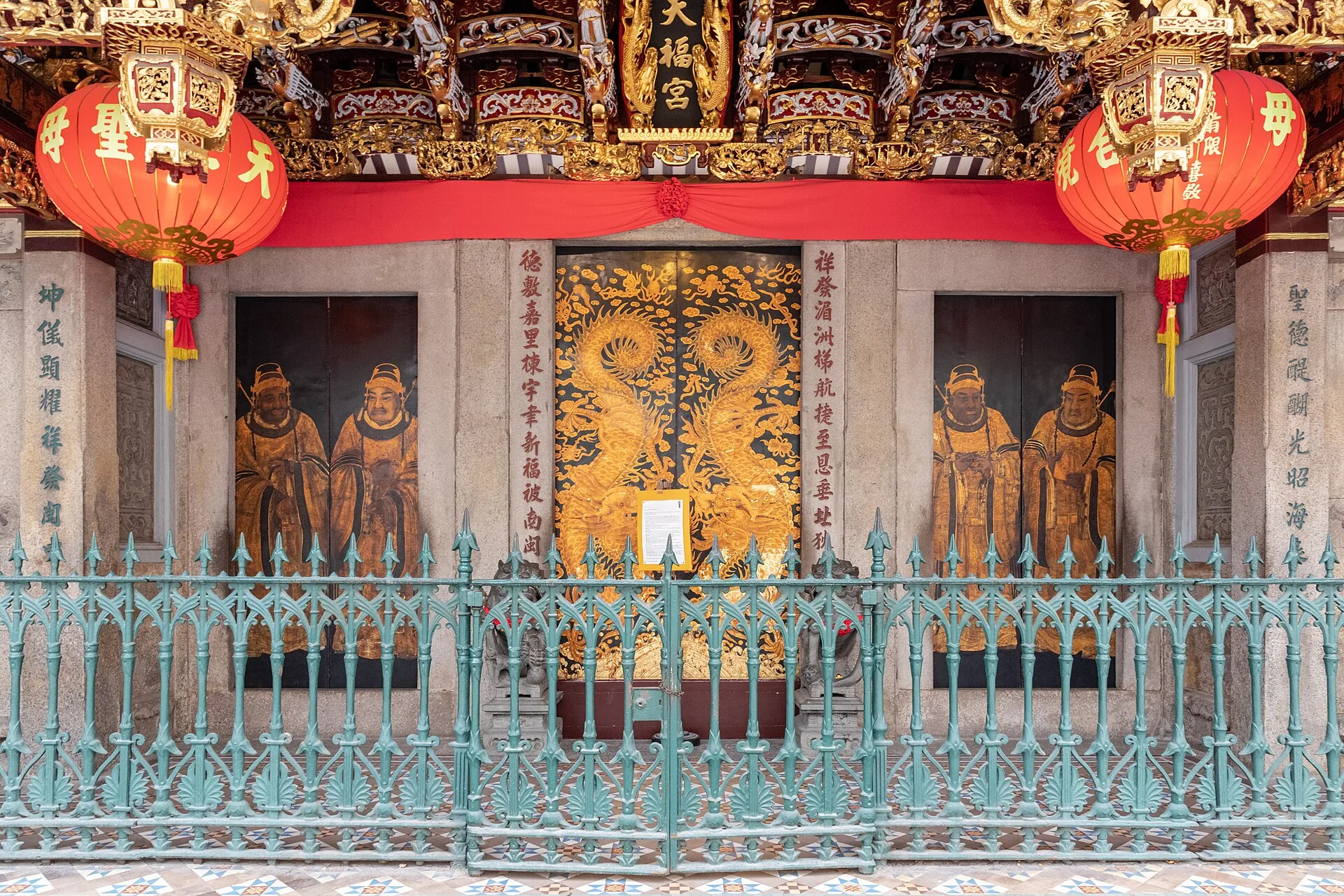
Teaching starts young. The same China Daily report names Peiyuan High School in Quanzhou and Guoqi High School in Xiamen among the schools that offer nanyin classes, and describes the Xiamen Nanyin Troupe sending veteran performers to tutor students and to run workshops and summer camps. In Singapore, Siong Leng holds workshops at public libraries and at its premises in Bukit Pasoh, and stages three open performances a year at Thian Hock Keng Temple and one on Kusu Island. Before its productions at the Esplanade, such as Cicada Zen in 2012 and Nine Songs in 2015, audiences washed their hands in flowered water and sipped tea among incense.
MUSIC AT HYATT CENTRIC OCEANFRONT XIAMEN

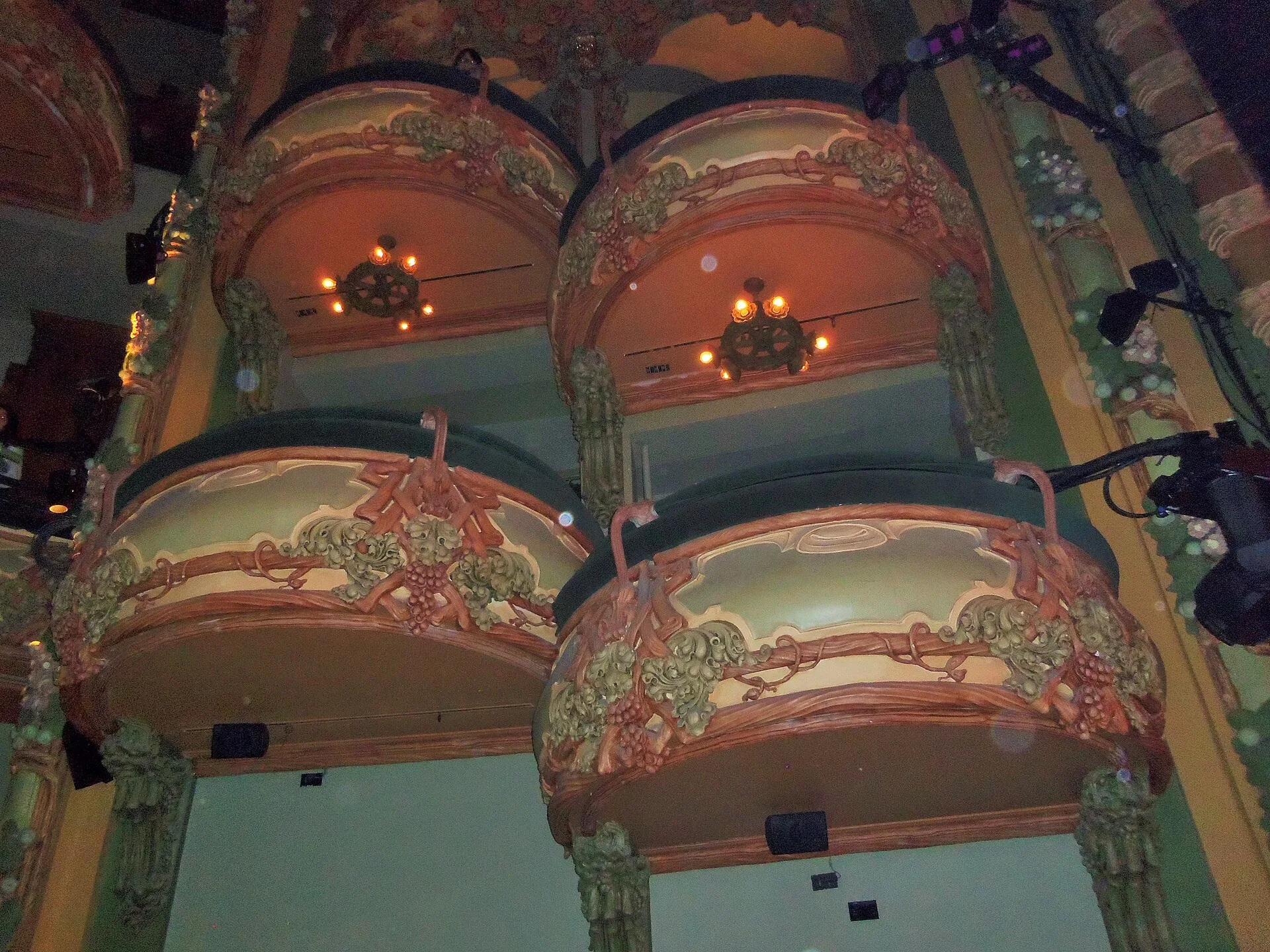
Silverfox Studios completed the full scope of Hyatt Centric Oceanfront Xiamen in 2025. The hotel stands on the Xiamen coast beside Zengcuo'an Food Street, in one of the Minnan-speaking cities where, as Lin Po-chi notes, nanyin was popular, and which gives its name to one of the tradition's vocal schools. The design draws on the street scenes and lanes of the area, on kiln-fired local bricks and on local craft, and the interiors are designed as a series of connected "houses".
Music culture is central to the hotel's ground floor. A House of Music is the focal point, used for live evening music. Nanyin itself has been a music of shared public places: UNESCO lists courtyards, markets and streets among its settings, alongside ceremonies, weddings and festivities, and in Singapore Siong Leng holds its open performances at Thian Hock Keng Temple and on Kusu Island. In Quanzhou, China Daily reported a five-member nanyin band, with clappers, flute and pipa, playing in a teahouse.
SOURCES
- UNESCO Intangible Cultural Heritage Nanyin
- UNESCO World Heritage Centre Quanzhou: Emporium of the World in Song-Yuan China
- National Heritage Board, Singapore (Roots) Nanyin: An Evolution in Singapore
- National Heritage Board, Singapore (Roots) Nanyin (Intangible Cultural Heritage inventory)
- Freer and Sackler Galleries, Smithsonian Institution Enjoying the Flowers: Chinese Music and Drama, programme notes
- Taipei National University of the Arts, Department of Traditional Music The Music of Lâm-koán (Nanguan)
- National Central Library, Taiwan Tshit-Thô Nanguan: The Report of Interpretation of Nien, Shun-Chen's Graduation Concert
- The University of Hong Kong 2005 HKU Concert Series: Lantern Festival, The Han Tang Yuefu Ensemble
- Academia Sinica Song of the Pipa Lute: a Chinese Traditional Nanguan Music
- China Daily New generations tune in to Nanyin