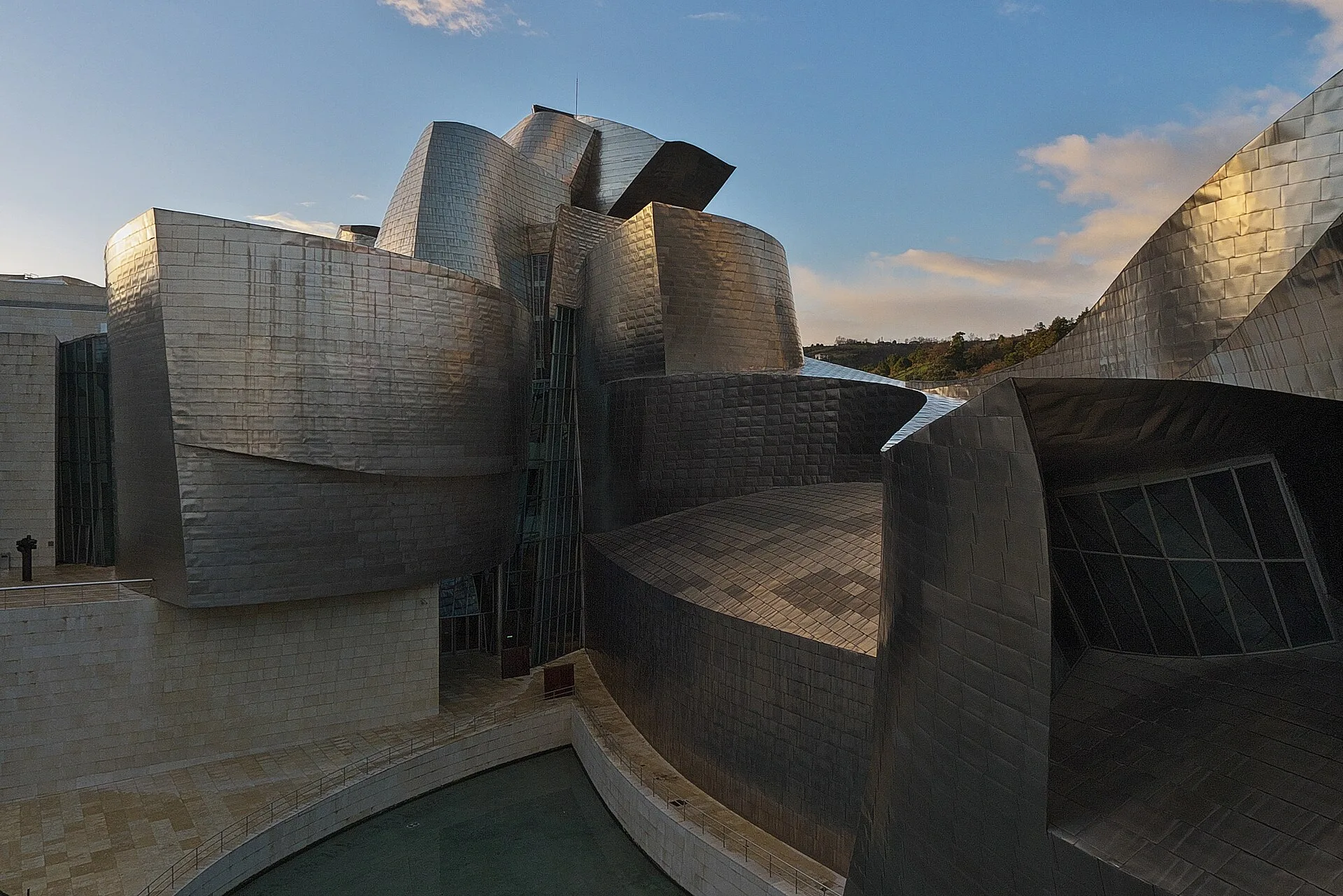
TANIZAKI'S 1933 ESSAY ON LIGHT, LACQUER, PAPER AND GOLD
In Praise of Shadows is a long essay by the novelist Jun'ichiro Tanizaki, written in 1933 and published in Japanese as In'ei Raisan. It sets out a case that traditional Japanese rooms, objects and even food were made to be seen in low, indirect light, and that the electric lighting spreading through Japan was erasing the conditions they depended on. The essay moves through paper, lacquerware, the temple toilet, gold screens, the Noh stage and over-lit hotels. A full English translation by Thomas J. Harper and Edward G. Seidensticker appeared in 1977, and the book has since been cited by architects, artists and critics writing about light and darkness in buildings, from Kenneth Frampton on Tadao Ando to Kengo Kuma.
WHO WAS JUN'ICHIRO TANIZAKI?
Tanizaki was born in Tokyo on 24 July 1886 and died at Yugawara on 30 July 1965. Britannica describes him as a major modern Japanese novelist whose writing is marked by eroticism and ironic wit. His earliest stories, including Shisei (1910, translated as "The Tattooer"), show affinities, in Britannica's account, with Edgar Allan Poe and the French Decadents. In 1923 he moved from Tokyo to the Osaka area, and from then on his work turned towards more traditional Japanese ideals of beauty.
The novel Tade kuu mushi (1929, Some Prefer Nettles) treats an unhappy marriage as a conflict between the new and the old. In 1932 he began rendering The Tale of Genji into modern Japanese, a version he revised several times. Sasame-yuki (1943 to 1948, The Makioka Sisters) describes the inroads of the modern world on a traditional, aristocratic society, and the postwar novels Kagi (1956, The Key) and Futen rojin nikki (1961 to 1962, Diary of a Mad Old Man) returned to the eroticism of his youth. In 1934 he also published Bunsho Tokuhon, a reader on prose style that Britannica calls a minor masterpiece of criticism. In Praise of Shadows belongs to this Kansai period and is often read alongside the novels as a statement of his changed attitude to the West.
WHAT IS IN PRAISE OF SHADOWS ABOUT?

The essay first ran in two issues of the magazine Keizai Orai, in December 1933 and January 1934, and was issued as a book in 1934. It is made up of sixteen short sections that range from meditative to humorous and do not follow a strict sequence. The thread running through them is a contrast between Western buildings designed to admit as much light as possible, with the Gothic cathedral as the example, and the Japanese house, sheltered under a deep roof carried on pillars, where light enters indirectly and the interior is arranged around shade.
Tanizaki opens with the practical problems of fitting electricity, gas and plumbing into a Japanese-style house. He writes about hiding switches and cables, about electric fans that look wrong in a tatami room, and about a window with paper on the inside and glass on the outside that was expensive and still unsatisfying. For heating he built a large farmhouse-style hearth and set electric charcoal inside it. He then speculates on how Japan might have developed if it had invented its own technology: a Japanese or Chinese fountain pen, he suggests, would have been tipped with a brush rather than a nib.
PAPER, LACQUER AND FOOD IN LOW LIGHT
Much of the essay concerns surfaces. Tanizaki observes that Western paper seems to throw light back, while hosho and other traditional Japanese papers take it in softly. He regrets the habit of polishing silver until a hard-won patina is gone, values tin and jade for their depth rather than their shine, and admits that part of the lustre he admires is simply the sheen left by handling. In the study of a shoin, the pale whitish glow of the shoji could make him stop and lose track of time. He compares the whole room to an ink painting in which the shoji are the palest tone and the tokonoma alcove the darkest, and argues that beauty lies not in objects themselves but in the patterns of shadow and light that form between them.
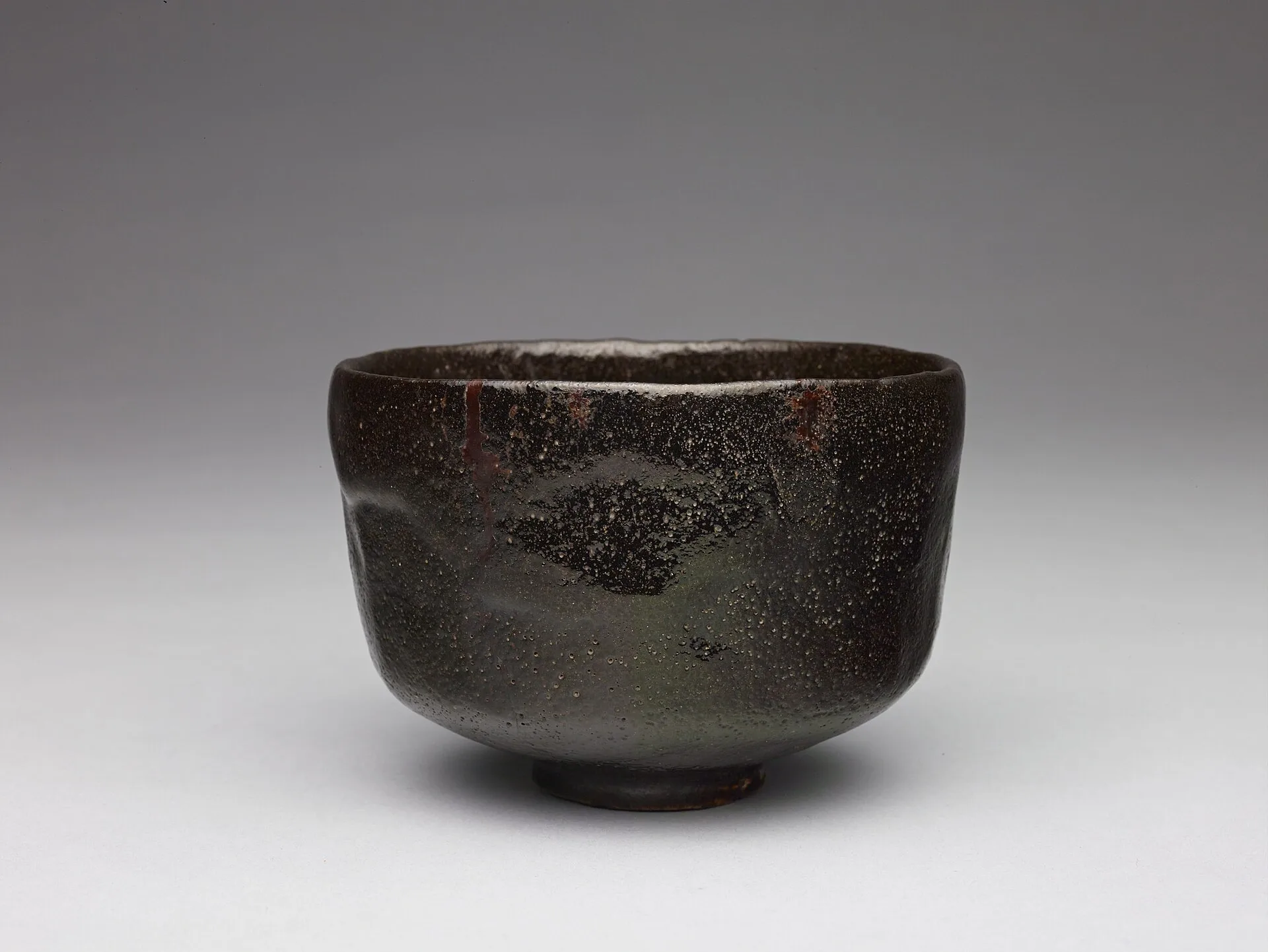
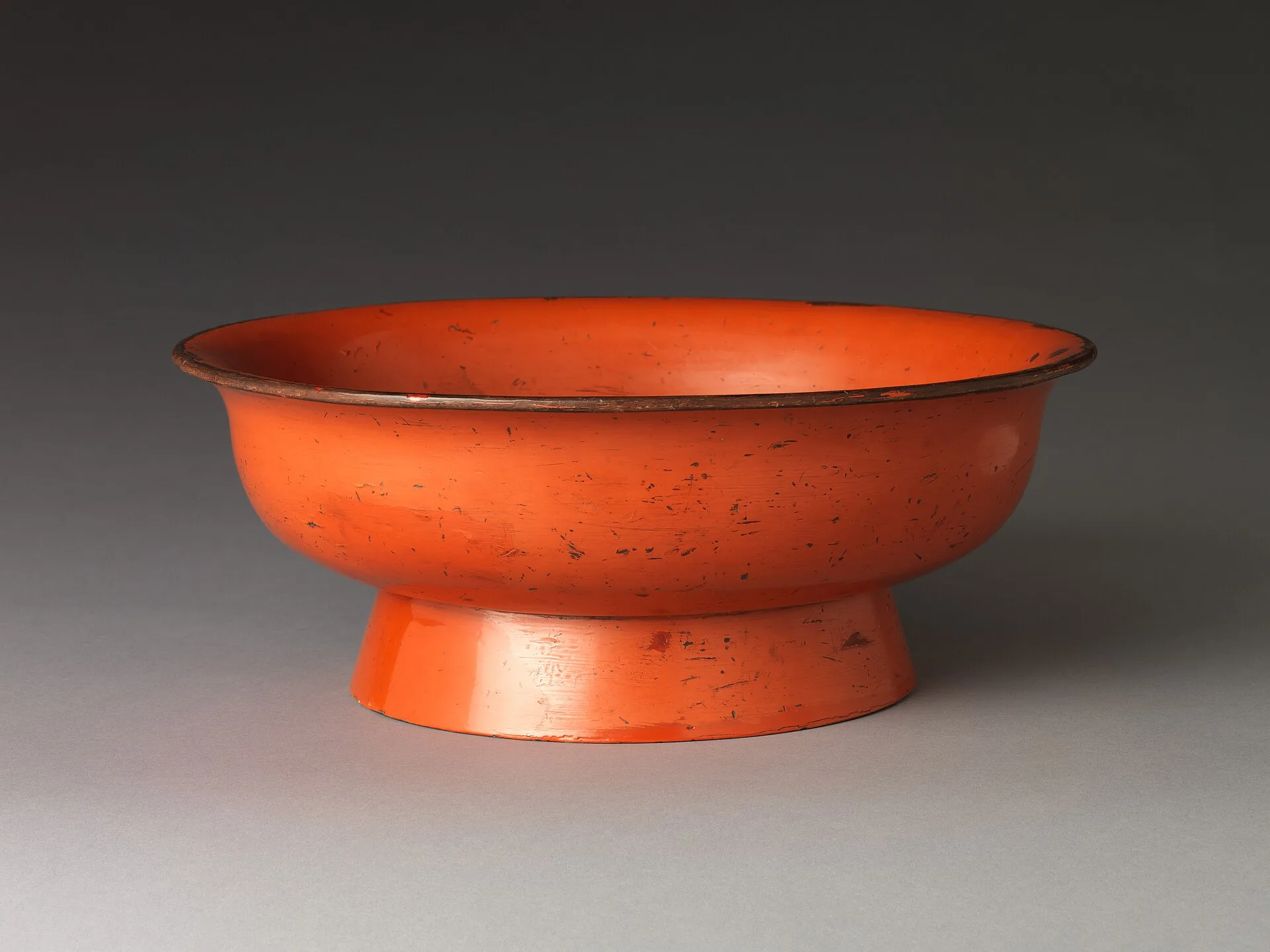
Lacquerware is his central example. At a Kyoto restaurant where the electric lamps were replaced with candlesticks, he found that the trays and bowls took on a deep, layered gloss, and he concludes that Japanese lacquer shows its beauty only in faint light. Red miso soup sitting in a black lacquer bowl by candlelight looks richer; white rice is more appealing kept in a glossy black lacquer rice tub in a dim place; and yokan, the bean-paste confection, placed in a lacquer dish in near darkness becomes something to contemplate as much as eat. He extends the same point to the room around the tray, describing how dim light falls on the earthen walls of the zashiki, the tatami reception room.
WHY DOES TANIZAKI PRAISE THE JAPANESE TOILET?
The most quoted part of the essay is its defence of the old Japanese toilet. Tanizaki writes that each time he was shown to an old-fashioned, dim and spotlessly kept toilet at a temple in Kyoto or Nara, he felt the merits of Japanese architecture. Set apart from the main building, such a room is for him the most refined part of the Japanese house. He contrasts it with imported fittings in white porcelain and tile, which he accepts are clean but finds harsh, and which leave no shadow in the room.
The argument has a practical side. In his own house, he writes, he avoided tile entirely and laid the floor with boards of camphor wood, and he states that for the fixtures themselves, both men's and women's, wooden ones are best. EBSCO's research guide to the essay notes that its attention to everyday objects such as this makes it a more accessible account of Japanese tradition than writing centred on institutions such as the tea ceremony or flower arrangement. The same guide points out that Tanizaki anticipated later criticism of glaring white interiors, including in hospitals, and proposed softer, muted colours for walls and equipment.
GOLD IN DIM ROOMS AND ON THE NOH STAGE
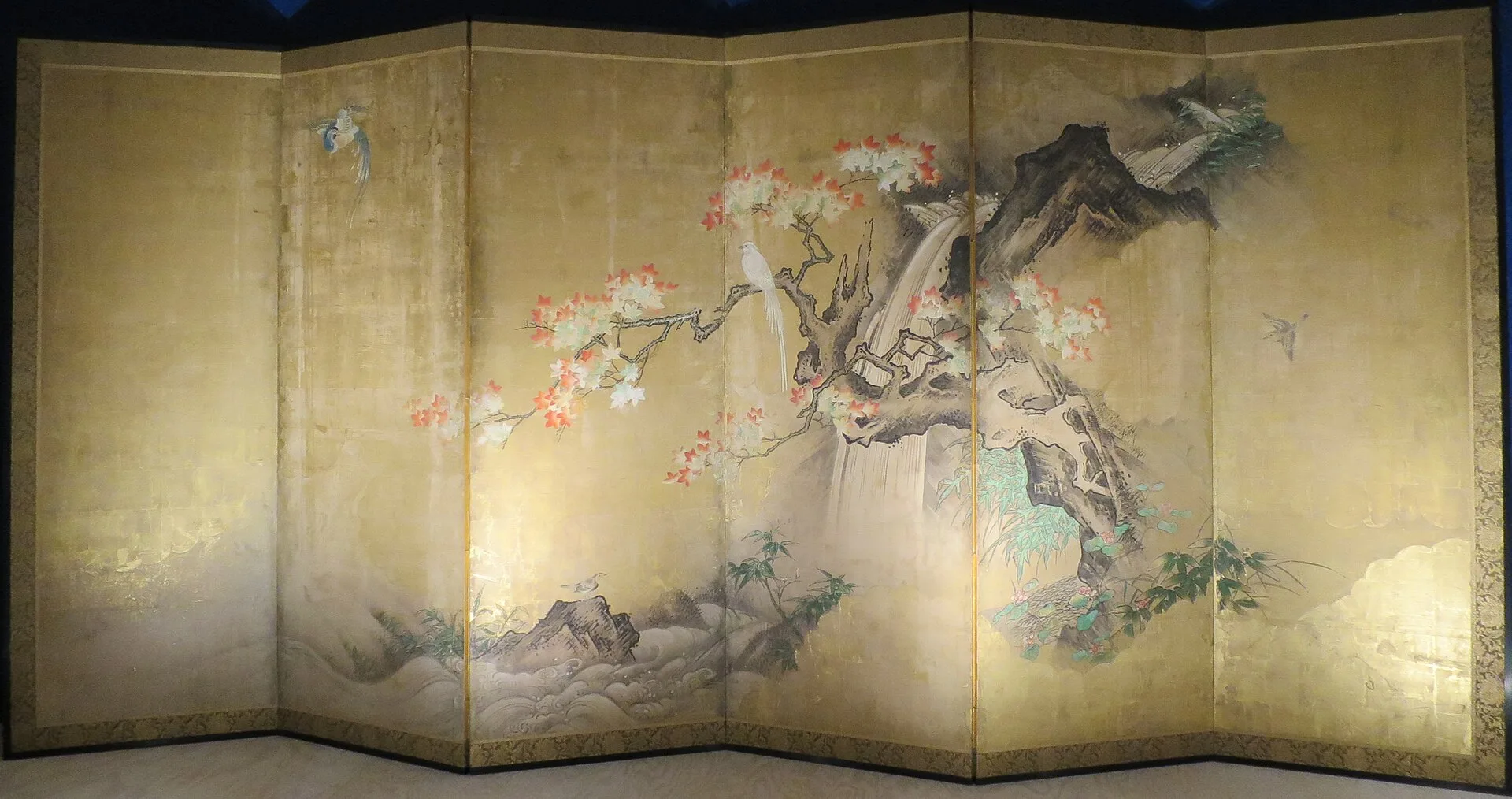
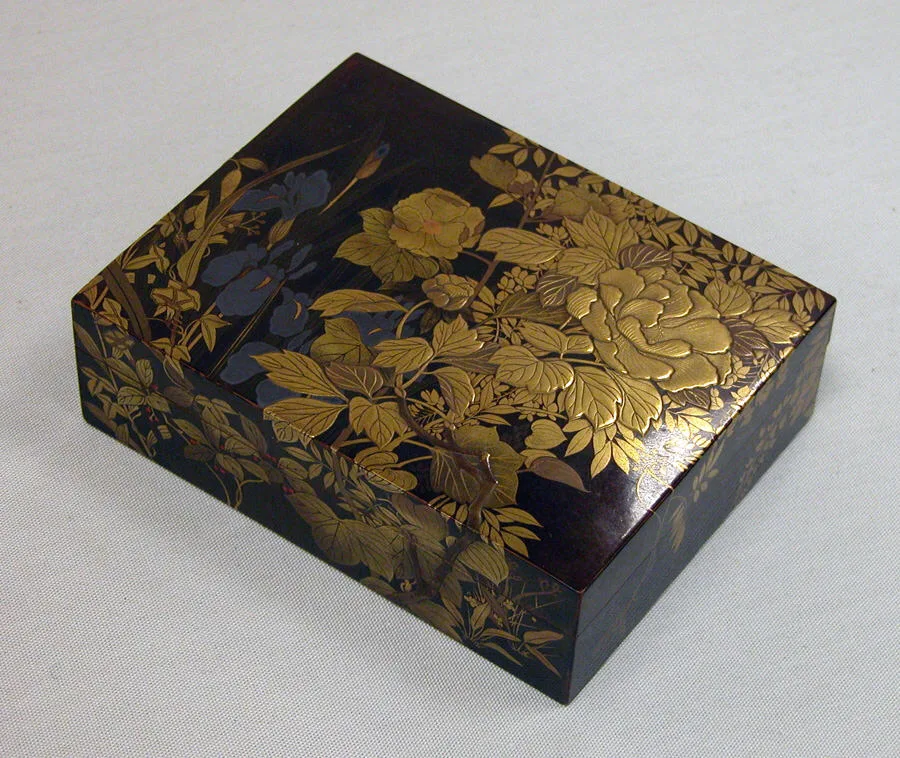
Gold is treated in the essay as a material made for darkness. In inner rooms that outside light no longer reaches, Tanizaki writes, gold sliding doors and gold folding screens catch the last of the light from a garden several rooms away and reflect it faintly, and he says gold never looks more sombre and beautiful than in such a setting. He reads this as a practical function as well as ornament: in rooms with little daylight, gold leaf served as a reflector. Gold maki-e lacquer, in his account, was never meant to be seen all at once in a bright room but in the dark, where different parts glint a little at a time.
He applies the same reasoning to the theatre. Noh costumes, he notes, were broadly the same as the clothes worn by nobles and daimyo of their period, and on a dark stage the gold and silver threads in them catch the light only now and then. Keeping the Noh stage in its traditional darkness is, for Tanizaki, a necessary convention rather than a quaint survival. Kabuki fares worse: he blames excessive lighting for spoiling its beauty and turning its bright colours vulgar. He also notes that Bunraku puppet theatre went on using lamps long into the Meiji era.
ELECTRIC LIGHT AND THE MODERN HOTEL
The later sections turn to modern lighting. Tanizaki argues that Japan, in imitating the West, has taken to electricity as freely as America, and suggests that the two countries use electric light more lavishly than any others, with Tokyo and Osaka far brighter at night than other cities. Teahouses, restaurants, inns and hotels, he writes, waste electric light. He asks anyone who has visited the lobby of the Miyako Hotel in Kyoto on a summer evening to agree with him, and complains about rooms that add more electric lamps and then have to run fans because the extra light makes them hot.
His example of moon viewing makes the same point outdoors. He had planned to view the moon at the temple of Ishiyama-dera until he read in a newspaper that loudspeakers were to be fitted in the woods there to play a recording of the Moonlight Sonata for the guests, and he gave up the trip at once. The essay ends with Tanizaki conceding that Japan has committed itself to the Western path and that the older world will be lost, while expressing the hope that the arts might preserve something of the world of shadows.
HOW IN PRAISE OF SHADOWS REACHED ARCHITECTS AND DESIGNERS
Parts of the essay were translated into English in 1954 and published with commentary in The Atlantic Monthly in 1955. The first complete English translation, by Thomas J. Harper and Edward G. Seidensticker, was published in 1977 by Leete's Island Books in New Haven, Connecticut, as a 48-page book with a foreword by Charles Moore and an afterword by Harper. Vintage Classics reissued it in London in 2001. Seidensticker, a professor emeritus at Columbia University, had already translated Tanizaki's The Makioka Sisters and Some Prefer Nettles, as well as Snow Country by Yasunari Kawabata, and in 1975 he completed a full English translation of The Tale of Genji.
The library of the Canadian Centre for Architecture in Montreal holds both the 1977 and 2001 editions and catalogues the book under Japanese aesthetics and civilisation. In an essay published by the Pritzker Architecture Prize for its 1995 laureate, Kenneth Frampton, Ware Professor of Architecture at Columbia University, described how the dimly lit corridors of Tadao Ando's Koshino House (1981) in Ashiya recalled the dark traditional interiors set out in Tanizaki's book, citing the Leete's Island translation in a footnote.
Later readings have come from both architecture and art. A newer translation by Gregory Starr, reviewed by The Japan Times in 2018, carries a preface by the architect Kengo Kuma. The review singles out Tanizaki's passages on the earthen walls of the zashiki, on lacquerware seen in half-light and on gold-leaf doors and screens lit from the garden, and notes that Starr found no real bitterness in the original text. In 2014 Domus, reviewing Hiroshi Sugimoto's exhibition Modern Times at the Fondazione Bevilacqua La Masa in Venice, used In'ei Raisan to frame the artist's photographs of modern buildings, in which light and shadow trace their volumes. The same article covered Sugimoto's Glass Tea House Mondrian, a transparent cube for the tea ceremony on the island of San Giorgio Maggiore, commissioned by the Fondazione Giorgio Cini and Pentagram Stiftung.
STRAWFIRE AT EMIRATES PALACE MANDARIN ORIENTAL

Strawfire is a Japanese restaurant by chef Ross Shonhan at Emirates Palace Mandarin Oriental in Abu Dhabi, and the project was completed in 2024. The restaurant is built around rice straw, known in Japanese as wara, and around warayaki, grilling over a straw fire. Its materials and colours follow those two elements. The palette pairs straw tones of cream, gold and mustard with fire tones of orange, gold and rust, and straw bales up to 2 m tall stand in the booths.
The warayaki counter sits under a hand-beaten brass hood fronted with faceted gold tiles. Behind the cooking, a back-lit kumiko screen shows the shadows of the chefs at work. Tanizaki's essay, as set out above, wrote about gold catching faint light in dim interiors and about paper screens as the palest surface in a room. At Strawfire, gold appears in both the straw and fire palettes and on the tiles of the counter hood, and the chefs appear as shadows on the back-lit screen.
SOURCES
- Aozora Bunko Tanizaki Jun'ichiro, In'ei Raisan (Japanese text)
- Encyclopaedia Britannica Tanizaki Jun'ichiro
- EBSCO Research Starters In Praise of Shadows by Jun'ichiro Tanizaki
- Canadian Centre for Architecture In praise of shadows (Leete's Island Books, 1977), library record
- Canadian Centre for Architecture In praise of shadows (Vintage, 2001), library record
- Nippon.com A Letter to Ed: Remembering Edward Seidensticker
- University of Rochester, Three Percent Edward Seidensticker obituary (2007)
- The Pritzker Architecture Prize Kenneth Frampton, Thoughts on Tadao Ando (1995)
- The Japan Times Review of In Praise of Shadows, translated by Gregory Starr (2018)
- Domus The theory of shadows