A SMALL PORTION SERVED WITH A DRINK, A SET OF ROYAL LEGENDS AND A DIFFERENT RULEBOOK IN EVERY REGION
The history of tapas is mostly told through legends: a king who asked for food with his wine, a glass of sherry covered with a slice of sausage, drinks covered to keep out dust and flies. Few of these stories can be traced to a document, and the Real Academia de Gastronomía presents most of them as legend. The Real Academia Española defines a tapa as a small portion of food served to accompany a drink, Spanish literature has recorded snacks in inns and taverns since the seventeenth century, and the rules for how tapas are ordered, paid for and eaten still change from one region to the next. In Granada a tapa is very commonly served free with a drink. In Bilbao, pintxos are bought separately.
WHAT TAPAS ARE AND WHERE THE WORD CAME FROM

In the Diccionario de la lengua española, the first sense of tapa is a lid or cap that closes a box or container. The food sense comes much further down the entry: a small portion of food served as an accompaniment to a drink, with pincho, aperitivo and botana listed as synonyms. The Academy's etymology for the word is cautious, suggesting it may come from the Gothic tappa. The two meanings are linked by the most repeated explanation of the custom, which spain.info, Spain's official tourism site, lists among several myths: a drink was tapada, or covered, with bread and cured meats to keep insects out of the glass.
The dictionary also separates tapas from the larger portion. A ración, in its food sense, is a portion of food, usually small, served in bars, taverns and restaurants. Spain.info describes tapas as appetisers eaten with beer, wine or another drink, and its description covers a wide range of formats: they can be hot or cold, served on toast or in clay pots, and many bars offer their own house specials. The dictionary lists tapa and pincho among the near-synonyms for this sense of ración.
THE ROYAL LEGENDS BEHIND THE ORIGIN OF TAPAS

Two kings carry most of the origin stories. The first is the thirteenth-century king Alfonso X, known as the Wise. According to one legend, recorded by the Real Academia de Gastronomía, tapas began to accompany drinks during his reign as a way of preventing drunkenness; spain.info gives a version in which the king asked to be served small portions of food with his wine. The second, and the most widely repeated, involves Alfonso XIII. In the version the Academy records, the king was drinking sherry at an inn in Andalusia when a waiter placed a slice of sausage over his glass to keep out dust or flies in the summer heat, and the king later ate it. Several taverns in Cádiz and Seville claim to be the setting.
One episode involving Alfonso XIII does appear to have a written record. According to the Academy, a visitors' book records that in 1930 the king stopped at an inn on the outskirts of Seville and tried a selection of homemade tapas known as tonteo: cod sticks, fried squid, a roe dressing and sausage. He liked it enough to grant the inn the title of Royal Inn.
WHAT THE DOCUMENTED HISTORY OF TAPAS SHOWS
The written evidence points to a long tradition of small food sold alongside wine, rather than a single moment of invention. Don Quixote, published in the seventeenth century, mentions herring and rabbit empanadas among the snacks served in inns and taverns. A more specific record comes from Seville. According to the book Seville Banquets, Tapas and Menus, 1863 to 1995, cited by the Real Academia de Gastronomía, establishments in Andalusia that sold wine by the glass were licensed in 1795 to set out tables and chairs and to serve cold or fried food. Stews were prohibited.
The free, cooked tapa is also documented as a twentieth-century practice. The Academy notes that during the last century, cities such as Salamanca and Santiago de Compostela served complimentary cooked food with drinks, a custom known as the tapa de cortesía. Today that courtesy is mostly reduced to small accompaniments. In Madrid, until recently, a drink usually came with olives, crisps and sometimes sausage rather than prepared dishes. The more elaborate tapa is newer still. In the 1990s, bars began serving miniature dishes modelled on the tasting menus of Ferran Adrià, and Rafael Ansón of the Academy describes tapas as having evolved into miniature meals.
TAPEO: HOW TAPAS ARE EATEN IN SPAIN

The Real Academia Española defines the colloquial verb tapear as having tapas in bars and taverns, and Rafael Ansón, president of the Real Academia de Gastronomía, describes tapas as a style of eating rather than a type of dish. Spain.info places tapas before lunch or in the late afternoon, with the aim of stimulating the appetite, although eating enough of them can replace a meal. Spain.info also describes the ruta de la tapa, a tour of several bars to try different tapas. Tapas are eaten throughout the country, but spain.info singles out Granada, Salamanca, Valladolid, Logroño, Zaragoza, León and Alcalá de Henares as cities with a particular reputation for them.
The traditional pattern was one portion per bar. The food critic Cristino Álvarez, quoted by the Real Academia de Gastronomía, notes that sitting down to eat several portions at a single bar was more common among tourists, although many locals have since adopted it. The settings have also widened. Spain.info lists gastrobars and former food markets converted into gourmet markets alongside traditional bars. In Seville, where spain.info says there are tapas every few steps, its suggestions include gazpacho, papas aliñás, huevos a la flamenca and oxtail stew. In Logroño, Calle Laurel has more than 60 bars and restaurants, roughly one every two metres, serving local dishes such as patatas a la riojana and chuletillas al sarmiento.
REGIONAL DIFFERENCES: BASQUE PINTXOS AND FREE TAPAS IN GRANADA

In the Basque Country, tapas are called pintxos (pinchos in Spanish), and the dictionary defines a pincho as a portion of food taken as an aperitif, sometimes skewered with a toothpick. Spain.info describes Bilbao's pinchos as one or at most two bites, set out on counters kept constantly fresh and updated. Unlike in the rest of Spain, a pincho in the Basque Country is not considered free with a drink and must be bought separately. In Bilbao's Casco Viejo, the seven streets of the oldest part of the city, pinchos are traditionally washed down with vermouth or txakoli, a Basque white wine, while in the Ensanche district they accompany zuritos, or beers. Going out for pinchos is known locally as ir de potes. The gilda, an olive, an anchovy and a hot chilli pepper threaded on a stick, is listed by spain.info as a classic in San Sebastián, where it recommends Calle Pescadería, Calle 31 de Agosto and Calle Fermín Calbetón, and the gilda also appears among the traditional pinchos of Bilbao alongside the marinated cod skewer.
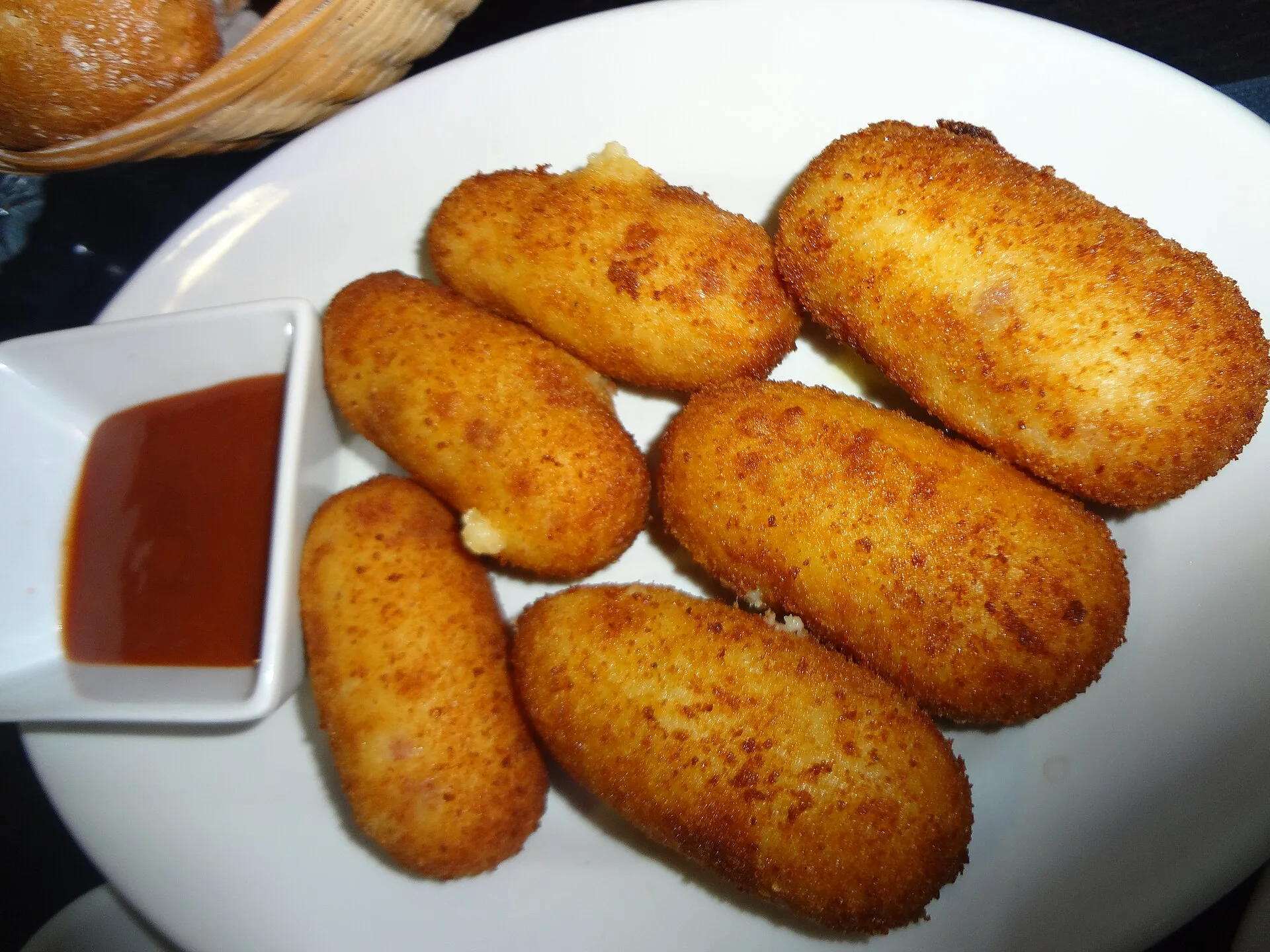
In other cities the tapa remains a courtesy. In Granada, spain.info notes that it is very common for tapas to be served free with drinks, from the streets around the Cathedral to Calle Navas, Calle Elvira and Plaza Nueva, with small fried fish, pinchos morunos (grilled meat skewers), sausage montaditos and patatas bravas among the usual offerings. In León's Barrio Húmedo, many bars also serve a free tapa with a drink, and spain.info states that the city has more bars per inhabitant than any other in Spain. Madrid's La Latina, the medieval core of the city, keeps a version of the custom, with patatas bravas, potato omelette and croquettes often offered free on Cava Baja and Cava Alta. In Salamanca, many bars include a tapa with a drink free or for a modest mark-up.
HOW TAPAS WENT GLOBAL
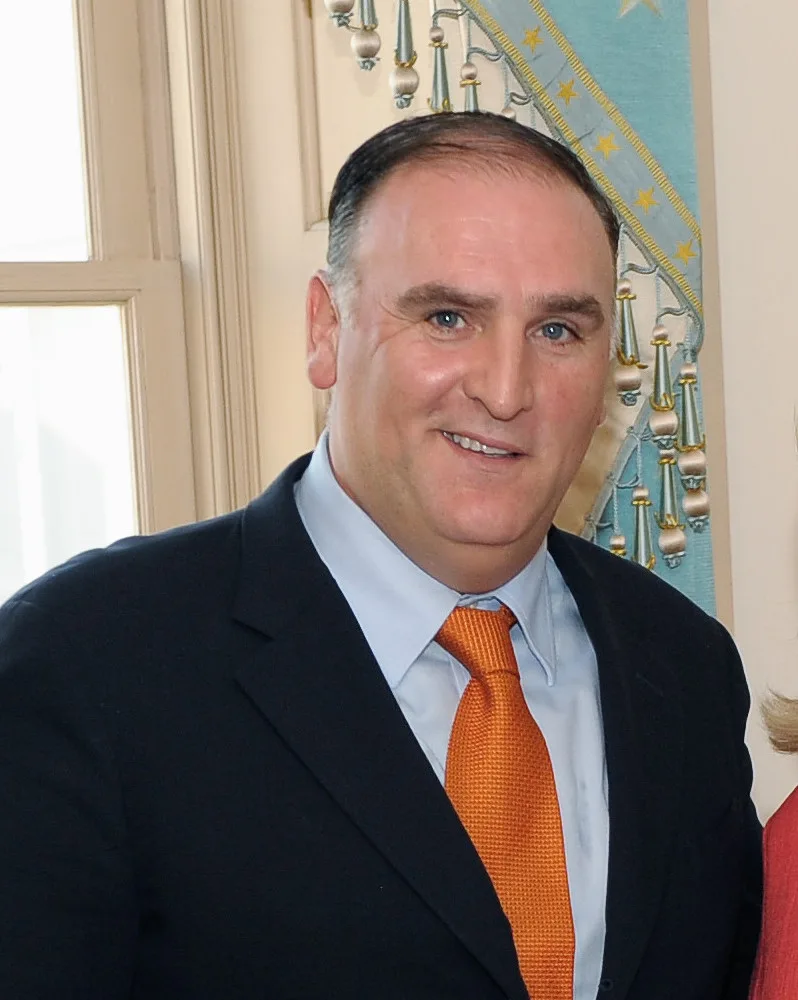
Outside Spain, the Real Academia de Gastronomía describes tapas as spreading, tentatively, to the major world capitals. In the United States, the Academy notes, the Spanish chef José Andrés, who has lived in the country for more than two decades, serves classic tapas at his restaurant Jaleo, whose first branch opened in downtown Washington, DC in 1993. The Academy also credits Joël Robuchon with promoting the tapas model internationally, adding dishes from around the world, and notes that steps have been taken to seek recognition of the tradition by UNESCO as Intangible Cultural Heritage of Humanity.
Valladolid holds the tapas competition that the Academy describes as the first and best known of its kind. The national competition began in 2005, and in 2026 the city holds its 22nd edition and the 10th Valladolid World Tapas Championship on 9 to 11 November at the Cúpula del Milenio, organised by the Valladolid Tourism Promotion Board for the city council with the Provincial Hospitality Association. Each finalist prepares eight identical tapas in no more than 25 minutes. Qualifying competitions for the world event are held in Asia, Malaysia, the United Kingdom, Texas, Oceania, Ecuador, India, Africa and Switzerland, and the raw ingredients of each competition tapa must cost no more than €1.90. The 2025 world title went to Andrea Vignali of Al Dente Enoteca, representing Australia.
TAPAS AT MANDARIN ORIENTAL SHENZHEN

Tapas is a restaurant and bar at Mandarin Oriental Shenzhen, designed by Silverfox Studios and completed in 2022. The walls are exposed brick, combined with steel-framed glazing, and a glass-fronted wine display is set into the brick walls, keeping the wine in view of the room. Seating is in red leather banquettes, and the walls carry framed photographs and suspended black metal shelving.
A wrought-iron chandelier hangs in the space, and the marble bar counter has views over the city.
SOURCES
- Real Academia Española Diccionario de la lengua española: tapa
- Real Academia Española Diccionario de la lengua española: pincho
- Real Academia Española Diccionario de la lengua española: ración
- Real Academia de Gastronomía, Google Arts & Culture The Art of Tapas
- spain.info Anyone for tapas?
- spain.info Foodie Spain: the best areas and districts for tapas
- spain.info Bilbao and the pincho
- Real Academia Española Diccionario de la lengua española: tapear
- Jaleo Our Story
- Valladolid National Tapas Competition Registration is now open for the 22nd National Pinchos and Tapas Competition and the 10th Valladolid World Tapas Championship