FROM ROMAN VINE LEAVES TO PAINTED INN BOARDS
British pub signs began as a marker of trade: leaves or a bush hung outside a house that sold drink. In 1393, during the reign of Richard II, an Act made it compulsory for pubs and inns to display a sign, and painted boards showed each house's name as a picture for customers who could not read. Many of the most common names, including the Red Lion, the Crown, the White Hart and the Royal Oak, come from royal badges, heraldry and events, although some of the stories attached to them are unproven. In London, hanging signs crowded the streets until the City's rebuilding rules of 1667 ordered them fixed to the walls of houses. Today breweries such as Shepherd Neame still commission hand-painted signs, and the Inn Sign Society, founded in 1990, records them.
WHERE DID BRITISH PUB SIGNS COME FROM?
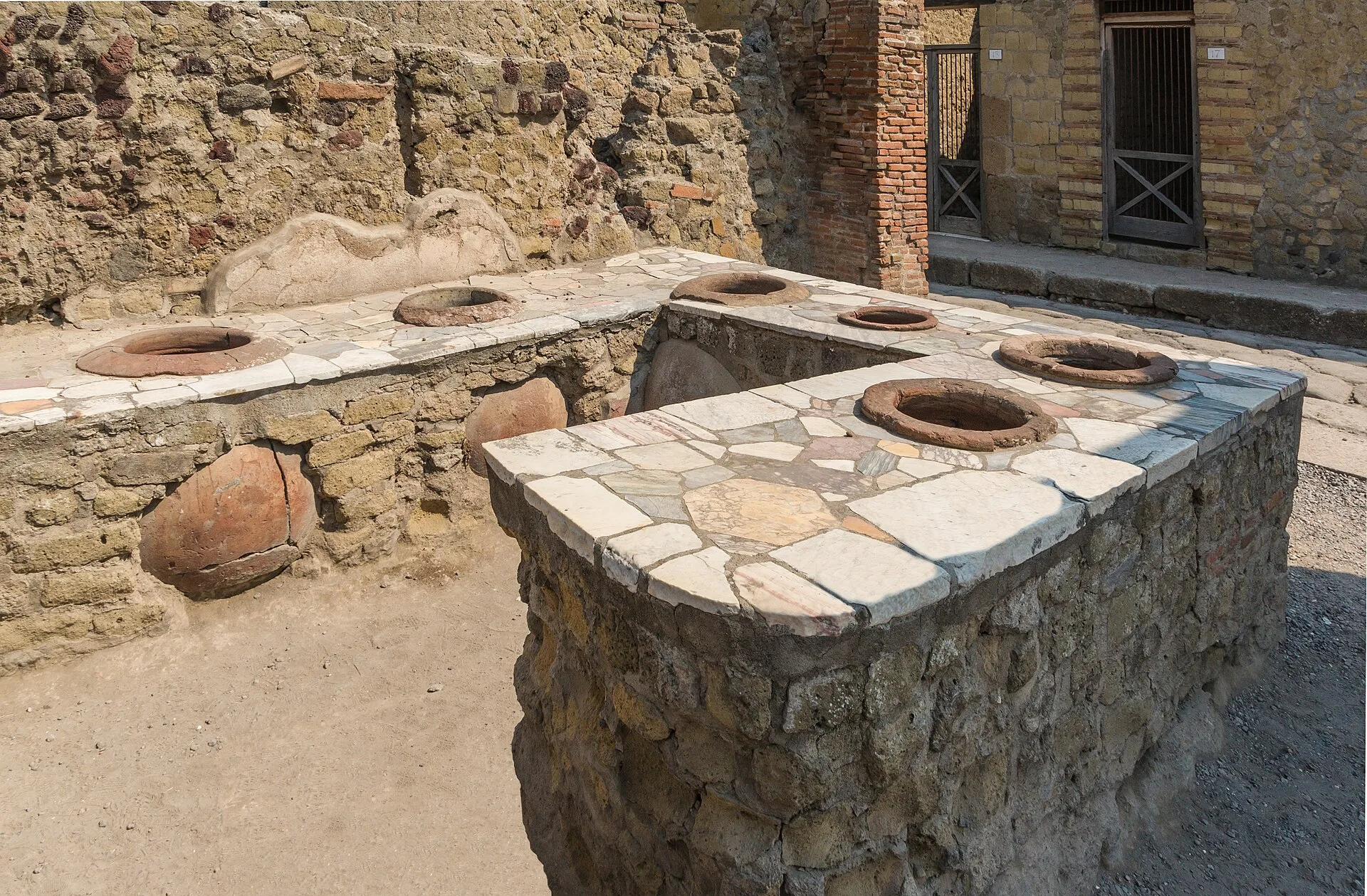
According to The History Press, the naming of pubs is said to stem from Roman times, when tabernae hung vine leaves outside as a trading sign. In Britain vine leaves were in short supply, so innkeepers hung bushes outside instead to mark out their houses. An Ordnance Survey guide to pub names by Mary-Ann Ochota describes wooden poles hung with vine or ivy leaves outside drinking houses to show that they were open and serving, and says the tradition continued after the Romans left. The History Press lists the Bush, the Hollybush and the Bull & Bush among the names that come from this early practice.
In medieval England the marker became the ale-stake. The Ordnance Survey guide describes a horizontal ale-stake hung with an ivy garland or a bush at its end, which told passers-by that fresh beer was ready for sale. The History Press suggests that names such as the Hop Pole, the Barley Mow and the Three Barrels probably originate from this period, when pictorial signs advertised houses selling ale. Inns named for local trades, such as the Golden Fleece for the wool trade and the Bricklayers', Masons', Saddlers', Blacksmiths' and Carpenters' Arms, became meeting places for those trades.
WHY DID ENGLISH ALEHOUSES HAVE TO DISPLAY A SIGN?
The History Press says that by the 12th century the naming of inns and public houses was fairly common, and that pub signs came with the names. Because most of the working population could not read, pictorial signs were used instead of lettering to advertise the inns. The Ordnance Survey guide gives examples of symbols that were easy to paint and to recognise, such as a crown, a bull's head and a star, and notes that painted board signs were used from medieval times.
Richard II was King of England from 1377 to 1399. In 1393, according to The History Press, an Act was passed during his reign that made it compulsory for pubs and inns to have a sign identifying them as official watering holes. The Ordnance Survey guide gives the penalty: a tavern owner who failed to hang a sign would forfeit his or her beer. The History Press adds that many inns then adopted the White Hart as their sign because it was the personal badge of the king.
WHITE HART, CROWN AND RISING SUN: ROYAL BADGES ON PUB SIGNS
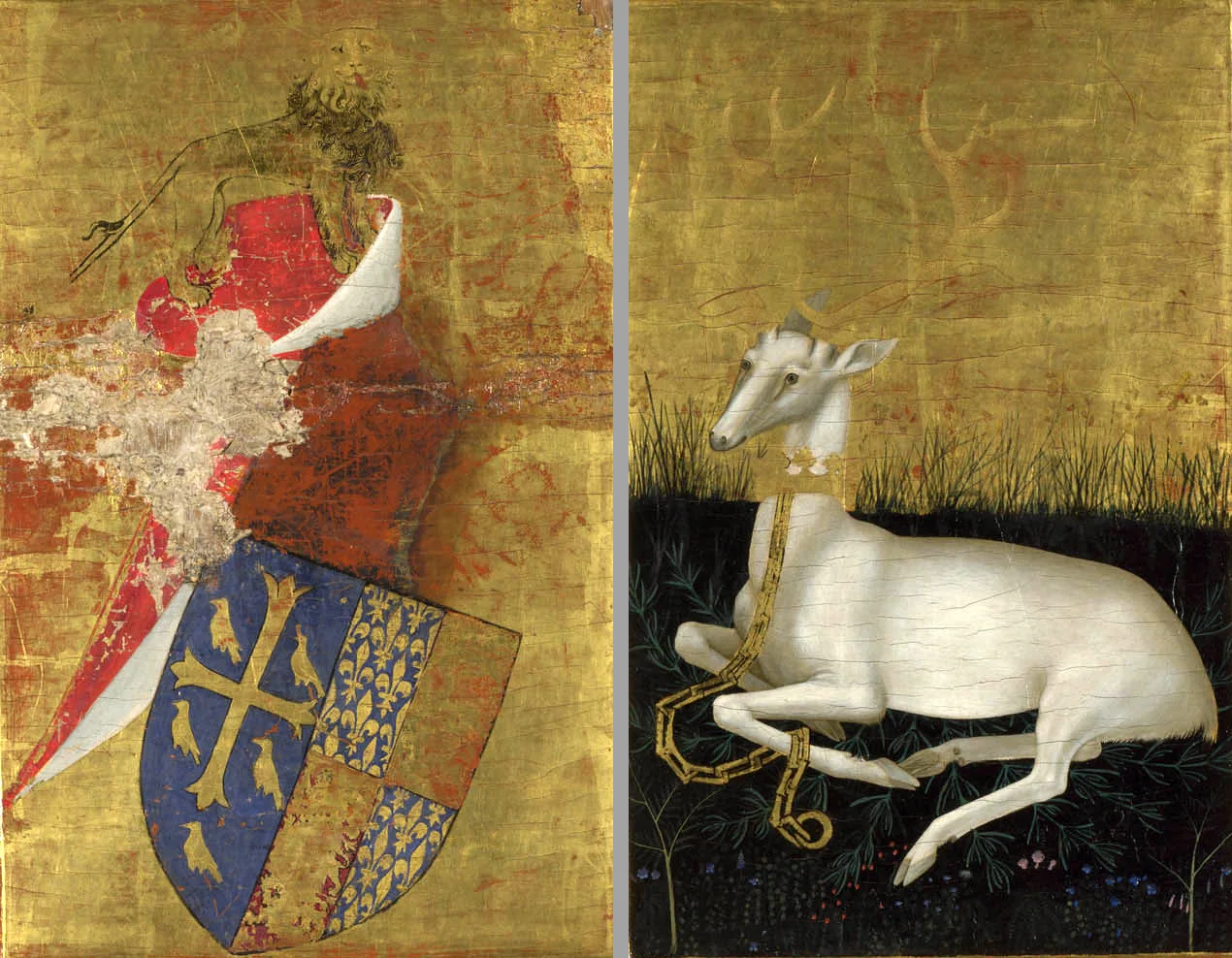
The Ordnance Survey guide describes the white hart as a rare pale male red deer and the heraldic badge of Richard II, and The History Press ranks the White Hart as the fourth most popular pub name in the UK. The National Gallery in London shows the badge on the Wilton Diptych, painted in about 1395 to 1399, where the white hart appears on the outside of the panels and as badges worn by a host of angels. The gallery says Richard probably inherited the emblem from the white hind used by his mother, and that it also worked as a visual pun on his name, Richart in French.
The Crown is the second most popular pub name in the country, according to the Ordnance Survey guide, which calls it an easy statement of allegiance to the monarch. The History Press describes it in similar terms as a way of pledging support to the reigning king or queen. Other royal emblems reached pub signs in the same way. The Rising Sun was the badge of Edward III, who reigned from 1327 to 1377, according to the Ordnance Survey guide.
HOW DID THE RED LION AND THE ROSE AND CROWN GET THEIR NAMES?
The Red Lion is the most common pub name in the UK, with more than 500 examples, according to figures from Pubs Galore quoted in the Ordnance Survey guide. Its origin is disputed. The name is often attributed to John of Gaunt, the 14th century noble. A second story says that James I demanded that all public buildings display the Red Lion as a sign of allegiance to him. The Ordnance Survey guide states that there is no evidence that James made such a demand, and suggests that a Red Lion could just as well refer to a local patron.
The History Press offers a wider heraldic explanation: red, black, white and golden lions have formed part of royal coats of arms since the Norman conquest. The same source lists the Red Lion with the Rising Sun, the Red Dragon, the Unicorn, the White Horse and the White Boar among names taken from heraldry. The Rose and Crown has a more specific origin. The History Press links the name to the uniting of the red rose of Lancaster and the white rose of York, which took place when Henry Tudor married Elizabeth of York.
ROYAL OAK AND COACH AND HORSES: NAMES FROM EVENTS AND TRAVEL
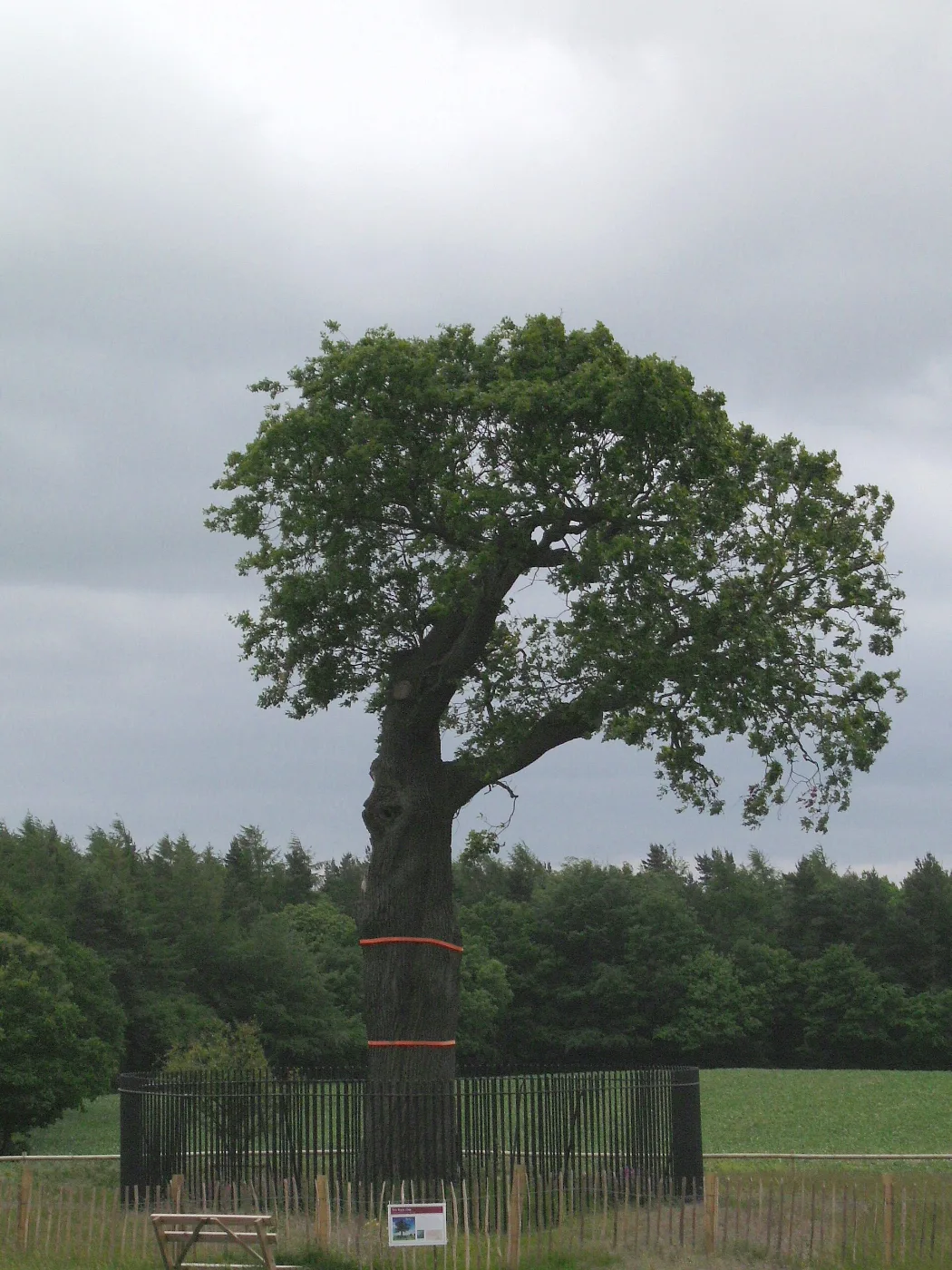
The Royal Oak is the third most common pub name in the country after the Red Lion and the Crown, according to the Ordnance Survey guide. English Heritage records that in 1651 the future Charles II hid with Major William Careless in an oak tree in the wood to the south of Boscobel House in Shropshire. The story of the escape and the Boscobel Oak became public knowledge, and 29 May became known as Oak Apple Day. The History Press says that when Charles returned as King Charles II at the Restoration in 1660, many pubs were renamed the Royal Oak in his honour.
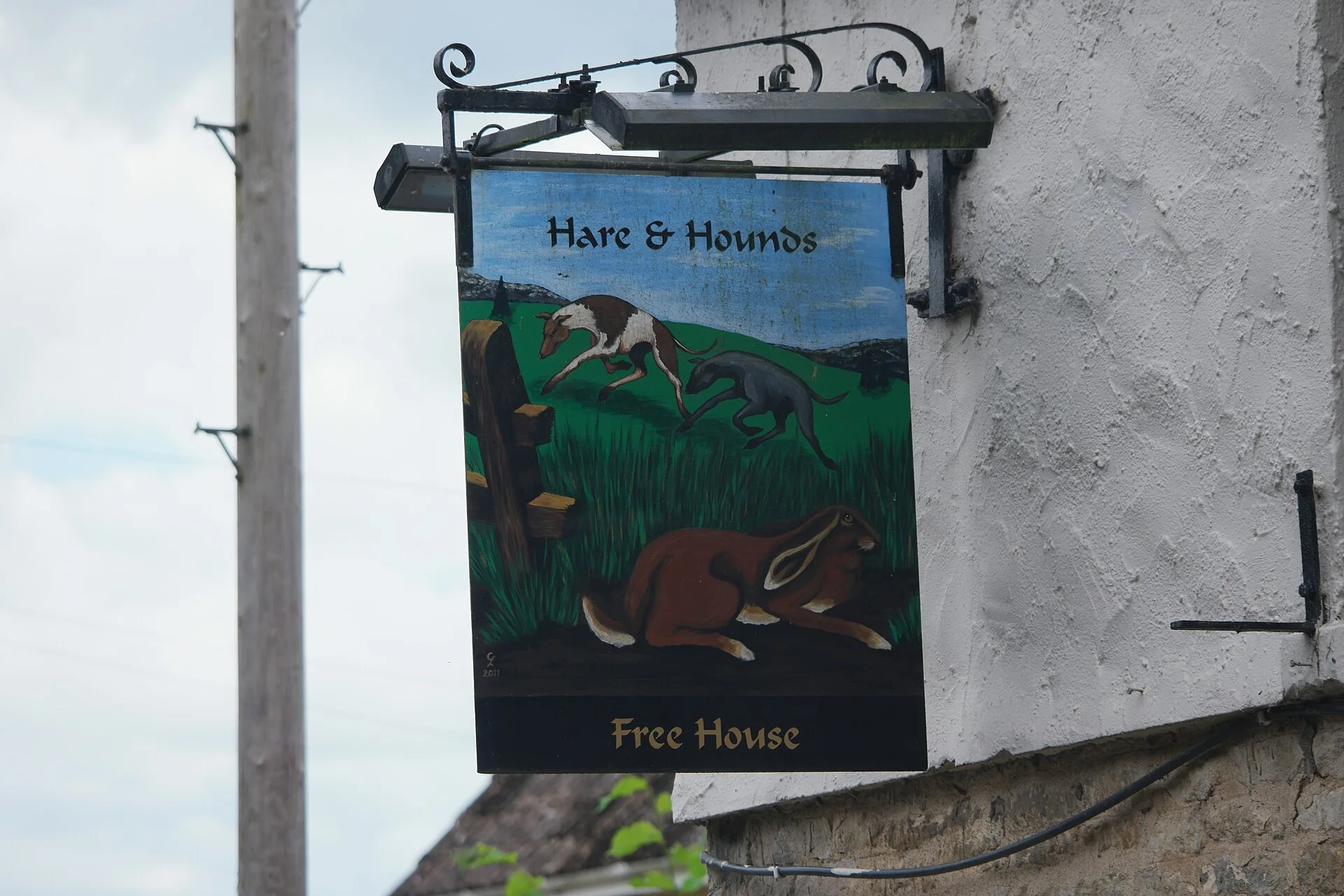
The History Press explains that as the population became more mobile in the 18th century, the need for coaching inns grew, and names such as the Coach & Horses, the Wagon & Horses and the Horse & Groom became more common. The Ordnance Survey guide describes coaching inns as regular stops for stagecoaches carrying passengers and mail between major towns and cities. Near old hunting grounds, The History Press notes, there are many pubs called the Greyhound, the Fox & Hounds or the Hare & Hounds, and the Ordnance Survey guide says the Fox and Hounds and the Horse & Hounds were often meeting points for the local hunt.
HANGING SIGNS, GALLOWS SIGNS AND LONDON'S 1667 RULE ON SIGNS
In 17th century London, overhanging signs for shops, taverns and houses crowded the streets. The London Museum, describing a 17th century Leather Bottle tavern sign made of wood, copper and iron, notes that these signs obstructed riders, carts and carriages, especially in narrow lanes. They also served as addresses: until the 1760s, London houses had no numbers, and people identified a house by its sign. After the Great Fire of 1666, the City of London issued regulations on 8 May 1667 as a follow-up to the Rebuilding Act of February 1667. New buildings had to be faced in brick, and signs were no longer to hang over the street but had to be fixed to the wall.
The wording of the City's rule was that no sign posts should hang across the street, and that signs should be fixed against the balconies or another convenient part of the side of the house. The London Museum holds a limestone pub sign carved with the date 1667 and found at Bucklersbury, near Bank station, which follows the rule. It measures 630 millimetres high and shows three crowned figures with sceptres and orbs, which the museum suggests may represent the Three Kings, or King Lud and his two sons. By the end of 1667 about 650 houses had been rebuilt, and the museum notes that many owners ignored the rule and kept hanging their signs out into the street.
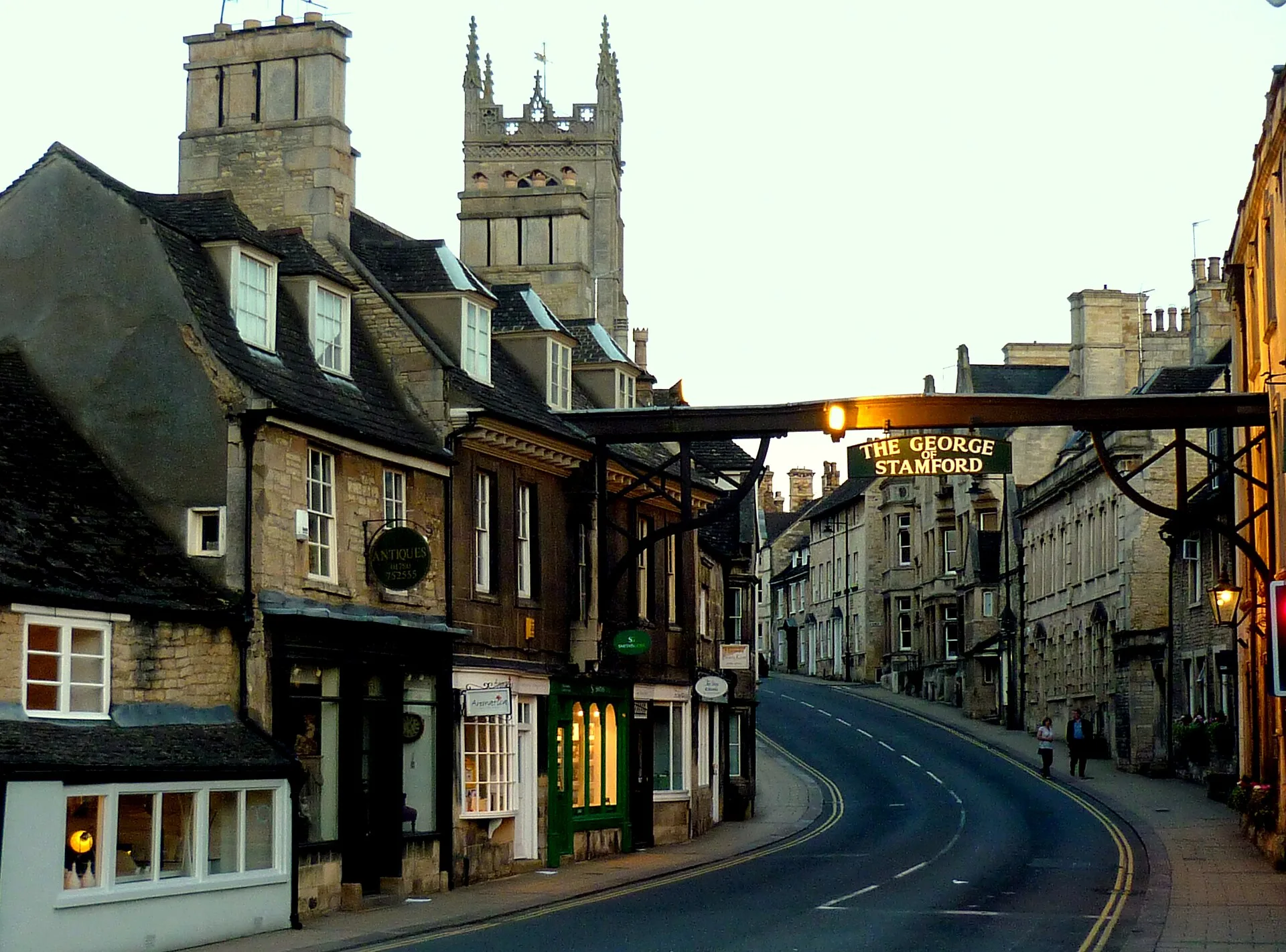
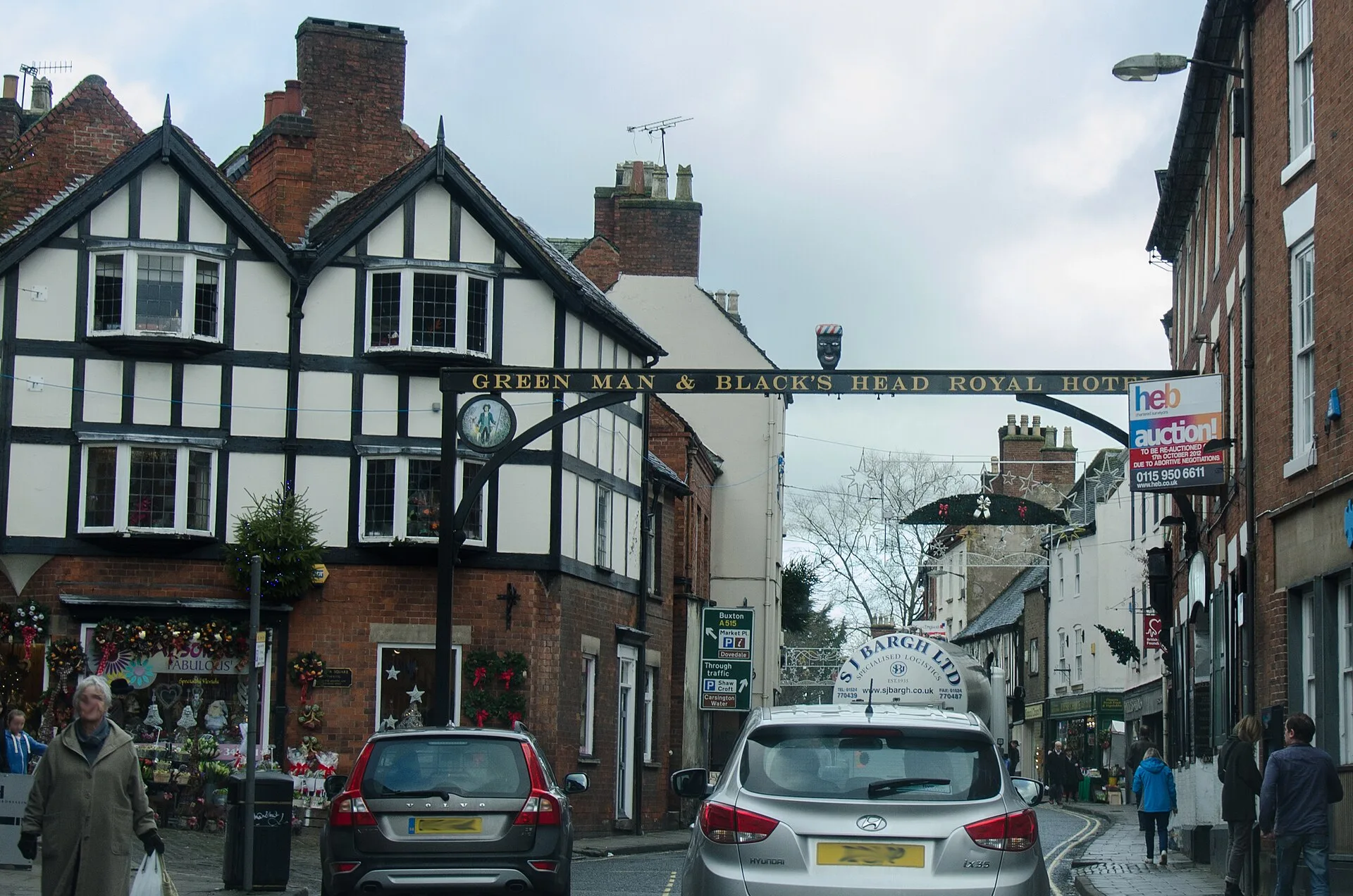
Outside London, some inns carried the hanging sign across the road. Historic England's list entry for the Green Man and Black's Head Hotel on St John's Street in Ashbourne, Derbyshire, a mid 18th century building of red brick, records a rare painted iron and wood gallows sign bridging the road. The building was first listed on 15 June 1951 and is Grade II*. The entry adds that Samuel Johnson stayed at the inn on several occasions, citing James Boswell as the source.
HOW ARE PUB SIGNS PAINTED TODAY?
The brewer Shepherd Neame began a programme of bespoke hand-painted signs after launching a new corporate identity in 2016, with each sign designed to reflect its site. The brewery asks the studio Gerald Wilton Designs to submit one or two working designs, which are refined through discussion and research into the location. Julian Kirk, a sign writer with the studio who has worked as a professional artist and sign writer for more than 30 years, has worked on many of them. The craft sits alongside the lettering on shop fronts and walls described in a separate article on ghost signs.
Shepherd Neame's exterior signs are built from steel and aluminium rather than wood, which rots easily, and use modern composite materials and gloss paints that are expected to last for many years. For the portrait on the Millers Arms sign, the studio built up a series of darkening glazes, a technique that is difficult with exterior gloss paints. The brewery says its signs are designed to last indefinitely and can be repainted after many years with little difficulty or expense, although signs at coastal pubs face harsher weather than those inland.
The Inn Sign Society, founded in 1990, records this work. According to the Chesterfield branch of CAMRA, the Campaign for Real Ale, the society aims to raise awareness of the country's pub signs and keep a record for future generations, and gives members a forum for researching the histories of inns and pub names. Some members follow all signs, while others specialise in breweries, counties, aircraft or railways. The society publishes a quarterly full colour journal and runs a website, and members are invited to contribute articles, photographs of signs and news from their own areas.
GORDON RAMSAY PUB & BAR AT THE LONDONER MACAO

Gordon Ramsay Pub & Bar at The Londoner Macao was completed in 2023. Its design cue is the London Bridge to Greenwich railway viaduct, built in the 1830s with 878 brick arches, the subject of a separate article on the London and Greenwich Railway. Many of those arches are now shops, restaurants, bars and pubs. The History Press notes that, after the coaching inns, the advent of canals and railways gave many British towns a Navigation, a Railway or a Station Inn.
The interior layers steel, timber, metal and cast iron into brickwork and vaults, and the dining room sits under arched brick vaults. Scalloped ceilings and dark green enamel cast iron columns run through the space, alongside Victorian pub cabinetry, panelling and mouldings, the interior elements traced in a separate article on the Victorian gin palace. Brick and iron also run through the history of the pub sign, from the brick house fronts required by London's rules of 1667 to the iron and wood of the gallows sign at Ashbourne.
SOURCES
- The History Press A history of British pub names
- Ordnance Survey The history of pub names
- The National Gallery The Wilton Diptych
- English Heritage History of Boscobel House and the Royal Oak
- London Museum Proclamation, 8 May 1667
- London Museum The Three Kings sign
- London Museum Leather Bottle sign
- Historic England The Green Man and Black's Head Hotel, Attached Inn Sign Bridging Road
- Shepherd Neame Five Minutes With... Signwriter, Julian Kirk
- CAMRA Chesterfield Inn Sign Society