FROM NORTH COAST FISHERMEN TO LIMA'S CEBICHERÍAS AND UNESCO
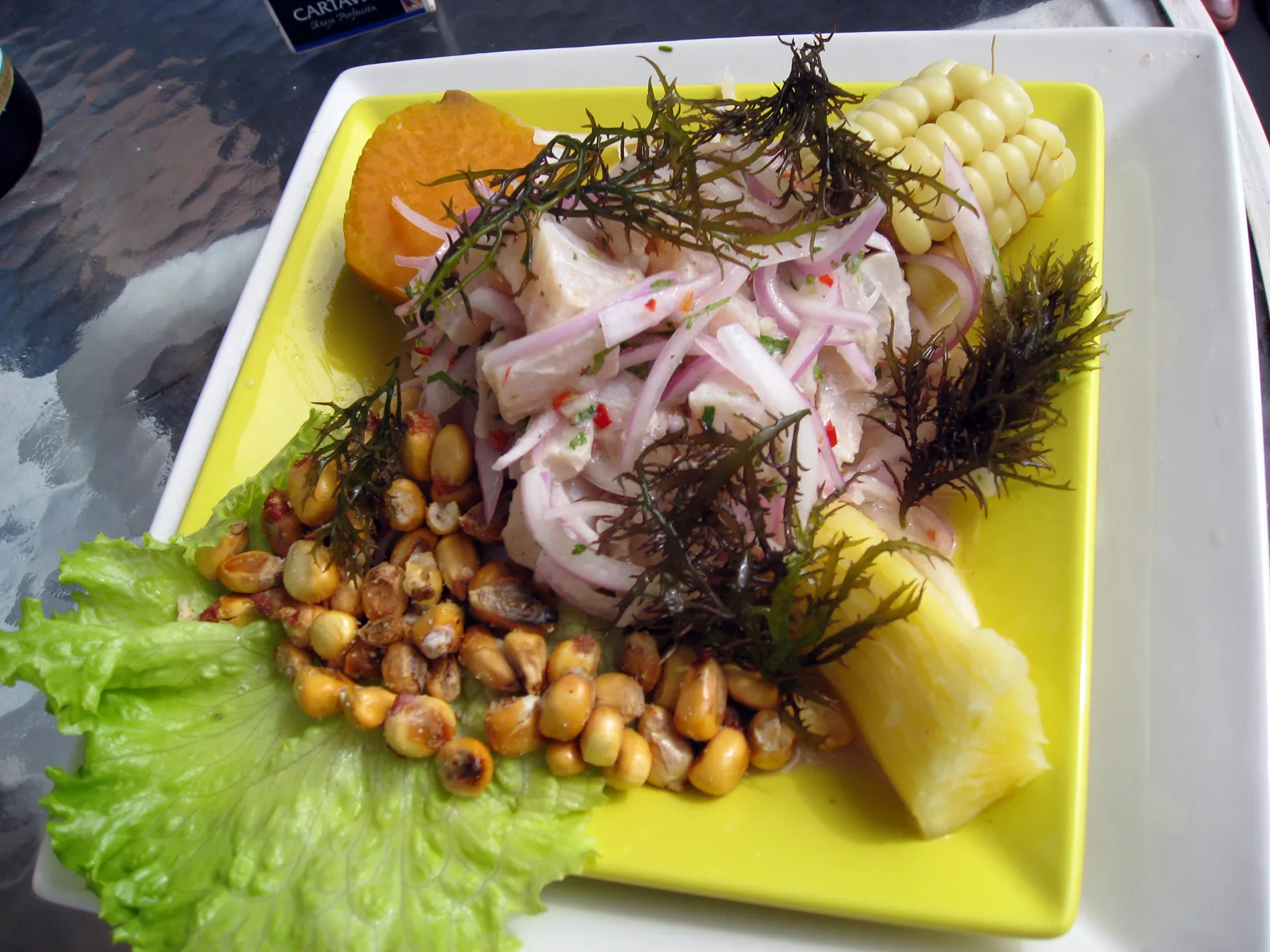
Ceviche is raw fish cured in citrus juice and seasoned with chilli, salt and onion, and it is one of the most emblematic dishes of Peruvian cuisine. Peru declared it part of the nation's cultural heritage in March 2004, made 28 June the Día Nacional del Cebiche in 2008, and in 2023 UNESCO inscribed the practices and meanings associated with the preparation and consumption of ceviche on its Representative List of the Intangible Cultural Heritage of Humanity. The dish has pre-Hispanic roots on Peru's northern coast, a name with at least three proposed origins, and a 20th-century Lima form that Japanese Peruvian, or Nikkei, cooks are credited with changing through a shorter marinade and the sliced dish known as tiradito.
WHAT IS CEVICHE AND WHAT GOES INTO IT?
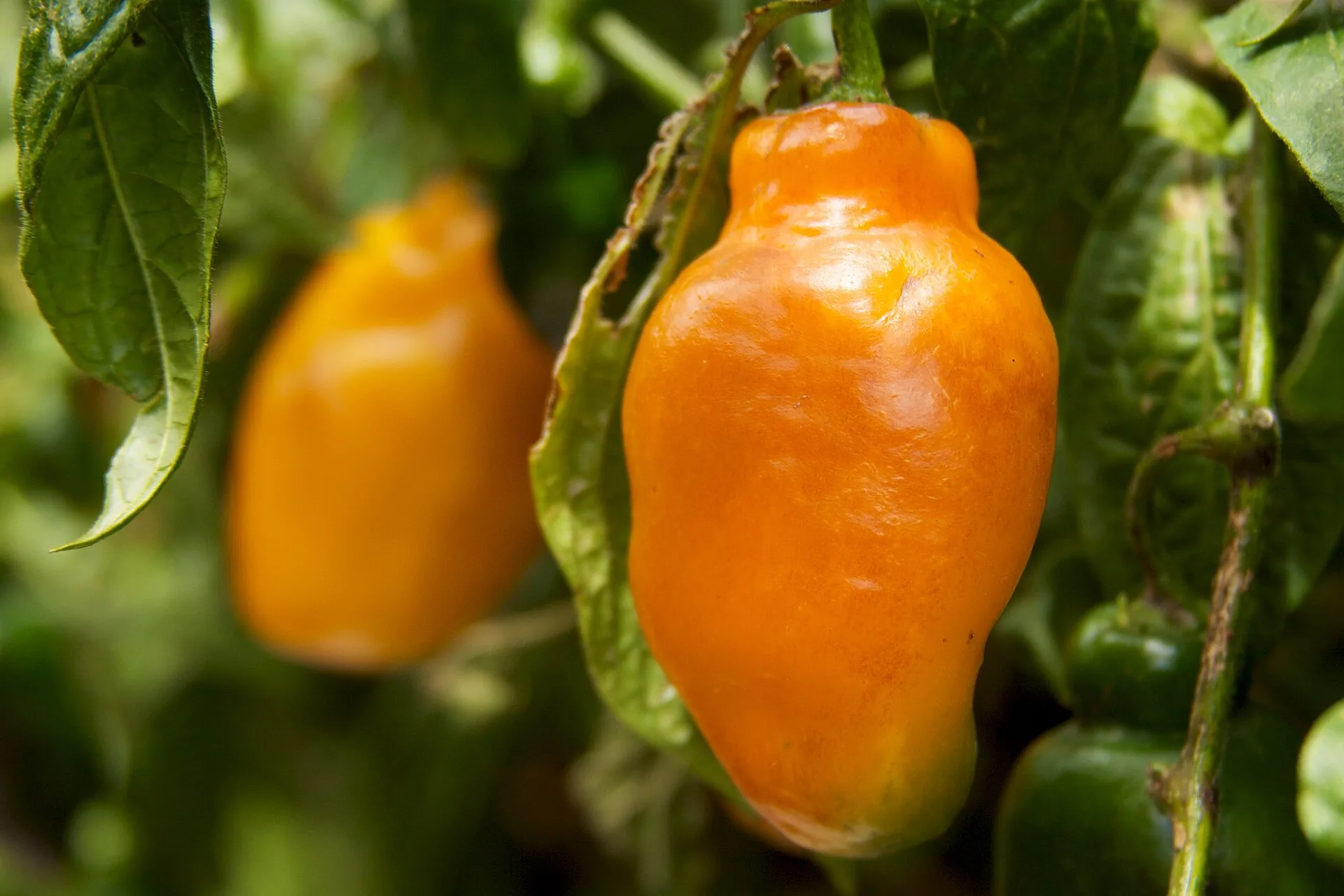
UNESCO's inscription describes ceviche as raw fish marinated in lemon, seasoned with chilli pepper and salt and served with locally grown produce. National Geographic describes the best-known versions as dressed in lime juice, salt, chilli and onion. The classic recipe given by Peru's state news agency Andina combines fish or other seafood with ají chillies, citrus juice, red onion and parsley, seasoned to taste and served with sweet potato, corn and lettuce. Accompaniments change with the region where the dish is made: National Geographic mentions sides from sweet potato to toasted corn, rice in parts of the north, and a northern version made with skin-on, bone-in mackerel.
Britannica defines ceviche as a dish of South American origin made of raw fish or shellfish marinated in citrus juice, whose acid effectively cooks the flesh. Its classic version uses fish and shellfish such as crab, shrimp, red snapper, mahi mahi and bonito, often in combination, marinated for at least two hours and finished with a cold salsa that may include chilli, cucumber, coriander, tomato, avocado and onion, eaten with tortillas. Britannica adds that the dish is common throughout Latin America, that nearly every restaurant on Mexico's coasts serves it and that some Mexican cookbooks claim it as Mexican. National Geographic lists other national forms: Ecuador adds tomato and sometimes peanuts, Honduras uses coconut milk, and the Philippine kinilaw, at least 1,000 years old, uses vinegar instead of citrus.
WHERE DID CEVICHE COME FROM?
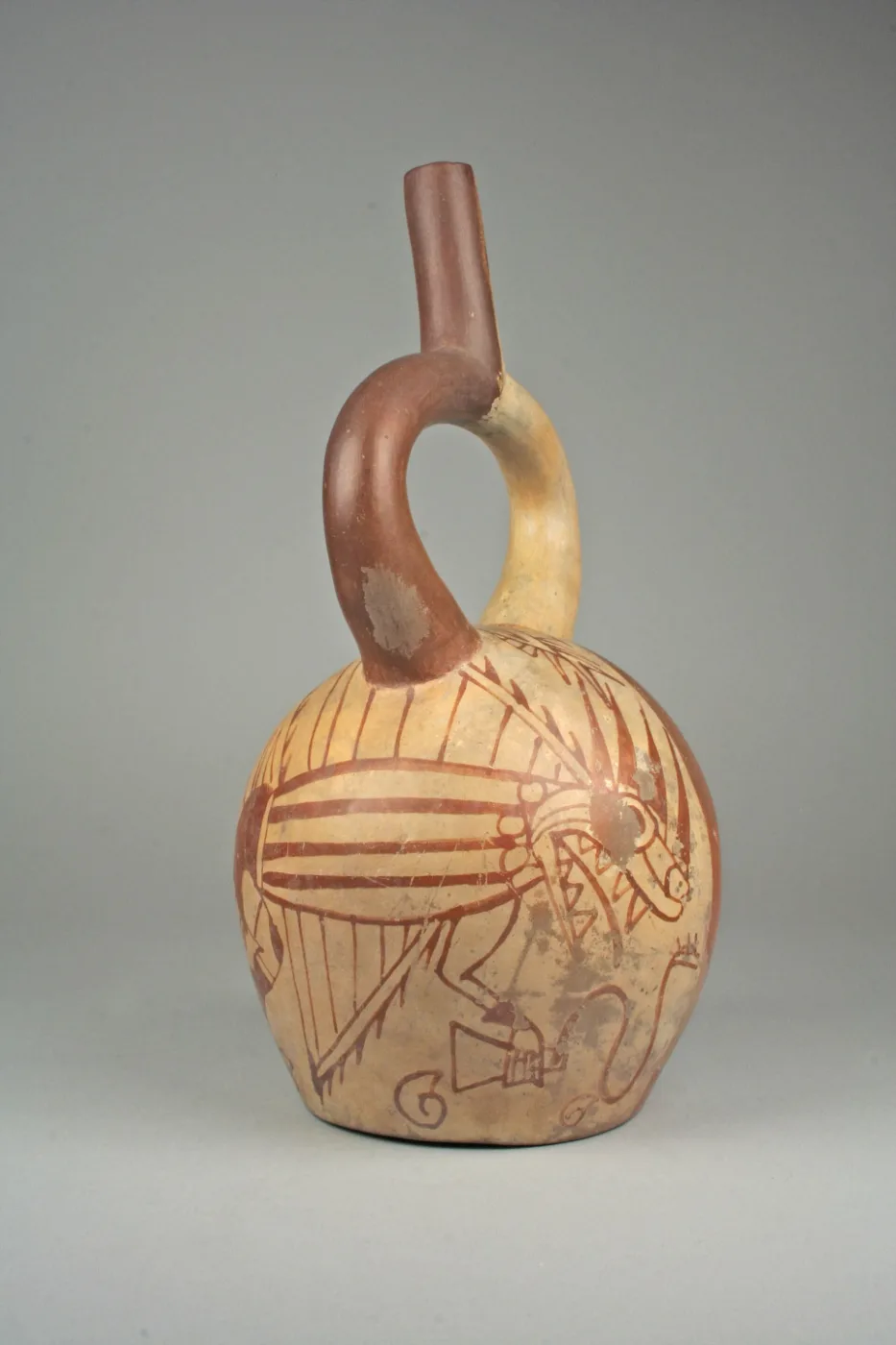
A 2021 National Geographic article reports good evidence that fishermen on Peru's coast ate their catch straight from the sea 3,000 years ago, and places the earliest ceviche-like dishes in or near Huanchaco, a town on the northern Pacific coast. The chef and food historian Maricel Presilla, author of Gran Cocina Latina, describes the archaeological digs at Montículo Cupisnique within the El Brujo Archaeological Complex there, a site predating even the Moche, the pre-Inca civilisation that many scholars, the article says, regard as the first people to eat raw fish cured in acid.
Which acid those early cooks used is disputed. The Moche had none of the citrus now considered essential, only South America's indigenous chillies, which have been cultivated for around 6,000 years. Some historians cited by National Geographic propose the juice of the tumbo, a relative of the passion fruit. Presilla, who tested tumbo juice while writing her book and found it too slow, argues that acidic chillies, possibly with seaweed, did the work before limes arrived. Peru's 2004 heritage declaration, as reported by Andina, records that peoples of the coast and of the shores of Lake Titicaca ate raw fish seasoned with ají and salt in ancient Peru.
Citrus arrived with Europeans. Britannica records that the Chincha, a people of the Peruvian coast, ate at least part of their catch uncooked, and that the Spanish adopted the dish and began marinating it in the lemon and lime juice they had brought to the continent. National Geographic dates the arrival of onions and citrus, at first bitter oranges, to the period after Columbus reached the Americas in 1492. Andina places the emergence of the classic recipe served in Peru today in the 20th century.
WHERE DOES THE WORD CEVICHE COME FROM?
The name is spelt ceviche, cebiche or seviche, and three derivations circulate. National Geographic reports that it could combine the medieval Spanish cebo, a word for both fish bait and fish eaten as food. A second theory links it to escabeche, the Spanish pickle. Britannica notes that the Royal Spanish Academy traces the name to the Arabic sakbāj, meaning meat cooked in vinegar, the same root as escabeche, and National Geographic adds that some historians think the word reached South America with Moorish cooks accompanying Spanish conquistadores.
The third theory gives the word an Indigenous origin. National Geographic records the proposal that it comes from siwichi, meaning fresh fish in Quechua, one of Peru's pre-Columbian languages. Britannica gives the same hypothesis with a different spelling, tracing the name to a Chincha word rendered in Quechua as sawichi. Neither source treats any of the three derivations as settled. National Geographic presents cebo, escabeche and siwichi as alternatives, and Britannica gives the Royal Spanish Academy's Arabic etymology alongside the Chincha hypothesis without choosing between them. Peru's national day uses the spelling cebiche, while UNESCO's English inscription uses ceviche.
WHAT IS LECHE DE TIGRE?
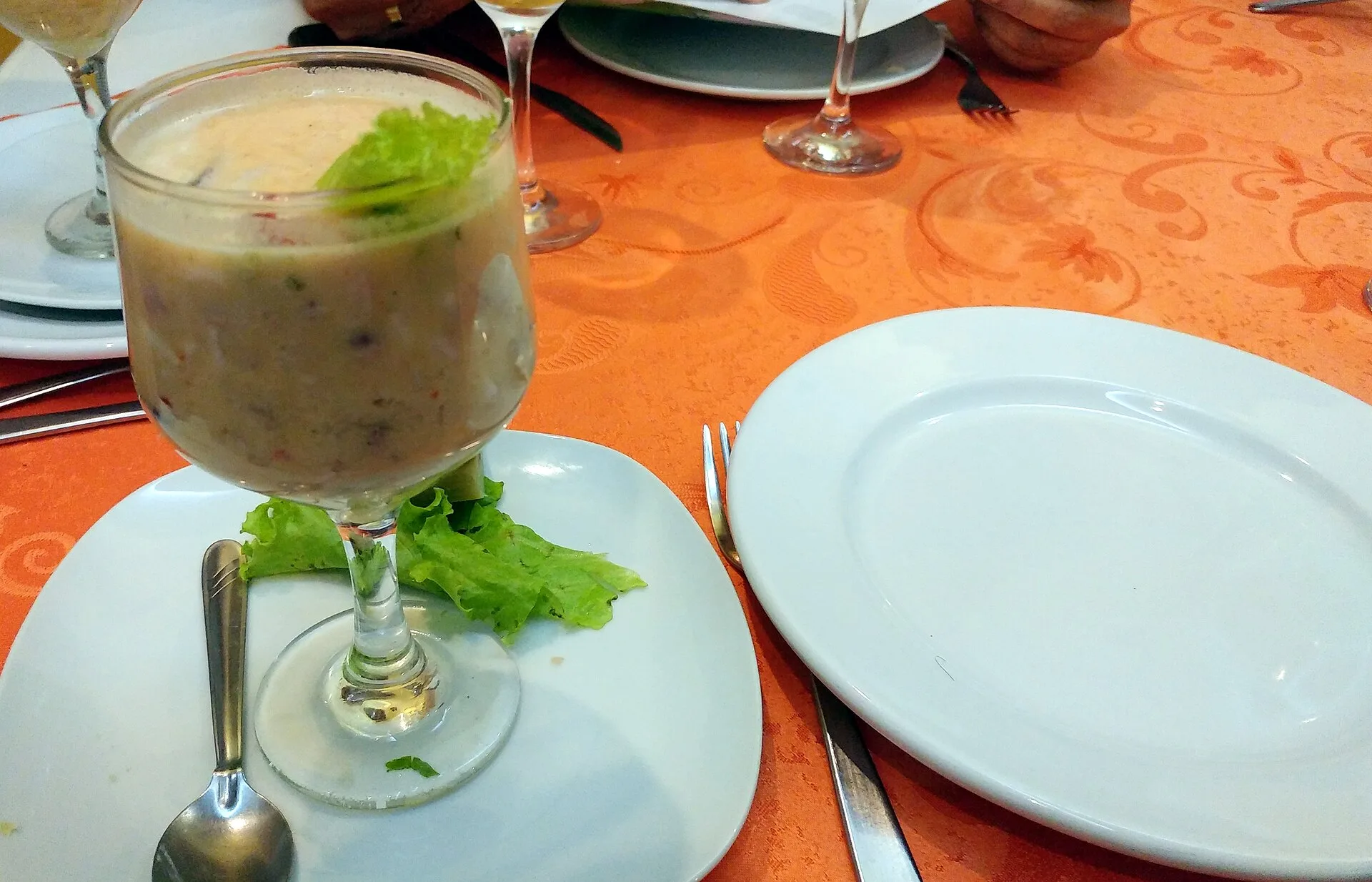
Leche de tigre, or tiger's milk, is the liquid the marinade becomes once the citrus has mixed with the fish, chilli and onion. National Geographic calls it a fiery liquor. Andina describes it as a preparation based on the juice left after making cebiche: leche de tigre uses the juice of white fish cebiche, while leche de pantera, panther's milk, combines the juices of fish cebiche and cebiche of black clams, known as conchas negras. Both are served neat in a cup or glass, or with pieces of fish or shrimp and fried cancha corn.
Some recipes make leche de tigre first and pour it over the fish. A 2017 recipe in the MICHELIN Guide from the Peruvian chef Daniel Chavez of Tono Cevicheria makes the tiger's milk from lime juice, red onion, chilli and a dash of fish sauce and leaves it in the fridge for 10 minutes. Diced snapper is chilled for five minutes, the tiger's milk is added, and the fish marinates for at least one minute before serving. Britannica's classic version, by comparison, marinates the fish for at least two hours.
HOW DID NIKKEI COOKS CHANGE CEVICHE?
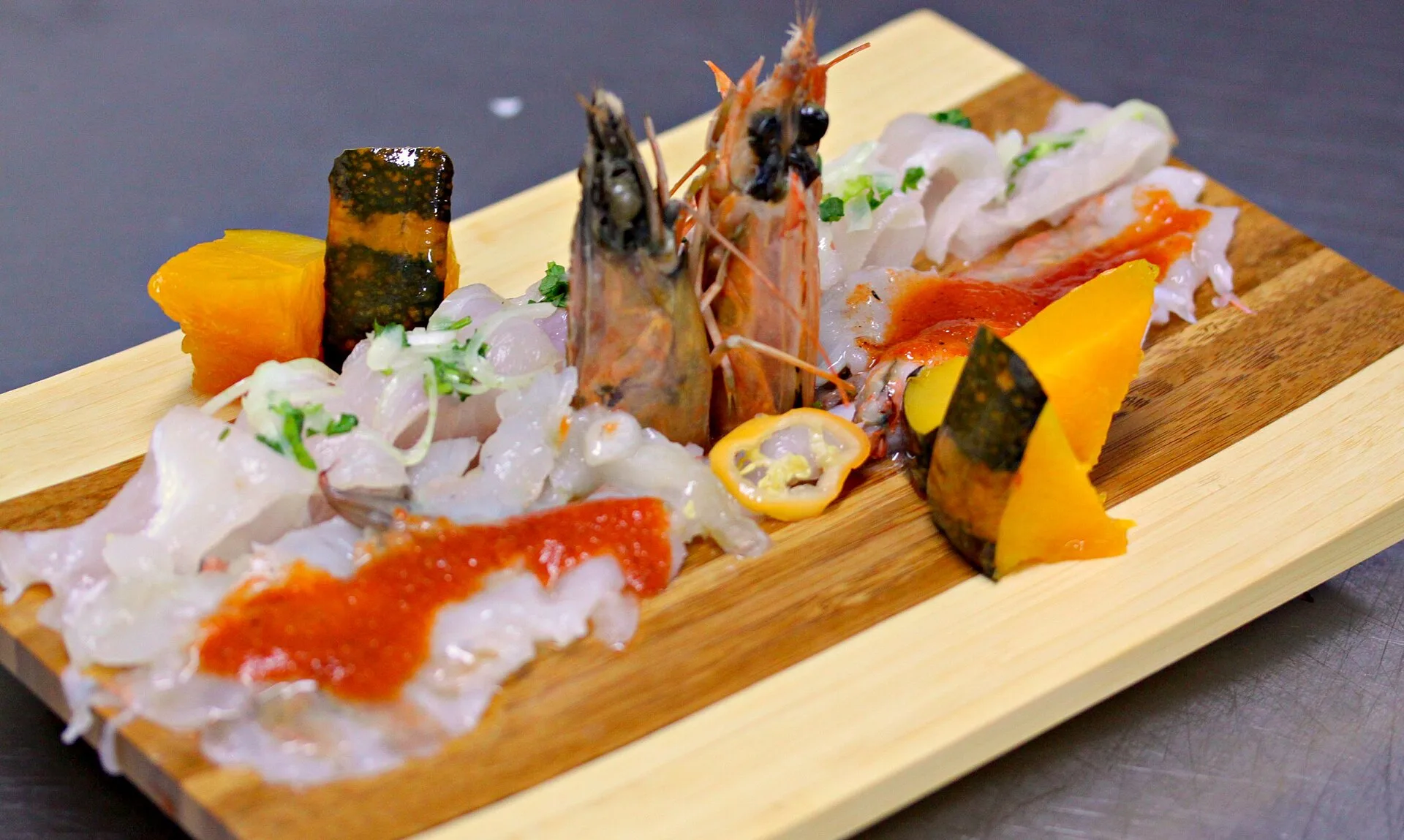
Japanese emigration to Peru began in the late 19th century, and the community came to be called Nikkei, Japanese for emigrant; the wider story of their cooking is told in Nikkei cuisine: the Japanese Peruvian story behind a global food movement. Mitsuharu Tsumura, chef-owner of Lima's Maido, told National Geographic that fish was once left in lime juice for 12 to 24 hours. Nikkei cooks, used to sashimi and the properties of raw fish, began mixing the fish with the marinade and serving it straightaway, so that it was visibly raw. Tsumura told the magazine that ceviche only became popular in Lima about 60 years earlier.
Tsumura also says Nikkei people opened one of the capital's first cevicherías, and a 2012 AFAR article states that Japanese immigrants established Lima's first cevicherías, small restaurants serving only ceviche. Tiradito is credited to the same community. The MICHELIN Guide describes it as raw fish sliced sashimi-style thanks to the knife skills Japanese immigrants brought in 1899, whereas ceviche is usually diced into chunky pieces. Nobu Matsuhisa learned to make tiradito while working as a chef in Peru in his early 20s, and in 1987 his Los Angeles restaurant was one of the first to serve both ceviche and tiradito, according to National Geographic.
WHY IS CEVICHE PERU'S NATIONAL DISH?
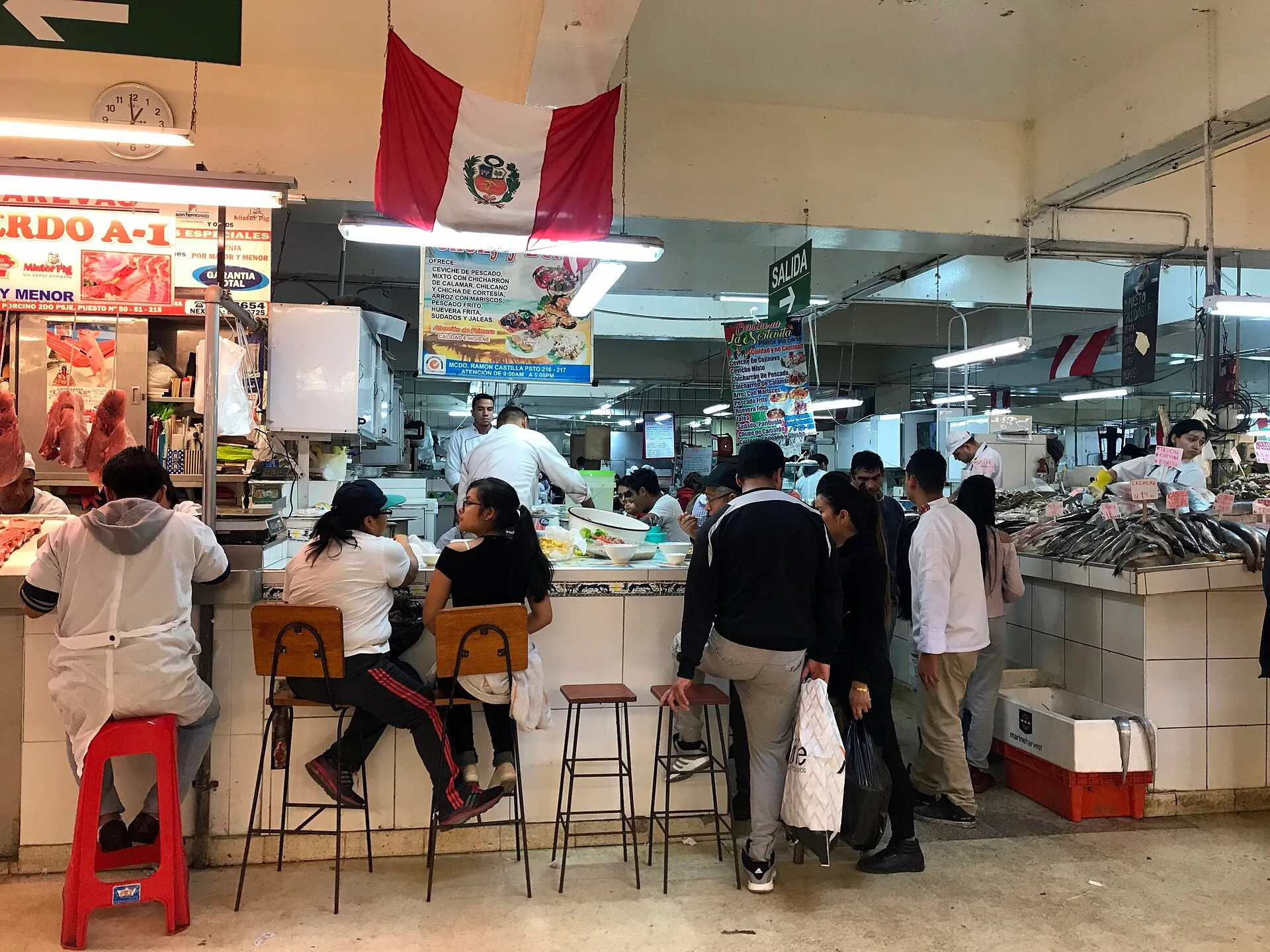
UNESCO's inscription notes that ceviche is made at home or sold in traditional spaces such as cevicherías, also spelt cebicherías, where the work of traditional female cooks stands out. AFAR notes that ceviche remains a lunchtime dish and that traditionalists would not eat it past mid-afternoon. Britannica, citing The Economist, records 13,000 ceviche restaurants in Lima alone as of 2019, and Peru's tourism board PromPerú lists cebiche, made with fresh fish and citrus juices, among the most emblematic dishes of a cuisine combining Indigenous, European, African and Asian influences.
National status followed in two steps. On 23 March 2004, a resolution of the then National Institute of Culture declared cebiche part of the Patrimonio Cultural de la Nación, the cultural heritage of the nation. A Ministry of Production norm published on 18 September 2008 declared 28 June of each year the Día Nacional del Cebiche. According to Andina, the date was chosen because it falls one day before the Día del Pescador, which honours artisanal fishers, and the feast of Saints Peter and Paul. El Comercio reports that the day was intended to encourage the consumption of fish.
UNESCO's Intergovernmental Committee inscribed ceviche at its 18th session in 2023, under the domain of social practices, rituals and festive events. The inscription links the dish to celebrations and social gatherings, in particular the festivity of Saint Peter, patron saint of artisanal fishers, and covers the chain of practices from fishing and growing ingredients to preparing the dish. Recipes vary from region to region, which UNESCO says strengthens regional cultural identity. Knowledge is mostly transmitted within families and supplemented by training programmes, and the bearers have developed community measures to protect and recover traditional ingredients, including several fish species.
GASTÓN ACURIO AND THE INTERNATIONAL RISE OF PERUVIAN FOOD
Le Cordon Bleu describes Gastón Acurio as an advocate of Peruvian culinary art. According to the school, he attended law school in the late 1980s before leaving to study culinary arts at Le Cordon Bleu Paris, where he met Astrid, his partner. In 1994 they opened Astrid & Gastón, one of the first Peruvian haute cuisine restaurants, which was ranked 35th on the World's 50 Best Restaurants list in 2012. Acurio also led the organisation of Mistura, Lima's food festival, for three years as president of APEGA; in 2011 the festival drew 200,000 people.
AFAR records that Acurio opened La Mar in 2005 as the first upscale cevichería, later opened branches of La Mar Cebichería in eight Latin American cities outside Peru, and aimed to make Peruvian ceviche as well known worldwide as sushi. Le Cordon Bleu puts the Acurio group at 33 restaurants in 12 countries. National Geographic reported in 2021 that ceviche had begun appearing on UK menus less than a decade earlier, and that A Cevicheria had opened as Lisbon's first restaurant dedicated to the dish. PromPerú reported that in June 2026 Time Out ranked Lima first among the world's best food cities.
HENSHIN AT THE WESTIN JAKARTA

Henshin is a Nikkei restaurant and rooftop bar on floors 67 to 69 of The Westin Jakarta, opened in 2017. Silverfox Studios designed all three floors, from level 67 to level 69, and the arrival tunnel. The name Henshin means transformation. Nikkei refers to the Japanese Peruvian community formed after emigration from Japan to Peru began in the late 19th century, the community the MICHELIN Guide credits with the sashimi-style slicing of tiradito and AFAR credits with opening Lima's first cevicherías.
Henshin's chef, Hajime Kasuga, is a third-generation Japanese Peruvian, part of the Nikkei community whose cooks Tsumura credits with changing how Lima marinated its fish. On level 69, a large bingata pattern covers the ceiling; bingata is the dyed textile of Okinawa, whose history is covered in Bingata: the royal dyed textiles of Okinawa. The interior also includes translucent, blue-lit sake barrel forms. Silverfox Studios designed the level 69 ceiling as part of its work on all three floors and the arrival tunnel.
SOURCES
- UNESCO Intangible Cultural Heritage Practices and meanings associated with the preparation and consumption of ceviche, an expression of Peruvian traditional cuisine
- National Geographic Ceviche: the surprising history behind Peru's raw fish dish
- Britannica Ceviche
- MICHELIN Guide A Classic Ceviche Recipe From Peruvian Restaurant Tono Cevicheria
- AFAR How to Make Classic Peruvian Ceviche
- Andina Hoy 28 de junio se celebra el Día del Cebiche, plato símbolo de la biodiversidad de Perú
- Andina Día Nacional del Cebiche: ¿Por qué se celebra el 28 de junio?
- El Comercio ¿Por qué el 28 de junio es el Día del Cebiche?
- PromPerú, Peru.travel Lima recognized as the world's top food city by Time Out
- Le Cordon Bleu Gastón Acurio alumni portrait