WHAT BOOTLEG SPIRITS WERE MADE OF, WHY BARTENDERS MIXED THEM AND WHICH COCKTAILS THE ERA ACTUALLY PRODUCED
Much of the spirit sold in American speakeasies during Prohibition (1920 to 1933) was redistilled industrial alcohol or bathtub gin made at home, and some of it was lethal. Bartenders added honey, citrus and soda to cover its taste, but the cocktail itself predates the ban: The Mob Museum notes that it had already had a golden age before the Volstead Act. The Bee's Knees, the drink most often used to illustrate the masking story, first appears in print in Paris. The Mob Museum's assessment is that the real rise of mixed drinks during Prohibition happened mainly in Europe, where American bartenders went to work and learn.
WHAT BOOTLEG LIQUOR WAS ACTUALLY MADE FROM
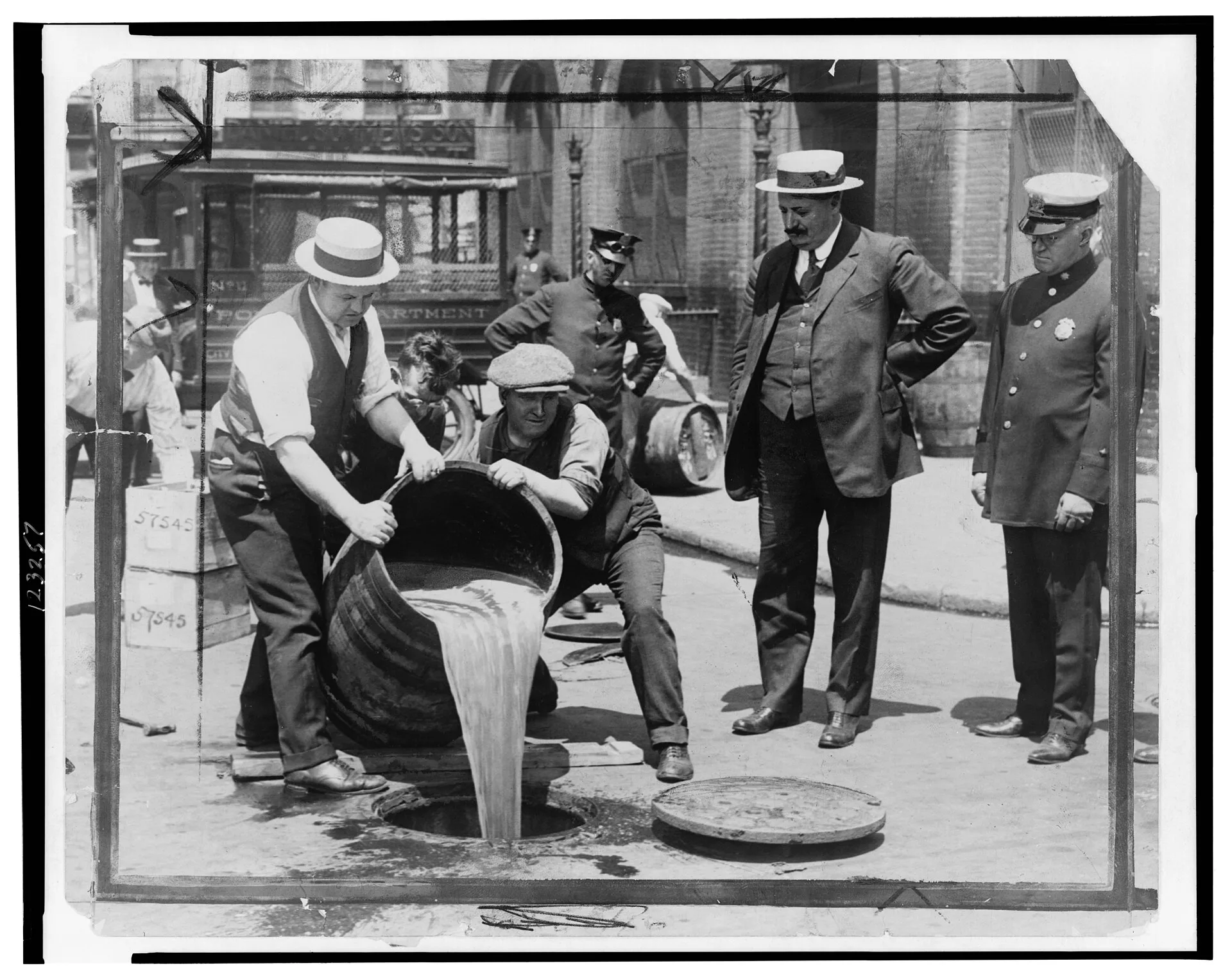
The largest source of drinkable alcohol in Prohibition-era cities was not smuggled whisky but industrial alcohol, which factories used as a solvent and to make detergents and perfumes. According to The Mob Museum, alcohol was taxed as a beverage until 1906, when a European process of adding denaturants to make it unpalatable allowed it to be used tax-free. The government treated denatured alcohol as legally exempt from Prohibition because it was toxic to drink. By the mid-1920s around 90 million gallons were being produced nationally, and the government estimated that bootleggers had taken about 10 million gallons, which racketeers redistilled for speakeasies. Boiling could not fully remove the wood alcohol (methanol), which evaporates at around 66°C against 78°C for grain alcohol, and the traces left behind produced the harsh, dangerous liquor known as rotgut.
Government policy made the supply more dangerous. National Geographic cites a 1926 New York Times headline announcing that the government would double the poison content of industrial alcohol, and The Mob Museum records that by 1927 producers were ordered to double the wood alcohol and add kerosene and pyridine. On Christmas Eve 1926, sixty people were taken to Bellevue Hospital in New York after drinking tainted liquor. Eight died by Christmas Day and the toll reached 23 in the following days, with dozens more blinded. Charles Norris, New York City's first chief medical examiner, was one of the policy's most prominent critics. National Geographic puts the number of Americans killed by tainted alcohol by 1933 at more than 10,000, and The Mob Museum puts the figure as high as 50,000.
Patent medicine was another loophole. Jamaica Ginger, known as Jake, was a ginger extract sold as medicine with an alcohol content that could reach 90 percent. In 1928 two Boston brothers-in-law, Harry Gross and Max Reisman, produced a version adulterated with tri-ortho-cresyl phosphate, an industrial plasticiser that let it pass medicinal tests while remaining drinkable. The result was Jake Leg, a neurological disorder that caused a limping gait and drop foot. The Mob Museum estimates that between 35,000 and 100,000 people were affected.
HOW BATHTUB GIN WAS MADE

Bathtub gin was not distilled gin. According to The Mob Museum, home producers fermented a mash of corn sugar, fruit, beets or even potato peels, mixed the resulting high-proof spirit with glycerine and a little juniper oil, and cut it with water by half. The bottles were often too tall to fit under a kitchen tap, so they were topped up from the bathtub instead. Along with hooch and rotgut, bathtub gin became one of the general names for cheap, high-strength liquor made with no regard for taste and intended to intoxicate quickly.
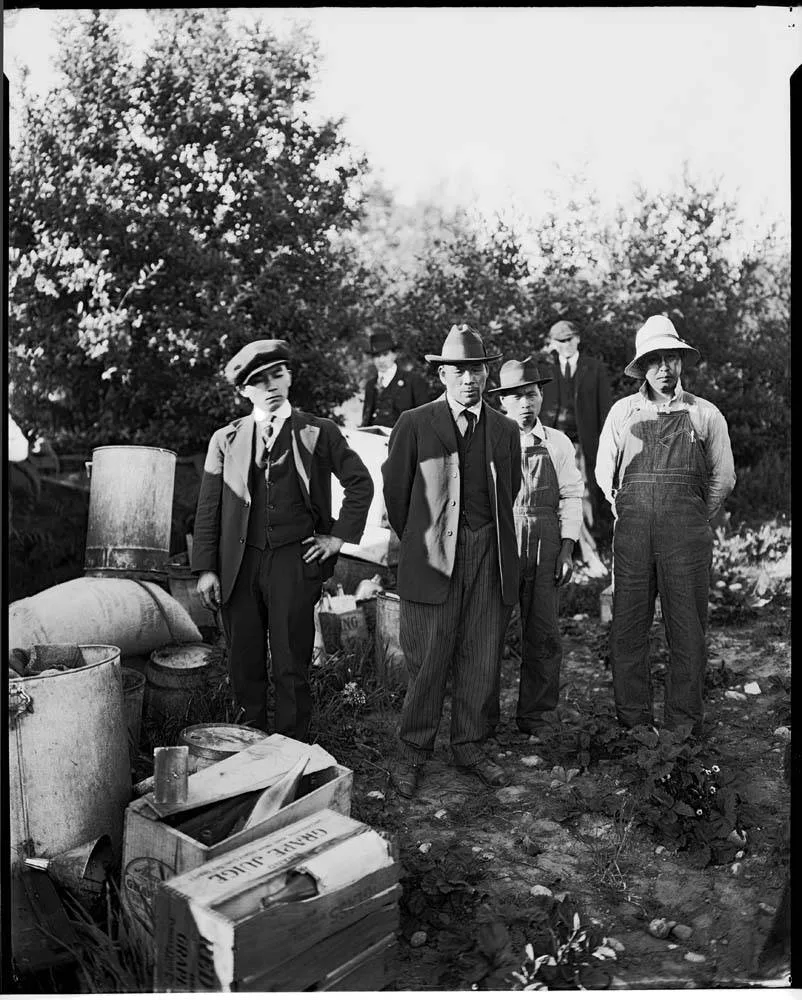
Production was organised at scale. In Chicago's Little Italy, the Genna brothers gang supplied hundreds of people with one-gallon copper stills, known as alky cookers, together with corn sugar and yeast, and paid each operator $15 a day. The liquor cost the Gennas 50 to 75 cents a gallon and sold to speakeasies for $6. In Brooklyn, Frankie Yale paid operators the same daily rate to run alky cookers. The Prohibition Bureau seized almost 697,000 stills across the country between 1921 and 1925. Home brewing ran in parallel: chain grocers such as Kroger and A&P sold canned malt syrup, national production of which reached nearly 888 million pounds by 1927, and Prohibition Bureau estimates put homemade beer production at 700 million gallons in 1929.
WHY MIXERS MATTERED IN THE SPEAKEASY
The Mob Museum states that Prohibition did not start the use of mixers, because cocktails had already been through a golden age before 1920. What the law changed was the reason for using them. Smuggled liquor fell short of demand and was expensive, so speakeasies relied on locally produced spirit, and bartenders added outside flavours to mask its harshness rather than to complement it. Alcohol-free versions appeared even earlier: in September 1919, months before the ban took effect, The Thrift Magazine published recipes for 'Prohibition Drinks' that contained no alcohol at all.
The ingredients reflected what was easy to buy. Canned fruit juices, maple syrup, colas, ginger ale and other sugary mixers became more common, and the museum's assessment is that they were mostly used to cover the taste of hooch rather than to inspire new recipes. A few drinks of the period refer directly to the law. The Volstead Act originally set an offshore limit of three miles, later extended to 12, and gambling boats shuttled passengers beyond it to drink. The Three-Mile Limit (rum, brandy, grenadine and lemon) and the Twelve-Mile Limit (white rum, whiskey, brandy, grenadine and lemon) take their names from that boundary.
THE BEE'S KNEES AND OTHER DISPUTED PROHIBITION COCKTAIL ORIGINS

The Bee's Knees, a mix of gin, honey and lemon juice, is the drink most often used to illustrate the masking theory. The printed evidence points to Paris. The earliest recipe cited by Difford's Guide appears in the 1929 book Cocktails de Paris, which credits Frank Meier, head bartender at the Hôtel Ritz Paris, and Meier repeated it under his own name in The Artistry of Mixing Drinks in 1936. A Brooklyn newspaper of 22 April 1929 instead credited 'Mrs JJ Brown of Denver and Paris', whom Difford's links to Margaret 'Molly' Brown while calling the attribution doubtful. Difford's describes the story that honey and lemon were chosen to disguise American bathtub gin as unsupported, traces it to the American writer David A. Embury, and notes that Embury himself disliked the original equal-parts recipe.
The Sidecar is similarly contested. The South China Morning Post lists the Ritz and the New York Bar in Paris as claimants, notes that the Ritz had no bar before 1921, and records that Pat McGarry of Buck's Club in London is generally credited with popularising the drink there. Different editions of Harry's ABC of Mixing Cocktails credit McGarry and then Harry MacElhone. The SCMP gives the French version as equal parts of cognac, citrus and orange liqueur. Harry's New York Bar also claims the French 75 and the White Lady, according to AFP's report on its centenary.
THE BARTENDERS WHO TOOK THE COCKTAIL TO LONDON, PARIS AND HAVANA

Harry Craddock (1876 to 1964) was English-born but American-trained. He moved to London in 1920 and was hired by the Savoy in 1921 to work its dispensary bar. On 17 December 1925 he was put in charge of the American Bar when Ada Coleman and Kitty Burgess were retired, a decision the Oxford Companion to Spirits and Cocktails links to American guests' view that women should not work in barrooms. He compiled The Savoy Cocktail Book, published in 1930, and resigned in 1939 after nineteen years at the hotel. The Mob Museum names the Aviation, the Brandy Alexander and the Bacardi cocktail from the book as Prohibition-era drinks, along with Craddock's own Leap Year, made with gin, Grand Marnier, sweet vermouth and a dash of lemon juice.
In Paris, the New York Bar at 5 rue Daunou opened on Thanksgiving Day 1911, fitted with the interior of a Manhattan bar that had been dismantled and shipped across the Atlantic; AFP reports that the original mahogany bar and walls remain. Harry MacElhone, a Scot from Dundee who had been hired as its bartender, bought it in 1923 and put his name above the door. It became a favourite of American expatriates, especially the writers of the Lost Generation, and Ernest Hemingway was a regular. Its advertising slogan told English-speaking visitors to give taxi drivers the address spelled phonetically: 'Sank Roo Doe Noo'. The bar says the Bloody Mary was first served there in 1921. Havana was the third destination: The Mob Museum records that the bartender Eddie Woelke went there and created the Mary Pickford (rum, pineapple juice, grenadine and maraschino liqueur), named after the film star.
WHAT SURVIVED THE REPEAL OF PROHIBITION
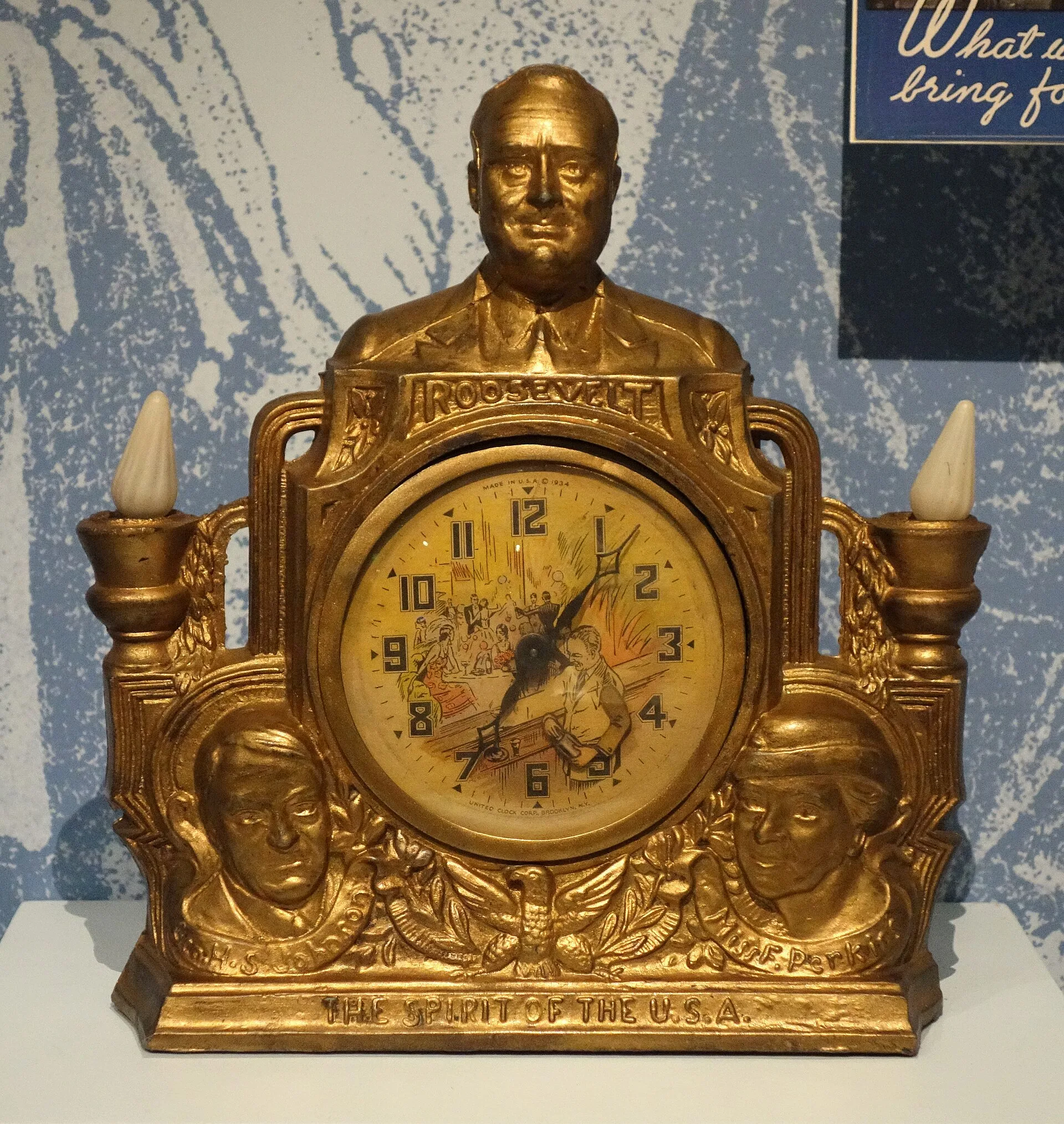
Repeal came in two steps. On 22 March 1933 President Roosevelt signed the act that legalised beer of 3.2 percent alcohol by weight, about 4 percent by volume, and light wine of the same strength, from 7 April. Congress had proposed the Twenty-first Amendment in February 1933, and the National Archives records that state ratifying conventions were held throughout the year. Conventions were used rather than legislatures to stop the Anti-Saloon League and dry legislators blocking repeal. Utah became the 36th state to approve, and repeal took effect on 5 December 1933, the first time the Constitution had been amended to repeal an earlier amendment. Licensing and regulation of alcohol became largely a matter for the states.
The recipes lasted, and many survived in print rather than in American bars. The Savoy Cocktail Book and Meier's The Artistry of Mixing Drinks recorded what bartenders working abroad had been mixing during the ban, and the Savoy's Sidecar, with two parts brandy to one each of Cointreau and lemon, matches what the SCMP describes as the English version of the drink. The Mob Museum notes that repeal was celebrated in bars and former speakeasies, but its conclusion is that Prohibition did not start the mixed-drink craze: it set the mixed drink back in the United States for decades while advancing it elsewhere.
PROHIBITION BAR AT MANDARIN ORIENTAL SHENZHEN

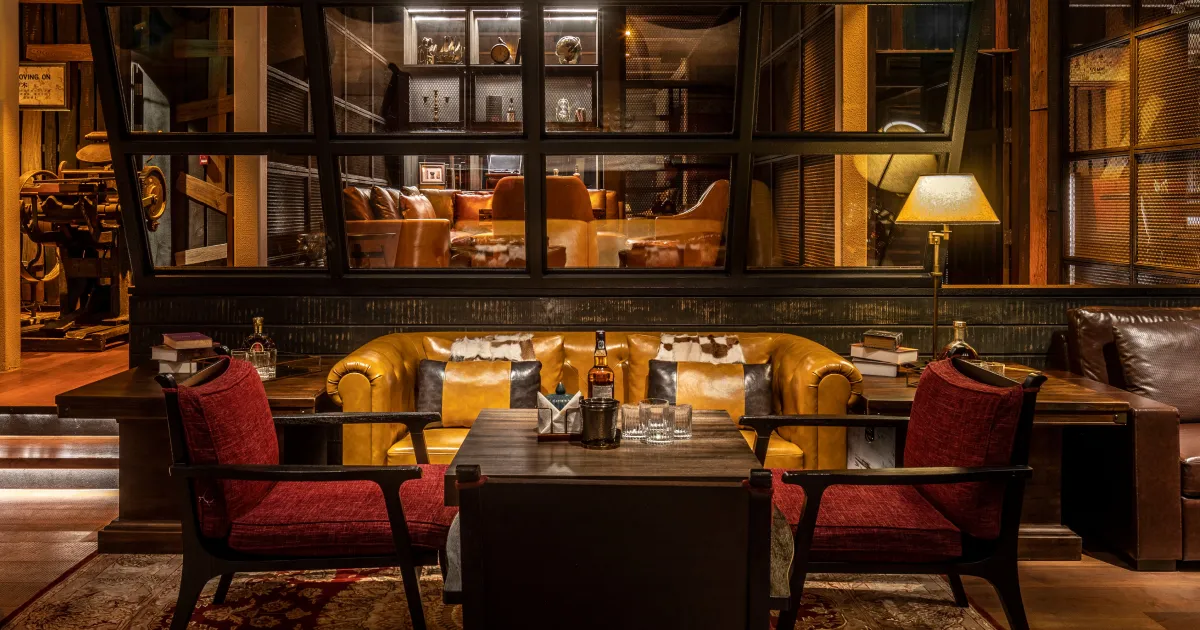
Prohibition Bar is the MO Bar of Mandarin Oriental Shenzhen, on the 79th floor, completed by Silverfox Studios in 2022 and described as a semi-hidden bar that recreates the intrigue of Prohibition. Arrival follows the speakeasy model. Guests take a separate lift from Level 78 and then walk a long corridor to find the bar. The arrival corridor is a storage-style passage lined with aged, hand-painted liquor advertisements, crates of bottles and exposed ductwork.
The main bar continues the warehouse character of the corridor. A long bar top integrates a DJ booth and a cocktail station, and the room is finished with distressed timber planks and steel beams. Beyond it, the lounge is furnished with Chesterfield sofas and divided by iron screens, with views across the Shenzhen skyline.
SOURCES
- The Mob Museum Mixed Drinks Made Rotgut Liquor Palatable
- The Mob Museum Bootleggers and Bathtub Gin
- The Mob Museum Alcohol as Medicine and Poison
- The Mob Museum The Repeal of Prohibition
- National Geographic Americans knew their booze was poisoned, and drank it anyway
- US National Archives A Spirited Republic in Motion: Prohibition is Repealed!
- The Oxford Companion to Spirits and Cocktails, via Spirits & Distilling The Savoy Hotel's American Bar
- Difford's Guide Bee's Knees
- The Local France (AFP) Legendary Harry's Bar marks 100 years of cocktails in Paris
- South China Morning Post Sidecar's a cocktail with a 100-year history, though who invented it isn't clear