
On 17 January 1920, alcohol became illegal across the United States. The Eighteenth Amendment and the Volstead Act that enforced it were meant to close saloons, sober the workforce and repair what reformers saw as a fraying moral fabric. Instead, over the next thirteen years, the law produced one of the strangest cultural side effects in American history: a nationwide network of hidden bars, secret passwords, jazz clubs and bootlegging empires that didn't reduce drinking so much as redesign it. Prohibition didn't kill nightlife, it forced it underground, and in doing so it accidentally invented the aesthetic of exclusivity that luxury hospitality still borrows from a century later. Speakeasies, hidden entrances, coded knocks and concealed bars have since been romanticised in film, fiction and bar design worldwide, but the real story behind that imagery is messier, more political and more revealing about how societies respond when you try to legislate away a deeply embedded social ritual.
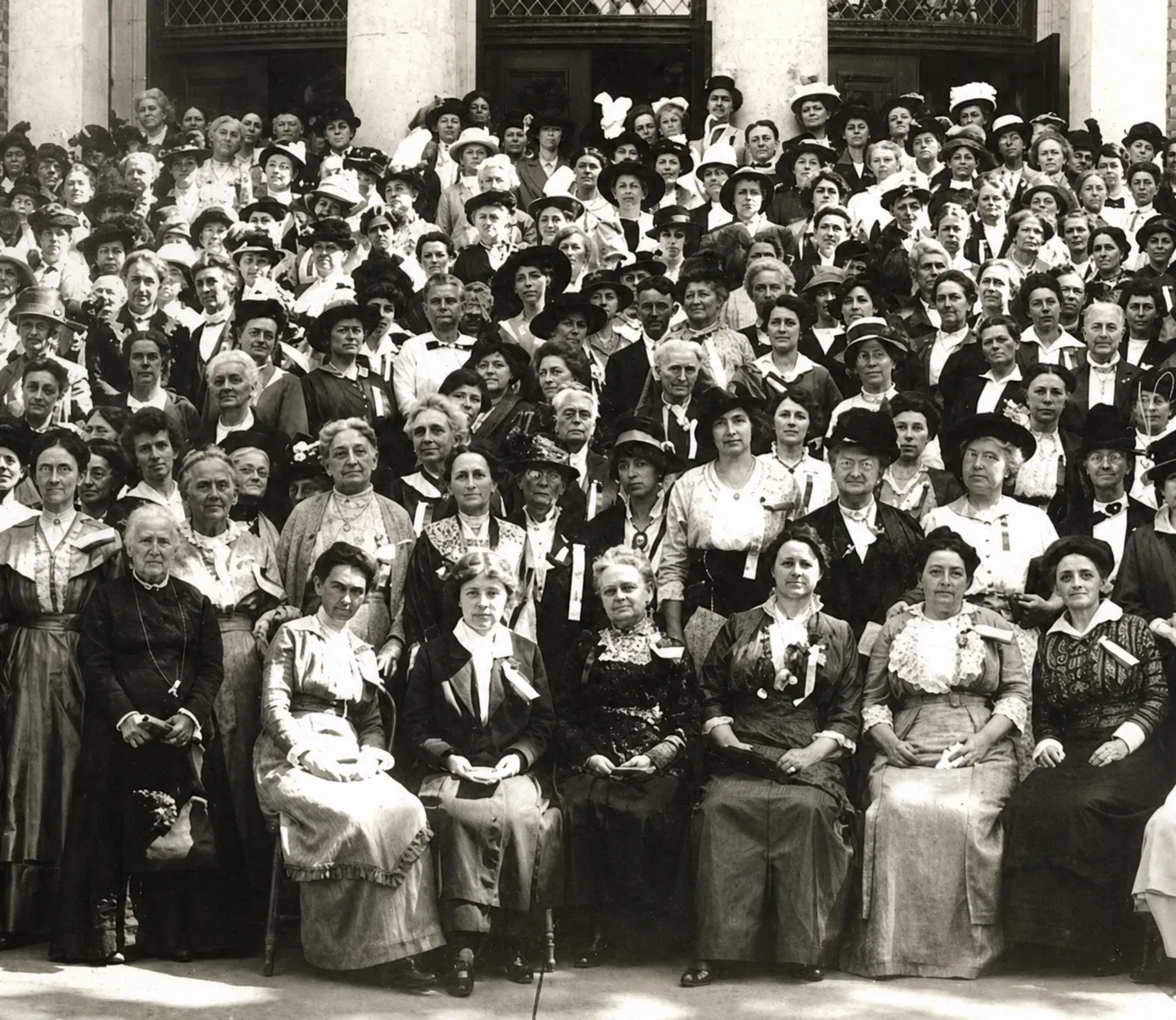
Prohibition wasn't a sudden 1920 invention, it was the end point of a campaign that had been building since the 1800s. Nineteenth-century America drank considerably more than it does today, and alcohol was deeply woven into industrial working-class life, particularly through taverns that doubled as the social centre of male labour culture. As cities industrialised and grew rapidly, alcohol became an easy scapegoat for the genuine social problems that came with that growth (poverty, domestic violence and public disorder), and religious and reform organisations built a moral case that alcohol wasn't just a health issue but a direct threat to the family and to society itself. Groups like the Woman's Christian Temperance Union and the Anti-Saloon League turned that moral argument into one of the most effective political lobbying campaigns in American history, steadily winning local and state-level restrictions for decades before the federal ban ever existed.
The temperance movement was never only about alcohol, though, and this is the part most retellings leave out. Saloons were closely associated with immigrant communities, Irish, German and Eastern European populations who made up much of the industrial workforce in expanding cities, and for many rural, Protestant reformers, banning alcohol was inseparable from a broader anxiety about controlling the culture of an increasingly urban, immigrant America. By the early 1900s, that combination of moral, religious and social-control motivations had built enough political momentum to push Prohibition from a local cause into a constitutional amendment.
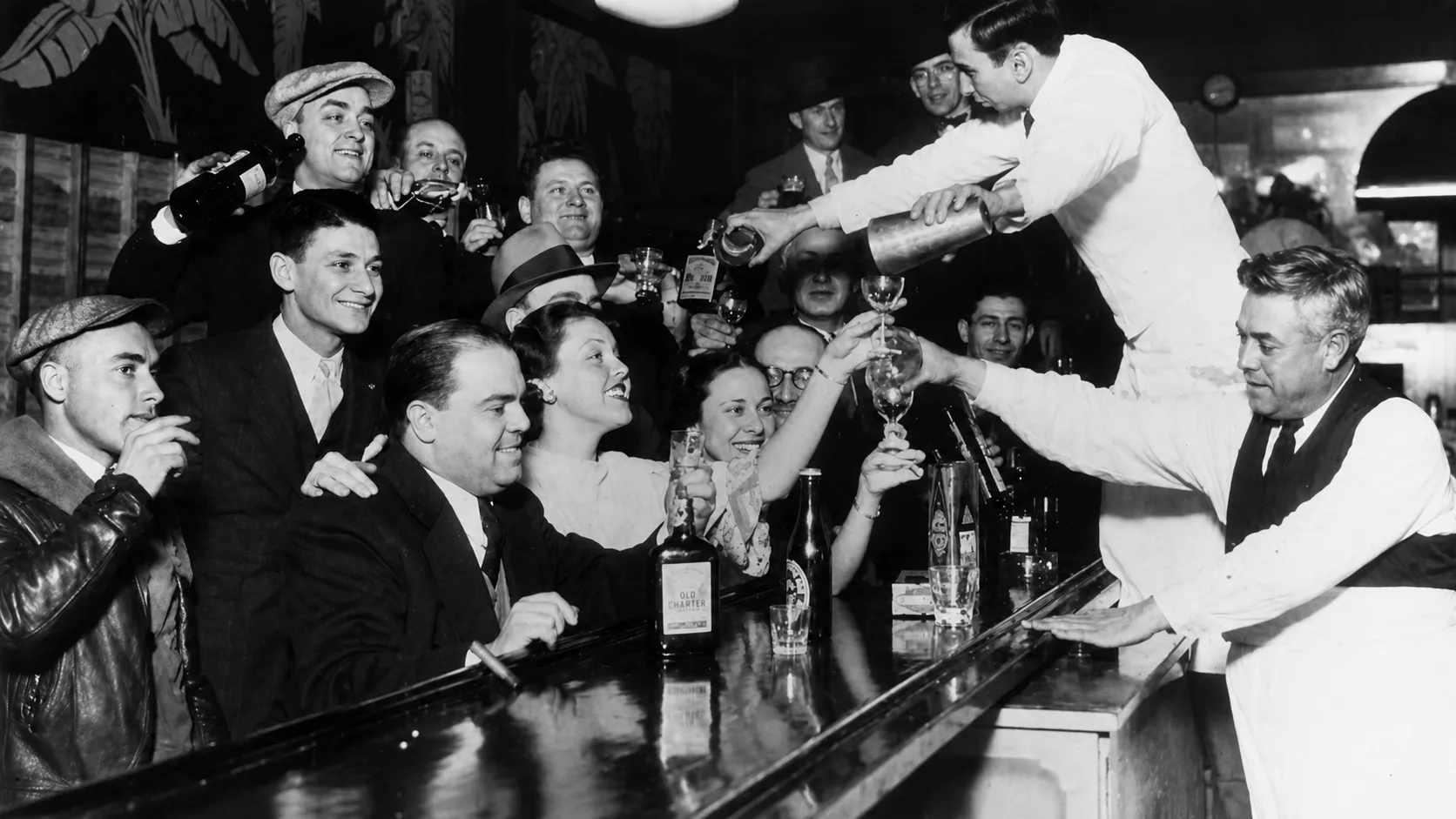
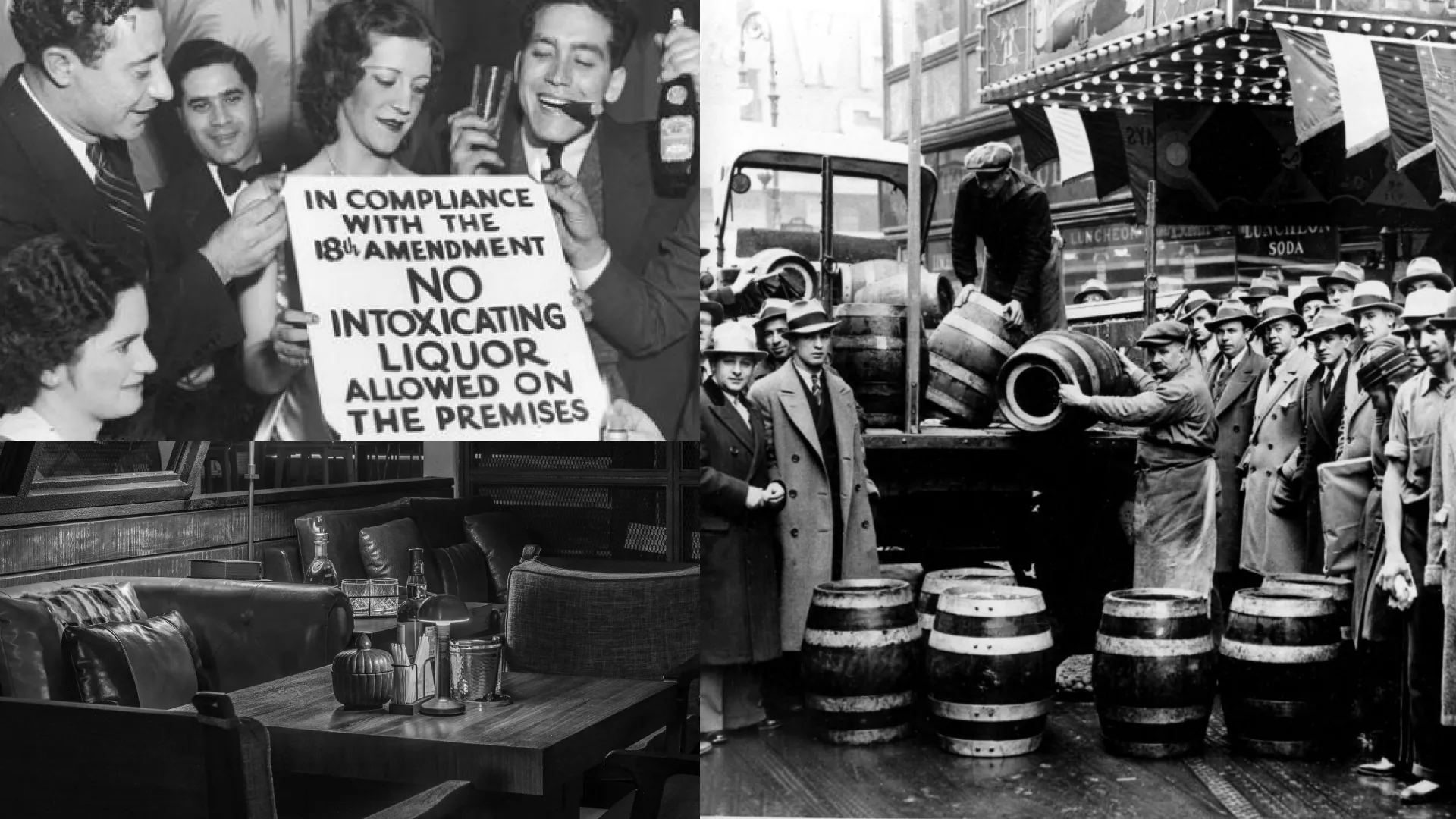
The Eighteenth Amendment was ratified in 1919, the Volstead Act gave it enforcement teeth, and Prohibition formally took effect in January 1920. Supporters expected a straightforward outcome, less crime, stronger families, a more disciplined workforce, and for a brief period it looked like they might be right. Breweries, distilleries and legal saloons closed across the country almost immediately, and consumption did genuinely drop in the first months, which reformers celebrated as proof the law was working.
That early success didn't last, because Prohibition had solved the supply problem without touching the demand. Within a short period, illegal bars and private drinking clubs began opening in basements, back rooms and disguised storefronts across major cities, and smuggling networks sprang up to feed them. Criminal organisations, recognising an enormous and essentially unpoliced market, moved in fast, and rather than disappearing, alcohol became more valuable, more culturally loaded and more central to urban social life than it had been before the ban.
The speakeasy is the single image most people associate with this era, and it earned that status by changing what going out actually meant. These were illegal bars hidden behind unmarked doors, false storefronts and basement entrances, and the name itself reportedly came from instructions to patrons to "speak easy" about the venue's existence so as not to attract police attention. In New York, Chicago and New Orleans, speakeasies became the actual centre of urban nightlife, some were no more than a back room with a bottle, while others developed into elaborate venues with live music, full dining and serious interior design.
What made speakeasies culturally significant wasn't just that they were illegal, it was that they turned secrecy into a desirable experience rather than an inconvenience. Hidden entrances, coded invitations and deliberately confusing circulation routes became part of the appeal itself, and that idea, that exclusivity and discovery are part of the product, is the exact mechanism that high-end bars still use today. Speakeasies also reshaped who was in the room: pre-Prohibition saloons had been overwhelmingly male spaces, but illegal 1920s nightlife was far more socially mixed, with women visibly and routinely participating in bars, clubs and jazz venues for the first time at this scale. That shift didn't happen in isolation, it tracked with the decade's changing gender roles and the rise of a more modern, consumer-driven urban identity.

Prohibition's timeline overlapped almost exactly with the rise of jazz, and the two became functionally inseparable in cities like Chicago, Harlem and New Orleans, where music and illegal drinking culture grew up in the same rooms. For a younger generation, the speakeasy wasn't just a place to get a drink, it was a visible break from Victorian moral codes, and dancing, music and nightlife itself became symbols of being modern. This is also where nightlife started to become a designed experience rather than a simple transaction: lighting, atmosphere, music and the choreography of the room became as important as what was in the glass, and the layered, theatrical interiors built to maximise secrecy and escapism are the direct architectural ancestors of the hidden lounges and underground clubs that contemporary hospitality design still draws from.

The cultural story of Prohibition is only half the picture, the other half is economic, and it's considerably darker. Because demand for alcohol never actually dropped, illegal production and distribution became one of the most profitable criminal enterprises in American history, and organised crime groups built bootlegging operations, smuggling routes and supply chains generating millions of dollars a year. Al Capone is the figure most people know, but he was one node in a much larger system that also bought off law enforcement and political officials on a wide scale, turning corruption into an operating cost of doing business. Competition over territory between rival gangs drove a sharp rise in urban violence, and the law that was supposed to reduce crime ended up financing and professionalising it instead. Meanwhile, ordinary citizens largely just ignored the ban, illegal drinking became socially normal in most cities, which quietly eroded public respect for the law itself, and by the late 1920s, criticism of Prohibition had become impossible for politicians to dismiss.
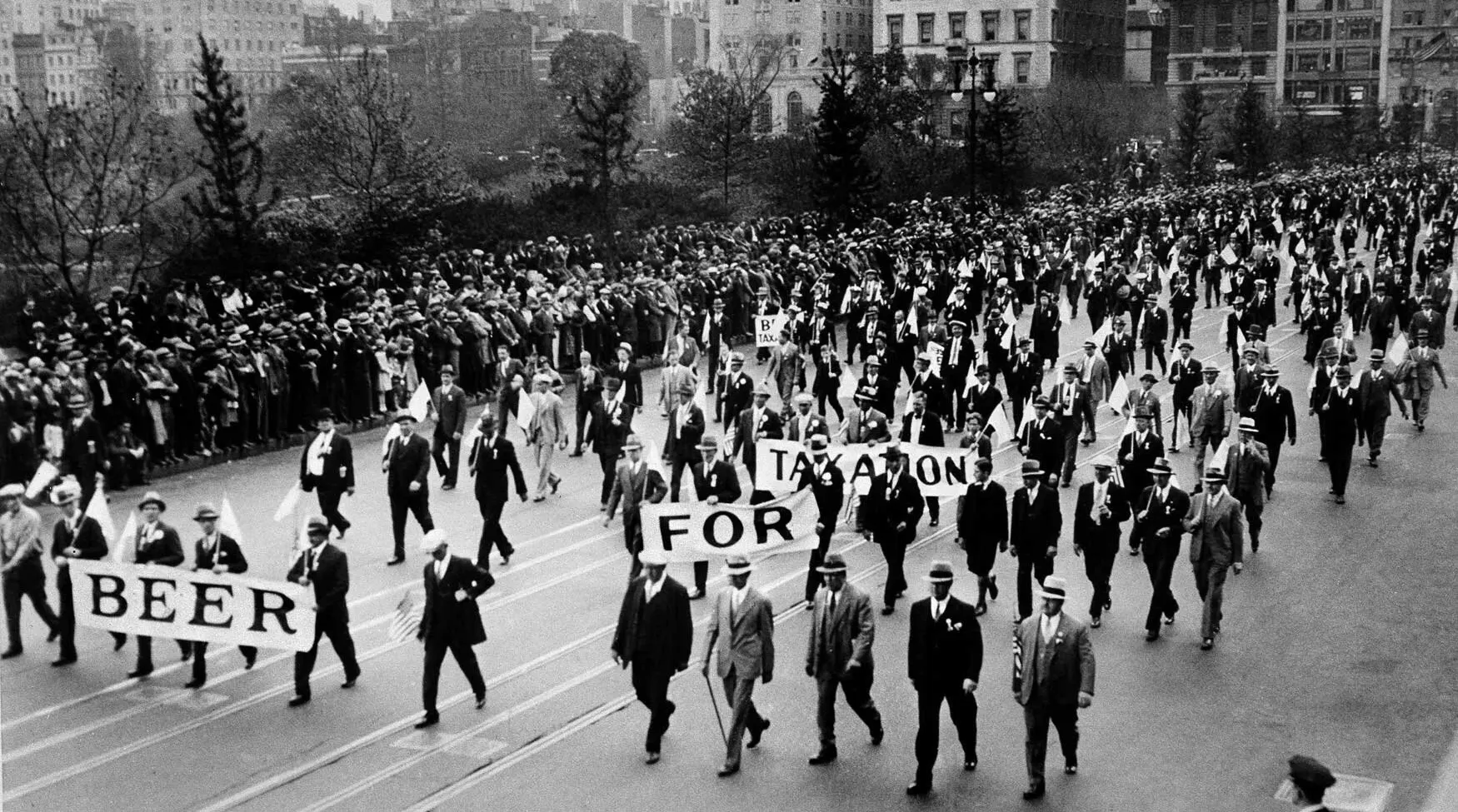
A law covering a country with thousands of miles of coastline and border, and millions of citizens willing to break it, was never going to be enforceable at scale, and by the late 1920s that reality was obvious even to its supporters. The Great Depression then removed whatever political cover Prohibition had left: legal alcohol meant tax revenue and jobs at a moment when the country desperately needed both, and the argument that Prohibition was government overreach that had failed on its own moral terms gained real traction across the political spectrum. In 1933, the Twenty-First Amendment repealed the ban outright, closing a thirteen-year experiment that had failed at its stated goal but permanently reshaped nightlife, cocktail culture, jazz, organised crime and the relationship between hospitality and secrecy.

The aesthetic of Prohibition didn't fade when the law was repealed, if anything it became more valuable as a design language once it was safely historical. Contemporary bars borrowing from this era are typically reaching for a specific set of ideas: concealed entrances, layered circulation through a space, intimate and controlled lighting, a sense of discovery, jazz-era glamour, handcrafted cocktail technique, and nightlife framed as theatre rather than simple consumption. Most of these spaces aren't attempting historical accuracy, they're recreating the emotional structure of the speakeasy, where the guest moves from a public, anonymous city into a private, controlled and intimate environment, often through an architectural sequence designed specifically to make that transition feel earned.
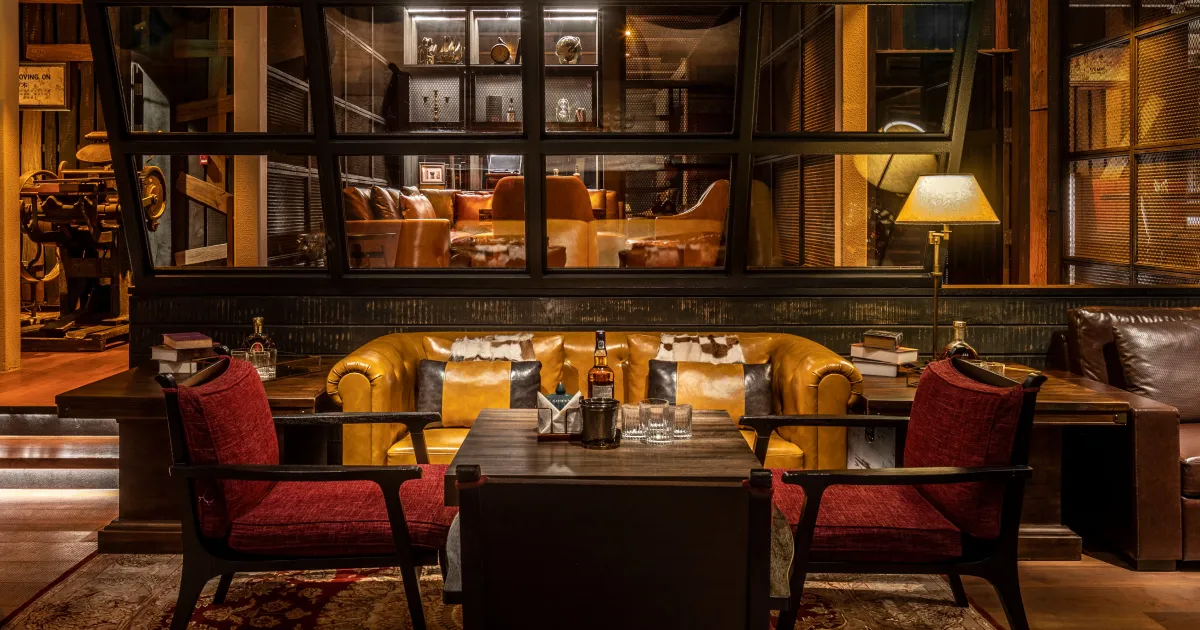
That spatial storytelling is exactly what Prohibition Bar at Mandarin Oriental Shenzhen is built around. Rather than presenting a literal recreation of a 1920s American bar, the venue translates the core ideas, secrecy, mood, layered atmosphere, jazz-era energy, into a contemporary luxury hospitality format, connecting the legacy of Prohibition-era nightlife to modern cocktail craft and bar design. What the era ultimately demonstrates is something broader than a single decade of American history: attempts to legislate away deeply embedded social rituals rarely succeed in eliminating them. More often, they just force those rituals to evolve, into new forms of culture, identity and, in this case, some of the most enduring design language in modern hospitality.