THE CHROMIUM ALLOY THAT CHANGED CUTLERY, KITCHENS AND SKYLINES
Stainless steel is an iron alloy that resists rust because it contains at least 10.5% chromium, and the story of the stainless steel invention runs through nearly a century of chromium experiments before it settles in Sheffield. Metallurgists in several countries studied chromium steels between 1821 and 1914. On 13 August 1913 Harry Brearley, a self-taught Sheffield metallurgist investigating gun barrel erosion, made a steel with 12.8% chromium, and a Sheffield cutlery firm turned it into the earliest stainless knives. Brearley's title as inventor is still disputed, because German and United States patents from the same years cover related alloys. The history below follows the metal from those laboratory melts to the 18/8 grades, the spire of the Chrysler Building and the stainless kitchens of ships and restaurants.
WHAT IS STAINLESS STEEL AND WHY DOES IT NOT RUST?
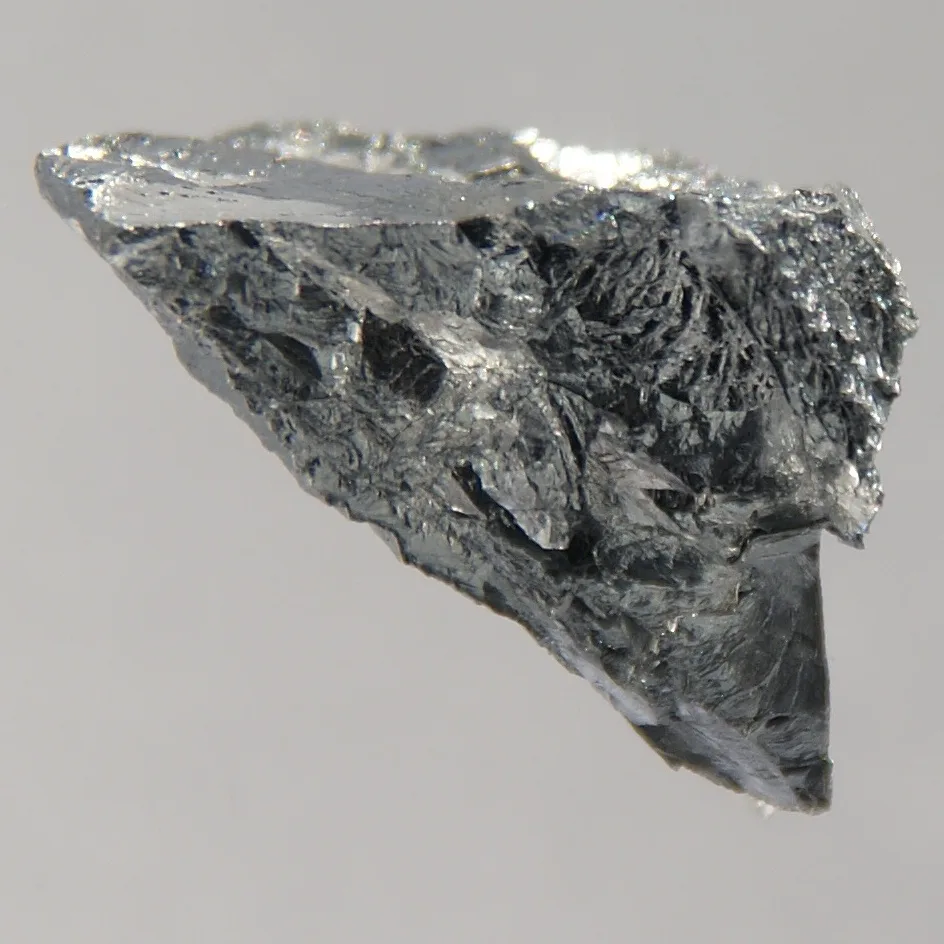
Stainless steel is a family of iron alloys rather than a single metal. Under the standard BS EN 10088-1, a steel must contain a minimum of 10.5% chromium by weight to be classed as stainless, according to the British Stainless Steel Association (BSSA). The chromium forms a chromium-rich oxide film on the surface of the steel without any treatment. The BSSA puts the thickness of this passive layer at 1 to 5 nanometres, or 1 to 5 billionths of a metre. When the film is scratched or otherwise damaged, it will normally repair itself, provided enough oxygen is available at the surface.
Other alloying elements change how the film behaves. The BSSA explains that nickel aids the reformation of the passive layer when it is disturbed, and that molybdenum reduces the effectiveness of chloride ions in breaking the layer down locally. Metallurgists group stainless steels into families. A timeline published by worldstainless, the World Stainless Association, describes Brearley's 1913 alloy as a martensitic chromium steel, records ferritic chromium steels discovered from 1911 to 1914 and austenitic chromium nickel steel patented in Germany in 1912. It dates precipitation hardening stainless steel to 1929 and the first duplex stainless steel to 1930, produced at the Avesta Ironworks in Sweden.
EARLY EXPERIMENTS BEFORE THE STAINLESS STEEL INVENTION
Chromium steels were studied for almost a century before Brearley's melt. The worldstainless timeline records that in 1821 Pierre Berthier published the results of his studies into chromium alloys and ferro-chromium. In 1871 John T. Woods and John Clark obtained a British patent for a weather resistant chromium alloy. Between 1904 and 1911 Léon Alexandre Guillet published research on alloys of iron, chromium and nickel, although he did not describe the passive layer. Albert Marcel Portevin took over Guillet's research and in 1909 published work with W. Giesen on alloys roughly equivalent to the modern austenitic, martensitic and ferritic grades.
The years from 1910 to 1914 produced the patents that still complicate the question of who came first. In 1910 and 1911 Philipp Monnartz and William Borchers obtained a German patent for stainless steel, and according to the timeline Monnartz was the first to state that stainless steel requires at least 12% chromium and a controlled amount of carbon. From 1911 to 1914 Frederick M. Becket and Christian Dantsizen discovered a number of ferritic chromium stainless steels. In 1912 Eduard Maurer and Benno Strauss, working for Krupp in Essen, were granted patents on two chromium nickel steels, one martensitic and one austenitic. The worldstainless timeline lists all of these before Brearley's work in Sheffield.
HARRY BREARLEY AND THE 1913 SHEFFIELD MELT
Harry Brearley was born in Sheffield in 1871. Museums Sheffield records that his family lived in a single room at the back of Spital Street, that his father was a steelworker at Thomas Firth & Sons and that his mother took in washing to support nine children. Brearley left Woodside Board School at twelve to work as a cellar lad, and a couple of years later became a bottle washer in Firth's chemical laboratory, where he taught himself metallurgy. In 1908, according to Sheffield City Archives, two Sheffield steelmaking companies agreed to jointly finance a common research laboratory and asked Brearley to lead it. Portland Works, the Sheffield heritage building, calls it the Firth and Brown Research Laboratories.
In 1912 a small arms manufacturer asked Brearley to investigate gun barrels whose internal surfaces were eroding too quickly. He researched steels that would resist erosion at high temperature and examined the effect of adding chromium. On 13 August 1913 he made an alloy containing 12.8% chromium and 0.24% carbon, which Sheffield City Archives record as the first "Rustless Steel". Portland Works describes it as the first batch of what became known as stainless steel, while noting that other claims exist. Museums Sheffield summarises the result as the discovery that adding chromium to molten iron produced a metal that did not rust, and the Science Museum Group collection credits Brearley with developing "rustless steel".
HOW SHEFFIELD CUTLERS GAVE STAINLESS STEEL ITS NAME
Brearley's employers saw little use for the new steel. Portland Works records that Firth Brown showed no interest in it for armaments and that its directors argued rust resistance mattered little in cutlery, which had to be cleaned after every use. Brearley later wrote in his 1941 autobiography, Knotted String: "The people in authority saw nothing of commercial value". Sheffield City Archives suggest that because Brearley was born in a city famous for cutlery, he saw the value of a steel that would not corrode when it met acidic foods such as vinegar and fruit juices. He called the metal "rustless steel" and proposed it to the cutlery trade.
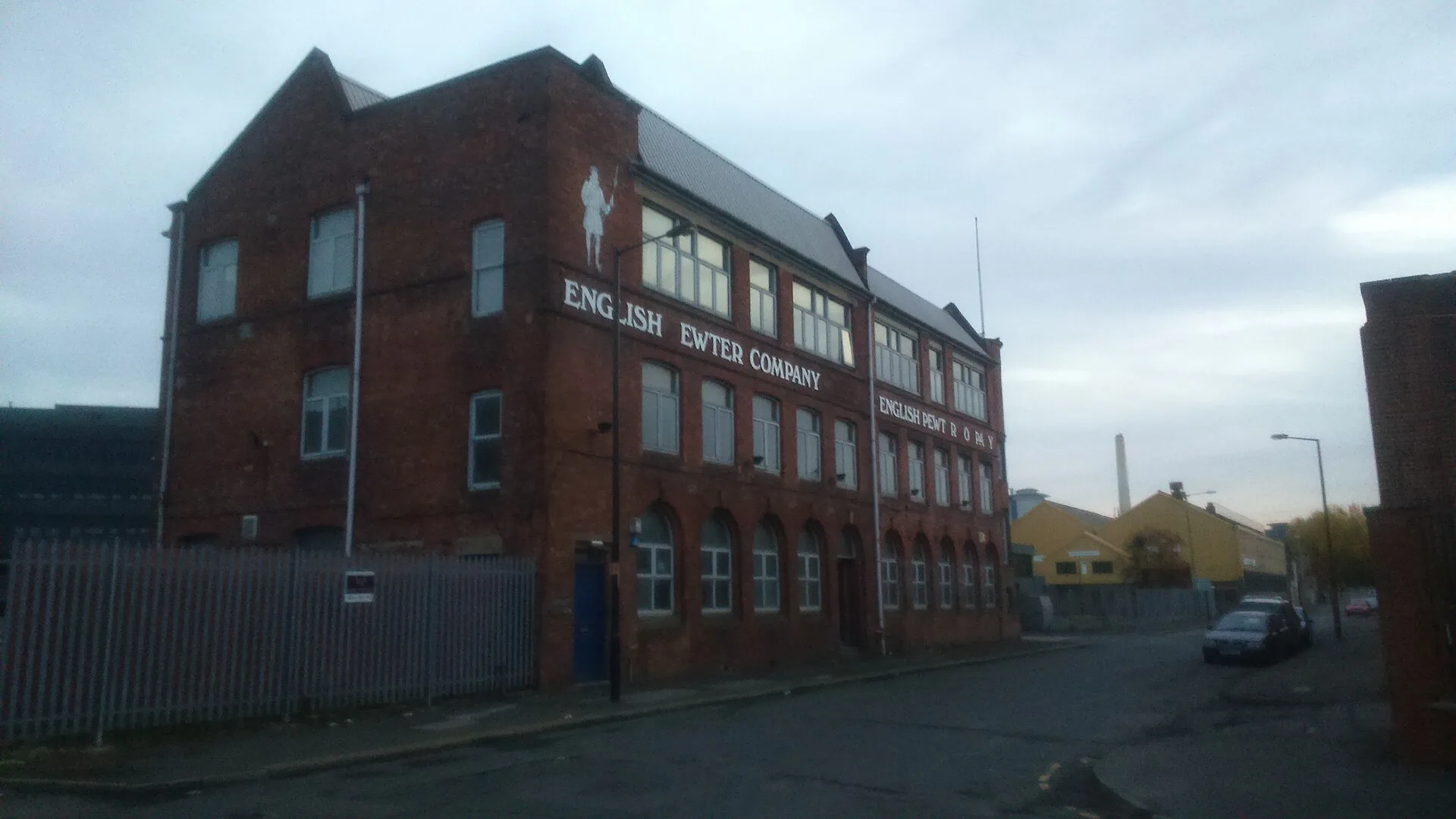
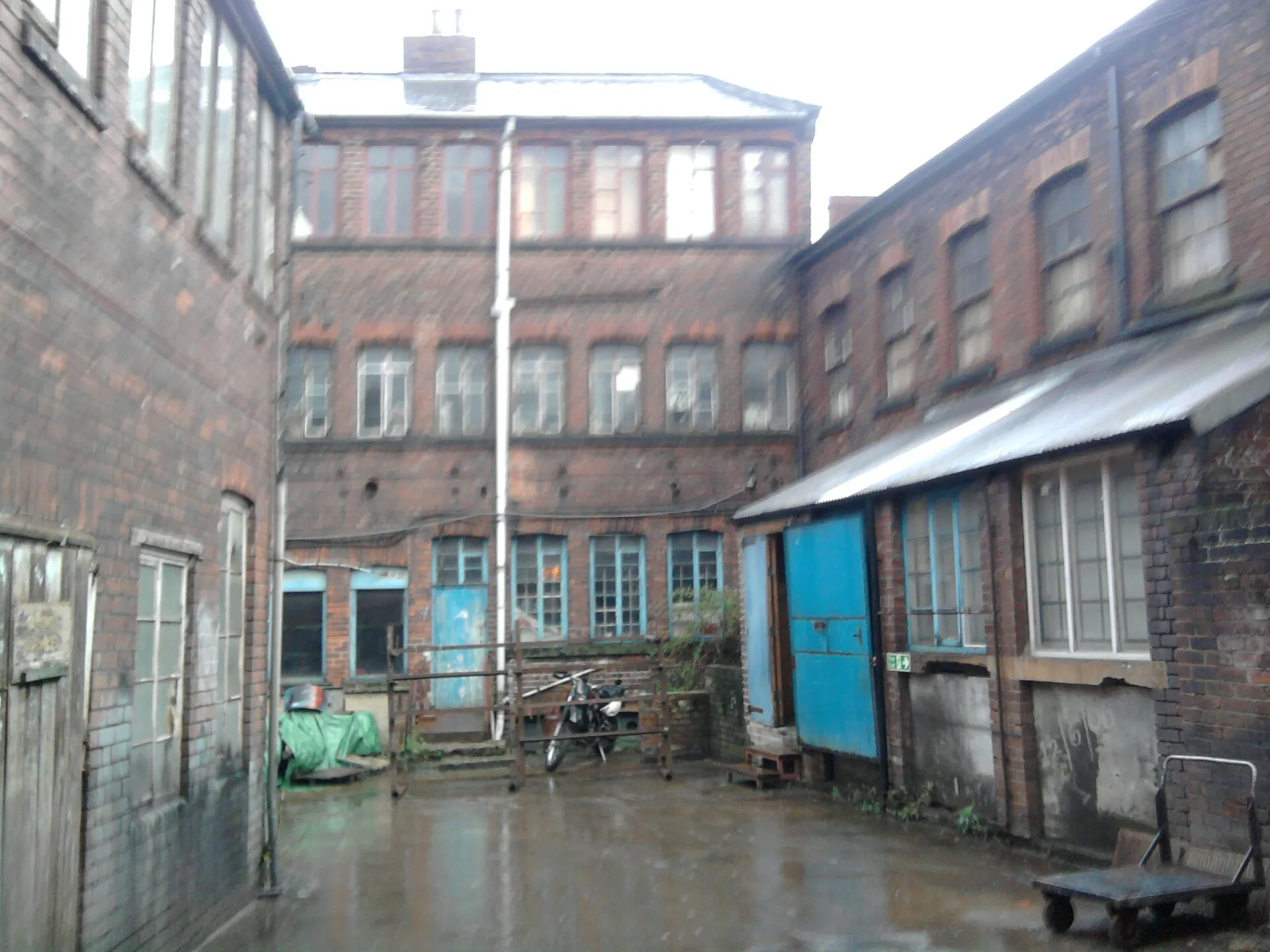
Brearley bought chromium steel from his employer, and R.F. Mosley & Co. at Portland Works on Randall Street made rustless cutlery under his supervision. The firm's cutlery manager, Ernest Stuart, was a schoolmate of Brearley's, according to worldstainless. During tests with vinegar, Stuart suggested that "stainless" would be a more marketable name than "rustless", and the name has been used ever since. Knife blanks and blades made at Portland Works were presented to the Cutlers' Company of Hallamshire and are described by Portland Works as the earliest specimens of stainless steel cutlery. Between 1919 and 1923, the worldstainless timeline records, Sheffield cutlers began regular production of stainless cutlery and tools, and early stainless dishes and bowls appeared.
WHO INVENTED STAINLESS STEEL? WHY THE STAINLESS STEEL INVENTION IS DISPUTED
Ownership of the alloy divided Brearley and Firth Brown. Sheffield City Archives state that the company did not appreciate how large a step rustless steel would be and refused to apply for patents, and that Brearley left the laboratory in 1915. Portland Works adds that a Firth director had seen a steel bar at Krupp in Essen, and that because Firth Brown held no patent, the idea was first protected in Germany. Brearley's own United States patent, number 1,197,256, was granted on 5 September 1916 for a "useful improvement to cutlery". Sheffield City Archives note that there is no record of him filing in the United Kingdom.
The rival claims rest on that sequence of patents. Monnartz and Borchers held a German patent from 1910 to 1911, Maurer and Strauss were granted theirs at Krupp in 1912, and Elwood Haynes, who had applied in 1911, obtained a United States patent on martensitic stainless steel in 1919. Sheffield accounts credit Brearley with the first rustless steel, while worldstainless describes his 1913 alloy as the first commercial martensitic chromium stainless steel. In 1917 Brearley and Thomas Firth & Sons formed the Firth Brearley Stainless Steel Syndicate to license export rights to the United States, Canada, Italy, France and Japan.
STAINLESS STEEL GRADES: 18/8, 304 AND 316

Sheffield also produced the grade that replaced Brearley's. In 1924, Sheffield City Archives record, Dr W.H. Hatfield produced the successor to Brearley's steel, known as 18/8, which contains nickel, and the archive describes it as probably the most widely used alloy of its type. The name refers to the standard composition of 18% chromium and 8% nickel. In October 1934 Firth Vickers Stainless Steels Limited was incorporated to take over the stainless interests of Thomas Firth and John Brown Limited and the English Steel Corporation, with production centred on Firth's Tinsley Works.
In grade numbering, 18/8 corresponds to Type 304. A guide published by the International Molybdenum Association with the Nickel Institute gives Type 304 a chromium content of 17.5 to 19.5% and nickel of 8.0 to 10.5%. Type 316 has 16.0 to 18.0% chromium, 10.0 to 14.0% nickel and 2.00 to 3.00% molybdenum, the element the BSSA credits with resisting chloride attack. The Nickel Institute names Type 304, often called 18-8 or 18-10, as the most common alloy for food and beverage use, and explains that cutlery marks such as 18/10, 18/8 and 18/0 give the chromium and nickel percentages.
FROM THE CHRYSLER BUILDING TO THE PROFESSIONAL KITCHEN
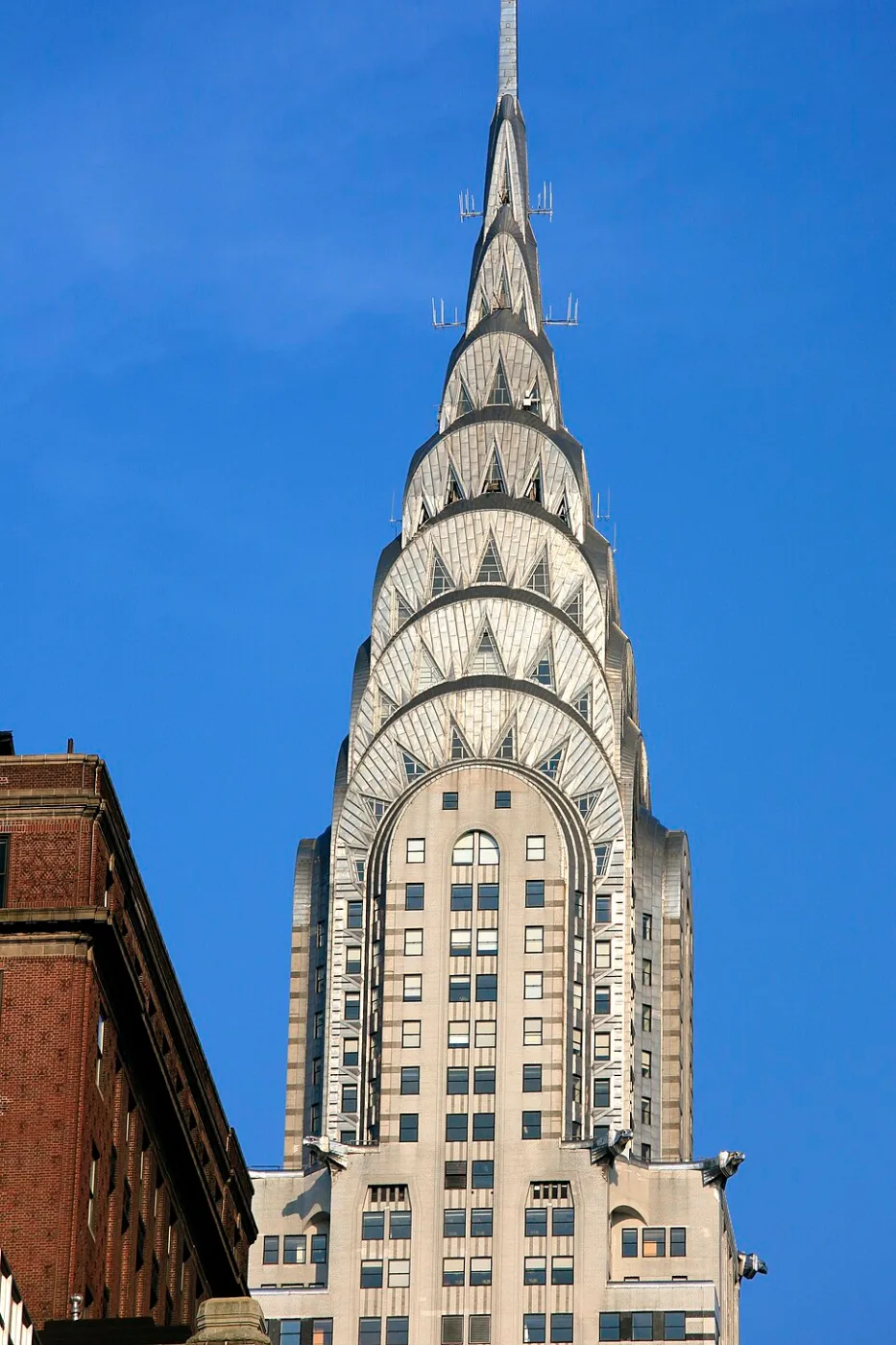
The Chrysler Building in New York was built from 1928 to 1930 to designs by William Van Alen, with work starting on 15 October 1928. The New York City Landmarks Preservation Commission records that Van Alen designed a 185-foot spire, which he called the "vertex", and that it was fabricated and delivered to the building in five sections. STRUCTURE magazine identifies the spire cladding as Nirosta steel supplied by Krupp, similar to today's Type 302, and describes it as the first use of architectural stainless steel sheet in the world. Inside, the Commission notes shop window frames, entrance doors and stair railings of Nirosta, a rust-resistant chromium nickel steel. The building was the tallest in the world until the Empire State Building took the title eleven months later.
Industry and kitchens adopted the metal in the same period. The worldstainless timeline records a stainless tank for nitric acid in 1925, a welded stainless tank built by Heil of Milwaukee in 1927 and the brewing industry's first stainless fermenting vessel in 1928. From about 1935, sinks made of 18-8 stainless steel were installed in new homes in place of porcelain-enamelled cast iron. At sea, the Nickel Institute notes, the liner Queen Mary, launched in 1934, had a stainless steel kitchen.
The Nickel Institute describes stainless steel as the preferred material for environments where strict hygienic conditions are important, and lists commercial kitchens, fast-food outlets, cafes and restaurants among them. It also names nickel-containing stainless steel as the leading material for commercial and domestic cookware, and notes that the metal's low thermal conductivity suits pan handles, which stay cool during use. Beyond the kitchen, the International Molybdenum Association guide lists indoor decorative components such as wall panels and railings among the standard uses of austenitic grades.
STAINLESS STEEL AT OPUS, MANDARIN ORIENTAL SHENZHEN

Opus is a restaurant at Mandarin Oriental Shenzhen, designed by Silverfox Studios and completed in 2022. Its kitchen-facing seating is a chef's table counter with a stainless hood, a format traced in the history of chef's table dining. Around the counter, geometric metal and lattice screens divide the space, red leather banquettes and blue chairs provide the seating, and globe pendants light the room. The restaurant also has glass wine cabinets, and the dining room looks out over city views.
Stainless steel is the material the Nickel Institute names as preferred in commercial kitchens, cafes and restaurants, and Type 304, or 18/8, is the alloy it names as the most common for food and beverage use. W.H. Hatfield produced 18/8 in Sheffield in 1924, eleven years after Brearley's rustless melt, and the Queen Mary, launched in 1934, had a stainless steel kitchen. The surface of a stainless hood relies on the chromium-rich passive film, 1 to 5 nanometres thick, that the BSSA describes, the property that made Brearley's 12.8% chromium steel rustless.
SOURCES
- Sheffield City Council Archives and Local Studies Stainless Steel and Harry Brearley
- Museums Sheffield Burngreave Voices: Harry Brearley
- Science Museum Group Harry Brearley
- Portland Works Portland Works and the Invention of Stainless Steel
- worldstainless (World Stainless Association) History of Stainless Steels
- British Stainless Steel Association Introduction to Corrosion Resistance
- International Molybdenum Association Practical Guidelines for the Fabrication of Austenitic Stainless Steels
- Nickel Institute The Role of Nickel in Food Contact Materials
- New York City Landmarks Preservation Commission Chrysler Building Interior Designation Report (1978)
- STRUCTURE magazine Chrysler Spire: A Case Study of Early Steel Curtain Wall