AN ALLOY OF COPPER AND ZINC, MADE FOR ITS GOLD COLOUR SINCE ROMAN TIMES
Brass is an alloy of copper and zinc, and its use in interior design has long depended on its colour. Freshly polished brass is usually yellow, where pure copper is reddish, and the Romans valued the alloy for its gold-like appearance. Its history runs from Roman coins through the dishes, candlesticks and lecterns of Dinant in the Meuse valley to the battery mills of 18th-century Bristol. For most of that time zinc was not produced as a metal in Europe, and brass makers relied on calamine, a zinc ore, until William Champion began commercial zinc production in Bristol in the 1730s. Today the alloy is used for panelling and touch surfaces, finished either bare, to tarnish, or sealed under lacquer.
WHAT IS BRASS? COPPER, ZINC AND CALAMINE
The Canadian Conservation Institute (CCI) gives the basic distinction: brass is copper plus zinc, while bronze is copper plus tin. The proportions vary widely, and small additions of other metals change how the alloy behaves. Naval brass is typically about 60% copper, 39% zinc and 1% tin, and admiralty brass about 71% copper, 28% zinc and 1% tin. Britannica explains that in both, the small amount of tin improves resistance to corrosion by seawater, which is why naval brass is often used for bolts and other submerged parts on ships.
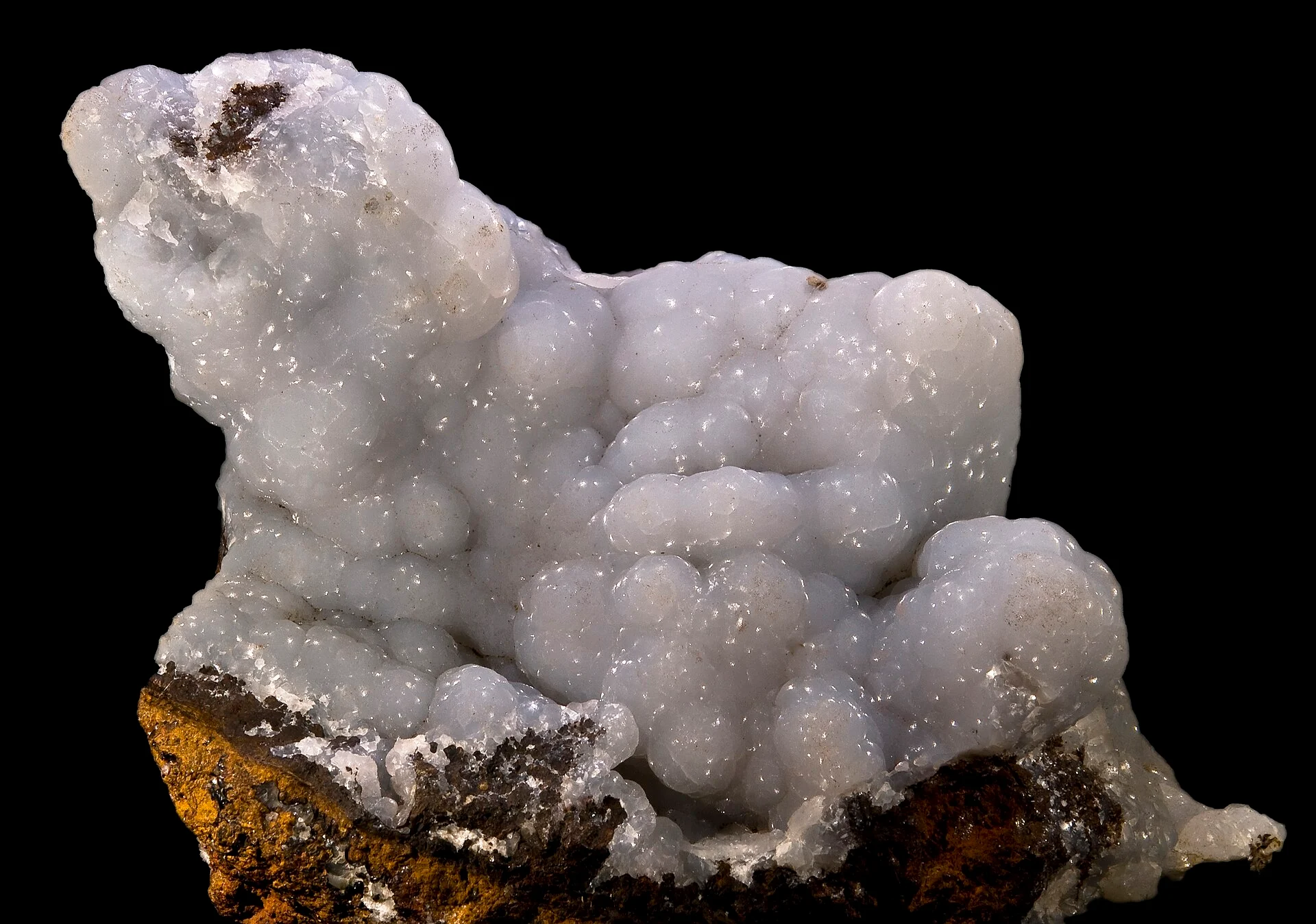
Before zinc could be produced as a metal, brass was made by cementation, a process in which copper took up zinc from an ore. The ore was calamine, which the mineralogist Stephen Merkel defines as a mixture of zinc carbonate and zinc silicates. Only the non-silicate minerals in it, such as smithsonite and hydrozincite, release zinc during cementation. In the western provinces of the Roman Empire, brass makers used direct cementation with calcined (roasted) calamine rather than with sublimated zinc oxide.
WHERE DID BRASS COME FROM? ROMAN AURICHALCUM

Brass was made in Italy before Rome adopted it. Merkel records two pre-Roman brasses from Italy, both Etruscan, with 6% to 12% zinc. Brass use in the southern Alps is attested around 60 BC, and the first Roman brass coinage was minted around 45 BC under Julius Caesar, possibly at Milan. Pliny the Elder described a stone called cadmea that was used with copper to make brass, and Merkel identifies cadmea with calamine. Pliny named three sources for it: Campania, which he considered doubtful, Germania and the region of Bergamo. He ranked aurichalcum as the finest of the brasses made from ore.
A 2022 study in Scientific Reports by Daniel Bursák and colleagues states that Romans in the Mediterranean had mastered brass making by cementation in the first century BC, and links the wide spread of the alloy to the coinage reform of Augustus in 23 BC. Brass was used for the sestertius and dupondius coins. The original Roman aurichalcum contained at least 22% to 28% zinc, falling during the first century AD. North of the Alps, alloys with only 10% to 15% zinc, made by diluting bronze with aurichalcum, already gave the golden colour that local communities wanted. Its lead isotope data point mainly to the Massif Central in France, which the authors connect with Lugdunum, modern Lyon, where brass was made from the middle of the first to the early second century AD.
DINANDERIE: MEDIEVAL BRASS FROM DINANT
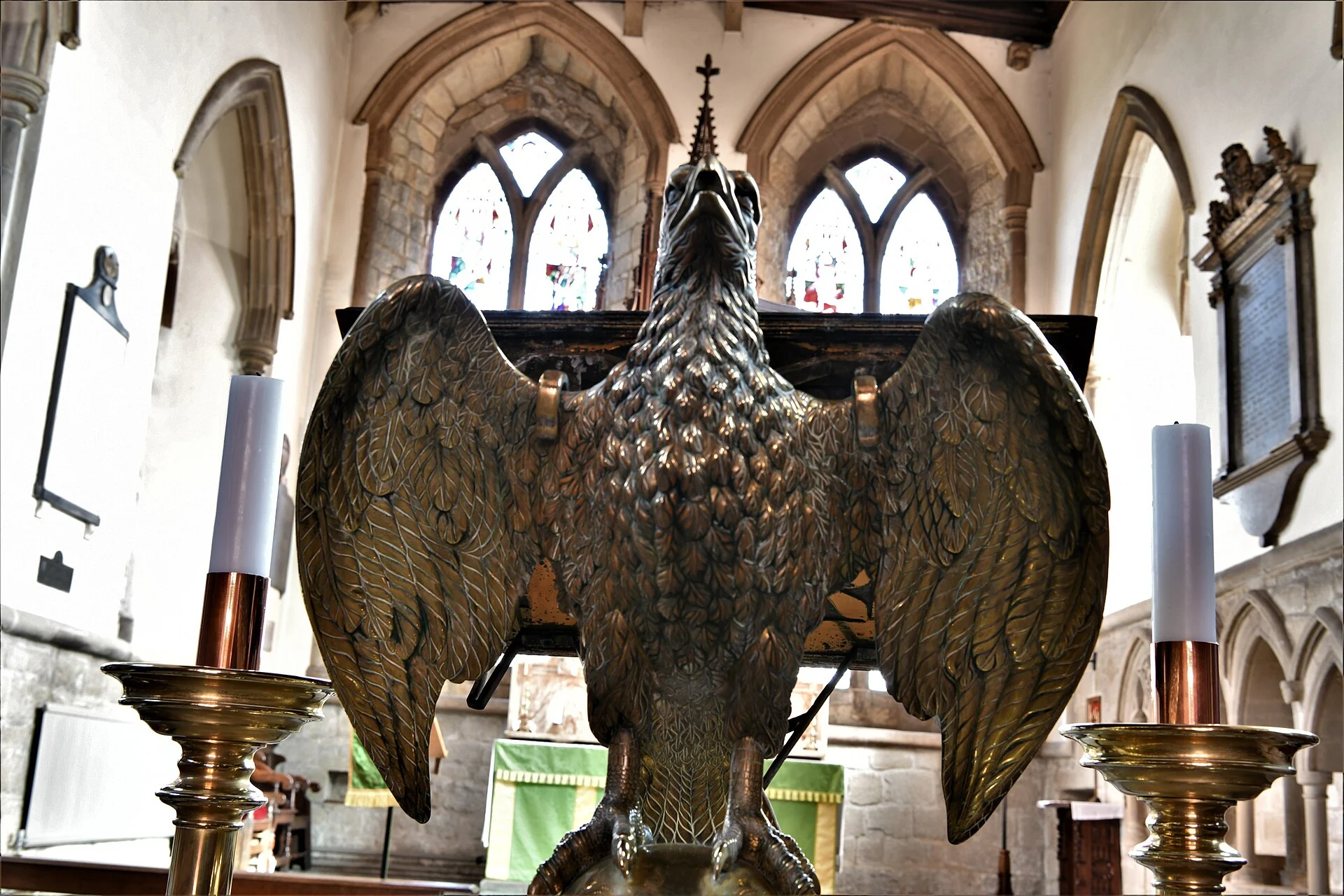
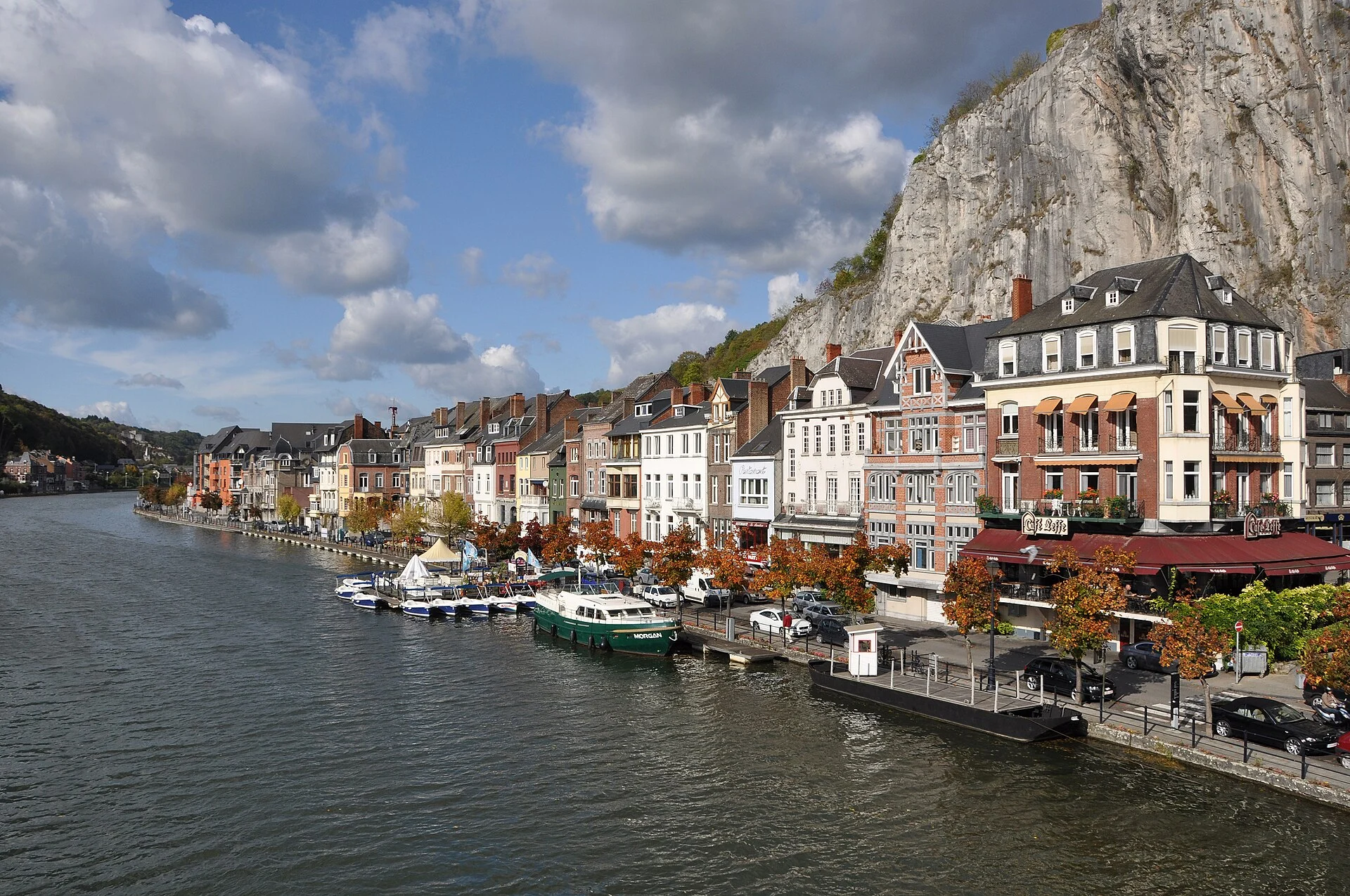
Britannica notes that brass seems to have been used little in Europe before the 11th or 12th century. A major brass industry then grew up in the Low Countries, in the district of the River Meuse, and the town of Dinant became its centre. By the 15th century Dinant's name was synonymous with fine brass ware, and the word dinanderie came to mean late medieval brass made in and around the town. Domestic pieces included ewers, fire irons, candlesticks, dishes and basins; church pieces included censers, fonts and lecterns. The Metropolitan Museum of Art notes that some scholars describe Dinant as a member of the German Hansa, acting as a selling agent for imported copper.
Many dinanderie objects were beaten from sheet rather than cast. The Met describes brass beating as labour-intensive and notes that casting did not replace it until the 16th century. Its own example is a brass plate of about 1480 from the Lower Rhine. Plates of this kind were displayed on sideboards and sometimes used in church services, and wear on many of them suggests they also served food. Britannica describes the earliest Gothic pieces as small, deep and golden in colour, and later ones as flatter, larger and darker. Decoration was embossed with large stamps, often around a raised central boss in the shape of an open rose.
Dinant's dominance ended when the town was sacked in 1466 and its craftsmen scattered. The industry moved to other towns on the Meuse and to Brussels, Bruges and Tournai, and later established a new centre at Aachen. Some brass workers may have gone to Nuremberg, which was already known for metalworking. In the late 15th and 16th centuries the basin beaters of Nuremberg produced embossed dishes and basins that were exported across Europe, and these are also called dinanderie. Many survive in churches, where they were used as alms dishes.
BRISTOL BRASS: BATTERY MILLS ON THE AVON

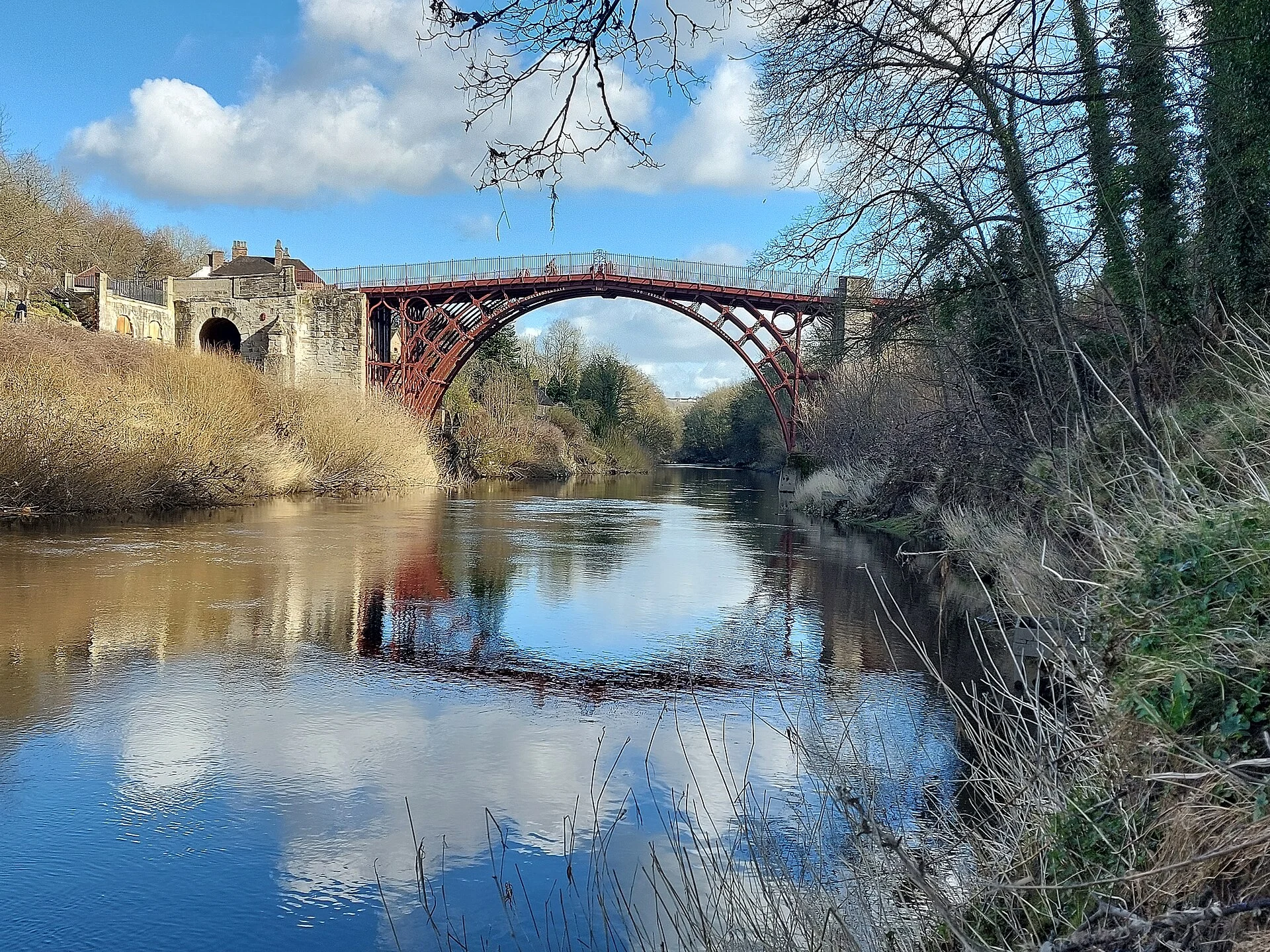
In 18th-century England, Bristol became a centre of brass making. According to the Saltford Brass Mill Project, the Bristol Brass Company was founded in 1702 by a group of Quaker industrialists under Abraham Darby I. The company was based at Baptist Mills on the River Frome in north Bristol, and Darby persuaded skilled craftsmen from the continent to move to England. The calamine came from the Mendip Hills south of the city. Bristol Museums names Nehemiah Champion as a leading partner in the business.
The company's output was largely domestic. Battery mills used water-powered trip hammers to shape brass sheet into hollow ware such as pans and kettles. Water-driven rolls were later introduced to produce flat brass sheet, and the Avon Mill at Keynsham was acquired in the 1730s to specialise in drawing brass wire. By 1711 the company had a mill at Weston on the River Avon near Bath, and two more on the River Chew at Keynsham and Woodborough. In 1721 it leased Saltford, which gave it four battery mills. Saltford also worked as a rolling mill, producing flat sheet as well as hollow ware.
WILLIAM CHAMPION AND COMMERCIAL ZINC IN BRISTOL
Before the 1730s, zinc metal was imported into Britain from India or China at great expense. Bristol Museums credits William Champion, son of Nehemiah, with pioneering the first commercial zinc production in Europe in that decade. Champion smelted calamine with charcoal in sealed pots inside a distillation furnace. The zinc vapour was cooled without air, which stopped it turning back into oxide, and the condensed metal was remelted into ingots. One run took about 70 hours and produced about 400 kilograms of zinc. The museum notes that a similar process had been used at the Zawar mines in India centuries earlier.
Champion patented his process in 1738, which gave him 14 years of monopoly rights, and the method stayed secret until 1766. By 1742 he had made 200 tons of zinc. After complaints about smoke from his first works in Bristol, from 1743 he built a new works at Warmley, about five miles east of the city, which became the largest of its kind in the country. Warmley combined copper, brass and zinc production on one site, and used a Newcomen engine to circulate water, the first Newcomen engine used for manufacturing. In 1769 the Warmley works was sold to the Bristol Brass Company.
HOW DOES BRASS TARNISH? PATINA, LACQUER AND WAX
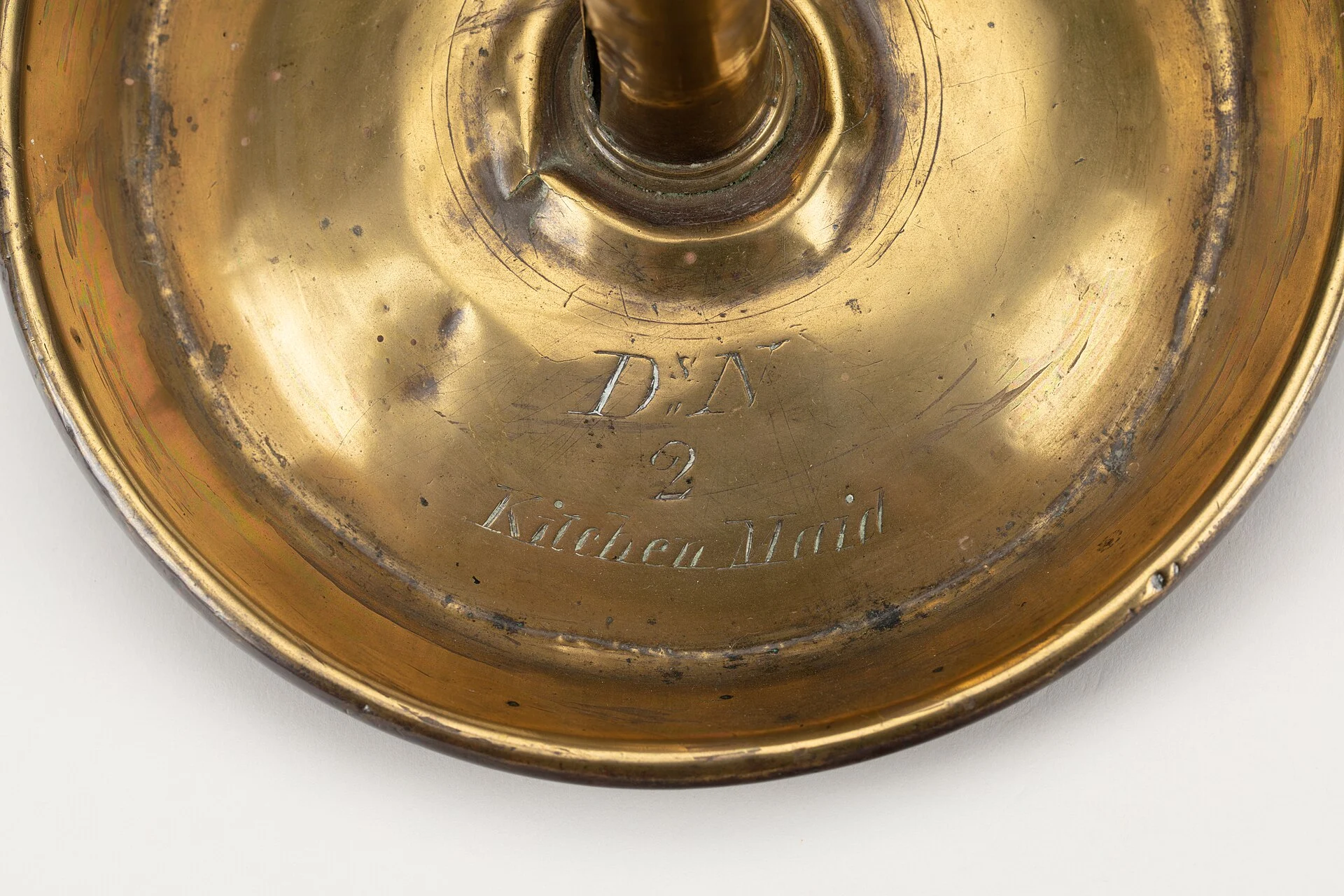
The CCI explains that sulphur-containing gases in the air darken copper alloys, producing a tarnish that it also calls patina, which is black. More serious corrosion is green or blue-green, and organic acids, including those in leather coatings, react with copper to form green spots. Bronze objects often look other than yellow because they have tarnished or been deliberately patinated. The word patina is used for several different surface layers on metals, including the protective rust layer of weathering steel.
CCI Notes 9/3 describes polishing as an abrasive process that takes off some surface metal along with the tarnish, so repeated polishing wears away surface detail. The CCI recommends polishing only when necessary, starting with the gentlest method, and wearing clean cotton gloves, because fingers transfer moisture, corrosive salts and oils to cleaned metal. A wax coating gives some protection against handling and the air and reduces how often polishing is needed, but it has to be removed with mineral spirits before further cleaning.
Lacquer is the stronger barrier. The CCI notes that it protects against handling and the environment, but always changes the appearance of an object, is hard to apply in a thin, even coat, and is hard to remove. For museum objects the CCI generally advises against lacquer, with exceptions such as pieces that were lacquered when made and have lost the coating. In buildings, lacquered brass is sealed from air and hands, while unlacquered brass is exposed to the gases that cause tarnish and needs polishing to keep its original colour.
IS BRASS ANTIMICROBIAL? UNLACQUERED BRASS AS A TOUCH SURFACE
Brass has also been registered in the United States as an antimicrobial surface. In March 2011 the US Environmental Protection Agency (EPA) accepted an amended registration, number 85341-2, for Revere Antimicrobial Brass, made by Revere Copper Products of Rome, New York. The product's label lists copper, at 73%, as the active ingredient. It states that laboratory testing has shown that, when cleaned regularly, the surface kills more than 99.9% of Gram-negative and Gram-positive bacteria within two hours of exposure. The organisms named on the label include MRSA and E. coli O157:H7.
The registration ties the antimicrobial claim directly to the finish. The label instructs users not to wax, paint, lacquer, varnish or otherwise coat the product. The EPA's letter also barred any claim that the brass would not tarnish where that conflicted with the required statement that normal tarnishing or wear will not impair its antibacterial effectiveness. The registered antimicrobial use therefore applies to bare, unlacquered brass that is allowed to tarnish with handling, not to the lacquered finish used to keep decorative brass bright.
BRASS PANELLING AT OPUS, MANDARIN ORIENTAL SHENZHEN

Opus is a restaurant at Mandarin Oriental Shenzhen, completed by Silverfox Studios in 2022. Brass appears in the room as panelling, alongside geometric metal and lattice screens, red leather banquettes, blue chairs and globe pendants. Panelling is the use of brass as flat sheet, the form that the water-driven rolls of the Bristol mills were introduced to produce, rather than the beaten hollow ware of Dinant and the Bristol battery mills. Its colour comes from the same combination of copper and zinc that the Romans valued as aurichalcum for its resemblance to gold.
The restaurant also has a chef's table counter with a stainless steel hood, glass wine cabinets and views over the city. The brass panelling sits in a room with other metals: the geometric metal screens in the dining area and the steel hood over the counter. Brass panelling in general is either sealed under lacquer to hold a polished colour or left bare, in which case sulphur-containing gases in the air gradually darken it to the black patina the CCI describes.
SOURCES
- Canadian Conservation Institute Basic care: Recognizing metals and their corrosion products
- Canadian Conservation Institute The Cleaning, Polishing and Protective Waxing of Brass and Copper (CCI Notes 9/3)
- Encyclopaedia Britannica Naval brass
- Periodico di Mineralogia Merkel, Calamine of the Bergamasque Alps as a possible source of zinc for Roman brass
- Scientific Reports Bursák et al., Archaeometric perspective on the emergence of brass north of the Alps around the turn of the Era
- Encyclopaedia Britannica Dinanderie
- The Metropolitan Museum of Art Plate, ca. 1480
- Saltford Brass Mill Project Bristol Copper and Brass
- Bristol Museums William Champion
- US Environmental Protection Agency Revere Antimicrobial Brass, EPA Reg. No. 85341-2, label amendment (2011)