FRIED FISH, DISPUTED CHIPS AND THE FIRST SHOPS OF THE 1860S

Fish and chips history in Britain rests on competing claims rather than settled facts. Fried fish is usually traced to Jewish cooks in London's East End, the fried potato chip to France, Belgium or the mill towns of the north of England, and the first shop to sell the two together to either Joseph Malin in London around 1860 or John Lees in Mossley, Lancashire, around 1863. Steam trawlers and the railways then brought cod and haddock to the industrial cities in quantity. By the early 20th century the chip shop had a national trade body, regional habits of frying in beef dripping or oil, and a practice of wrapping portions in old newspaper that survived as late as the 1980s.
WHERE DID THE FRIED FISH IN FISH AND CHIPS COME FROM?

According to Royal Museums Greenwich, fried fish was first introduced and sold by Jewish communities in London's East End. The museum traces the method to Western Sephardic Jews who settled in England in the 17th century and would have prepared fish in a way similar to pescado frito, fish coated in flour and fried. English cookery books record the association in print. The appendix to the sixth edition of Hannah Glasse's The Art of Cookery, Made Plain and Easy, published in 1758, includes a recipe for preserving salmon and other fish "the Jews' way": floured, fried in oil and preserved in vinegar. Alexis Soyer's A Shilling Cookery Book for the People of 1855 gave two recipes for fish fried in the "Jewish fashion", one battered in flour and water and one dipped in flour and egg, both cooked in oil.
The Jewish dish was generally eaten cold. Israel Zangwill praised cold fried fish, a dish of the Sabbath table, in his 1892 novel Children of the Ghetto, and The Jewish Manual of 1846, the first Jewish cookbook in English, written by Judith, Lady Montefiore, includes a recipe for fish in oil that is best eaten cold. An article in the Forward, the American Jewish newspaper, argues that the popular account of fish and chips as a Jewish invention joins two separate traditions. It points out that a Roman cookbook attributed to Apicius already gives a short recipe for frying floured fish in oil and preserving it in vinegar, and that the British chip shop version is different: the fish is battered, may be fried in beef tallow, lard or oil, and is served hot.
WHO INVENTED CHIPS? FRANCE, BELGIUM AND THE NORTH OF ENGLAND
The potato reached the British Isles in the 16th century, and the origin of the fried potato chip remains disputed. Royal Museums Greenwich notes an ongoing argument between France and Belgium over where fries were invented. The Belgian case often rests on a story told by the late Belgian journalist Jo Gérard, who said he owned a family manuscript from 1781 describing people living by the river Meuse who fried potatoes cut into the shape of fish when the river froze. Country Life, which repeats the story, considers Belgium the likely birthplace of the chip, while acknowledging that France also claims it.
In England, the earliest known recipe for something close to the modern chip appears in William Kitchiner's cookbook The Cook's Oracle, first published in 1817. Charles Dickens described fried potato chips in A Tale of Two Cities in 1859, which Country Life takes as evidence that they were popular in Paris by then. Twenty years earlier, in Oliver Twist of 1839, Dickens had mentioned a "fried fish warehouse" in London. The heritage publisher Historic UK records that chips became a cheap staple of the industrial north while fried fish was introduced in London's East End, and that this is why Lancashire and London both claim to have invented fish and chips.
WHO OPENED THE FIRST FISH AND CHIP SHOP?
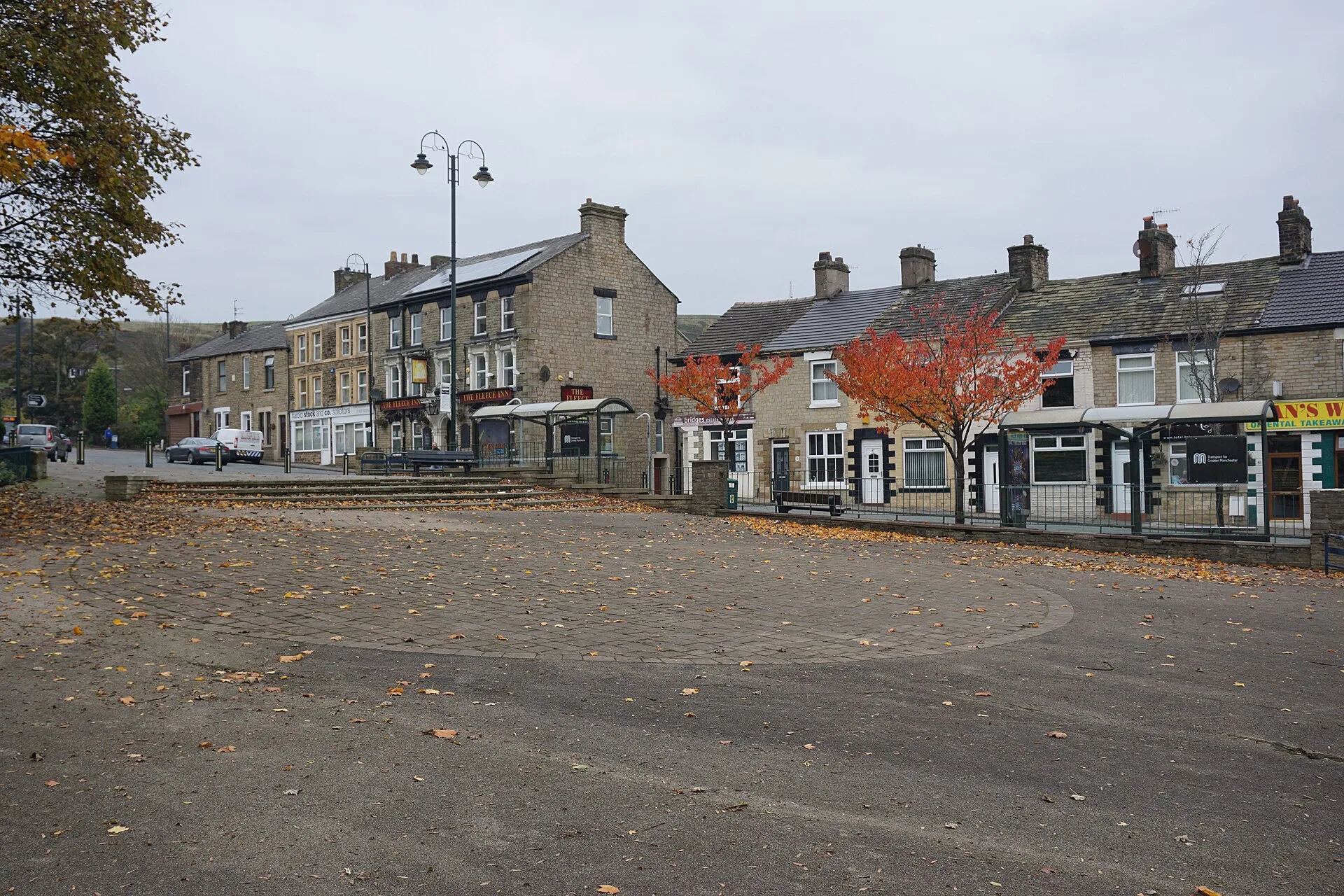
Two shops compete for the title, and the Royal Museums Greenwich timeline gives both dates with a question mark. In London, Joseph Malin is said to have opened the first fish and chip shop in 1860, selling "fish fried in the Jewish fashion". Country Life gives a fuller version of the story. Malin, aged 13 and from a family of rug weavers, began selling fried chips from the family house in Bow, in east London, around 1860 to add to the household income. He bought fish from a local fried fish shop and sold the two together from a tray hung around his neck as he walked the streets, and later opened a fish and chip shop on Cleveland Way.
The northern claim belongs to John Lees, who is believed to have sold fish and chips from a wooden hut at the market in Mossley, near Oldham in Lancashire, from 1863. Historic UK records that he later moved into a permanent shop across the road. Country Life names that business Lee's Chip Potato Restaurant and notes that it claimed to be the oldest in the world. Historic UK describes the early fish and chip shops as small family businesses, often run from the front room of a house, and says they were common by the late 19th century, when the trade grew to feed Britain's growing industrial population.
FISH AND CHIPS HISTORY: STEAM TRAWLERS AND THE RAILWAYS
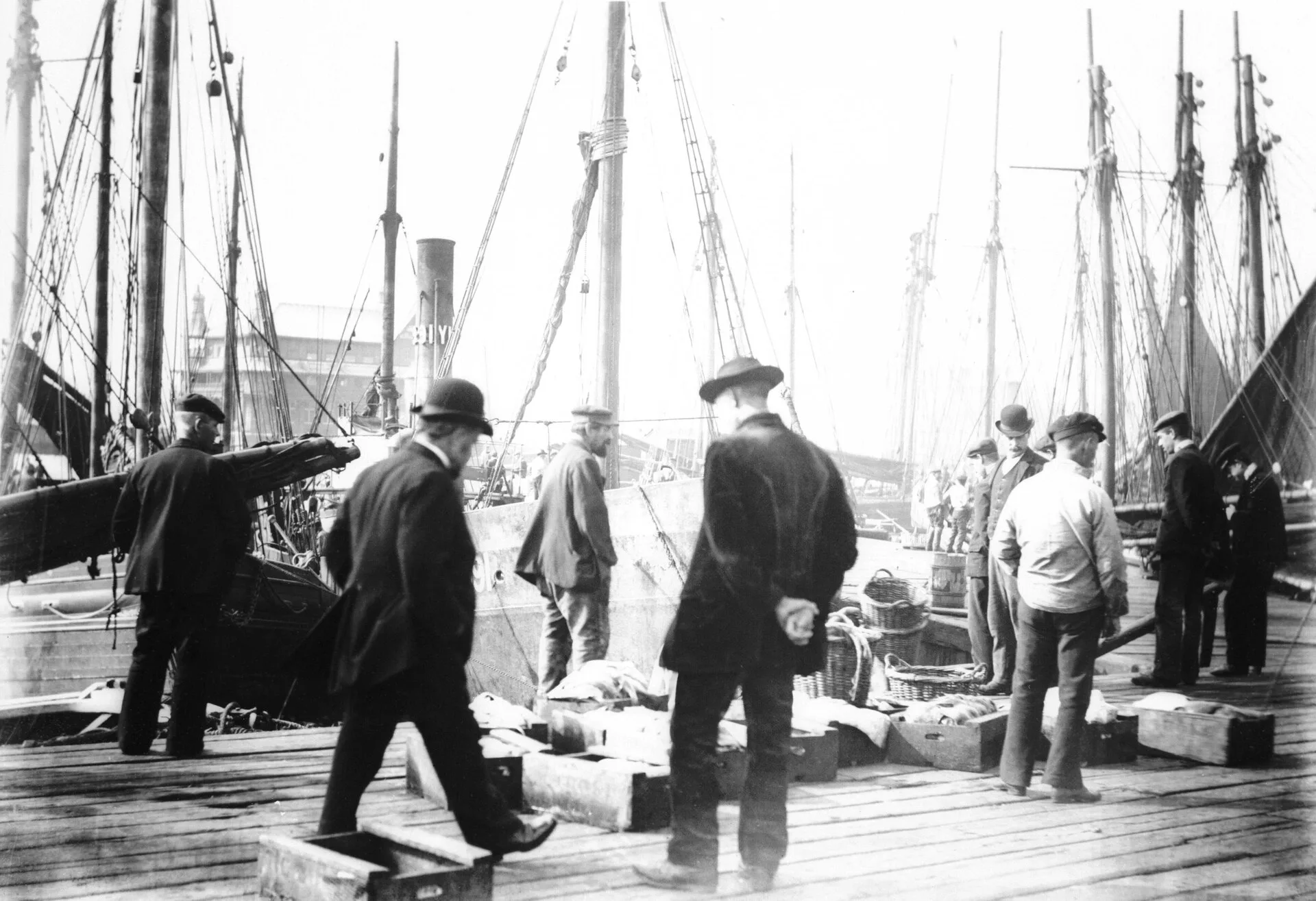
The fish supply changed with steam. In March 1875 David Allan of Leith converted a drifter to steam power, and in 1877 he built the first screw propelled steam trawler in the world, according to Royal Museums Greenwich. Country Life notes that steam powered trawling greatly increased catches of cod and haddock and allowed boats to fish further from port. Historic UK adds that steam trawlers went on to bring fish from the North Atlantic, Iceland and Greenland to British ports.
The railways distributed the catch inland. Steam trains carried fresh fish from ports such as Whitby and Grimsby to the industrial cities of Manchester, Leeds, Sheffield and Nottingham, according to Country Life. Demand at the counter could be heavy: Historic UK records that in 1931 a fish and chip shop in Bradford needed a doorman to manage its queue at busy times. The trade also features in the early life of Alfred Hitchcock. Royal Museums Greenwich notes that the film director, born in 1899, lived as a boy above a fish and chip shop in London that was the family business.
BEEF DRIPPING OR OIL: HOW WERE FISH AND CHIPS FRIED?
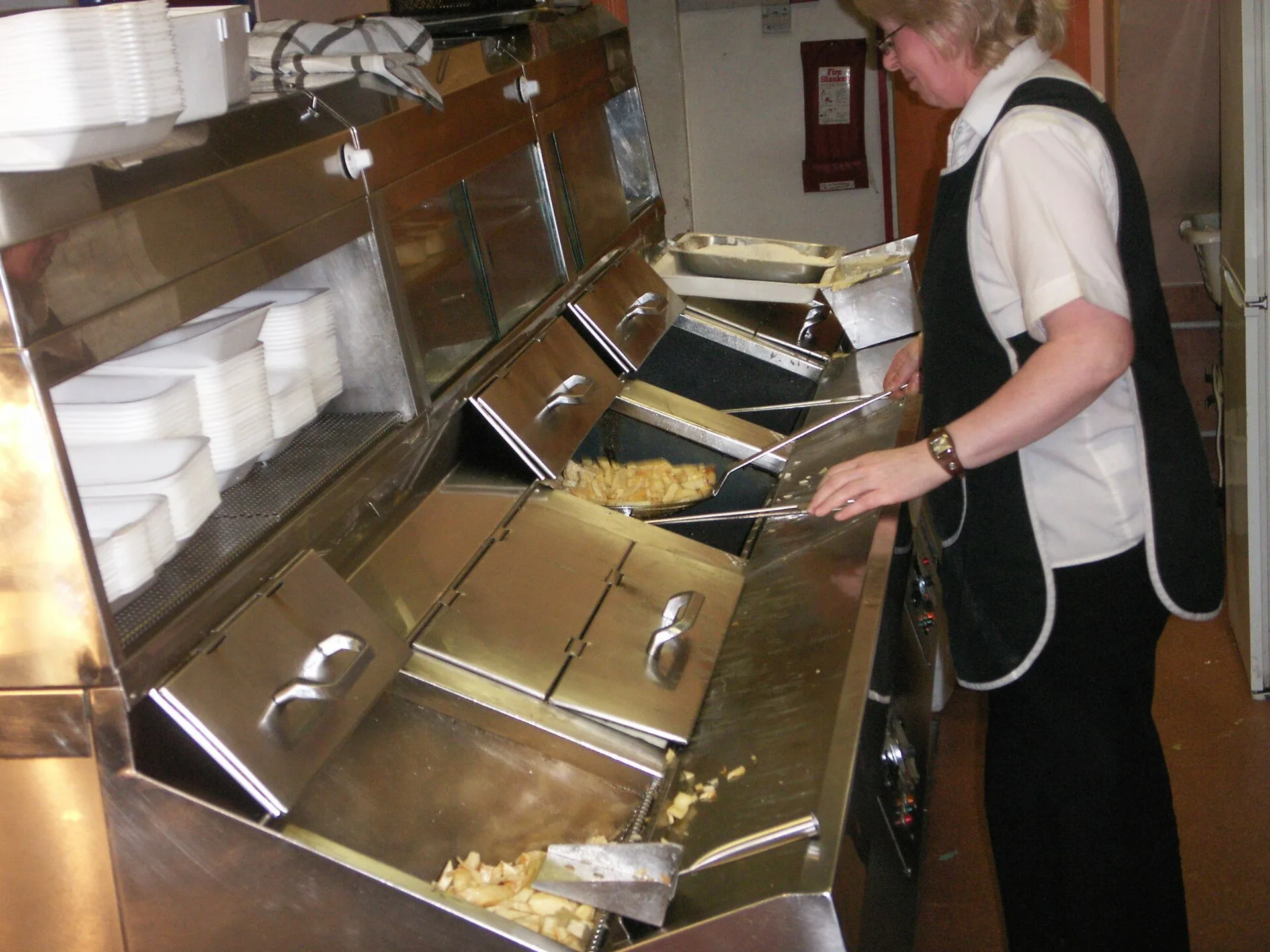
The choice of frying fat has never been uniform. Soyer's 1855 recipes for fish in the Jewish fashion were cooked in oil, while the Forward describes the British chip shop fish as fried in beef tallow, lard or oil, and notes regional differences in type of fish, batter, cooking fat and condiments. Beef dripping is the fat used in the historic shops recreated at two English museums. At Beamish, Davy's Fish & Chip Shop stands in the museum's 1900s Pit Village, where the museum states that its fish and chips are cooked on a coal fired range and in beef dripping, and that there are no vegetarian options at Davy's.
At the Black Country Living Museum, Hobbs & Sons is set out as it might have looked in 1935, on the museum's 1930s high street. The original shop was a fixture of Dudley town centre until it closed in 2006. It was then rebuilt brick by brick at the museum, where it opened to the public in 2009 with its interior recreated down to the tables, chairs and pictures, and its fish and chips cooked in beef dripping, according to the Express & Star. Outside museums, Country Life notes that Stein's in Padstow is among its recommended places for fish fried in beef dripping.
THE NATIONAL FEDERATION OF FISH FRIERS AND NEWSPAPER WRAPPING
The trade formed a national body on 11 November 1913, when delegates from 17 local fish frying organisations met at the Albion Hotel in Manchester. The meeting was called by the Manchester, Salford and District Fish Friers Association, and its result was the National Federation of Fish Friers. According to the federation's own history, its first secretary was William Loftas and annual membership cost one shilling. Membership peaked at 10,914 in 1947. The federation introduced the first recognised fish frying qualifications, with City and Guilds, in 1993, and marked its centenary in 2013. Its website puts the number of fish and chip businesses across the UK at 10,500.
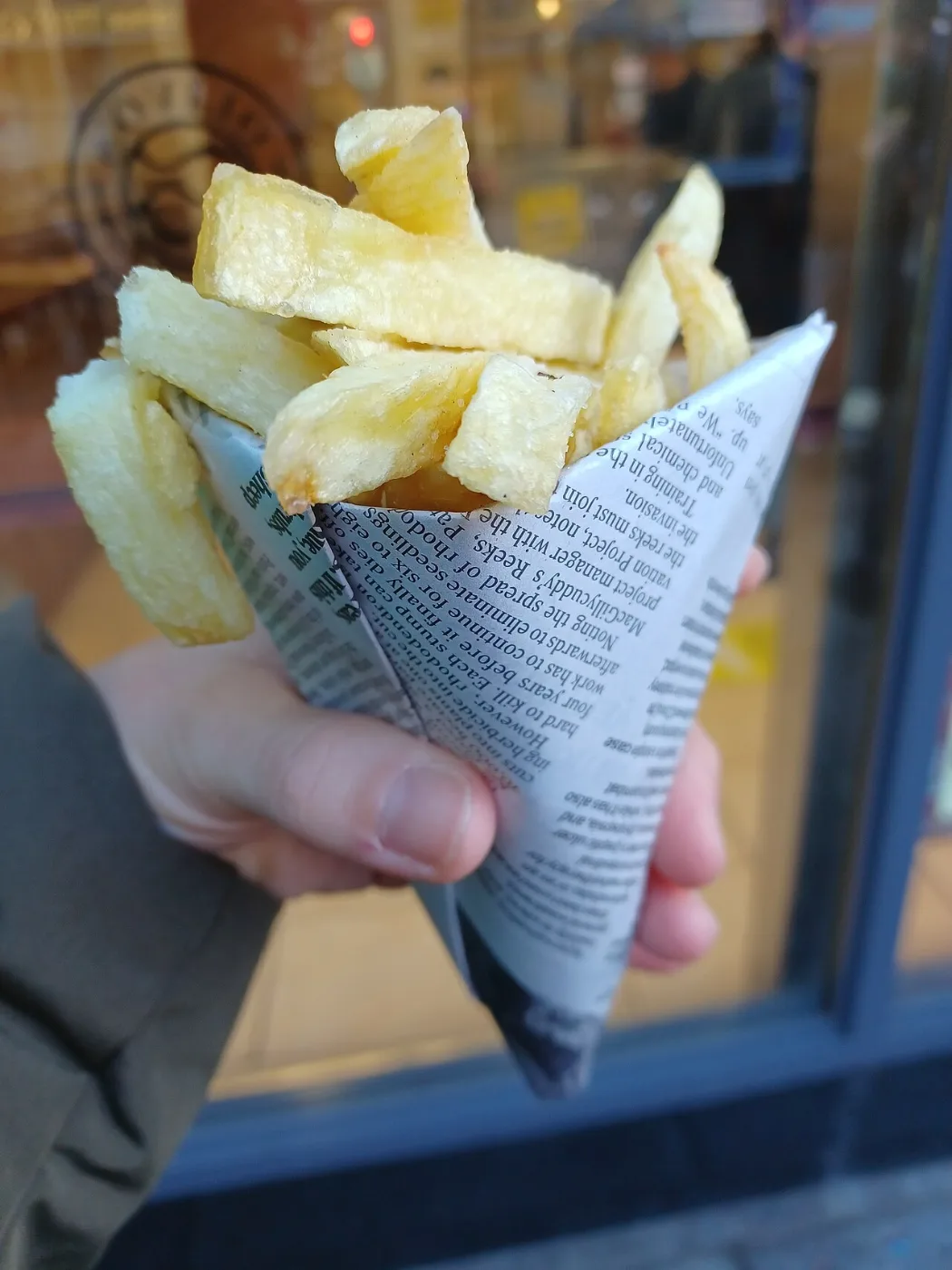
Before greaseproof paper became the rule, many shops wrapped portions in old newspaper. Royal Museums Greenwich records that this was done to keep prices down, and that the practice survived as late as the 1980s, when it was ruled unsafe for food to come into contact with newsprint without greaseproof paper in between. The museum also notes that burgers, fried chicken, pizza and Indian and Chinese food now compete with fried fish, but that the dish remains highly popular, especially at the seaside.
FISH AND CHIPS HISTORY AND GORDON RAMSAY PUB & BAR

Gordon Ramsay Pub & Bar at The Londoner Macao was completed in 2023. Its design takes as its cue the London Bridge to Greenwich railway viaduct of the 1830s, built for the London and Greenwich Railway on 878 brick arches. Many of those arches are now shops, restaurants, bars and pubs. The viaduct predates by some 40 years David Allan's conversion of a drifter to steam power at Leith in 1875, and by about 30 years the shops credited to Joseph Malin in 1860 and John Lees in 1863.
In the interior, steel, timber, metal and cast iron are layered into brickwork and vaults. The dining room sits under arched brick vaults with scalloped ceilings, and dark green enamel cast iron columns stand among Victorian pub cabinetry, panelling and mouldings. The Victorian period of those details is the same period in which Dickens wrote of a London "fried fish warehouse" in 1839, Soyer published his recipes for fish fried in the Jewish fashion in 1855, and Dickens described fried potato chips in A Tale of Two Cities in 1859.
SOURCES
- Royal Museums Greenwich The history of fish and chips: a timeline
- The Forward No, British fish and chips is not a Jewish invention
- Country Life In praise of Fish and Chips, the ultimate British dish, and our pick of places to try it
- Historic UK The History of Fish and Chips: National Dish of Britain
- National Federation of Fish Friers About us
- National Federation of Fish Friers Frequently asked questions
- Beamish, The Living Museum of the North Food and drink
- Express & Star Landmark former chip shop rebuilt at museum is a nod to the culinary past of the Black Country