DAMASK ROSES, MOUNTAIN TERRACES AND OVEN DISTILLATION IN OMAN
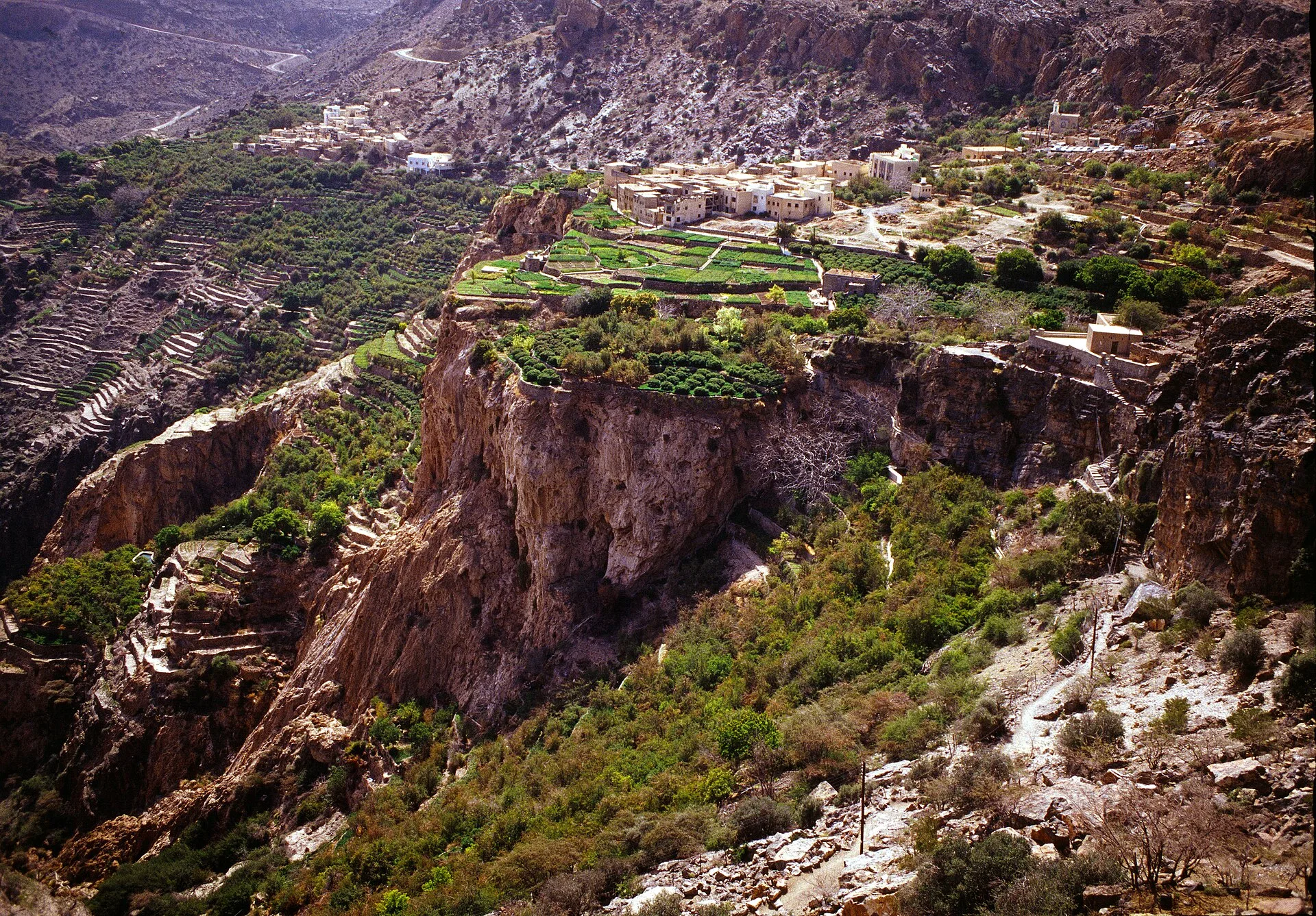
Jebel Akhdar rose water is distilled each spring from Damask roses grown on terraced farms in the villages of Al Jabal Al Akhdar, in Oman's Al Hajar Mountains. Times of Oman lists rose farms in Al Ayn, Al Aqar, Saiq and Al Shuraiga, at an altitude of nearly 2,700 metres above sea level, and gives the harvest season as mid-March to mid-May. Pickers gather the blooms in the early morning and take them to small distillation plants, where the petals are steamed over fire in mud ovens known locally as Al Dehjan. The traditional method produces a smoky brown rose water, sold at farm factories alongside rose-infused products. The terraces are watered from natural springs and falaj channels, an irrigation method of which UNESCO counts some 3,000 systems still in use in Oman.
WHAT IS JEBEL AKHDAR ROSE WATER?

Jebel Akhdar rose water is a distillate of the petals of the Damask rose, Rosa damascena. Times of Oman reports that the plant is known locally as Ward Al Jabal, while The National records the name Al Muhammadi rose for the pink, fragrant flower grown in the mountain villages. A 2019 Oman Observer report identifies the local form as Rosa x damascena trigintipetala and gives its blooming period across the Jabal Akhdar range as March to May. Britannica names the damask rose among the sources of attar of roses, the fragrant oil used in perfumes, and describes damask rose petals being placed in a still so that their volatile oils can be extracted, a process it calls costly.
The Omani name has a close parallel in Persian. The Encyclopaedia Iranica entry on the rose, gol, records that the Damask rose is called gol-e mohammadi in Iran, where it is widely cultivated in places such as Qamsar in Kashan province to make golab, rose water, and for that reason is also called gol-e golab. The difference in yield between the two products is large. Times of Oman reports that up to thousands of petals are needed to create a single drop of rose oil, which is used as a fragrance and in cosmetics. Rose water, by contrast, is measured in litres: the same paper reports that about two kilograms of harvested roses yield three quarters of a litre of traditional rose water.
WHERE ARE THE ROSE VILLAGES OF JEBEL AKHDAR?

The rose villages sit on the high slopes of Al Jabal Al Akhdar. Times of Oman names Al Ayn, Al Aqar, Saiq and Al Shuraiga as the locations of the rose farms. The National, in a 2022 photo report by Tara Atkinson, lists the same villages with the spellings Al Aqer and Al Shuraijah, and notes that the Alila Jabal Akhdar hotel sits behind the old village of Al Aqer. A 2024 Oman Observer feature places the rose villages between 2,000 and 3,000 metres above sea level. At that altitude the terraced farms grow a range of crops: Times of Oman lists apricots, pomegranates, olives, walnuts and roses, with pomegranates ready for picking in November and December, months after the rose season has ended.
Published counts of rose plants vary by source and by year. Times of Oman reports nearly 14,000 plants in 2024, quoting Qais Al Amri, a rose farmer and distiller with a few farms across the mountain, as the owner of nearly 1,200 of them. The 2019 Oman Observer report counted more than 7,000 plants spread across some 90 farms, the 2024 Oman Observer feature gives approximately 5,000 rose bushes, and The National reported about 4,000. Several of the growers named in these reports run their own distilling operations: The National describes Nasser, an 80-year-old villager in Al Ayn, as having his own rose garden and factory.
HOW DOES FALAJ IRRIGATION WATER THE ROSE TERRACES?

The three news reports describe the same water source for the rose terraces. Times of Oman says the farms are watered by natural springs and the aflaj irrigation system, The National describes traditional channels called falaj carrying water from natural sources, and the 2024 Oman Observer feature refers to the ancient falaj system that channels water from natural springs. In 2006 UNESCO inscribed the Aflaj Irrigation Systems of Oman on the World Heritage List. The property consists of five systems, Falaj Al Jeela, Falaj Muyasser, Falaj Daris, Falaj Malki and Falaj Khatmein, representative of some 3,000 such systems still in use in the country. UNESCO notes that the origins of the system may date back to AD 500, while archaeological evidence suggests that irrigation existed in the area as early as 2500 BC.
According to UNESCO, a falaj uses gravity to channel water from underground sources or springs, sometimes over many kilometres. Aqueducts and siphons carry the water across wadi beds, and channels are carved into mountainsides. UNESCO divides the systems into three hydrological types named after their water source: aini, daoudi and ghaili. The water is shared among the community by time, and each farm receives its allocation when it falls due through a system of sluices, with the time share monitored at the community's sundial. A proportion of water and land is permanently set aside for the falaj itself to pay for its upkeep. In the inscribed villages date palms continue to dominate the agricultural land; on Jebel Akhdar the same method supplies terraces of roses and fruit trees.
WHEN IS THE JEBEL AKHDAR ROSE HARVEST?
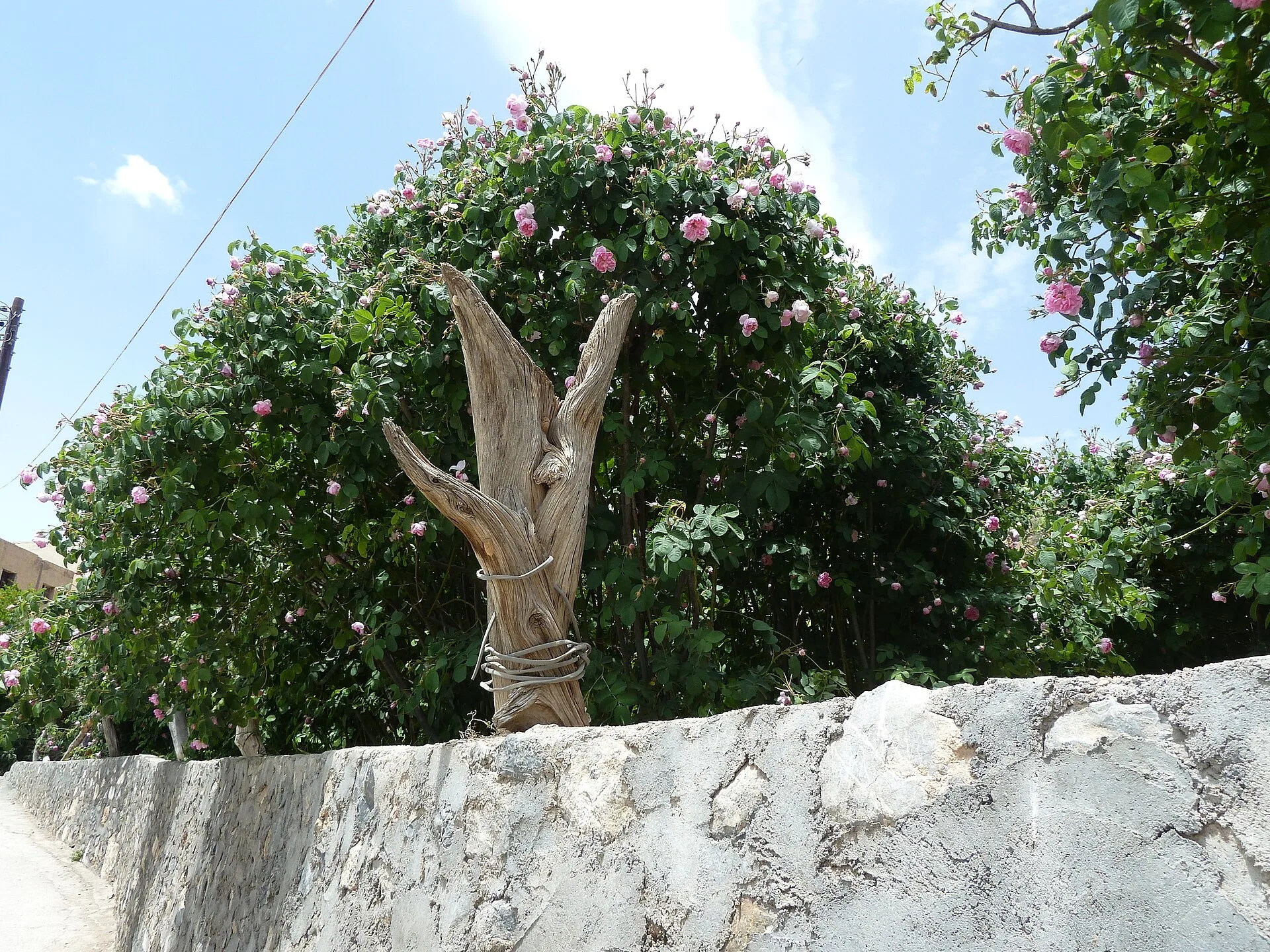
The Jebel Akhdar rose harvest takes place in spring, though sources give slightly different windows. Times of Oman gives mid-March to mid-May, The National March and April, and the 2024 Oman Observer feature March to May. The 2019 Oman Observer report states that the roses are picked at dawn, while the blossoms still carry dew, and Times of Oman also describes picking as an early morning task. The flowering season draws visitors: the 2024 Oman Observer feature reports that thousands of tourists come to Jabal Akhdar every year between March and May. Bait al Sarh, an ancestral home that Al Laith al Tobi helps run, has been turned into a traditional rose water facility and living museum, where tours include picking roses and a look at the distillation process.
The National describes the picking technique in detail. The picker holds the bloom at its base and cuts the stalk cleanly with a thumbnail, which keeps the petals intact for distillation. The roses are gathered into a cloth or scarf that is often carried on the head, and one load photographed for the report weighed about 11 kilograms. The report features Bilal Hussain, a picker from Bangladesh, and Abdullah Salim Al-Thani, 60, originally from Al Shuraigah, who has worked in the rose factory with his father since childhood. The 2019 Oman Observer report adds that the harvested flowers are scattered on mats or cotton cloths so that they retain their freshness.
HOW IS JEBEL AKHDAR ROSE WATER DISTILLED?
The 2019 Oman Observer report, by Sarnga Dharan Nambiar, describes the traditional process. The flowers are distilled in clay ovens called Al Duhjan, the term Times of Oman spells Al Dehjan and describes as mud ovens. The petals are gently simmered for at least four hours in vessels called Al Burmah, which are covered with copper vessels. The water from the steamed petals is collected in copper vessels and then moved into large pots called Al Karas, where it rests for at least one month before bottling. The report cites Lonely Planet, which says the petals are steamed over a fire rather than boiled, and records mountain elders saying that the real skill lies in the picking.
Times of Oman describes the method at Qais Al Amri's distillation plant in 2024. A gas-fuelled ground fire steams the rose petals, and cold water is added into round dish tops above them, so that the condensation drips down an inverted cone into a steel bowl. The paper calls it a simple, gradual distillation technique that creates smoky brown rose water. The yield figures agree across sources: Times of Oman gives three quarters of a litre of traditional rose water from about two kilograms of harvest, and the 2019 Oman Observer report gives as much as 2 kilograms of petals for one 750 ml bottle. Times of Oman estimated the rose water produced on the mountain at 30,000 litres during the season.
Modern equipment now operates beside the traditional ovens. The National explains that Abdullah Salim Al-Thani's traditional system heats a bowl over a central gas fire to produce smoky rose water, while clear rose water comes from a similar technique using a modern distillation process that removes impurities. The 2019 Oman Observer report records a modern distillation plant at Shujeirah in Al Jabal Al Akhdar set up by the Public Authority for Craft Industries. The 2024 Oman Observer feature describes a traditional workshop in the home of one of the oldest rose growers on the mountain and a contemporary rose water and rose essence facility run by the perfume house Amouage.
WHAT IS ROSE WATER USED FOR IN OMAN?
The 2019 Oman Observer report states that Omani meals and a host of sweets and desserts, including halwa, are not considered complete without rose water. The same report lists its traditional uses in Omani foods and cosmetics, and calls it indispensable at community functions. The National lists fragrances and flavouring among the uses of the Al Muhammadi rose. In the villages, rose water and rose products are also a source of income from visitors. The 2024 Oman Observer feature reports that Al Laith al Tobi's family offers a range of rose-based products and traditional handicrafts, and quotes him saying that everyone is benefiting from the rose harvest season. Times of Oman describes the small factory where Qais Al Amri sells rose water along with rose-infused products.
Rose essence also goes into perfumery. The 2024 Oman Observer feature, by Yeru Ebuen, describes a 2022 trip to the mountain arranged by Amouage, on which the company's chief creative officer Renaud Salmon guided the group and master perfumer Pierre Nigrin joined the discussions. The feature quotes Salmon saying that rose essence is one of the main ingredients the house uses in its perfumes. Times of Oman reports that rose oil is used as a fragrance and in cosmetics. The National records that Marwan Al Suqri, a tour guide in Al Ayn, also works as a tour guide for a perfume company in his spare time.
MANDARIN ORIENTAL, MUSCAT

The rose terraces of Jebel Akhdar lie in Oman's Al Hajar Mountains, where Times of Oman gave the 2024 harvest season as mid-March to mid-May and estimated the season's rose water output at 30,000 litres, distilled from roses picked in the early morning. A few weeks after that season closed, on 3 June 2024, Mandarin Oriental, Muscat opened in Shatti Al-Qurum in the capital. Silverfox Studios designed the interiors of the hotel's food and beverage outlets Rawya, The Pool Bar, Essenza, Essenza Bar and The Mandarin Cake Shop.
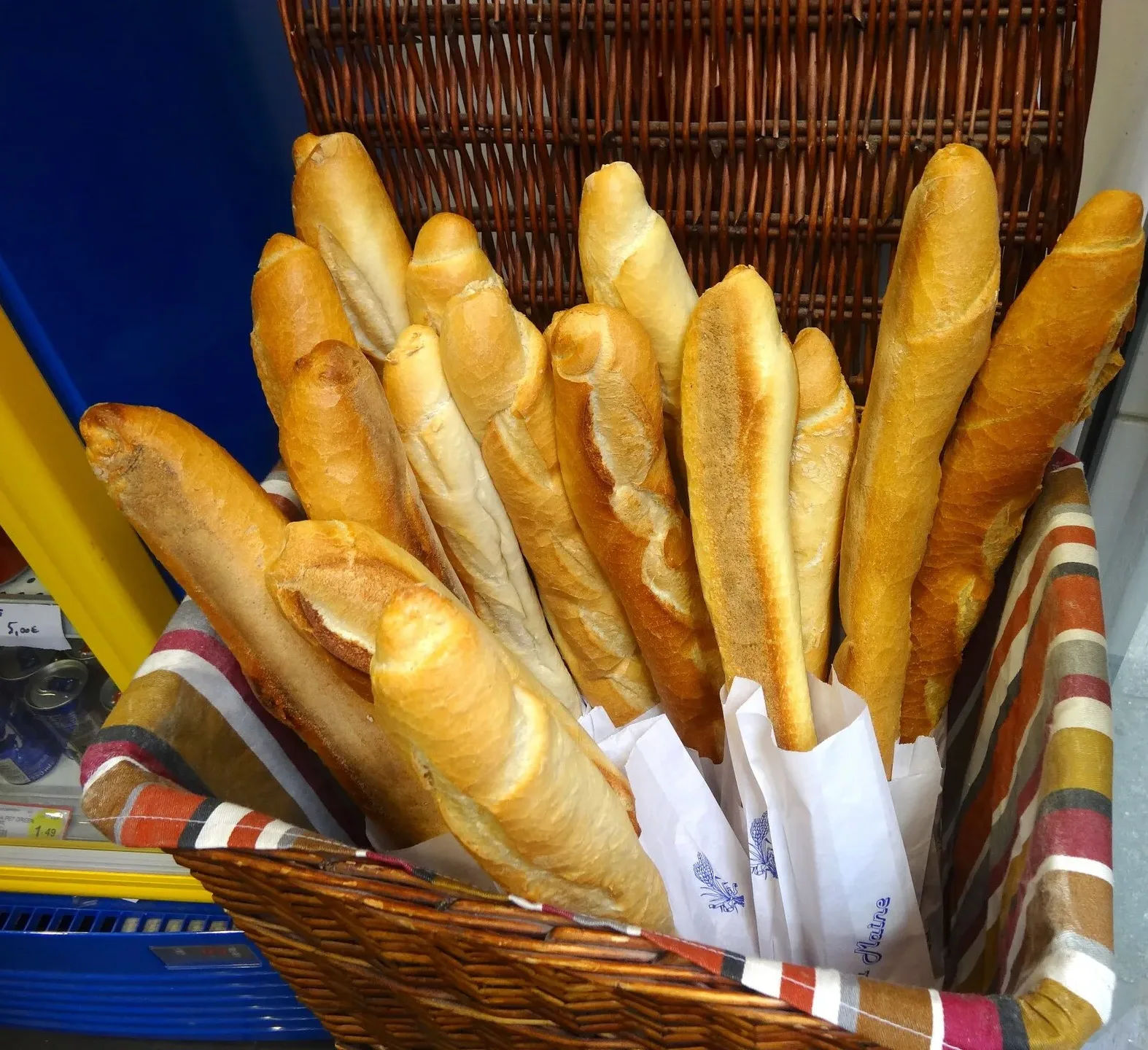
Rawya is an elegant European café with subtle Eastern accents. It serves from breakfast to dinner, and its zones change through the day, with a juice bar and bakery at the entrance. The Mandarin Cake Shop has carved lattice screens and a pastry counter. In the mountain villages, the 2019 Oman Observer report counts halwa among the Omani sweets and desserts considered incomplete without rose water, and The National lists flavouring among the uses of the Al Muhammadi rose. At the hotel, Rawya has its bakery at the entrance, and The Mandarin Cake Shop is set around carved lattice screens and its pastry counter.
SOURCES
- Times of Oman A pink carpet of roses welcomes visitors at Al Jabal Al Akhdar
- The National Rose water harvesting in Oman: in pictures
- Oman Observer A rosy tradition
- Oman Observer The Correspondent: the economic impact of Oman's rose season
- UNESCO World Heritage Centre Aflaj Irrigation Systems of Oman
- Britannica Damask rose
- Encyclopaedia Iranica Gol