FROM AN ARMENIAN'S 1685 LICENCE TO AUSTRIA'S HERITAGE INVENTORY
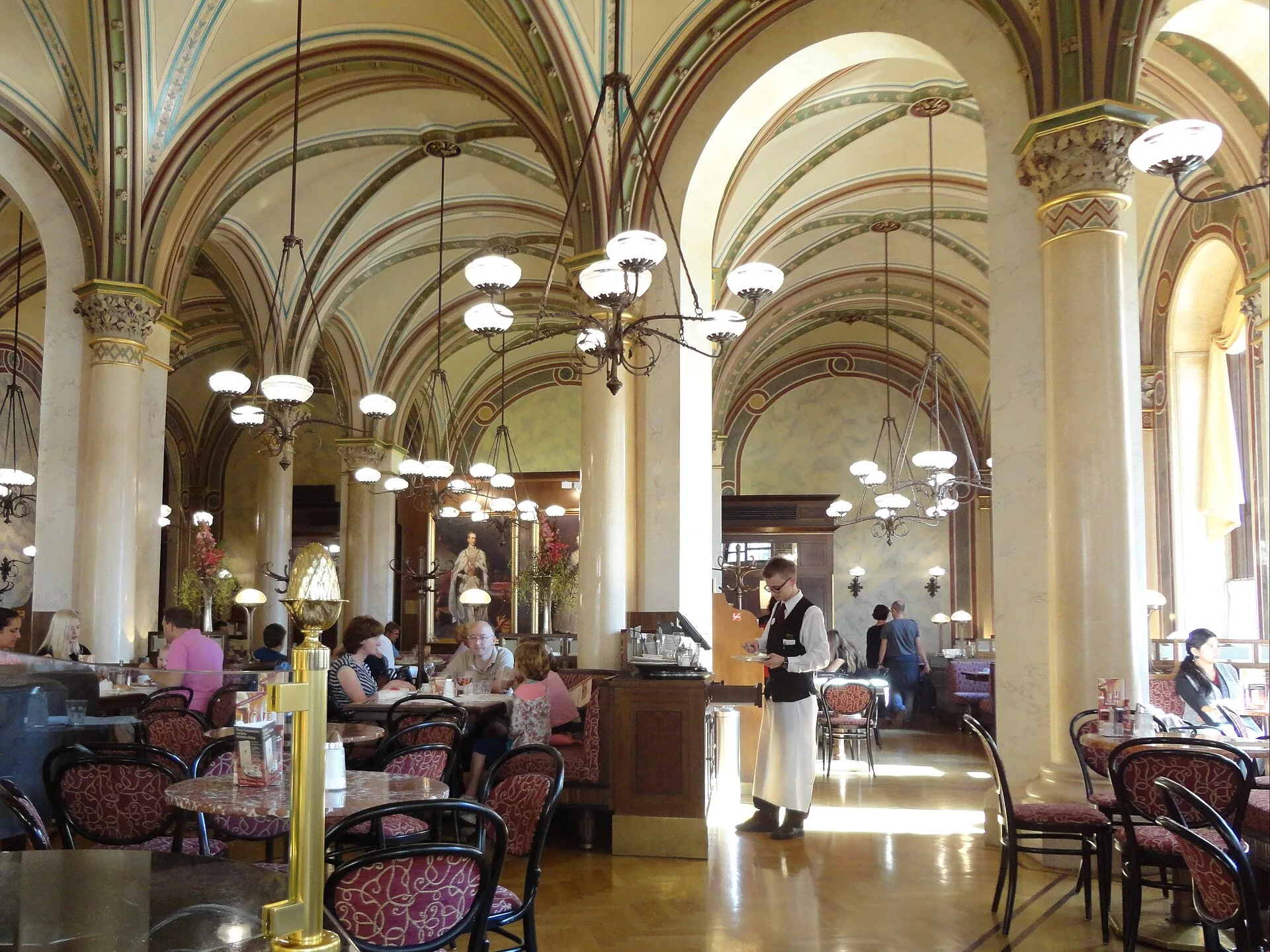
Viennese coffee house culture is the set of customs built around the city's traditional cafés: coffee served on a marble table with a glass of water, Thonet chairs, booths, newspapers and the freedom to stay for hours. Vienna's first privilege for selling coffee to the public was granted in 1685, and by 1819 the city counted 150 coffee houses. In 2011 Viennese coffee house culture was added to Austria's national inventory of intangible cultural heritage, kept by the Austrian UNESCO Commission, which records it as a social practice in Vienna. The entry describes the coffee house as a place where guests consume time and space, although only the coffee appears on the bill.
WHERE DID VIENNESE COFFEE HOUSE CULTURE BEGIN?
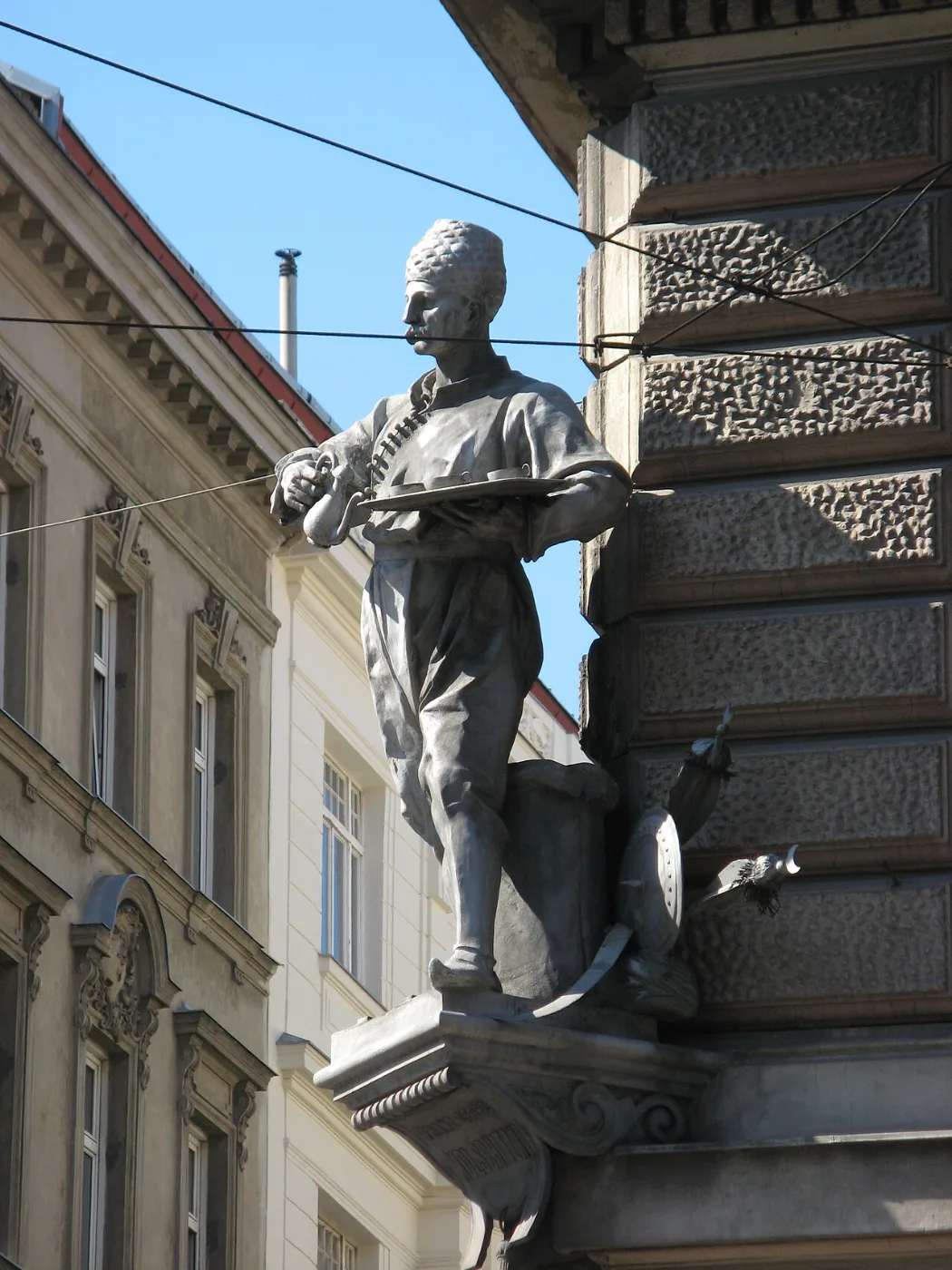
According to the City of Vienna, Venice opened Europe's first coffee house in 1647, and England's first followed in 1650 and 1652. In Vienna, the first privilege for the public sale of coffee was granted on 17 January 1685 to Johannes Diodato, also recorded as Deodat, an Armenian in the service of the imperial court. The Austrian UNESCO Commission notes that the court had entrusted him with preparing coffee. He served it in his own home, the Hachenbergisches Haus on the Haarmarkt, a building that today forms part of Rotenturmstrasse 14.
A better-known story names a different founder. Popular tradition credits Georg Franz Kolschitzky, who lived from 1640 to 1694, with obtaining the first licence to serve coffee in Vienna. The Wien Geschichte Wiki, the City of Vienna's history encyclopedia, calls this a legend and cites the historian Karl Teply, whose research disproved it. The story is still commemorated: a street in the 4th district carries Kolschitzky's name, a statue of him stands at the corner of Favoritenstrasse and Kolschitzkygasse, and the coat of arms drawn for the coffee house keepers' guild in 1904 shows him holding a pot and cups.
HOW DID VIENNA'S COFFEE HOUSES SPREAD IN THE 18TH AND 19TH CENTURIES?
Diodato's privilege was soon followed by others. Emperor Leopold I granted four coffee-serving privileges between 1697 and 1700, and by 1714 the city had eleven licensed coffee house keepers, known as Kaffeesieder. That year Emperor Charles VI gave them a protective charter, which Maria Theresa confirmed in 1751. The number of houses then rose steadily: 37 in 1737, 64 in 1784, 150 in 1819 and about 200 by 1873. A smaller category of business, the Kaffeeschenker, mostly served substitute coffee and generally could not offer real bean coffee or billiards.
In the 18th century a seated cashier and a billiard table became the norm. In 1720 Kramer's coffee house on the Graben became the first to put out newspapers for its guests, and Café Bellevue began holding concerts in 1788. Between 1803 and 1813 import duties made coffee beans almost unaffordable, and coffee houses were allowed to serve wine and warm meals, which the City of Vienna links to the development of the café restaurant. The city also records that Viennese-style coffee houses opened in Prague, Zagreb, Verona, Trieste and Venice.
Women were at first excluded as guests. The City of Vienna and the Austrian UNESCO Commission date their admission to 1856, and before that, according to the city, the only women working in a coffee house were the cashiers. From the 1870s, the Wien Geschichte Wiki records, family cafés with ladies' salons and winter gardens set out to attract female customers, many of whom preferred the café of a Konditorei, or pastry shop. The grander houses had large rooms, red velvet seating and chandeliers.
HOW DOES A TRADITIONAL VIENNESE COFFEE HOUSE WORK?
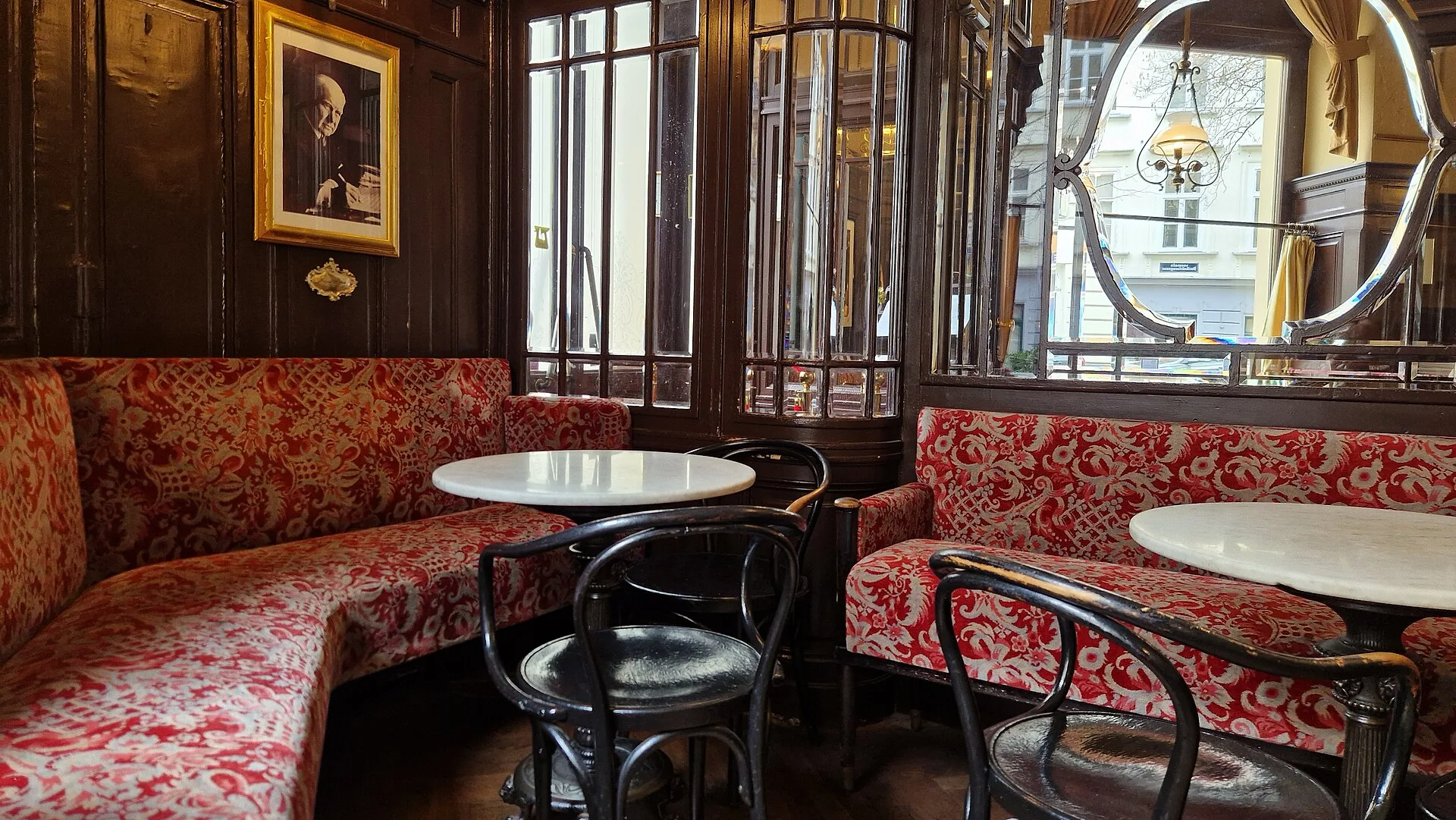
The Austrian UNESCO Commission's inventory entry defines the Viennese coffee house by its atmosphere and furnishings: marble tables on which the coffee is served, Thonet chairs, booths known as Logen, newspaper tables and historicist interior details. The City of Vienna explains the habit of staying for hours by housing. Because many Viennese lived in small, crowded flats, they treated the coffee house as an extended living room or a second home. Bertolt Brecht, quoted by the Vienna Tourist Board, described Vienna as a city built around a few coffee houses, where people sit together and read the papers.
Each coffee arrives with a glass of water, a custom the City of Vienna traces to the earliest coffee houses. According to the Vienna Tourist Board, the glass first served as a place to rest the spoon after stirring, and later as a way of showing off the city's water after 1873, when the First Vienna Mountain Spring Pipeline came into service. Newspapers also became a fixed part of the service after 1720. The Wien Geschichte Wiki notes that this mattered especially before 1914, when foreign papers could not be freely bought, and that coffee houses also kept directories, timetables and encyclopedias for their guests.
THE THONET NO. 14: HOW BENTWOOD BECAME THE COFFEE HOUSE CHAIR
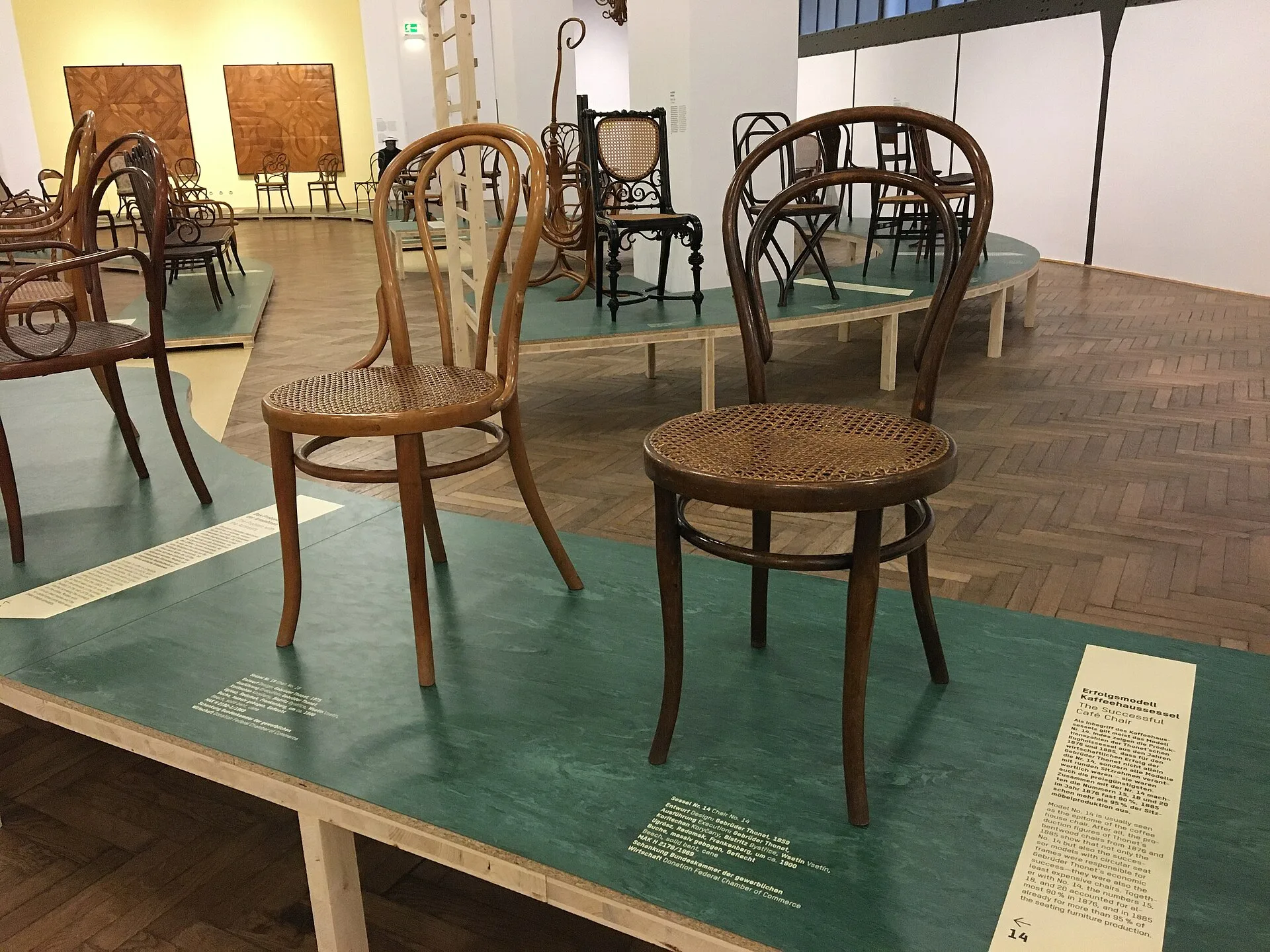
The chair found in most Viennese coffee houses descends from the work of Michael Thonet, a cabinetmaker and joiner who opened his first workshop in Boppard on the Rhine in 1819. According to the company's own history, he later moved to Vienna, founded a business there in 1849 and renamed it Gebrüder Thonet, or Thonet Brothers, in 1853. Thonet credits the coffee house culture of the mid-19th century with its founder's first successes: a commission to furnish Café Daum in Vienna with chair No. 4 made Thonet furniture known across the city from 1850.
The international breakthrough came in 1859 with chair No. 14, which the company calls the Vienna Coffee House Chair. It was made by bending solid beech, a method Thonet describes as allowing the almost industrial production of a chair. The design was modular: its components were made through a division of labour and combined as needed, and the chair was delivered taken apart into its individual parts to save space. The Vienna Tourist Board calls No. 14 the quintessential coffee house chair. It is still produced today as No. 214.
MELANGE, EINSPÄNNER AND SACHERTORTE: WHAT TO ORDER IN A VIENNESE CAFÉ
Viennese coffee houses offer more than 40 types of coffee, according to the Vienna Tourist Board. The best known is the Melange, which the board defines as espresso or mocha slightly diluted with hot water, combined with warm milk and topped with milk foam. The Einspänner is a mocha, or double espresso, served in a glass under whipped cream; its name comes from the coffee of the horse-drawn carriage driver, which the cream kept warm. The Verlängerter, or lengthened coffee, is espresso extended with hot water and served with or without milk.
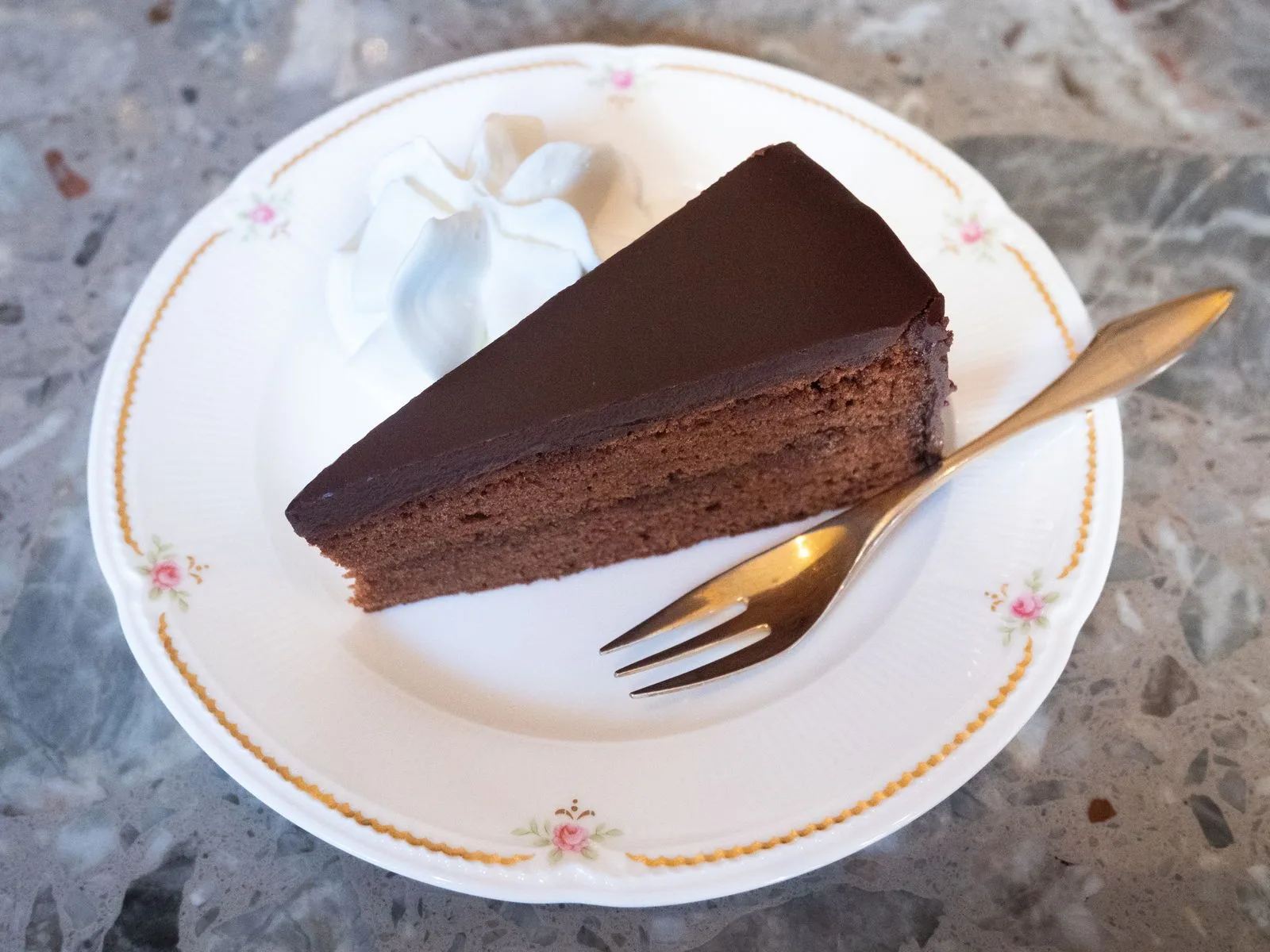
Pastries, or Mehlspeisen, are the standard accompaniment. The tourist board groups the Sachertorte with the Imperialtorte, created for the World's Fair of 1873, the Malakofftorte and the Esterházytorte as tortes that rose to prominence with coffee house culture. The Sachertorte dates from 1832, when Franz Sacher, a 16-year-old kitchen assistant, stood in for an ill head chef and made a dessert for Prince Metternich. Hotel Sacher and its Café Sacher make about a third of the 360,000 original Sacher Tortes produced each year. Strudel dough, the board notes, originally came from the Ottoman Empire, and apple strudel is its best-known form. Café Hawelka serves Buchteln fresh every day from 8pm.
CAFÉ GRIENSTEIDL, CAFÉ CENTRAL AND CAFÉ SPERL: VIENNA'S LITERARY AND ARTISTS' CAFÉS
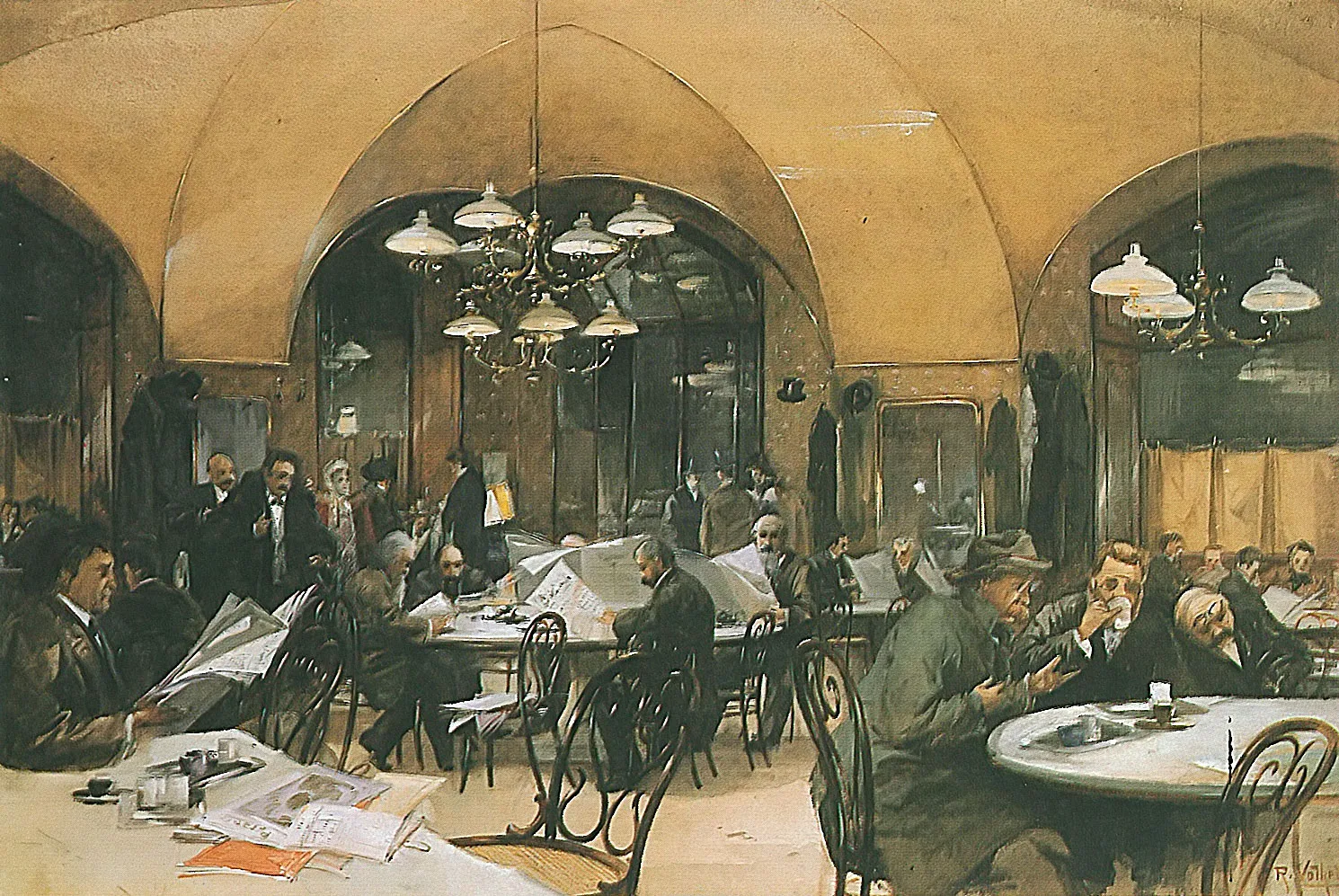
The Vienna Tourist Board places the high point of the coffee house at the end of the 19th century, when people went there to read, play games, debate ideas and write. Around 1890 Café Griensteidl became the meeting place of the literary group Jung Wien, or Young Vienna, including Hugo von Hofmannsthal, Karl Kraus and Arthur Schnitzler, and the City of Vienna traces coffee house literature to this circle. The writers later moved to Café Central and then Café Herrenhof, while Café Museum became a meeting place for painters.
Café Central opened on 16 April 1876 at Herrengasse 14, inside the Palais Ferstel, a building designed by Heinrich Ferstel for the Austro-Hungarian Bank. Its heyday began in 1897, when the regulars of Café Griensteidl moved there. The Wien Geschichte Wiki lists among them Peter Altenberg, Hermann Bahr, Egon Friedell, Oskar Kokoschka, Adolf Loos and Stefan Zweig, and records that Alfred Polgar called the café eine Weltanschauung, a worldview. The café closed in 1947. The building was saved from demolition in 1975 and renovated, and part of the café reopened in altered form on 30 October 1986.
Café Sperl, on the Gumpendorfer Strasse in the 6th district, was established in 1880 in a building by Joseph Groß and Wilhelm Jelinek, both students of Theophil Hansen. It takes its name from a Herr Sperl who ran it from 1881 to 1883. Its regulars included the actor Alexander Girardi and the composers Franz Lehár and Carl Joseph Millöcker. The artists' circles Haagengesellschaft and Siebener-Club met there, groups that partly gave rise to the Secession of 1897 and the Hagenbund. The café has been a listed monument since 1980 and kept its late 19th-century atmosphere through a renovation in 1983.
WHEN DID VIENNESE COFFEE HOUSE CULTURE BECOME NATIONAL HERITAGE?
Café Landtmann opened on the Ringstrasse in 1873, the year of Vienna's World Expo, and the Vienna Tourist Board counts it and Café Schwarzenberg among the few survivors of the 27 cafés that once lined the boulevard. Café Hawelka, on the Dorotheergasse in the 1st district, came later. Leopold Hawelka, a waiter who had run another café since 1936, took over the premises on 15 May 1939. From the 1950s, the Wien Geschichte Wiki records, young writers, painters and architects made it a gathering place, and the wiki calls it a typical Viennese artists' café.
Hawelka's guests included H. C. Artmann and Gerhard Rühm of the Wiener Gruppe, the writers Elias Canetti, Heimito von Doderer and Hilde Spiel, the cabaret artist Helmut Qualtinger and the actor Oskar Werner. The wider tradition weakened over the same decades. In the 1950s Italian-style espresso bars became popular, and by the 1980s many traditional coffee houses had closed. The City of Vienna dates the revival of the tradition to 1983, when the 300th anniversary of the Viennese coffee house was celebrated.
In 2011 Viennese coffee house culture was added to Austria's national inventory of intangible cultural heritage, kept by the Austrian UNESCO Commission, under social practices in Vienna. The entry traces the tradition to the late 17th century and describes the Club of Viennese Coffee House Owners, whose tasks include promoting cultural projects in coffee houses, organising joint training and acting as the public point of contact for coffee house culture. The Vienna Tourist Board notes that the city's Heuriger wine tavern culture is also listed.
RAWYA AND THE MANDARIN CAKE SHOP AT MANDARIN ORIENTAL, MUSCAT

Mandarin Oriental, Muscat opened on 3 June 2024 in Shatti Al-Qurum. Silverfox Studios designed its food and beverage outlets: Rawya, The Pool Bar, Essenza, Essenza Bar and The Mandarin Cake Shop. Rawya is an elegant European café with subtle Eastern accents. It is open from breakfast to dinner, its zones change through the day, and it has a juice bar and bakery at its entrance. In Vienna, the coffee house moved beyond coffee when it was allowed to serve wine and warm meals in the early 19th century.
The Mandarin Cake Shop has carved lattice screens and a pastry counter. In the Viennese coffee house, pastries are the standard accompaniment to coffee, and the Sachertorte, the Imperialtorte, the Malakofftorte and the Esterházytorte rose to prominence with the development of coffee house culture. From the 1870s, many of Vienna's female coffee drinkers preferred the café of a Konditorei, the pastry shop, to the coffee house itself. Demel, a former royal confectioner, still fills its window displays with cakes and candies, including those that Empress Elisabeth favoured.
SOURCES
- Österreichische UNESCO-Kommission Wiener Kaffeehauskultur
- City of Vienna Viennese coffee culture
- Wien Geschichte Wiki Kaffeehaus
- Wien Geschichte Wiki Café Central
- Wien Geschichte Wiki Café Sperl
- Wien Geschichte Wiki Café Hawelka
- Thonet Story
- Vienna Tourist Board 10 Fascinating Facts About Viennese Coffee Houses
- Vienna Tourist Board Viennese pastries
- Vienna Tourist Board Sweet things from Vienna's hotels