FROM A RUE VIVIENNE PASTRY SHOP TO THE GRANDE CUISINE
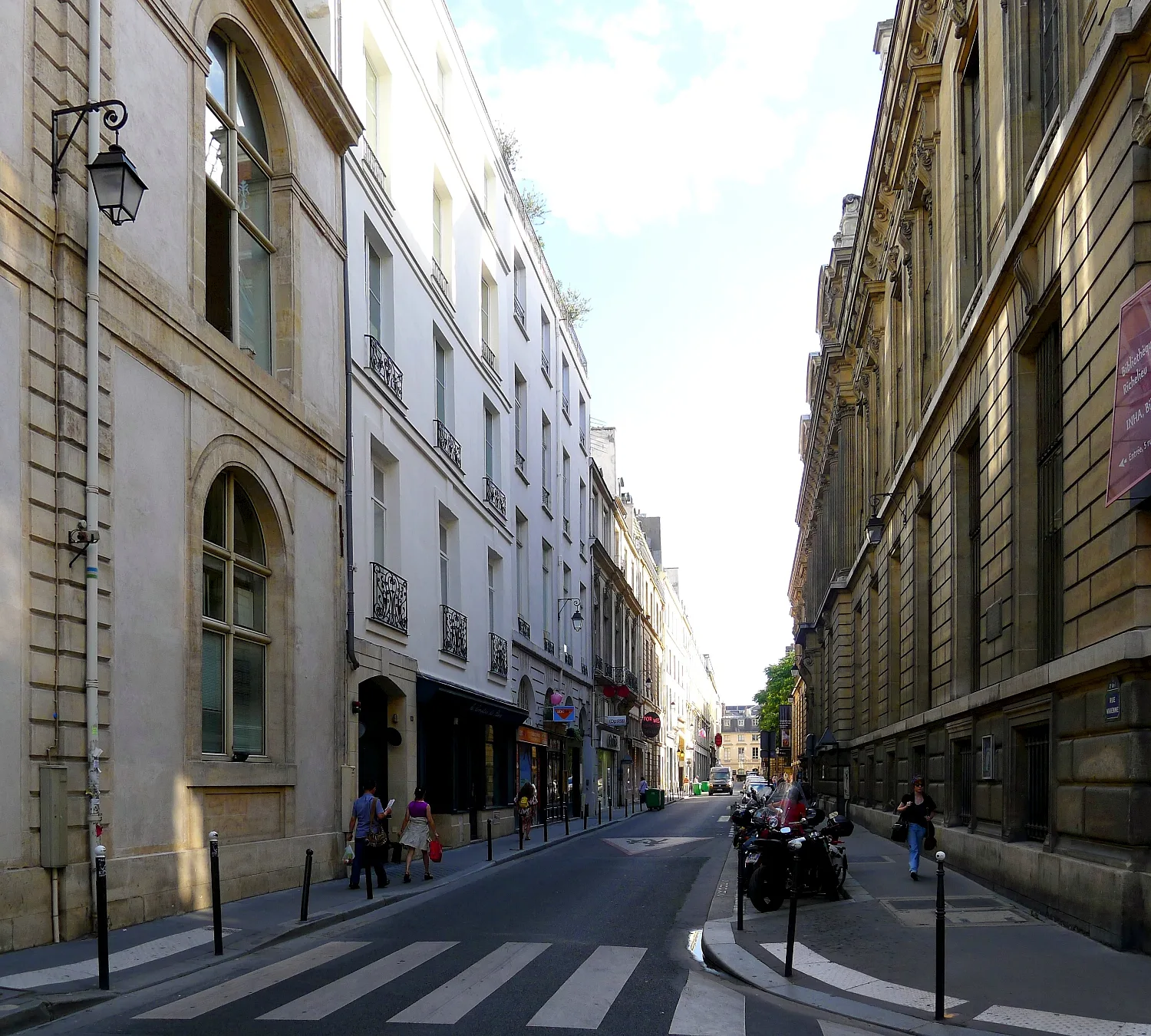
French patisserie history has a clear turning point in the career of Marie-Antoine Carême, known as Antonin, a Paris pastry cook born on 8 June 1784 according to Britannica (some sources give 1783) who died in Paris on 12 January 1833. Trained in a pâtisserie on the rue Vivienne, he built architectural centrepieces in sugar, cooked for Talleyrand, the Prince Regent, Tsar Alexander I and James de Rothschild, and published books that set out pastry and cookery as systems: Le Pâtissier royal parisien and Le Pâtissier pittoresque in 1815, and L'Art de la cuisine française au XIXe siècle from 1833. Britannica describes him as often cited as the founder of French gastronomy and a pioneer of grande cuisine, and notes that his cooking was known for elaborate display, artful presentation and fresh ingredients.
WHO WAS ANTONIN CARÊME?
Carême was born into a very poor Paris family. NPR describes him as the 16th child of destitute parents, while National Geographic puts the number of children at 25. His father abandoned him while he was still a child. A bibliography published by the Bibliothèque nationale de France (BnF), drawing on the 2003 biography Le roi Carême, records that he was taken in by a cabaretier, a tavern keeper, with whom he learned to cook. NPR places him at about eight years old as a kitchen boy in a Paris chophouse, working in exchange for room and board. In 1798, according to National Geographic, he left the tavern to become an assistant to Sylvain Bailly, a leading pâtissier. The BnF identifies Bailly as a celebrated pâtissier of the rue Vivienne, and Britannica notes that the shop was frequented by Charles-Maurice de Talleyrand.
NPR reports that Carême was about 15 when he joined Bailly, who encouraged him to read and write. He spent free afternoons at the Bibliothèque Nationale studying books on art and architecture. The BnF adds that he attended its cabinet des Estampes, the prints room, regularly, studying drawing, architecture and landscape and applying what he learned to his pièces montées. As a teenager he made edible replicas of famous buildings, some about four feet (1.2 metres) tall, which Bailly displayed in the shop window. In 1803, at the age of 19, Carême opened his own patisserie on the rue de la Paix, which National Geographic says he ran until 1815.
HOW CARÊME BUILT ARCHITECTURE IN SUGAR
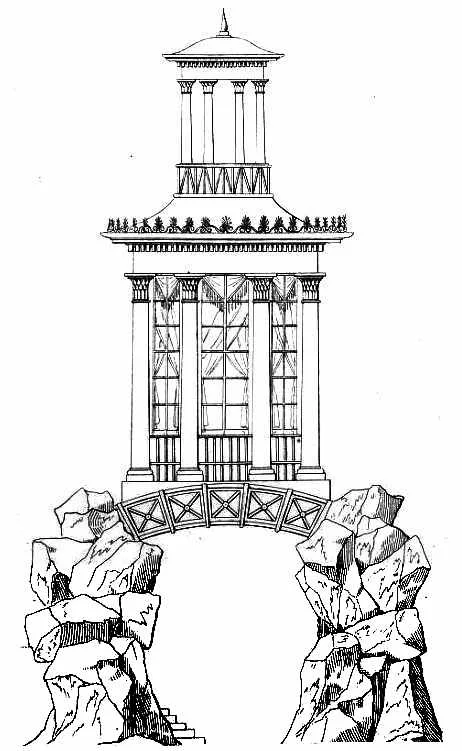
The pièces montées, also called extraordinaires, were structures of spun sugar and almond paste in the form of buildings and landscapes. National Geographic describes them as required centrepieces on the tables of the post-revolutionary aristocracy. The BnF calls Carême the undisputed master of monumental buffets and large, elaborately decorated pièces montées. His subjects included a ruin of Babylon, a Chinese pavilion and a Swedish hermitage. The BnF notes that he aimed for elegance and harmony and used no more than three colours, each "tendres dans leurs nuances", soft in their shades. The drawings in his books were made by Carême himself and were intended for teaching.
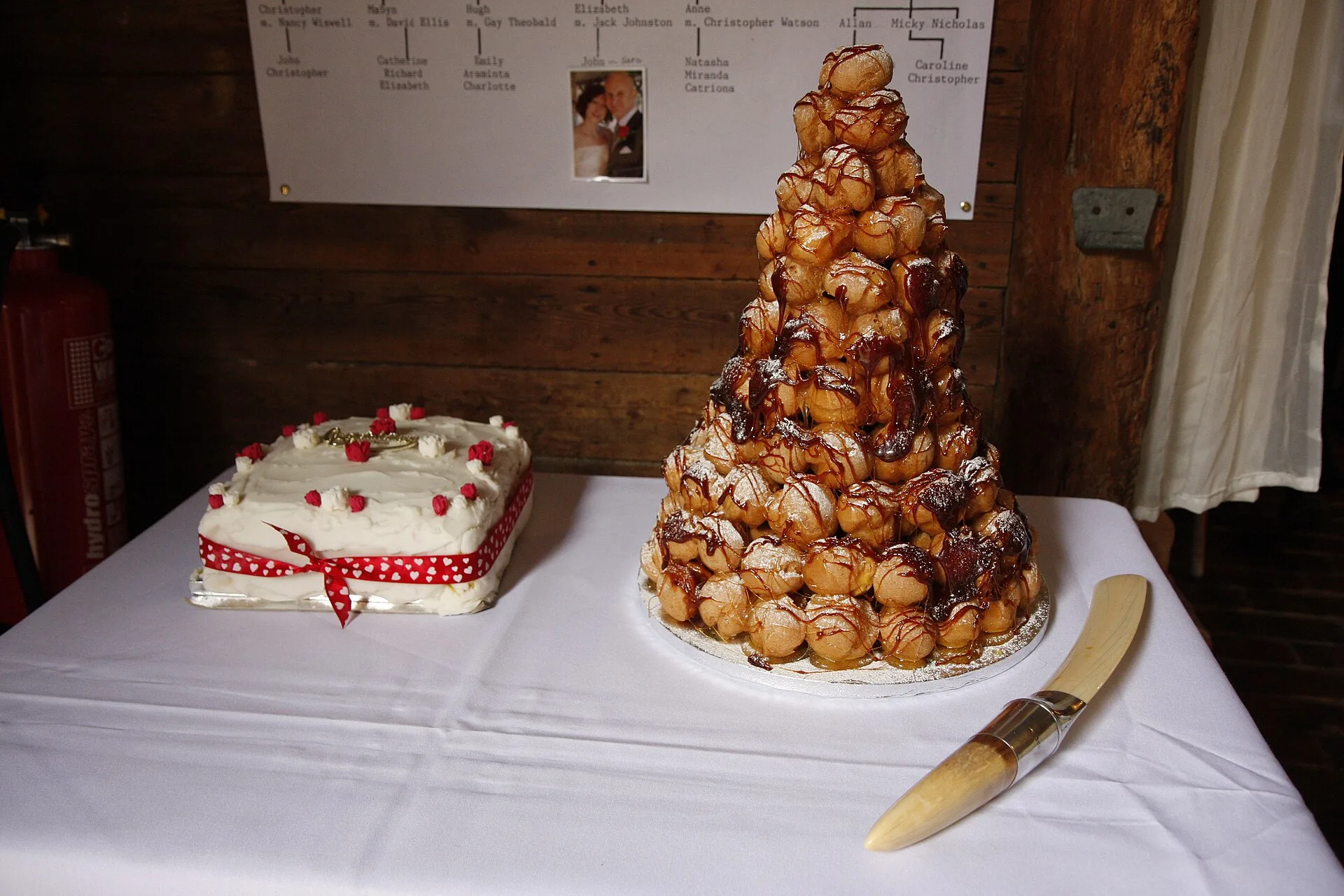
Le Pâtissier pittoresque, printed in Paris by F. Didot in 1815, opens with a treatise on the five orders of architecture after Vignola. Its title page, as listed by the Fondation Napoléon, states that it includes architectural details taken from the work of M. Durand. National Geographic counts 124 designs for extraordinaires in the book. Carême took his interest in building further in Projets d'architecture pour les embellissements de Paris, published by Bossange in 1821. The Oxford Companion to Food traces a related line in its entry on the croquembouche, a French term meaning "crunch in the mouth": under the influence of Carême in particular, this genre of elaborate pastries developed into the category of grosses pièces de fonds. The typical modern croquembouche is a cone of small choux pastries.
CARÊME'S EMPLOYERS: FROM TALLEYRAND TO THE ROTHSCHILDS
Carême's longest position was with Talleyrand, whom Britannica records him serving for 12 years. NPR reports that around 1804 Talleyrand challenged him to plan a year of menus for his château using seasonal produce and without repeating an entrée. National Geographic names the house as the Château de Valençay outside Paris and says Carême planned a different menu for each day of the year from local products. NPR and National Geographic both record that he designed the cake for Napoleon's 1810 wedding to Marie-Louise of Austria. According to Brighton & Hove Museums, in 1816 the Prince Regent, later George IV, employed Carême to cook for him at his homes in London and Brighton, where he was famed for patisserie and elaborate desserts.
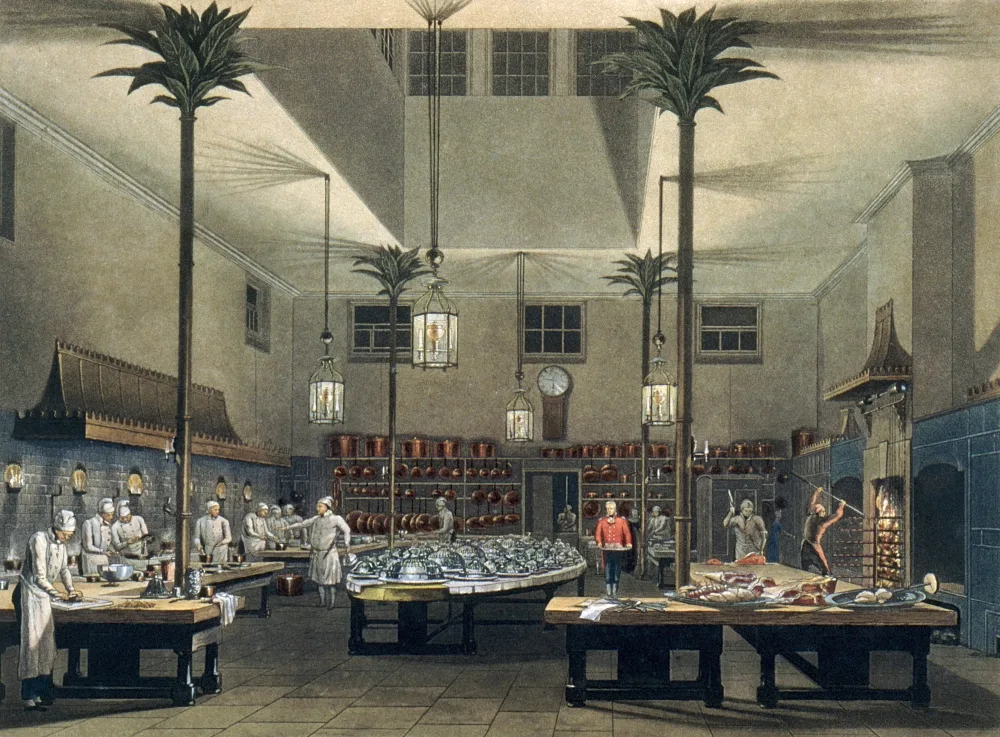
Brighton & Hove Museums says Carême stayed for just a year; Britannica counts two years in the prince's service. The museum suggests his influence may explain the five pastry and confectionery rooms among the Royal Pavilion's ancillary kitchens. The Great Kitchen itself was one of the first rooms completed in John Nash's transformation of the Pavilion, with an open fire and a smoke jack turning five spits of roasting meat, a stewing stove and a central steam table. After Brighton, Britannica lists a run of brief posts in succession: Tsar Alexander I of Russia, the court of Vienna, the British embassy in Paris, the prince of Württemberg, the marquess of Londonderry and Princess Bagration.
His last major employer was the banker James de Rothschild. National Geographic dates the position from 1823 through 1830, and Britannica gives it as seven years. The Rothschild Archive, in an article by Claire-Amandine Soulié on a household kitchen account book, refers to "Antonin Carême, James' chef", noting that he had also served Talleyrand. The same article records that the account book was first thought to have belonged to Carême, until it was established that he had left the household before it was compiled. National Geographic reports that Rothschild paid him the equivalent of 176,000 US dollars a year. Carême died in Paris in January 1833, before the later volumes of his largest book were complete.
THE 1815 PASTRY BOOKS: A TURNING POINT IN FRENCH PATISSERIE HISTORY

Carême's first book, Le Pâtissier royal parisien ou Traité élémentaire et pratique de la pâtisserie ancienne et moderne, appeared in two volumes in 1815, the same year as Le Pâtissier pittoresque; the Fondation Napoléon's Gallica bibliography lists both under that date. National Geographic describes it as a massive two-volume set of pastry recipes that Carême illustrated himself, and as the first comprehensive guide to many French classics. The BnF records that he wrote of his drawings that studious young people would find in them "de grands moyens d'instructions", a great means of instruction. The gastronome the Marquis de Cussy, quoted by the BnF, said that Carême "apprend à ceux qui ne savent pas", teaching those who do not know and perfecting those who already do.
The pastry books were followed by works on the wider kitchen. The two-volume Le Maître d'hôtel français appeared in the early 1820s; Britannica dates it to 1820 and National Geographic to 1822. Britannica dates Le Cuisinier parisien to 1828, and the BnF holds a second edition of that year with 25 plates drawn by the author. His titles remained in print through the 19th century. The BnF holds a new edition of Le Maître d'hôtel français published by J. Renouard in 1842, and Garnier frères issued Le Pâtissier national parisien in two volumes in 1879, nearly half a century after his death.
L'ART DE LA CUISINE FRANÇAISE AND CARÊME'S CLASSIFICATION OF SAUCES
L'Art de la cuisine française au XIXe siècle: traité élémentaire et pratique was published in Paris by the author in 1833. NPR describes it as a five-volume work issued between 1833 and 1847 and completed after his death. National Geographic quotes Carême's statement that the book was "not written for the great houses alone", and notes that it set out principles many modern cooks still recommend. The BnF bibliography cites a 2015 reprint by the publisher Menu fretin that describes the work as the product of a lifetime, one that helped to theorise, rationalise and codify the profession of the cook. The Fondation Napoléon's Gallica bibliography lists its first two volumes under the date 1833.
Carême grouped sauces into families built on a small number of bases. National Geographic names four French mother sauces in Carême's writing: allemande, made from light stock, lemon juice and egg yolks; béchamel, milk thickened with a butter and flour roux; espagnole, a reduced brown stock with tomato sauce; and velouté, light stock thickened with a roux. It places them in Le Maître d'hôtel français. Michel De Matteis, a Meilleur Ouvrier de France and lecturer at EHL Hospitality Business School in Lausanne, links the classification instead to Carême's 1833 reference cookbook L'Art de la cuisine française au XIXe siècle, and describes how Auguste Escoffier refined the four into five foundational sauces in the early 20th century.
WHAT FRENCH PATISSERIE HISTORY OWES TO CARÊME
Several individual pastries are credited to Carême, and the claims vary in strength. National Geographic calls the vol-au-vent, a puff pastry light enough to "fly on the wind", one of his most enduring creations. The Oxford Companion to Food records the term in its present form in print from 1800 and names no inventor. National Geographic also lists the mille-feuille, or Napoleon cake, among the pastries he is credited with inventing. NPR reports that he was the first chef to pipe meringue through a pastry bag and that he perfected the soufflé. Escoffier, quoted by National Geographic, wrote that the fundamental principles of cooking "which we owe to Carême" would "last as long as cooking itself".
Carême also shaped how cooks looked. National Geographic reports that in 1822 he published his own designs for chefs' uniforms, a white coat and a white hat, the toque blanche, which could be worn loose or stiffened with cardboard, and says today's uniform is nearly identical. NPR credits him with introducing the standard double-breasted white coat and toque. Britannica sets his work against the period after the French Revolution, when cooks from aristocratic households were seeking work in restaurants. In its account, Carême advanced the idea of cuisine as both an art and a science, and his emphasis on presentation and fresh ingredients spread to restaurants across Europe, especially in France.
A BREAD AND PASTRY ISLAND AT THE BAY, DUBAI

The Bay at Mandarin Oriental Jumeira, Dubai, was completed in 2019. Its design includes a marble buffet counter and white marble stations with chalkboard menus, with white brick over a geometric tiled floor. Two centuries earlier, Carême was, in the BnF's words, the undisputed master of monumental buffets, and National Geographic describes his spun sugar and almond paste centrepieces as required on the tables of the post-revolutionary aristocracy, built in the form of buildings and landscapes he studied in the prints room of the Bibliothèque Nationale.
The Bay also has a timber-topped bread and pastry island under pendants. Carême's own early work was shown in a shop: NPR records that Bailly displayed his edible replicas of famous buildings, some about four feet tall, in the window of the pâtisserie on the rue Vivienne. The rest of The Bay is fitted with green banquettes under a beamed timber ceiling, enclosed by steel-framed glazing. A marble-fronted bar faces the beach terrace and the sea, completing a palette of marble, timber, white brick and geometric tile.
SOURCES
- Encyclopaedia Britannica Marie-Antoine Carême
- Bibliothèque nationale de France Dans les pas d'Antonin Carême: la pâtisserie artistique (bibliographie sélective, 2017)
- National Geographic Who was the world's first celebrity chef?
- NPR (via New Hampshire Public Radio) How a destitute, abandoned Parisian boy became the first celebrity chef
- Brighton & Hove Museums Great Kitchen
- The Rothschild Archive Kitchen account book of the Rothschild household (Claire-Amandine Soulié)
- Fondation Napoléon Cuisine et gastronomie sous le Premier Empire: bibliographie Gallica
- Oxford Companion to Food (ckbk) Croquembouche
- Oxford Companion to Food (ckbk) Vol-au-vent
- EHL Hospitality Business School The 5 mother sauces of classical cuisine