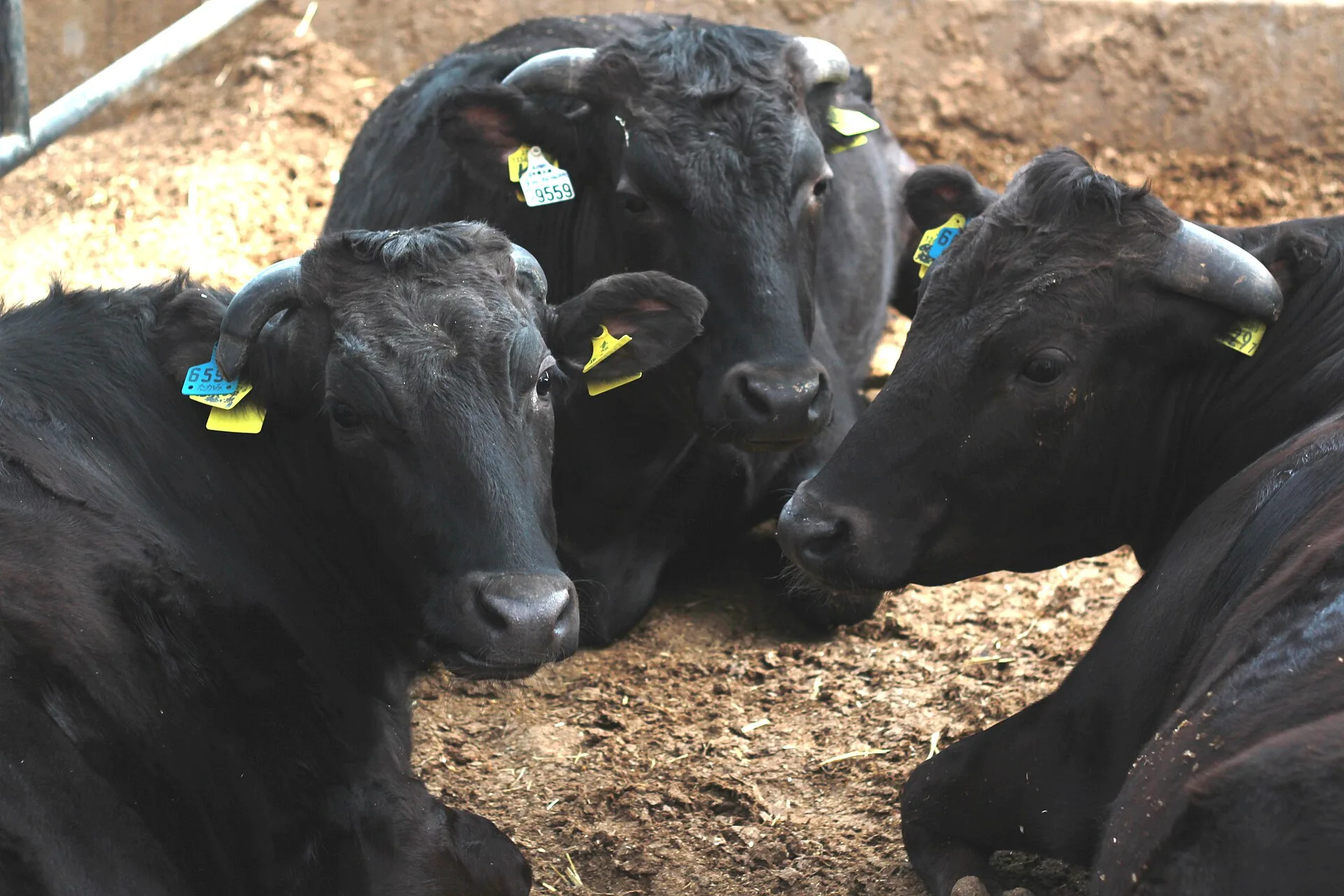
FILLET, DUXELLES, PUFF PASTRY AND A DISPUTED NAME
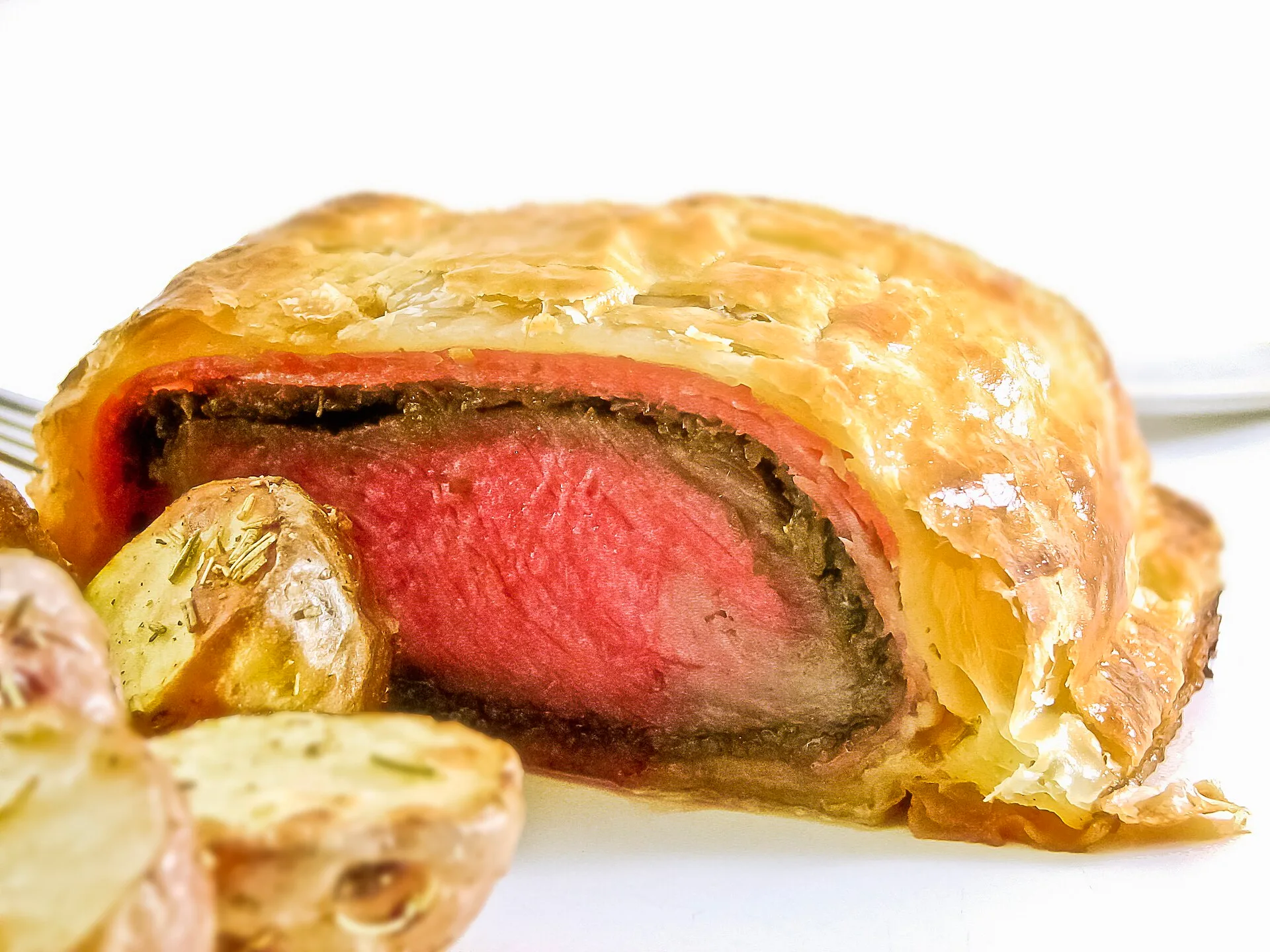
Beef Wellington is a fillet of beef coated in mushroom duxelles, often with pâté and a layer of ham or crêpe, wrapped in puff pastry and baked. The beef Wellington origin is disputed. The dish carries the name of Arthur Wellesley, 1st Duke of Wellington, yet there is no solid proof that it was his favourite, and the earliest known printed references come from menus of 1899 and 1903, almost half a century after his death in 1852. Britannica places its likely roots in the French filet de boeuf en croûte, while an English cookbook of 1660 already gave instructions for baking beef in pastry. The recipe spread through American and British cookbooks, magazines and television in the 1950s and 1960s, lost favour, returned in the early 2000s, and still appears on London menus such as the Savoy Grill's.
WHAT IS BEEF WELLINGTON
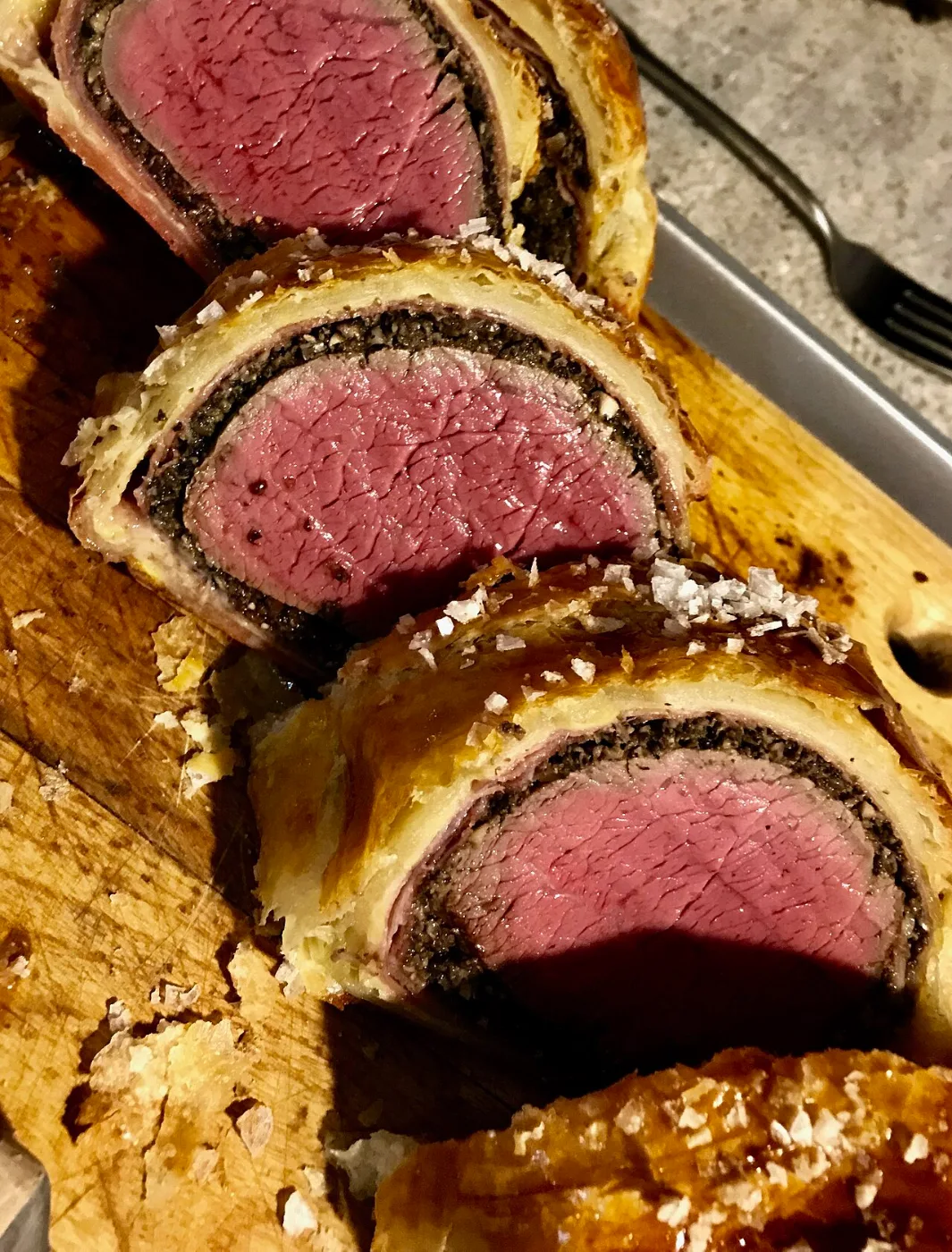
Britannica describes the dish as a beef tenderloin coated in goose or duck liver pâté and duxelles, a mixture of finely chopped mushrooms, shallots and thyme. The coated fillet is wrapped in puff pastry, brushed with an egg and milk wash so the pastry browns, and baked at about 200°C for roughly 25 minutes, which leaves the beef rare to medium rare. Some recipes add ham, mustard or spinach. National Geographic Traveller reduces the dish to three core elements: beef, usually fillet or tenderloin; mushroom duxelles; and puff pastry. Pâté, ham, crêpes, herbs and alcohol are additions that vary from cook to cook, and several of them act as barriers against moisture between the meat and the crust.
The pastry determines much of the technique. Puff pastry is built from alternating layers of dough and fat, usually butter, with the fat usually making up at least 30 per cent of the raw dough. Repeated folding and rolling produces hundreds of thin layers. In the oven, the water in the fat turns to steam and the vapour pressure pushes the layers apart, so the pastry can rise up to ten times its original height. The same dough is used for vol-au-vents and napoleons. Wrapped around a joint of beef, it has to rise and crisp while the meat beneath it releases juice, a risk National Geographic Traveller calls the dreaded soggy bottom.
THE BEEF WELLINGTON ORIGIN STORY AND THE DUKE OF WELLINGTON
The best-known account credits a cook working for Arthur Wellesley, 1st Duke of Wellington. In this version the Duke supposedly liked portable food, and a joint sealed in pastry fitted that preference. Britannica describes the story as popular but doubtful. Two other theories circulate: that the dish was simply named in his honour, or that the finished parcel resembled a leather Wellington boot. National Geographic Traveller notes that the dish is widely claimed to have been the Duke's favourite but that there is no solid proof of it. Britannica's own conclusion is that the dish more likely descends from a French original.
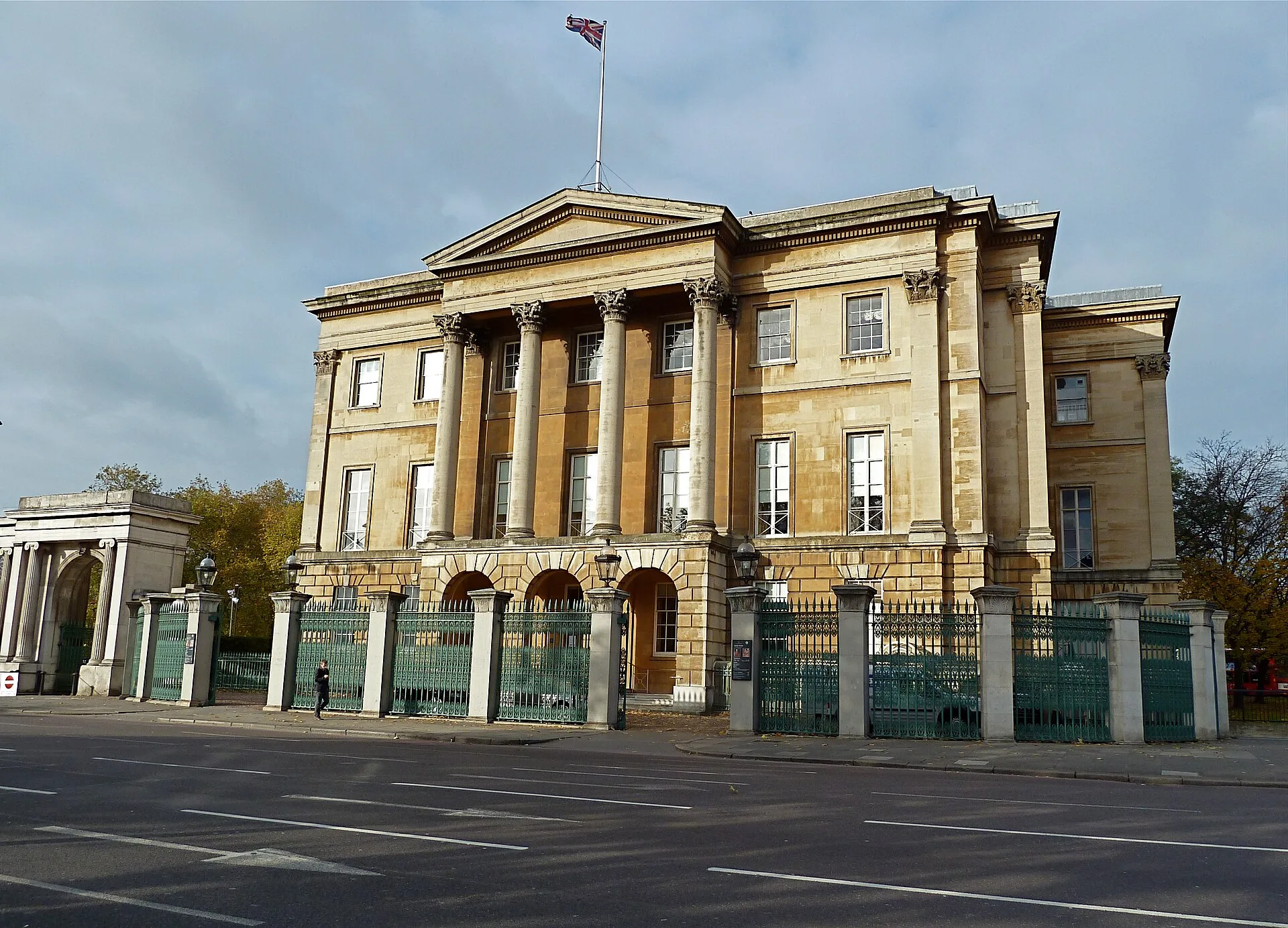
English Heritage, which looks after his London home, gives his dates as 1769 to 1852 and records that he bought Apsley House at Hyde Park Corner and remodelled it between 1819 and 1829. The State Dining Room was built in the first phase of that work and displays the centrepiece of the Portuguese Service, presented to him in 1816. His annual banquets on 18 June were held there until a larger gallery was added in 1828. According to National Geographic Traveller, the surviving menu from the supper he hosted in 1839, a dinner held every year since 1820, lists a lavish meal but no dish bearing his name.
MEAT BAKED IN PASTRY BEFORE THE DUKE
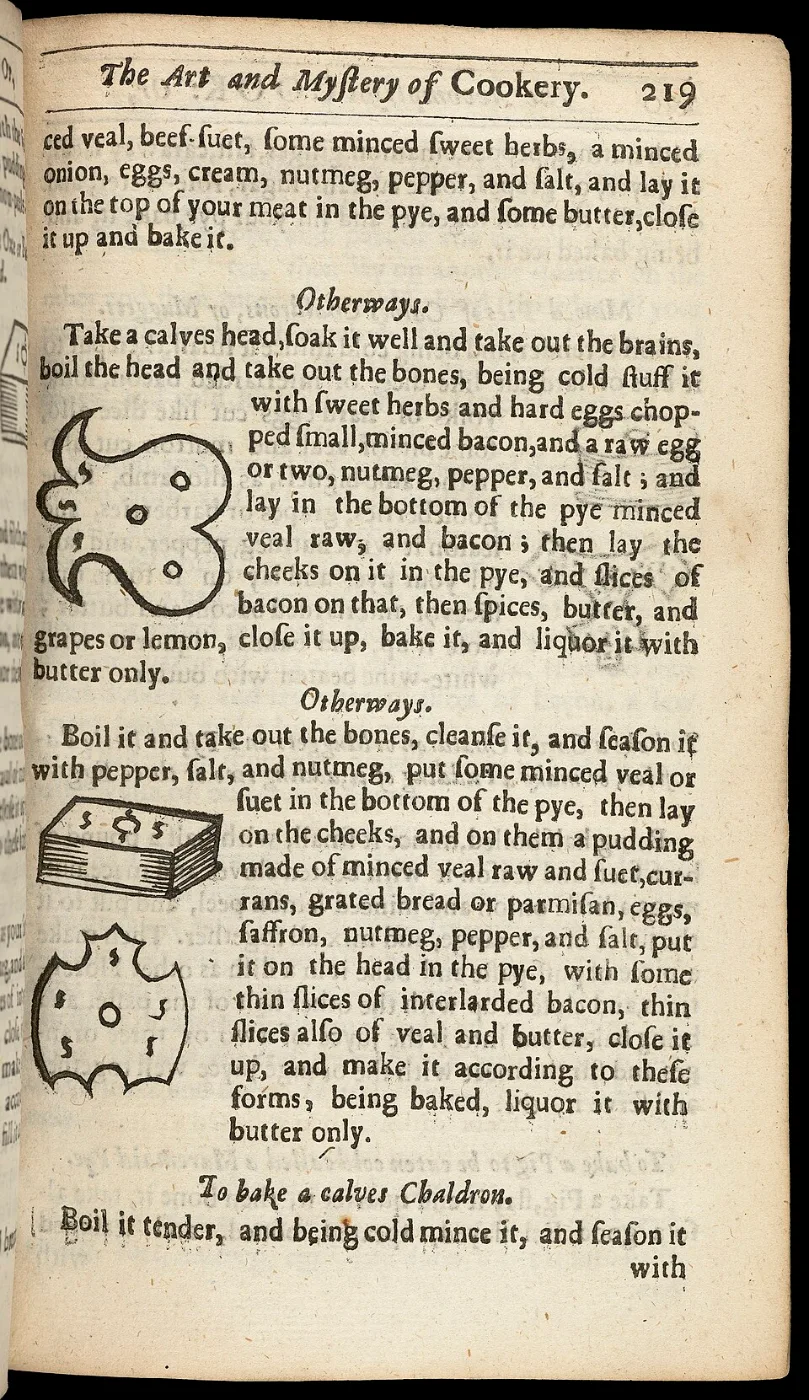
Baking meat inside pastry was established in English cooking long before Wellesley was born. Haunches of venison were baked in pastry for centuries and called pasties. Robert May's cookbook The Accomplisht Cook, published in 1660, tells readers to "bake beef, red-deer fashion in pies or pasties", treating beef the way cooks treated deer. Two years later, on 6 September 1662, the diarist Samuel Pepys complained of being served five venison pasties over the course of a few days. May's instruction was printed more than a century before Wellesley's birth in 1769.
The closest relative is French. Britannica suggests that the true roots of beef Wellington lie in filet de boeuf en croûte, a fillet of beef baked in a pastry crust. The word "wellington" was also attached to pastry outside Britain. The 20th-century German linguist and lexicographer Manfred Höfler identified a few early references to "wellington" dishes, including one by the Roman pastry chef Vincenzo Agnoletti from around 1834. It contained chopped meat, raisins and rum in pastry and appears to have been a variation on the British mince pie rather than a beef fillet.
BEEF WELLINGTON ORIGIN: WHERE THE NAME FIRST APPEARED IN PRINT
The first written references to beef prepared "à la Wellington" appear between 1899 and 1903. National Geographic Traveller cites a menu from the steamship Fürst Bismarck, on a voyage from Hamburg to the United States on 10 November 1899, and a bankers' dinner menu from the Angelus Hotel in Los Angeles in 1903, which is commonly cited as the first. Britannica also dates the first known use of the name "à la Wellington" to 1903. Both sources therefore place the name in print 47 years or more after the Duke's death, on a transatlantic steamship and in a Californian hotel rather than in an English kitchen.
Reference works followed. Th. Gringoire and L. Saulnier's Le Répertoire de la Cuisine describes beef served "wellington style" with duxelles and puff pastry in 1914, without giving a full recipe. According to Britannica, the first published recipe appeared in 1940, in a cookbook by a chef at the Palmer House hotel in Chicago. In March 1944 the writer Iles Brody told Vogue readers about the "roast steaks à la wellington" he had eaten at Madame Sacher's hostelry in Vienna: a thick slice of sirloin in a piecrust, with mushroom paste between the crust and the meat.
HOW BEEF WELLINGTON BECAME A DINNER-PARTY DISH
Britannica dates the dish's popularity to the 1950s and 1960s. Julia Child included a French version in Mastering the Art of French Cooking in 1961. Her television programme The French Chef began in 1962 on Boston's public television station, and on a 1965 episode she presented the dish as "filet of Wellington beef". Child held that pastry and beef could not both be cooked well if the pastry went into the oven raw. Her answer, described by National Geographic Traveller, was to pre-bake a pastry base, set the beef on it and cover it with raw pastry. She also suggested marinating the fillet first.
The dish suited a period of formal home entertaining, and recipes for it circulated in books and magazines on both sides of the Atlantic. Nicola Humble, in Culinary Pleasures (2006), writes that in the late 1950s social status depended heavily on the drama and style of a dinner party. Betty Crocker's Hostess Book of 1967 warned that the dish "demands all of the cook's time and talent" and suggested tinned vegetables on the side. A 1954 Vogue article proposed replacing the fillet with ground beef, producing a meatloaf in pastry.
Not every writer accepted the French label. Richard Olney, described by National Geographic Traveller as a Francophile American painter and food writer, in The French Menu Cookbook (1970), linked the dish to what he called "Grand Palace cuisine", the international hotel cooking in which roasts were half cooked, cooled, rolled in pastry and baked again, rather than to classic French cooking. Britannica records that the dish's popularity then declined. It saw a modest revival in the early 2000s, when it was often served as single portions similar to a Cornish pasty.
HOW IS BEEF WELLINGTON MADE
Most recipes start by seasoning the fillet and browning it over a high heat, then letting it cool before it is wrapped; some cooks brush it with mustard at this stage. The duxelles must be fried until the moisture from the mushrooms has evaporated, and brandy, sherry or Madeira is often added. A recipe by John Torode and Lisa Faulkner, published by National Geographic Traveller, serves eight from a 1 to 1.4 kilogram fillet, with chicken liver pâté, dried porcini, shallots, garlic, flat mushrooms and thyme. The beef is spread with duxelles, wrapped in Parma ham and then pastry, chilled, and baked for 30 to 40 minutes for medium rare or an hour for well done.
Because the beef is served medium rare and releases juice as it cooks, the base of the pastry can turn soggy. Gordon Ramsay and James Martin use a layer of crêpes as a barrier between the pastry and its contents; National Geographic Traveller suggests thin slices of charcuterie such as Parma ham as a lighter alternative. Britannica notes that spinach, used in some recipes, adds moisture that can soften the pastry. The final egg wash gives the crust its glossy finish. In the Torode and Faulkner recipe the ham is laid over the pastry before the beef is rolled in it, so that the ham itself forms the barrier against sogginess.
BEEF WELLINGTON IN BRITISH DINING TODAY
British television cooks each publish their own version. National Geographic Traveller lists Delia Smith's use of dried porcini, Mary Berry's parmesan and tarragon, and James Martin's spinach. The Hairy Bikers wrap pork fillet with white pudding and stuffing, and Jamie Oliver uses chicken breast with mushrooms. Meat-free versions include Rose Elliot's chestnut and red wine pâté en croûte and the chef Flynn McGarry's beet Wellington, and such versions are particularly popular as Christmas centrepieces. The same article calls beef Wellington a crowd-pleaser and a statement dish, and observes that, whatever its origins, it has stood the test of time.
Gordon Ramsay's own company documents his attachment to the dish. His group's website, in a 2022 article for its Beef Wellington Week, quotes him calling it "one of my all-time favourite main courses" and saying it would be on his last supper menu, and states that it has appeared in many of his restaurants worldwide. The Savoy Grill at The Savoy on the Strand operates as part of Gordon Ramsay Restaurants, and the MICHELIN Guide describes its menu as a mix of French and British classics built on premium produce, from caviar and Dover sole to "excellent quality beef for the signature Wellington".
FROM THE GREENWICH VIADUCT TO GORDON RAMSAY PUB & BAR

Silverfox Studios completed Gordon Ramsay Pub & Bar at The Londoner Macao in 2023. The design cue was the London Bridge to Greenwich railway viaduct of the 1830s, which runs on 878 brick arches, many of them now occupied by shops, restaurants, bars and pubs. The viaduct belongs to the same decade as Vincenzo Agnoletti's "wellington" pastry of around 1834, and it followed shortly after the Duke of Wellington finished remodelling Apsley House in 1829. The history of the line and its arches is covered in our article on the London and Greenwich Railway.
Hotel and restaurant dining rooms recur through the history of beef Wellington, from the Angelus Hotel in Los Angeles in 1903 and the Palmer House in Chicago, whose chef published the first recipe in 1940, to Madame Sacher's hostelry in Vienna and the Savoy Grill on the Strand. At Gordon Ramsay Pub & Bar, steel, timber, metal and cast iron are layered into brickwork and vaults. The dining room sits under arched brick vaults with scalloped ceilings and dark green enamel cast iron columns, and the interior draws on Victorian pub cabinetry, panelling and mouldings.
SOURCES
- Encyclopaedia Britannica Beef Wellington
- National Geographic Traveller How beef wellington became a British classic
- English Heritage History of Apsley House
- English Heritage Apsley House
- Encyclopaedia Britannica Puff pastry
- Encyclopaedia Britannica Julia Child
- Gordon Ramsay Restaurants Why the history of beef Wellington is well worth celebrating
- Gordon Ramsay Restaurants Savoy Grill
- MICHELIN Guide Savoy Grill