FROM A SHIMLA FRONT DESK TO HOTELS IN SEVEN COUNTRIES
Oberoi Hotels history begins in Shimla, then spelt Simla, where Mohan Singh Oberoi took a job as a hotel clerk in 1922 and, in 1934, bought his first hotel. The group he built opened hotels in New Delhi in 1965 and Bombay, now Mumbai, in 1973. His son Prithvi Raj Singh Oberoi, known as Biki, launched the Trident brand in 1988 with a hotel in Chennai and opened The Oberoi Rajvilas in Jaipur in 1998. The group trains its own managers at The Oberoi Centre for Learning and Development, which People Matters dates to 1966. Its current list runs to 32 hotels and two Nile cruisers under two brands, Oberoi Hotels & Resorts and Trident, in India, Indonesia, Mauritius, Egypt, the United Arab Emirates, Saudi Arabia and Morocco.
WHO FOUNDED OBEROI HOTELS?
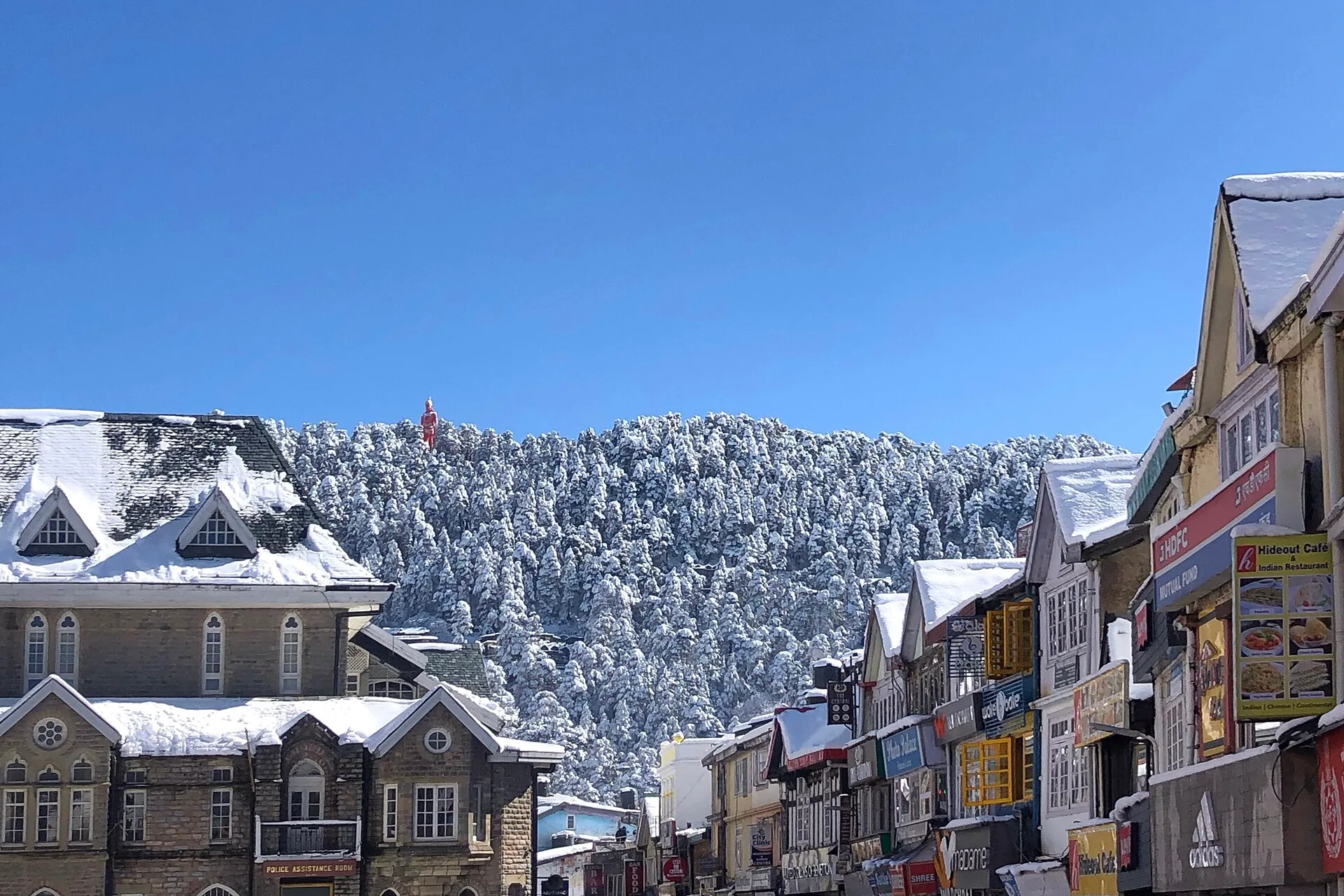
The founder of Oberoi Hotels, Mohan Singh Oberoi, was born on 15 August 1898 in Bhaun, a village in Punjab that is now in Pakistan, according to Encyclopaedia Britannica. For many years he gave his year of birth as 1900. The New York Times, in an obituary republished by Hospitality Net, reported that he did so to avoid being seen as a man of the 19th century, and that he died aged 103 at his home near New Delhi. He died on 3 May 2002. He arrived in Shimla in 1922; one account given by The Tribune, in a 2023 history of the Cecil Hotel, is that he came to apply for a government stenographer's post.
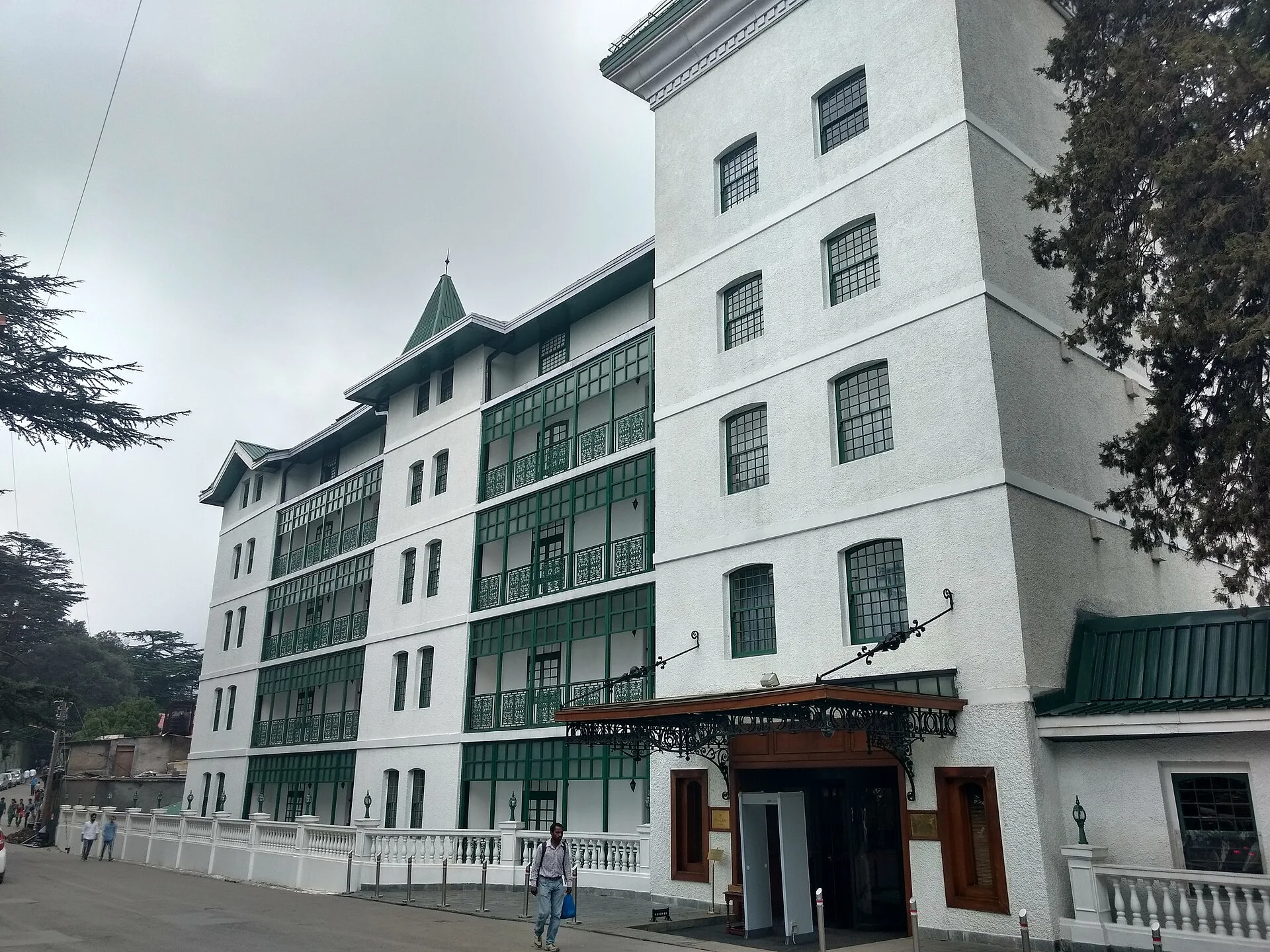
At the Cecil, the manager, D.W. Grove, gave him a typing test, which he passed. The Tribune says he became a guest clerk on a salary of Rs 50, or possibly Rs 60; The Caterer, in its obituary of him, describes him as a desk clerk earning 50 rupees a month. The Tudor-style hotel had been built on the Tendrils estate, which Robert Hotz bought in 1902, and later passed to A.H. Pook and J. Faletti, who enlarged it. The building is still part of the group as The Oberoi Cecil. The Tribune records that it closed for renovation in 1984 and was being prepared for reopening in the mid-1990s.
WHEN DID OBEROI HOTELS HISTORY BEGIN?
Grove left the Cecil shortly after Oberoi joined and was replaced by Ernest Clarke. According to The Tribune, Clarke then took the lease of the 42-room Carlton Hotel, renamed it Clarke's and invited Oberoi to join him there. When Clarke decided to return to England for good, he offered Oberoi the hotel. Oberoi did not have the Rs 25,000 that Clarke's shares were worth, so he paid a token advance and settled the rest over time. Britannica dates the purchase to 1934 and describes the seller as his British employer. The Caterer and The New York Times both report that he used his wife's jewellery to raise the money, The Caterer adding that he mortgaged all his other assets too.
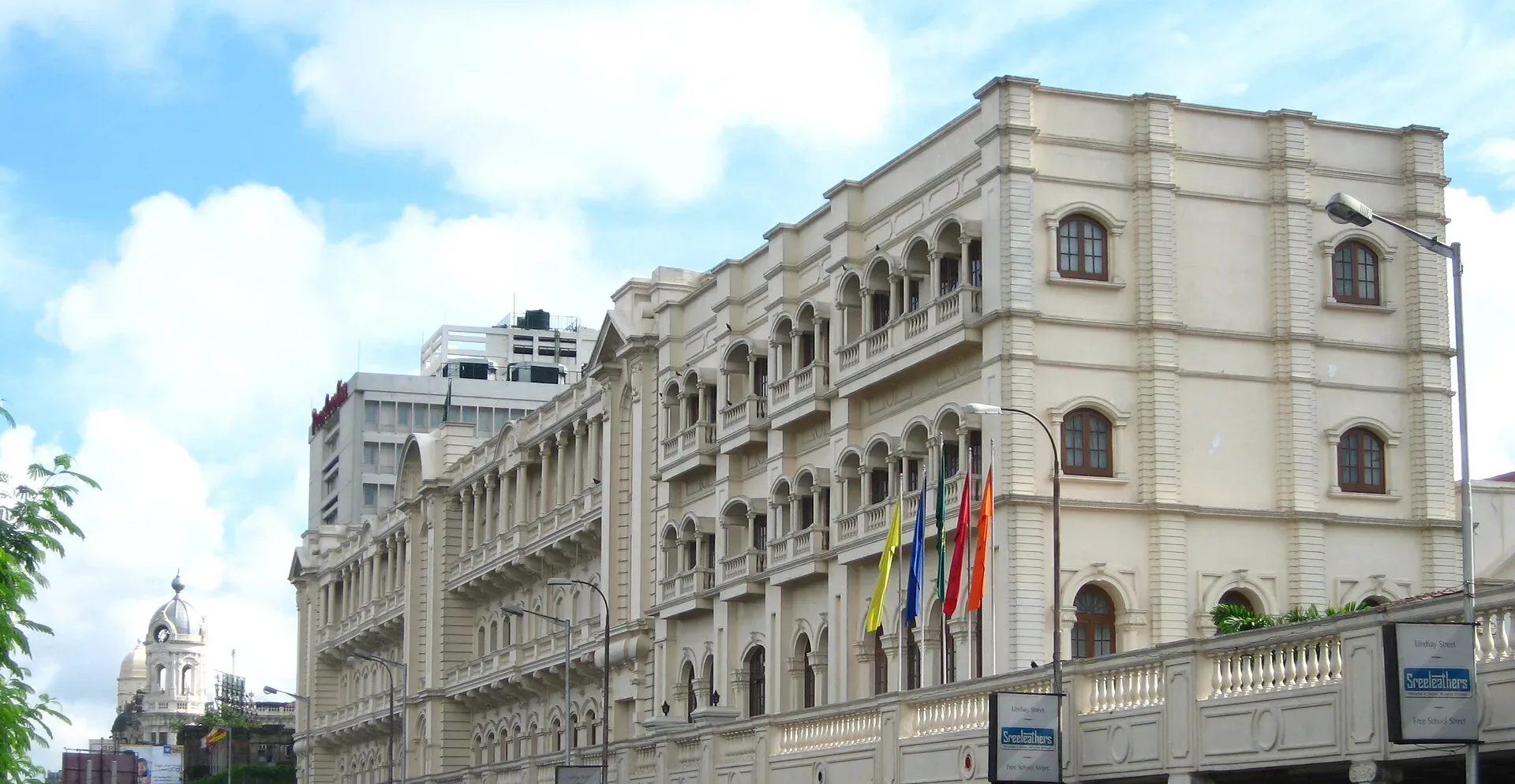
In 1938, according to Forbes India, The Caterer and The Tribune, Oberoi took over the Grand Hotel in Calcutta, now Kolkata, which The Caterer describes as a 500-bedroom hotel taken on lease. The Tribune reports that he then renamed his company East India Hotels Limited, which remains the holding company of the Oberoi chain. Britannica summarises the method behind these early deals: Oberoi bought run-down or undervalued properties and renovated them into luxury hotels, with close attention to detail. Britannica also describes him as the first Indian hotel owner to introduce modern practices such as employing chambermaids, and The Caterer lists his decision to employ women in his hotels among his firsts.
WHAT WAS ASSOCIATED HOTELS OF INDIA?
Associated Hotels of India was formed in 1916, The Tribune records, with Faletti of the Cecil as managing director. When Oberoi bought into it, according to The Caterer, it owned the Cecil and Corstophans hotels in Shimla, the Maidens and Imperial hotels in Delhi, and hotels in Lahore, Murree, Rawalpindi and Peshawar. Oberoi acquired a controlling interest in 1943, the year given by The Caterer and Forbes India; The Tribune also places in 1943 the share purchase that brought him the Cecil. Britannica dates his control of the company to 1944.
The two companies were later combined. In 1968, The Tribune reported in its 2023 obituary of Biki Oberoi, Associated Hotels of India merged with East India Hotels. The group also built businesses beyond hotel rooms. The Caterer reported that it was the first company to start flight catering in India, in 1959, and that under M.S. Oberoi's chairmanship it became one of India's first and best-known international hotel companies before diversifying into other areas of hospitality. At the time of his death, The Caterer counted 37 hotels in seven countries, while Britannica gives some three dozen hotels in about six countries.
THE OBEROI INTERCONTINENTAL, BOMBAY AND THE HOTEL SCHOOL

The New Delhi hotel was begun, according to the journalist Vir Sanghvi, in the early 1960s on a site next to the Delhi Golf Club. Work stalled because the Oberois lacked the foreign exchange to import fittings. The solution was a partnership with InterContinental, then owned by Pan Am, which allowed the project to obtain financing from the US Export-Import Bank. The hotel opened in 1965 as the Oberoi InterContinental, although the Oberoi group ran it day to day. Sanghvi says it introduced facilities such as all-day dining, express laundry and multi-cuisine restaurants that had not previously been considered essential.
The Tribune credits Biki Oberoi and his elder brother, Tilak Raj Singh Oberoi, known as Tikki, with setting up the hotel. It was later renamed The Oberoi, New Delhi, and reopened on 1 January 2018 after a renovation that, Sanghvi reported, reduced its rooms from 283 to 220, with superior rooms designed by Adam Tihany. Eight years after the Delhi opening, in 1973, came the group's Bombay hotel, now the Trident. A sister hotel, The Oberoi, followed beside it in 1986, The Tribune reports. By 1984, according to both The Tribune and Forbes India, the group had grown to nine hotels.
The group's training institution, now The Oberoi Centre for Learning and Development (OCLD), dates from 1966 according to People Matters, an Indian human resources publication, which credits the founder chairman, M.S. Oberoi. The centre offers undergraduate and postgraduate courses in hospitality management. People Matters reports that the group hires people able to rise at least two levels above the post they join in, and that adherence to the Oberoi Dharma, which ranks the guest first, the company second and the self last, forms part of staff appraisals.
WHO WAS BIKI OBEROI?
Prithvi Raj Singh Oberoi was born in New Delhi on 3 February 1929, the son of M.S. Oberoi, according to the Press Trust of India. Known as Biki, he was 10 when his father took him to St Paul's School in Darjeeling in 1939, and he told Forbes India that he had finished school by 1946. In 1948 he went to London to study chartered accountancy, but by his own account he was bored within a year. He travelled to France and Switzerland and worked in hotels there.
He returned to the family business in the mid-1950s. The Tribune reports that in 1954 he was asked to run the Maidens in Delhi and then the Grand Hotel in Calcutta, the property his father had leased in 1938; Forbes India dates his return to 1955 and calls the Grand his first assignment. His elder brother Tikki died in 1984, and both Forbes India and The Tribune date Biki's takeover of the nine-hotel group to the same year. He relinquished his posts as chairman and director with effect from 2 May 2022, the Press Trust of India reported.
His honours, as listed by the Press Trust of India, included the Padma Vibhushan in 2008, Business India's Businessman of the Year and an Ernst & Young Entrepreneur of the Year Lifetime Achievement Award in the same year, HOTELS magazine's Corporate Hotelier of the World title in 2010 and the AIMA Lifetime Achievement Award for Management in 2013. He died on 14 November 2023, aged 94. The Press Trust of India, in a report carried by ThePrint, said he had built a chain of 32 hotels in his lifetime.
HOW DID THE TRIDENT BRAND AND THE VILAS HOTELS BEGIN?
Trident is the group's second hotel brand. The first Trident hotel opened in Chennai in 1988, according to the Press Trust of India. Forbes India reported that the Chennai property was built by Lakshminarayan Ganesh, a local businessman who by 2014 was a director of EIH, and that it was a five-star hotel but not a luxury property, which Biki Oberoi used to launch the brand. Trident Gurgaon followed in 2004. The group now lists nine Trident hotels, all in India: in Agra, Bhubaneswar, Chennai, Gurgaon, Hyderabad, Jaipur and Udaipur, and two in Mumbai, at Bandra Kurla and Nariman Point.
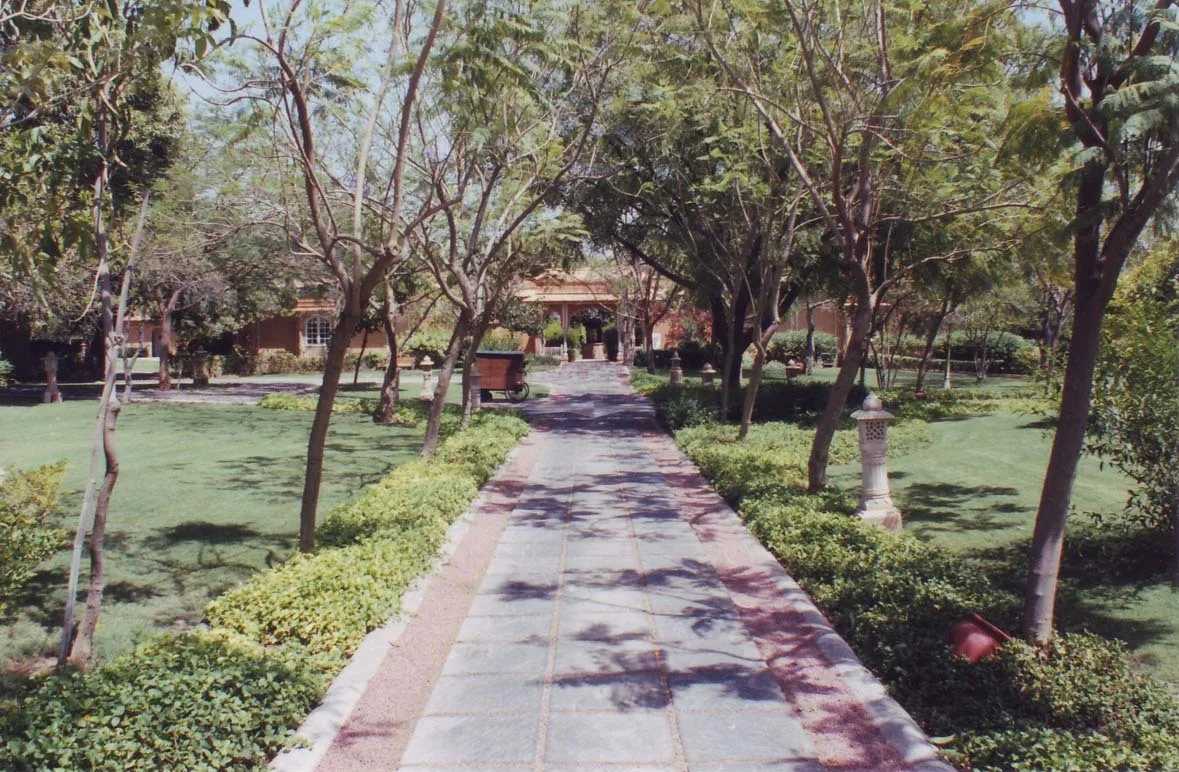
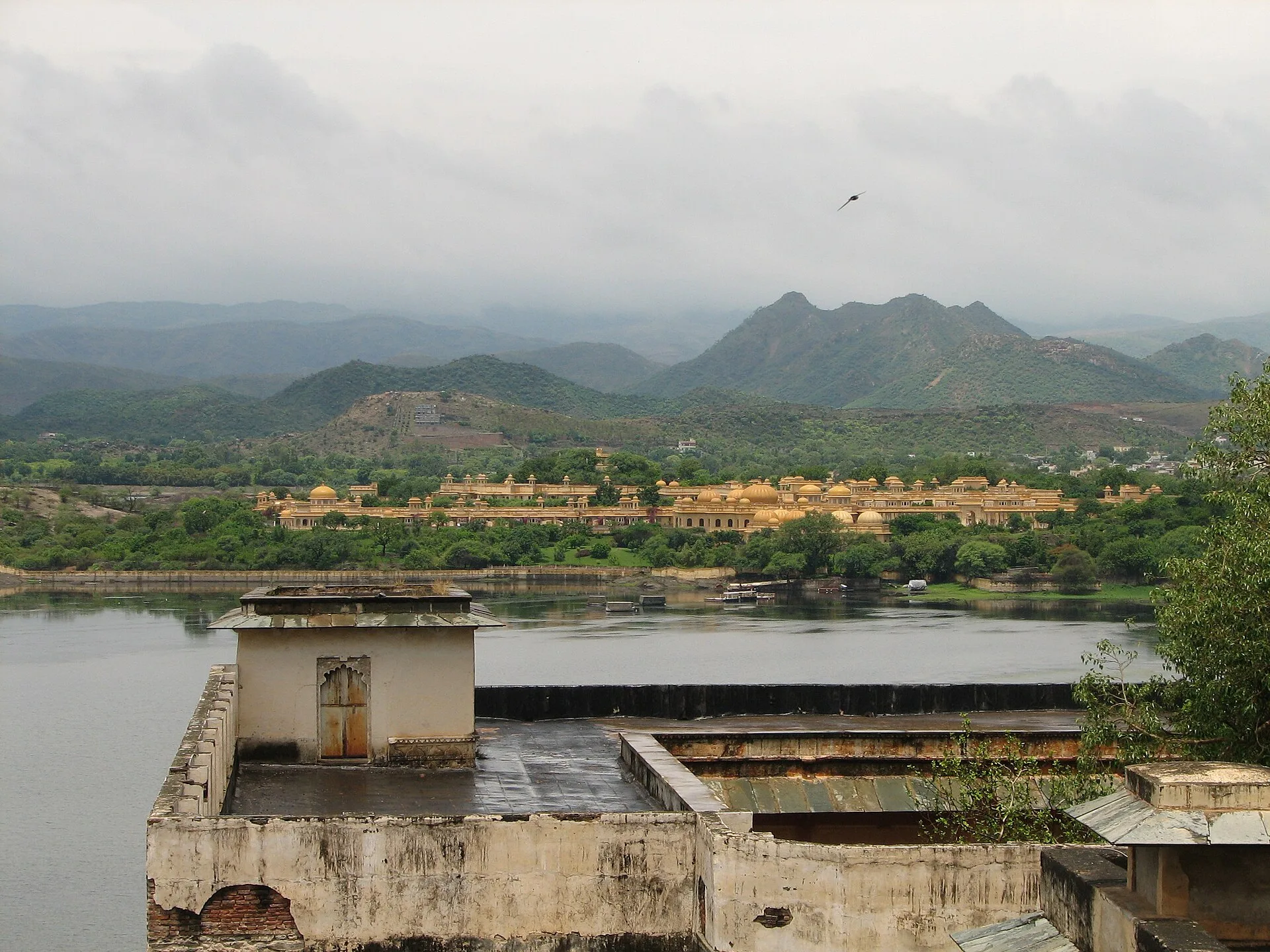
At the top of the range the group built resorts whose names end in vilas. In the mid-1990s Oberoi bought 28 acres on the outskirts of Jaipur for The Oberoi Rajvilas, which opened in 1998. Forbes India reported that almost Rs 100 crore was spent on its construction, over a crore for each room, and that a night there cost Rs 8,000 in 1998. Rajvilas was followed by Amarvilas in Agra, Udaivilas in Udaipur and Vanyavilas in Ranthambhore. The group's current list adds The Oberoi Vindhyavilas at Bandhavgarh and The Oberoi Sukhvilas at New Chandigarh.
WHERE ARE OBEROI HOTELS TODAY?
The group's Indian properties now range from city hotels in Mumbai, New Delhi, Kolkata, Bengaluru and Gurgaon to The Oberoi Rajgarh Palace at Khajuraho and, in Shimla, Wildflower Hall and The Oberoi Cecil. Three hotels on the current list trace back to M.S. Oberoi's first two decades in the business: Clarkes Hotel, bought in 1934; The Oberoi Grand, Kolkata, leased in 1938; and The Oberoi Cecil, which came with Associated Hotels of India in 1943. A fourth, Maidens Hotel in Delhi, was also among the hotels Associated Hotels of India owned.
The group lists 14 Oberoi hotels in India. Outside India it lists The Oberoi, Bali and The Oberoi, Lombok in Indonesia; The Oberoi, Mauritius; The Oberoi, Sahl Hasheesh and two Nile cruisers, The Oberoi Zahra and The Oberoi Philae, in Egypt; The Oberoi Beach Resort, Al Zorah in the United Arab Emirates; The Oberoi, Madina in Saudi Arabia; and The Oberoi, Marrakech in Morocco. Together with the nine Tridents, Clarkes and Maidens, that makes 32 hotels, the same number the Press Trust of India gave for the chain he built.
TRIDENT, NARIMAN POINT: THE FORMER OBEROI SHERATON

The 35-storey Oberoi Sheraton that the group opened in Bombay in 1973 is now Trident, Nariman Point. It opened on 7 April 1973 as the Oberoi-Sheraton and was the tallest building in South Asia until 1980. The tower stands on Marine Drive in South Mumbai, facing the Arabian Sea. In 2008 it was named Trident under The Oberoi Group, 20 years after the first Trident hotel opened in Chennai. It is one of two Trident hotels in Mumbai; the other is at Bandra Kurla.
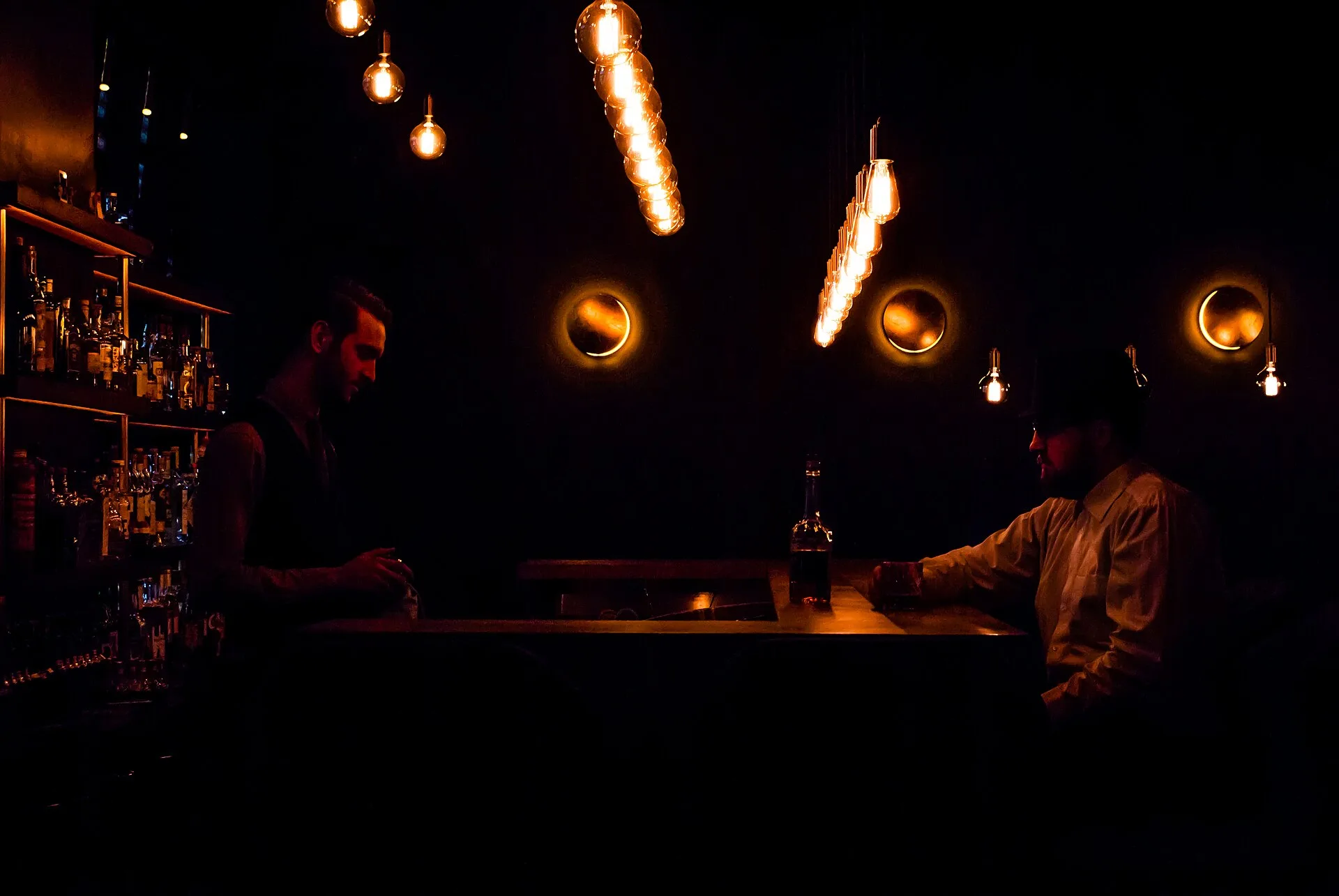
Silverfox Studios refurbished the hotel's arrival reception, the lobby lounge, Ness Bar, and the ballroom and event spaces. The work was completed in 2025 to a "Luxury Lifestyle" concept, 52 years after the hotel opened as the Oberoi-Sheraton and 91 years after M.S. Oberoi bought Clarkes Hotel in Shimla, the first hotel he owned. Ness Bar is on L1, the hotel's Level 1, and has views over Marine Drive and the Arabian Sea, the seafront the tower has faced since 1973.
SOURCES
- Encyclopaedia Britannica Mohan Singh Oberoi
- Hospitality Net (The New York Times) Mohan Singh Oberoi, a Pioneer in Luxury Hotels, Dies at 103
- The Caterer Oberoi hotel group founder dies at 103
- The Tribune Cecil, where it all began
- The Tribune 'Biki' Oberoi, who ushered in uber-luxury hotel era, passes away
- Forbes India Mr. Hospitality: PRS 'Biki' Oberoi has made guests' comfort his priority
- ThePrint (PTI) India's hospitality industry icon PRS Oberoi no more
- People Matters What are The Oberoi Group's three grand pillars of success?
- Vir Sanghvi Biki Oberoi has surprised us once again
- The Oberoi Group Our Hotels