HOW SHIPS ANCHORED BEYOND US WATERS SOLD LIQUOR TO SMALL BOATS FROM SHORE BETWEEN 1920 AND 1933
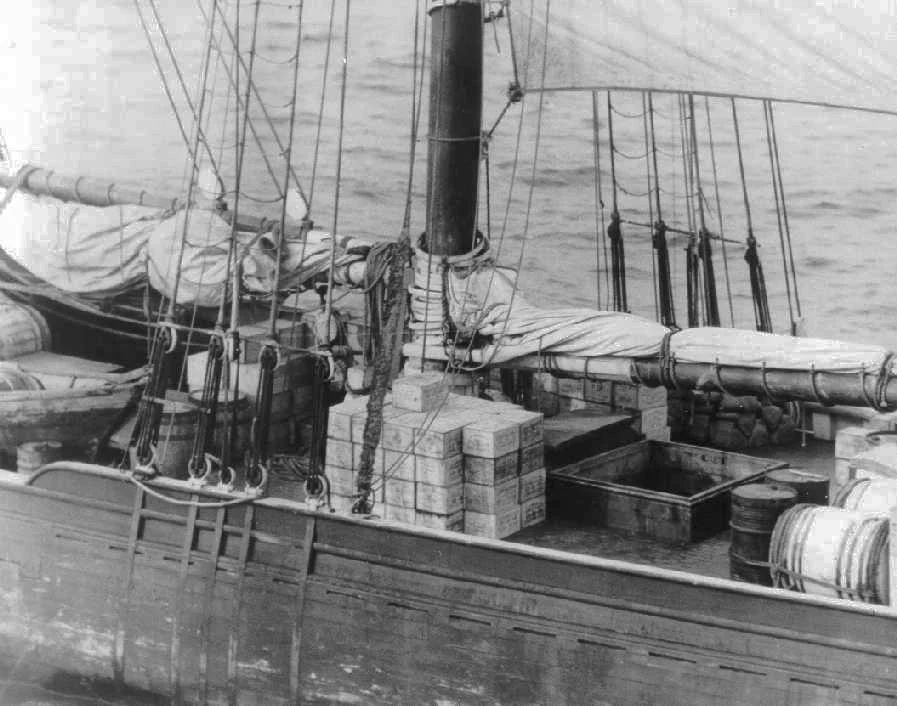
Rum Row was the line of liquor ships that anchored off the American coast during Prohibition, the national ban on alcohol that took effect in January 1920 and ended on 5 December 1933. The ships stayed just outside United States waters, at first three nautical miles from shore, and sold their cargo to small, fast contact boats that carried it to the beach. The largest row lay off New York and New Jersey, supplied from Canada, the Bahamas, Cuba and the French islands of St Pierre and Miquelon. In 1924 a treaty pushed the enforcement line out to about 12 miles, and Congress approved the largest peacetime funding increase in the history of the US Coast Guard, which added destroyers, patrol boats and aircraft.
WHAT WAS RUM ROW?
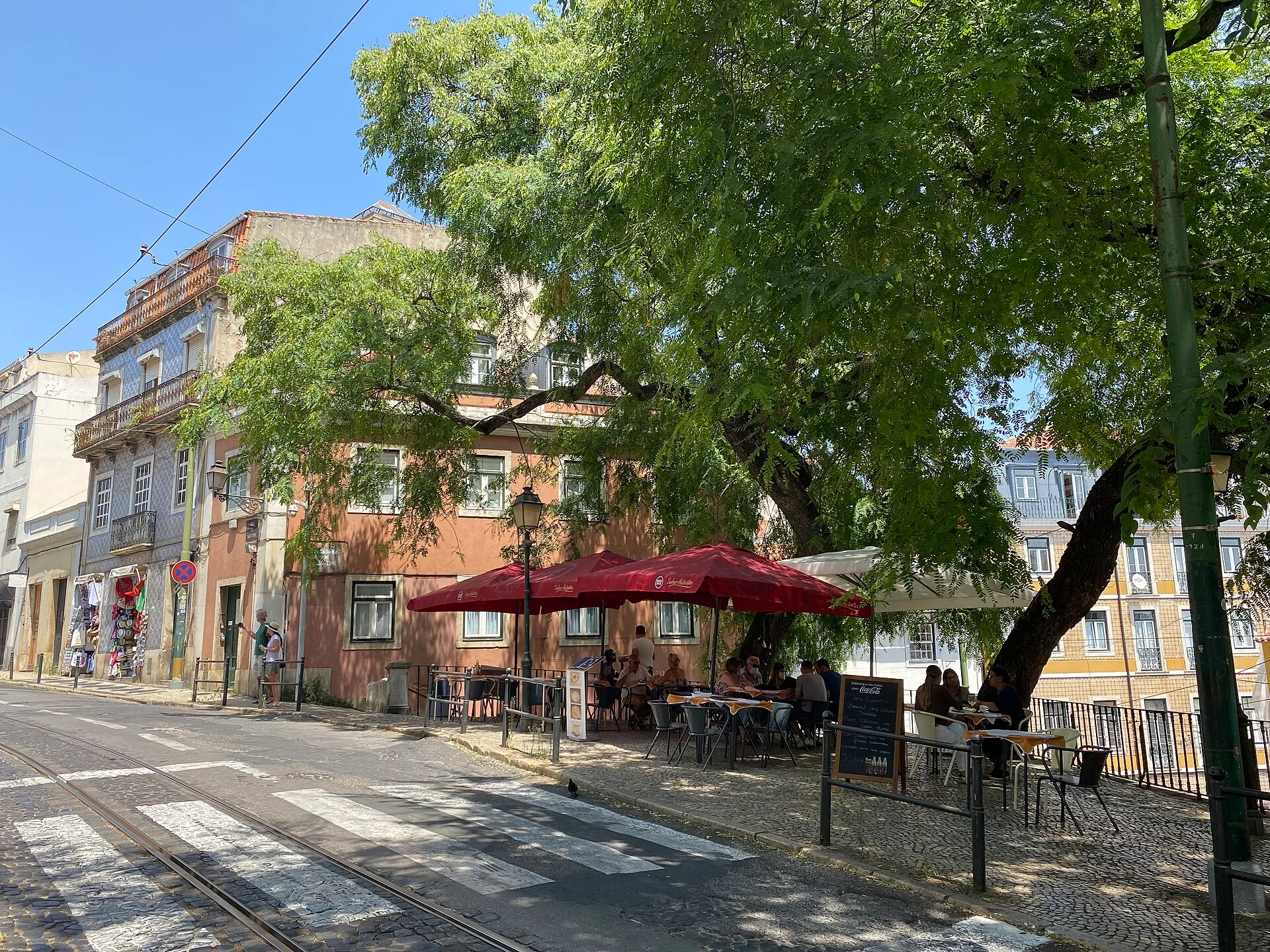
Ships anchored beyond the three-mile limit were in international waters, outside the reach of American enforcement. Smugglers loaded these vessels, known as mother ships, in ports where liquor was legal and sailed them to rendezvous points beyond the limit, where they waited for contact boats. The Mob Museum in Las Vegas, which runs an online history of Prohibition, describes the contact boats as small, fast craft whose buyers paid in cash and ran the cases ashore. In New Jersey the three-mile line itself was called the Rum Line. Before 1924 flat-bottomed skiffs crossed Raritan Bay at night to meet trucks waiting on the beach.
New York's Rum Row was the largest on either coast, according to the National Archives' Prologue magazine, and lay east of Long Island and southeast of Nantucket Island. New York was the country's biggest market for liquor, as a Coast Guard intelligence officer noted in 1927, during the 13 years of Prohibition. By 1922 the Federal Prohibition Commission counted hundreds of mother ships off American shores, with up to 60 off the New Jersey coast alone. Rows also formed off Boston, the Chesapeake Bay, New Orleans and the West Coast ports. By the late 1920s smugglers were also using radio and aircraft, with seaplanes loading cases directly from ships.
WHERE DID THE LIQUOR ON RUM ROW COME FROM?
William Thiesen, Atlantic Area historian of the US Coast Guard, lists Canada and Mexico as the main sources for the West Coast, Canada for the Great Lakes, and Canada, Cuba and nearby French and British territories for the East Coast and Florida. Canada allowed distillers to make liquor for export to countries that did not ban its import, so Canadian whisky could leave legally and be smuggled further on. The Mob Museum records Canadian whisky reaching the East Coast from Nova Scotia and St Pierre. Whisky from Great Britain went to Nassau in the Bahamas, from where it was run to the East Coast and New Orleans.
The Bahamas were a British colony close to the Florida coast. The Historical Society of Palm Beach County puts the islands 66 miles from Palm Beach, and Jupiter Inlet 72 miles from Grand Bahama. Local accounts it collects describe a schooner chartered in Nassau whose cargo was taken ashore at Palm Beach in fishing skiffs, with the bottles packed in burlap sacks known as hams. Gertrude Lythgoe sold liquor in Nassau for a London company after male wholesalers pushed her out of the local market, and became known as the Queen of Rum Row.
ST PIERRE AND MIQUELON: THE FRENCH ISLANDS BEHIND RUM ROW
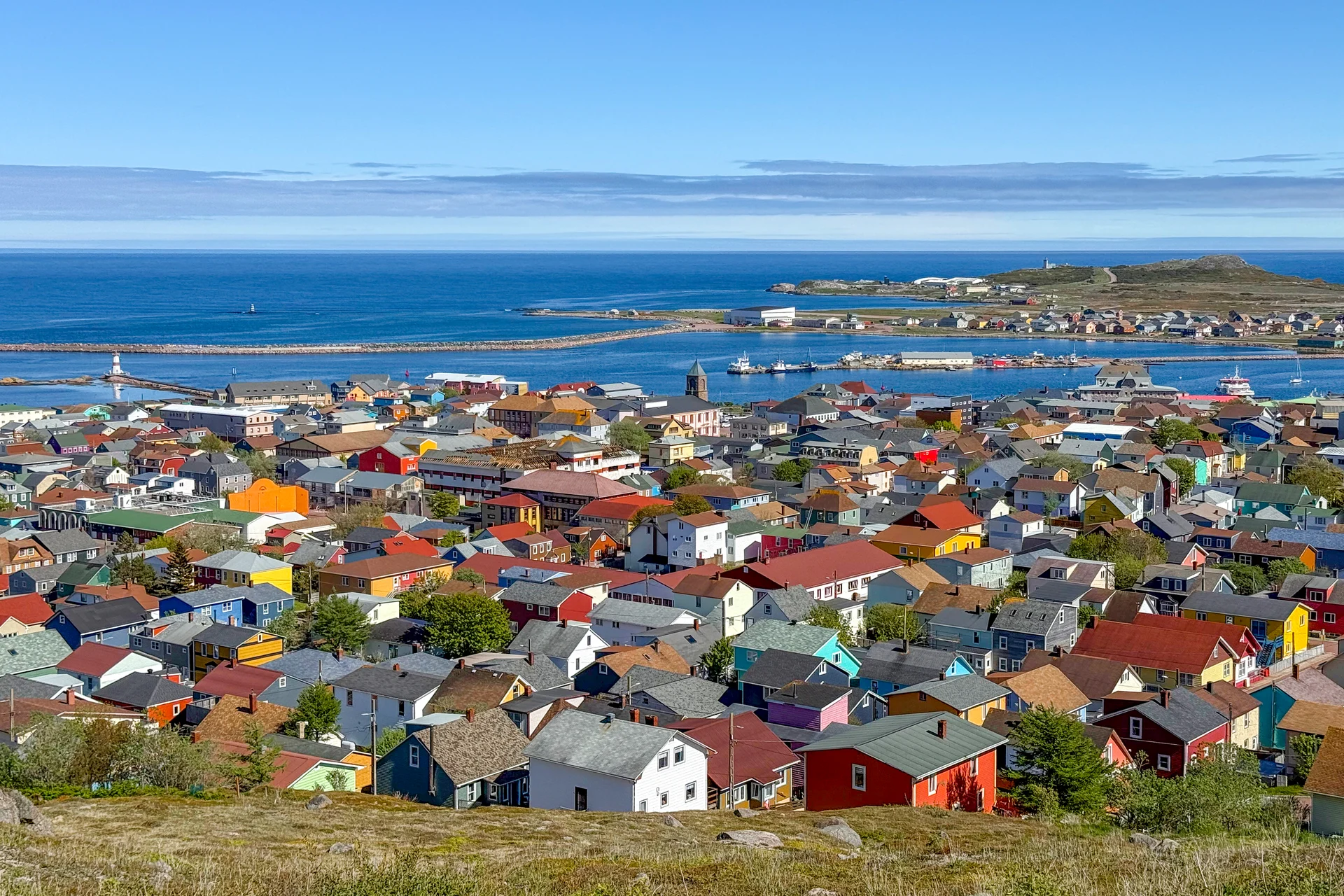
St Pierre and Miquelon are French islands about 16 miles off Newfoundland and roughly 1,000 nautical miles north of New York. About 4,000 people lived there in 1920, mostly from cod fishing. A French inspector recorded 11,000 cases of liquor imported in total between 1911 and 1918. In 1922 the islands imported 123,600 cases of whisky, and in 1923 they imported 435,700. By 1929 the figure was 5,804,872 litres, or 1,533,485 gallons, worth about 60 million dollars at the time. A single schooner could carry up to 5,000 cases, and around 80 vessels, many with faked registry papers, ran regularly between the islands and the rum rows off the East Coast.
The route was legal at every stage until the ships reached American waters. Canadian whisky was shipped to St Pierre marked as bound for France, then carried south. Smithsonian Magazine reports that Britain and Canada agreed in 1924 to stop alcohol exports to the United States, and that France did not sign, which kept St Pierre open. By 1930 Seagram's Northern Export Co. handled about 40 per cent of the islands' whisky trade. CBC News records that every available building, including house basements, was filled with liquor, and that new concrete warehouses went up by the harbour. Fishermen became warehousemen, stevedores and drivers.
The trade left its mark on the islands' houses. Wooden crates were noisy at sea, so workers repacked the bottles into jute or burlap sacks padded with straw. The empty crates were burned for heating or used as shingles, clapboards, wall sheathing and wainscoting, and CBC notes that many houses on the islands can be dated by the crate timber in their walls. One, the Villa Cutty Sark, was built partly from whisky crates. When Prohibition ended, distillers sent empty barrels to take the remaining whisky back to Montreal and Windsor for reblending, the islands went into a sharp economic decline, and most islanders went back to cod fishing.
BILL MCCOY AND THE SCHOONER ARETHUSA
The best-known Rum Row captain was William McCoy, born in Syracuse, New York, in 1877 and trained in the merchant marine. He and his brother Ben ran a motorboat business in Jacksonville, Florida, which lost its trade to buses in early 1920. The brothers sold their boatyard and McCoy began smuggling in early 1921. He loaded his first cargoes at Nassau and later moved to St Pierre for a time as enforcement increased. Smithsonian Magazine describes him as one of the first to see the advantages of the French islands, and local historians in Monmouth County, New Jersey, credit him with the method of anchoring just beyond the three-mile limit.
His ship was the Arethusa, a 127-foot fishing schooner of 157 tons, designed by Thomas F. McManus in 1907 and built at Essex, Massachusetts, in 1909. Accounts put her capacity at 5,000 to 6,000 cases. He renamed her Tomoka and registered her in Britain. The Mob Museum describes how he packed his liquor: six paper-wrapped bottles stacked in a pyramid, padded with straw and sewn into burlap. The Coast Guard cutter Seneca stopped the Tomoka off Sea Bright, New Jersey, in November 1923. McCoy was sentenced in March 1925 to nine months, left the trade that year as larger syndicates took over, and later built boats in Florida with Ben. He died in Stuart, Florida, in 1948.
DID BILL MCCOY GIVE US "THE REAL MCCOY"?
The popular story, repeated by the Mob Museum, is that the phrase came from McCoy's liquor, which was sold as genuine at a time when buyers often received diluted or bathtub gin and other bad liquor. Prologue notes that a 1931 biography of McCoy by Frederic Van de Water, titled The Real McCoy, promoted the claim that his liquor was of top quality. In 1933, after repeal, McCoy sold his own whisky under the label The Real McCoy, with the Arethusa pictured on it. Monmouth County historians point out that the phrase has been found in print as early as 1908, more than a decade before he started smuggling, which makes him an unlikely source.
Lexicographers trace it to Scotland. Michael Quinion, writing on the history of English phrases, cites the Scottish National Dictionary for an 1856 line: "a drappie o' the real MacKay", drappie being the Scots for a drop. The dictionary records that G Mackay and Co, whisky distillers of Edinburgh, adopted the phrase as a slogan in 1870, and Robert Louis Stevenson wrote "He's the real Mackay" in an 1883 letter. The phrase does not appear in print in America before 1898, and the stories linking it to the boxer Kid McCoy are, in his words, apocryphal. His conclusion is that the Scottish real Mackay became the American real McCoy.
HOW THE COAST GUARD FOUGHT RUM ROW: FROM THREE MILES TO TWELVE

In 1923 the Coast Guard Commandant, William Reynolds, admitted that his cutters could stop only a small part of the liquor coming in. Treasury Secretary Andrew Mellon recommended a 28.5 million dollar expansion, and in 1924 Congress approved about 13 million, the largest peacetime increase in the service's history. The same year, a treaty involving the United States, Britain and Canada allowed the Coast Guard to search vessels within one hour's sailing distance of shore. The Coast Guard read this as about 12 miles, based on speedboats running at around 40 miles an hour, and the rows moved out to the new line.
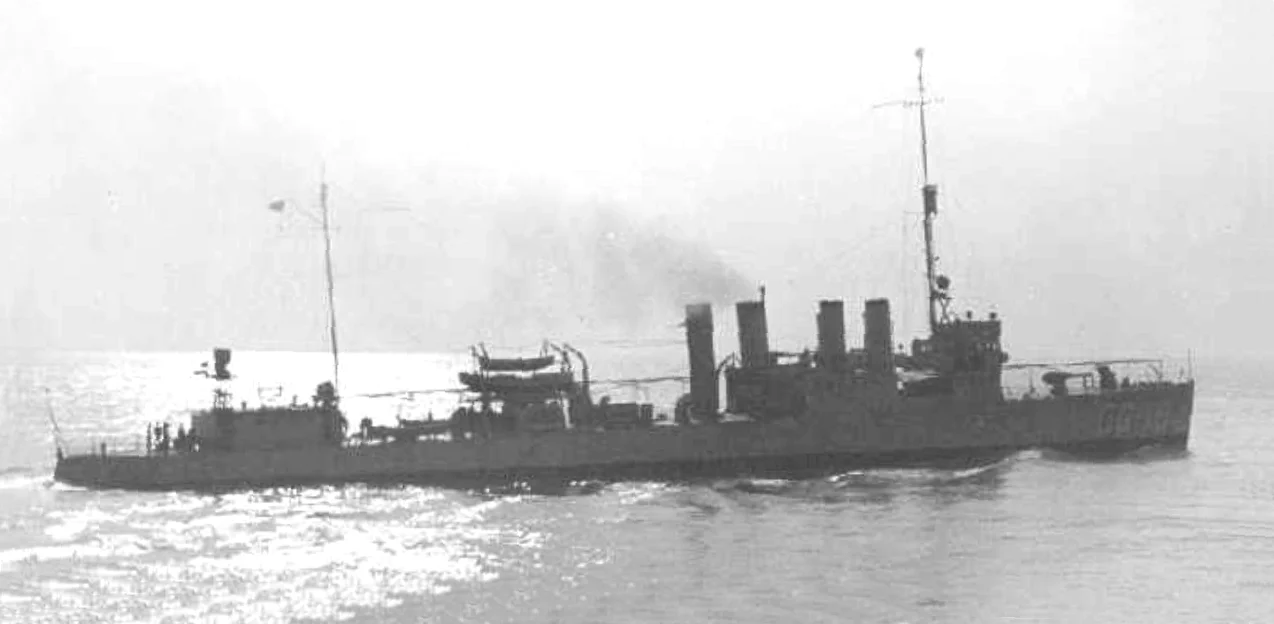
Rather than wait for new ships, Congress gave the Coast Guard 20 laid-up Navy destroyers. The first, the Henley, went to sea in the summer of 1924, and the destroyers became the first Navy warships crewed entirely by Coast Guardsmen. Rear Admiral Frederick Billard, Commandant from January 1924, kept the strategy of picketing mother ships day and night. More than 200 wooden 75-foot patrol boats, known as six-bitters, were built for offshore picket duty and most were working by 1925. The service also put more than 450 seized smuggling boats into use. Its budget rose from 9.3 million dollars in 1923 to over 24 million in 1927, and its personnel from about 4,000 to 10,000.
New technology followed. Radio direction finders, first fitted to the cutter Androscoggin in 1919, let two cutters working together fix the position of a smuggler's transmitter. The Office of Coast Guard Intelligence was founded in 1924, and the Treasury cryptanalyst Elizebeth Friedman is credited with breaking the codes of more than 12,000 radio messages. The first Coast Guard air interdiction came in June 1925, and in 1926 Congress funded five Loening OL-5 amphibians, based at Ten Pound Island in Gloucester Harbor, Massachusetts. By 1926 the Mob Museum records that the six-bitters were stopping contact boats from reaching shore. The National Archives keeps 90 boxes of its seized vessel records from 1920 to 1933.
PROHIBITION BAR AT MANDARIN ORIENTAL SHENZHEN
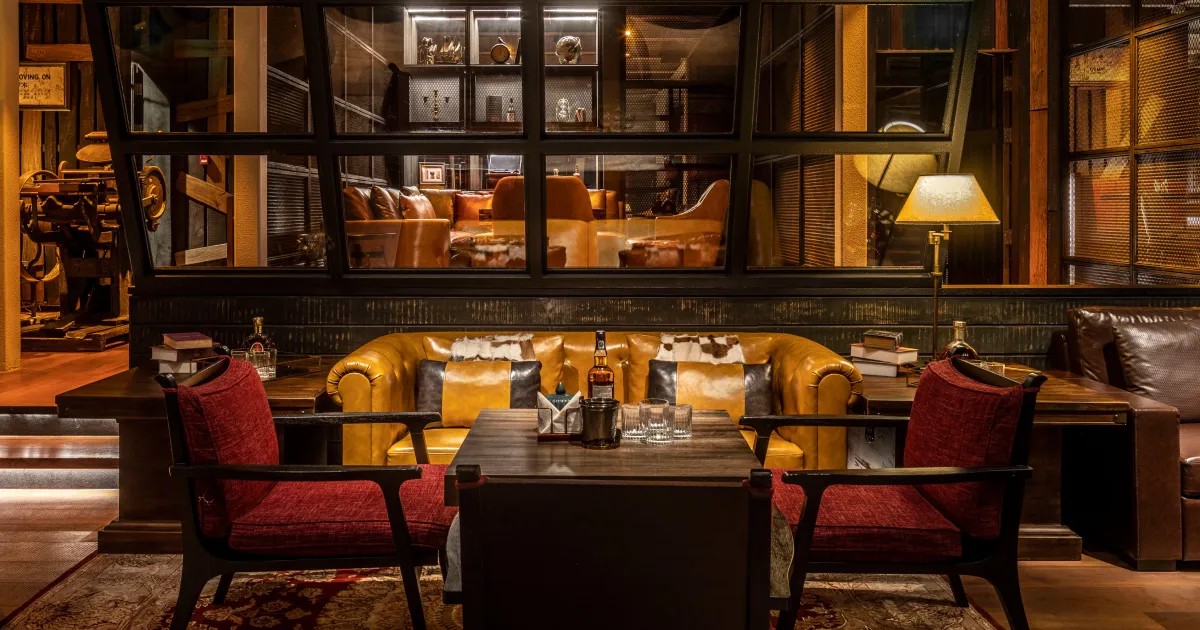
Prohibition Bar is the MO Bar of Mandarin Oriental Shenzhen, on the 79th floor of the hotel. Silverfox Studios designed it, and it was completed in 2022. It is described as a semi-hidden bar that recreates the intrigue of Prohibition. Guests reach it by a separate lift from Level 78 and then walk a long corridor laid out as a storage passage, with crates of bottles, exposed ductwork and aged hand-painted liquor adverts on the walls. During Prohibition the crate was the unit of the Rum Row trade: liquor was counted in cases on St Pierre, stored in warehouses and basements, and sold by the case to contact boats.
The corridor opens into the main bar, which has a long bar top with an integrated DJ booth and cocktail station, set among distressed timber planks and steel beams. Beyond it, the lounge has Chesterfield sofas and iron screens, with views of the Shenzhen skyline. On St Pierre, the empty whisky crates of the same trade were reused as shingles, clapboards and wainscoting in the islands' houses. On Rum Row itself, buyers could reach the mother ships only by contact boat, beyond the limit of American waters.
SOURCES
- National Archives (Prologue Magazine) Smugglers, Bootleggers, and Scofflaws: Prohibition and New York City
- US Naval Institute, Naval History Magazine Busting Smugglers and Breaking Codes
- US Coast Guard The Long Blue Line: Catching the rumrunners, Coast Guard adopts new technology during Prohibition
- US Coast Guard Rear Admiral Frederick Billard: commander, warrior, educator and mastermind of rapid expansion
- The Mob Museum Rumrunners Delivered the Good Stuff to America's Speakeasies
- Smithsonian Magazine This Tiny French Archipelago Became America's Alcohol Warehouse During Prohibition
- CBC News St-Pierre-Miquelon and the Burin Peninsula: Bound together by history
- Historical Society of Palm Beach County Prohibition
- Monmouth Timeline Bill McCoy
- World Wide Words Real McCoy, the