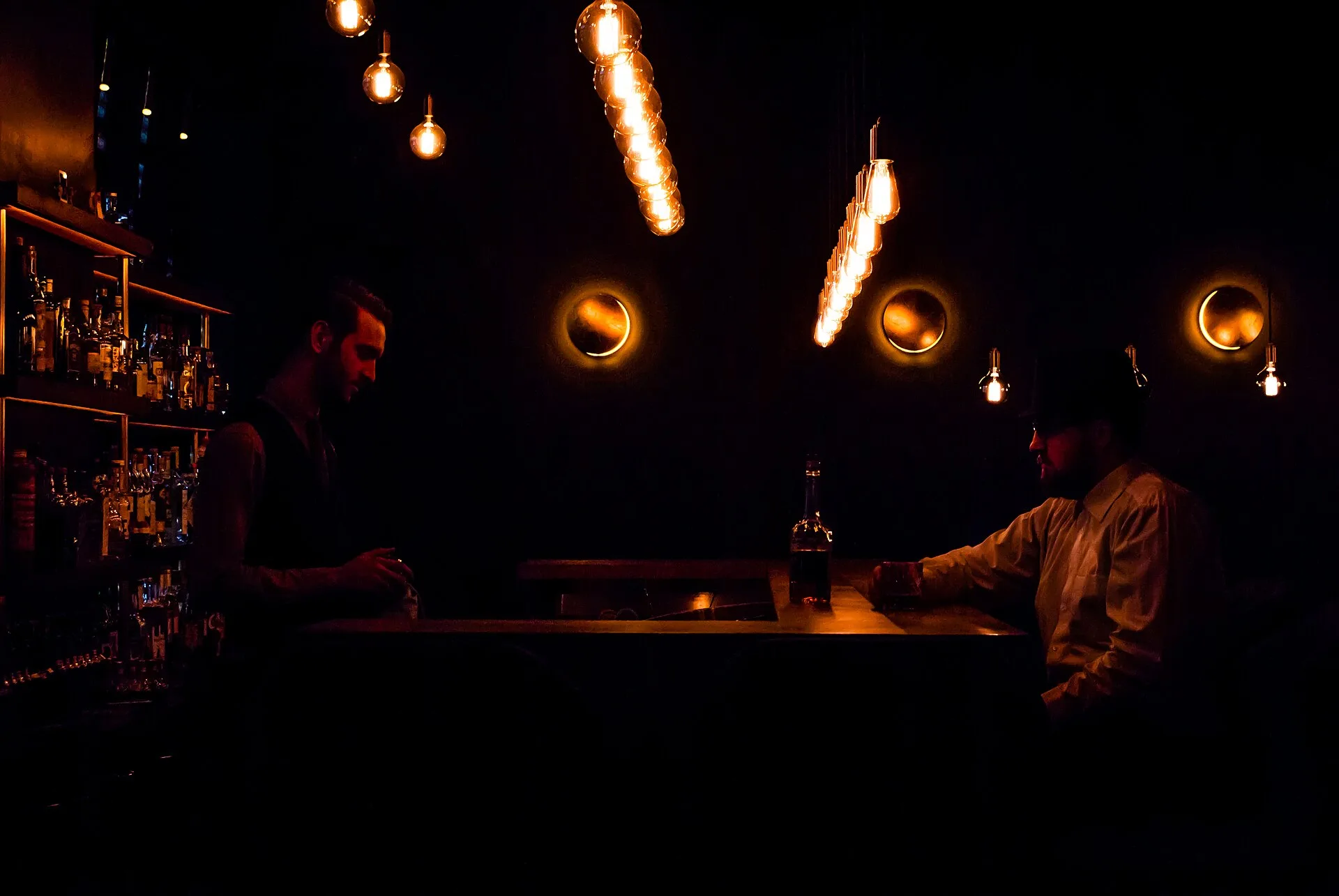
FROM A FREE MOTORISTS' HANDBOOK TO THE HONG KONG MACAU SELECTION
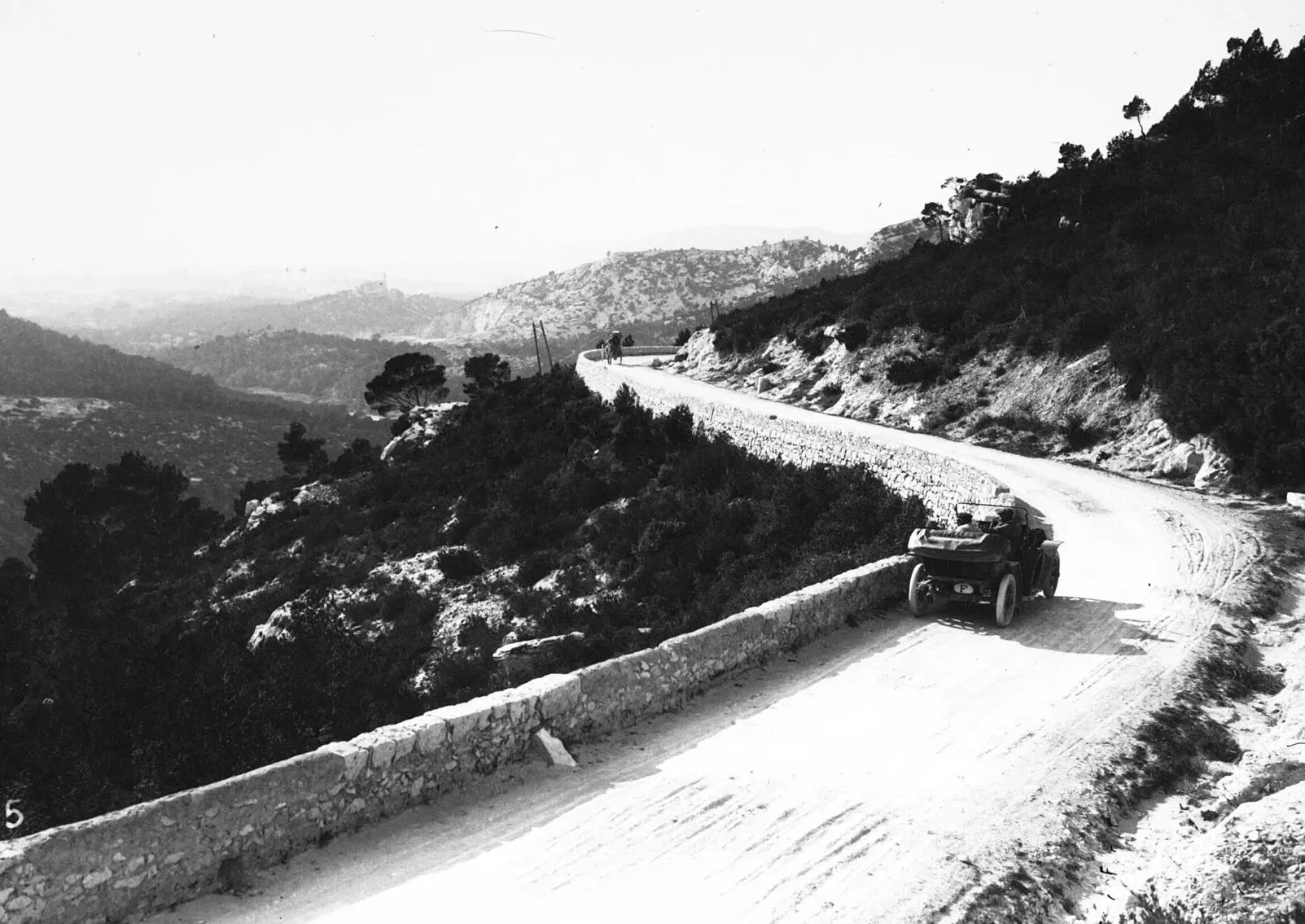
The MICHELIN Guide began in 1900 as a free handbook printed by a French tyre manufacturer to keep motorists on the road. It listed garages, doctors, road maps and places to eat and sleep, and from the 1920s it concentrated on restaurants and hotels. The single Michelin star arrived in 1926, the three-star scale in 1931 and the salaried, anonymous inspector in 1933. From France the guide spread across Europe, then to New York in 2006 and Tokyo in 2007, and on 2 December 2008 Michelin released its first guide to Hong Kong and Macau, the 2009 edition. The guide is the annual selection; the star is one of the distinctions given inside it, decided by inspectors who eat anonymously and agree each rating as a team.
WHERE DID THE MICHELIN GUIDE COME FROM?
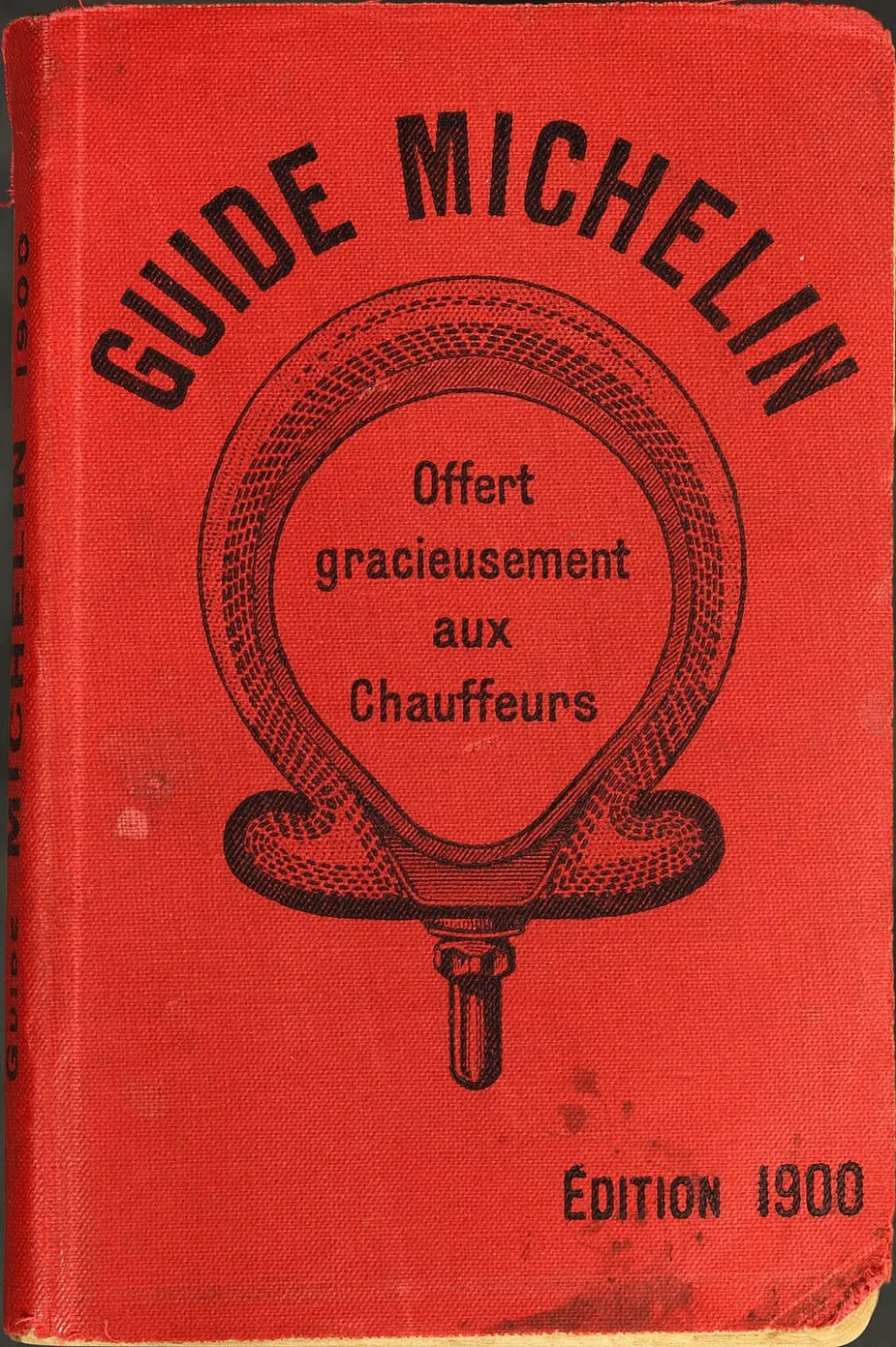
Brothers André and Édouard Michelin founded their tyre company in Clermont-Ferrand in 1889, when France had fewer than 3,000 cars. Smithsonian magazine records that the brothers were leaders in pneumatic tyres that could be removed and replaced rather than glued to the rim. The guide was conceived to encourage road travel and, with it, tyre sales; Smithsonian notes that it told readers where to find Michelin dealers. According to the MICHELIN Guide's own history, the company gave away its red travel guide for about two decades before charging for it.
The first edition of 1900 was a promotional booklet of about 400 pages, red from the start, with a print run of 35,000 copies handed to drivers who bought tyres. Its stated aim was to give all the information useful to a driver travelling in France: lists of garages and doctors, road maps, instructions for changing a tyre and places to eat and sleep. In the preface André Michelin wrote "Cet ouvrage paraîtra avec le siècle, il durera autant que lui": the work would appear with the century and last as long as it.
HOW THE GUIDE MOVED FROM TYRES TO RESTAURANTS

The balance of the guide shifted as cars became common. Smithsonian, citing historian Stephen Harp's book Marketing Michelin, gives the figures: in 1912 the guide ran to more than 600 pages, 62 of them about tyres, and by 1927 the tyre-changing section filled 5 pages out of 990. After the First World War, repair shops were easier to find, and editions placed more weight on food and lodging. On Harp's figures, tyre content fell from about one page in ten to about one page in two hundred.
From 1920 Michelin charged for the guide. The guide's own account of the decision is that André Michelin found copies being used to prop up a workbench at a tyre dealer's and decided the guide should carry a price. National Geographic describes the 1920 edition as a relaunch listing restaurant recommendations across France, still with the aim of encouraging motor tourism. In the early 1920s the guide dropped paid advertising, added a list of Paris hotels and began grouping restaurants by category. In the same decade the company recruited anonymous inspectors to review the restaurants it listed.
WHEN DID THE MICHELIN STAR SYSTEM BEGIN?
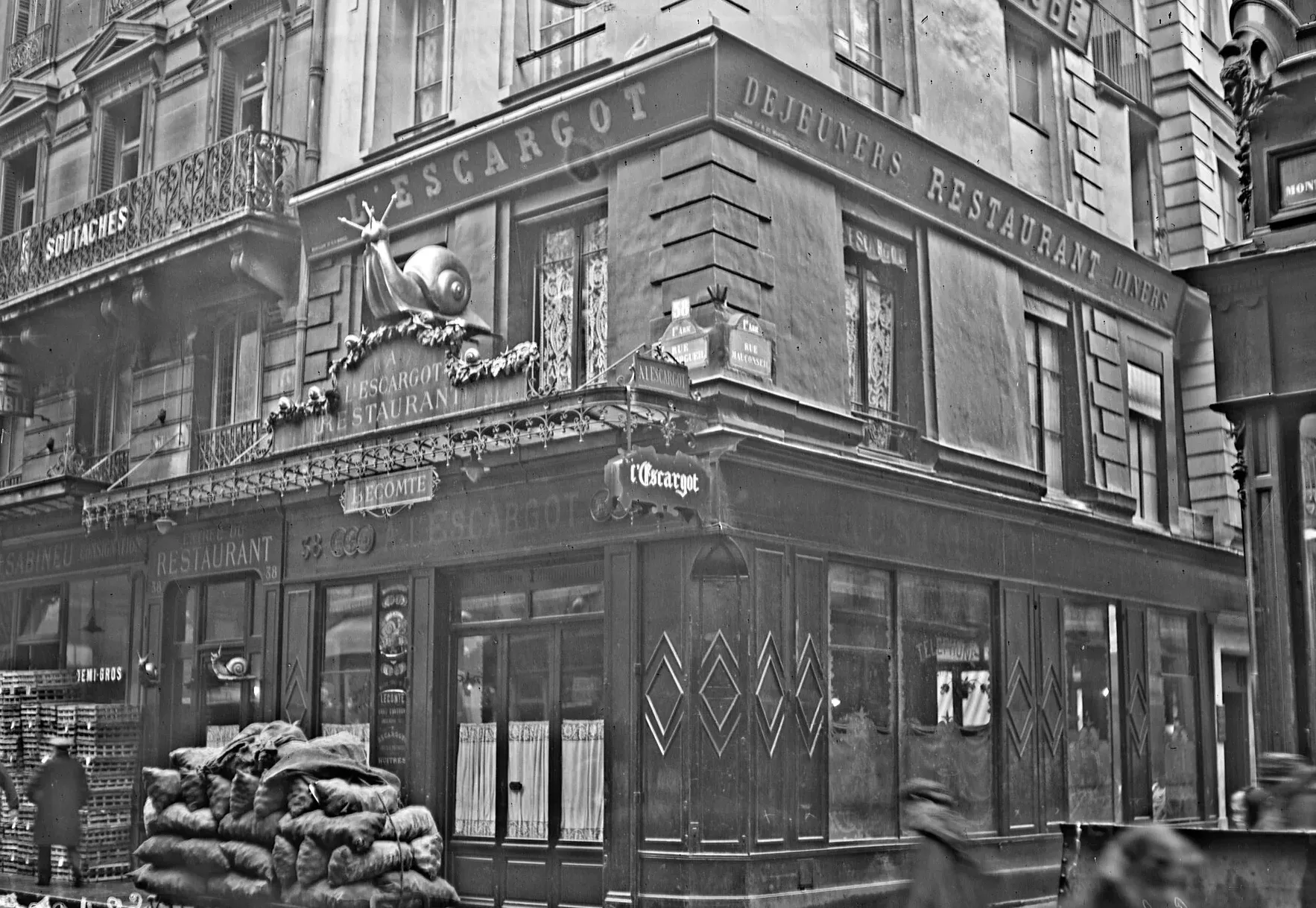
The first star appeared in 1926 as a single mark for a good table, added to the restaurant listings the guide had built up since becoming a paid publication. For five years it was the only grade. National Geographic reports that the first stars went to 46 French fine-dining establishments. In 1931 a second and third star were added, replacing the single tier with the zero-to-three scale that is still used. Smithsonian notes that more than a million copies of the guide were sold between 1926 and 1940.
In 1933 Michelin created the professional role of inspector. These were salaried employees who made an annual selection organised by categories of comfort and price, and their anonymity and independence became the guide's defining feature. The criteria behind the starred rankings were published in 1936. National Geographic gives the definitions from that period: one star for a very good restaurant in its category, two stars for excellent cooking worth a detour, and three stars for exceptional cuisine worth a special journey. National Geographic notes that these definitions remain almost unchanged.
MICHELIN GUIDE VS MICHELIN STAR: WHAT IS THE DIFFERENCE?
The MICHELIN Guide is the publication and its annual selection; a Michelin star is one distinction within it. A restaurant can be listed in the guide without a star. Since 1997 the guide has given the Bib Gourmand to restaurants serving high-quality food at good value, and it introduced the Michelin Plate, later renamed Selected Restaurants, for places that serve good food without a star or Bib. In 2020 it added the Michelin Green Star for sustainable gastronomy, awarded first in France and then in the Nordic countries.
Several rules separate a star from other forms of recognition. Restaurants do not apply for one; any restaurant can ask to be considered and readers can send recommendations. There is no limit on how many stars can be awarded in a year. A star belongs to the restaurant, not the chef: when a head chef changes, inspectors return to decide whether to keep, raise or lower the rating. Stars are reviewed every year, and a star is not renewed if the cooking has declined.
HOW THE MICHELIN GUIDE EXPANDED BEYOND FRANCE
The guide's own timeline dates its spread across Europe to 1911. Its current red guide series includes titles for Belgium and Luxembourg, Germany, Spain and Portugal, Italy, Switzerland, the Netherlands, Great Britain and Ireland, the Nordic countries, London, Paris and the main cities of Europe, alongside the France guide where the series began. According to Michelin, more than 30 million copies of the guide have been sold worldwide, and National Geographic puts its present coverage at thousands of establishments in more than 40 countries.
The guide crossed the Atlantic in 2006 with New York, where it awarded stars to 39 restaurants, followed by San Francisco, Los Angeles and Las Vegas in 2007 and 2008 and Chicago in 2011. Its first step in Asia was Tokyo in November 2007; Kyoto, Kobe, Osaka and Nara followed, and Yokohama and Shonan later joined the Tokyo selection. Hong Kong and Macau came next in the 2009 edition. Singapore, Seoul and Shanghai received guides in 2016 and Bangkok in 2018, and the collection now runs to 28 titles across more than 25 countries.
THE FIRST MICHELIN GUIDE HONG KONG MACAU

The first MICHELIN Guide Hong Kong Macau, titled the 2009 edition, was released on 2 December 2008, a little over a year after the Tokyo guide. The Hong Kong government's announcement that day described it as the first bilingual Michelin guide, covering 202 establishments in Hong Kong, 22 of them with one or more stars. The Hong Kong Tourism Board said it would use the guide to promote the city as a destination for fine wine and gastronomy, and to attract more visitors.
DestinAsian magazine recorded that more than 1,200 establishments were considered for the first edition and around 800 visited, and that 28 received stars, 22 in Hong Kong and six in Macau. The same report noted that the guide had a dozen inspectors, two of them Chinese. Lung King Heen at the Four Seasons Hotel was the only Hong Kong restaurant with three stars; the wider story of the city's Cantonese restaurants in the guide is told in how Cantonese fine dining evolved in Hong Kong's luxury hotels. By the 17th edition, presented on 13 March 2025 at Grand Lisboa Palace Resort Macau, the guide listed 95 starred restaurants, 76 in Hong Kong and 19 in Macau, according to the South China Morning Post.
HOW ARE MICHELIN STARS AWARDED TODAY?
Michelin inspectors are full-time employees with years of experience in the restaurant and hotel industry. They visit as ordinary customers, booking under an assumed name, ordering and paying the full bill, so that the meal they judge is the one any diner would receive. Each inspector eats more than 250 anonymous meals a year and writes a detailed report on every visit. Inspectors return to the same restaurant across seasons, at lunch and dinner, on weekdays and at weekends, before a rating is settled.
Every assessment uses five criteria: the quality of ingredients, the mastery of culinary technique, the harmony of flavours, the personality of the chef as expressed through the cooking, and consistency across the menu and over time. The criteria apply equally to a food court stall and a hotel dining room, and the guide states that decor, comfort, formality, service style and the wine list do not affect a star. Stars are decided at meetings attended by the international director, the local editor and all the inspectors involved in the selection. Decisions are unanimous; where disagreement remains, further visits are arranged until the team reaches a consensus.
MAN WAH AT MANDARIN ORIENTAL HONG KONG
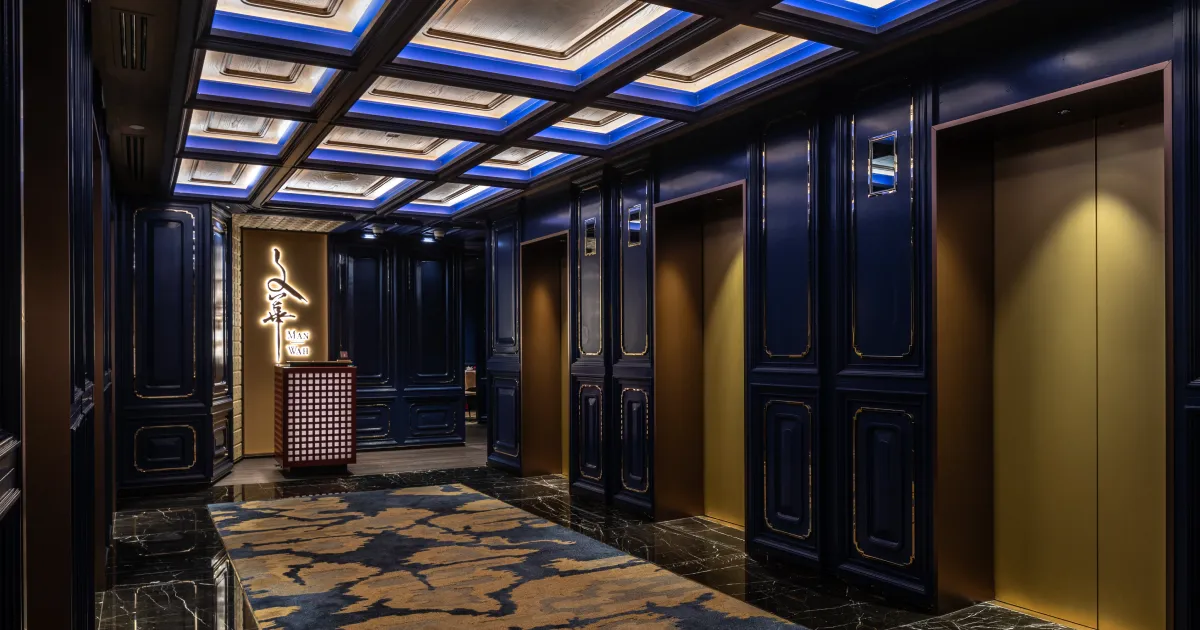
Man Wah is the Cantonese restaurant on the 25th floor of Mandarin Oriental Hong Kong, a hotel whose background is set out in the history of The Mandarin of 1963 and its hotel group. The restaurant holds One MICHELIN Star, a distinction that, under the guide's rules, belongs to the restaurant rather than to its chef and is reviewed every year. It was redesigned in 2021, and the design interprets the Hong Kong skyline and Victoria Harbour seen from its windows, with references to the hotel's heritage.
The lanterns reinterpret the original Man Wah lanterns as clustered brass cages with embroidered pleated shades. Embroidered dragon and floral artwork is set on a navy wall panel, and the room has navy panelling with gold trim. The floor is a bespoke blue and gold carpet, made in silk with hand-carved patterning that evokes light on the harbour outside the windows. The guide states that decor, comfort and service style do not affect a star, which is judged on the cooking served across repeated anonymous visits through the year.
SOURCES
- MICHELIN Guide Le Guide MICHELIN, une longue histoire
- MICHELIN Guide History of the MICHELIN Guide
- MICHELIN Guide Everything You Want to Know About the MICHELIN Guide Inspectors
- MICHELIN Guide What is a MICHELIN Star?
- MICHELIN Guide MICHELIN Guides Worldwide
- National Geographic 100 years on: the story behind the Michelin stars
- Smithsonian Magazine The Michelin Guide: Why We Look to Automotive Experts for Dining Advice
- South China Morning Post Michelin Guide Hong Kong and Macau 2025 full list
- Hong Kong SAR Government Release of Michelin guide Hong Kong Macau 2009 welcomed
- DestinAsian Digesting Michelin's new guide to Hong Kong and Macau