A THEORY ABOUT HUMAN EVOLUTION THAT BECAME A DESIGN METHOD, AND WHAT THE RESEARCH BEHIND IT SHOWS
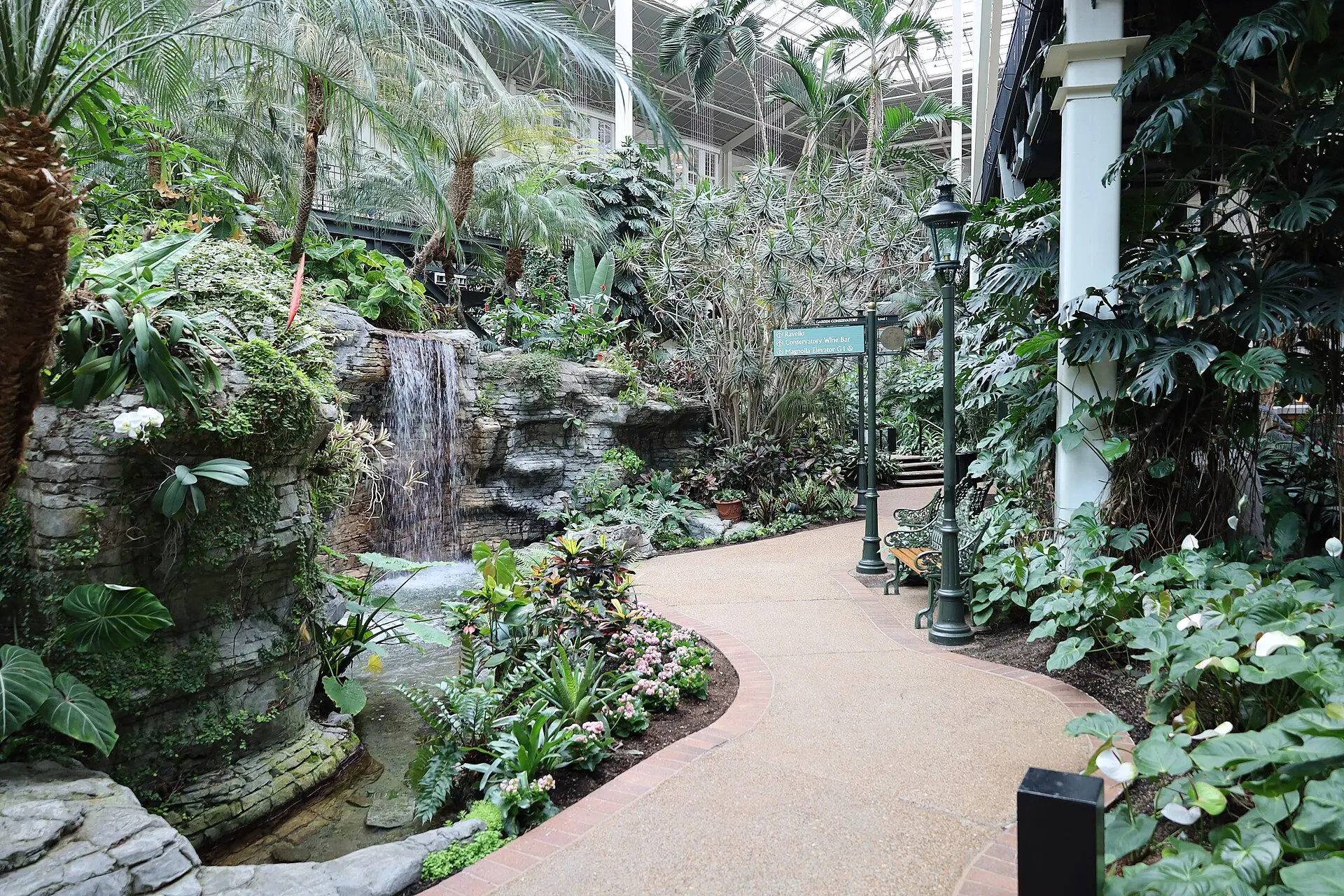
Biophilic design is an approach to architecture and interiors that builds contact with nature into the places where people live, work and stay: daylight, fresh air, plants, water, views to the outside, natural materials and forms drawn from nature. It is based on the biophilia hypothesis, which proposes that humans have an innate tendency to focus on life and lifelike processes, in the words of the biologist Edward O. Wilson. Its leading theorists argue that because people spend about 90 per cent of their time indoors, buildings have become the main human habitat and should be designed as one. Research supports parts of that case. Studies of window views and natural scenes have recorded faster recovery from stress and from surgery, and reviews of indoor plant research find some measurable benefits, though most of the studies are of moderate quality. Other claims, notably that houseplants clean indoor air, have not held up. Hospitality researchers have now begun to measure which nature elements matter in hotels.
WHAT IS BIOPHILIA? THE HYPOTHESIS BEHIND BIOPHILIC DESIGN
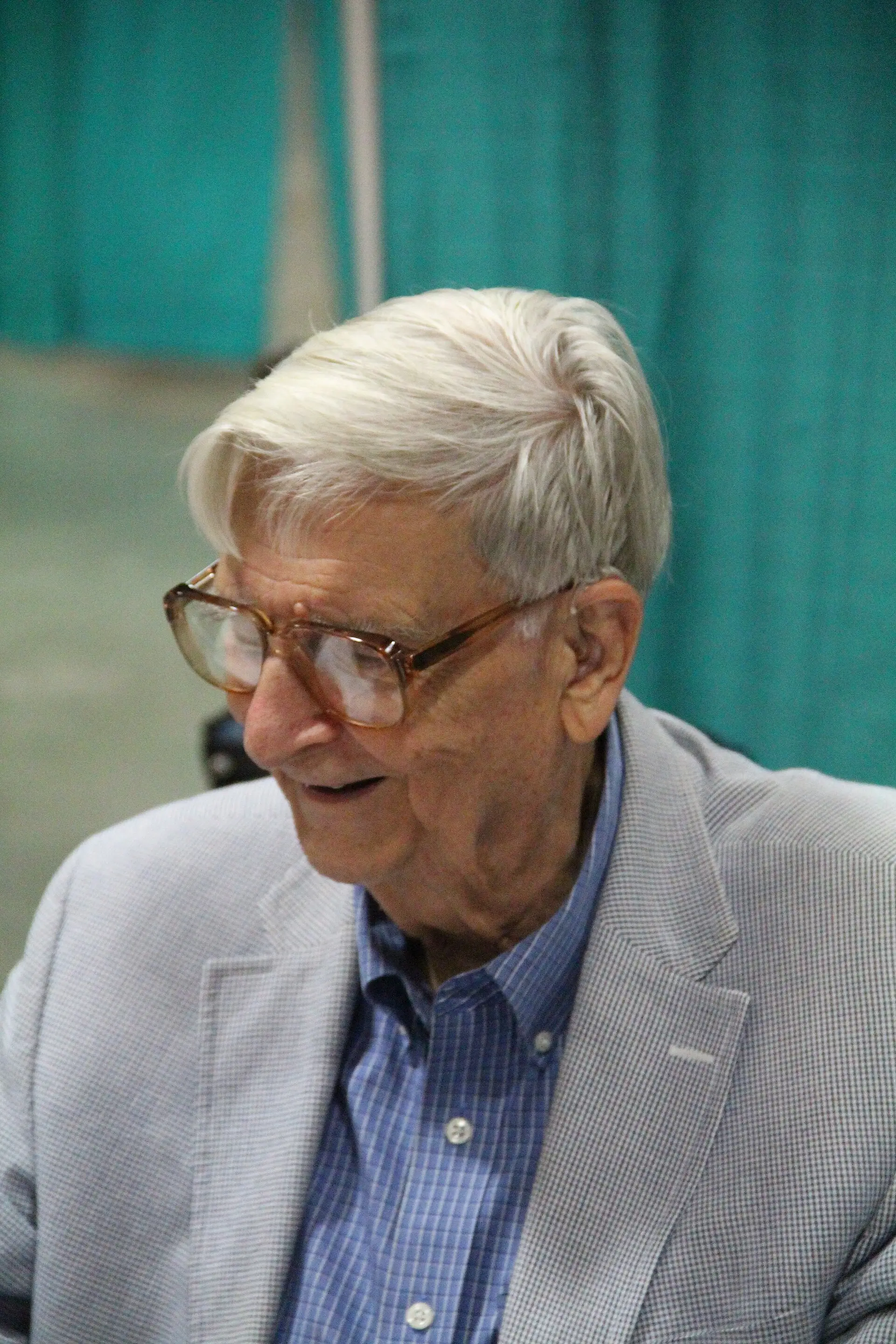
Wilson first used the expression biophilia in 1984, as the title of a book published by Harvard University Press. The book is a personal essay on his response to the natural world and his argument that humans and other living things are deeply connected. He defined biophilia as the innate tendency to focus on life and lifelike processes, and later described it as an emotional affiliation of humans with other living organisms. In his account biophilia is not a single instinct. It is a set of inherited learning rules, shaped by culture, that make people quicker to acquire some responses to nature than others. Wilson illustrated the mechanism with the human response to snakes, and argued that the rules persist in a weakened form once people move away from nature.
Draft chapters for a multidisciplinary volume on the idea, edited by Wilson and Stephen R. Kellert, were first presented at a meeting at Woods Hole, Massachusetts, in August 1992, and became the book The Biophilia Hypothesis, published by Island Press. The editors treated biophilia as a hypothesis that needed systematic inquiry and wrote that the subject ruled out any definitive proof. Wilson called it a working hypothesis. Kellert's own chapter proposed nine ways in which people value nature: utilitarian, naturalistic, ecologistic-scientific, aesthetic, symbolic, humanistic, moralistic, dominionistic and negativistic, the last covering fear and aversion. He described his chapter as a largely conceptual argument and acknowledged that the survey findings behind it offered only restricted support.
HOW BIOPHILIA BECAME BIOPHILIC DESIGN
Kellert went on to turn the hypothesis into guidance for architects and designers. The Biophilic Net-Positive Design Project at the University of Minnesota describes three frameworks. The first, Biophilic Design Elements and Attributes by Kellert, Heerwagen and Mador (2008), sets out six elements and around seventy attributes. The second, the 14 Patterns of Biophilic Design published by Terrapin Bright Green in 2014, groups its strategies into three categories, and in 2020 added a fifteenth pattern, awe. The third, by Kellert and Elizabeth Calabrese in 2015, reduces the field to three kinds of experience and 24 attributes, and defines the aim of biophilic design as creating good habitat for people as a biological organism.
Kellert and Calabrese's three categories are direct experience of nature, covering light, air, water, plants, animals, weather, natural landscapes and fire; indirect experience of nature, covering images of nature, natural materials, natural colours, naturalistic shapes and forms, and the patina of age; and experience of space and place, covering qualities such as prospect and refuge, transitional spaces and attachment to place. Prospect is the ability to see far, and refuge is a sheltered and secure position. The authors include both because humans evolved in response to them. Natural materials such as wood, stone, wool, cotton and leather are included because they produce visual and tactile responses that few artificial materials match.
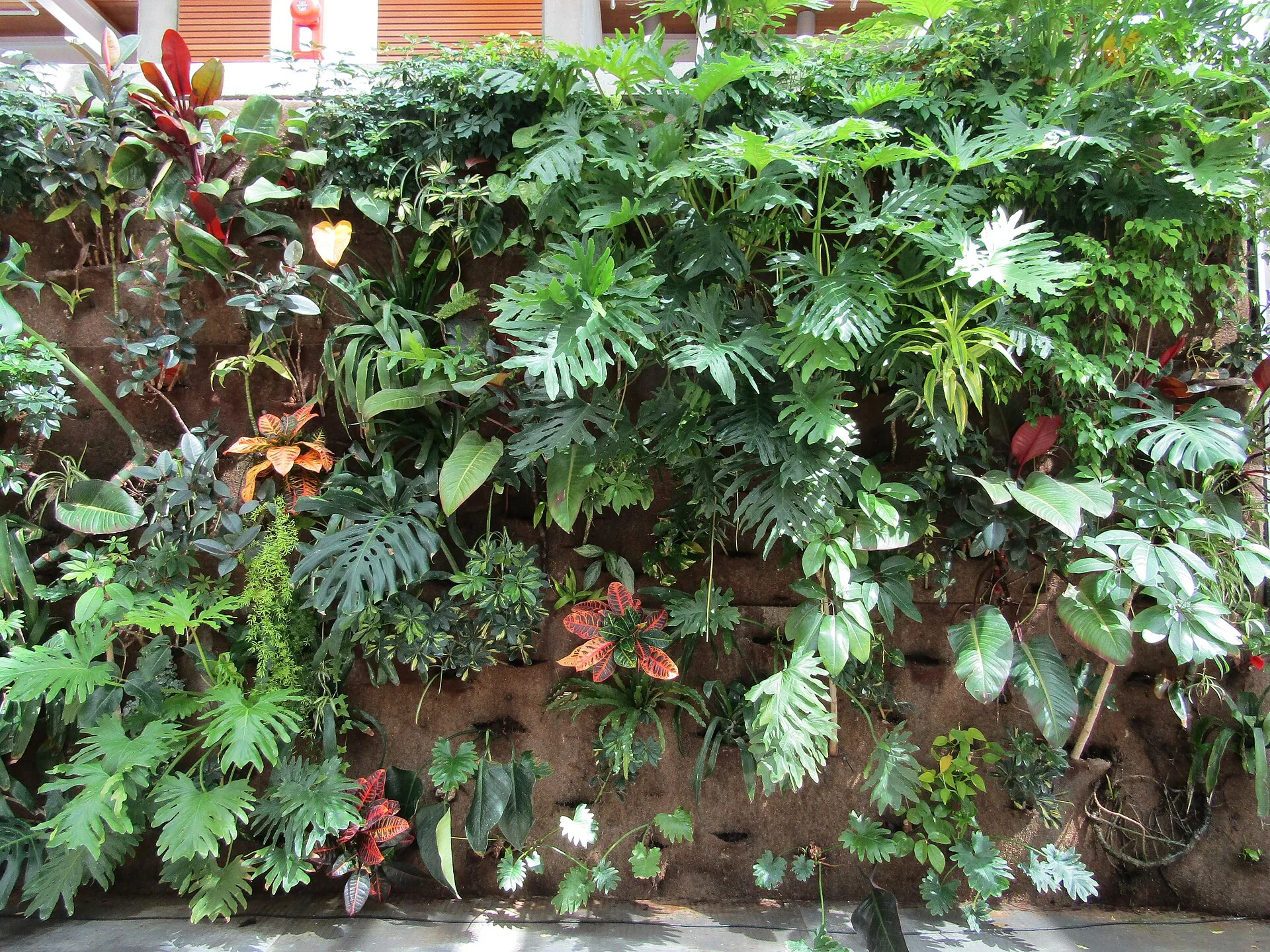
The same document sets conditions. Contact with nature must be repeated and sustained, and design should never happen in a piecemeal or disconnected way. Vegetation, especially flowering plants, is described as one of the most successful ways to bring nature into buildings, but the authors write that single or isolated plants rarely have much beneficial effect. Planting should be abundant and ecologically connected, and should favour local species over exotic and invasive ones. The authors also note that much of the supporting data, particularly from healthcare, is limited and often methodologically weak.
WHAT THE RESEARCH SHOWS: WINDOW VIEWS AND STRESS RECOVERY
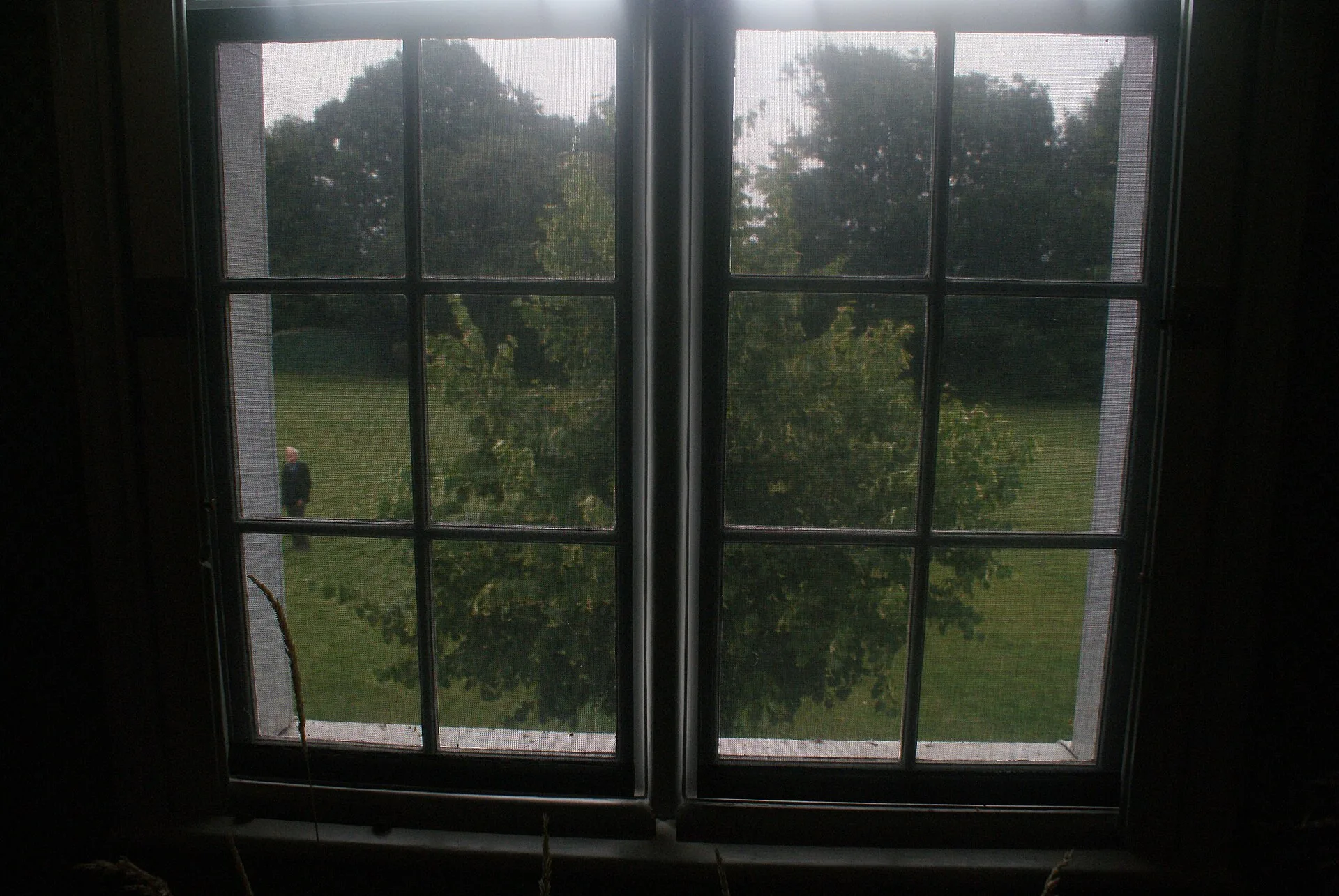
The study most often cited in support of biophilic design was published in Science in 1984 by Roger Ulrich. Using records from a suburban Pennsylvania hospital for the years 1972 to 1981, he compared 46 patients recovering from gallbladder surgery, matched in 23 pairs. Their rooms were nearly identical, except that one group's window looked onto a small stand of deciduous trees and the other onto a brick wall. Only operations between May and October were included, so the trees were in leaf. Patients with the tree view stayed an average of 7.96 days against 8.70, received fewer negative comments in nurses' notes (1.13 against 3.96 per patient) and took fewer moderate and strong painkiller doses on days two to five.
Ulrich set out the limits of the result. Patients were assigned to rooms as they became vacant rather than at random, the built view was a featureless wall, and the findings might not apply to other patient groups. In 1991 he and colleagues tested the idea in a laboratory. In that study, 120 University of Delaware students watched a stressful film about workplace accidents, then a ten-minute video of one of six natural or urban settings. Heart rate, skin conductance, muscle tension and an indirect measure of blood pressure recovered faster and more completely with the natural scenes, and self-reported positive feelings rose more. The authors noted that the settings were videos rather than real places and that the participants were young students tested in a single session.
Ulrich's explanation, a psycho-evolutionary theory, holds that people react quickly and emotionally to unthreatening natural scenes, and that recovery follows from that positive reaction. The 1991 paper set it against the theory of R. and S. Kaplan, set out in their 1989 book The Experience of Nature, which argues that nature restores mental fatigue by holding attention without effort, a quality they called fascination. Ulrich's team argued that attention alone could not explain recovery, because the stressful film also held attention strongly, as do threatening natural stimuli such as snakes and spiders.
DO INDOOR PLANTS IMPROVE WELLBEING?

Evidence on indoor plants specifically is thinner than the evidence on views. A 2022 systematic review in the International Journal of Environmental Research and Public Health, by Ke-Tsung Han and colleagues, examined 42 studies of how indoor plants affect measurable human functions and pooled 16 of them in meta-analyses. Plants had a significant effect on diastolic blood pressure and on academic achievement. Effects on brain-wave activity, attention and response time were not significant. The authors rated study quality as moderate, and noted that most participants were college students, that many experiments took place in laboratories and that several of the pooled analyses rested on only two or three studies.
Field studies in real workplaces give a similar picture. In 2014, Marlon Nieuwenhuis of Cardiff University and colleagues from Exeter, Groningen and Queensland published three field experiments in the Journal of Experimental Psychology: Applied comparing lean offices, with clear desks and plain walls, against offices with plants. Staff with plants in view reported higher workplace satisfaction, better concentration and better perceived air quality, and in one test participants completed tasks faster with no rise in errors. The authors summarised the gain as a 15 per cent rise in productivity, but in their call centre experiment the company's own productivity measures showed no significant difference between the planted and unplanted floors.
DO PLANTS CLEAN INDOOR AIR?
The most persistent claim about indoor plants traces back to 1989, when NASA, looking for ways to clean the air on space stations, reported that plants could remove cancer-causing chemicals from the air. In 2019, Michael Waring, an associate professor of architectural and environmental engineering at Drexel University, and his doctoral student Bryan Cummings reviewed a dozen studies covering 30 years of this research in the Journal of Exposure Science and Environmental Epidemiology. Most of the experiments had placed a single potted plant in a sealed chamber, often a cubic metre or smaller, injected one volatile organic compound and tracked it over hours or days.
To compare the studies, they calculated a clean air delivery rate for nearly all of them. When those results were converted to real buildings, plants in every case removed pollutants orders of magnitude more slowly than ordinary air exchange. Matching the air cleaning of a building's air handling system, or of a couple of open windows in a house, would take roughly 100 to 1,000 plants per square metre of floor space. Waring described the case as an example of how scientific findings can be misleading or misinterpreted over time.
BIOPHILIC DESIGN IN HOTELS: WHAT GUESTS AND STAFF VALUE
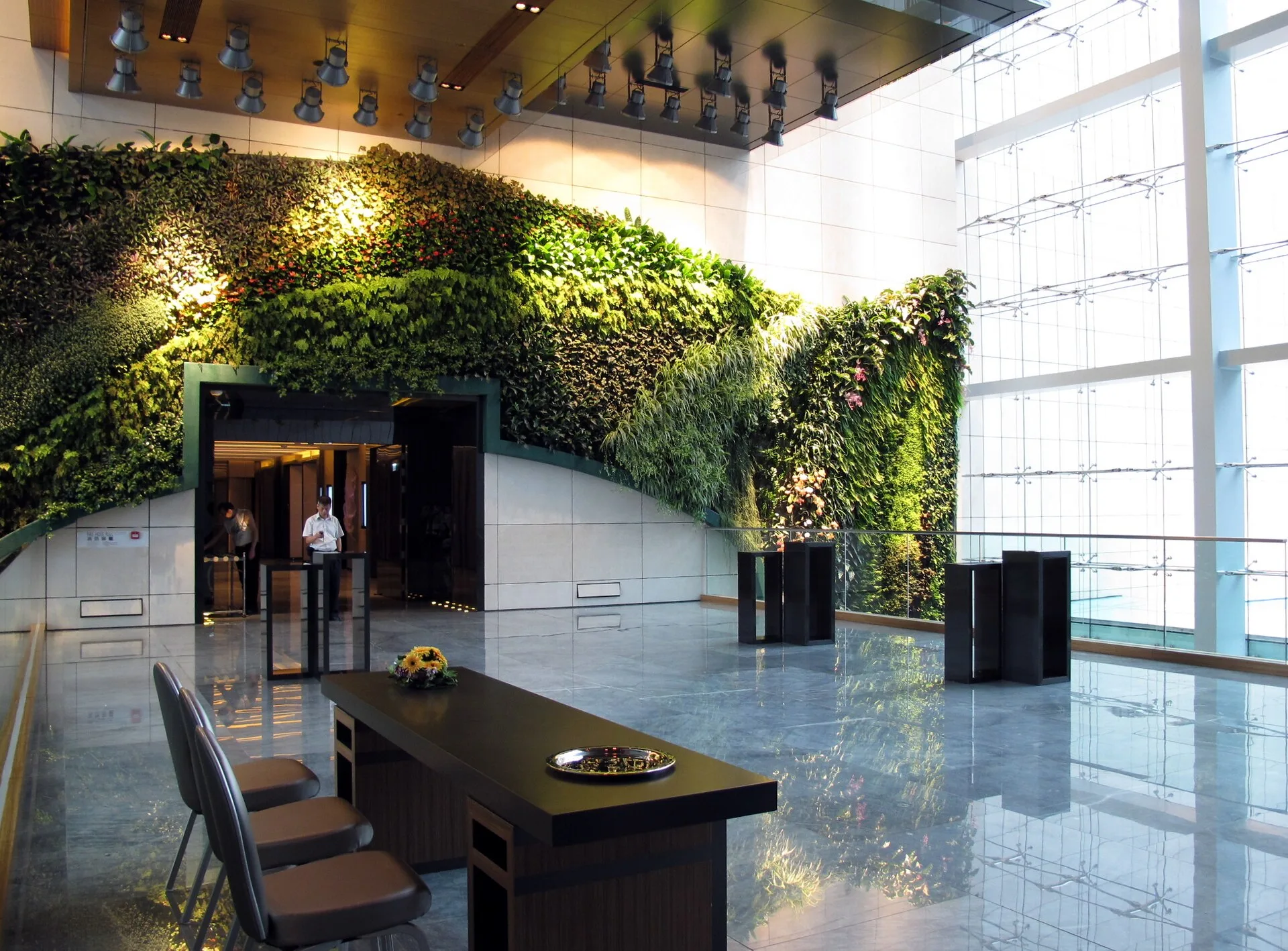
Hospitality researchers have begun to test which biophilic elements matter in hotels. A 2022 study in the International Journal of Contemporary Hospitality Management by Renata Fernandes Guzzo, Courtney Suess and Tiffany Legendre used conjoint analysis to measure how prospective hotel employees rated urban hotels with different combinations of nature features. Natural lighting, outdoor green views and indoor landscaping were the most important attributes, and the authors found that not all nature attributes were valued equally. Preferences also varied with how respondents rated their own wellbeing. The authors linked specific nature elements to more positive emotions and to stronger intentions to work at hotels that include them.
A 2023 study in Psychology and Marketing by Minjung Shin, Rachel Hyunkyung Lee, Jihye Ellie Min and Tiffany Legendre ran two pretests and three between-subjects experiments on nature elements in service settings, with hotels among the examples. Moderate biophilic design raised perceptions of aesthetics and attractiveness, but the effect faded when nature was applied to excess. Biophilic features increased willingness to pay a price premium by raising aesthetic value and perceptions of luxury, and the effect appeared mainly where the setting otherwise had little nature.
THE CLUB LOUNGE AT MANDARIN ORIENTAL JUMEIRA, DUBAI

The Club Lounge at Mandarin Oriental Jumeira, Dubai, was designed by Silverfox Studios and completed in 2019. Its window seating is rattan, set with hanging planters and overlooking the Dubai skyline and the Burj Khalifa. Timber and marble, the wood and stone of the natural materials attribute, recur through the rest of the lounge: a white marble and timber buffet counter under a black steel frame, timber display shelving, a dark timber armchair, and marble-topped dining tables beneath a cove-lit ceiling with timber beams. The lounge also has a cushioned banquette, a large abstract painting, sofas, armchairs and a bar counter.
SOURCES
- Island Press, via CornellX The Biophilia Hypothesis, edited by Stephen R. Kellert and Edward O. Wilson (introduction and chapters 1 and 2)
- University of Minnesota, Biophilic Net-Positive Design Project Biophilic design frameworks
- Stephen R. Kellert and Elizabeth F. Calabrese, via University of Minnesota The Practice of Biophilic Design (2015)
- Science, via University of Arizona View through a window may influence recovery from surgery, Roger S. Ulrich (1984)
- Journal of Environmental Psychology, via University of Utah Stress recovery during exposure to natural and urban environments, Ulrich et al. (1991)
- International Journal of Environmental Research and Public Health, via PubMed Central Effects of Indoor Plants on Human Functions: A Systematic Review with Meta-Analyses
- Association for Psychological Science A Green Office May Beat a Lean Office
- Drexel University Study: Actually, Potted Plants Don't Improve Air Quality
- International Journal of Contemporary Hospitality Management, Emerald Biophilic design for urban hotels: prospective hospitality employees' perspectives
- Psychology and Marketing, via EBSCO Connecting nature with luxury service