VERMOUTH, CAMPARI, THE NEGRONI AND THE SPRITZ BEFORE DINNER

Aperitivo is the Italian custom of a drink taken at the end of the working day, before dinner, usually with something small to eat. The word comes from the medieval Latin aperitivus, from the verb aperire, "to open", and the Treccani dictionary records that its noun sense entered Italian through the French apéritif. The bottles most associated with it come from a handful of northern Italian cities: vermouth from Turin, Campari from Milan and Aperol from Padua. From those bottles came the Milano-Torino, the Americano, the Negroni and the spritz, and from the bars that served them came the Milanese buffet known as the apericena. The history runs through cafés in Turin, the Galleria Vittorio Emanuele II in Milan, Tornabuoni Street in Florence and the squares and arcades of Padua.
WHAT IS AN APERITIVO?
Treccani defines the noun aperitivo as an alcoholic drink, usually made from aged wines, vermouth or vegetable bitters such as china (cinchona), rhubarb or artichoke, taken before a meal to open the appetite. The dictionary adds that the term has widened to cover drinks with little or no alcohol, especially bitters. In a 2022 article for VICE Italy, the writer Giorgia Cannarella notes that gastronomy historians trace an early form of the habit to ancient Rome, where wealthy Romans ate a gustatio, a first course served with wine sweetened with honey.
The modern custom took shape in nineteenth-century Turin, a city known for cafés frequented by upper-class residents in the afternoons and evenings. According to the same VICE article, those cafés began serving alcohol together with food partly to cater for female customers, because drinking on an empty stomach was considered inappropriate. Fulvio Piccinino, a mixology expert quoted in the article, names Turin as the birthplace of the aperitivo and links it to the farming culture of Piedmont, in particular the merenda sinoira, or "dinner-snack", a late-afternoon Sunday meal of wine and small dishes. Turin was also the home of vermouth, which the article places at the start of a line of herbal drinks that later included Ramazzotti, Campari and Martini.
VERMOUTH AND TURIN

Vermouth is a fortified wine flavoured with herbs and other botanicals, made in red (rosso), white (bianco) and dry styles. A Europeana story by Adrian Murphy explains that the name comes from the French pronunciation of the German Wermut, meaning wormwood. Wormwood-flavoured fortified wines were made in Germany around the sixteenth century, and at about the same time an Italian merchant produced a similar "wormwood wine" in Piedmont. Versions of vermouth have been produced in Turin since the eighteenth century. Europeana credits Antonio Benedetto Carpano as the first vermouth producer: in 1786 he opened a shop selling the drink he made, reportedly open 24 hours a day, and its success with Turin's aristocracy led him to expand production and begin exporting.
The Consorzio del Vermouth di Torino records that the first advertisement for the drink, in 1833, called it the "vero vino balsamico detto Vermut di Torino", and that by the middle of the nineteenth century the city had 42 sellers of distilled spirits and 30 liqueur producers. Martini grew out of a bottling plant opened near Turin in the 1840s and took its name in 1863 from Alessandro Martini, who had become the company's director. By the late nineteenth century bartenders were mixing vermouth into the Martini, the Manhattan and the Rob Roy, drinks from the era of the first American bar books.
A royal decree-law of 9 November 1933 set general rules for the drink, including a minimum alcohol content and sugar levels, and a European regulation of 10 June 1991 was the first to recognise and protect Vermouth di Torino. Its production specification was approved by a decree of 22 March 2017 and prescribes three Piedmontese wormwoods: Artemisia absinthium, Artemisia pontica and Artemisia vallesiaca. The consortium was founded on 3 April 2019, and on 30 September 2025 the Italian agriculture ministry recognised it as the protection body for Vermouth di Torino IGP.
CAMPARI AND THE MILANESE APERITIVO
Gaspare Campari was born in 1828 in Cassolnovo, in the province of Pavia, and opened his own café in Novara, about 50 kilometres west of Milan. Difford's Guide records that in 1860 he created a drink he called "Bitter all'uso d'Hollanda", inspired by a Dutch cordial, and coloured it red with carmine. In September 1867 Campari opened a café in the newly completed Galleria Vittorio Emanuele II in Milan, at its junction with Piazza del Duomo: Caffè Campari. Production later moved to a new plant at Sesto San Giovanni, next to the family home, which opened on 1 October 1904 with rail links for distribution.
In 1915 Gaspare's son Davide opened the Camparino in Galleria as a tribute to his father's café. According to the bar, it was fitted with a system that supplied soda water from the cellars, so that the Campari and soda was always served chilled. Its Liberty interiors were made by the cabinetmaker Eugenio Quarti, the blacksmith Alessandro Mazzucotelli and the painter Angelo d'Andrea, who designed the mosaic for the Bar di Passo. The Miani family ran the Camparino until 2018, the premises were extended in the 1990s into the former State Library next door, and the bar was relaunched in 2019. It is known today for the Campari Seltz, the Negroni and the Shakerato. In 1932, Difford's Guide records, Campari launched Campari Soda, a pre-mixed drink in a cone-shaped individual bottle designed by the futurist artist Fortunato Depero, unchanged to this day.
FROM THE AMERICANO TO THE NEGRONI
The Milano-Torino combines equal parts of Campari from Milan and red vermouth from Turin, and takes its name from the two cities. Difford's Guide places its invention in the 1860s at Gaspare Campari's café in Milan, and reports that American customers asked for soda water to be added, which gave the Americano its name. Dale DeGroff, in The Essential Cocktail, and Anistatia Miller and Jared Brown, in A Spirituous Journey, argue instead that the Milano-Torino already contained soda and was simply renamed. Gaz Regan, in his book The Negroni, credits the researcher Dom Costa with establishing that the Negroni descends from the Americano.
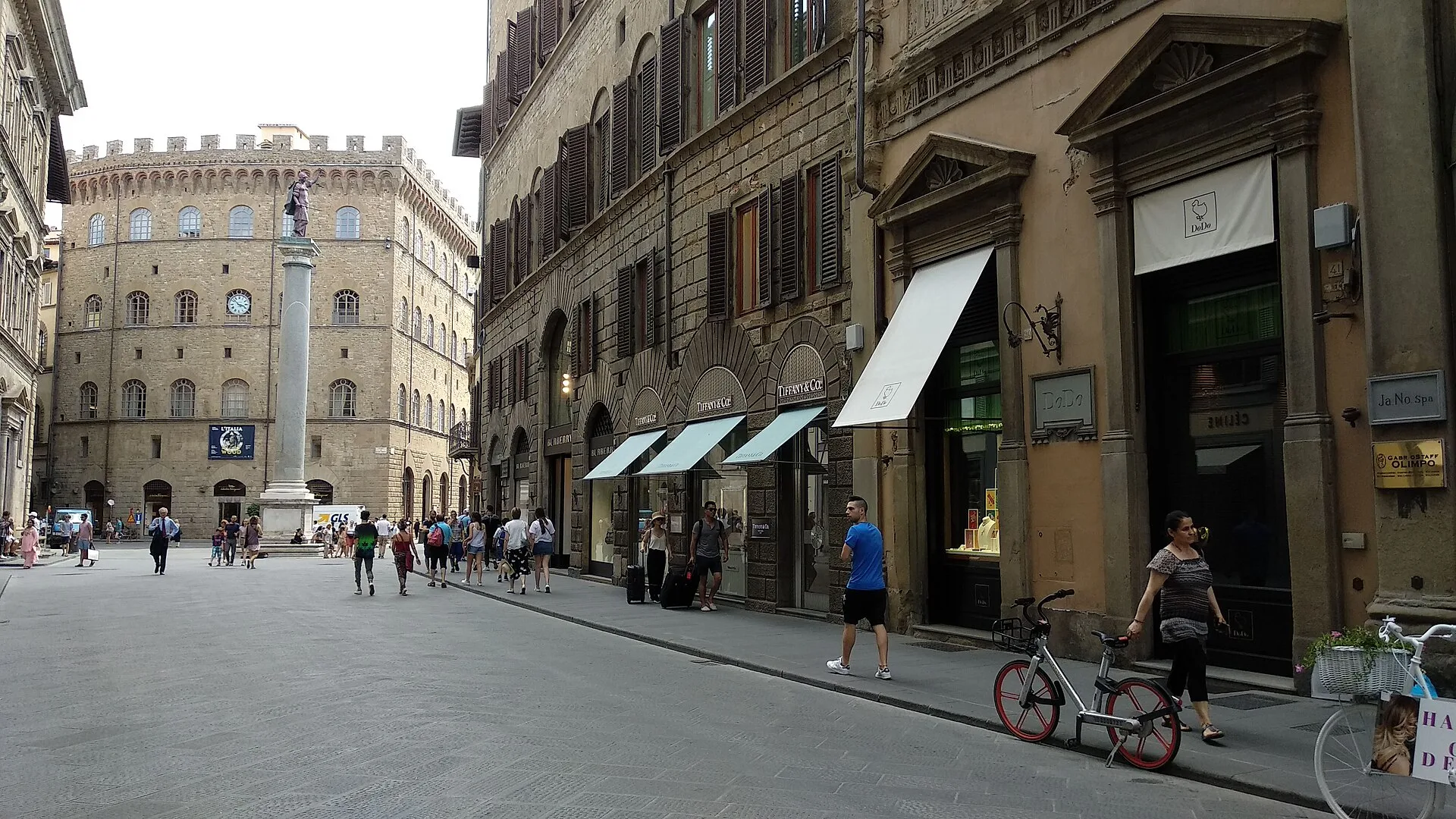
The traditional account of the Negroni, as told by Difford's Guide, dates it to Florence in 1919. Count Camillo Luigi Manfredo Maria Negroni (1868 to 1933), a regular at Caffè Casoni on Tornabuoni Street, had recently returned from England and asked for a stronger Americano. The bartender Fosco Scarselli (1898 to 1963) replaced the soda with gin. Caffè Casoni combined a grocer, perfumer, café and shop, and its customers included Florentine aristocrats and American and English tourists. A letter of 1920 from a friend jokingly told the Count not to drink more than 20 Negronis a day. Scarselli stayed at Casoni until it was sold, probably in 1932 to 1933, and the premises are today Caffè Giacosa.
The story is disputed. Colonel Hector Andres Negroni has written that there is no Count Camillo in the Negroni family genealogy and credits a French officer, General Pascal Oliver Comte de Negroni, with the drink. The Florentine version has been researched by Luca Picchi, for years head bartender at Caffè Rivoire, in his book Sulle tracce del conte. The earliest printed recipe Difford's Guide has found appears in Jacinto Sanfeliu Brucart's 1949 book El Bar: a quarter gin, a quarter Italian vermouth and a half Campari. The VICE article adds a Milanese variation, the Sbagliato, created in the 1970s when a barman preparing a Negroni used sparkling wine by mistake in place of gin.
WHERE DOES THE SPRITZ COME FROM?

The Padua tourism board presents the spritz as a drink of Padua and the Veneto, with an origin story set in the period when Austro-Hungarian soldiers were stationed in the Lombardy-Veneto region. According to the board, the soldiers were not used to the strength of the local white wine and diluted it with sparkling water or seltzer, and the name comes from the German verb spritzen. The wine-and-water drink became the spritz known today around the 1950s, when people began adding Aperol to it. Aperol was created by the brothers Luigi and Silvio Barbieri in the liqueur company of their father.
The tourism board records that Aperol was presented at the first Italian trade fair in Padua in 1919. The company's own history dates the birth of the Aperol Spritz recipe to the 1950s and describes the drink spreading among young adults in the cafés of Padua and the traditional bars of Venice; its timeline places the acquisition of Aperol by Gruppo Campari in the period 2000 to 2008. In Padua the traditional spritz is served with an olive and a thin slice of orange in the glass, with crisps or small snacks on the side, and it is drunk in the cafés, restaurants and lounge bars of the city centre and in its squares and arcades at aperitif time. In 2011 the spritz became an official cocktail of the International Bartenders Association.
WHAT IS APERICENA, THE APERITIVO BUFFET?
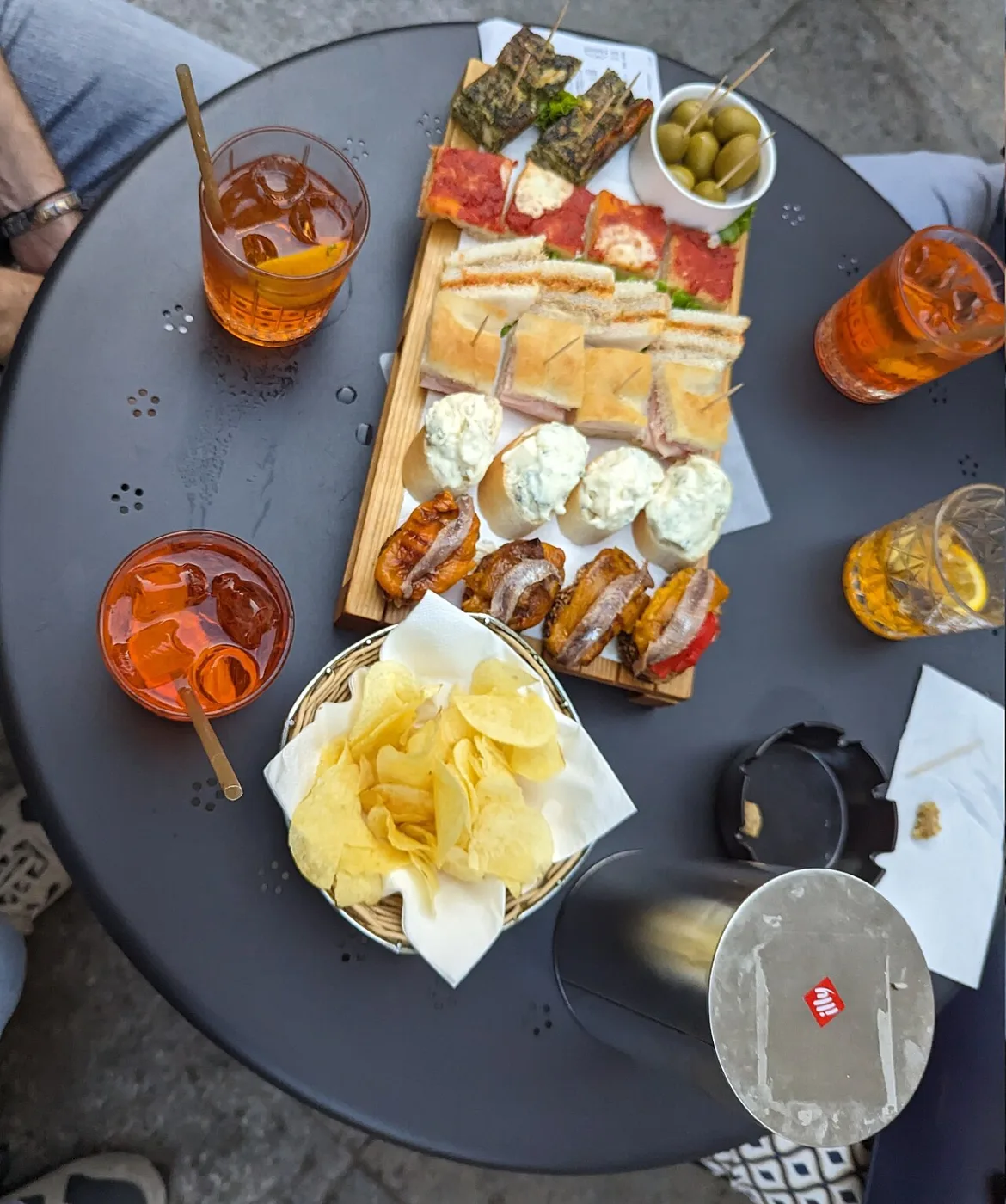
The food served with the drink grew in Milan. The VICE article reports that in the 1990s the bar owner Vinicio Valdo pioneered the aperitivo-dinner with large buffets, after noticing that factory workers stayed longer and drank more when they were given more food; he described this in a 2017 interview. Some bars now lay out buffets of hot and cold dishes, and the word apericena, joining aperitivo and cena (dinner), describes eating enough at the buffet for it to count as the evening meal. Other countries have their own food-with-drink customs, among them the free tapa served with every drink in Granada.
The habit rests on the pairing of food and drink set out in Turin's nineteenth-century cafés. Valeria Bassetti, quoted by VICE, says "for us Italians, it's taboo to drink without eating", and describes the aperitivo as born out of "the desire to separate the time dedicated to work from free time". The settings of this history were cafés and bars: Carpano's shop in Turin, Caffè Campari and the Camparino in the Galleria in Milan, Caffè Casoni in Florence, and the cafés of Padua and traditional bars of Venice where the Aperol Spritz spread. In Turin, Europeana records that new artisanal vermouth producers have emerged in the early twenty-first century.
MANDARIN ORIENTAL, MUSCAT AND ITS ALL-DAY CAFÉ

Mandarin Oriental, Muscat opened on 3 June 2024 in Shatti Al-Qurum, Oman. Silverfox Studios designed the interiors of the hotel's food and beverage outlets: Rawya, The Pool Bar, Essenza, Essenza Bar and The Mandarin Cake Shop. Several venues in the history above combined more than one trade under one roof: Caffè Casoni in Florence was a grocer, perfumer, café and shop, and Carpano's shop in Turin both made and sold its vermouth. The Mandarin Cake Shop at the hotel has carved lattice screens and a pastry counter.
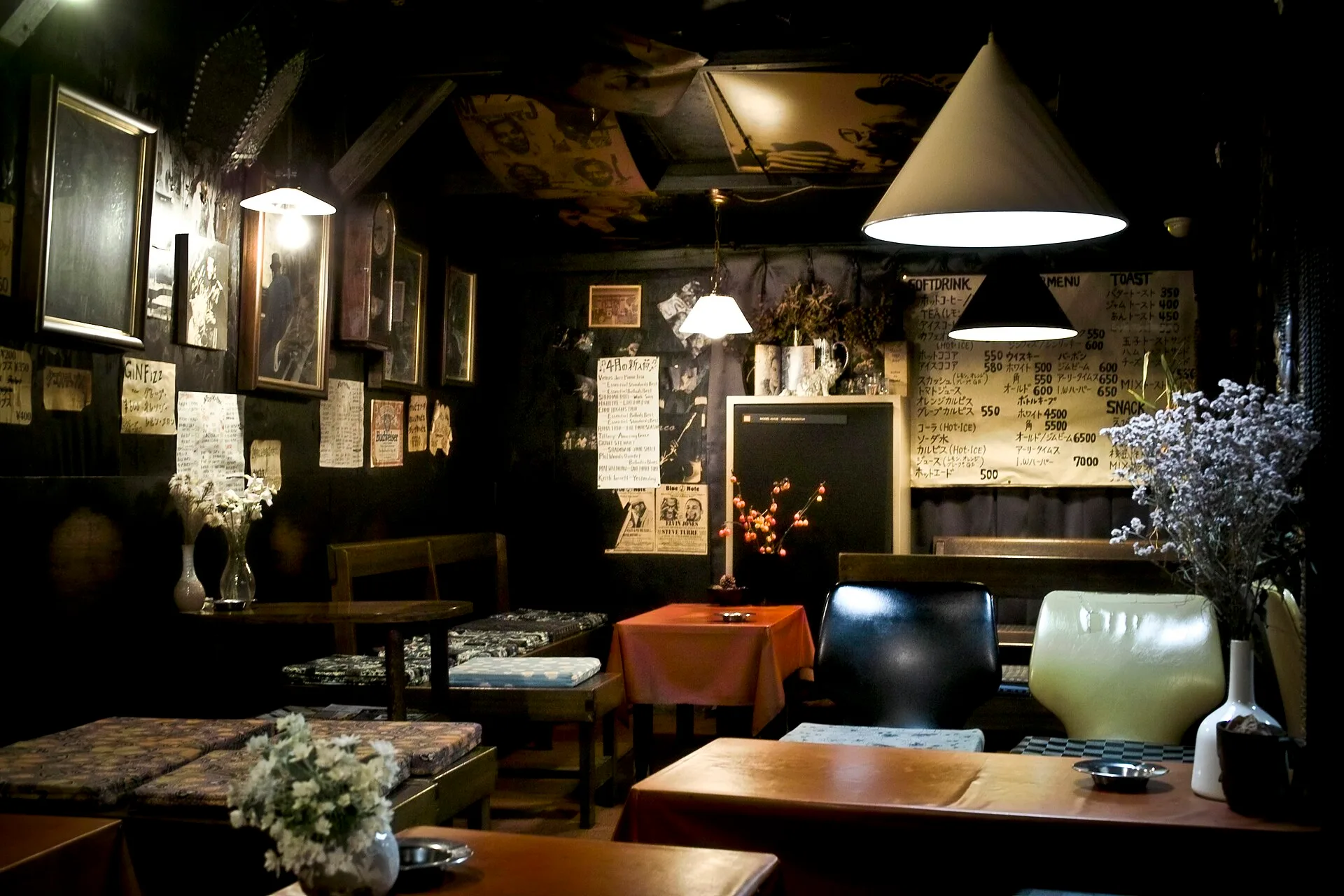
In nineteenth-century Turin, the aperitivo developed in cafés whose customers came in the afternoons and evenings, and in Milan the Camparino opened in 1915 as a "younger brother" to Caffè Campari. Rawya is an elegant European café with subtle Eastern accents, serving from breakfast to dinner. Its zones change through the day, and its entrance has a juice bar and a bakery. Alongside Rawya and the cake shop, the outlets Silverfox designed for the hotel are The Pool Bar, Essenza and Essenza Bar.
SOURCES
- Treccani Aperitivo, Vocabolario
- VICE The History of the Aperitivo, Italy's Very Own Happy Hour
- Europeana Vermouth, a Turin aperitivo
- Consorzio del Vermouth di Torino L'eredità del Vermouth di Torino
- Difford's Guide Campari heritage
- Camparino in Galleria History
- Difford's Guide History of the Negroni
- Difford's Guide Fosco Scarselli
- Turismo Padova Spritz
- Aperol Our story