HOW GRANADA'S BARS SERVE A PLATE OF FOOD WITH EVERY ROUND
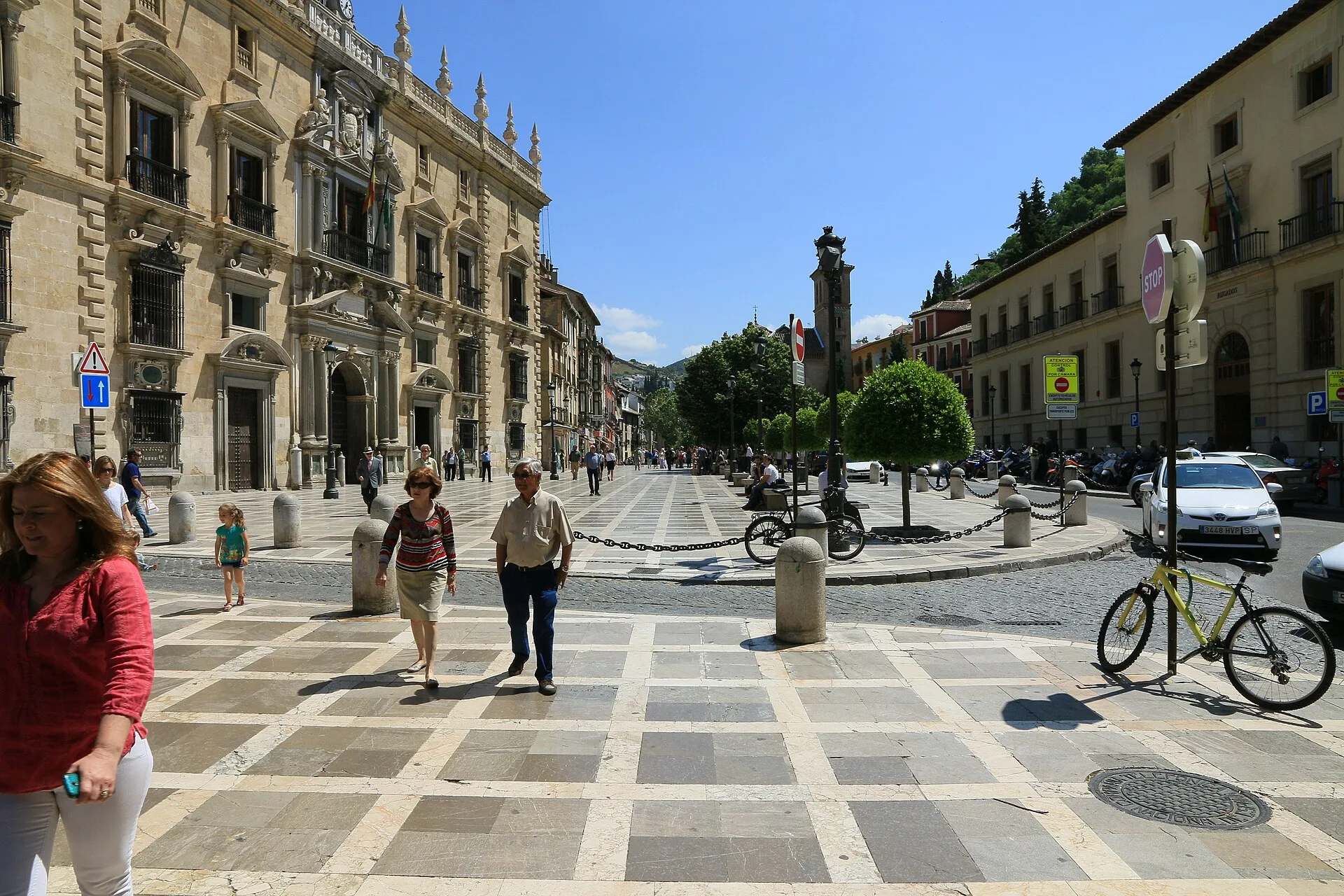
Granada tapas culture rests on a rule that most Spanish cities have dropped: order a drink and the bar brings a small plate of food at no charge. The city's tourism office calls Granada the capital of tapas and says most bars include a free tapa with each drink, a custom found from the streets around the Cathedral and Calle Navas to the Realejo, the Albaicín and residential districts such as Zaidín and La Chana. National Geographic Traveller notes that Granada has one of the largest student populations in Spain and that, in the city, a tapa means a free plate of food with a drink. Larger sharing plates, called raciones, are ordered and paid for separately, and are listed on blackboards in bars across the city.
HOW DOES THE FREE TAPA IN GRANADA WORK?
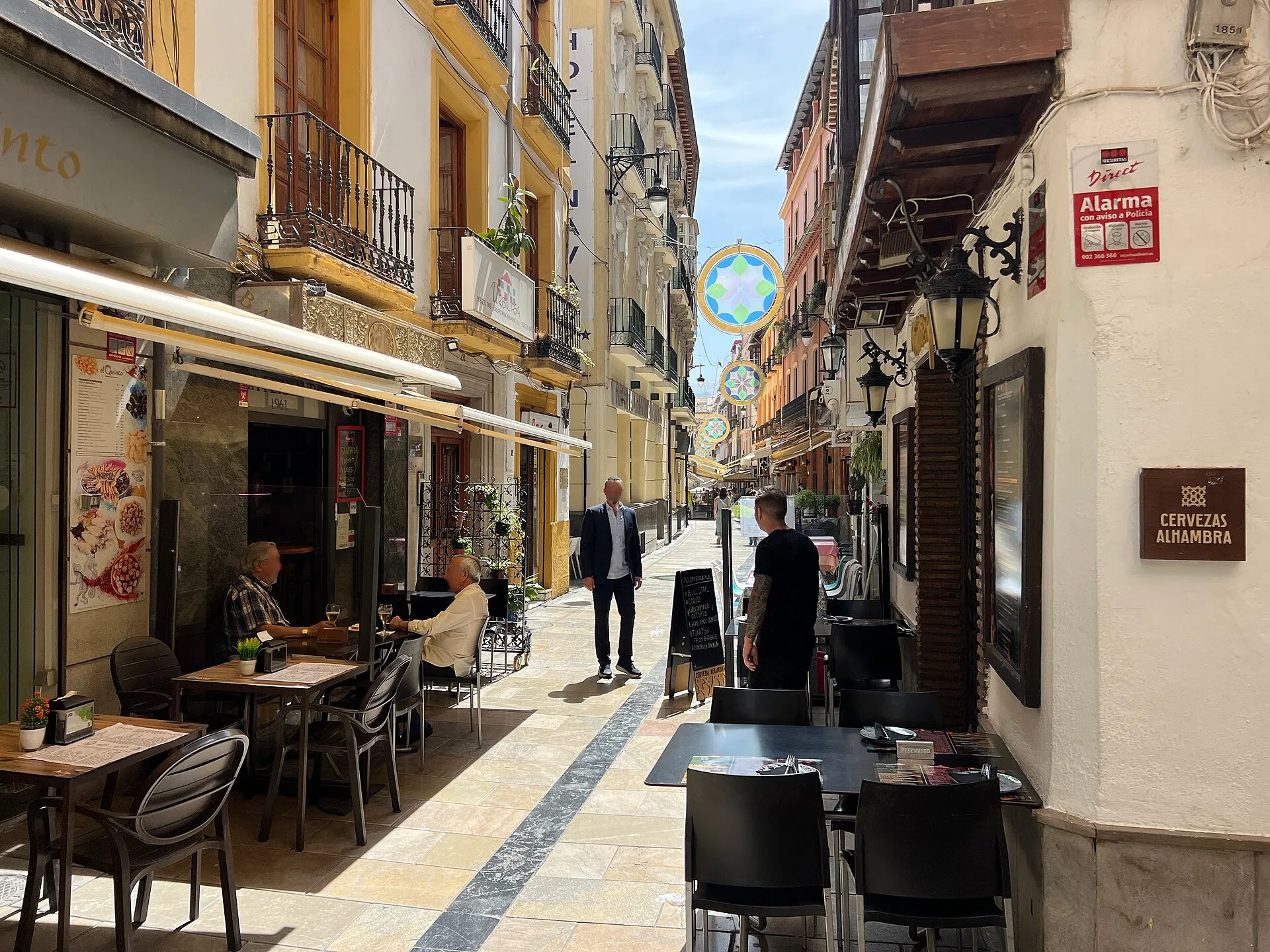
Granada Tourism describes three ways bars handle the tapa. Some change the selection every day and serve it in sequence, so the first drink brings one dish and the second brings another. Others keep a fixed menu of tapas from which the customer chooses, often with a choice of two when more than one person orders. A third group always serves the same tapa. Writing for The Local Spain, Esme Fox lists the drinks that qualify: beer, wine, soft drinks and sparkling water, but not coffee or tea. Successive rounds at the same bar bring different dishes, which she notes can add up to almost a full meal, and drinks cost a little more than in many Spanish cities, which helps cover the food.
The usual way to eat is to move on after a round or two. The MICHELIN Guide describes locals in Granada going on tapas crawls, moving from bar to bar with a drink and a tapa at each stop, and National Geographic Traveller's guide to the city, by Jessica Vincent, recommends hopping between bodegas over an evening. Fox advises vegetarians to ask for a tapa vegetariana. Granada Tourism points out that the custom is not limited to the tourist districts: locals eat tapas across the city, from the centre and the Albaicín to Zaidín and La Chana, and its list of tapas areas runs to 13 zones, including the bullring, the Science Park and the riverside along the Genil.
The origin of the tapa itself is told through legends. National Geographic Traveller repeats the best known: King Alfonso XIII, in a bar in Cádiz, had a slice of ham laid over his glass of wine to keep out flies and sand, which ties the word to the verb tapar, to cover. A second story credits Alfonso X, said to have taken small portions of food to stay sober while drinking alcohol prescribed for an illness. The Local Spain links the name to a 13th-century law requiring taverns to serve food with alcohol. National Geographic Traveller notes that the origins are disputed, and the wider record is set out in the history of tapas and Spain's small-plate culture.
WHERE ARE THE GRANADA TAPAS BARS IN THE CITY CENTRE?

Granada Tourism groups the centre into several tapas zones: the Town Hall and Calle Navas; Plaza del Campillo, Mariana Pineda and San Matías; Bib-Rambla and the Cathedral; Gran Capitán; and Plaza de Gracia with Pedro Antonio de Alarcón. Spain's national tourism board, spain.info, names Calle Navas, Calle San Mateo, Calle Elvira, Plaza Nueva and Plaza Campillo, and its two-day itinerary for the city recommends the Romanilla and Pescadería squares beside the Cathedral. A 2025 guide by Susana Baticón for ¡HOLA! adds Carrera de la Virgen, Calle Gonzalo Gallas and the streets around the Plaza de Toros.
Plaza Nueva has some of the oldest names. National Geographic Traveller places Bodegas Castañeda on the square, a tavern with hams hanging from the ceiling that serves vermouth and moscatel from the barrel, with tapas such as salpicón, a vinegary octopus salad, eaten standing at the bar. ¡HOLA! dates Castañeda to 1927 and lists Bar Casa Julio, founded in 1947 on Calle Hermosa, an alley a short walk from Plaza Nueva, which holds a Solete in the Guía Repsol and is known for fried aubergines, marinated anchovies and fried squid. National Geographic Traveller also includes Los Manueles, a restaurant dating to 1917.
Plaza Bib-Rambla, paired with the Cathedral in Granada Tourism's list, is a pedestrian square lined with 19th-century townhouses, according to National Geographic Traveller, and is home to a branch of Bar Los Diamantes, which specialises in seafood tapas such as mussels, grilled prawns and fried anchovies. ¡HOLA! records that Los Diamantes opened in the centre in 1942 and now has five locations, serving fried fish, calamari, sweetbreads and chops. Its list also covers Taberna Saint Germain on Calle Postigo Velutti, open for about 25 years, known for slow-cooked tripe and salaillas, round salted flatbreads filled with ham, lacón or chorizo, alongside more than 150 wines and a selection of vermouths.
TAPAS IN THE REALEJO AND THE ALBAICÍN

Granada Tourism lists the Realejo, Campo del Príncipe and the Alhambra as one tapas area, and publishes a walking route through the Realejo that starts at Plaza Isabel la Católica, follows Calle Pavaneras and ends at Campo del Príncipe, a square with the statue of the Cristo de los Favores at its centre. The route passes the Convent of the Discalced Carmelites, the Casa de los Tiros and the Rodríguez-Acosta Foundation. In the same quarter, ¡HOLA! picks out Taberna La Tana on Placeta del Agua, which concentrates on cold tapas such as cured ham, anchovies, Russian salad and tomato salads, and keeps a wine list of about 600 labels chosen by its sommelier, Jesús Martín.
The Albaicín occupies the hill next to the Alhambra, and Granada Tourism groups it with Calle Elvira and the Paseo de los Tristes. Spain.info describes Calle Elvira, on the edge of the quarter, as a street for dinner with local and Arabic cuisine, and names the San Nicolás viewpoint as the most popular spot in the Albaicín for watching the sunset. On Plaza del Cementerio de San Nicolás, ¡HOLA! lists Bar Kiki, Vinos y Otras Cosas, which looks out towards the Alhambra and is known for fortified wines, the category that includes the sherries of Jerez, as well as wild bluefin tuna, oxtail and fried fish.
WHAT IS TYPICALLY SERVED WITH A DRINK IN GRANADA?
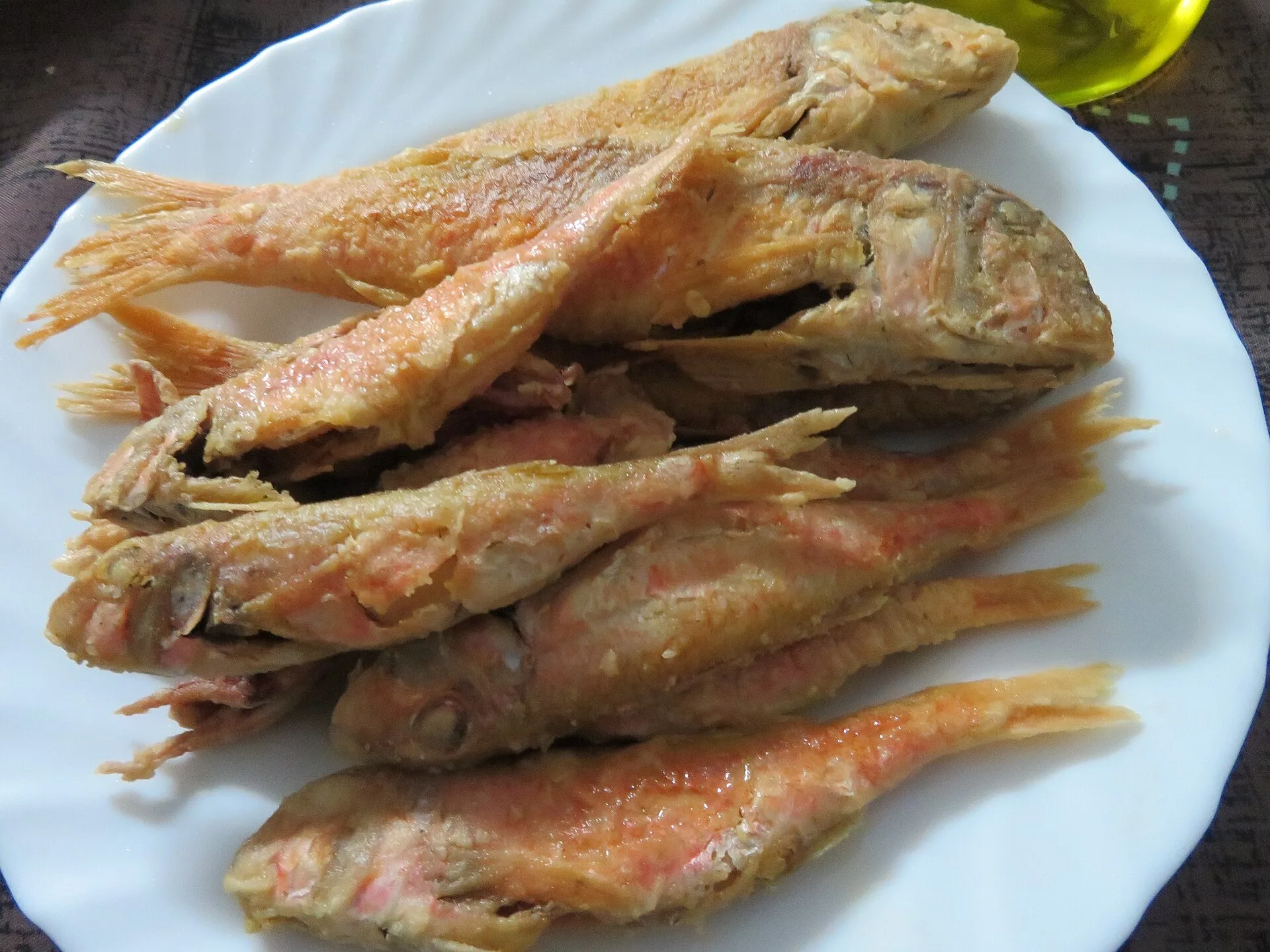
Spain.info lists the tapas most associated with the city as small fried fish, pinchos morunos (pork skewers) and sausage montaditos, small rolls. Its Granada itinerary adds tripe, beans with ham, papas a lo pobre (poor man's potatoes), pescaíto frito and local cured meats, sausages and cheeses, served hot or cold. The MICHELIN Guide names sopa moruna, a stew of meat scraps, Moroccan spices and wine, as Granada's regional speciality, and Fox singles out berenjena con miel, fried aubergine with honey, as a favourite among vegetarian tapas. Because the dish arrives with the drink rather than from a menu, what a customer receives depends on the bar and, in the rotating system, on the round.
National Geographic Traveller's itinerary gives a sample of what bars put out. At Bodegas La Mancha, across the street from Castañeda, the tapas include chicken and mushroom stew, blue cheese croquetas and flamenquines, pork loin wrapped in ham and fried. Cunini, open since the 1950s, is known for an award-winning ensaladilla de gambas, a potato and prawn salad. The drinks that go with them are mostly small: a caña of beer, tinto de verano (red wine with soda), vermouth or moscatel. ¡HOLA! adds Bar FM, founded in 1985, which buys seafood daily from the fish market at Motril and is known for Motril prawns, squid and octopus.
THE CITY SETTING: THE ALHAMBRA, THE ALBAICÍN AND THE SIERRA NEVADA
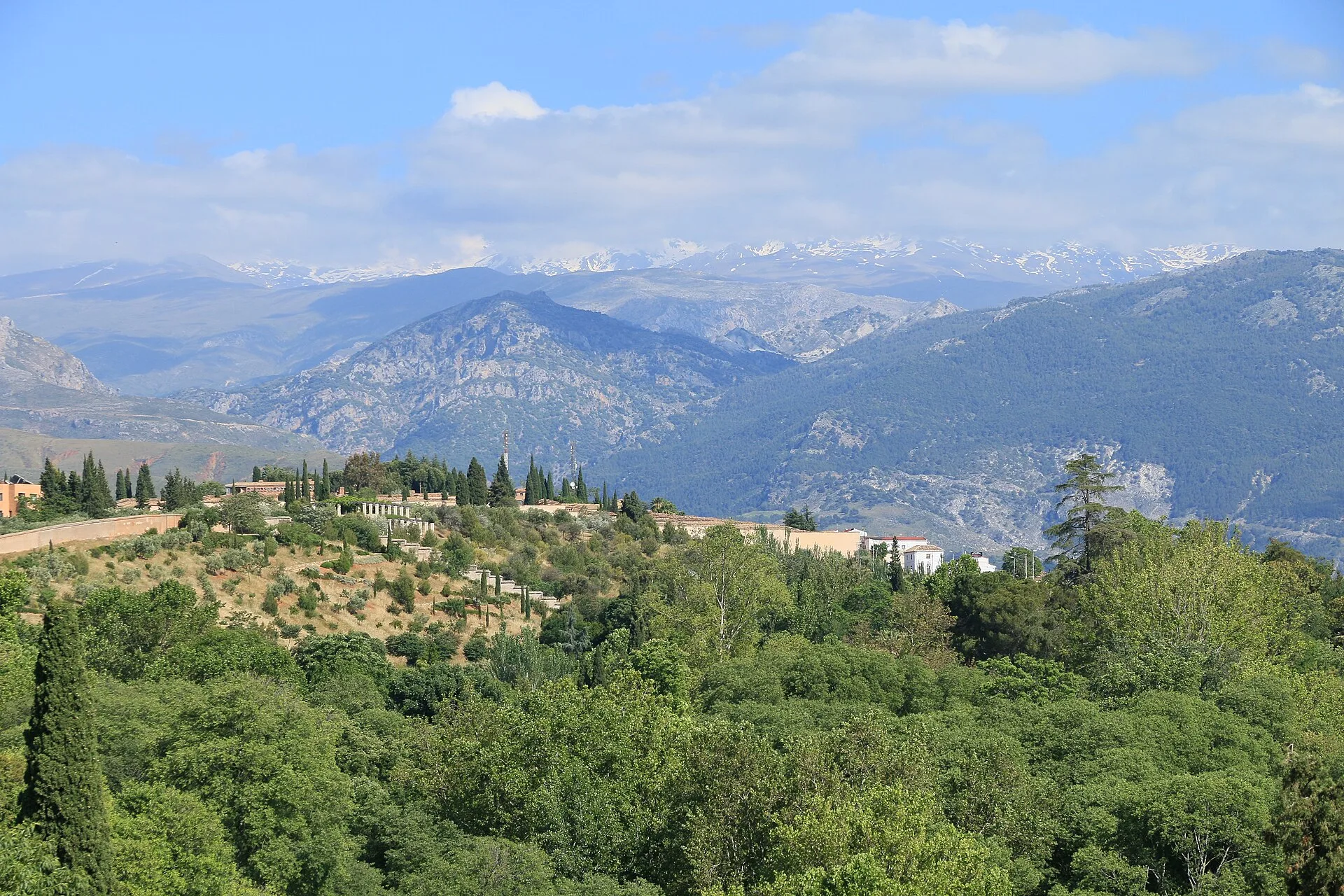
The Albaicín tapas area lies inside the city's World Heritage site. UNESCO lists the Alhambra, Generalife and Albayzín as a single World Heritage property, an extension of the original listing to include the Albayzín quarter. The Alhambra and the Albaicín stand on two adjacent hills separated by the river Darro, rising above the modern lower town, with the Generalife gardens to the east of the Alhambra. Spain.info notes that Plaza Nueva is the starting point for the Cuesta de Gomérez walk up to the Alhambra, a walk of about 20 minutes, and that the Paseo de los Tristes is where the walk along the Alhambra's walls begins.
Beyond the city rises the Sierra Nevada. Granada Tourism notes that its peak of Veleta is visible from almost anywhere in Granada and lists three summits above 3,300 metres: Mulhacén, Veleta and Alcazaba. The range was declared a Natural Park in 1989 and a National Park in 1999, and spans parts of the provinces of Granada and Almería. Spain.info's itinerary names the view of the Sierra Nevada, the Generalife and the Alhambra at sunset as the reason visitors climb to the Albaicín viewpoints. The A-395 road links the city with Pradollano, the base of the ski resort in the municipality of Monachil, which Granada Tourism describes as the highest ski resort in Spain and the southernmost in Europe.
HOW DOES GRANADA TAPAS CULTURE COMPARE WITH OTHER ANDALUSIAN CITIES?
According to The Local Spain, the free tapa has largely disappeared from most of the country and survives mainly in eastern Andalusia, Castilla y León and Galicia. Granada's two eastern neighbours keep it with variations. In Jaén, a free house tapa comes with each drink, usually without a choice; portions are generous, beer is cheaper than in Almería, and typical dishes include migas and morcilla. In Almería, customers choose their tapa from a large menu rather than receiving a surprise dish, toasted sandwiches are popular, and Fox advises ordering the tapa when the drinks arrive, since staff may not ask. Outside Andalusia, spain.info notes that León has more bars per inhabitant than any other Spanish city, and many serve tapas free in the Barrio Húmedo.
Spain.info presents Seville through its dishes rather than a free plate. Its entry for the old centre of Seville lists gazpacho, papas aliñás, huevos a la flamenca, oxtail stew, carrillada, pringá and pescado en adobo, and points visitors to the Seville Tourist Office's guide to the bars that specialise in each one. The MICHELIN Guide assigns each Andalusian province its own speciality: soldaditos de Pavía cod fritters in Seville, salmorejo in Córdoba, tortillitas de camarones in Cádiz and tuna in Málaga. Of free tapas with drinks, it says many bars in the region still offer them, especially in Granada.
TAPAS AT MANDARIN ORIENTAL SHENZHEN

Silverfox Studios designed Tapas, a restaurant and bar at Mandarin Oriental Shenzhen, completed in 2022. The walls are exposed brick, and a glass-fronted wine display is set into them. Alongside the brick, the interior has steel-framed glazing, a type of window whose history from wrought iron onwards is traced in the history of Crittall and steel windows. Seating includes red leather banquettes, and the walls carry framed photographs. The fit-out also includes suspended black metal shelving, and the bar counter is marble, with views over the city.
The room also has a wrought-iron chandelier, made in a material whose use in Spain, from Catalan forges to the screens of the cathedrals, is set out in the history of Spanish wrought iron. At Bodegas Castañeda in Granada, National Geographic Traveller describes customers eating salpicón, broad beans with ham and tuna-stuffed eggs while standing at the bar, with vermouth and moscatel served from the barrel. Larger raciones, by the same account, are chosen from blackboards and paid for separately.
SOURCES
- Granada Tourism Tapas in Granada
- Granada Tourism Realejo, Campo del Príncipe
- Granada Tourism Sierra Nevada
- spain.info Spain's most famous tapas bar neighbourhoods
- spain.info Granada in two days
- National Geographic Where to go on a tapas crawl in Granada
- The Local Spain Where can you get free tapas in Spain?
- MICHELIN Guide Explore Tapas in Andalucía, Spain
- ¡HOLA! Dónde ir de tapas por Granada: los 7 mejores bares para disfrutar de su gastronomía
- UNESCO World Heritage Centre Alhambra, Generalife and Albayzín, Granada