HOW RECLAIMED LAND BETWEEN TAIPA AND COLOANE BECAME MACAU'S RESORT DISTRICT
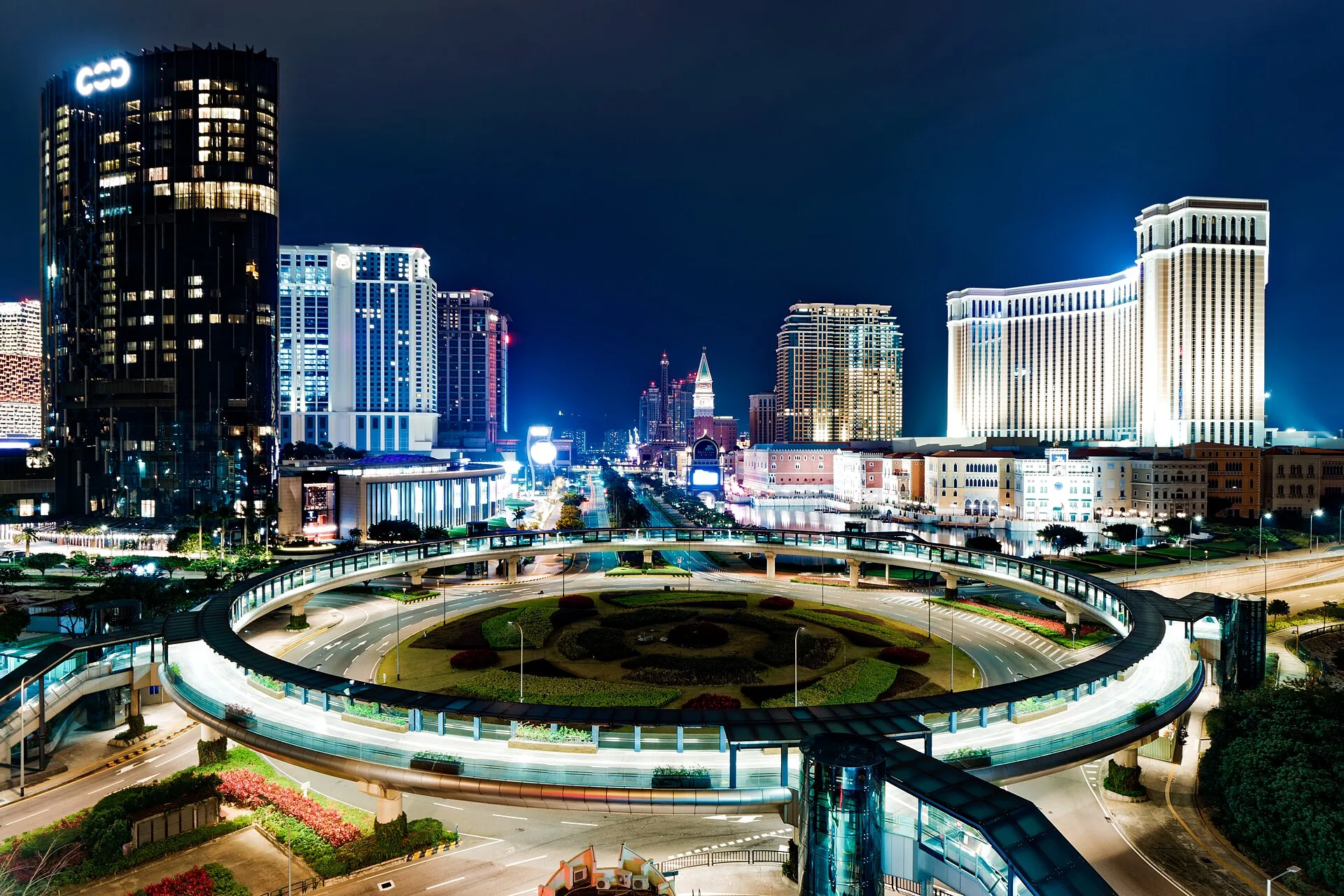
Cotai is the strip of reclaimed land that joins Taipa and Coloane, the two islands of Macau. Its name combines the first syllables of Coloane and Taipa, and its official name is the Cotai Landfill Zone, according to Macao Magazine, published by the Government Information Bureau of the Macao SAR. A causeway opened in 1968 gave the islands their first physical connection. Landfill in the 1990s widened it, and major works that started in 1999 expanded the isthmus to around 5.2 square kilometres. Construction of hotels, resorts and casinos on the new land began in 2003, and The Venetian Macao opened there in 2007. Cotai is now crossed by the Light Rapid Transit Taipa Line, connects to Hengqin by the Lotus Bridge, and lies within walking distance of the Taipa Houses.
HOW DID PEOPLE REACH TAIPA AND COLOANE BEFORE COTAI?
Until the 1968 causeway, Taipa and Coloane were separate islands, both administered by the Municipality of Ilhas, and Macao Magazine describes the Taipa of a century ago as a tranquil island of fishing villages. Travel between the peninsula, Taipa and Coloane meant a one-hour journey by boat, according to Macao News. On Taipa, five villas completed in 1921 to designs by the architect Carlos Rebelo de Andrade stood right next to the shoreline, directly facing Coloane. They were built as residences for senior Portuguese civil servants, and some of their later residents worked for the municipality.
The first bridge to the islands was proposed in January 1969 by the governor, José Manuel de Sousa e Faro Nobre de Carvalho. Construction of the Governor Nobre de Carvalho Bridge began on 18 June 1970, and Macau's first bridge opened to traffic on 5 October 1974. Since 2007 it has carried only public buses, taxis and specially designated vehicles. The Friendship (Amizade) Bridge followed: construction started on 18 August 1990 and it officially opened on 17 April 1994. Work on the six-lane Sai Van Bridge began in October 2002, and its inauguration ceremony was held on 9 December 2004. Gastão Humberto Barros (1929 to 2019), who moved into the fifth Taipa villa in 1963, led municipal projects that included both the Nobre de Carvalho Bridge and the Taipa-Coloane Isthmus.
WHAT IS COTAI? THE CAUSEWAY AND THE RECLAMATION
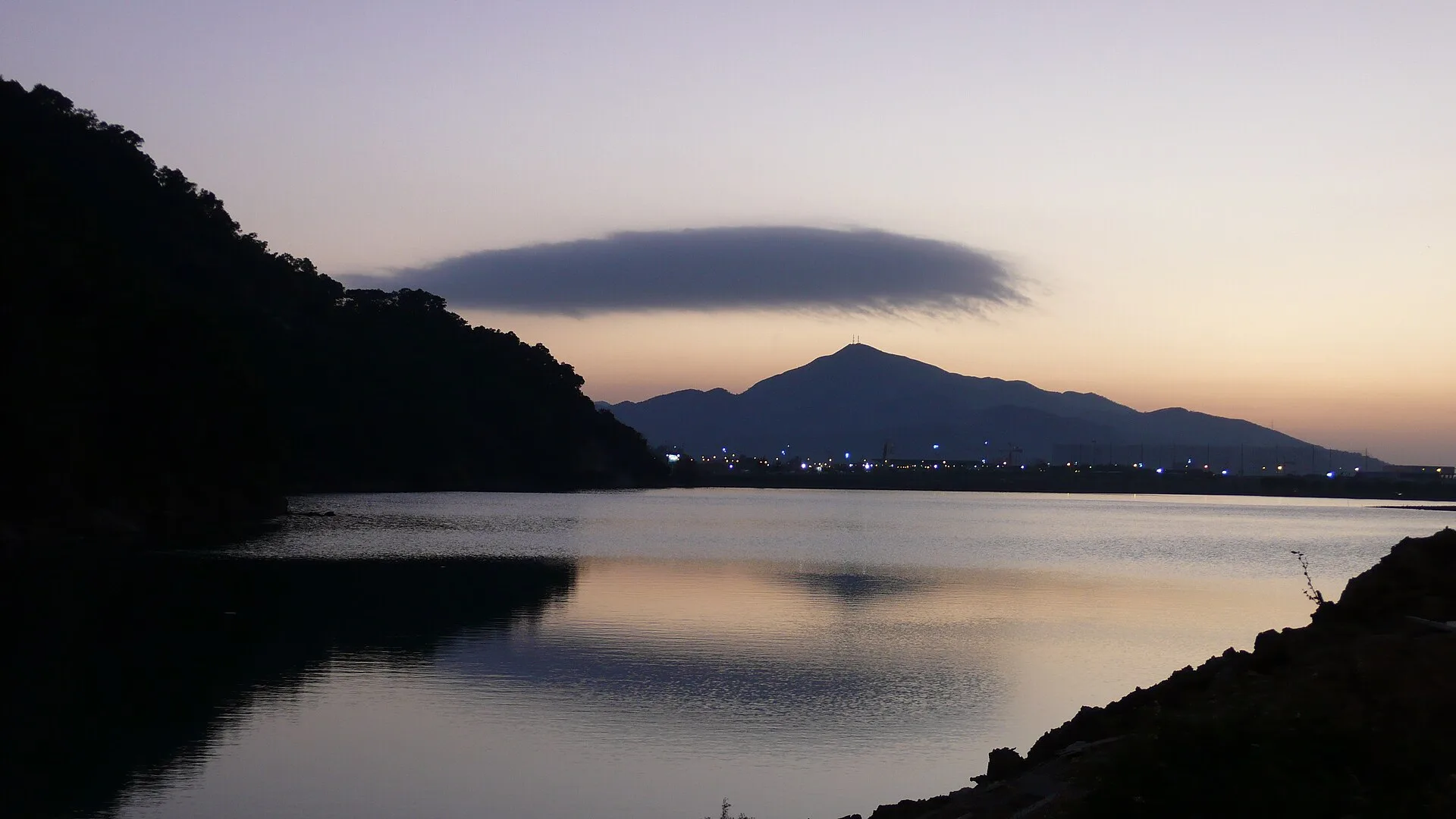
The causeway between Taipa and Coloane opened in 1968 and marked the first physical connection between the two islands, according to architect Tiago Saldanha Quadros, writing in Macao Magazine in March 2018. A series of landfill projects in the 1990s widened the isthmus, and in 1999 work started on major landfills that expanded it to its current area of around 5.2 square kilometres. Macao Magazine describes Cotai, officially the Cotai Landfill Zone, as a narrow strip of land belonging to the Macao Special Administrative Region. The name is a compound of the first syllables of Coloane and Taipa, the two islands the reclamation connects.
The reclamation also changed the shore in front of the 1921 villas on Avenida da Praia, whose original waterfront position is now hidden by subsequent land reclamation. The wetland beside them was a large mangrove swamp up until 1998 and is now a freshwater wetland cared for by the Municipal Affairs Bureau. An amphitheatre at the end of the villa row faces the Cotai Strip and is used for open-air events, among them the annual Lusofonia festival. Construction of hotels, luxury resorts and large casinos began on the isthmus in 2003, Macao Magazine reports.
WHEN DID THE COTAI STRIP RESORTS OPEN?
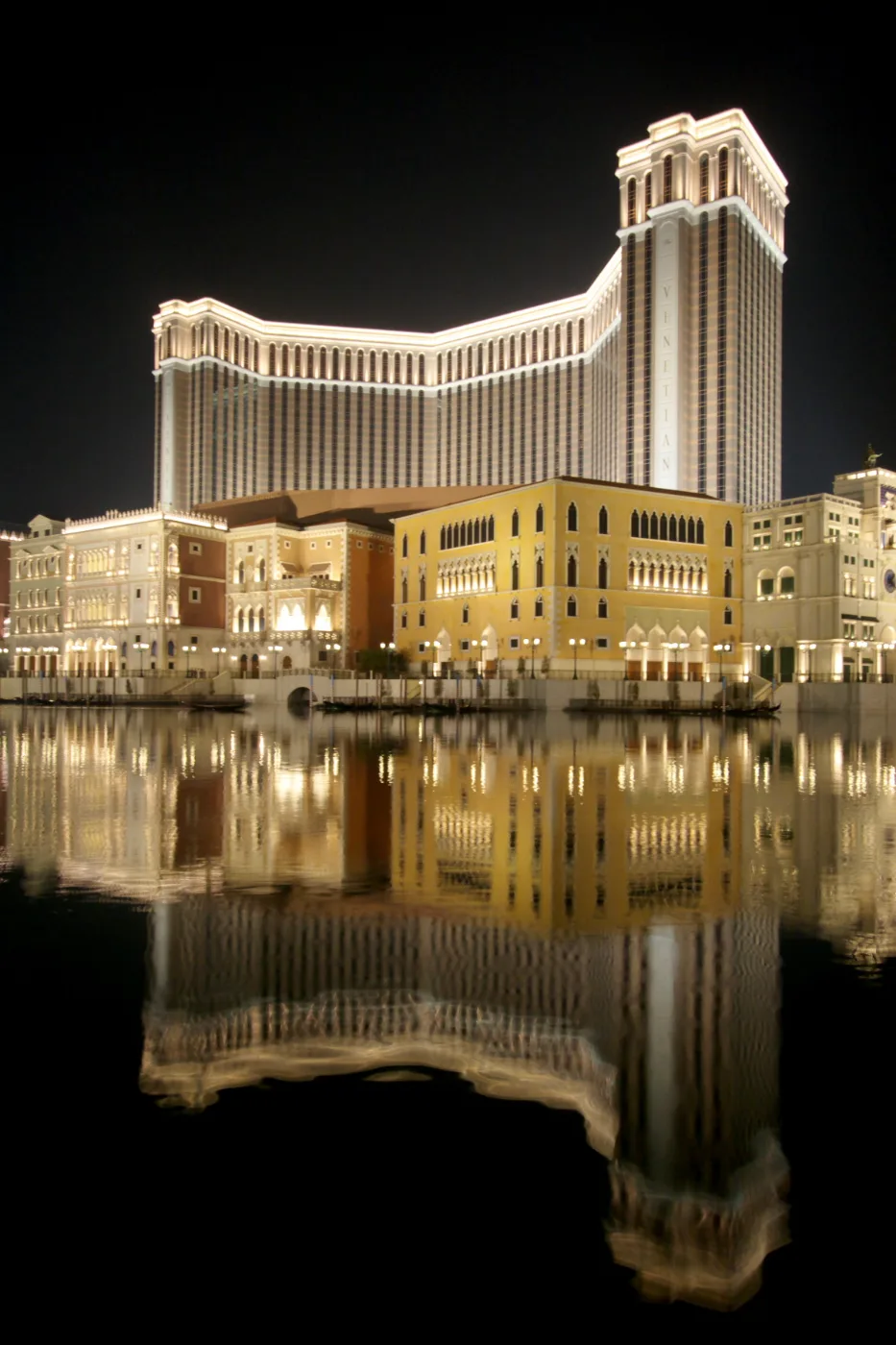
The Venetian Macao opened in 2007. Its operator, Sands Resorts Macao, describes it as Macao's first and still its most well-known integrated resort. Galaxy Macau opened on 15 May 2011 with three hotels: Banyan Tree Macau, Galaxy Hotel and Hotel Okura Macau. Its Phase 2, completed in 2015, added JW Marriott Macau, The Ritz-Carlton, Macau and Broadway Hotel, and the resort now covers over 1.1 million square metres. Its 75,000-square-metre Grand Resort Deck includes a 575-metre Skytop Adventure Rapids river and a 150-metre white sand beach. City of Dreams, a casino resort of Melco Resorts & Entertainment, is also in Cotai.
Sands Cotai Central, across the Strip from The Venetian, first opened in April 2012. During 2021 it reopened in phases as The Londoner Macao, a British-themed redesign that Sands China calls its largest integrated resort on the Cotai Strip. Its towers hold about 650 rooms and suites under the Conrad brand, about 600 London-themed suites including 14 Suites by David Beckham, about 2,400 Londoner Grand rooms and suites, and about 400 St. Regis rooms and suites. The Parisian Macao, which opened in 2016, has a half-scale replica of the Eiffel Tower. MGM Cotai, designed by Kohn Pedersen Fox Associates between 2014 and 2018, opened on the Strip in February 2018.
WHAT ARE THE STRIP'S ARCHITECTURAL LANDMARKS?
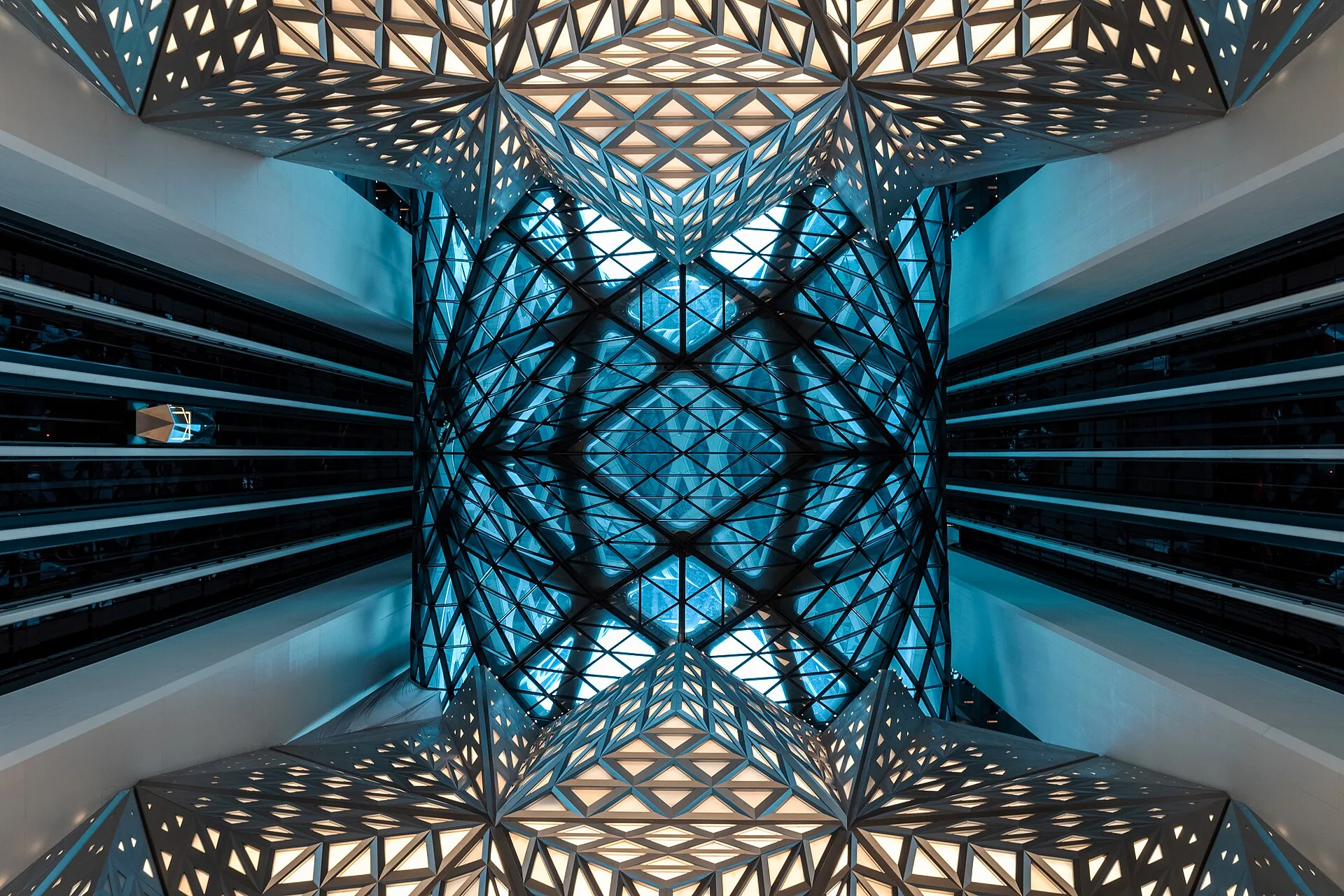
The Morpheus hotel at City of Dreams was designed by Zaha Hadid Architects for Melco Resorts & Entertainment, with design and construction dated 2013 to 2018. RIBA Journal describes the tower as a 160-metre-high extrusion of a site footprint measuring 52 by 99 metres, with 42 storeys and 780 beds. Its steel exoskeleton stands 1.3 metres in front of a glass facade of 43,388 square metres, and uses 1,200 exo nodes and 1,300 bolted steel connections, with 57,000 square metres of aluminium cladding. Three irregular voids, which the architects call urban windows, run through the building between its north and south facades. The practice believes it to be the world's first freeform high-rise exoskeleton structure, and RIBA Journal reports that the design is inspired by Chinese jade carving.
At the centre of MGM Cotai is the Spectacle, a space covered by an expansive, undulating diagrid roof roughly 100 metres long, with more than four storeys beneath it. The Macao Government Tourism Office (MGTO) describes the Spectacle as over four storeys high and spanning the length of a football pitch, a column-free long-span diagrid structure; Macao Magazine reports that the roof stands without support beams. An integrated lighting system of roughly 60,000 LED lights spans four levels. Inside Morpheus, Zaha Hadid designed a 40-metre atrium, according to Macao Magazine. Hadid died in 2016, two years before the hotel was completed.
HOW DOES COTAI CONNECT TO HENGQIN AND THE REST OF MACAU?
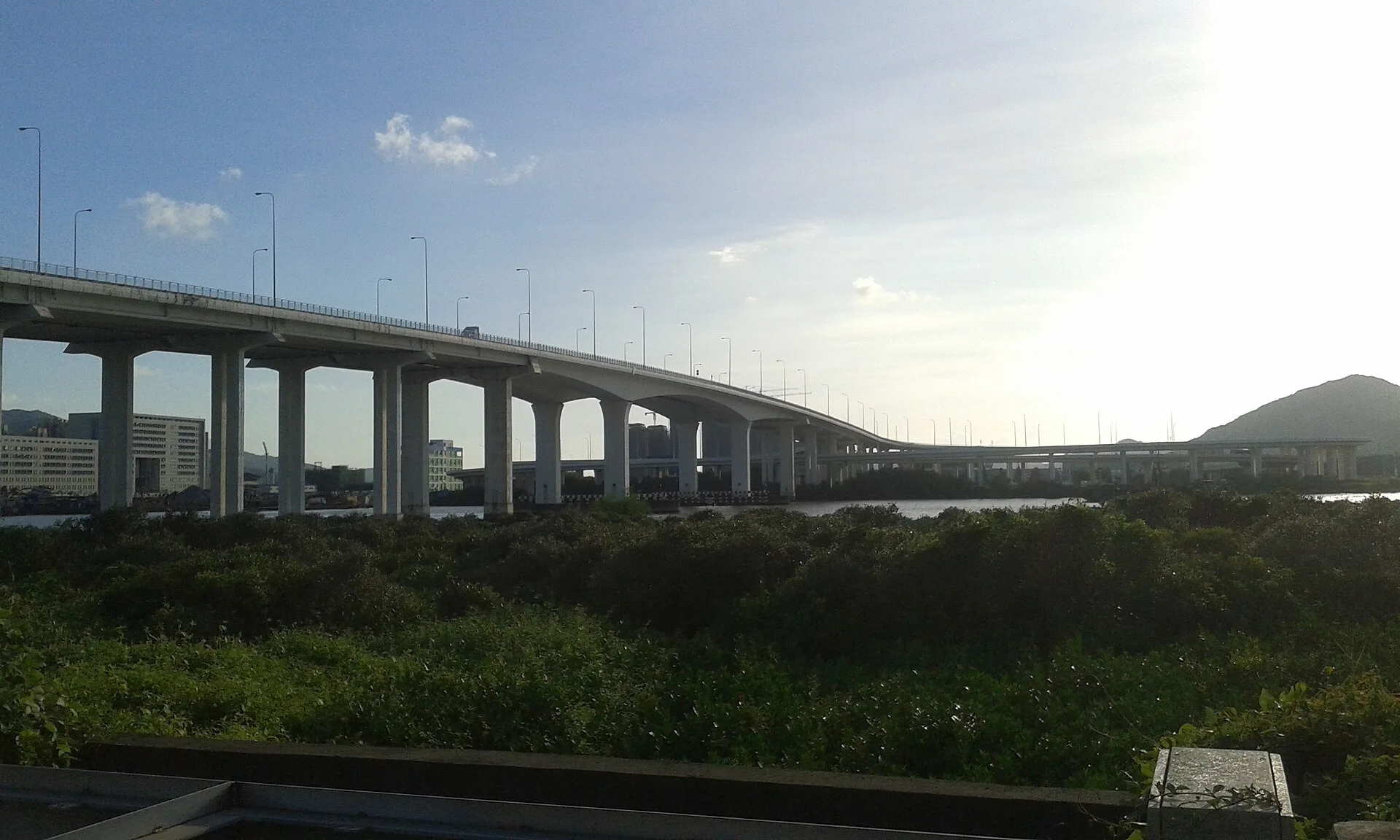
The Lotus Bridge links the Cotai area with Hengqin, the island in Zhuhai whose history is covered in a separate article on Hengqin from oyster farms to cross-border zone. Construction of the six-lane crossing, 1.67 kilometres long and 30 metres wide, began on 29 June 1998, according to Macao News. The bridge opened to traffic on 28 March 2000, relieving pressure on the transport of goods through the Border Gate. The cost of 200 million yuan was shared between the mainland and Macau governments.
The Light Rapid Transit Taipa Line started carrying passengers in December 2019. The 9.3-kilometre line has 11 stations and cost 10.2 billion patacas, according to Macao Magazine. It runs from Ocean Station, at the Taipa end of the Sai Van Bridge, through Cotai to the Taipa Ferry Terminal. Passengers for Taipa Village walk to the Cotai East or Cotai West stations, where trains arrive every 5 to 10 minutes, and get off at Pai Kok Station for the walk to the village. The line's Lotus Station is the interchange for the Hengqin Line.
A 3.4-kilometre Taipa-Barra extension runs from Ocean Station to the newly built Barra Station on the Macau Peninsula, through the enclosed lower deck of the Sai Van Bridge, and is now operational. The Hengqin Line is 2.2 kilometres long with two stations and a budget of 3.46 billion patacas; it starts at HE1 station, which links to the Taipa Line's Lotus Station. Macao Magazine reported that the Hengqin Line should be ready for passengers by November 2024.
TAIPA HOUSES AND COLOANE VILLAGE: WHAT HERITAGE SURVIVES BESIDE THE STRIP?

The five 1921 villas on Avenida da Praia became the Taipa Houses. In 1976 the coastline, the trees and the villas were officially protected, and the MGTO refurbished the houses in the 1980s. The Macao government classified them as a building complex of architectural value in 1992, and the complex opened to the public as a museum at the end of 1999. It attracted more than 400,000 visitors in 2019. The nearby Our Lady of Carmel Church, built in 1885, is more than 30 years older than the villas.
The houses marked their centenary in 2021 with paper-cut light box workshops in November and a lily-themed exhibition from 17 December 2021 to 1 January 2022. In Taipa Village, the MGTO describes Rua do Cunha as a narrow but bustling pedestrian street in the heart of the village, where visitors see the island's original community and many long-established restaurants. Above the village, the Taipa Grande Hill Inclined Lift runs up the slope between Estrada Governador Nobre de Carvalho and the Taipa Grande Viewing Platform.
On Coloane, the pier rebuilt in 1873 had been a crucial public ferry terminal between Coloane, Taipa and the Macau Peninsula, where small vessels berthed before the Estrada do Istmo was built, according to the MGTO. The one-storey Coloane Library, built around 1911, was the former Municipal School of Coloane. The Lai Chi Vun Shipyards have been designated a local immovable property, and the revitalisation plan for the site covers an area of over 3,000 square metres. The pier and the library date from the period when Coloane was reached from Taipa and the peninsula only by boat, before the causeway of 1968 and the reclamation that created Cotai.
GRAND IMPERIAL COURT AT MGM MACAU

MGM Cotai, opened in February 2018, stands on the Strip, while MGM Macau is located on the Macau Peninsula and connects directly to One Central Macau, according to MGM. The MGTO describes the Grande Praça at the heart of MGM Macau as an homage to old-world Europe and Macau's Portuguese heritage. Grand Imperial Court is a Chinese fine-dining restaurant at MGM Macau, completed by Silverfox Studios in 2024. Its private suites are themed on four materials: sapphire, emerald, ruby and gold.
An automated sliding entry opens onto a Moutai display wall of floating, lit jewel-box vitrines in red and gold, which hold rare vintage bottles. Moutai is the Guizhou baijiu whose history is covered in a separate article on how Moutai became China's most valuable spirit. The private suites are fitted with custom hand-crafted tapestries, a technique described in a separate article on Chinese tapestry in luxury interiors. Travel between MGM Macau and MGM Cotai crosses one of the bridges between the peninsula and Taipa.
SOURCES
- Macao Magazine Macao, Cotai, and The New Architecture
- Macao Magazine Taipa's living history
- Government Information Bureau of the Macao SAR Macao's LRT: past, present and future
- Macao News How much do you know about the six bridges of Macao?
- Macao Government Tourism Office Other attractions
- Sands Resorts Macao The Parisian Macao and The Venetian Macao anniversary press release
- Sands China The Londoner Macao
- Galaxy Macau About Galaxy Macau
- RIBA Journal Outer strength (Morpheus, Zaha Hadid Architects, Macau)
- MGM MGM MACAU