THE WORLD'S BIGGEST WHISKY MARKET BY VOLUME NOW MAKES SINGLE MALTS THAT OUTSELL IMPORTED BRANDS AT HOME
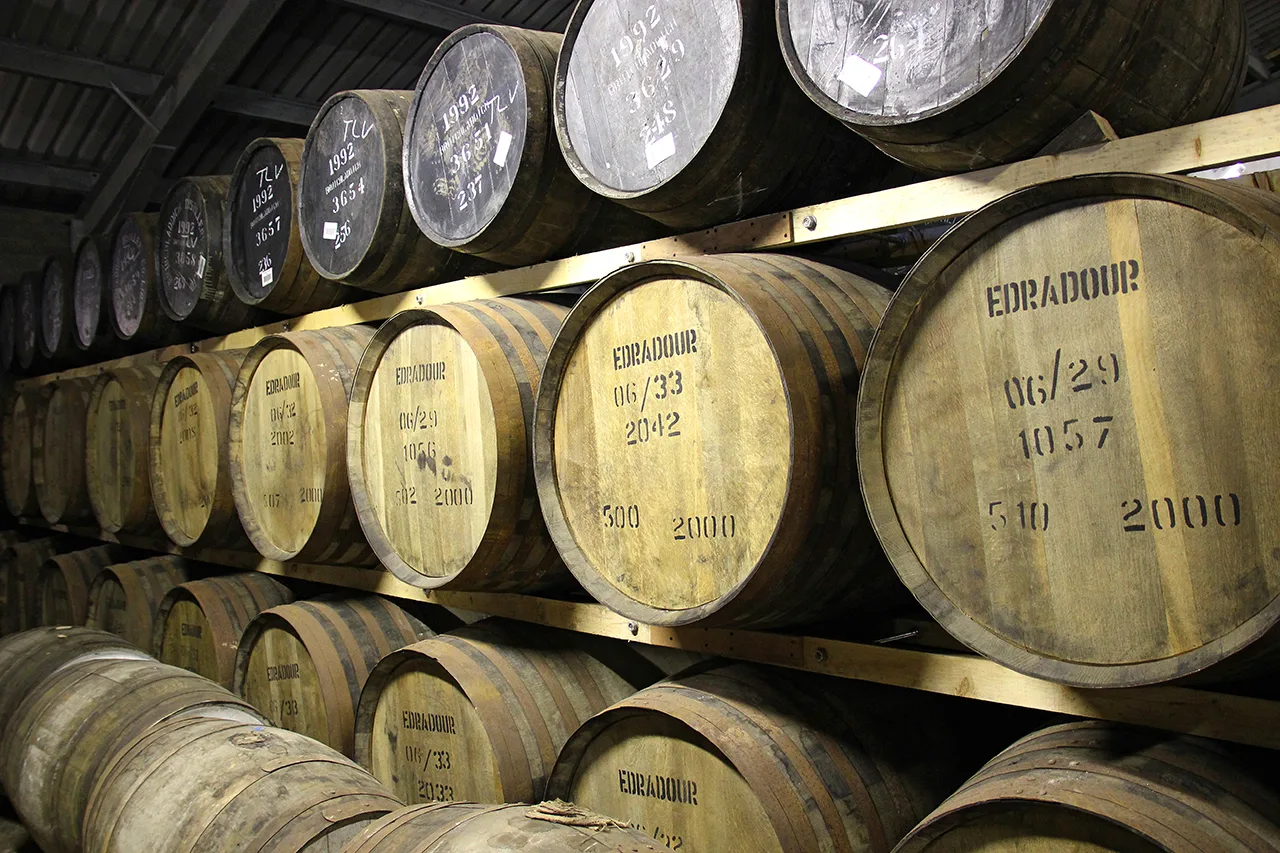
Indian single malt whisky is a young category. For most of the twentieth century, Indian whisky meant mass-market brands distilled largely from molasses, the by-product of sugar production, and sold under the trade label Indian-made foreign liquor (IMFL). In August 2004, Amrut Distilleries of Bangalore launched a single malt at an Indian restaurant in Glasgow. Paul John in Goa, Rampur in Uttar Pradesh and Indri in Haryana followed, and Diageo and Pernod Ricard have since released single malts made in India. By 2023, according to early estimates from the Confederation of Indian Alcoholic Beverage Companies (CIABC), Indian single malts were outselling imported brands in their home market. India only gave single malt a legal definition in 2024. The distilleries work in a climate far hotter than Scotland's, which changes how fast whisky matures and how much of it is lost from the cask each year.
HOW BIG IS THE INDIAN WHISKY MARKET?
Reuters puts the value of India's spirits industry at US$33 billion and describes the country as predominantly a whisky-drinking nation, unlike the many Asian markets where beer leads. Industry executives and analysts quoted by Reuters credit international awards, rising affluence and drinkers trying new brands during the pandemic for the growth of local single malts. When the United Kingdom and India signed their trade agreement in July 2025, Jean-Etienne Gourgues, chairman and chief executive of Chivas Brothers, called India the world's biggest whisky market by volume, in remarks published by the UK government.
Imported Scotch holds a small share. In 2022, Scotch Whisky Association (SWA) figures showed India took 219 million 70cl bottles of Scotch, a rise of 60 per cent on 2021, overtaking France (205 million) as the largest market for Scotch by volume. Even so, the SWA put Scotch at 2 per cent of the Indian whisky market and blamed the 150 per cent import tariff. In 2024, India was again the industry's largest volume market, and the value of Scotch exports to India rose 13.8 per cent on the previous year.
WHAT COUNTS AS WHISKY IN INDIA?

Much of what is sold as whisky in India begins as molasses, which is fermented and distilled into extra neutral alcohol (ENA), a high-strength spirit with almost no colour or flavour. ThePrint reports that by the mid-2000s India had around 300 distilleries, many built near sugar mills or run by the same businesses, and that the mass-market whiskies of that decade included McDowell's No.1, Royal Challenge, Officer's Choice and Bagpiper. It cites trade estimates that more than 90 per cent of what is sold as whisky in India would not legally qualify as whisky in the United States or Europe, because it lacks a grain base and proper ageing.
The distinction has shaped trade disputes. In 2002, the European Union said India could sell its molasses-based whisky in Europe only as rum, and in 2003 it rejected an Indian request for wider access for its whisky on the same grounds. Decanter notes that before 2004 Indian whisky was mostly affordable, high-volume IMFL, while imported Scotch, led by Johnnie Walker, was treated as the luxury standard. Indian food law caught up in 2023. The Food Safety and Standards Authority of India (FSSAI) published the Alcoholic Beverages First Amendment Regulations in the official gazette on 21 August 2023, with effect from 1 March 2024. They define single malt whisky as a distillate of fermented mash made only from malted barley, distilled in pot stills only and produced in a single distillery. Single grain whisky may use malted or unmalted grain, also from a single distillery.
AMRUT AND THE FIRST INDIAN SINGLE MALT

Amrut was founded in 1948 by J.N. Radhakrishna and launched Silver Cup brandy in Karnataka the following year. From 1962 it supplied liquor to army canteens. In the 1980s, according to a 2012 profile in Outlook Business, his son Neelakanta Rao Jagdale set out to make a premium whisky blended with malt, and the company spent about a decade learning to distil malt whisky. It originally aged its malt for around a year before blending. By 1995 it had surplus malt stock, so some barrels were left longer, and by 2000 those whiskies were four to five years old and tasted closer to some 12-year-old malts than the company had expected.
In 2001, Rakshit Jagdale, then studying for an MBA in England, sent samples to 250 restaurants in the UK. The following year, the Pot Still, a whisky bar in Glasgow, served Amrut in a blind tasting, and most drinkers guessed it was a 12 to 15-year-old Scotch or Irish malt. Amrut launched at Café India, a Glasgow restaurant, in August 2004. Decanter describes this as the first Indian single malt, launched in Scotland rather than at home. The whisky critic Jim Murray named Amrut Fusion the third-best whisky in the world in the 2010 edition of his Whisky Bible. Harrods began selling Amrut in October 2011. Its single malt only went on sale in India in 2010, and in 2012 single malts made up about 5 per cent of the company's ₹185 crore turnover, with Karnataka taking 600 to 700 cases a year.
HOW DOES TROPICAL HEAT CHANGE WHISKY MATURATION?

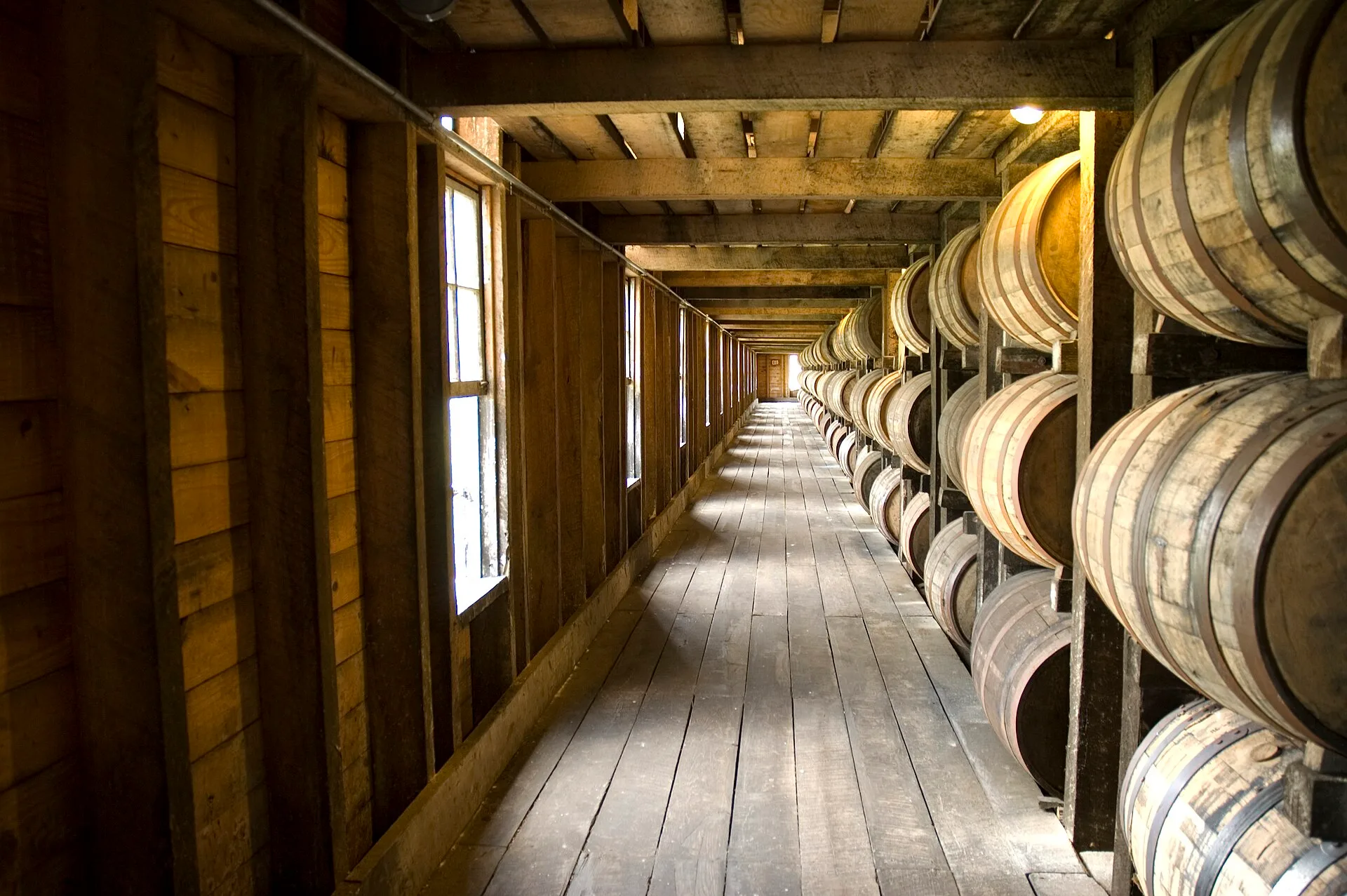
Whisky matures faster in India than in Europe or the United States because of the heat, and more of it evaporates. Outlook Business reported an angels' share, the spirit lost from the cask each year, of 11 to 12 per cent in India, against about 2 per cent in Scotland. Europe requires whisky to be aged for at least three years, a minimum Amrut met for its exports. Decanter notes that Amrut's distillery sits at 1,000 metres on the Deccan Plateau, with access to borehole water, and that the milder temperatures and moderate humidity there produce fast but consistent ageing.
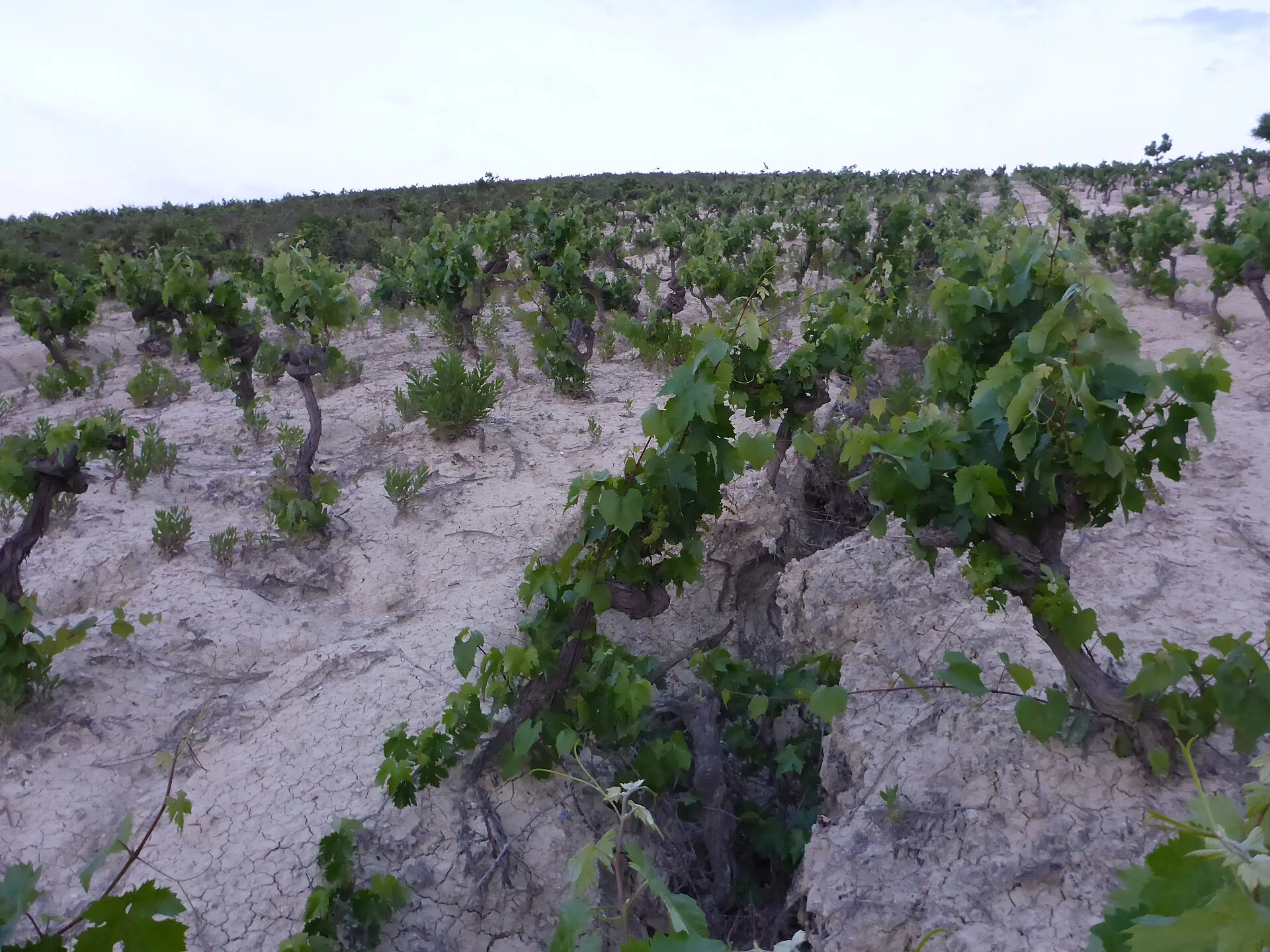
Conditions differ across the country. In coastal Goa, Decanter reports that the angels' share for Paul John whiskies can reach 10 to 12 per cent, compared with 1 to 2 per cent in Scotland, but that high humidity slows the evaporation of alcohol, producing balanced, cask-strength whiskies with a briny, spicy character. In Rampur, in northern India, summers reach about 40°C and winters fall to about 1°C. The angels' share there is high in the first year, then averages about 7 per cent from the second. The raw materials differ too. Decanter states that all Indian single malts start with six-row barley, which is higher in protein and enzymes than the two-row barley used in Scotland. John Distilleries says it sources its barley from Rajasthan, Haryana and the Himalayan foothills. There is no identified source of peat in India, so all peat used is imported from Scotland.
PAUL JOHN, RAMPUR, INDRI AND THE NEWER INDIAN WHISKY DISTILLERIES

John Distilleries was founded in 1996 by Paul P John and makes its single malt at Cuncolim in South Goa. It released its first Paul John single malt in 2012. Radico Khaitan makes Rampur single malt in Uttar Pradesh; in 2023 the company told Reuters it expected Rampur sales to double each year. Further north, GianChand is made at what Decanter calls India's northernmost distillery, owned by DeVANS Modern Breweries, around 20 kilometres from the border with Pakistan. The company built its first in-house pot still in the 1960s.
Indri is the youngest of the established names. It is made by Piccadily Distilleries in a farm belt in Haryana, about 160 kilometres north of New Delhi, and launched in 2021. In 2023 its Diwali Collector's Edition was named Best in Show, Double Gold, at the Whiskies of the World Awards. Reuters reported that the distillery was producing almost 10,000 bottles a day, with foreign markets in 18 countries accounting for 30 per cent of sales, and that it planned to raise capacity to 20,000 litres a day by 2025. The multinationals followed. Diageo released Godawan, made at its distillery in Alwar, Rajasthan, in 2022 and named it after the great Indian bustard, an endangered bird. Pernod Ricard's first single malt made in India, Longitude 77, went on general sale in December 2023 after a two-month launch in travel retail. Vikram Damodaran of Diageo India told Reuters the market was "moving from whisky in India to Indian whisky".
WHEN DID INDIAN SINGLE MALTS OVERTAKE SCOTCH IN INDIA?
Early CIABC estimates for 2023, first reported by the Times of India and covered by Whisky Magazine, put single malt sales in India at 675,000 cases, of which 345,000 were Indian. Sales of Indian single malts rose almost 25 per cent on the year, against about 11 per cent for imported brands. The leading Indian labels were Amrut, Paul John, Rampur, Indri and GianChand; the leading imports were The Glenlivet, Macallan, Lagavulin and Talisker. Reuters cited IWSR data showing Indian single malts grew 144 per cent in 2021 to 2022, against 32 per cent for Scotch, and an IWSR forecast of 13 per cent annual growth for Indian malts through 2027, against 8 per cent for Scotch. Euromonitor data cited in the same report showed Amrut's volume rising 183 per cent, overtaking Glenlivet.
The category now has its own trade body. The Indian Malt Whisky Association launched in March 2025, with Amrut's managing director Rakshit Jagdale among its founding members, and Decanter compares its role to that of the SWA. Under the UK-India trade agreement, signed on 24 July 2025, India's tariff on whisky falls from 150 per cent to 75 per cent immediately and to 40 per cent within ten years. In late 2023, Reuters found Indri on sale near New Delhi from US$37, Amrut at US$42 and Rampur at US$66, against US$40 to US$118 for The Glenlivet, depending on age.
INDIAN WHISKY AND TRIDENT, NARIMAN POINT

Trident, Nariman Point sits on Marine Drive in South Mumbai, facing the Arabian Sea. The 35-storey hotel opened on 7 April 1973 as the Oberoi-Sheraton and, on completion, was the tallest building in South Asia, a position it held until 1980. It took the Trident name in 2008 under The Oberoi Group. The hotel opened 31 years before Amrut launched its single malt in Glasgow, when Indian whisky still mostly meant molasses-based IMFL.
Silverfox Studios led the refurbishment of four public spaces in the hotel: the arrival reception, the lobby lounge, Ness Bar, and the ballroom and event spaces. The work was completed in 2025 around a "Luxury Lifestyle" concept, in the year the Indian Malt Whisky Association was formed and the UK and India signed the trade agreement that cuts tariffs on imported whisky. Ness Bar, on Level 1, has views over Marine Drive and the sea.
SOURCES
- Decanter The rise of Indian single malts
- Outlook Business High spirits
- Reuters, via Onmanorama Indian whisky Indri is 'World's Best', and single malts are reshaping country's market
- Whisky Magazine Indian single malts outsold global brands in their home market in 2023, CIABC finds
- Scotch Whisky Association International trade
- Outlook Business (PTI) India topples France as UK's largest Scotch whisky market
- GOV.UK Historic India trade deal huge boost for Scotland's economy
- USDA Foreign Agricultural Service, via APEDA FSSAI notifies on definition of single malt and single grain whiskey
- ThePrint India's sticky problem with molasses
- Paul John Whisky The Paul John single malt story