FROM EGYPTIAN EMMER LOAVES TO THE MOTHER DOUGH OF SAN FRANCISCO
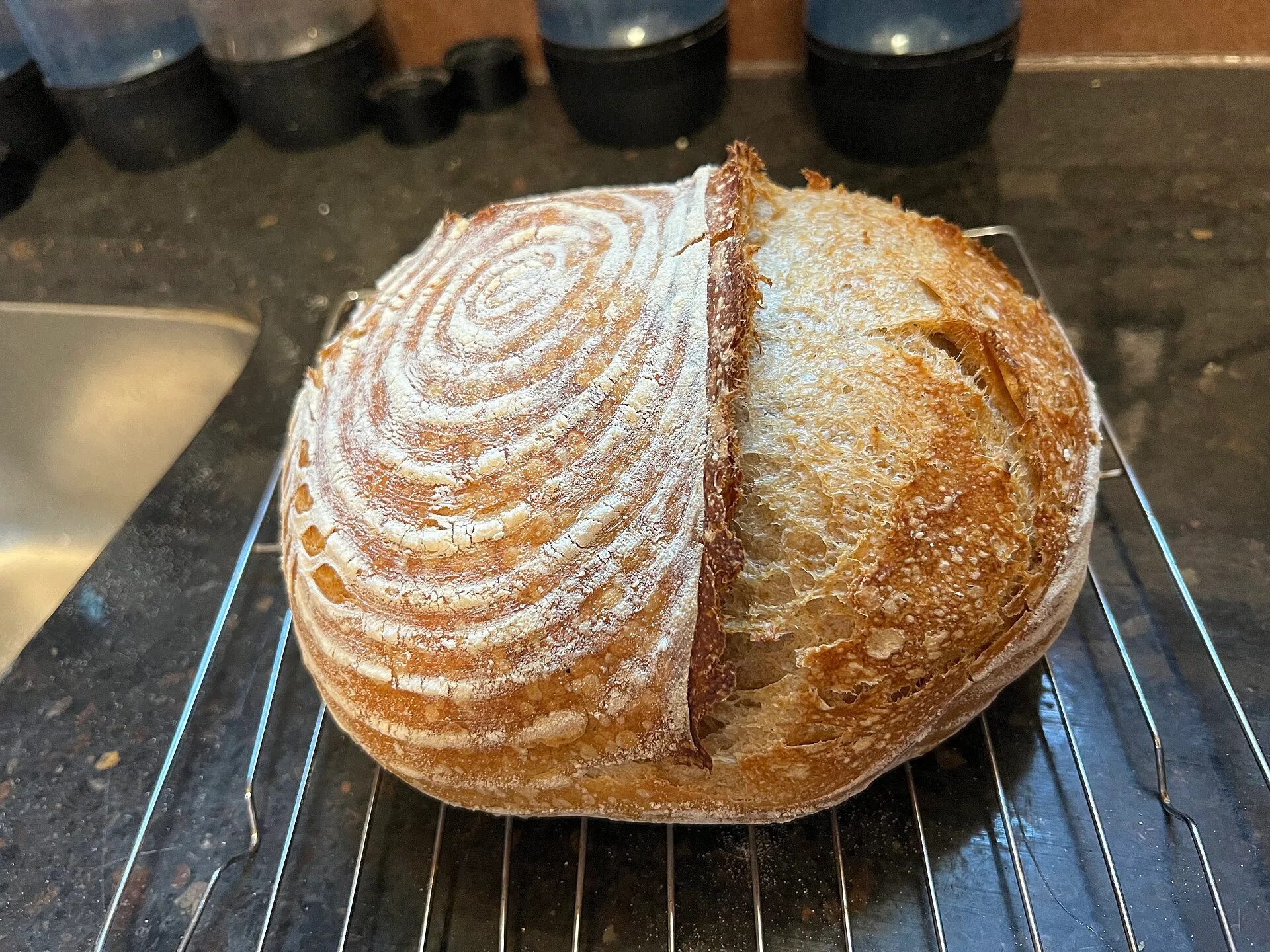
Sourdough bread history spans the bread moulds of Old Kingdom Egypt, the leavens recorded by Pliny the Elder, the levain defined in French law in 1993 and the mother dough that Boudin Bakery says it has used in San Francisco since 1849. Before commercial yeast, bakers raised bread with a starter of flour and water kept back from one batch to leaven the next, or with barm from fermenting beer. Press yeast, developed in Vienna around 1850, spared bakers from maintaining starters, and researchers at the US Department of Agriculture isolated the souring bacteria of San Francisco sourdough in 1971.
WHAT IS A SOURDOUGH STARTER?
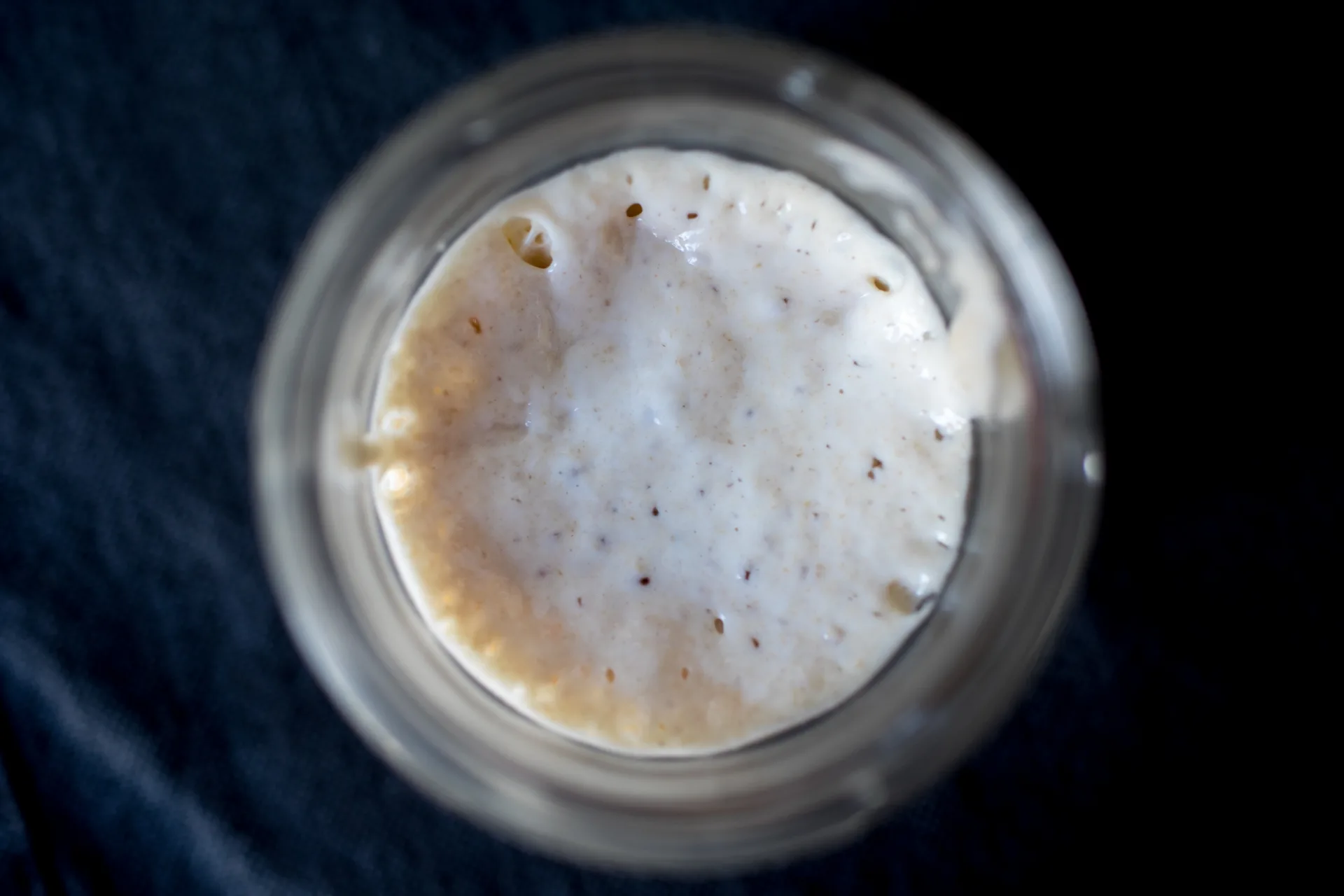
A sourdough starter is a mixture of flour and water that hosts a community of yeasts and bacteria. A 2021 study in the journal eLife by Elizabeth Landis, Benjamin Wolfe and colleagues describes how the yeasts, lactic acid bacteria and acetic acid bacteria in a starter produce the carbon dioxide that leavens bread, while the organic acids and enzymes they release affect its flavour, texture and shelf life. A starter can be created from scratch by fermenting flour and water, or obtained as an established culture from another baker or a commercial supplier. Bakers use a portion of the starter to inoculate each new dough.
The same study found that the yeast Saccharomyces cerevisiae accounted for more than half of the fungal sequences in 77 per cent of the starters it sampled. A typical starter held a median of three lactic or acetic acid bacteria and one yeast. Acetic acid bacteria were present above 1 per cent in 147 of the 500 starters and were strongly linked to aroma and to how fast the dough rose. The souring bacteria of San Francisco sourdough, studied in 1971, produce both lactic and acetic acid, with acetic acid making up 3 to 26 per cent of the total.
WHERE DID SOURDOUGH BREAD HISTORY BEGIN?
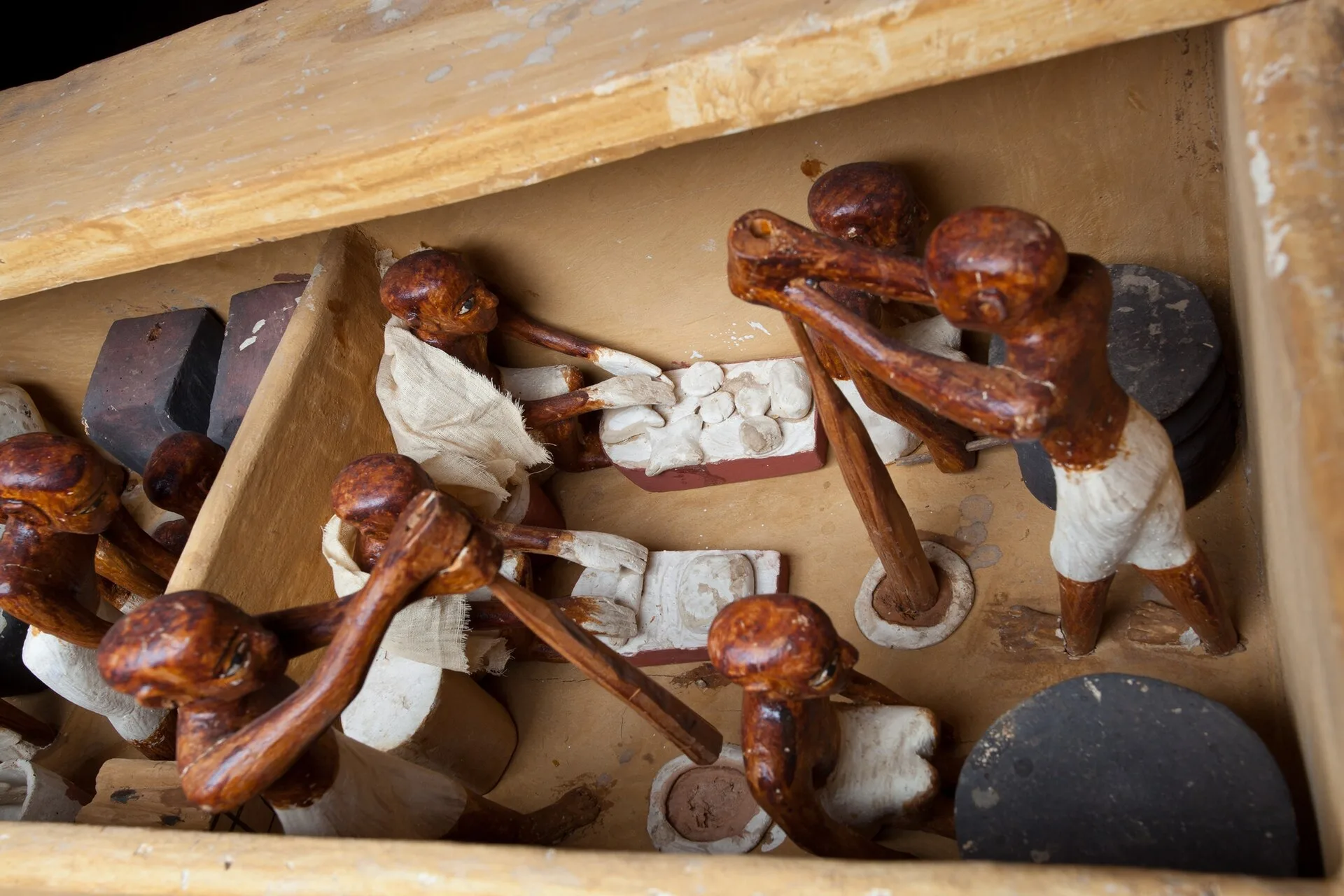
The earliest evidence for leavened bread is debated. In a 2017 Gresham College lecture, Eric Pallant of Allegheny College placed the first archaeological evidence of large-scale bread production, and probably of sourdough, in Old Kingdom Egypt, between 2650 and 2134 BCE. He cited the archaeologist Mark Lehner, whose team uncovered a third-millennium BCE urban complex 400 metres south of the Sphinx at Giza. More than half of the half-million pottery fragments found there were pieces of bread moulds. Lehner and the microbiologist Ed Wood later baked bread in replica clay moulds over fires of straw and donkey dung, with a starter of local yeasts and bacteria. Wood liked the result; Lehner found it rather sour.
Direct evidence of yeast comes later. Delwen Samuel's 1994 doctoral research at the University of Cambridge examined about 20 ancient Egyptian loaves, among them a loaf in UCL's Petrie Museum. She found they were made mainly from emmer wheat, with some barley, figs and dates, and identified preserved yeast granules. A 2017 account from UCL's Researchers in Museums programme describes her evidence for yeast in bread baking by about 1400 BCE as the earliest example of its use. The Science History Institute notes that Egypt was also a centre of early beer brewing, and that Egyptian workers were often paid in bread and beer.
Finds outside Egypt provide earlier direct evidence. In June 2025 Bilecik Şeyh Edebali University in Türkiye presented a bread remnant from the Küllüoba mound excavation in the Seyitgazi district of Eskişehir, dated to the third millennium BCE and described as about 5,000 years old. Scientific analyses showed that the bread had been leavened and baked from emmer wheat and lentils. The excavation, directed by Professor Murat Türkteki of the university's archaeology department, found it burned and buried beneath a floor near the threshold of a back room in a house.
HOW DID THE ROMANS AND MEDIEVAL BAKERS LEAVEN BREAD?

The fullest ancient account of leaven is in Book 18 of Pliny the Elder's Natural History, written in the first century CE. Pliny lists several kinds: millet kneaded with grape must, which he says keeps for a whole year; bran cakes made the same way and dried in the sun; and barley cakes left to sour. In his own day, he writes, leaven was prepared from the bread meal itself, kneaded before salt was added, boiled to a porridge and left until it began to turn sour, though in most cases a little dough kept from the day before was used instead.
Pliny concluded that the principle that makes dough rise is of an acid nature. He also observed that in Gaul and Spain, where a drink was made from steeped grain, the foam that thickened on its surface served as leaven and gave a lighter bread than elsewhere. According to Pliny, Rome had no bakers until more than 580 years after the founding of the city. Before then, the ancient Romans made their own bread at home, an occupation he says belonged to the women of the household.
In medieval Europe bread making moved into the manorial system. Pallant's Gresham lecture describes how the grain a serf was allowed to keep was ground by the lord's miller and baked by the lord's baker for a fee, since an oven was too expensive to build and heat. Women took grain to the mill and mixed the flour with sourdough kept bubbling in a cask at home, a pattern Pallant says lasted roughly a millennium. Brewing supplied a second leaven. The Science History Institute notes that before the 19th century bakers often collected barm, the yeasty foam on fermenting beer, a link that also runs through the history of brewpubs.
HOW DID COMMERCIAL BAKER'S YEAST REPLACE SOURDOUGH?
In the 1850s Louis Pasteur showed that yeasts are living, single-celled organisms, overturning the assumption that decay produced fermentation. Around 1850, according to the Science History Institute, Viennese bakers developed a "press" yeast skimmed from a fermented dough starter and pressed into cakes. The Scientific Commission of the United States sent one of its scientists to the 1873 Vienna International Exhibition, and two years later E. N. Horsford published a detailed Report on Vienna Bread. He described the loaf as "always light, evenly porous, free from acidity in taste or aroma".
Milling changed in the same decade. A Hungarian invention of the 1870s replaced grinding stones with steel rollers and produced fine white flour, and Pallant notes that loaves leavened with press yeast became whiter and less sour. In 1876 Charles Louis Fleischmann, his brother Maximillian and their business partner James Groff exhibited a model bakery at the Centennial Exposition in the United States, promoting the Vienna process under the Fleischmann Yeast Company. Packaged yeast spared bakers from maintaining starters, but the Science History Institute notes that the new strains "lacked the characteristic sour tang of wild yeasts".
WHAT IS FRENCH LEVAIN?
In France the decline and return of sourdough has been traced by Steven Laurence Kaplan, a professor emeritus of French social history at Cornell University and the author of nine books on French bread. In a 2018 profile in the Princeton Alumni Weekly, Kaplan describes how in the decades after 1945 French bakers cut corners with cheaper flour and commercial yeast. Artisanal baking returned in the 1970s and 1980s, when bakers such as Dominique Saibron and Poilâne rejected additives, revived sourdough fermentation and used better flour. The number of French boulangeries fell from 54,000 in the 1950s to about 30,000 by 2018.
French law now defines the terms. Decree no. 93-1074 of 13 September 1993 reserves the name pain de tradition française for bread made only from bread-making wheat flours, drinking water and cooking salt, fermented with baker's yeast, levain or both, and containing no additives. Bread sold as au levain must have a maximum pH of 4.3 and at least 900 parts per million of acetic acid in the crumb. The decree defines levain as a dough of wheat flour, rye flour or both, subjected to a natural acidifying fermentation, and allows baker's yeast to be added in the final kneading at no more than 0.2 per cent of the flour weight.
HOW DID SAN FRANCISCO SHAPE SOURDOUGH BREAD HISTORY?
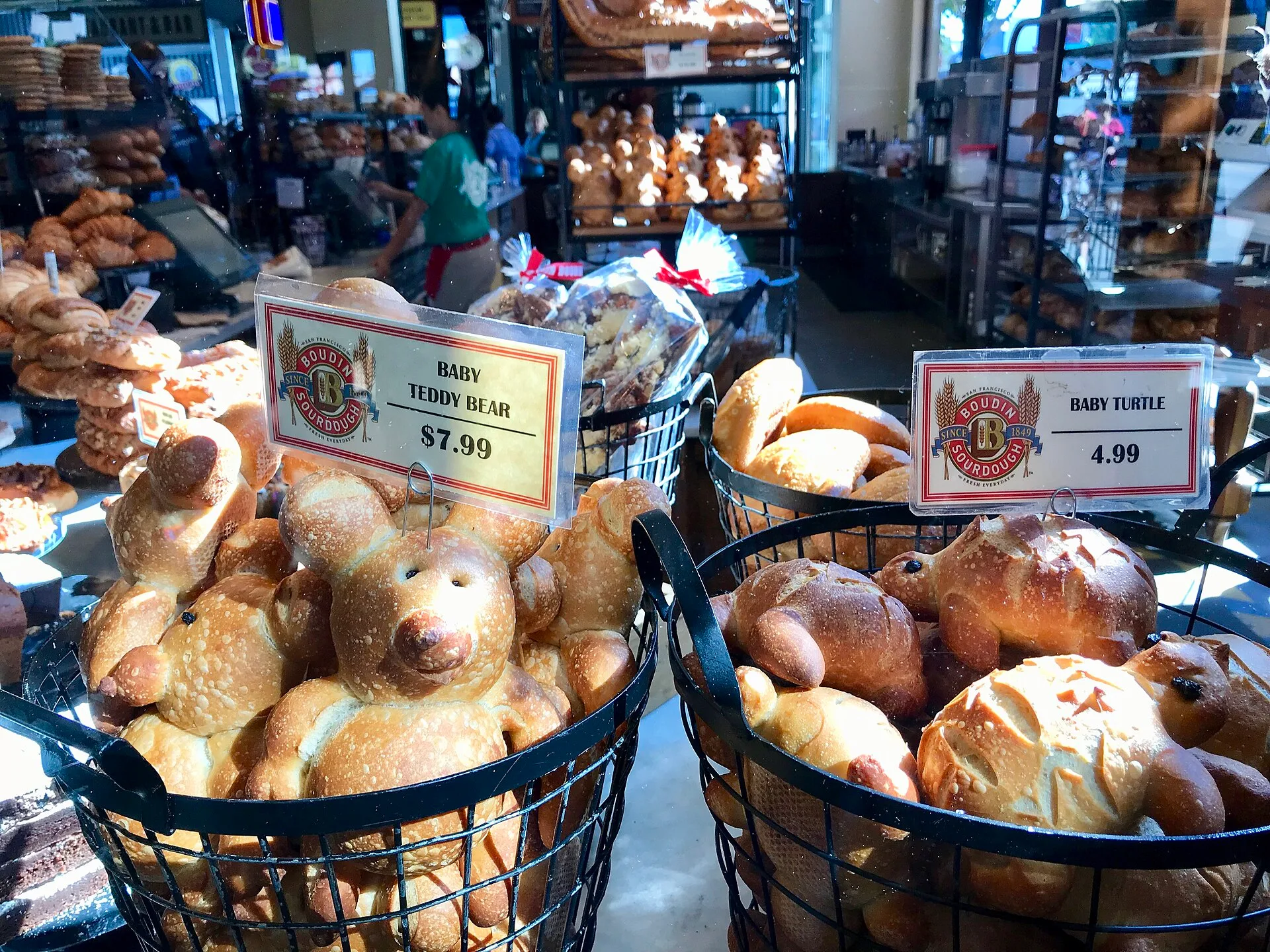
San Francisco's sourdough tradition is tied to the Gold Rush. Boudin Bakery started in 1849, and the San Francisco Examiner, reporting the bakery's history, describes its founder Isidore Boudin as the son of French master bakers who obtained a wild yeast starter from Gold Rush miners. The Examiner repeats the bakery's account that its mother dough formed when the foggy air of San Francisco mixed with flour and water. Boudin worked first from a tent, then from 319 DuPont Street, now Grant Avenue, and the company says every loaf still contains a portion of the mother dough. Steve Giraudo, its second master baker, opened a demonstration bakery at Fisherman's Wharf in 1975 that became the flagship, producing up to 25,000 loaves a day.
The microbiology of this bread was first described in 1971. Leo Kline and T. F. Sugihara of the US Department of Agriculture's Western Regional Research Laboratory in Albany, California, published a study in Applied Microbiology on what they called the 100-year-old San Francisco sourdough French bread process. They developed a growth medium high in maltose that allowed them to isolate, apparently for the first time, the bacteria responsible for the souring. These were previously undescribed rod-shaped species that needed maltose to grow quickly. One of them became known as Lactobacillus sanfranciscensis, which the Examiner notes was named after the city.
WHAT HAS THE SOURDOUGH REVIVAL REVEALED ABOUT STARTERS?
The eLife study of 2021 drew on 500 household starters collected through a network of community scientists, 429 of them from the United States and the rest from Canada, Europe, Australia, New Zealand and Thailand. Its authors describe home sourdough fermentation as an ancient practice that experienced a cultural resurgence in the early 2020s. The Science History Institute recorded the same shift in 2020, when shortages of commercially processed yeast led home bakers to seek out wild yeast. In Britain, the Real Bread Campaign, cited in Pallant's lecture, promotes bread made from four ingredients: flour, water, a little salt and leavening.
The study also tested whether geography shapes the microbes in a starter. The authors found that geographic location does not determine the microbial composition of a starter, a result they say contradicts widespread beliefs about regional sourdough, including the famous San Francisco sourdough. Lactobacillus sanfranciscensis was the dominant bacterium in most starters where it occurred, and was most common in older starters and in those bought from businesses. The authors suggest the limited role of geography reflects the movement of starters through sharing between bakers and commercial distribution.
BAZAAR, MANDARIN ORIENTAL SHENZHEN

Silverfox Studios completed Bazaar at Mandarin Oriental Shenzhen in 2022. The restaurant combines open kitchen stations, a bakery and a bar lounge. Its structure is a timber post-and-beam frame under a slatted timber ceiling, and the seating includes rattan armchairs. The restaurant has views over the city. At the open dim sum station, bamboo steamers sit beneath a cylindrical stainless steel hood. The interior also includes a raw bar, and grill seating set beneath a steel frame with gear-wheel forms.
Bread and drink appear side by side at several points in the history of leavened bread. Egyptian workers were often paid in bread and beer; Pliny recorded that in Gaul and Spain the foam from a grain drink served as leaven; and before the 19th century many bakers took their yeast from the barm of fermenting beer. At Bazaar, the bakery and the bar lounge are two parts of one restaurant, alongside the open kitchen stations, the dim sum station, the raw bar and the grill seating.
SOURCES
- eLife The diversity and function of sourdough starter microbiomes
- Gresham College The Rise and Fall of Sourdough: 6000 Years of Bread
- UCL Researchers in Museums 3,500-year-old bread and beer from the New Kingdom, Egypt
- Bilecik Şeyh Edebali University A Discovery Shedding Light on Culinary Culture from the Küllüoba Excavation: 5,000-Year-Old Bread Unveiled
- Project Gutenberg The Natural History of Pliny, Volume 4
- Science History Institute Stress Baking and the Comfort of Connection
- Princeton Alumni Weekly His Daily Bread
- FAOLEX (FAO) Décret n° 93-1074 du 13 septembre 1993
- Applied Microbiology Microorganisms of the San Francisco Sour Dough Bread Process: II
- San Francisco Examiner Legacy business: Boudin sourdough tastes the same today as it did in 1849