FROM THE 1806 COCK-TAIL TO LOUISVILLE'S OFFICIAL COCKTAIL
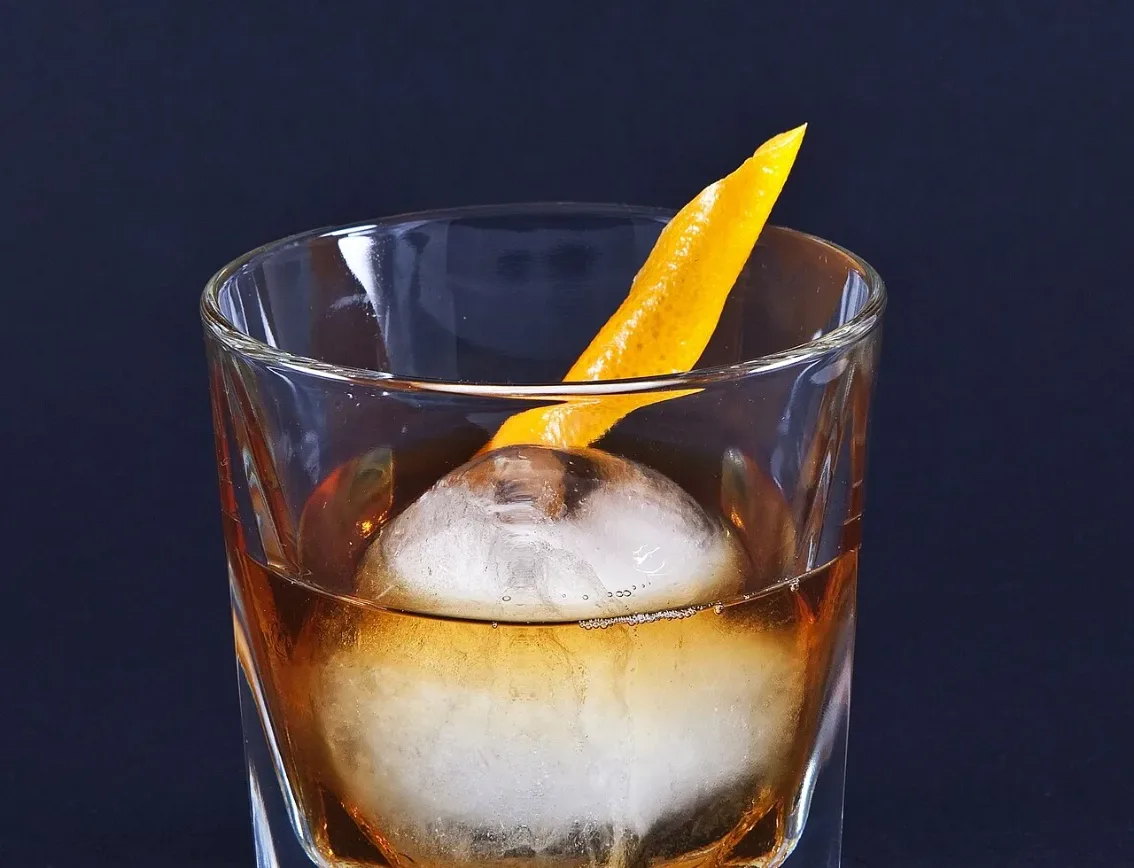
The old fashioned cocktail is a mix of whiskey, sugar, water and bitters, stirred over ice and finished with a strip of citrus peel. The Oxford Companion to Spirits and Cocktails describes it as an example of what the original cocktail would have been like, because its formula matches the first printed definition of the word in 1806. Its name dates from the 1870s and 1880s, when drinkers who wanted that plain formula had to ask for it by name. Since then it has been claimed by a private club in Louisville, printed in New York bar manuals, loaded with fruit and soda, restored by the cocktail revival of the late 1990s and, in 2015, proclaimed the official cocktail of Louisville, Kentucky.
WHERE DID THE OLD FASHIONED COCKTAIL COME FROM
The drink's formula comes from the earliest known definition of a cocktail, printed in 1806: a drink of spirits, sugar, water and bitters. The background to that definition, and to Jerry Thomas's 1862 bar book, is covered in the origins of the cocktail. For several decades afterwards the drink took its name from its base spirit. According to the Oxford Companion's entry on the Old-Fashioned, written by Robert Hess and David Wondrich, early customers ordered a Gin Cocktail or a Whisky Cocktail, and the bartender built it from the same four ingredients.
The plain formula did not stay plain. The Oxford Companion records that in the 1850s and 1860s bartenders began adding splashes of standard liqueurs such as curaçao and maraschino to the cocktail. A "fancy" version, such as the Fancy Gin Cocktail, differed mainly in being served in a stemmed glass with a twist of lemon. In his entry on the cocktail, Wondrich notes that Thomas's Bar-Tender's Guide offered thirteen variations on the drink, among them plain ones, fancy ones and a champagne version. The bigger change came in the following decade, when a new ingredient arrived on American bar counters.
HOW THE OLD FASHIONED COCKTAIL GOT ITS NAME
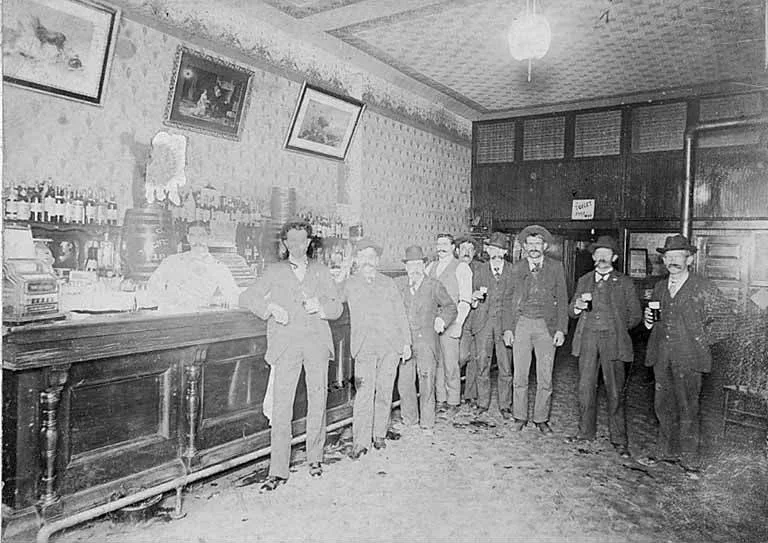
The Oxford Companion dates the shift to the 1870s, when bartenders began replacing half the base spirit with vermouth. By the beginning of the 1880s this had produced the Manhattan, the Martini and the Metropole, drinks divided equally between vermouth and a base spirit. The earliest known reference to the Manhattan is an 1882 Gotham Gossip column syndicated to small-town American newspapers, and by 1884 the drink appeared in three bar books: O. H. Byron's Modern Bartenders' Guide, George Winters's How to Mix Drinks and J. W. Gibson's Scientific Bar-Keeping.
Drinkers who preferred the older formula, in the Oxford Companion's account, would call for an "old-fashioned" cocktail. The description attached itself to each spirit, and the most popular of these was the Old-Fashioned Whisky Cocktail, with gin and brandy versions also common. By the end of the 19th century, Wondrich writes, the vermouth drinks had essentially killed off the plain cocktail, apart from the "deliberately retro version served as the Old-Fashioned" and the Sazerac of New Orleans. Punch, the American drinks magazine, gives the same sequence: the name is thought to have come later in the century, after more elaborate cocktails entered the repertoire. Merriam-Webster dates the noun "old-fashioned", meaning the cocktail, to 1912.
THE PENDENNIS CLUB AND OTHER ORIGIN CLAIMS
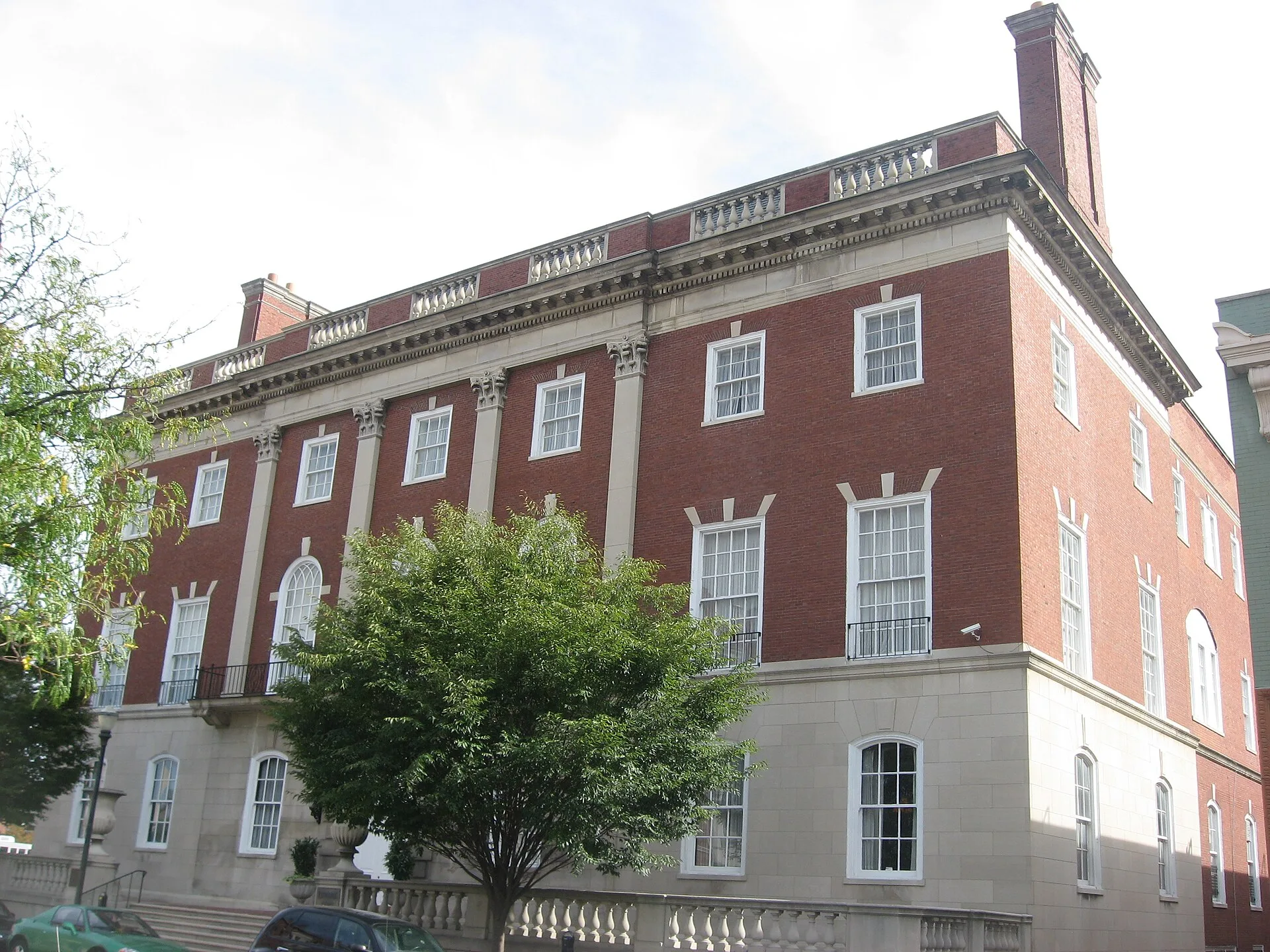
Louisville tells a more specific story. Louisville Tourism's account says the drink began at the Pendennis Club, a private club still operating in the city, in the late 1800s, and that a club member, the master distiller Colonel James E. Pepper, introduced it to the Waldorf Astoria Hotel in New York. The Oxford Companion treats the claim with caution. It gives the Pendennis Club's founding date as 1881 and notes that drinkers in Chicago were ordering Old-Fashioneds a year before the club was founded. Its entry concludes only that the club may have popularised the drink.
The club is also linked to Tom Bullock, born in Louisville on 18 October 1872, who started at the Pendennis Club as a bellboy and learned to tend bar there. He later worked at the St Louis Country Club, and in 1917, shortly before Prohibition, published The Ideal Bartender, which Louisville Tourism describes as the first cocktail book published by an African American. The book lists the drink as the "Old Fashion Cocktail". The same Louisville Tourism article notes that the recipe predates the Pendennis Club, so the Pepper story and any part Bullock played in creating the drink remain unverified.
GEORGE KAPPELER'S 1895 OLD-FASHIONED RECIPES
One early printed set of recipes appears in Modern American Drinks: How to Mix and Serve All Kinds of Cups and Drinks by George J. Kappeler, copyrighted in 1895 and published by the Merriam Company at 67 Fifth Avenue, New York. Its table of contents lists "Gin Cocktail, Old Fashion" on page 32, "Brandy Cocktail, Old Fashion" on page 33 and "Whiskey Cocktail, Old Fashion" on page 43. The recipes themselves carry fuller titles, such as the Old-Fashioned Holland Gin Cocktail, and a fourth, the Old-Fashioned Tom Gin Cocktail on page 35, is mixed the same way as the Holland gin version with Old Tom gin in its place.
The whiskey recipe begins: "Dissolve a small lump of sugar with a little water in a whiskey-glass." Two dashes of Angostura bitters, a small piece of ice, a piece of lemon peel and one jigger of whiskey follow, and the drink is mixed with a small bar spoon and served "leaving spoon in the glass". The brandy and gin versions use the same method, crushing a small lump of sugar in a little water before the ice, bitters, lemon peel and spirit go in. None of the four recipes calls for fruit beyond the lemon peel, for soda or for a cherry, and each is built in the glass it is served in.
FRUIT, SODA AND THE REVIVAL OF THE ORIGINAL
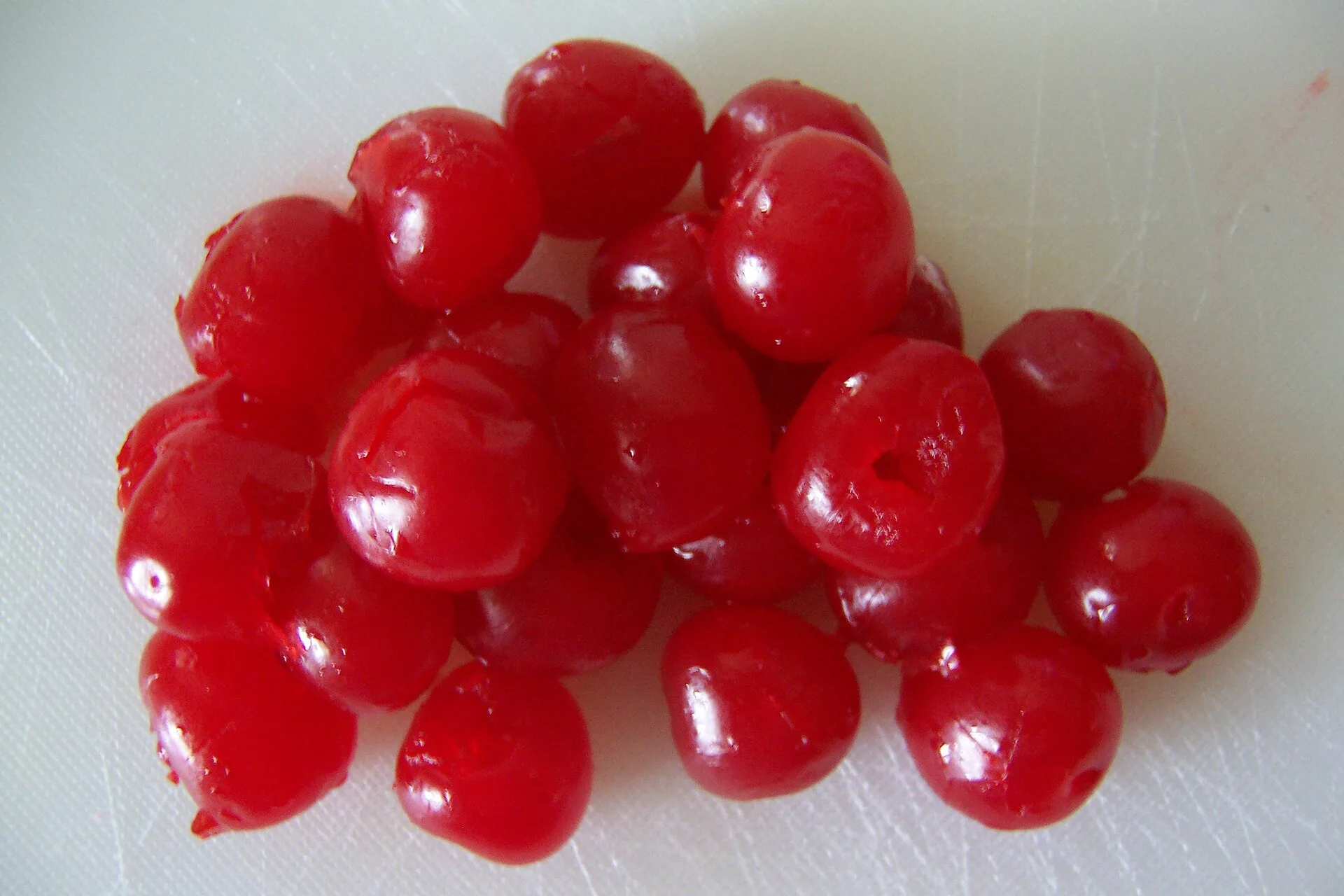
The Oxford Companion says the Old-Fashioned ran into hard times during Prohibition and the early 1940s. Versions of the period were topped with more water or club soda than there was spirit in the drink and "made further flaccid" with a muddled orange wheel and a smashed processed maraschino cherry. Punch, in a recipe article credited to Leslie Pariseau, attributes the fruit and cherries to Prohibition, when they were added to distract from the crude spirits available; the wider use of mixers to hide bootleg liquor is covered in Prohibition cocktails. Punch adds that the fruity mid-20th-century version nearly pushed the original out of existence.
The fruit has not disappeared. Louisville Tourism's published recipe muddles half an orange slice and a stemmed cherry with sugar, water and two dashes of Angostura bitters before adding 2 oz of Kentucky bourbon and ice. In Wisconsin, according to the Oxford Companion, the brandy version remained so popular that an Old-Fashioned ordered in the state today will most likely be made with brandy. The original recipe returned with the classic cocktail revival that began in the late 1990s, and the Oxford Companion now describes the Old-Fashioned as perennially cited as one of the most popular drinks served in cocktail bars.
Louisville has claimed the drink formally. In 2015, according to Louisville Tourism, the city's mayor proclaimed the Old Fashioned "Louisville's Official Cocktail". The city now holds Old Fashioned Fortnight each year from 1 to 14 June, with exhibits, events, cocktail classes and dinners, a period that ends on National Bourbon Day on 14 June. Wondrich's entry on the cocktail notes the parallel fate of the drink's 19th-century contemporaries: the Old-Fashioned reached great heights of popularity and the Sazerac became the state cocktail of Louisiana, while the plain Cocktail is rarely ordered.
BOURBON OR RYE IN AN OLD FASHIONED
Kappeler's 1895 recipe asks only for whiskey. Modern recipes name one of two American styles, which United States federal regulations define in parallel. Under Title 27 of the Code of Federal Regulations, section 5.143, bourbon whisky is made from a fermented mash of not less than 51 per cent corn and rye whisky from not less than 51 per cent rye. Both are distilled at 160 proof or less and stored in charred new oak barrels at 125 proof or less, and straight whisky must spend at least two years in those barrels. The wider rules for bourbon are set out in what makes bourbon bourbon.
The Oxford Companion recipe accepts either straight rye or straight bourbon and changes the garnish to suit: lemon peel for rye, orange peel for bourbon. Punch's recipe also lists rye or bourbon, but its editors favour a spicy rye and name Rittenhouse as their choice. Louisville Tourism's recipe specifies Kentucky bourbon. The Manhattan, the drink whose arrival gave the Old-Fashioned its name, shows the same split: the Oxford Companion notes that both rye and bourbon appear in its early recipes, and that the posthumous 1887 edition of Jerry Thomas's guide called for rye.
HOW IS AN OLD FASHIONED COCKTAIL MADE TODAY
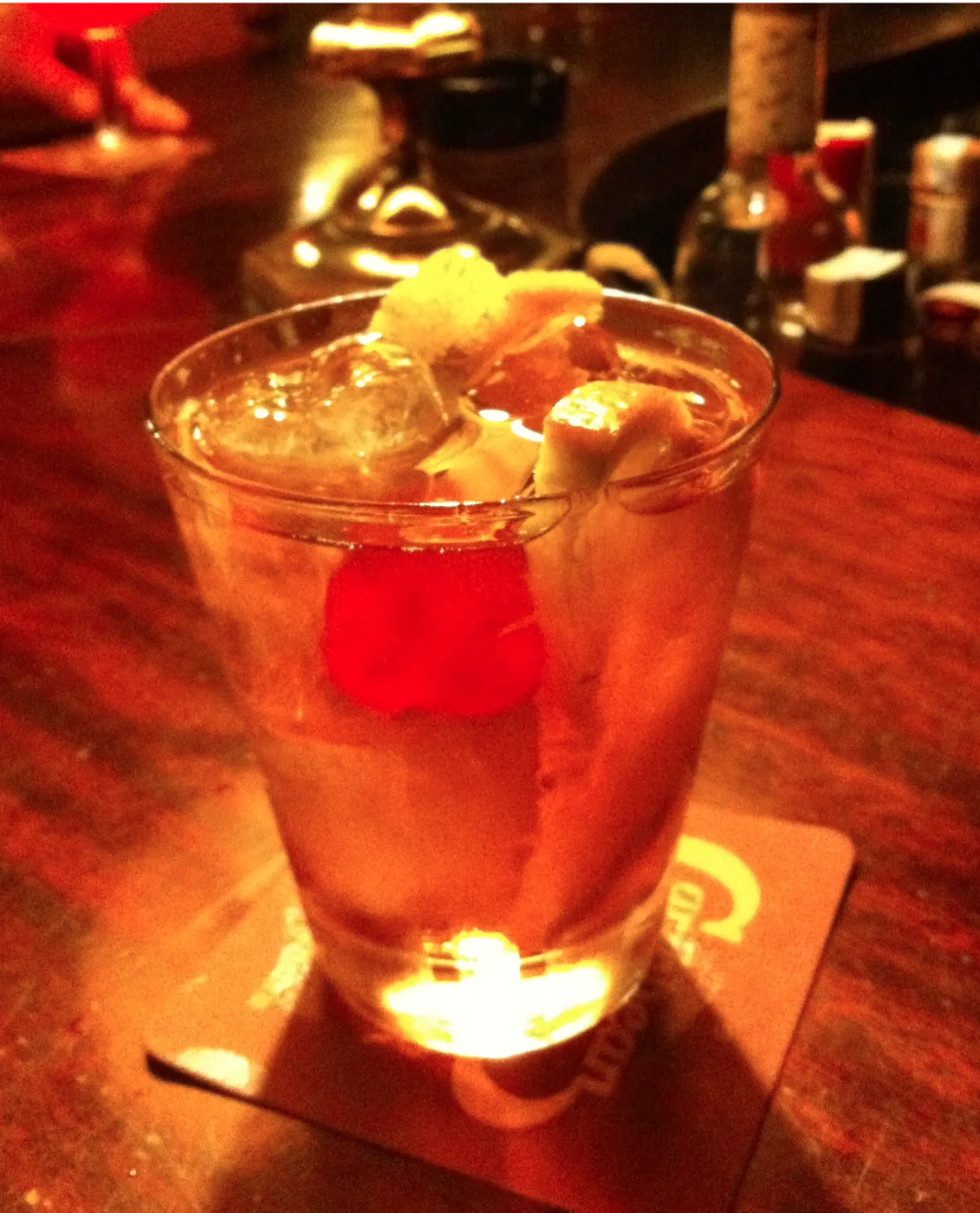
The Oxford Companion's recipe, which cites Wondrich's book Imbibe!, starts with 1 sugar cube or 5 ml of sugar, 5 ml of water and 2 to 3 dashes of Angostura or other bitters, muddled in a heavy-bottomed glass. Ice and 60 ml of straight rye or bourbon go in next, the drink is stirred, and a strip of lemon or orange peel is twisted over the top. Punch's version follows the same order: a sugar cube, a teaspoon of sugar or a quarter ounce of simple syrup, muddled with the bitters and a small splash of warm water until dissolved, then 2 oz of whiskey and ice, preferably one oversized cube, stirred and garnished with orange peel.
The glass has carried several names. Kappeler built his Old-Fashioneds in a whiskey-glass, Louisville Tourism's recipe calls for an Old Fashioned glass, and Punch specifies a double rocks glass. Merriam-Webster defines a rocks glass as a short tumbler used especially for a cocktail served over ice, and dates the term to 1961. The method in all of these recipes is the one Kappeler printed in 1895: the sugar is dissolved with water and bitters, the spirit and ice are added, and the drink is stirred and served in the same glass.
YARDBIRD SOUTHERN TABLE & BAR AT MARINA BAY SANDS

Yardbird Southern Table & Bar was founded by John Kunkel of 50 Eggs Hospitality Group, who opened the original restaurant in Miami in 2011. The restaurant at Marina Bay Sands in Singapore opened in July 2017 and is the only Yardbird location outside the United States. Its menu includes fried chicken brined for 27 hours and served with a Vermont cheddar waffle and watermelon. The bar centres on bourbon, one of the two whiskeys that the Oxford Companion and Punch name for a modern Old Fashioned.
The interior follows a "Barnhouse" concept, with reclaimed barn doors, reclaimed wood and metal set against white walls. Bourbon, the spirit at the centre of the bar, is defined in United States federal regulations as whisky from a mash of at least 51 per cent corn, stored in charred new oak barrels. Louisville, the city that proclaimed the Old Fashioned its official cocktail in 2015, builds its published recipe on Kentucky bourbon, and the Oxford Companion pairs bourbon with an orange peel garnish.
SOURCES
- The Oxford Companion to Spirits and Cocktails (via Spirits & Distilling) Old-Fashioned
- The Oxford Companion to Spirits and Cocktails (via Spirits & Distilling) Cocktail
- The Oxford Companion to Spirits and Cocktails (via Spirits & Distilling) Manhattan Cocktail
- Internet Archive George J. Kappeler, Modern American Drinks (1895)
- Punch Old-Fashioned
- Louisville Tourism Old Fashioned
- Louisville Tourism The Life and Legacy of Tom Bullock
- Louisville Tourism Old Fashioned Fortnight
- Merriam-Webster Old-fashioned and Rocks glass
- Cornell Law School Legal Information Institute 27 CFR 5.143: Whisky