BOURBON IS DEFINED BY FEDERAL LAW, NOT BY KENTUCKY, THOUGH KENTUCKY MAKES ALMOST ALL OF IT
What makes bourbon bourbon is set out in United States federal regulations. The bourbon rules require a mash of at least 51 per cent corn, distillation at no more than 160 proof, storage in charred new oak barrels at no more than 125 proof and bottling at a minimum of 80 proof, with nothing added for colour or flavour. The whiskey can be made anywhere in the United States, not only in Kentucky, although the Kentucky Distillers' Association says the state's distillers produce 95 per cent of the world's bourbon. The legal framework was built in stages: the Bottled-in-Bond Act of 1897, a presidential ruling on the meaning of whiskey in 1909, and a resolution of Congress in 1964 recognising bourbon as a distinctive product of the United States. The history of bourbon before those rules, including where its name came from, is far less certain.
WHAT IS BOURBON? THE LEGAL DEFINITION
The standards of identity for American spirits are in Title 27 of the Code of Federal Regulations, section 5.143. Whisky in general is a spirit distilled from a fermented grain mash at less than 95 per cent alcohol by volume (190 proof), with the taste, aroma and characteristics generally attributed to whisky, and bottled at not less than 40 per cent alcohol by volume (80 proof). Bourbon narrows each of these. The mash must contain at least 51 per cent corn, the spirit must be distilled at 160 proof or less, and it must enter charred new oak barrels at 125 proof or less. Britannica notes that the rest of the mash is made up of malt and rye.
Two further rules separate bourbon from other American whiskies. The same table that permits colouring, flavouring and blending materials in whiskies named after rye, wheat or malt makes an exception for bourbon, so nothing of the kind may be added to it. Under paragraph (b) of the regulation, the word bourbon may not be used for any whisky, or whisky-based spirit, that was not distilled and aged in the United States. Nothing in the regulation requires the whiskey to come from Kentucky.
STRAIGHT BOURBON, AGE STATEMENTS AND BARREL STOCKS
The regulations set no minimum age for bourbon. The longer designation, straight bourbon whisky, requires at least two years in charred new oak barrels and does not allow colouring, flavouring, blending materials or neutral spirits. Age statements are governed by section 5.74. Any whisky aged less than four years must carry an age statement on its label, and the age shown is that of the youngest whisky in the bottle, written substantially as a number of years old. The rule does not apply to whisky labelled bottled in bond, which must be aged in wood for at least four years. For older whiskies the statement is optional, but if one is used it must follow the same format.
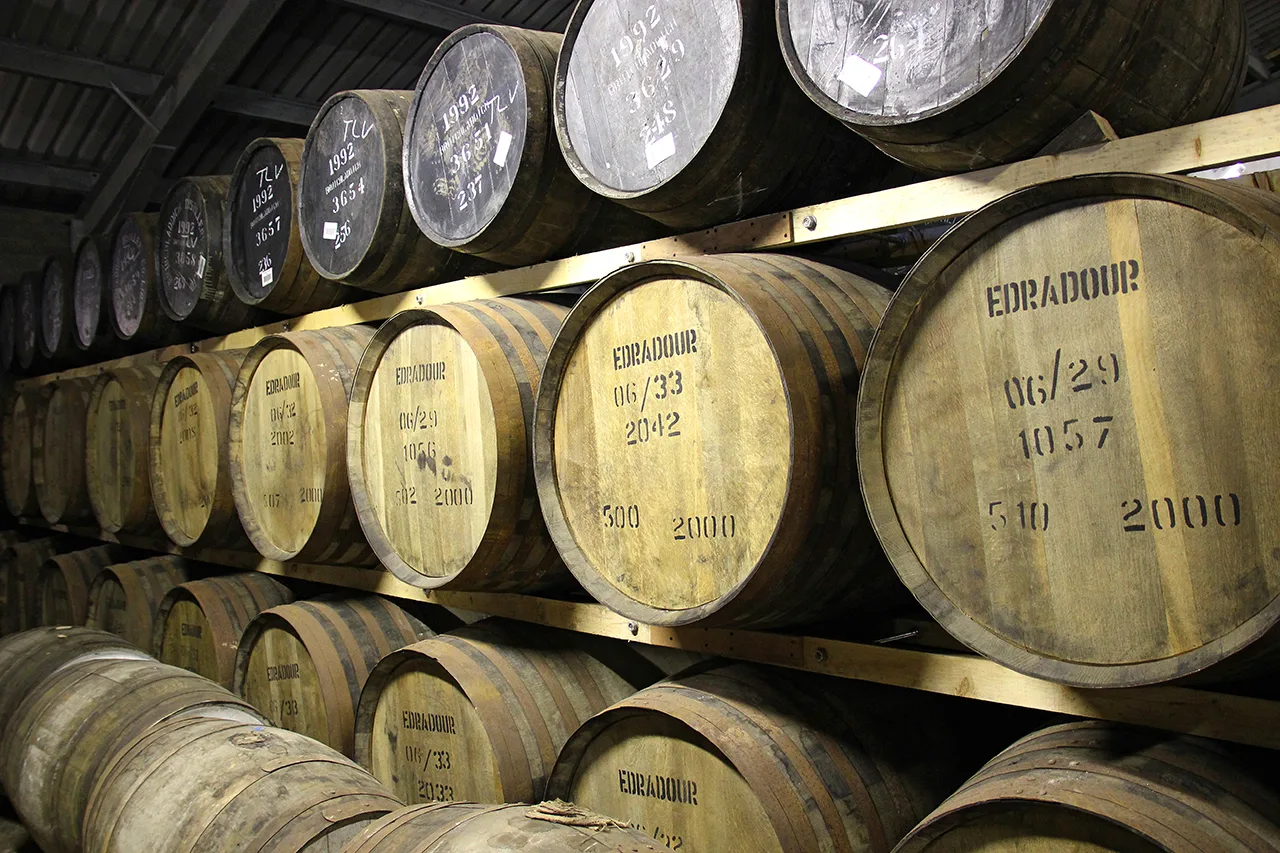
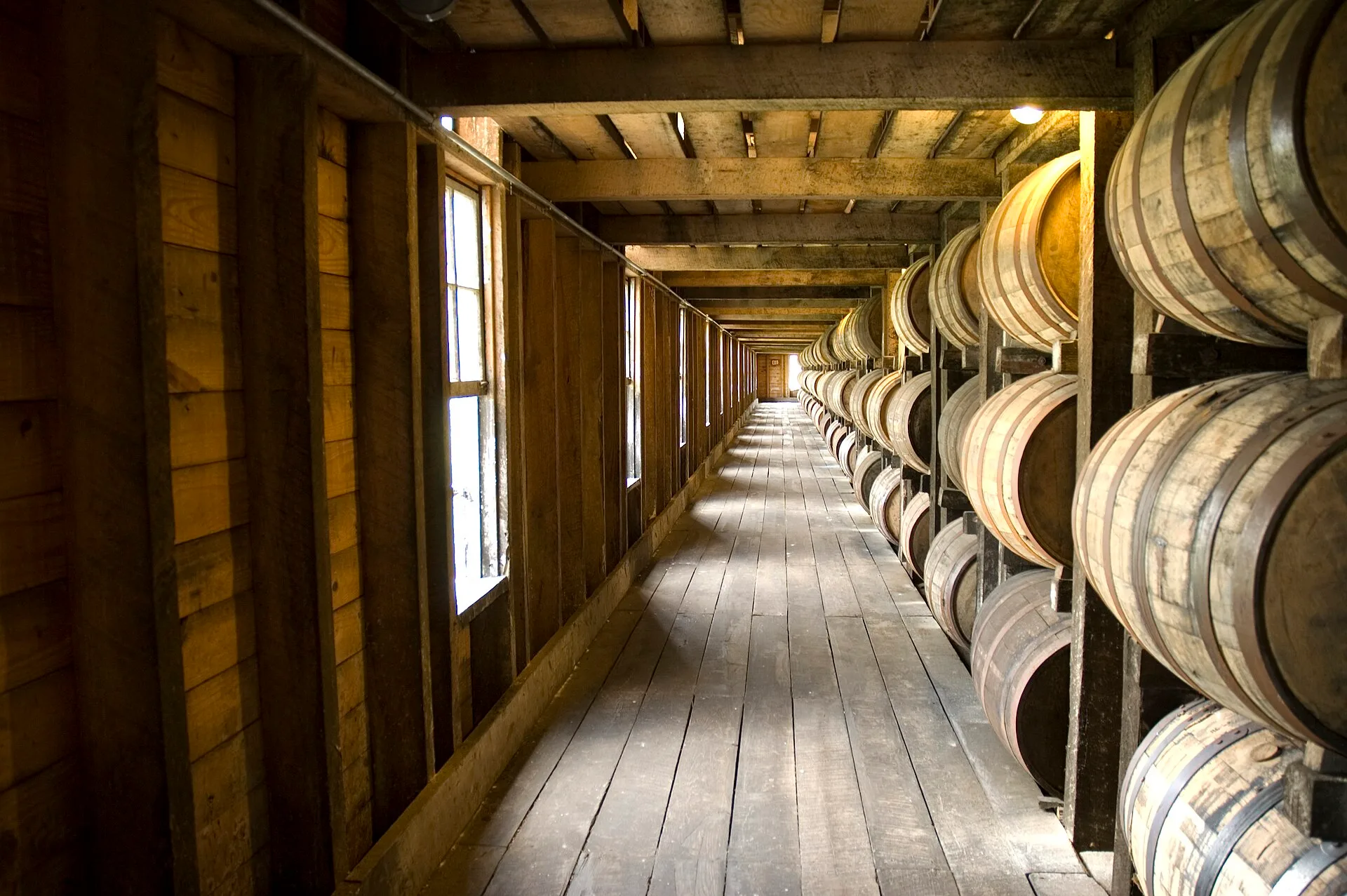
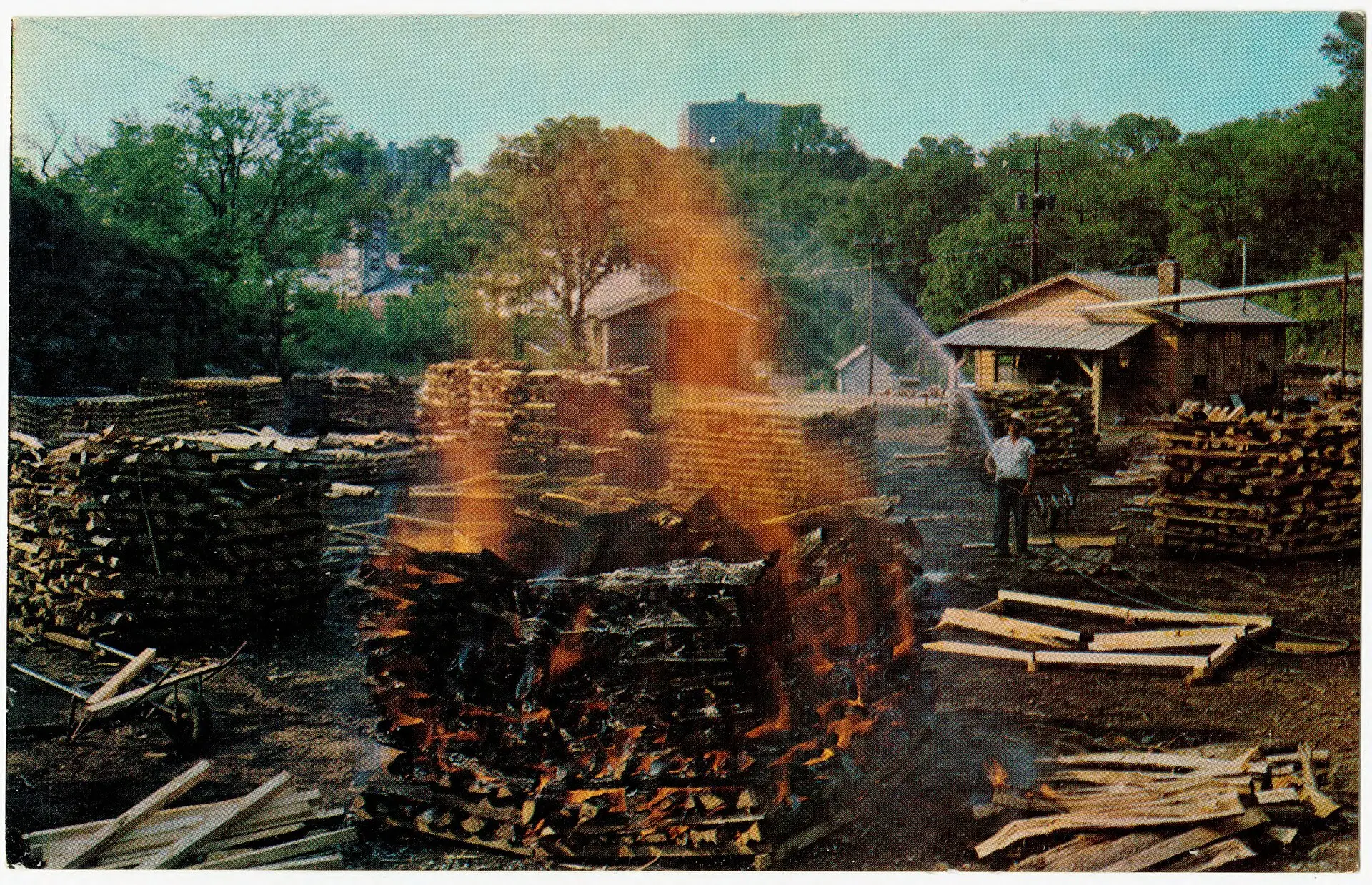
Most of that ageing takes place in Kentucky. The Associated Press reported in 2024 that Kentucky warehouses held a record 12.6 million barrels of bourbon at the start of 2023, compared with about 4.6 million in 2009. Kentucky distillers produced a record 2.7 million barrels in 2022, the fifth year in a row above two million, and the state had 100 licensed distilleries in more than a third of its 120 counties. The historian Michael Veach attributes Kentucky's dominance to its limestone-filtered water and its extremes of weather.
WHERE DID BOURBON GET ITS NAME?
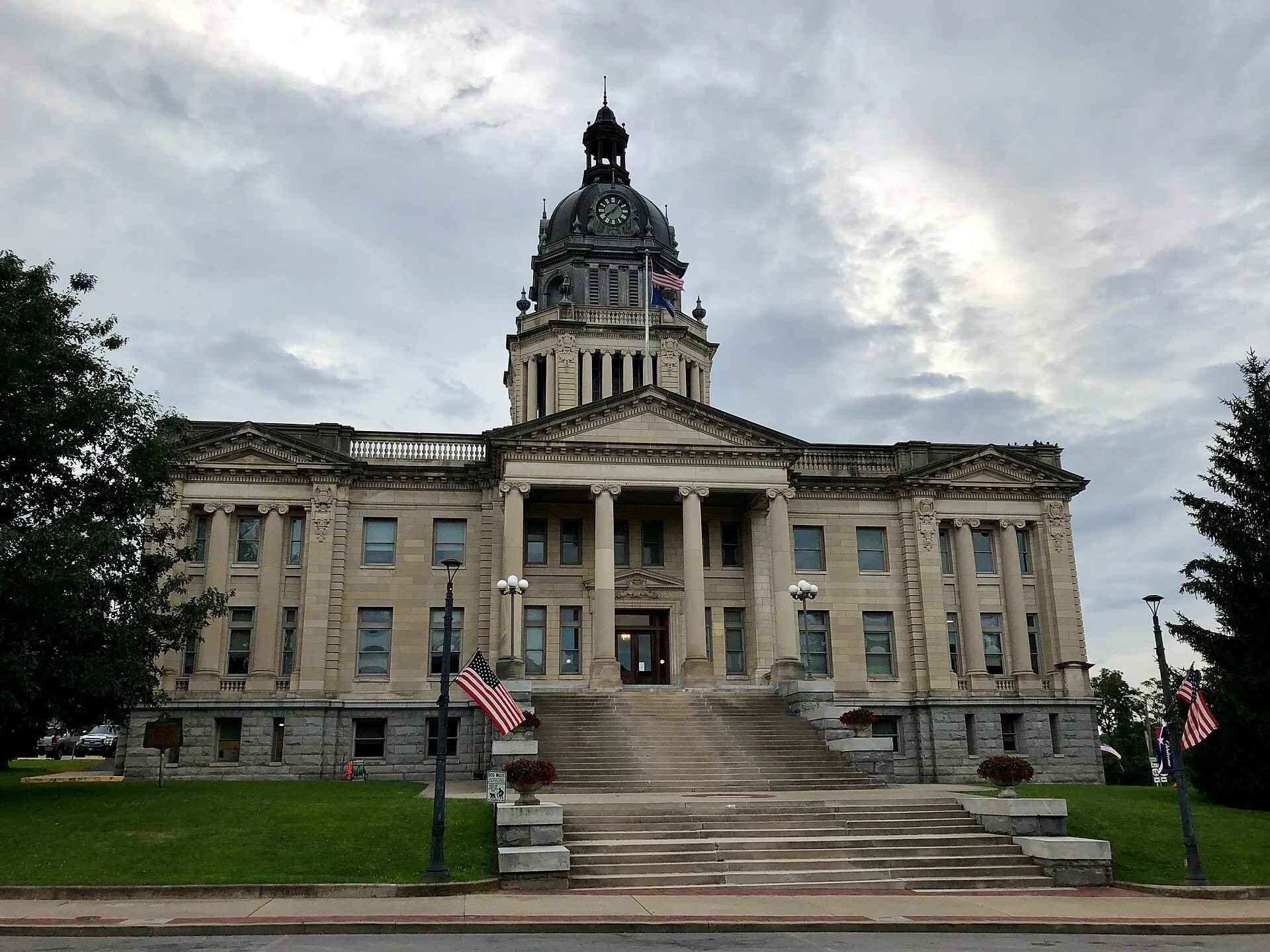
The usual account, repeated by Kentucky distilleries, is that the name comes from Bourbon County, which was once part of a larger area known as Old Bourbon. Veach, then associate curator of special collections at the Filson Historical Society in Louisville and a former archivist for United Distillers, told Smithsonian Magazine in 2013 that this story does not appear in print until the 1870s. The Filson holds bourbon labels printed as early as the 1850s. Veach is also the author of a history of bourbon that runs from the Whiskey Rebellion to the 21st century, including the effects of the Pure Food and Drug Act on the industry.
Veach's alternative involves New Orleans. Two brothers named Tarascon, from south of Cognac in France, settled in Louisville and shipped local whiskey down the Ohio River to New Orleans. In his account they understood that whiskey stored in charred barrels would appeal to buyers there because it tasted more like French brandy. In the 19th century the city's entertainment district was Bourbon Street, and Veach suggests that drinkers asked for the whiskey sold there until the phrase became bourbon whiskey. He accepts that the question may not be settled: “We may never know who actually invented bourbon,” he told Smithsonian, adding that the first Kentucky distiller is also unknown.
ELIJAH CRAIG AND THE “FATHER OF BOURBON” CLAIM
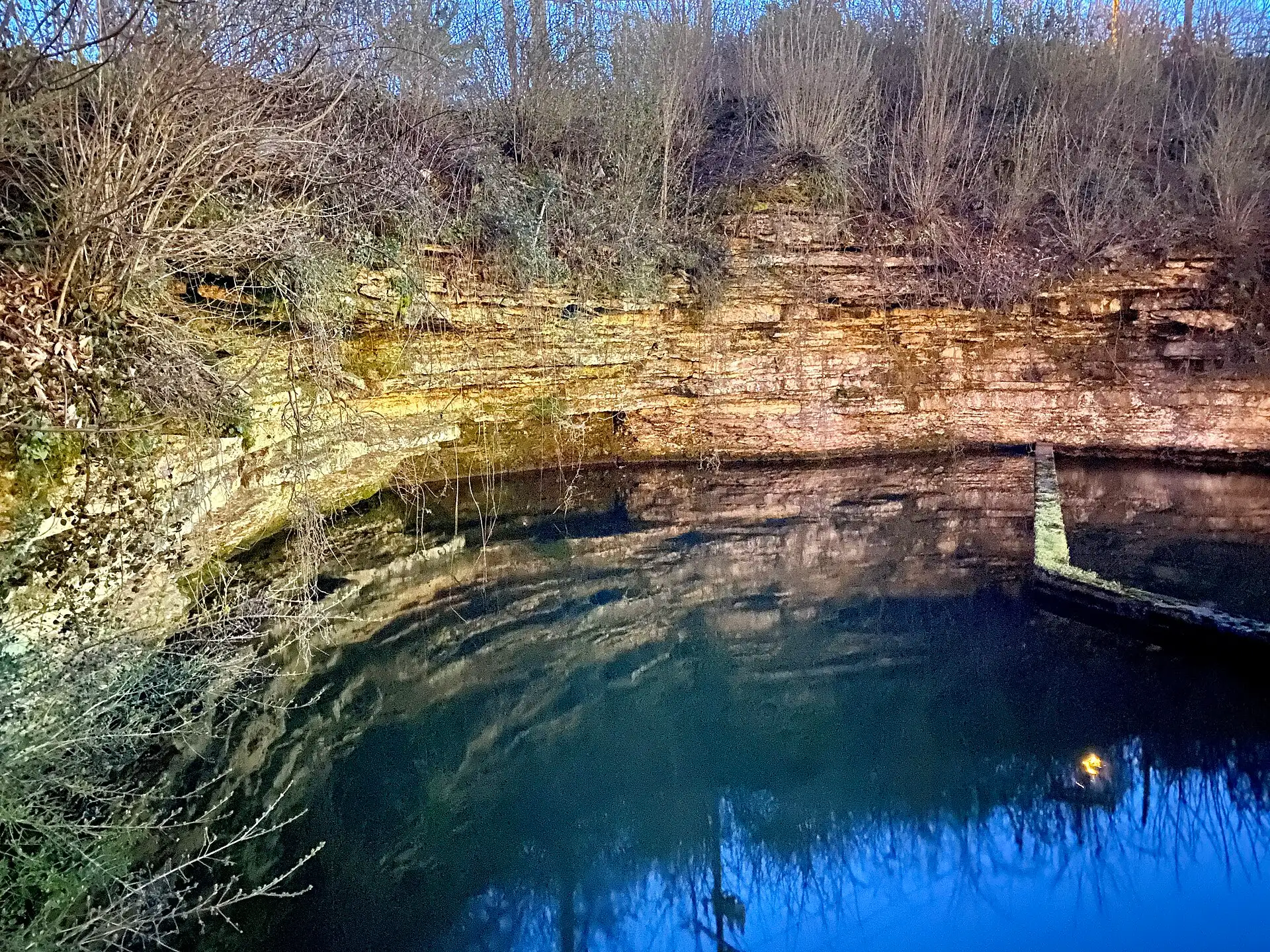
The best-known origin legend credits Elijah Craig, a Baptist minister. In a 2018 article for Whisky Advocate, Sam Komlenic sets out his biography: Craig was born around 1738 in Orange County, Virginia, was ordained in 1771, moved to what is now Kentucky in 1782 and preached until shortly before his death in 1808. He was an early promoter of industry in Kentucky, and in 1789 he reportedly built the first fulling mill, rope-walk and paper mill at Georgetown, a town that a 19th-century history credits him with founding.
The claim that he made the first bourbon traces to The History of Kentucky by Lewis and Richard Collins, published in 1874, which states that the first bourbon was made in 1789 at Georgetown, at the fulling mill by the Royal Spring. Craig is not named in that passage, although the preceding paragraphs about his mills imply him. Komlenic describes the evidence as ambiguous and notes that other distillers were at work in Kentucky by 1789, among them Jacob Spears, Daniel Shawhan Jr and Benjamin Bedford in Bourbon County. The title Father of Bourbon now appears on the label of Elijah Craig Small Batch. The brand name was registered as a trademark in 1960 by Commonwealth Distillers, bought by Heaven Hill in 1976 and first released in 1986.
BOTTLED IN BOND AND THE TAFT DECISION
The Oxford Companion to Spirits and Cocktails describes the Bottled-in-Bond Act of 1897 as a measure to protect consumers from low-quality and watered-down products sold by rectifiers and other sellers. Writing for the Filson Historical Society, Veach summarises its terms: the whiskey had to come from one distillery in one season, be aged at least four years in a bonded warehouse and be bottled at 100 proof. According to the Oxford Companion, nothing could be added except pure water. Veach notes that 1901 was the first year in which all of the requirements were met. Straight whiskey distillers, among them E. H. Taylor Jr of the Old Taylor Distillery, took part in the political disputes over bonded whiskey.
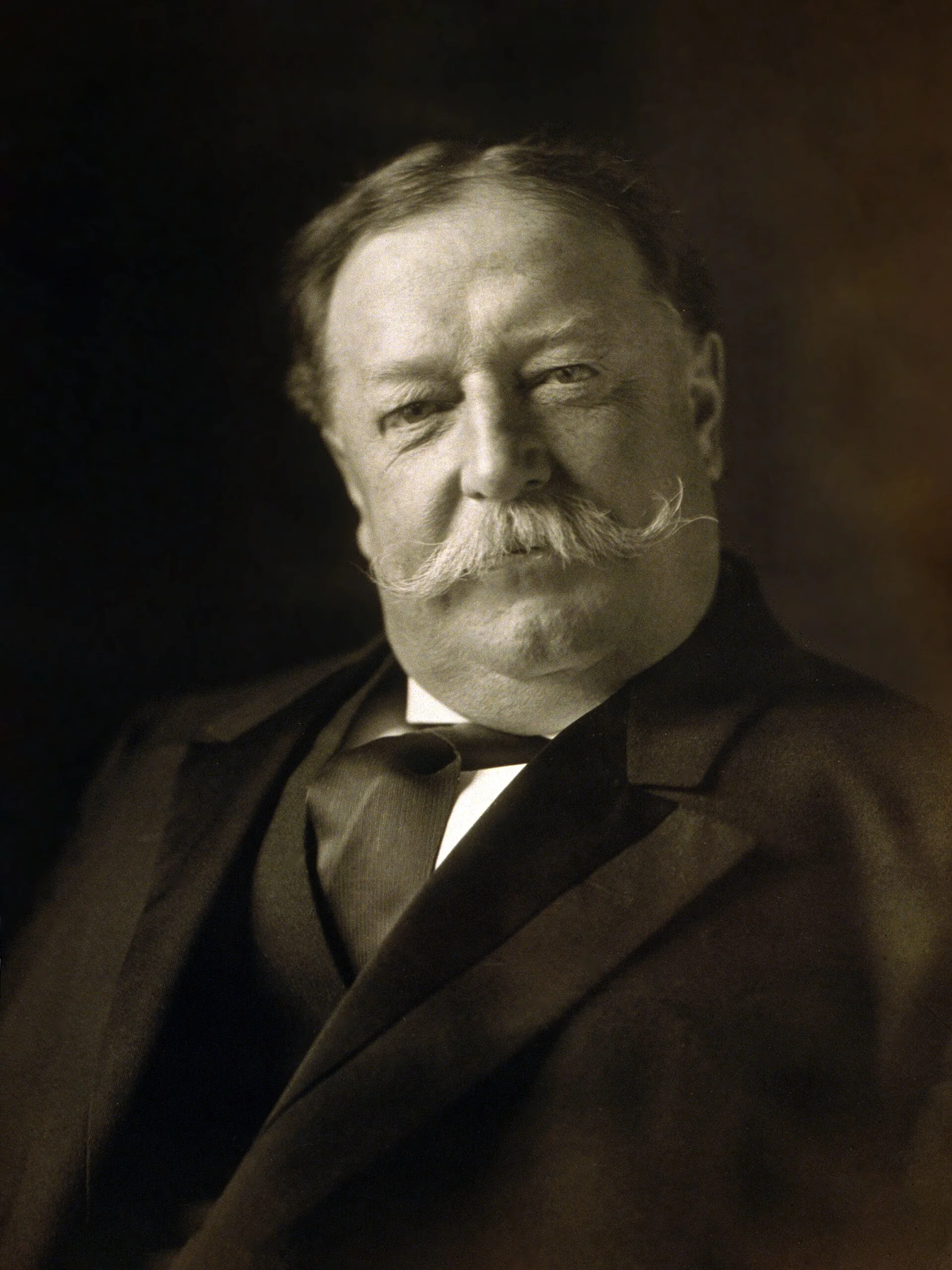
The Pure Food and Drug Act of 1906 opened a longer argument over what could be called whiskey at all. President Theodore Roosevelt and the government's chief chemist, Harvey Wiley, backed a strict standard under which products with added neutral spirits, colouring or flavouring would be labelled imitation whiskey. In December 1909, after three years of dispute, President William Howard Taft ruled that only water could be added to whiskey sold as straight, and that anything else had to be labelled blended. When Prohibition was repealed on 5 December 1933, distillers adopted rules that went further than the Taft decision: bottles became the only legal retail package, and barrels were sold only to the trade, tracked by warehouse receipts.
1964: A DISTINCTIVE PRODUCT OF THE UNITED STATES
On 4 May 1964 Congress agreed Senate Concurrent Resolution 19 on bourbon whiskey. Its preamble notes that the United States already recognised marks of origin on imported spirits such as Scotch whisky, Canadian whisky and cognac, and states that bourbon is a distinctive product of the United States which must meet high standards under American law to carry the name. The resolution was framed as the sense of Congress and asked the relevant federal agencies to take action to prohibit imports of whisky designated as bourbon whiskey. The rule that the word bourbon is reserved for whisky distilled and aged in the United States now sits in the federal standards of identity.
Tennessee whiskey has its own rules. In 2013 the Tennessee legislature, at the urging of Jack Daniel's, passed the first state law setting out which products could be labelled Tennessee Whiskey. The law codifies the Lincoln County Process, under which the spirit is filtered through maple charcoal before ageing, and requires ageing in unused charred oak barrels; the Associated Press identified the charcoal filtering as the main difference from bourbon. The law exempted Prichard's Distillery, and in 2015 the state attorney general, Herbert Slatery, issued an opinion that the exemption could breach the equal protection provisions of the US Constitution. The makers of George Dickel, owned by Diageo, along with Prichard's and Full Throttle, opposed the law as too restrictive.
BOURBON AT YARDBIRD SOUTHERN TABLE & BAR, SINGAPORE

The bar at Yardbird Southern Table & Bar at Marina Bay Sands Singapore centres on bourbon. Yardbird was founded by the Miami restaurateur John Kunkel of 50 Eggs Hospitality Group, and the original Miami restaurant opened in 2011. It is known for its fried chicken, brined for 27 hours and served with a Vermont cheddar waffle and watermelon. The Singapore restaurant, opened in July 2017, is the brand's only location outside the United States. Silverfox Studios designed it around a Barnhouse concept, using reclaimed barn doors, white walls, reclaimed wood and metal.
SOURCES
- Cornell Law School, Legal Information Institute 27 CFR 5.143: Whisky
- Cornell Law School, Legal Information Institute 27 CFR 5.74: Statements of age and percentage
- US Government Publishing Office Bourbon Whiskey: Senate Concurrent Resolution 19, 78 Stat. 1208 (1964)
- Britannica Bourbon whiskey
- Smithsonian Magazine Where Bourbon Really Got Its Name and More Tips on America's Native Spirit
- Whisky Advocate The True Story of Elijah Craig
- The Oxford Companion to Spirits and Cocktails Bottled in bond
- The Filson Historical Society 20th Century Distilling Papers at The Filson
- Associated Press, via WDIV ClickOnDetroit A booming bourbon industry has Kentucky leaders toasting record growth
- Associated Press, via KSL Exemption in 'Tennessee Whiskey' law raises legal flags