

FROM AN 1895 MAGAZINE PLEA TO A WEEKEND RESTAURANT SERVICE
Merriam-Webster defines brunch as a meal usually taken late in the morning that combines a late breakfast and an early lunch, dates the word's first known use to 1895 and gives its origin as a blend of breakfast and lunch. Brunch history after that date runs from an English magazine essay through the hunting meals of the British countryside, the hotel dining rooms of 1930s America and the bars of Paris, London and New York, where its best-known drinks took shape. By the late twentieth century the meal had become a fixed weekend service for restaurants in cities from New York to Dublin, with its own menus, cocktails and Sunday crowds.
WHERE DID THE WORD BRUNCH COME FROM?
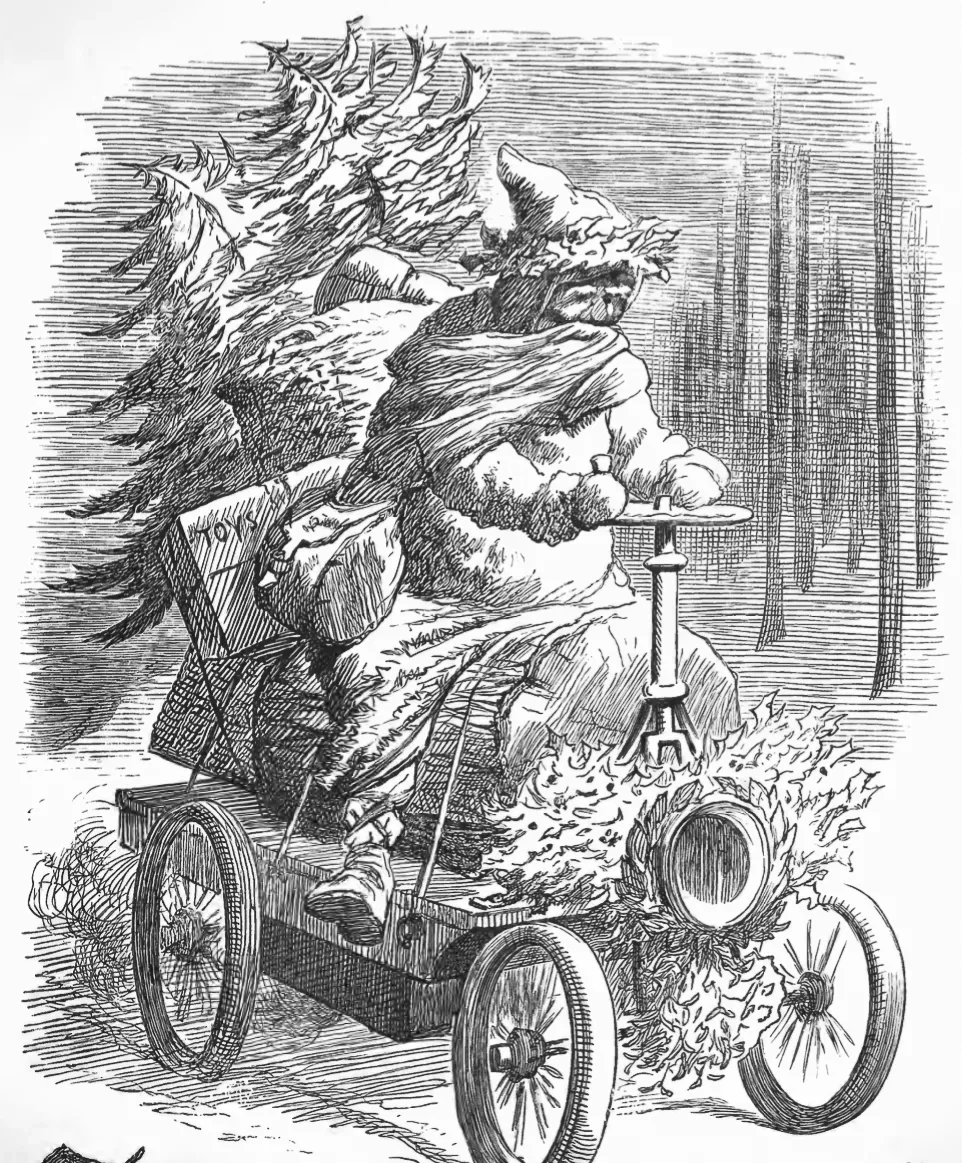
The first printed use of the word is credited to the British writer Guy Beringer, in an essay titled Brunch: A Plea, published in Hunter's Weekly in 1895. As The Irish Times reports, Beringer proposed replacing England's early Sunday dinner, a post-church meal of heavy meats and savoury pies, with a new meal served around noon that began with tea or coffee. By removing the need to get up early on Sunday, he argued, brunch would make life brighter for Saturday night carousers. History.com, the website of the HISTORY channel, calls Hunter's Weekly a short-lived British publication. Country Life quotes Beringer describing brunch as "cheerful, sociable and inciting".
The word spread quickly in print. In 1896 Punch referred to Beringer's brunch and called it an excellent portmanteau word for a combined breakfast and lunch, according to The Irish Times, and History.com states that the magazine reprinted his article that year. In the same year, Salon reports, the word made its first known appearance in the United States in the New Oxford Item, which described brunch as the latest "fad" and as a repast at 11 o'clock in the morning. The New York newspaperman Frank Ward O'Malley later described brunch as the typical midday eating habit of a newspaper reporter, a remark Salon cites through Gothamist.
BRUNCH HISTORY BEFORE THE WORD: HUNT BREAKFASTS AND HUNTING LUNCHES
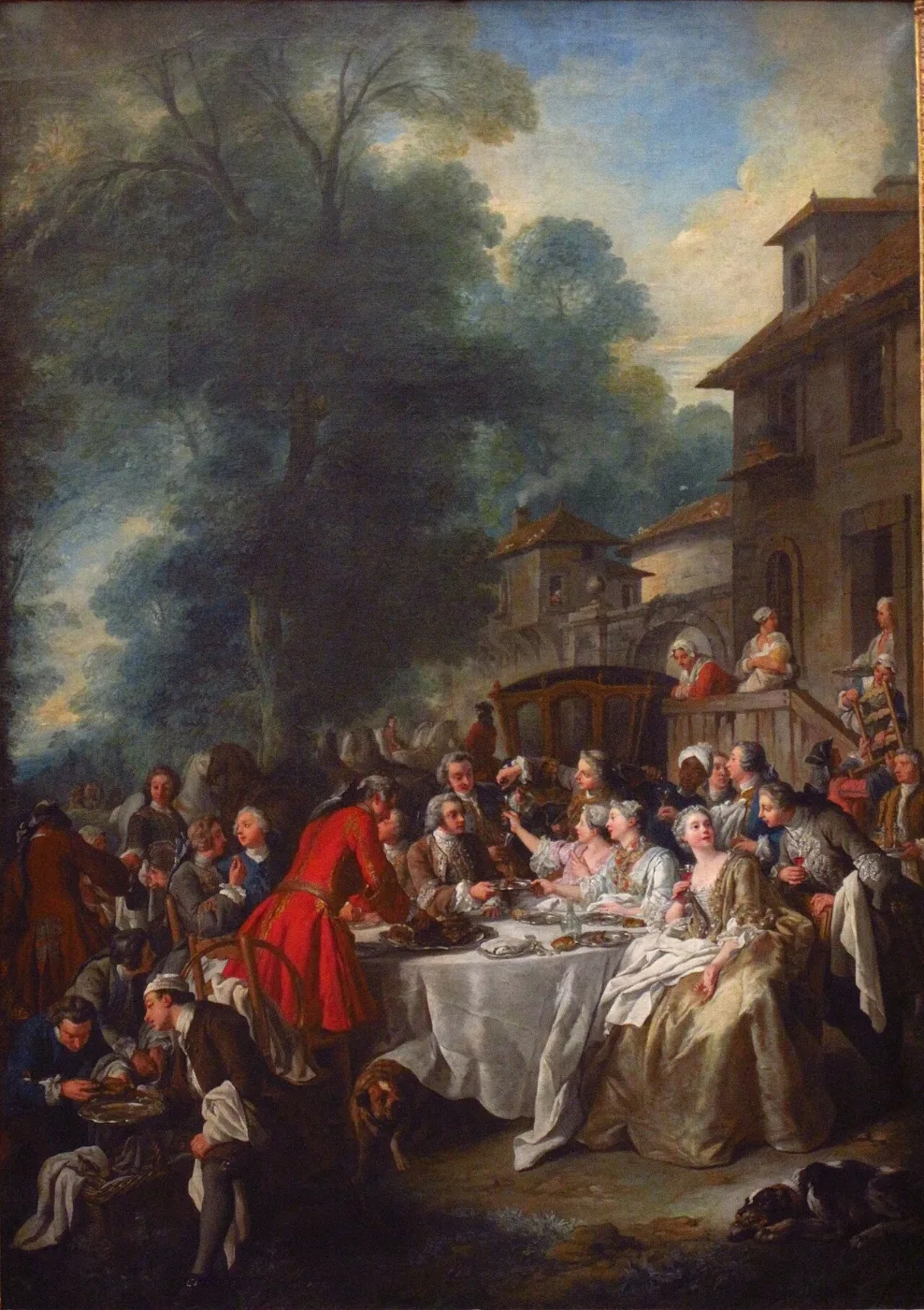
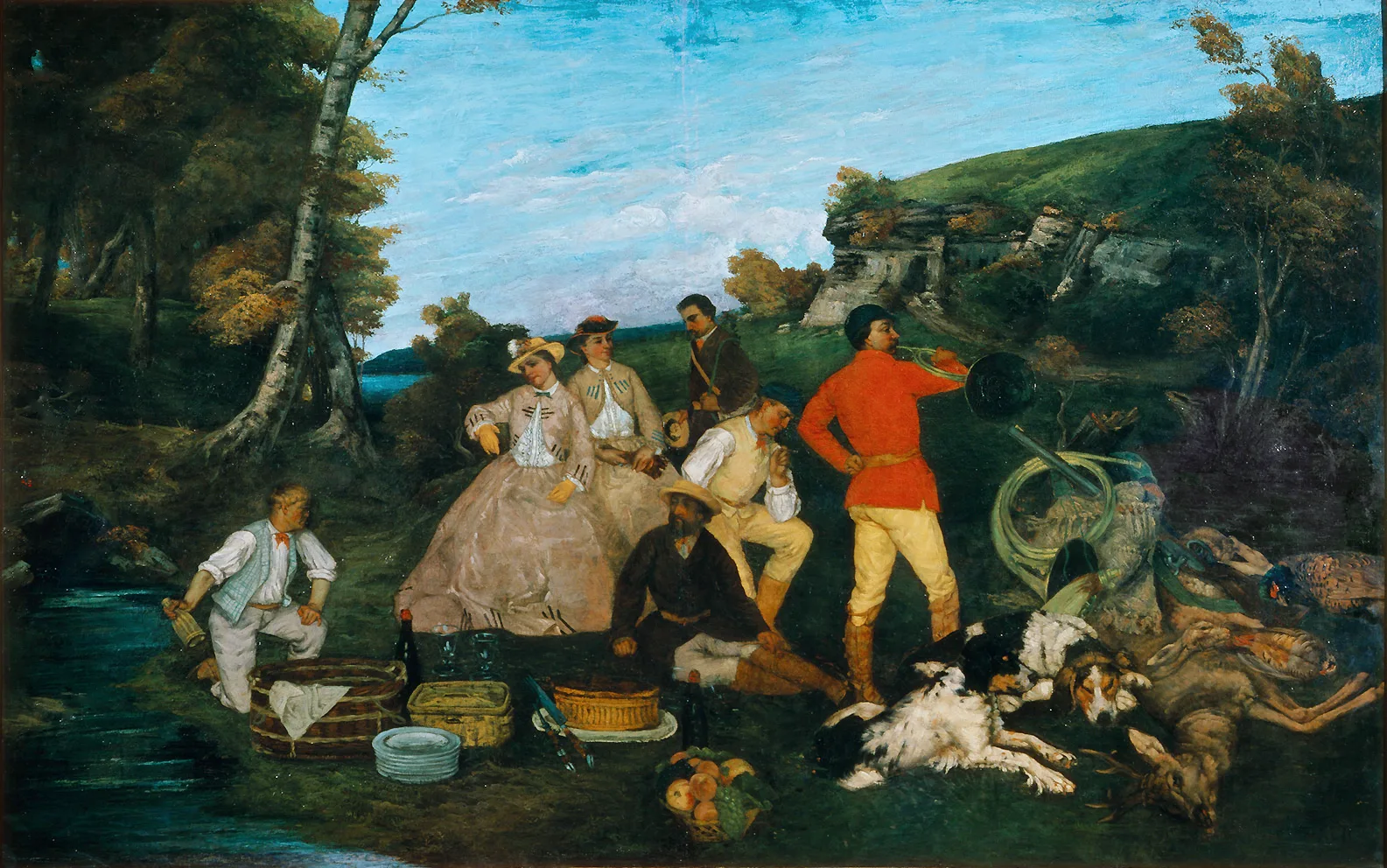
The meal Beringer named had precedents in the English countryside. The Irish Times suggests that he may have drawn on the traditional post-hunt breakfast, noting that the nineteenth-century British aristocracy were known for lavish breakfasts taken quite late in the day once a fox hunt had ended. Gastro Obscura, the food section of Atlas Obscura, links brunch to the same hunts, at which servants went ahead and set up a meal in a field for the aristocrats on horseback. History.com and Country Life trace the concept in part to the upper-class British tradition of hunting lunches, and Country Life names egg dishes, meat pies and drink among their usual fare.
An American catering manual set out a hunt breakfast before the word brunch appeared. Jessup Whitehead, a food columnist for Chicago's Daily National Hotel Reporter and a cookbook author, published The Steward's Handbook: A Guide to Party Catering in 1889. According to The Irish Times, its post-hunt breakfast menu included coffee with milk, flavoured milk, tea and liqueurs, alongside apple marmalade and apricot jam, stewed prunes with clotted cream, broiled kidneys, salmon steaks, potted pigeons and pressed tongue. The menu set breakfast items beside fish, offal and cold meats.
BRUNCH HISTORY IN AMERICA: HOTELS, TRAINS AND THE PUMP ROOM
In the United States the meal was promoted by hotels. The Irish Times notes that brunch was championed by hotels, probably because most restaurants were closed on Sundays. History.com dates the concept's arrival in America to the late 1920s. Salon states that by the 1930s brunch had become a major hit nationwide, to the point that The New York Times declared Sunday "a two-meal day" in an article of February 1939. Brunch cookbooks followed, according to Salon, and Americans eventually took the meal on Saturdays as well as Sundays.
History.com states that the first American city known for brunch was Chicago rather than Los Angeles or New York. Film stars travelling between the coasts by rail stopped there, and on Sundays John Barrymore, Helen Hayes and Clark Gable took brunch at the Pump Room. The Irish Times, citing Smithsonian magazine, gives the same account for the 1930s and places the Pump Room in the Ambassador East Hotel. Salon cites a 1983 article in The New York Times stating that brunch was especially popular at the Pump Room in 1933, and quotes the food writer Evan Jones, author of American Food: The Gastronomic Story, who said that brunch there was "as much a scene as lunch at the Four Seasons is today".
BRUNCH HISTORY AFTER 1945: HOW DID IT BECOME A WEEKEND HABIT?
History.com links the post-war spread of brunch to a significant drop in church attendance after the Second World War, which left Sunday mornings and afternoons free for relaxing, meeting friends and drinking mimosas. Convenience foods such as frozen orange juice, boxed cake mixes and powdered hollandaise sauce made the meal easier to prepare at home. Salon cites The Washington Post in 2015 stating that in the early to mid 1900s brunch offered people a socially acceptable way to drink during the day. Salon adds that in the 1970s daytime drinking became more normal for members of the middle class and women.
Writing in Country Life in 2019, Debora Robertson recalls first eating brunch properly in New York in the late 1980s, with eggs Benedict and mimosas at a restaurant on the Upper East Side. When she moved to a London neighbourhood with a large Turkish community two decades before writing, its cafés served breakfast rather than brunch. She dates the change in that neighbourhood to the following decade or so, when, in her words, "the hipsters were here and they were doing brunch".
WHO INVENTED EGGS BENEDICT? THE ORIGIN STORIES
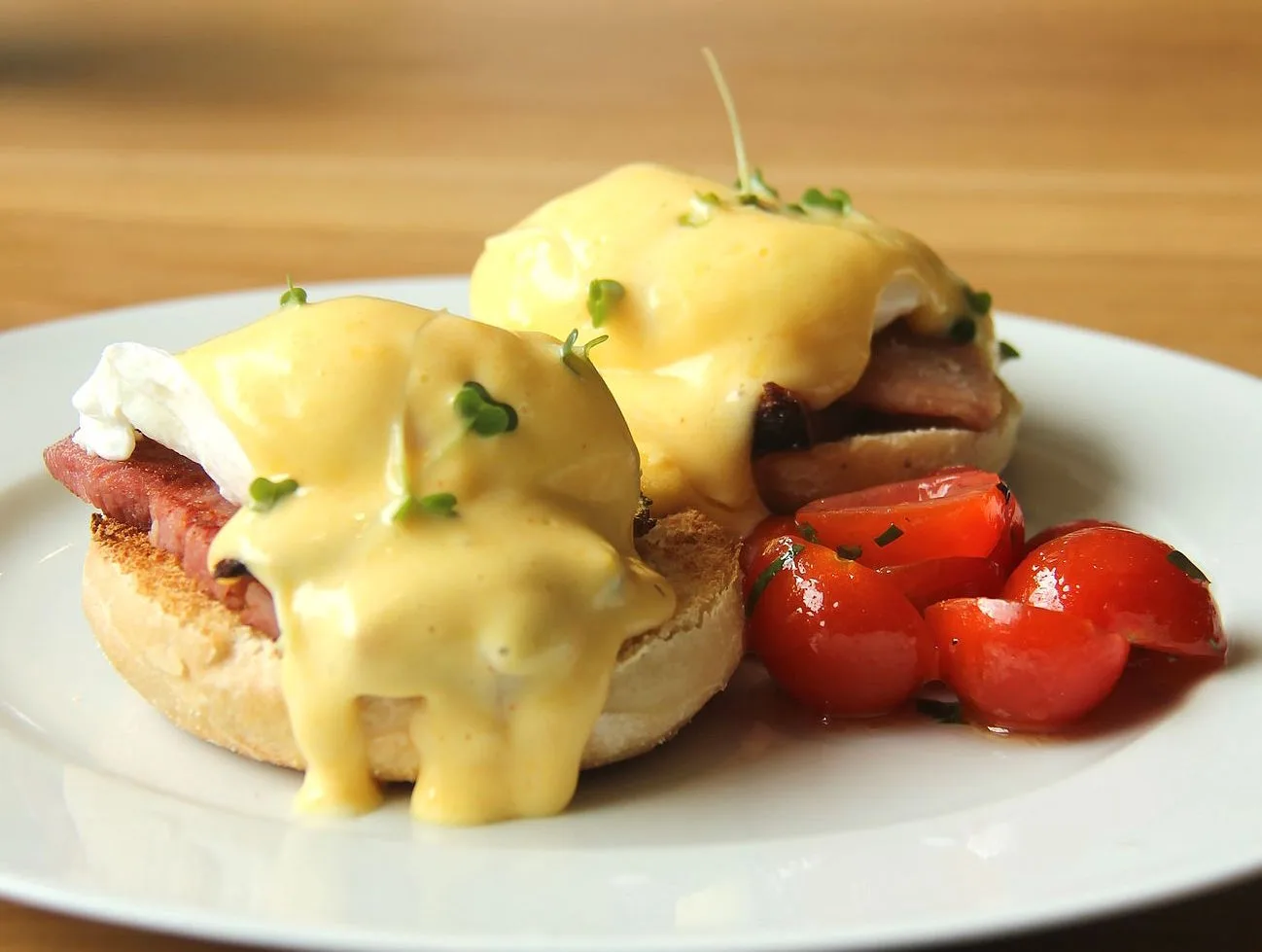
Eggs Benedict has several origin stories. Gastro Obscura dismisses any link with Benedict Arnold and sets out three. One credits Pope Benedict XIII, who led the Vatican from 1724 to 1730 and was put on a strict diet of eggs and toast, dressed at his request with a lemon-based sauce; Gastro Obscura notes that this was not eggs Benedict, exactly. A second places the dish at Delmonico's in New York, a restaurant opened by a Swiss family in the 1830s. Mr and Mrs LeGrand Benedict, a couple who frequented the restaurant in the 1860s, are reported to have requested its elements one morning, after which the combination became a popular item ordered off the menu.
The third story, which Gastro Obscura calls a more fun and perhaps true version, is set at the Waldorf Hotel in New York in 1894. Lemuel Benedict, from a rich family, is said to have arrived one hungover morning and asked for buttered toast, crisp bacon, two poached eggs and "a hooker of hollandaise sauce". Credit for replacing the bacon with Canadian bacon goes to Oscar Tschirky, the Waldorf's maître d', who had previously worked at Delmonico's. Lemuel's descendant Jack Benedict, who opened the L.C. Benedict Restaurant & Tavern in Winter Park, Colorado, objected to a 1978 Bon Appétit feature that credited the unrelated Delmonico's couple. As late as 1984, a Christian Science Monitor article about brunch still needed to define the dish.
BLOODY MARY AND MIMOSA: WHERE DID THE BRUNCH COCKTAILS COME FROM?
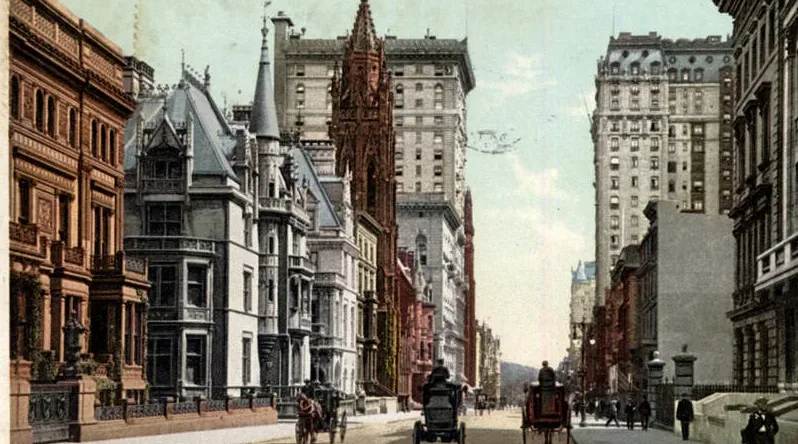
Several of the best-known brunch drinks took shape in hotels. In a history of the Bloody Mary published by Difford's Guide, Jack McGarry of New York's Dead Rabbit bar records that the French Lick Springs Hotel resort in Indiana ran out of orange juice one day in 1917, and its French chef Louis Perrin offered guests tomato juice instead. Charlie Conolly's The World Famous Cotton Club: 1939 Book of Mixed Drinks lists a George Jessel's Pick-Me-Up, and on 2 December 1939 Lucius Beebe's column in The New York Herald described a drink called a Bloody Mary as half tomato juice and half vodka.
The name is usually linked to Fernand Petiot, born in Paris on 18 February 1900, who worked at the New York Bar in Paris, not yet called Harry's, from the age of 16. The date most frequently cited for the drink is 1921, but McGarry asks why it is missing from Harry MacElhone's Barflies and Cocktails of 1927. In 1934 Petiot became head bartender of the St. Regis in New York, where he presided over the King Cole Bar and is credited with adding Tabasco. Vincent Astor, who took ownership of the hotel in 1935, objected to the name, and around that year the drink became known as the Red Snapper. In January 1956 House & Garden named it one of the two most favourite lunchtime cocktails in New York.
According to Difford's Guide, the Buck's Fizz of orange juice and champagne was created in 1921 by Malachi "Pat" MacGarry, bartender at Buck's Club in London. The mimosa is attributed to Frank Meier at the Ritz in Paris. Beth McKibben, writing for Georgia Public Broadcasting, reports that most cocktail historians date it to 1925, while Difford's Guide gives 1921 to 1923 and notes that Meier's own 1936 book does not support 1925. Salon links brunch to daytime drinking in the 1920s, the decade of Prohibition cocktails, and names the Bloody Mary, the Bellini and the mimosa as its signature drinks.
BRUNCH AS A RESTAURANT FORMAT
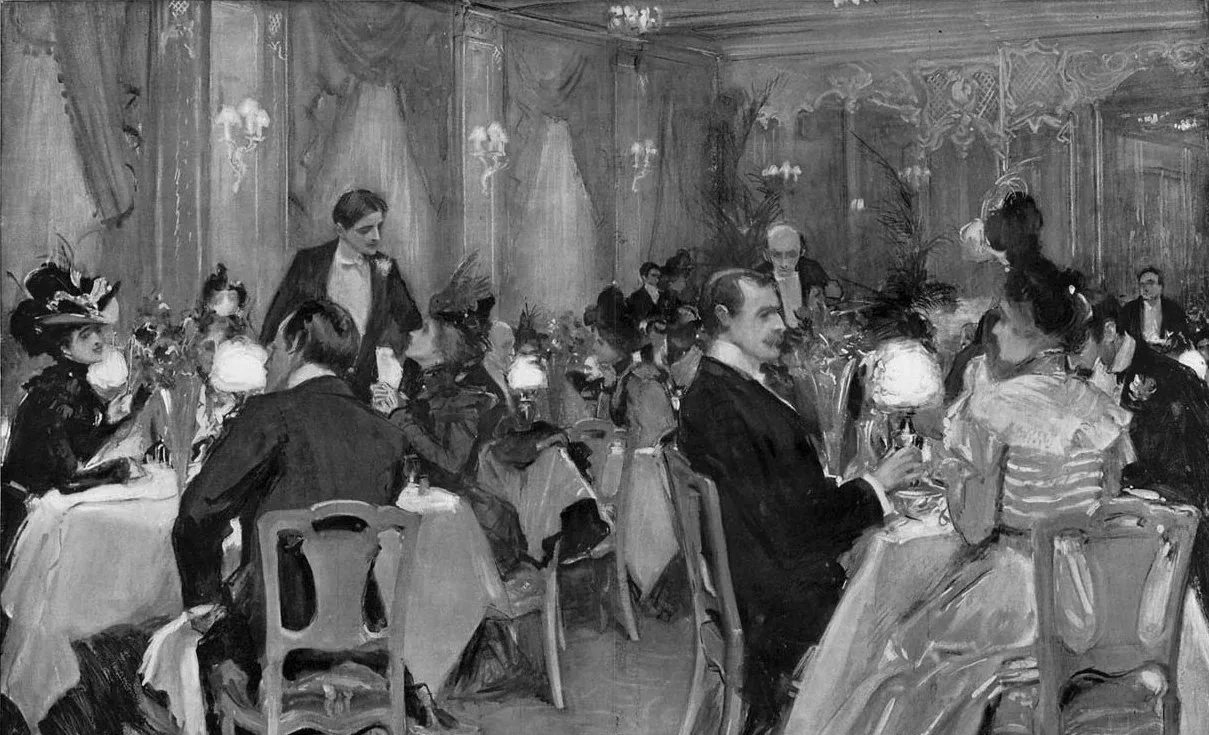
Outside hotels, brunch became a fixed service at independent restaurants. The Irish Times records that in the late 1990s and early 2000s the Dublin brunch scene was led by the Odessa Club and the Mermaid Café on Dame Street, where the chef Temple Garner ran the kitchen. In New York, Gabrielle Hamilton wrote about brunch at her restaurant in her 2011 memoir Blood, Bones and Butter. According to The Irish Times, that restaurant, Prune, had only 30 seats, and on an average Sunday it served more than 200 brunch customers in just five hours.
The format also took regional forms. In Dubai it developed into the hotel Friday brunch. In the United States, Salon describes brunch as still expensive but popular, particularly in cities such as New York, San Francisco, Chicago and Denver, linking to a study by LawnStarter. The food and drink journalist Maggie Hennessy, writing for Salon, wrote about the meal's timing: brunch bridges breakfast and lunch, so "no sane person would ever meet for brunch at 9 or 10 am", and in her words even 10:30 "feels optimistic".
YARDBIRD SOUTHERN TABLE & BAR AT MARINA BAY SANDS

Yardbird Southern Table & Bar is a restaurant concept founded by John Kunkel of 50 Eggs Hospitality Group. The first Yardbird opened in Miami in 2011, more than a century after the eggs Benedict stories set at Delmonico's and the Waldorf, and almost eight decades after the Pump Room brunches of 1933. The Singapore restaurant at Marina Bay Sands opened in July 2017 and is the only Yardbird location outside the United States. Its interior follows a "Barnhouse" concept, combining reclaimed barn doors, reclaimed wood and metal with white walls.
The signature dish is fried chicken brined for 27 hours and served with a Vermont cheddar waffle and watermelon. The bar centres on bourbon. The brunch drinks traced earlier were built on other bases: tomato juice, served at the French Lick Springs Hotel in Indiana in 1917; vodka, mixed with tomato juice in the Bloody Mary that Lucius Beebe described in New York in 1939; and champagne with orange juice, in the Buck's Fizz created at Buck's Club in London in 1921 and in the mimosa attributed to Frank Meier at the Ritz in Paris.
SOURCES
- Merriam-Webster Brunch: definition and meaning
- The Irish Times Let's do brunch: the history of the portmanteau meal
- Salon A brief history of brunch, America's most indulgent yet over-praised weekend meal
- HISTORY (History.com) The goods on brunch
- Country Life Why brunch has made a comeback, and the best places to enjoy it in London
- Gastro Obscura (Atlas Obscura) Who invented eggs Benedict: a traitor, a pope, or a hungover dude?
- Difford's Guide The history of the Bloody Mary
- Difford's Guide Buck's Fizz and Mimosa cocktails: history and recipes
- Georgia Public Broadcasting The underappreciated morning cocktail: the mimosa


