

FROM BATH'S HOT SPRING TO THE VICTORIAN HYDROPATHIC HOTEL
Hydrotherapy history runs from the hot spring the Romans enclosed at Bath to the cold water establishments of nineteenth-century Silesia, Bavaria and the English hills. For most of that time water was taken as a cure: bathed in, drunk, poured from a height or wrapped around the body in wet linen, under rules set by masters of ceremonies, doctors and self-taught practitioners. From the 1820s a Silesian farmer, Vincenz Priessnitz, drew patients to Gräfenberg with a regime of cold water, plain food and walking, and later in the century the Bavarian priest Sebastian Kneipp drew visitors from across Europe to Wörishofen. Priessnitz's methods reached England in the 1840s, where hydropathic establishments at Malvern, Ilkley and Matlock turned the water cure into a residential stay.
HOW BATH TURNED ITS HOT SPRING INTO A CURE
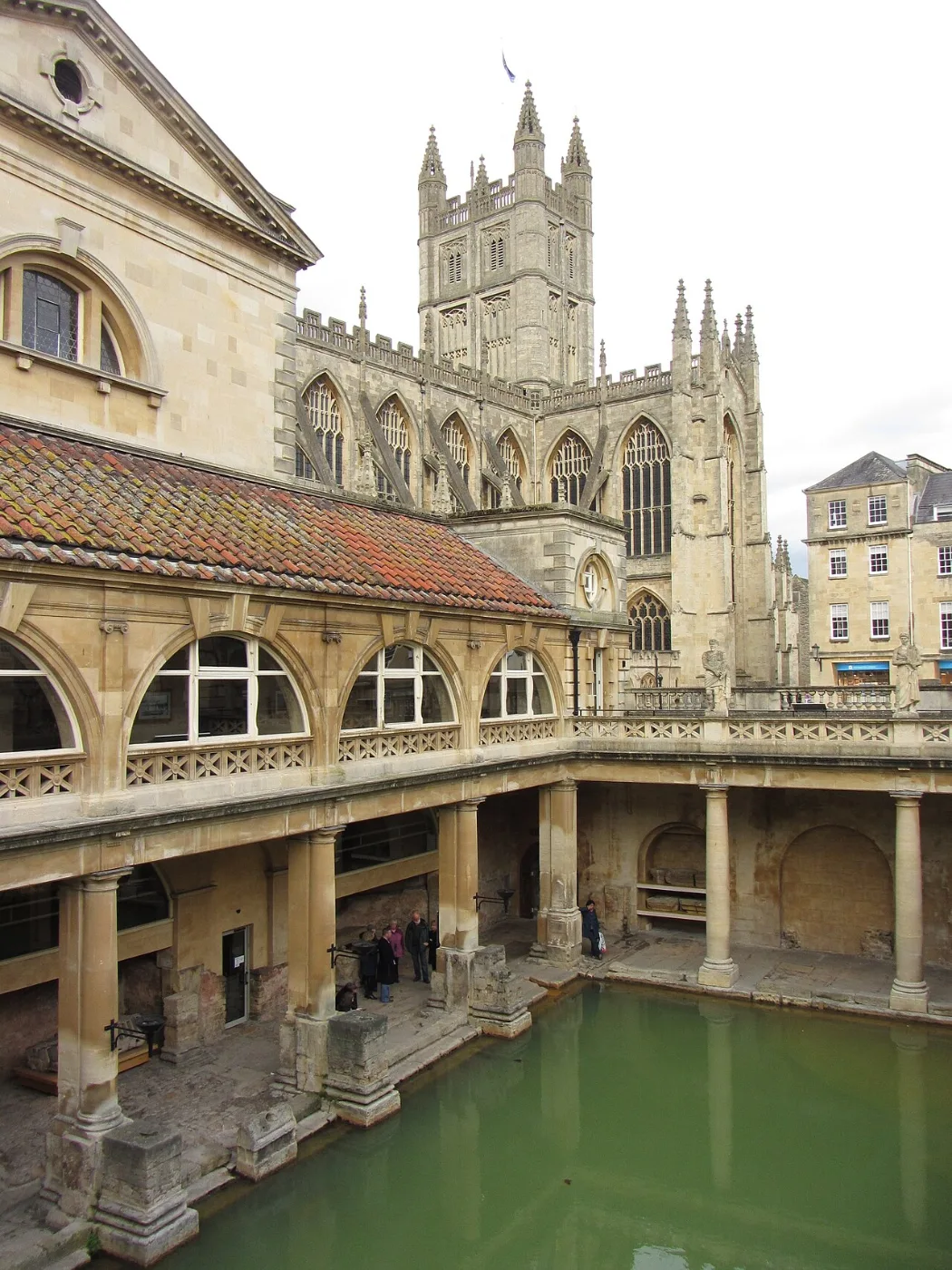
At Bath the hot spring rises in the courtyard of the Temple of Sulis Minerva, and its water feeds the Roman Baths. The Roman Baths museum records that offerings were thrown into the spring throughout the Roman period, and many survive in its collection. In the 2nd century AD the spring was enclosed in a vaulted building, which probably collapsed into the water in the 6th or 7th century. The Roman sequence of warm, hot and cold rooms is covered in the history of the hammam; at Bath, bathing at the spring outlasted Roman rule. The King's Bath was built in the 12th century, and it remained in use for curative bathing until the middle of the 20th century.
Richard "Beau" Nash, born in Swansea on 18 October 1674, arrived in Bath around 1704. According to the Bath Abbey memorials record, he served as deputy to the Master of Ceremonies, Captain Webster, and succeeded him, then enforced a strict set of 11 rules of social etiquette. A charity to found a hospital was set up in 1716 and Nash raised money for it; the foundation stone of the Bath General Hospital was laid in 1738, and the site closed in 2019. Nash died on 3 February 1761, aged 87, and the Corporation gave him a splendid funeral. A statue of him stands in the Pump Room, where he set the fashion rules.
Taking the waters was the morning activity in Georgian Bath, and the water was believed to have medicinal benefits. In 1750 Dr Rice Charleton published A Chemical Analysis of Bath Waters, and Bath water was sold in London. The Pump Room that stands today was built from 1789 by Thomas Baldwin and from 1793 by John Palmer, in a style influenced by the Adam brothers, with a central building flanked by pavilions and a Greek inscription under the pediment praising the water. It was a focus of social life comparable to the Assembly Rooms, and appears in Smollett's Humphry Clinker, Sheridan's The Rivals and a satirical view by Rowlandson.
WHO WAS VINCENZ PRIESSNITZ?
An English account of Priessnitz's early life is the 1898 biography by the hydropathy promoter Richard Metcalfe. It gives his birth as 4 October 1799 at Graefenberg in Austrian Silesia, with a christening the next day in the parish church at Freiwaldau. Metcalfe repeats a story that as a boy Priessnitz watched a young roe, shot through the thigh, drag itself to a spring and bathe the wound in the water. He also tells how, in 1816, a frightened horse threw the young man and a heavy waggon passed over his body, breaking his ribs. In Metcalfe's version, Priessnitz set the ribs himself, applied cold wet bandages, drank plenty of water, and by his own account he was up again within ten days.
Metcalfe writes that by about 1814, at fifteen, Priessnitz was already advising neighbours, and that by 1818 he had been invited to Bohemia and Moravia. The spa that now occupies the site dates his first patients at Gräfenberg to 1819. Printed yearly lists of Gräfenberg visitors began in 1829. In 1831 Priessnitz received official permission to run a hydropathic establishment, on condition that it was used only for cleansing purposes. In the summer of 1838, after an investigation by Baron Turkheim, an imperial commission pronounced unanimously against closing the establishment, and a later order that year gave Priessnitz the privileges of members of the medical faculty. In 1845 the Archduke Franz Karl visited and inspected the douches and baths.
HOW DID THE GRÄFENBERG COLD WATER CURE WORK?
The history published by Priessnitz Spa in Jeseník lists his early treatments as cold compresses and poultices, or sprinkling the affected area with water, used for contusions, sprains and external wounds. In other cases he had patients sweat in bed and then briefly immersed them in a laundry tub of cold water. His cold water applications came to include full baths with rubbing of the skin, half-baths, paddling in water, sitting baths and drinking cold spring water. The name travelled with the method: in 1842 Wilson and Gully's establishment at Malvern was named Graefenberg House.
A further element of the cure was the shower under a mountain stream waterfall on Gräfenberg hill, where water fell 1.5 to 3.5 metres; patients first walked briskly to warm up. They were served at least 12 glasses, about 2.4 litres, of fresh spring water a day with meals, and the diet was very simple. Priessnitz combined the water treatments with exercise, work and individual interviews, forbade patients to talk about their illnesses among themselves and encouraged social meetings and musical events. According to the spa, a stay averaged several weeks and could last many months or even several years.
SEBASTIAN KNEIPP AND THE WATER CURE AT WÖRISHOFEN
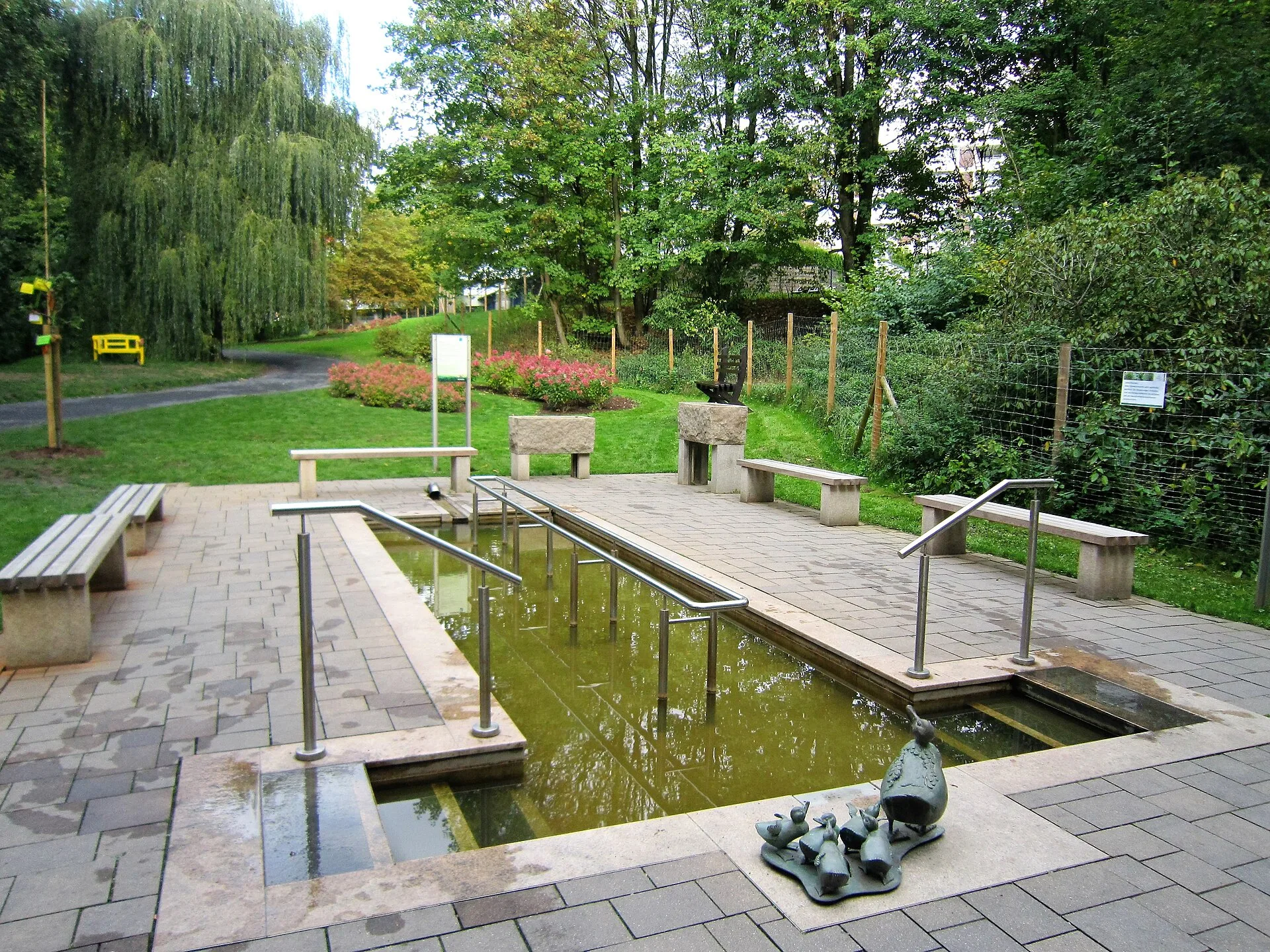
Sebastian Kneipp was born in Bavaria on 17 May 1821, the child of poor parents, and became a weaver like his father. The 1910 Catholic Encyclopedia entry by J. J. Walsh records that as a journeyman he studied in his spare time in the hope of becoming a priest, and entered the gymnasium with the help of a friendly priest. After his health broke down during five years of study and privation, he began experimenting on himself with cold water; in the winter of 1849 at Dillingen he bathed briefly in the Danube two or three times a week. He entered the Georgianum seminary in Munich when nearly thirty, was ordained in 1852 and served as chaplain in Biberach, Boos and St George in Augsburg.
In 1855 Kneipp became confessor to the nuns at the Wörishofen convent and assistant in the parish, and in 1880 parish priest. People came to him from neighbouring parishes, from across Germany and from all over Europe. His book Meine Wasserkur (My Water Cure), first published in 1886, went through many editions, appeared in English in Edinburgh in 1891 and was followed by So sollt ihr leben in 1889. His general rules were early to bed and early to rise, walking barefoot in dewy grass, simple meals with plenty of cereals, not too much meat and no stimulants, and he proposed a cereal drink to replace tea and coffee. Walsh notes that many of the popular cold water recommendations attributed to Kneipp were exaggerations, and that Kneipp himself warned against using cold water too often and softened his treatments over time. Pope Leo XIII made him a monsignor. Kneipp died at Wörishofen on 17 June 1897.
VICTORIAN HYDROPATHIC HOTELS AT MALVERN, ILKLEY AND MATLOCK
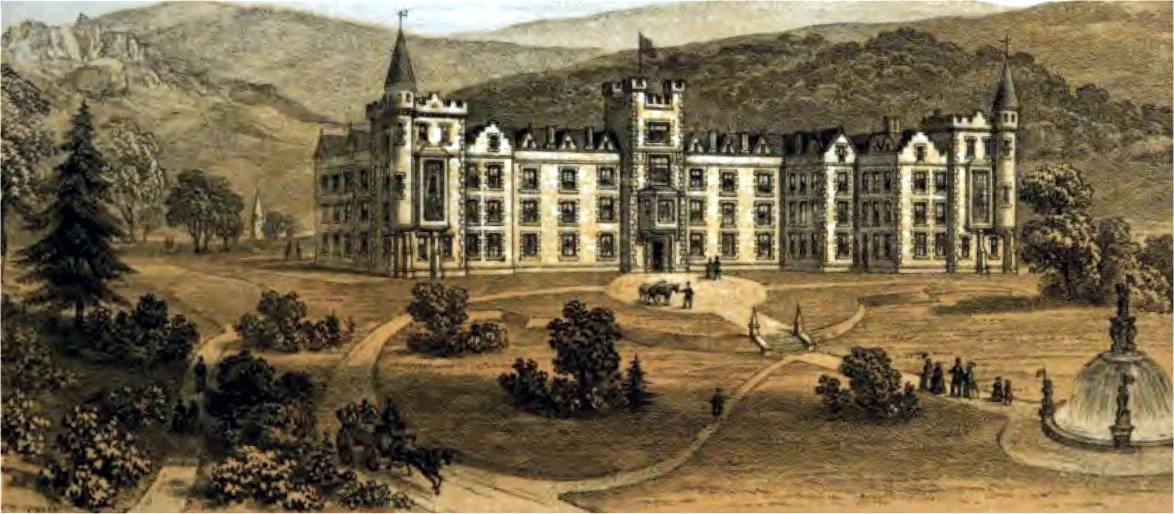
Dr John Wall analysed Malvern's Holy Well and Chalybeate springs in 1756. James Wilson spent eight months at Graefenberg with Priessnitz before he and James Manby Gully came to Malvern, and according to the Worcestershire Archive and Archaeology Service, in 1842 the two doctors leased the Crown Hotel on Belle Vue Terrace and renamed it Graefenberg House, and within a year they published The Dangers of the Water Cure. Further establishments followed: Priessnitz House on Abbey Road, opposite the Hay Well, which cost nearly £20,000 and had 72 rooms; Gully's Holyrood House on Wells Road; and the Malvern Hydropathic Establishment, known as "The Hydro". Gully retired in 1872.
The Malvern day began with wet sheet packing, in which patients were wrapped in sheets soaked in cold water, and a wet sheet wound around the abdomen was called "Neptune's Girdle". The douche, known as "The Great Bath at Noon", poured about 150 gallons (454 litres) of cold water over the body for up to eight minutes. Charles Darwin moved his family to Great Malvern for about three months from March 1849 to take the cure at Gully's establishment. In a letter to J. D. Hooker of 28 March 1849 he described being heated by a spirit lamp, rubbed with towels dripping with cold water, taking two cold foot-baths, wearing a wet compress all day and taking several short walks.
Darwin's later stays took him to Moor Park from 1857 to 1859 under Edward Wickstead Lane, Ilkley in 1859 under Edmund Smith, Lane's new establishment at Sudbrook Park in 1860 and Malvern Wells in 1863 under James Smith Ayerst, his last hydropathic treatment. At Matlock in Derbyshire, John Smedley built the first wing of his hydropathic establishment in 1867, sited high above the town. Historic England's list entry records an east wing added around 1885 by George Statham of Nottingham and later additions, and the building was listed at Grade II on 26 October 1972 as the former Smedley's Hydropathic, by then County Council offices.
WHERE CAN HYDROTHERAPY HISTORY BE SEEN TODAY?
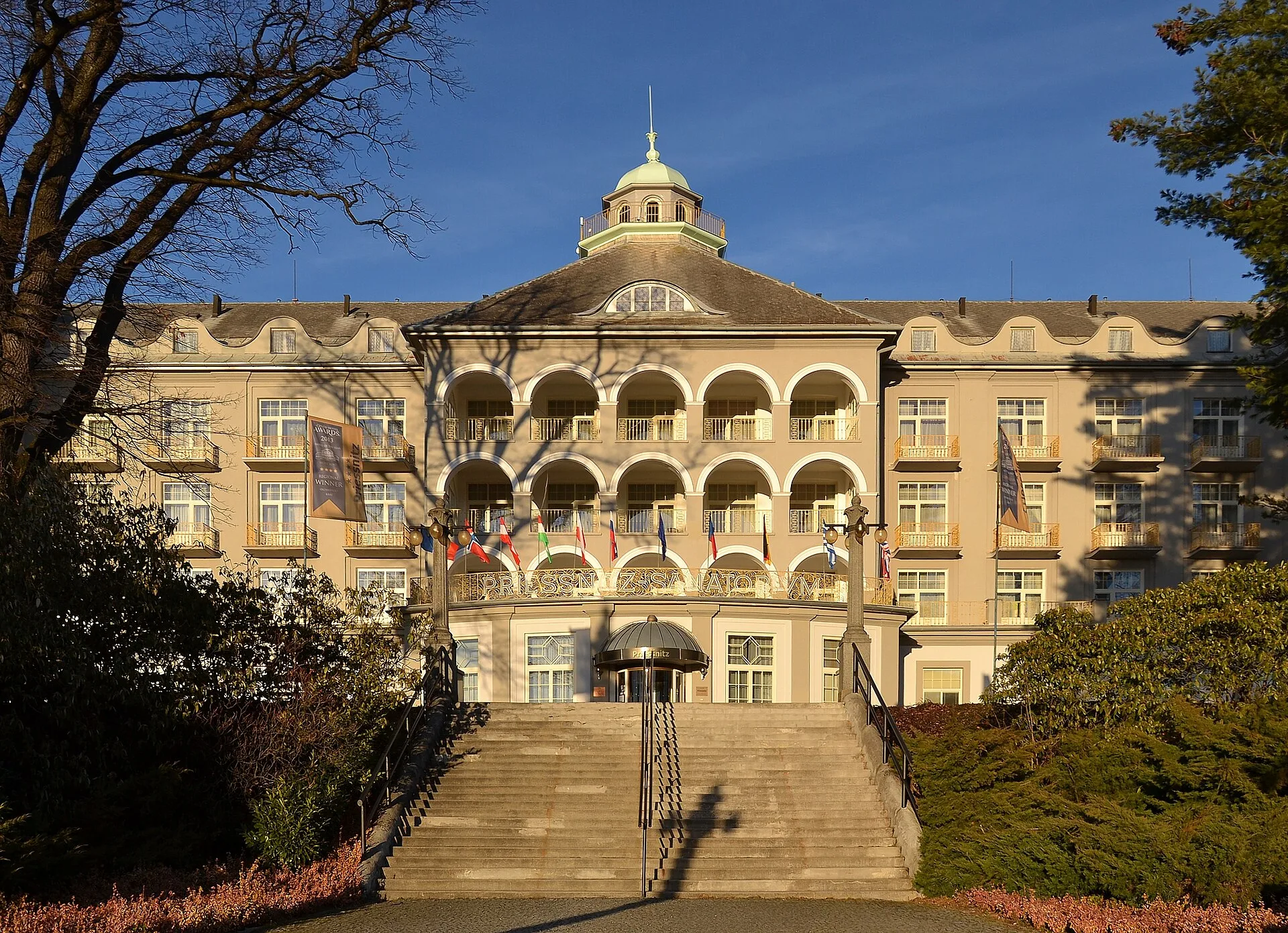
Gräfenberg is still a working spa. It is run by Priessnitzovy léčebné lázně, based in Jeseník, and offers spa stays with hotel accommodation and dining. The sites listed on its grounds include the Priessnitz Balneocentre, the Vincenz Priessnitz Balneopark, a natural inhalatorium, a spa observation tower and the Park of Vincenz Priessnitz, with a herb garden, a water lily lake and a spring pool. The Museum of Vincenz Priessnitz is also on the site. Of his original applications, the spa states that the half-bath, taken sitting or standing, is still in use. Studniční Vrch and the Southern Hillside are also listed among its sites.
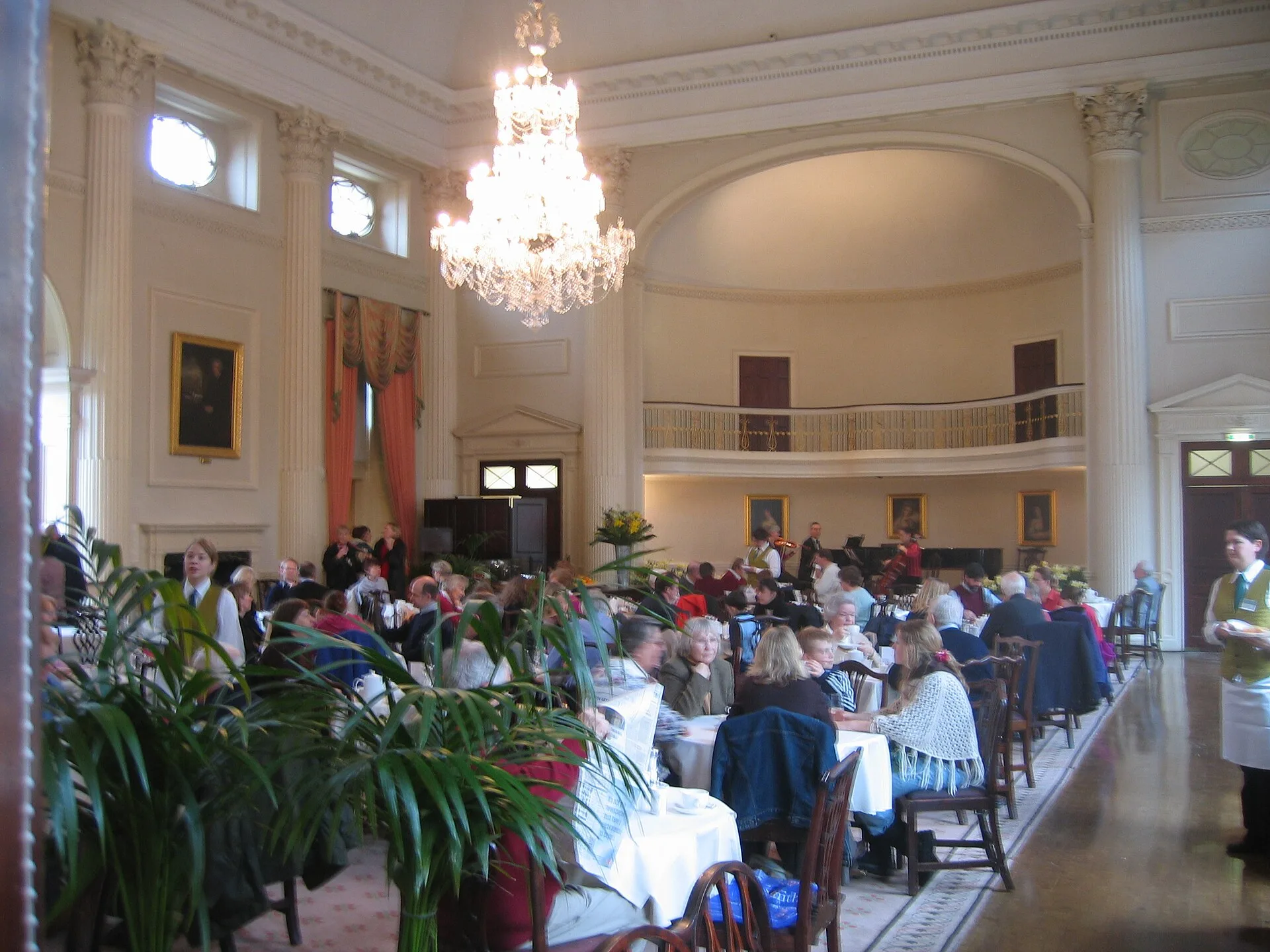
UNESCO lists eleven towns in seven countries, from Baden-Baden, Karlovy Vary and Vichy to Montecatini Terme and the City of Bath, as the Great Spa Towns of Europe, a phenomenon it dates from around 1700 to the 1930s. It describes "taking the cure" as bathing externally or drinking and inhaling internally, on a timed daily regime that combined medical aspects with leisure. The growth of those towns into modern travel is covered in wellness tourism. In Bath, the Pump Room built by Baldwin and Palmer now operates as a tea room serving Georgian elevenses to chamber music.
THE VITALITY ROOM AT THE SPA, MANDARIN ORIENTAL JUMEIRA, DUBAI

Silverfox Studios' interior for The Spa at Mandarin Oriental Jumeira, Dubai was completed in 2019, 177 years after Wilson and Gully took over the Crown Hotel at Malvern and renamed it Graefenberg House. Its concept, "DesertScape", is drawn from curved, ridged dunes. Malvern's Priessnitz House had 72 rooms and Gräfenberg's guests often stayed for weeks or months; The Spa has nine treatment rooms with full-height windows facing the beach and the Gulf, together with a VIP suite and a hammam suite.
At Gräfenberg the water came from a hillside stream falling 1.5 to 3.5 metres, and at Malvern from the 150 gallons of the Great Bath at Noon. In the vitality room at The Spa it is held in a circular dark mosaic pool; the use of mosaic tile in baths and pools has its own history. The pool is enclosed by curved walls of stratified marble, with the grain running continuously across them, under a rippled ceiling lit from a cove. The room also has cocoon seating pods in linen.
SOURCES
- Roman Baths, Bath The Sacred Spring
- Bath Abbey Memorials Nash, Richard (1674-1761)
- Sorbonne Université, 18th-Century Cities The Pump Room in Bath
- Internet Archive Richard Metcalfe, Life of Vincent Priessnitz (1898)
- Priessnitz Spa, Jeseník History of hydrotherapy in Gräfenberg hill
- New Advent, Catholic Encyclopedia (1910) Sebastian Kneipp
- Worcestershire Archive and Archaeology Service Packing, bathing, miracles and crisis at the Malvern water cure
- Darwin Correspondence Project, University of Cambridge Darwin's health
- Historic England Former Smedley's Hydropathic (County Council Offices), Matlock
- UNESCO World Heritage Centre The Great Spa Towns of Europe


