WHISKY AND SODA FROM VICTORIAN BRITAIN TO THE TOKYO IZAKAYA

A Japanese highball, or haibōru, is whisky topped with chilled soda water, usually served over ice in a tall glass or a beer mug. Whisky and soda was an established drink in Britain and the United States by the end of the 19th century. In Japan it was promoted by Suntory, the Osaka company founded in 1899, whose Torys Bars served it to office workers in Tokyo, Osaka and other cities from 1950. Whisky drinking in Japan peaked in 1983 and then declined for about 25 years, until a Kakubin highball campaign aimed at izakaya reversed the trend from 2008. The drink is now poured from draught towers in bars and sold in cans in convenience stores.
WHERE DID THE HIGHBALL COME FROM?
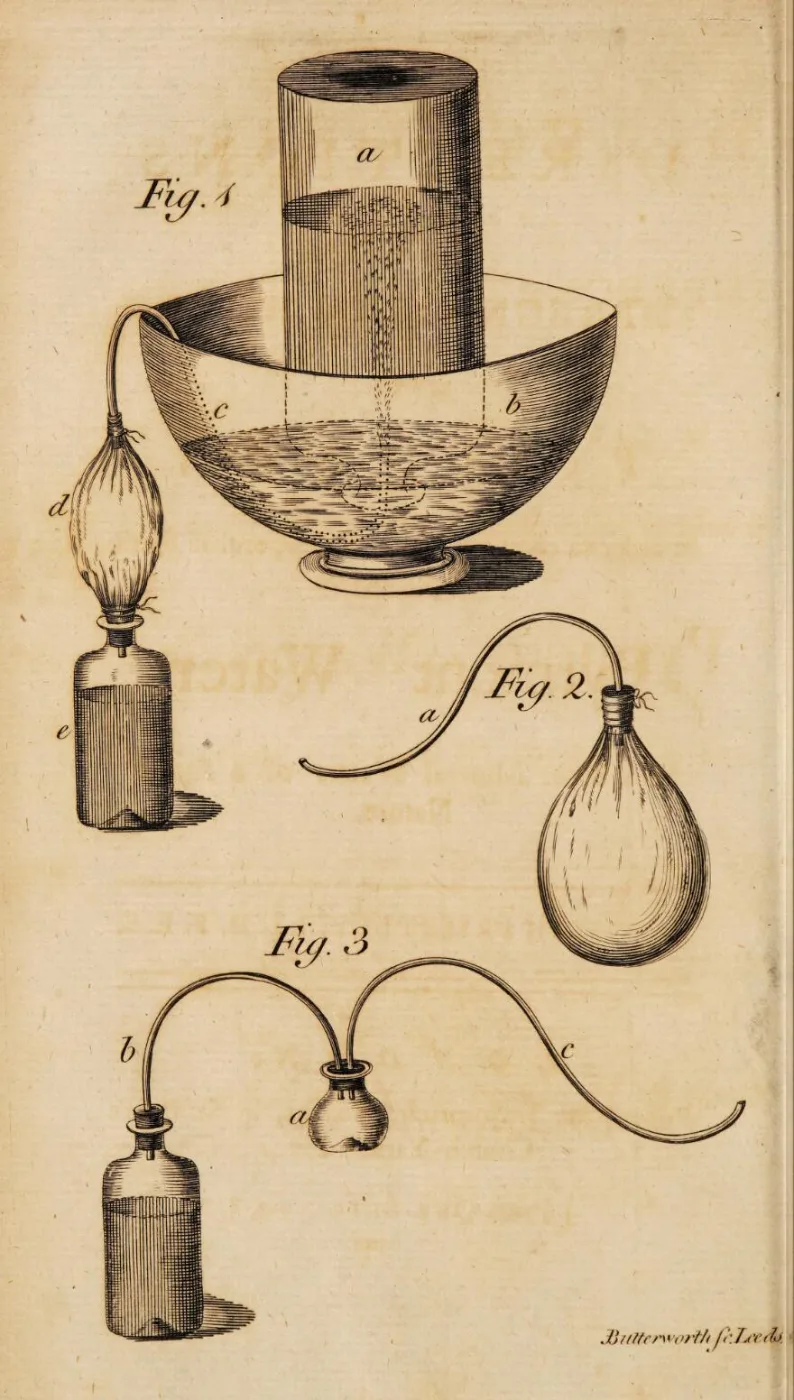
The highball's ancestor was brandy and soda. Once bottled carbonated water was available in London, Difford's Guide records, it became fashionable to mix it with brandy, although ice did not become fashionable until the mid-1880s. Scotch took the place of brandy in the late 1880s, when the phylloxera pest devastated French vineyards and cut supplies of cognac. The word highball appeared in print within a few years. The earliest written mention Difford's Guide cites is the 1894 play My Friend From India, in which a character asks for "a high ball of whiskey". In 1895 Chris Lawlor of the Burnet House in Cincinnati included a "High Ball" in his book The Mixicologist, made in a thin ale glass with one lump of ice and syphon seltzer.
Who first served the drink, and why it carries the name, is disputed. In a 1927 letter to The New York Times, Patrick Gavin Duffy said he had opened a café next to the old Lyceum in New York in 1894 and ordered five cases of Usher's whisky after the English actor E. J. Ratcliffe asked for a Scotch and soda. The newspaper published the letter without substantiating it, and in a 1934 book Duffy dated his introduction of the highball to America to 1895. In a 1905 newspaper article Tommy Dewar claimed to have created the first Scotch highball on Broadway about 14 years earlier. For the name, the drinks writer Gary Regan proposed in 2003 an old railway term for the ball indicator on a steam train's water tank, while Difford's Guide notes that in late 19th-century English golf club bars a "ball" was a whisky served in a tall glass.
WHEN DID THE JAPANESE HIGHBALL BEGIN?
Shinjiro Torii opened Japan's first malt whisky distillery in 1923, the starting point of the history set out in our article on Japanese whisky. Suntory's own account says that soon afterwards the company popularised the highball among Japanese drinkers. Its Kakubin whisky followed in 1937. In 1946, during severe shortages of goods, the company launched Torys, a whisky intended to be inexpensive but of sound quality. Suntory's history of the brand records that Torys with soda became known as Torihai in the Kansai region and T-Hi in the Kanto region, and spread as a new drink. The company recommended drinking Torys hot in winter and as a highball in summer.
The word highball also passed into the name of a second Japanese drink. The Japan Times traced chuhai, the mixed drink based on the distilled spirit shochu, to the years after 1945, when alcohol was in short supply. Street stalls and saloons mixed cheap shochu with soda water so that it would go down easier and called the result a "shochu highball", shortened to chuhai: the second syllable of the Japanese word shochu joined to the first syllable of the English word highball. Versions with fruit juice, flavoured syrup and tea followed, and the paper named eastern Tokyo, along the Keisei railway lines, as the drink's supposed birthplace.
WHAT WERE THE TORYS BARS OF 1950S JAPAN?
From 1950 Torys Bars opened one after another in entertainment districts across Japan, centred on Tokyo and Osaka. Suntory's history describes them as relaxed places for salaried office workers, through which whisky culture spread into Japanese nightlife. Its English-language account says the highball bars and izakaya of the 1950s catered to male salarymen and working professionals, and that the whisky highball became a status symbol. In the same year the company launched Suntory Old, positioned as a premium whisky that office workers would aspire to drink as their careers advanced.
The company supported the bars with its own publishing and advertising. In 1956 the advertising department of Kotobukiya, as Suntory was then called, launched Yoshu Tengoku, a PR magazine for Torys Bars that reached a peak circulation of 240,000 copies and ran until 1964. Uncle Torys, an advertising character created in 1958 from the idea of giving the advertising an ordinary, relatable lead, became so closely identified with the whisky that Suntory says people equated Torys with him. In 1961 the company ran a campaign under the slogan "Drink Torys and go to Hawaii!".
WHY DID THE WHISKY HIGHBALL DECLINE AFTER 1983?
Whisky consumption in Japan reached a record in 1983, according to Suntory, and then fell sharply. By 2007 the market had shrunk, by sales volume, to one sixth of its 1983 level. In the year of the peak, a company called Toyo Shuzo released hiLicky, which The Japan Times describes as the first ready-to-drink chuhai sold in shops rather than bars. It was a hit with young people, and its success brought other manufacturers into the market with canned and bottled versions. By 2008 the paper put chuhai products at between 4 and 7 per cent alcohol and output at about 600,000 kilolitres a year.
Suntory's research before its revival campaign found that young drinkers saw whisky as expensive compared with other alcoholic drinks and associated it with an old image of middle-aged people drinking from a glass as the ice clinked. Metropolis, the Tokyo English-language magazine, reported in 2009 that the market had been shrinking for 26 years and that young drinkers considered whisky too strong and a poor match for food. Suntory's English-language account says the company persevered through a fall in whisky consumption worldwide in the 1980s, and that in the 2000s it rebuilt the market by putting the highball at the centre and presenting it as a nostalgic symbol.
HOW DID THE 2008 KAKUBIN HIGHBALL CAMPAIGN WORK?
Suntory began promoting the Kakubin highball, known as the Kaku highball, in 2008, concentrating its sales effort on izakaya. Metropolis reported that from September 2008 the company persuaded key izakaya to add highballs to their menus. To make the drink an everyday order, Suntory developed the Kaku mug, a beer-style mug, on the reasoning that the highball could be drunk the way people drank beer. It also issued a serving standard it called "three principles plus one": fill the mug with ice, pour chilled soda gently and use one part whisky to four parts soda, with the extra point covering how the lemon is squeezed. The standard kept the alcohol content at around 7 to 8 per cent, to suit younger drinkers.
Television commercials featuring Koyuki as a female bar owner, with the line Whisky ga, osuki desho ("You like whisky, don't you?"), accelerated the campaign. Suntory's own figures show outlets serving highballs rising from about 15,000 at the end of 2008 to 60,000 in 2009, and awareness of the highball among young people rising from 30 per cent to nearly 80 per cent. Metropolis recorded that in 2008 whisky sales rose for the first time in over a quarter of a century, largely on the back of Kakubin. In 2010 shipments of Kakubin exceeded expectations and, because whisky needs years of ageing, Suntory had to adjust production.
HOW IS A JAPANESE HIGHBALL MADE?
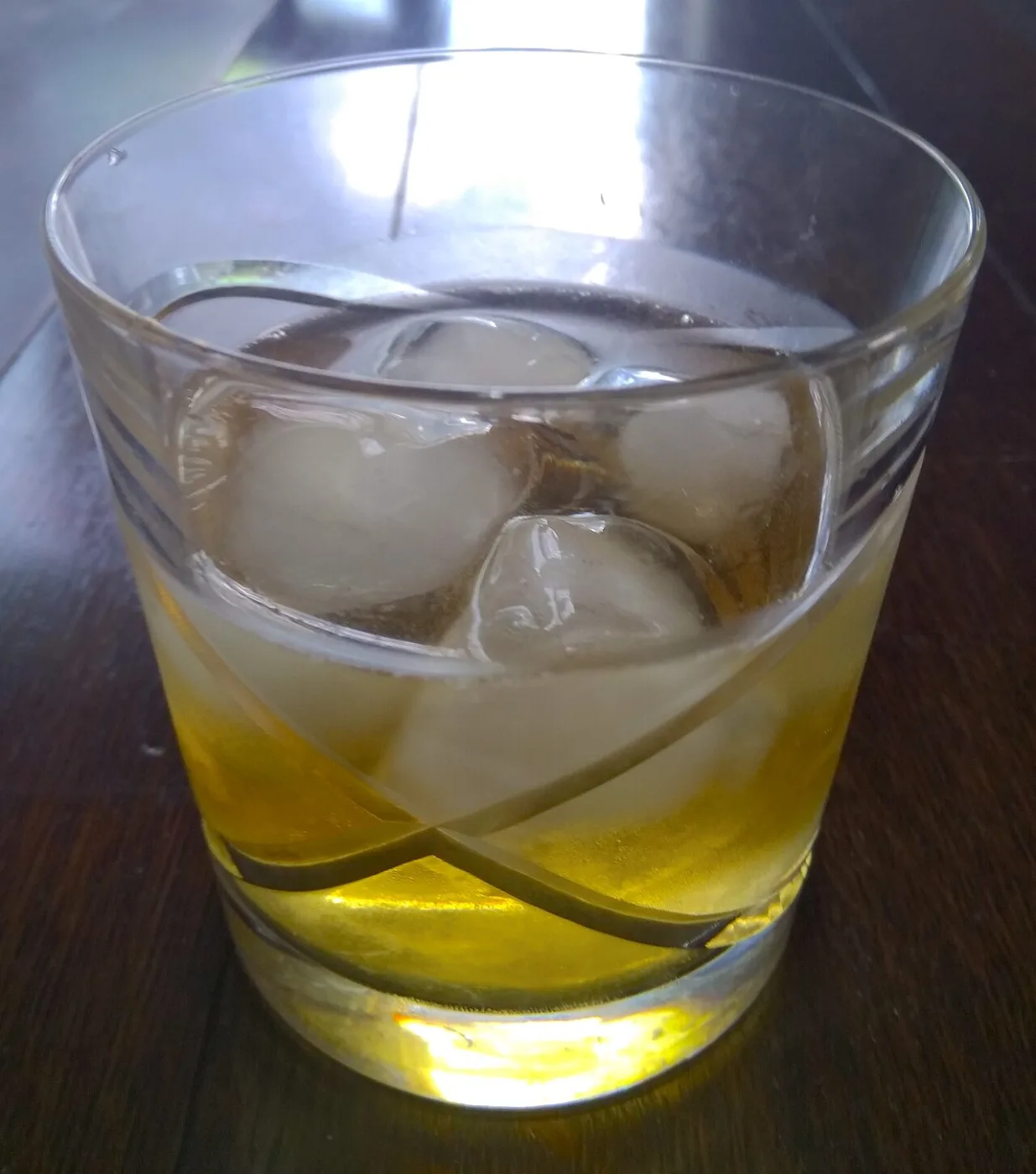
In a serious Japanese bar, the writer Hannah Kirshner reported in Punch in 2016, the method is prescribed: how to stack the ice and hold the glass, the number of times to stir, and a final swizzle of the bar spoon, with izakaya the exception. Kirshner learned it as an apprentice at Engawa, a sake bar in rural Ishikawa Prefecture, where her employer told her: "Don't let the whiskey touch the ice." Hidetsugu Ueno, master bartender at Bar High Five in Tokyo, told the MICHELIN Guide in 2017 that the temperature and shape of the ice are important, ideally one or two large pieces sized to the glass. Soda, he said, should be poured "with no wave", fast enough between the ice and the inside of the glass that stirring is not needed.
Metropolis described two contrasting Japanese styles in 2009. The style it called Samboa style chills the Kakubin, the soda and the glass and uses no ice, so that nothing dilutes the drink; Maguchi, the bartender at Rockfish in Ginza, estimated that more than 90 per cent of the drinks he served were Samboa-style Kaku highballs. Suntory, meanwhile, was introducing new drinkers to whisky through low-alcohol jokki highballs, light and loaded with ice. The MICHELIN Guide noted that bartenders usually keep their glasses and soda water in a freezer, so that the drink is served very cold, because it is meant to accompany food.
WHAT ARE HIGHBALL TOWERS AND CANNED HIGHBALLS?
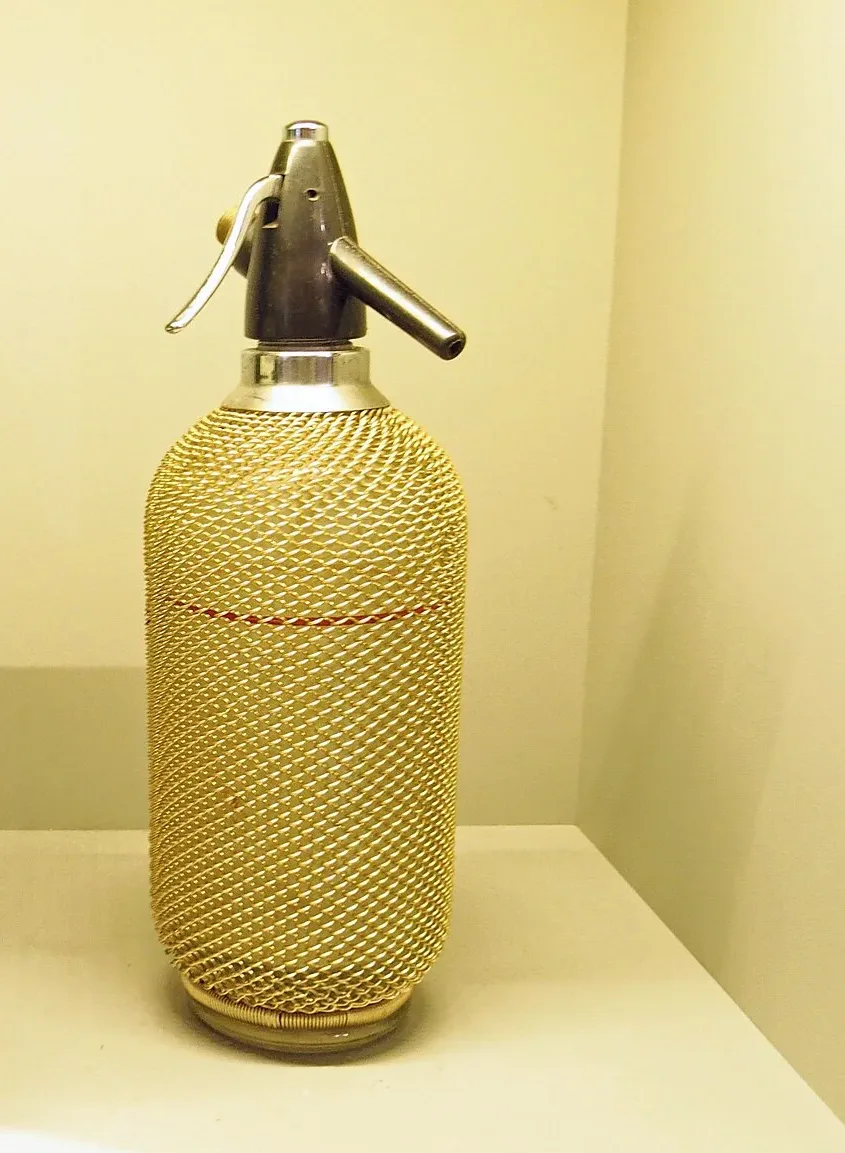
Metropolis described Suntory's highball tower in 2009 as resembling a beer tap but dispensing premixed Kakubin and soda. Suntory says it could not build towers by the thousand, so it placed them in model outlets, preferring one bar serving 300 highballs a day to 100 bars serving three each. Punch, reporting in 2019, dated Suntory's introduction of the highball machine in Japan to the 1980s and described the dispensers as slender columns above the bar that refrigerate the whisky and sparkling water together and pour the finished drink like draught beer, with carbonation that bartenders cite as supposedly five times the fizz of soda water.
Suntory says its first highball can was Torys Wistan, released in 1960, which the company calls a challenge ahead of its time. The Kaku highball can followed in 2009, and Metropolis reported its nationwide launch in convenience stores in October that year. In 2010 the company reformulated Torys as Torys Extra, with a crisp taste for highballs, and a canned Torys highball became a large hit, mainly among young people. Suntory's history presents the cans as the point at which the highball moved from a passing boom into everyday life, and Kirshner noted in 2016 that a highball could be bought from a vending machine at most train stations.
STRAWFIRE AT EMIRATES PALACE MANDARIN ORIENTAL, ABU DHABI
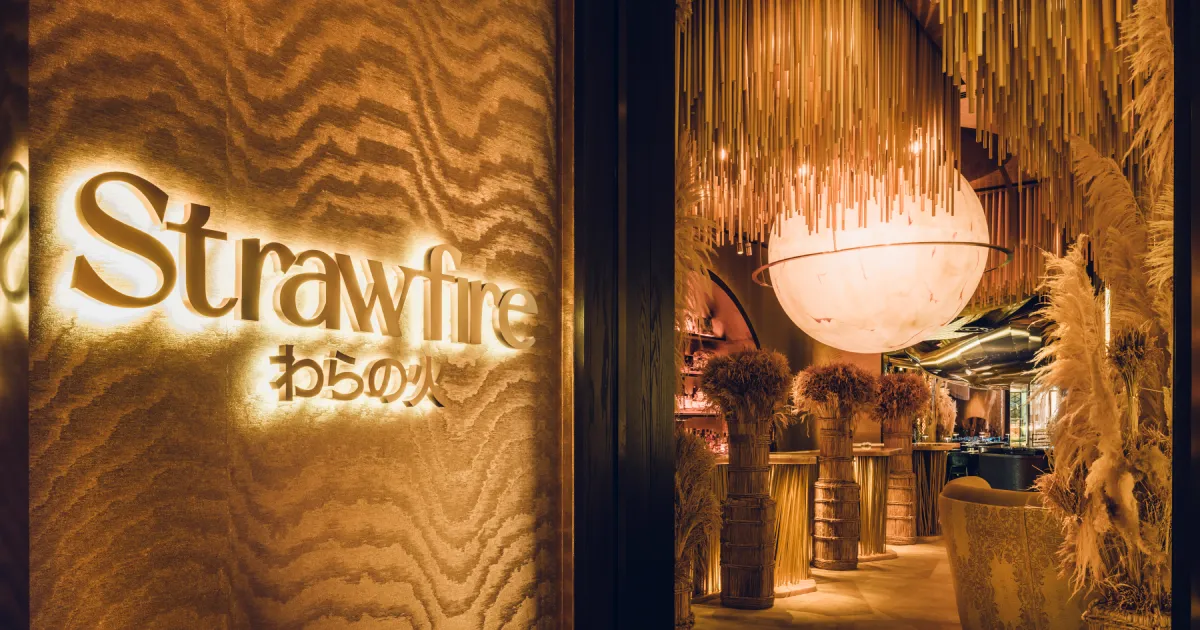
Strawfire is a Japanese restaurant by chef Ross Shonhan at Emirates Palace Mandarin Oriental in Abu Dhabi, completed in 2024. Its design is built around two things: rice straw, known in Japanese as wara, and warayaki, the straw-fire grilling method described in our article on Kochi's straw-fire cooking. The colour scheme follows the same pairing. The straw tones are cream, gold and mustard. The fire tones are orange, gold and rust, so gold is the colour common to both groups.
The warayaki counter stands under a hand-beaten brass hood, and the front of the hood is faced with faceted gold tiles. A back-lit kumiko screen, the Japanese wooden lattice, shows the shadows of the chefs as they work, so the cooking is seen in silhouette through the screen. In the booths, bales of straw rise to as much as 2 m in height, putting the same raw material that defines the concept and the straw palette into the seating areas of the restaurant.
SOURCES
- Difford's Guide Highball History: Origins, Claims, and Spelling
- Suntory The Innovation and Evolution of Highball Culture at Suntory
- Suntory HISTORY: Suntory Whisky 100th Anniversary
- Suntory Torys History
- Suntory The Highball Revival: Behind the Scenes of a Whisky Market Revolution
- The Japan Times Chuhai
- Metropolis Highball Fever
- Punch The Japanese Way to a Better Highball
- Punch The Highball Machine Has Been Hacked
- MICHELIN Guide How Japanese Bartenders Craft A Good Highball