THE PRIVATE ROOMS OF RARITIES THAT BECAME THE FOUNDATIONS OF PUBLIC MUSEUMS
A cabinet of curiosities, known in German as a Kunstkammer or Wunderkammer, was a room or piece of furniture in which a collector gathered natural specimens, works of art, scientific instruments and objects from distant countries. The form flourished in Renaissance and 17th-century Europe, where most cabinets were assembled by rulers, nobles and wealthy merchants, and some by physicians, scholars and gardeners. The Metropolitan Museum of Art describes these collections as the predecessors of modern museums, and several major museums began this way: the Ashmolean in Oxford grew from a gardener's collection in Lambeth, the British Museum from a physician's cabinets in London, and the Pitt Rivers Museum from the collection of a Victorian soldier.
WHAT IS A CABINET OF CURIOSITIES
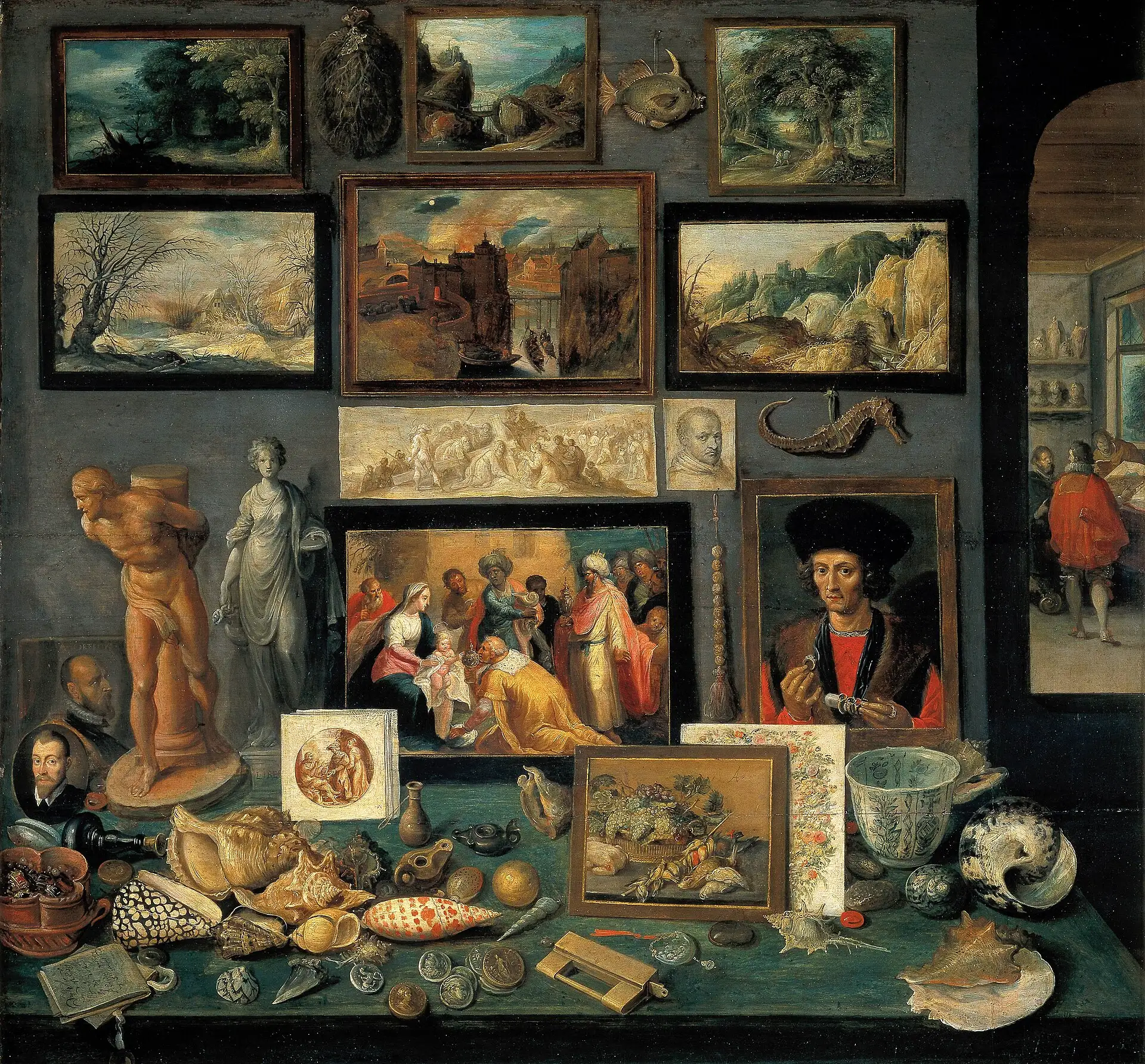
The taste for rare and strange objects is older than the cabinet itself. The Roman historian Suetonius records that the emperor Augustus decorated his houses with giants' bones and heroes' weapons. The Renaissance, an age of exploration and expanding trade, pushed this kind of collecting to an extreme. According to the Met, the German term Kunst- und Wunderkammer, a chamber of art and marvels, was apparently first used in the Zimmerische Chronik of 1564 to 1566. German collectors also spoke of a Raritäten-Kabinett, while Italian collections were called a stanzino, studiolo, museo or galleria.
Collectors sorted their holdings into broad classes. Naturalia were the products of nature: minerals, shells, fossils, preserved animals and plants. Artificialia, also called artefacta, were the products of human hands, from carved ivory and goldsmiths' work to weapons and textiles. Scientifica were instruments and devices that demonstrated human mastery over nature, such as astrolabes, clocks and automatons. Some objects combined the categories, such as minerals worked by goldsmiths. A cabinet could be a whole room or a single piece of furniture: cabinets made in Augsburg were fitted with drawers and secret compartments, some holding hundreds of miniature items.
THE PRINCELY KUNSTKAMMER: AMBRAS, PRAGUE AND MUNICH
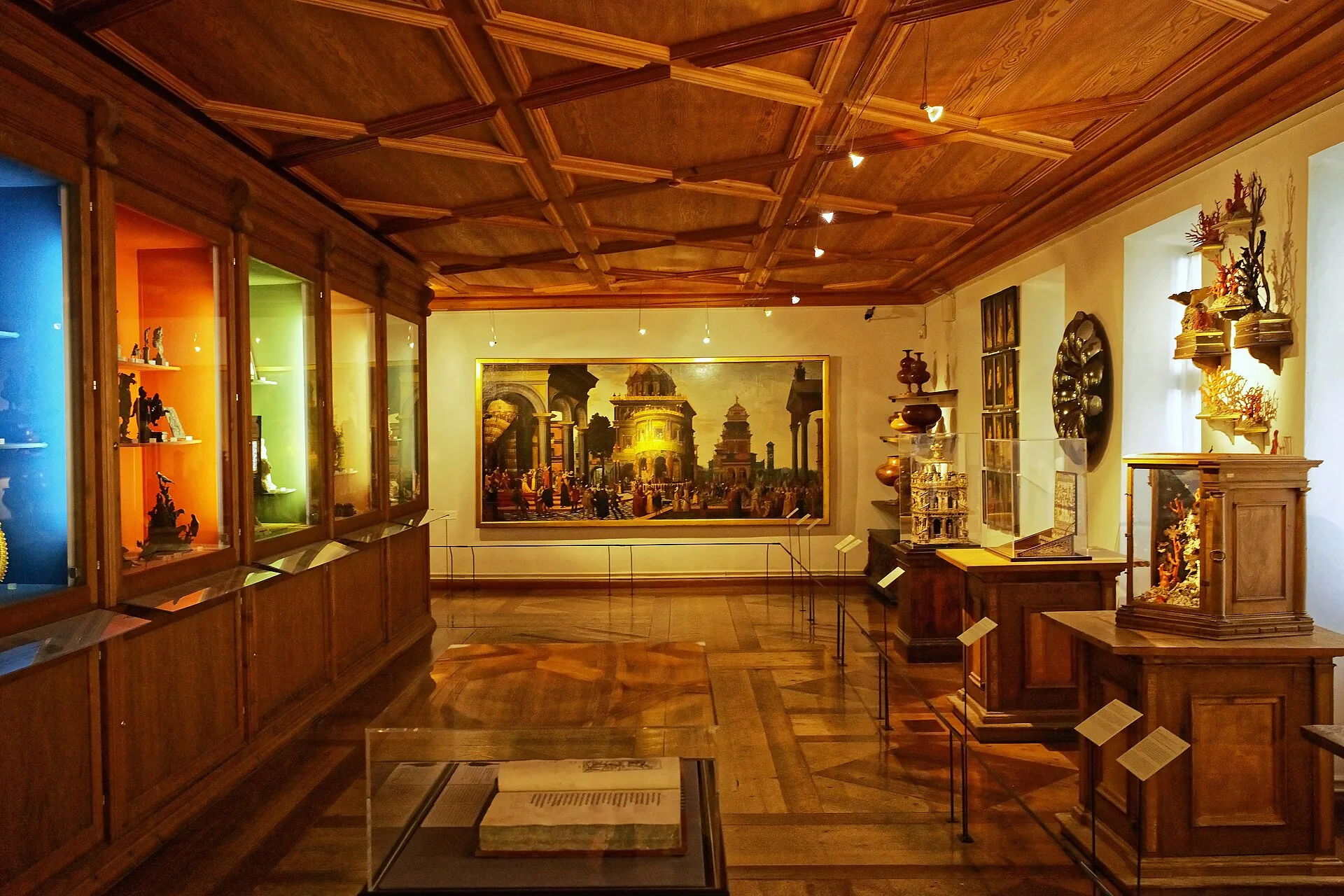
The largest cabinets belonged to rulers. Archduke Ferdinand II of Tyrol (1529 to 1595) assembled his Kunstkammer at Ambras Castle near Innsbruck, where the collection was housed in 20 ceiling-high wooden cabinets arranged mainly by material. The most special pieces were taken out when needed and shown on separate presentation tables. Surviving objects include an ivory ball from southern Germany, a coral stem probably from Genoa, a palm leaf fan from Siam or Malaysia and a lidded rhinoceros horn goblet made in Goa or Lisbon. Ambras describes its chamber as the only Renaissance Kunstkammer still in its original building; the present display was reorganised in 1974 to follow Ferdinand's concept and the Ambras inventory.
The Met's essay notes that Ferdinand had to choose between a scientific arrangement of his Kunstkammer and an aesthetic display. Emperor Rudolf II, who reigned from 1576 to 1612, built at Hradschin Palace in Prague what the Met calls perhaps the most spectacular Kunstkammer of all. In Munich the Kunstkammer had its own building and held nearly 3,500 items, while the Dresden Kunstkammer was run as a working collection with a teaching purpose.
THE SCHOLAR'S CABINET: OLE WORM'S MUSEUM IN COPENHAGEN
Most cabinets of the period were assembled by rulers, nobles or wealthy merchants and were filled with rare and exotic items. The Danish physician Ole Worm (1588 to 1654), professor of medicine at the University of Copenhagen, took a different approach. He preferred ordinary objects connected with Scandinavia, adding only occasional exotic specimens, and his museum helped move collecting away from unrelated exotica towards thematic collections of ordinary objects. He is likely to have modelled his display on the cabinet of Ferrante Imperato in Naples, which he visited and whose owner had published his own natural history in 1599.
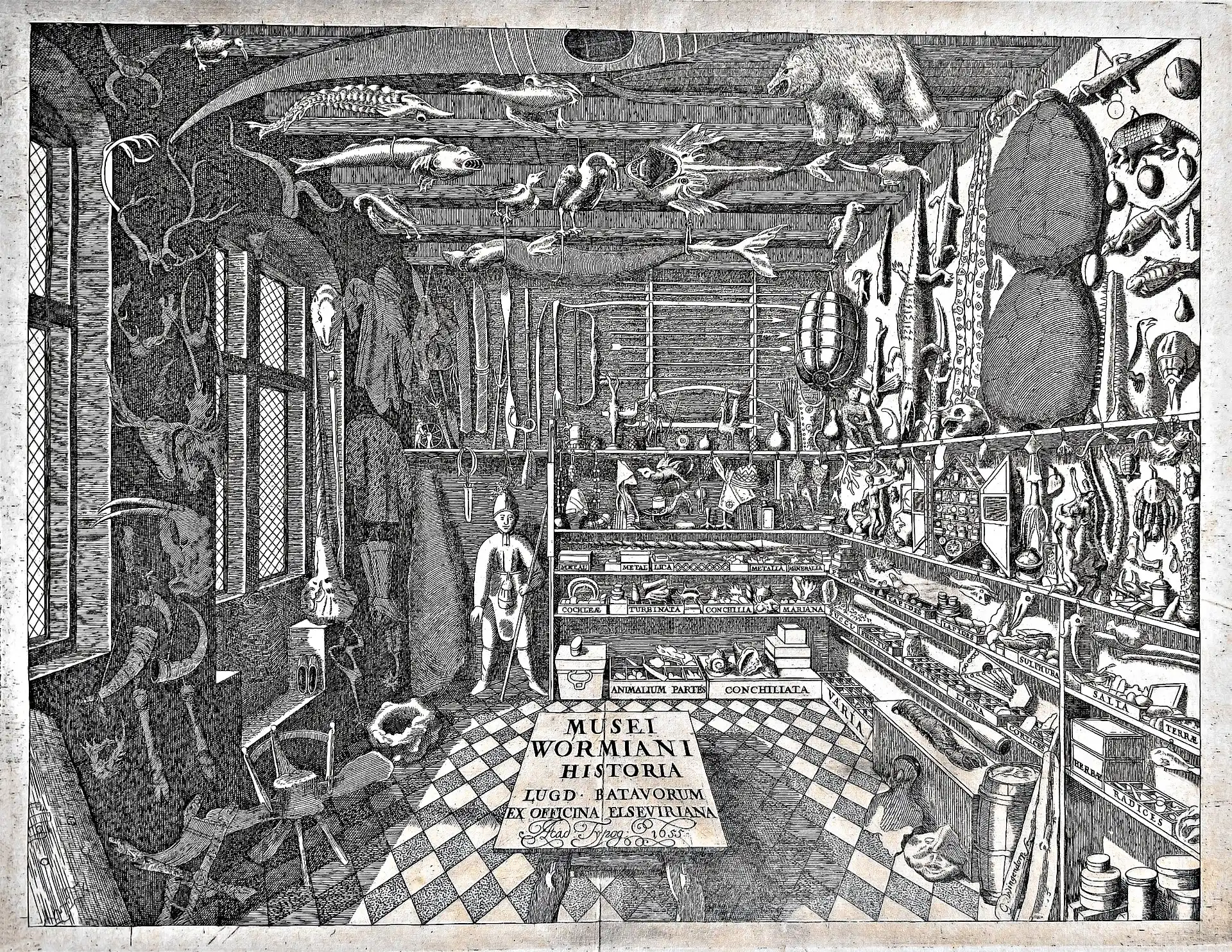
Worm's catalogue, Museum Wormianum, was published after his death, in Leiden in 1655. Its fold-out frontispiece, engraved by G. Wingendorp, is described by the Linda Hall Library as probably the most famous museum illustration of the Baroque era. It shows skis, harpoons, a stool made from a whale vertebra, a kayak and a polar bear hanging from the ceiling, crammed into a room of no more than 10 square metres; the historian H. D. Schepelern counted at least 215 objects in the picture. Worm used a skull in his collection to show that the so-called unicorn horn was the tusk of an Arctic whale, the narwhal. After his death, King Frederick III of Denmark and Norway bought the collection, which became the foundation of the Royal Danish Kunstkammer. Only one object is known to survive: a horse jaw trapped in a tree trunk that grew around it, now in the Natural History Museum of Denmark.
THE TRADESCANTS' ARK AND THE ASHMOLEAN MUSEUM
In England the most famous cabinet belonged to two gardeners. John Tradescant the Elder worked for the Earl of Salisbury, transformed the gardens at Hatfield House and collected plants in the Netherlands for them; his son, John the Younger, collected plants and shells in Virginia. Father and son travelled widely, gathering botanical, geological, zoological and man-made objects. In 1634 the family opened their collection at their home in Lambeth, south London, as a museum known as The Ark, charging an entrance fee of sixpence. A visitor listed its contents as beasts, birds, fishes, serpents, coins, shells and feathers. Among the rarities were a stuffed dodo, a wall hanging said to have belonged to Powhatan, the father of Pocahontas, and a hawking glove, hawk's hook and stirrups that had belonged to Henry VIII. A printed catalogue, Musaeum Tradescantianum, appeared in 1656.
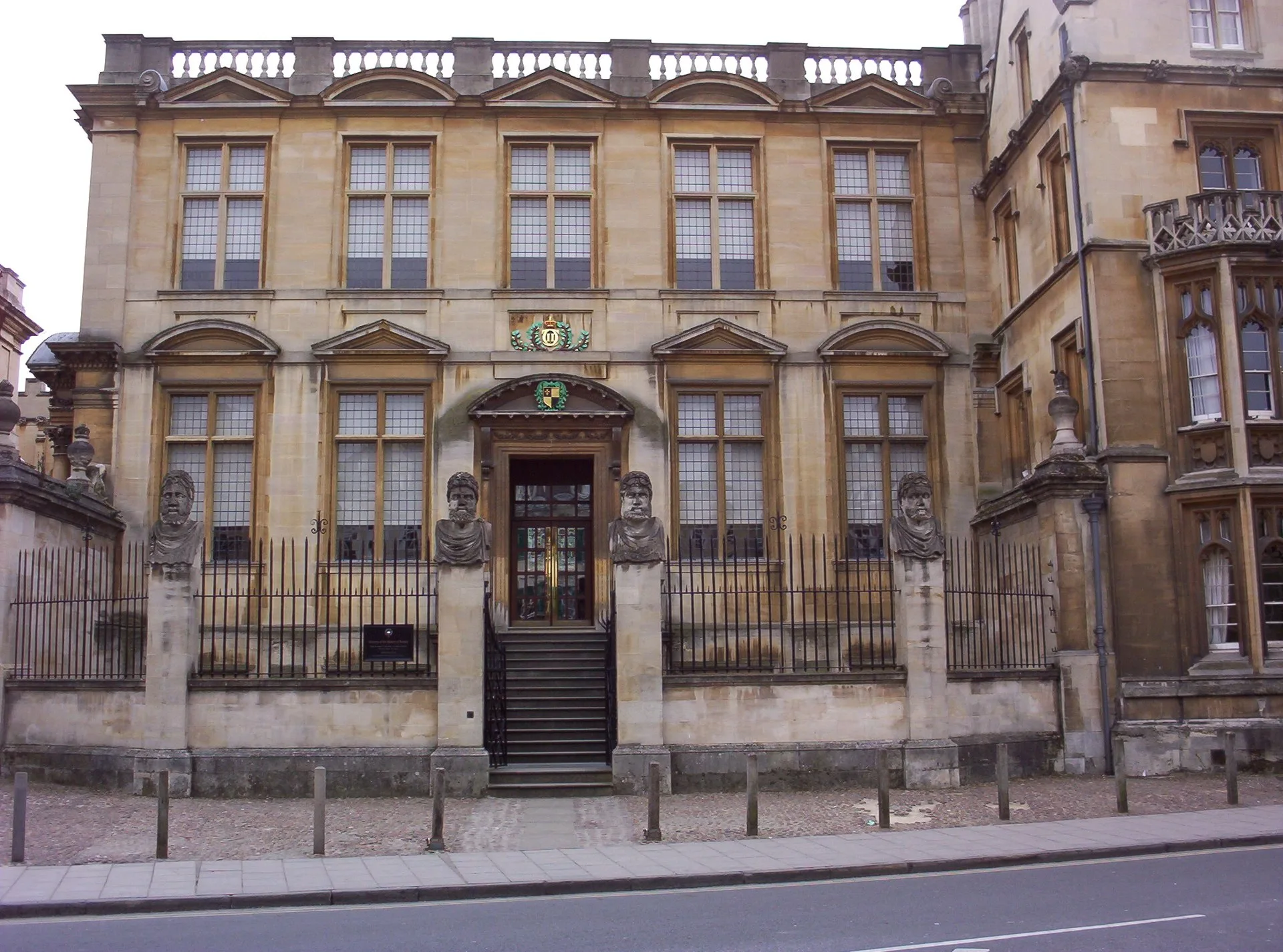
In 1659 John the Younger signed a deed of gift leaving the collection to Elias Ashmole. He later regretted it, and after his death in 1662 the matter went to the Court of Chancery, which ruled for Ashmole; the widow, Hester Tradescant, gave up the collection shortly before her own death in 1678. Ashmole gave it to the University of Oxford in 1682, together with his own books, manuscripts and coins. The Ashmolean Museum opened on Broad Street in 1683, with the displays on the upper floor, a school of natural history below and a chemical laboratory in the basement. The collections arrived from Lambeth by barge. Its first Keeper, Robert Plot, admitted visitors one party at a time with an officer always in attendance. By the 18th century many specimens had decayed; the dodo was removed, and only its head and one foot survive, in the Oxford University Museum of Natural History.
SIR HANS SLOANE AND THE FOUNDING OF THE BRITISH MUSEUM
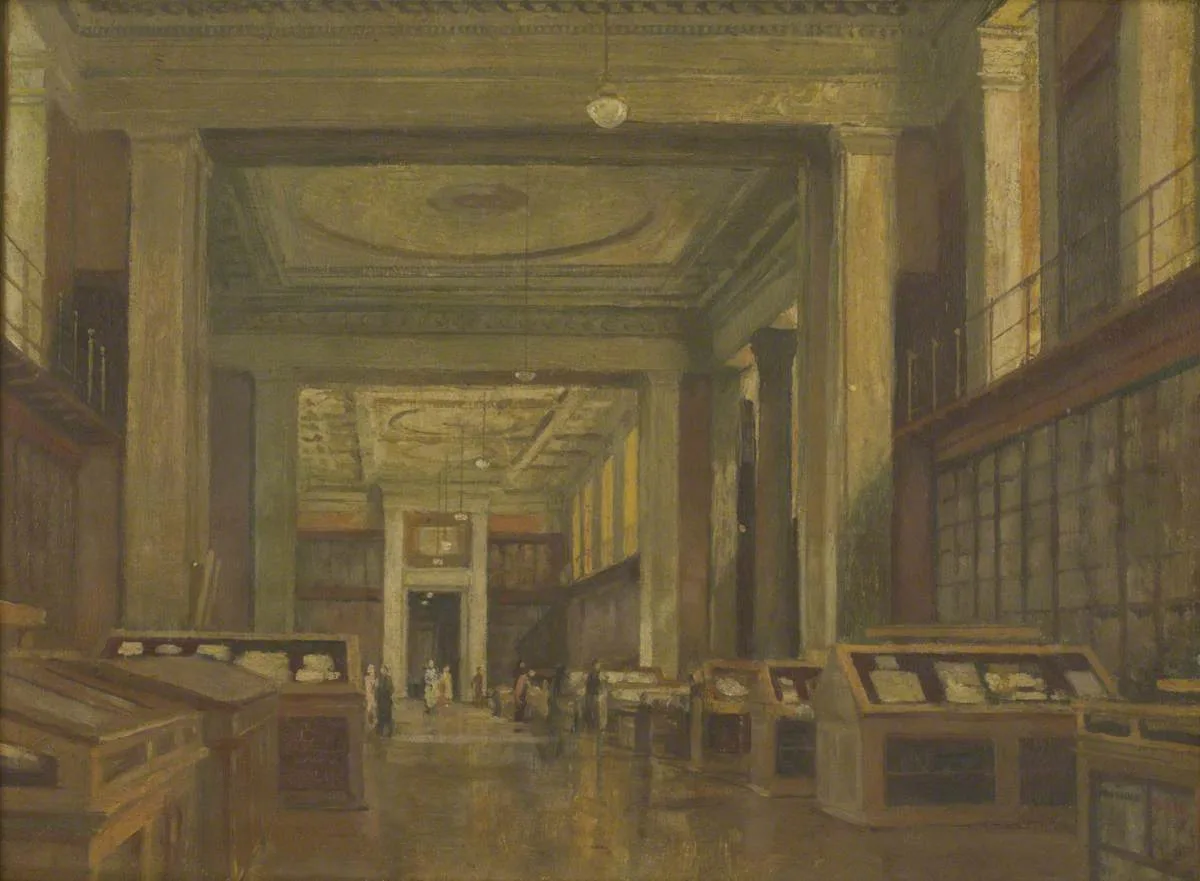
The British Museum began with a single collector's cabinets. Sir Hans Sloane (1660 to 1753), a physician whose patients included Queen Anne and Kings George I and II, started collecting in 1687 when he sailed to Jamaica as physician to the Governor. His collecting was funded in part by his marriage to the heiress of Jamaican sugar plantations worked by enslaved people. By his death he had assembled more than 71,000 items, among them coins and medals, books, prints, manuscripts and a herbarium of several hundred volumes. Sloane left the entire collection to King George II for the nation, in return for £20,000 for his heirs, on condition that Parliament create a freely accessible public museum to house it. Parliament raised the money through a national lottery, and the Act establishing the British Museum received royal assent on 7 June 1753.
The museum's Enlightenment Gallery, in the room built for King George III's library, shows how such collections were ordered in the 18th century. Holdings were divided into natural and artificial rarities, then catalogued and displayed by type, material, date or purpose. Coins and medals were arranged by country and ruler, Sir William Hamilton arranged his ancient vases by painting style to establish a chronology, and natural specimens were classified with the system of Carl Linnaeus.
THE COLLECTOR'S HOUSE AND THE MUSEUM ARRANGED BY TYPE
Two later collections kept the cabinet's personal character. The architect Sir John Soane built a house at 13 Lincoln's Inn Fields in London and filled it with antiquities, furniture, sculpture, architectural models and paintings by Hogarth, Turner and Canaletto, along with more than 30,000 architectural drawings. The museum has been kept as it was at the time of his death in 1837, and admission is free, as Soane intended.
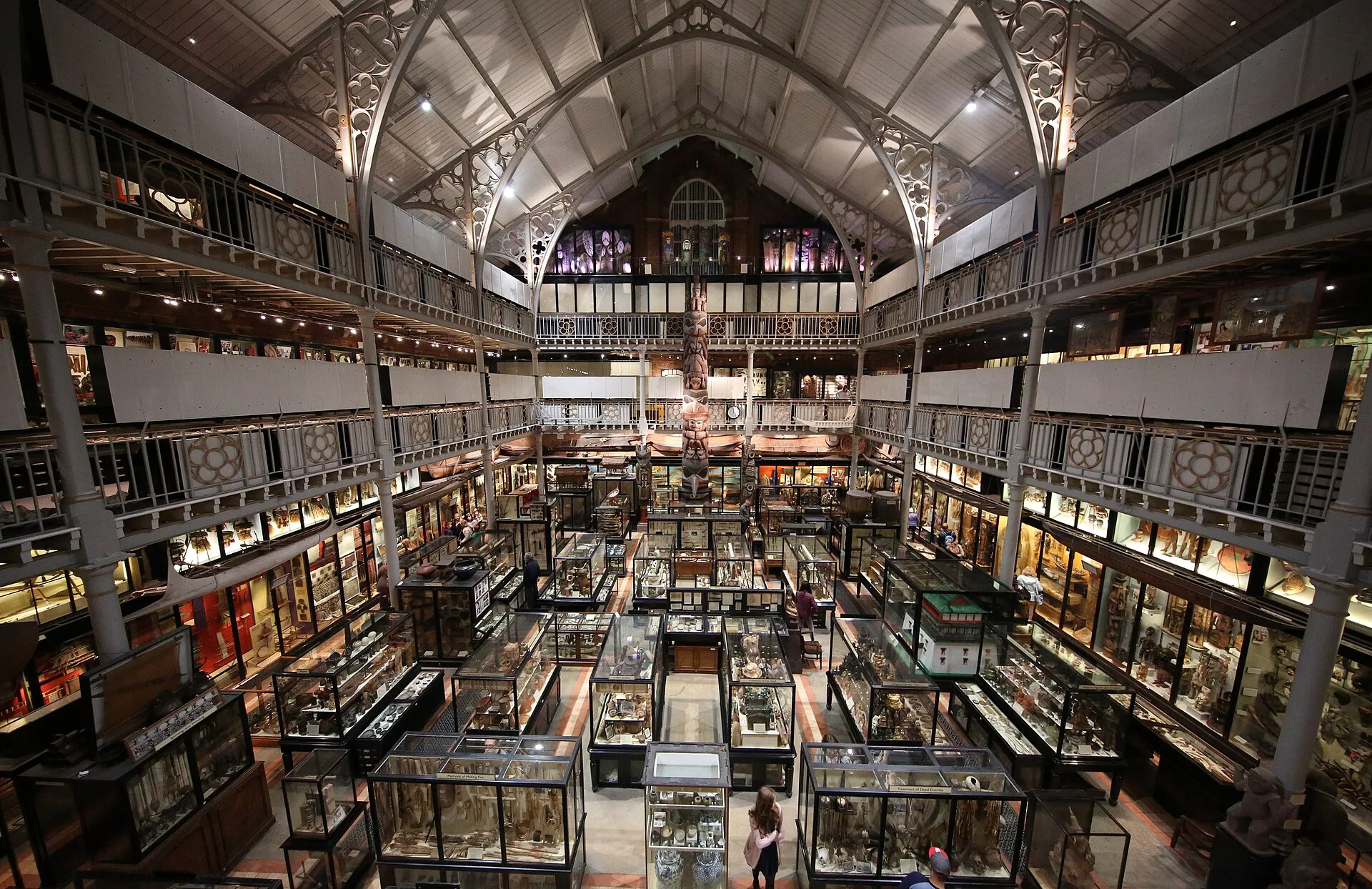
General Pitt-Rivers (Augustus Henry Lane Fox, 1827 to 1900), a soldier and landowner who became an influential figure in archaeology and anthropology, gave his collection to the University of Oxford in 1884, on condition that the university build a museum for it, appoint a lecturer and maintain his general mode of display. The Pitt Rivers Museum, which first opened to visitors in 1887, still arranges its objects by type, such as musical instruments, weapons, masks, textiles, jewellery and tools, rather than by region or culture. Pitt-Rivers had been appointed the first Inspector of Ancient Monuments two years before his gift, in 1882.
THE AUBREY'S CURIO LOUNGE

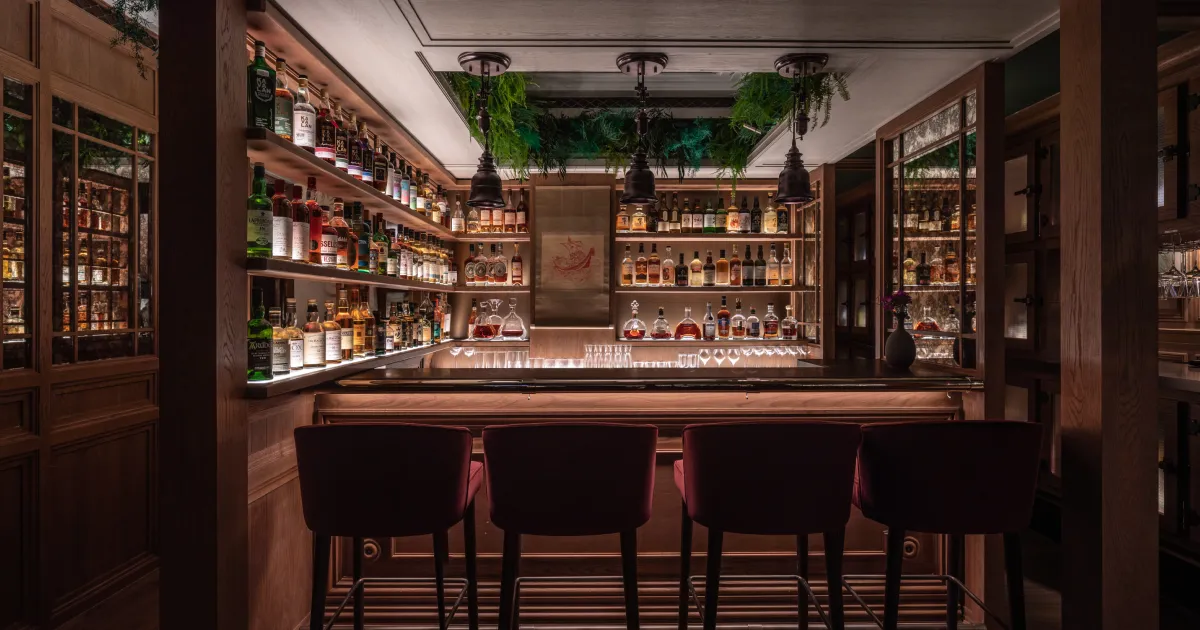
The Aubrey is a Japanese izakaya and bar on the top floor of Mandarin Oriental Hong Kong, designed by Silverfox Studios and completed in 2021. Its concept is an eccentric English gentleman's manor in which a collector's obsession with all things Japanese shapes every element, and it takes its name from the illustrator Aubrey Beardsley.
The design draws on Japonisme and ukiyo-e motifs, including Mount Fuji, a pagoda, torii gates and crashing waves. Dark timber panelling, gilded picture frames and gallery walls set the tone of a private collection, and the curio lounge holds bespoke display cabinetry filled with objets d'art.
SOURCES
- The Metropolitan Museum of Art, Heilbrunn Timeline of Art History The Kunstkammer
- Ambras Castle Innsbruck, KHM-Museumsverband The Chamber of Art and Wonders
- Linda Hall Library Scientist of the Day: Ole Worm
- University of Oxford, Cabinet Museum Wormianum, 1655
- Ashmolean Museum History of the Ashmolean
- Ashmolean Museum, British Archaeology History of the British Collections: 17th century
- British Museum Sir Hans Sloane
- British Museum Enlightenment, Room 1
- Sir John Soane's Museum About the museum
- Pitt Rivers Museum, University of Oxford History of the Museum