

FROM BLAKES, KIMPTON AND MORGANS TO THE LIFESTYLE BRANDS
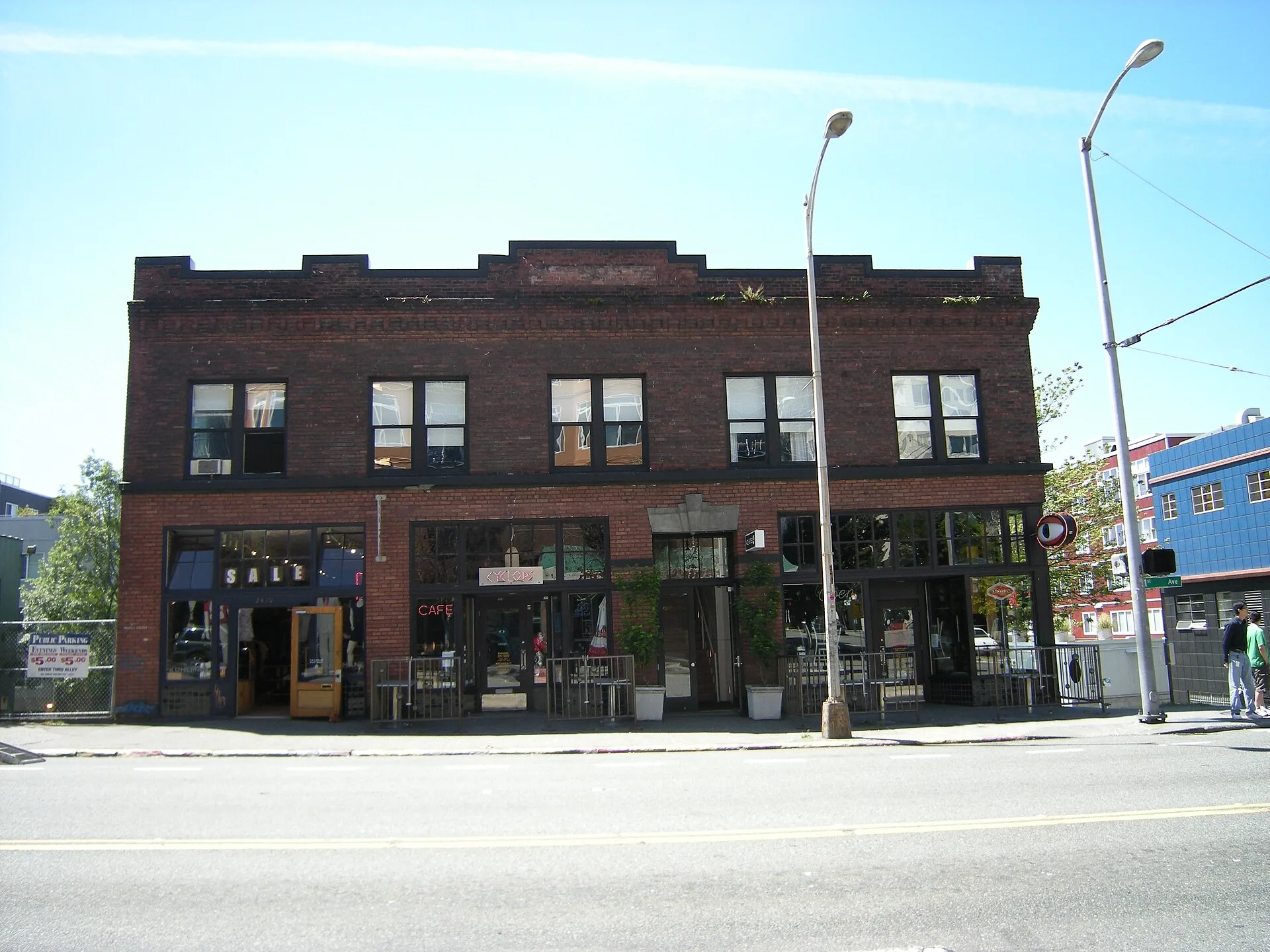
A boutique hotel is a hotel built around one design-led concept rather than a chain standard, and the term has never had an agreed room limit. Its accepted starting points are three openings: Anouska Hempel's Blakes in London in 1978, Bill Kimpton's Bedford in San Francisco in 1981 and Ian Schrager and Steve Rubell's Morgans in New York in 1984. By the late 1990s the large hotel companies had adopted the model. Starwood opened the first W on Lexington Avenue in 1998, citizenM opened at Amsterdam Schiphol in 2008 and Hyatt announced Hyatt Centric in January 2015 as a full-service lifestyle brand, the label the chains came to prefer for their own boutique-style hotels.
WHAT IS A BOUTIQUE HOTEL?
The hoteliers who built the segment do not agree on a definition. In an oral history published by Skift in March 2017, Niki Leondakis, former president and COO of Kimpton Hotels & Restaurants, said a hotel's claim to the label becomes questionable once it passes 200 rooms. Mike Depatie, also of Kimpton, pointed out that the company's average hotel had 200 rooms, and Claus Sendlinger noted that Schrager's Paramount had 600. Schrager rejected size as the test: "It wasn't about size. It was about narrowness of focus." Christine Lawson described it as a "boutique philosophy" rather than a room count.
The origin of the term is also disputed. Schrager credits Rubell with coining "boutique hotel", and frames the idea as a contrast with retail: "If the other hotels were generic and ubiquitous, they were department stores." Bjorn Hanson, a hospitality consultant and clinical professor at NYU's hospitality school, says the name came from Schrager himself while explaining the concept to investors. Steve Pinetti, an early member of Kimpton's sales and marketing team, recalls a group discussion in which someone compared the company's hotels to boutique shops. Hanson also recalls Schrager comparing department stores with boutiques. Skift records all three accounts and notes that opinions on the origin still differ.
WHERE DID THE BOUTIQUE HOTEL BEGIN? BLAKES IN LONDON
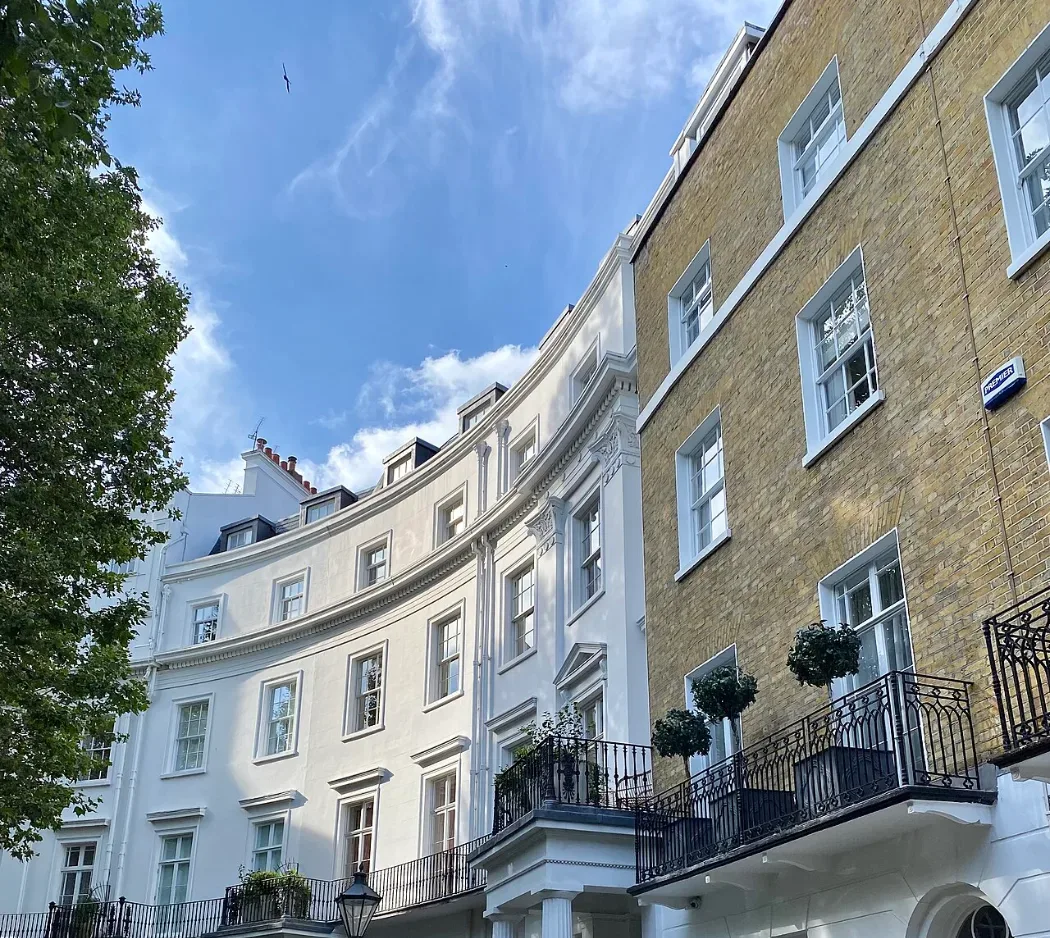
Anouska Hempel, a former actress, founded Blakes in London in 1978. Skift's history names it among the chic independent hotels already well established in Europe, and the hotelier Bill Walshe told Skift that "it started with Blakes Hotel in London". The Caterer, the British hospitality trade weekly, described it in 2011 as "one of the world's first boutique hotels". Hempel's interiors followed an East-meets-West style built on vibrant colour schemes and on accessories she had collected on her travels. The hotel's largest room, Suite 007, has original French art nouveau doors, hand-painted white floors and a large Victorian drawing room.
Hempel sold Blakes in 2004, and in 2010 it was bought by Meir Abutbul and Navid Mirtorabi for around £20 million. The new owners brought her back as consultant creative director for a multimillion-pound refurbishment that took eight months and was completed in 2011. She updated her original East-meets-West style for the hotel's 47 bedrooms and added two new features: the Courtyard, a planted space inspired by a Japanese garden, and a gym. By then Blakes was a member of Design Hotels, a marketing group that The Caterer put at 200 hotels in 40 countries.
HOW DID BILL KIMPTON BUILD BOUTIQUE HOTELS IN SAN FRANCISCO?
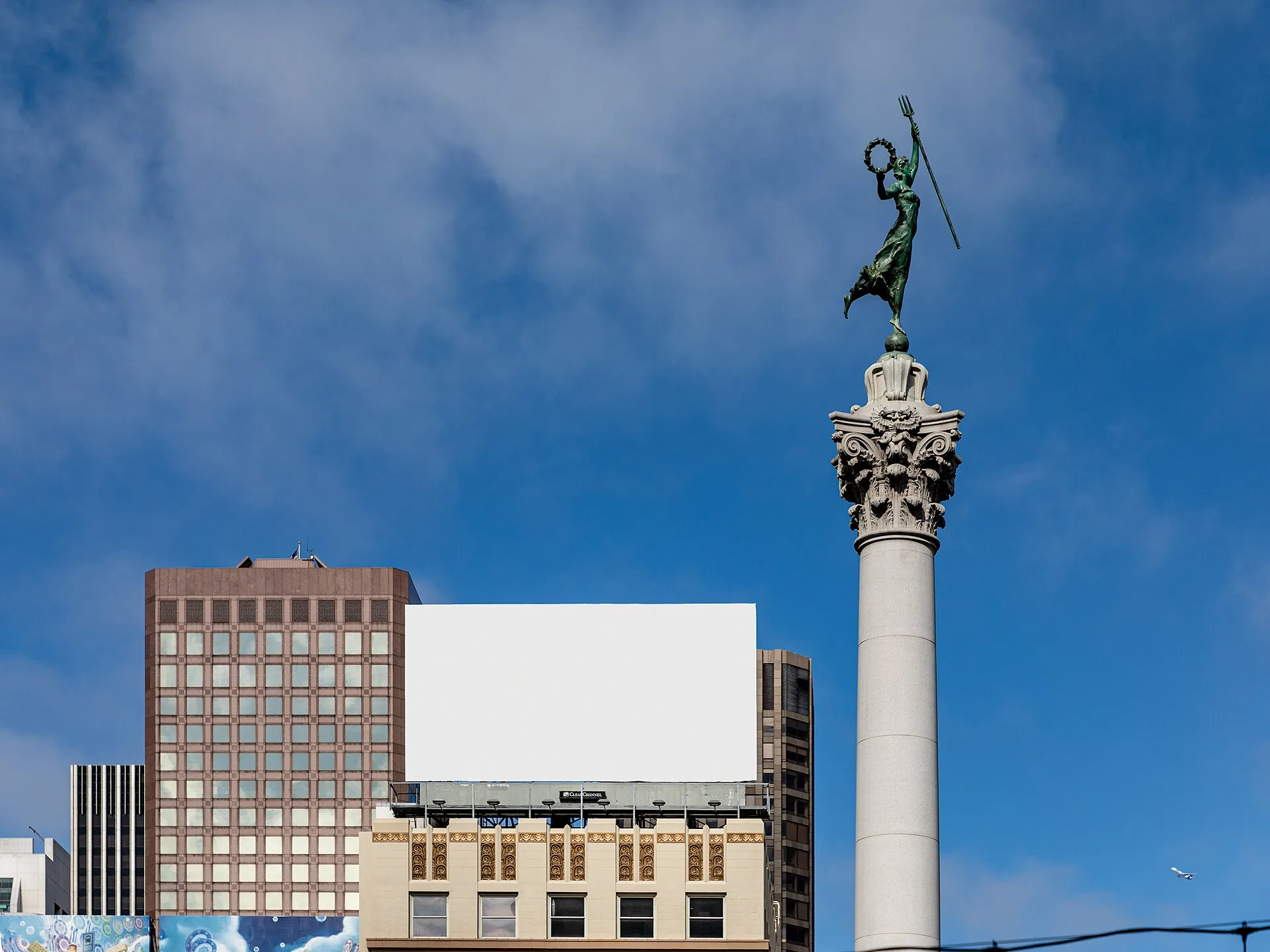
Bill Kimpton came to hotels late. He had worked as an investment banker at Lehman Brothers, where he arranged funding for the Kapalua Bay Resort Hotel in Hawaii and for the renovation of New York's Palace Hotel. His daughter, Laura Kimpton, told Skift that he stayed in small European hotels where guests got to know the owners and drank wine in the lobby, then came home to American hotels "with no personality at all". In 1981 he bought the Clarion Bedford in San Francisco. Renamed the Bedford, it opened on 1 April 1981 with its own restaurant, the Café Bedford.
The Kimpton model was to buy rundown buildings and convert them into hotels, each with a restaurant that could stand on its own. Pinetti dates the opening of the Hotel Vintage Court to April 1983, with Masa's, run by the chef Masataka Kobayashi, as its restaurant. He also recalls that every hotel had a real burning fireplace and that minibars were stocked with snacks and wine as an amenity. When Kimpton died in 2001, aged 65, his group ran 35 hotels in North America, 16 of them in San Francisco, with others in Chicago, Denver, Salt Lake City, Seattle and Vancouver. Travel Weekly reported that the Monaco hotels were the closest the company came to a brand.
HOW DID MORGANS SHAPE THE NEW YORK BOUTIQUE HOTEL?
Schrager and Rubell opened Morgans at 237 Madison Avenue in 1984. They renovated a 1927 building by the architect Andrew J. Thomas that had begun as the Hotel Duane, and the hotel had 117 rooms over 17 storeys. Dezeen calls it "the world's first boutique hotel", and Bjorn Hanson calls it "the first true boutique hotel". Schrager described it to Hospitality Design as a "quiet, understated, introverted hotel that felt residential". Hanson said that with traditional hotel furnishings there would have been no room for the guest.
The interiors were by the French designer Andrée Putman (1925 to 2013), who in 1978 had founded Ecart International to reissue the work of forgotten designers of the 1930s. Her studio records that Morgans was designed on a limited budget and that her black and white checkerboard, later one of her signatures, appeared there for the first time. The materials were Italian granite floors, French leather club armchairs, nickel-plated lamps and wool rugs made to measure. The studio's biography of Putman calls the hotel an aesthetic revolution and the first boutique hotel in the world.
The Royalton followed. Hanson says the partners looked at it in 1988, when it was "a run down, poor-quality hotel" that the brands would not take on. Schrager hired Philippe Starck for the interiors and furniture of his hotels, a choice Scott Gerber called "very, very out there". Sendlinger recalls an industry event in 1990 at the Paramount, designed by Starck, with DJs in the space, and says the hotel and its lobby scene spread quickly through media coverage; the lobby as public stage is a later chapter in the history of the hotel lobby. Schrager calls Morgans and the Royalton "a prototype for every other boutique hotel you see today".
HOW DID THE BOUTIQUE HOTEL BECOME THE LIFESTYLE HOTEL?
Sendlinger founded Design Hotels in Sausalito, California, in 1993 with 20 hotels, and recalls the Claris Hotel in Barcelona as one of the founding members. Walshe told Skift that boutique hotels blurred the lines between public space and food and beverage space. Starwood opened the first W on Lexington Avenue in New York in 1998. Anthony Ingham, W Hotels global brand leader, told Travel Weekly that the first hotels were "conversions of existing assets that Starwood owned", built on interior design, dining and nightlife. Between 12 and 15 W hotels opened in North America within three years.
Travel Weekly credits W with starting the lifestyle hotel trend and pushing competitors to create their own distinctive hotels. Depatie believes Barry Sternlicht of Starwood popularised the new label, quoting him: "I'm not in the boutique business. I'm in the lifestyle business." K.C. Kavanagh, former senior vice president of global communications at Starwood, said that "the boutique hotel birthed the lifestyle hotel concept". The original W New York was later converted into a Maxwell, and after Marriott's acquisition of Starwood in 2016, W and Schrager's Edition came to share a parent company. Leondakis attributes the phrase "lifestyle hotel" to people in the larger chain business, who used it to compete in the boutique segment. Depatie names AC by Marriott, Moxy by Marriott and Aloft as examples of lifestyle brands. Skift's introduction states that nearly every big hotel company now has its own version of a boutique brand.
ACE HOTEL AND CITIZENM: NEW BOUTIQUE HOTEL MODELS
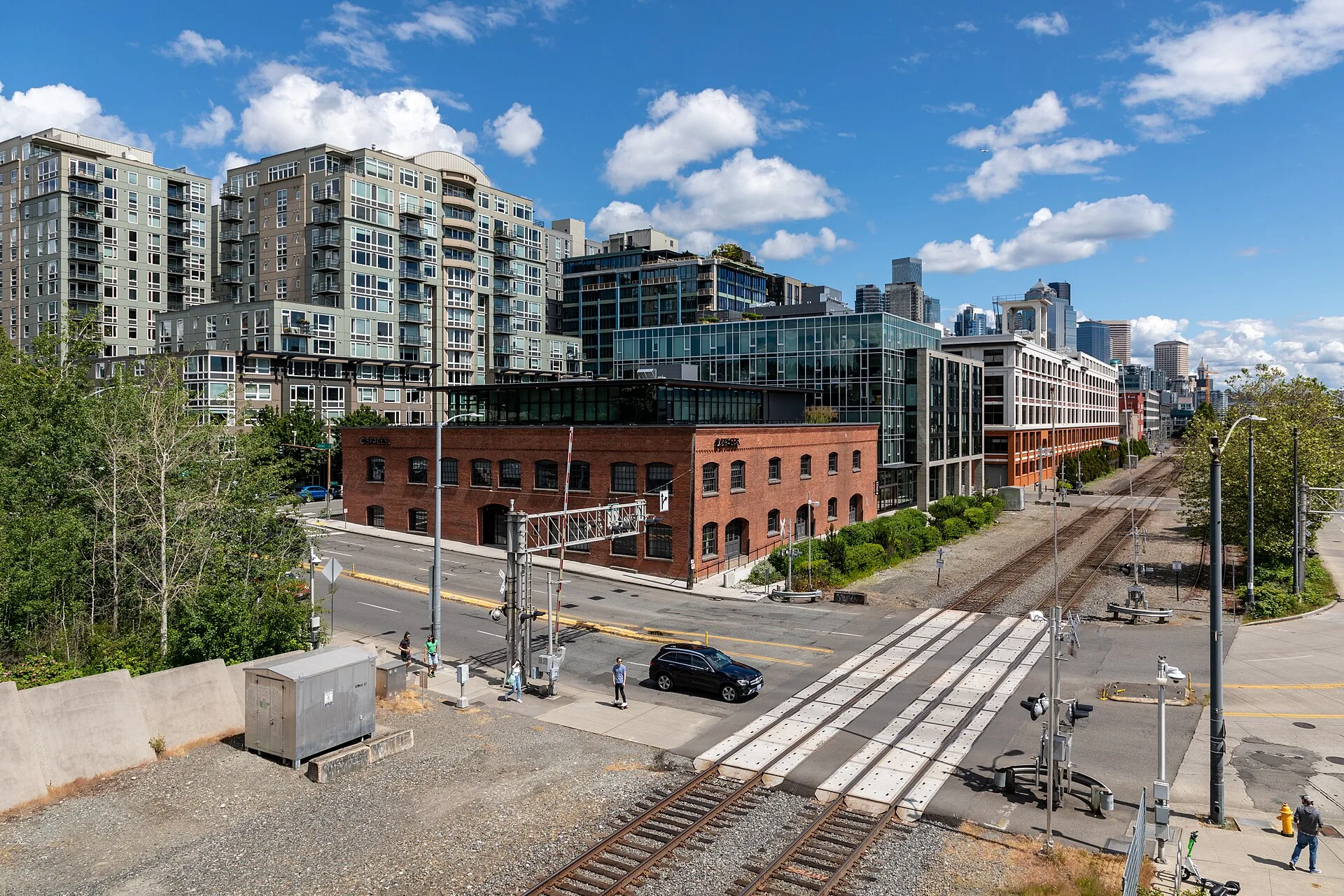
Two independent companies set out new formulas for the boutique hotel. Ace Hotel, whose co-founders include Wade Weigel, opened its first hotel in Seattle in a building that began as a maritime workers' hotel in Belltown, near Pike Place Market. The original Ace has loft ceilings and art by KAWS and Shepard Fairey. Its rooms range from Deluxe rooms with queen or king beds and private bathrooms to Standard Shared Bath rooms with a low platform bed, sink and vanity, large windows and high ceilings. The company describes the design as unfussy luxury.
citizenM opened at Amsterdam Airport Schiphol in the second quarter of 2008, after about 12 months of construction. The Dutch firm Concrete handled the concept, architecture and interior. The 230 rooms, each about 14 square metres net, were prefabricated in citizenM's own factory and stacked like shipping containers. Each has a 2.2 by 2.0 metre bed in front of a floor-to-ceiling window, with a large storage drawer underneath and sockets in the bed front for laptops and phones. The shower and toilet are enclosed in glass cylinders, and the washbasin sits in a small Corian cylinder.
A touch-screen "moodpad" in each room controls lighting, blinds, climate and television, and remembers a guest's settings for later visits. The ground floor has no service desk. Instead, six self-check-in terminals stand on a table, with a host on hand to guide guests through them. The rest of the floor is divided into several "living rooms" with work, dining and sitting areas, furnished by Vitra and intended to feel like a home, alongside a self-service food and drink area called the canteen.
HYATT CENTRIC: A HOTEL GROUP'S LIFESTYLE BRAND
Hyatt announced Hyatt Centric in Chicago on 27 January 2015 as a new full-service lifestyle brand for business and leisure travellers. It was the sixth brand Hyatt had introduced since 2006. The company said the name reflected its aim of placing guests at the centre of activity in popular destinations. Its target guests were "Modern Explorers", a multigenerational group that treats the hotel as the hub of a trip. Hyatt's president and chief executive, Mark Hoplamazian, said these travellers were looking for a "cosmopolitan vibe" at the centre of the action.
The brand rested on three core elements: a locally themed entryway to help guests feel the destination; simple, streamlined service, including "knock n' drop" room service and shared spaces such as The Corner and a bar and restaurant; and digital features balanced with staff who could recommend local places. Hyatt said it had tested these elements in real hotels over the previous two years. More than 15 locations, open or previously announced, were due to debut under the brand in the summer of 2015, in cities including New York, Paris, Atlanta, Chicago and Miami.
HYATT CENTRIC CITY CENTRE KUALA LUMPUR

Silverfox Studios designed the whole tower at Hyatt Centric City Centre Kuala Lumpur, a repurposed 22-storey building, and the project was completed in 2024. Reuse of existing buildings runs through the history of the boutique hotel: Kimpton bought rundown buildings and converted them into hotels, Schrager and Rubell turned the 1927 Hotel Duane into Morgans and took on the Royalton, and the first W hotels were conversions of buildings Starwood already owned. Hyatt Centric itself was launched in 2015 as a full-service lifestyle brand.
The tower's interiors draw on three influences: graffiti, batik and tin mining. Of the three, batik informs the pattern, print, colour and layered finishes, and underfoot, leaf-patterned carpets and hand-tufted rugs evoke reflected water. At Morgans in 1984, Putman used Italian granite floors, French leather club armchairs, nickel-plated lamps, wool rugs made to measure and her black and white checkerboard. At Blakes in 1978, Hempel built an East-meets-West style on vibrant colour schemes and on accessories collected on her travels.
SOURCES
- Skift The Complete Oral History of Boutique Hotels
- The Caterer Anouska Hempel revisits design of Blakes hotel
- Travel Weekly Hotel group founder Bill Kimpton dies at age 65
- Dezeen First boutique hotel Morgans closes to become micro condos
- Andrée Putman Andrée Putman (1925 to 2013), biographie de la designer
- Hospitality Design Ian Schrager, Ian Schrager Company
- Travel Weekly W moves to abandon older properties
- Ace Hotel Ace Hotel Seattle
- Dezeen citizenM by Concrete
- Hyatt Hotels Corporation Hyatt Introduces Hyatt Centric


