

FROM LAGUARDIA'S ADMIRALS CLUB TO THE HOTEL CLUB FLOOR

A club lounge is a private room inside a hotel, usually on an upper floor, open to guests who book club rooms or hold a top loyalty tier. Ritz-Carlton describes its club lounge as the place where those guests check in, with food and drink set out five times a day and a dedicated concierge team. Hyatt lists buffet breakfast, all-day tea and coffee, and evening canapés with cocktails for its Regency Club lounge in Hong Kong. Airlines built the same kind of room first. American Airlines opened its Admirals Club at New York's LaGuardia Airport in 1939 and began selling memberships in 1967. In the 1990s hotel chains were selling club floors to business travellers, and in 2011 several brands began rebuilding their club lounges to feel more like a home.
WHERE DID THE FIRST AIRPORT CLUB LOUNGE OPEN?

The airport lounge began as a loyalty gesture. In 1936 American Airlines chairman C.R. Smith started naming supporters of commercial aviation "Admirals", a title chosen to match the airline's Flagship Fleet, according to the company's own history of the club. In 1939, at the newly opened LaGuardia Airport, New York's mayor offered to rent out part of his offices there, and American's representative, Red Mosier, accepted. A judge refused the name Admirals Club for the purposes of the liquor licence, so the room opened as the Flagship Club. Business Traveller describes it as the world's first private airport lounge.
Membership was by invitation. American's sales staff chose the members, usually frequent fliers and VIPs, and Business Traveller puts the founding membership at nine. Receptionists were called skippers and bartenders stewards. The club served no food but ran a free bar, and members could keep their own bottles there. A second club opened at Washington's National Airport, where local law did not allow it to sell alcohol. Instead it stored members' bottles for a small fee, and American's history records that it once held more than 9,000 of them.
HOW DID THE AIRLINE CLUB BECOME A PAID LOUNGE?
In 1967 American opened the Admirals Club to dues-paying members, at US$25 a year or US$250 for a lifetime membership. Nearly all of the existing Admirals chose to pay and keep their membership. American later added working space to the format: its first Executive Center, with conference rooms and audio and visual equipment, opened at LaGuardia in 1989, and the airline lists others at Chicago O'Hare and Dallas/Fort Worth. On its club history page, American lists more than 40 Admirals Clubs at 36 airports, with membership open to anyone aged 18 or over and a one-day pass priced at US$50.
Outside the United States the idea spread slowly. Business Traveller records that BOAC, the predecessor of British Airways, opened its Monarch lounge for first-class passengers at Terminal 7 of New York's JFK Airport in 1970, and its first lounge at London Heathrow, in Terminal 3, in 1976. American's own list now includes lounges shared with partner carriers: with British Airways in Denver and Philadelphia, and with Japan Airlines in Honolulu. It also runs Flagship Lounges in Chicago, Los Angeles, London Heathrow and New York JFK, and an Arrivals Lounge at Heathrow.
WHAT DOES A HOTEL CLUB LOUNGE OFFER?

Ritz-Carlton, which HOTELS magazine describes as the brand most closely associated with the format, sets out the standard offer. Guests check in at the club lounge, and complimentary food and drink is presented five times a day: breakfast, lunch, afternoon tea, hors d'oeuvres and evening cordials. A dedicated club concierge team handles dining reservations and excursions, and the package includes shoeshine and pressing. Ritz-Carlton states that it runs more than 80 club lounges worldwide, and that access comes with booking a room or suite that includes it.
Other groups combine paid access with loyalty status. HOTELS reported in 2023 that Hyatt grants club access to its top-tier Globalist members, guests booking club-level rooms and members redeeming a Milestone Reward, and that Hyatt club lounges are most common at Grand Hyatt and Hyatt Regency hotels in Europe, the Middle East and Asia-Pacific. Marriott's M Club is complimentary for its Platinum Elite, Titanium Elite and Ambassador Elite members, while executive lounges at its premium and luxury brands are generally reserved for Platinum Elite members, with paid access at some hotels. In 2014 Global Traveler gave the extra cost per night as roughly US$75 at Hyatt Regency San Francisco, whose Regency Club takes about 150 of 804 rooms on the top two guest floors, to US$160 or more at Fairmont Banff Springs.
HOW CLUB FLOORS SERVED THE BUSINESS TRAVELLER
A Business Travel News round-up of hotel business services, which cites the paper's reports from 1996, recorded the Hyatt Regency Club in more than 50 Hyatt hotels. Its concierges arranged secretarial services, transport, babysitters and cocktail parties, and its lounges offered semiprivate meeting space, complimentary continental breakfast, afternoon hors d'oeuvres, an honour bar and an evening cordial. Club guests also received their own bathroom amenities. The same round-up noted that Delta Hotels had run its Delta Privilege programme for frequent guests since 1989, and cited Jane Weigel of the Ritz-Carlton, Boston, who reported more frequent requests from guests for copying, faxes and other business services.
A second Business Travel News report, by Linda Humphrey, described club floors moving from cocktail-party luxury towards practical help for travellers crossing time zones. Guests used club concierges to choose restaurants and gifts for clients, confirm appointments and host informal meetings in the lounge. ITT Sheraton charged a US$40 premium for corporate club rooms with a two-part desk, ergonomic chair and fax machine, plus a lounge serving breakfast and evening hors d'oeuvres; its Towers rooms cost US$65 extra and added butler service. Sheraton New York and Sheraton Manhattan had converted 350 of their 400 Towers rooms into club rooms. At the Grand Hyatt New York, Regency Club rooms carried a US$35 weekday premium, and frequent guests sent ahead errand lists covering gifts, luggage repair and theatre bookings.
HOW CLUB LOUNGES DEVELOPED IN ASIA

The same Humphrey report recorded that Regent Hotels International had designed its first club floors in Asia, aiming to take the concept a step further with staff on duty around the clock and food cooked to order, rolling them out in Jakarta, Bangkok, Kuala Lumpur and Singapore at a premium of US$40 to US$50. Regent aimed them at long-haul travellers staying about five nights, adding unlimited pressing on arrival and a limousine to the first business appointment, and cited a survey of more than 2,000 frequent business travellers in which two-thirds rated club floors important when choosing a hotel. Shangri-La's Kuala Lumpur hotel was preparing revamped Horizon floors with 24-hour staff and a bilevel lounge.
The original Hyatt Regency Hong Kong opened on Nathan Road in 1969 as the first Hyatt hotel outside the United States, and closed on New Year's Day 2006 after 36 years. Its successor in Tsim Sha Tsui, which opened in 2009, placed Regency Club rooms, a private lounge and meeting rooms on levels 22 to 24. Hyatt's opening announcement described a 275 square metre lounge on level 23 with floor-to-ceiling windows, offering a buffet breakfast, tea and coffee through the day, and evening canapés and cocktails.
In the 2023 HOTELS report, Kaushik Vardharajan of Boston University described lounges in the Middle East and Asia as "spectacular", and NYU's Vanja Bogicevic linked their viability to lower labour costs in parts of those regions. JLL's Zach Demuth said lounges are routinely part of planning discussions there, and that JLL was working on a Singapore project close to a hotel within a hotel, with its own lift bank. He also reported guests asking what they receive for an extra US$700 a night.
FROM CLUBBY TO RESIDENTIAL: HOW CLUB LOUNGE DESIGN CHANGED
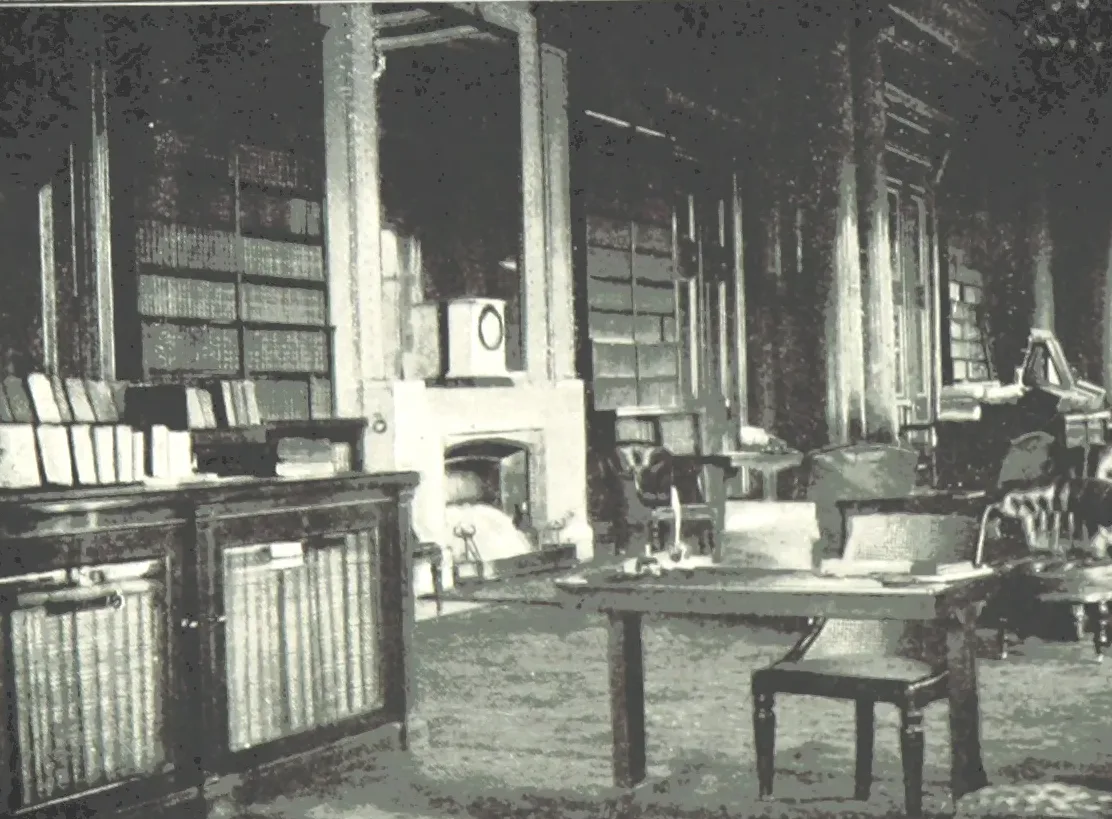
The early hotel club lounge was a modest room. A 2011 New York Times report, excerpted by Hospitality Net, described lounges that had once offered little more than a television and a small buffet, and brands that were now upgrading them to feel more like a home, with healthier food and free Wi-Fi. In April 2011 Sheraton announced that it and its owners were spending more than US$100 million on 120 club lounges, which would open seven days a week. The redesigned Leahi lounge at Sheraton Waikiki, 30 floors above the beach, cost US$1 million on its own.
Some brands designed each lounge around its location. Global Traveler reported in 2014 that Fairmont treats its Gold floors as a boutique hotel within a hotel, with lounges that reflect local character: an Alpine-style room with a wood-burning fireplace at Fairmont Chateau Whistler, and an outdoor lanai area at the Fairmont Orchid in Hawaii. At JW Marriott Marquis Dubai, the same report noted, an entire floor serves as a lounge open around the clock, with meeting space and high tea.
Private members' clubs, whose London history runs back to the gentlemen's clubs of St James's, are the stated model for one recent format. HOTELS reported in 2023 that Club Signia, the club offer of Signia by Hilton, was inspired by private membership clubs and open to any guest booking a Club Signia room, with all-day food and drink, made-to-order small plates and live cooking at breakfast and dinner. The same report described pressures on the format: lounges crowded by co-branded credit card holders, staffing for longer hours, and hotels converting lounge space into guestrooms or event rooms.
THE CLUB LOUNGE AT MANDARIN ORIENTAL JUMEIRA, DUBAI

The interior design of The Club Lounge at Mandarin Oriental Jumeira, Dubai, was completed in 2019. Rattan window seating sits under hanging planters and overlooks the city skyline and the Burj Khalifa. The buffet is built in white marble and timber and set under a black steel frame. Among the club lounges described earlier in this history, Hyatt's Hong Kong lounge of 2009 sits on level 23 of the Tsim Sha Tsui hotel behind floor-to-ceiling windows, and Sheraton's Leahi lounge in Waikiki sits 30 floors above the beach.
A lounge area pairs a cushioned banquette with a dark timber armchair and a large abstract painting. The room also has sofas, timber display shelving and a bar counter, and marble-topped tables are set under a cove-lit ceiling with timber beams. In the 1990s, Business Travel News listed continental breakfast, an honour bar and semiprivate meeting space in Hyatt's Regency Club lounges. Ritz-Carlton now lists five daily food and drink presentations, from breakfast to evening cordials, and a club concierge team for its lounges.
SOURCES
- American Airlines Admirals Club History
- Business Traveller Snapshot: 1939, the world's first airport lounge
- The Ritz-Carlton Club Level
- HOTELS magazine Hotel brands give club-floor lounges a rethink, for owners and guests
- Global Traveler Hotel Executive Floors
- Business Travel News Luxury Hotels, Club Floors Enhance Biz Services
- Business Travel News Club Floors Key In On Business Travel
- Hyatt Newsroom Revival of the fittest: the legendary Hyatt Regency Hong Kong opens in the heart of Tsim Sha Tsui
- Hospitality Net / The New York Times Hotels Spruce Up Their Executive Lounges
- Hospitality Net Sheraton Invests More Than $100 Million to Upgrade Club Lounges


