THE EVERGREEN THAT MARKS THE NEW YEAR, RECEIVES THE GODS AND STANDS BEHIND EVERY NOH PLAY
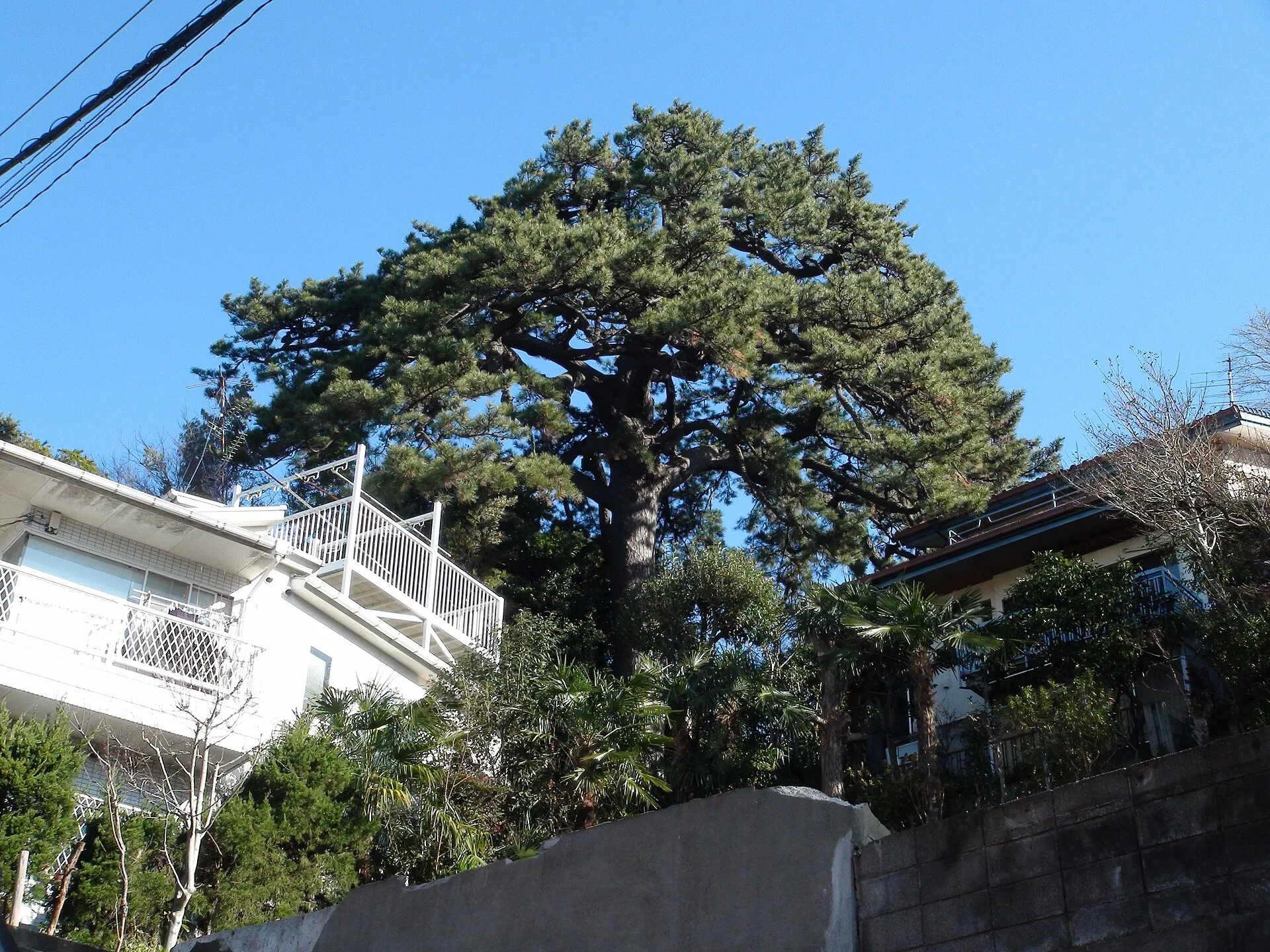
The pine, matsu in Japanese, is tied in Japanese culture to long life, celebration and the presence of the gods. Because it keeps its needles through the year, Japanese dictionaries define it as an emblem of permanence, long life and celebration, and it was regarded as a tree into which a kami, or deity, descends. That belief explains its central place in kadomatsu, the pine decorations set at gates for the New Year, and in the large painted pine that forms the back wall of every Noh stage. The symbolism runs through court poetry, the Noh play Takasago, ink painting and the landscapes of Mount Fuji. Japan's two native pines, the black pine and the red pine, also supplied much of the structural timber of its historic buildings, and pine remains a standard element of Japanese gardens and bonsai.
WHAT THE PINE MEANS IN JAPANESE CULTURE
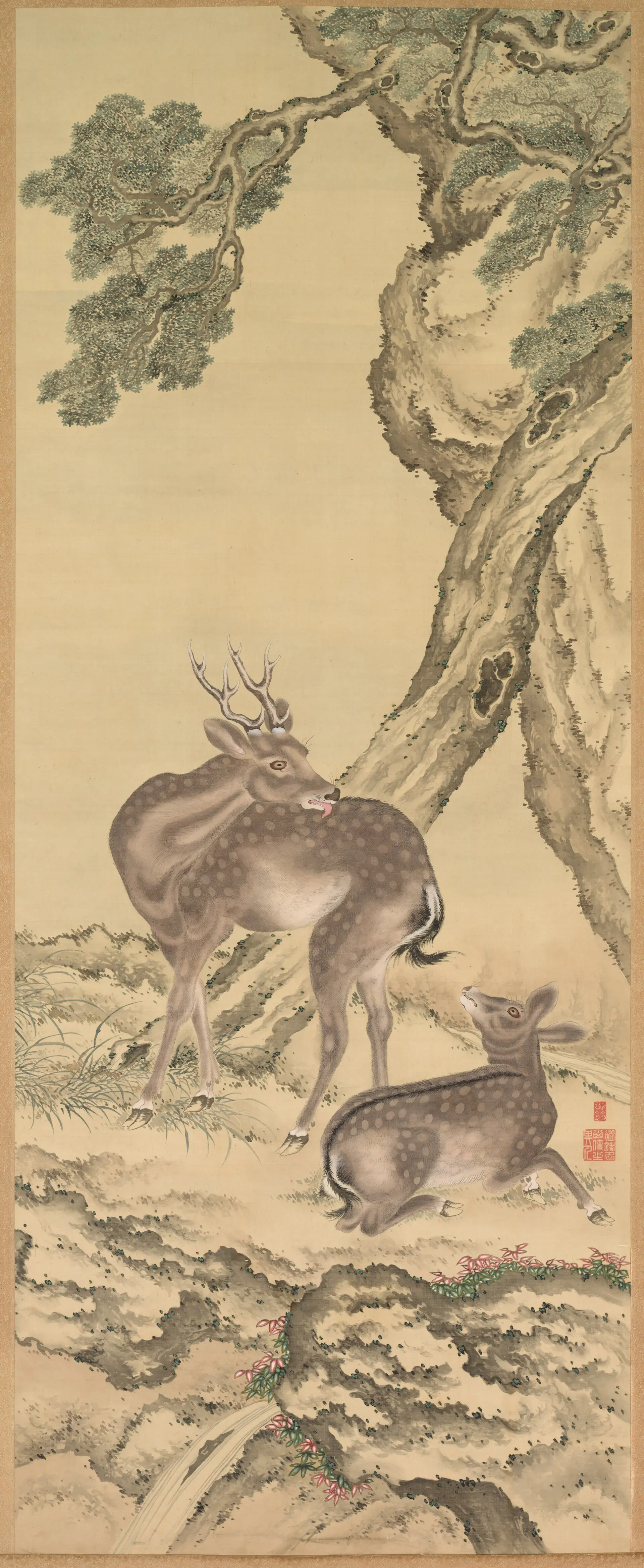
Pine symbolism in Japan rests on two ideas. The first is constancy: an evergreen that does not change with the seasons stands for unchanging life, longevity and good fortune, which is why the tree appears at celebrations. The second is religious. The Seisen-ban Nihon Kokugo Daijiten explains that in Japan the pine was regarded as a tree on which a god alights, and that this is the reason it is used for kadomatsu and other New Year decorations. The word itself is old; dictionary entries cite an example from the Kojiki of 712.
Classical poets also used the tree for wordplay, since matsu means both pine and to wait. A well-known example in the Kokinshu, the imperial poetry anthology, is a farewell poem by Ariwara no Yukihira, in which the poet promises to return at once if he hears that those he leaves behind are waiting for him, like the pines on the peak of Mount Inaba. Japanese also has many names for particular pines and pine forms: aioi no matsu, paired pines, meoto matsu, husband and wife pines, and mikoshi no matsu, a pine whose crown rises above a garden wall. In the speech of court ladies, matsu was also a term for the matsutake mushroom.
JAPANESE BLACK AND RED PINES IN BUILDINGS, GARDENS AND BONSAI
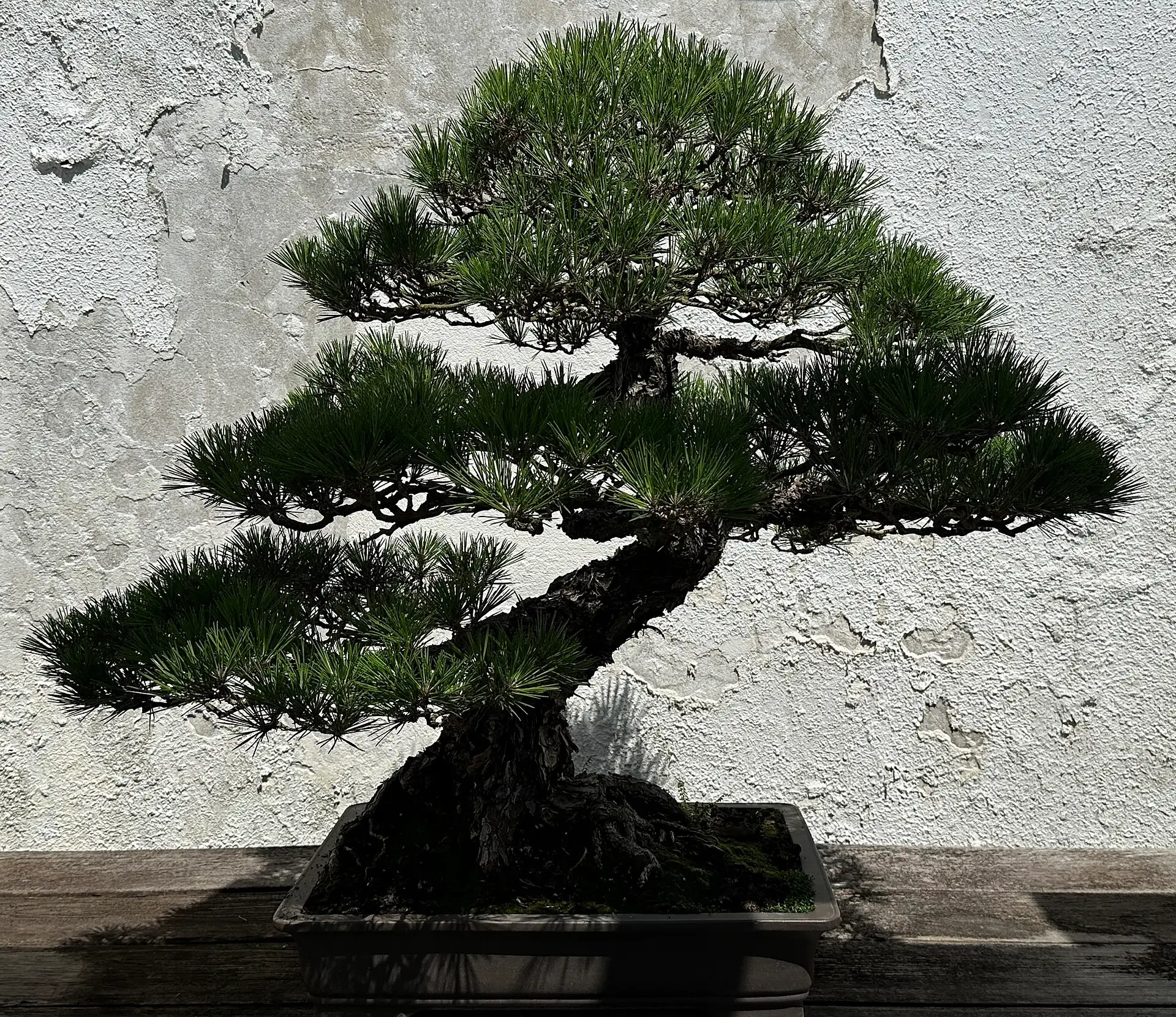
The Japanese black pine, Pinus thunbergii or kuromatsu, is native to Honshu, Shikoku and Kyushu as well as South Korea, and is the dominant pine from the coast up to about 1,000 metres. It can reach around 40 metres in height. According to the Gymnosperm Database, the black pine and the red pine, Pinus densiflora, were the principal structural woods in most surviving buildings of the Muromachi (14th to 16th centuries) and Edo (1603 to 1867) periods. The black pine is also a requisite element of Japanese gardens, often planted with the red pine for structural and symbolic contrast. Since the early 20th century native populations have been badly reduced by pine wilt disease, caused by a nematode from North America that is spread by longhorn beetles.
Pine is also central to bonsai. The earliest Japanese record of a potted tree dates from 839, when a flowering tachibana citrus in an earthenware pot was presented to Emperor Ninmyo as a good omen, and Kamakura period picture scrolls, including the Kasuga Gongen Genki-e and the Ippen Shonin Eden, show potted plantings at temples and houses. Five-needle pine, goyomatsu, is among the species recorded for the stone-planted trees kept by the shogun Ashikaga Yoshimasa, and the Noh play Hachi no Ki tells of a rural samurai who uses his potted trees to show hospitality to a guest. Kobayashi Norio founded the Kokufu Bonsai Exhibition in Tokyo in 1934, and the displays of bonsai seen by foreign visitors at the 1964 Tokyo Olympics and Expo 1970 made the word international.
KADOMATSU: WHY JAPAN PUTS PINE AT THE GATE FOR THE NEW YEAR
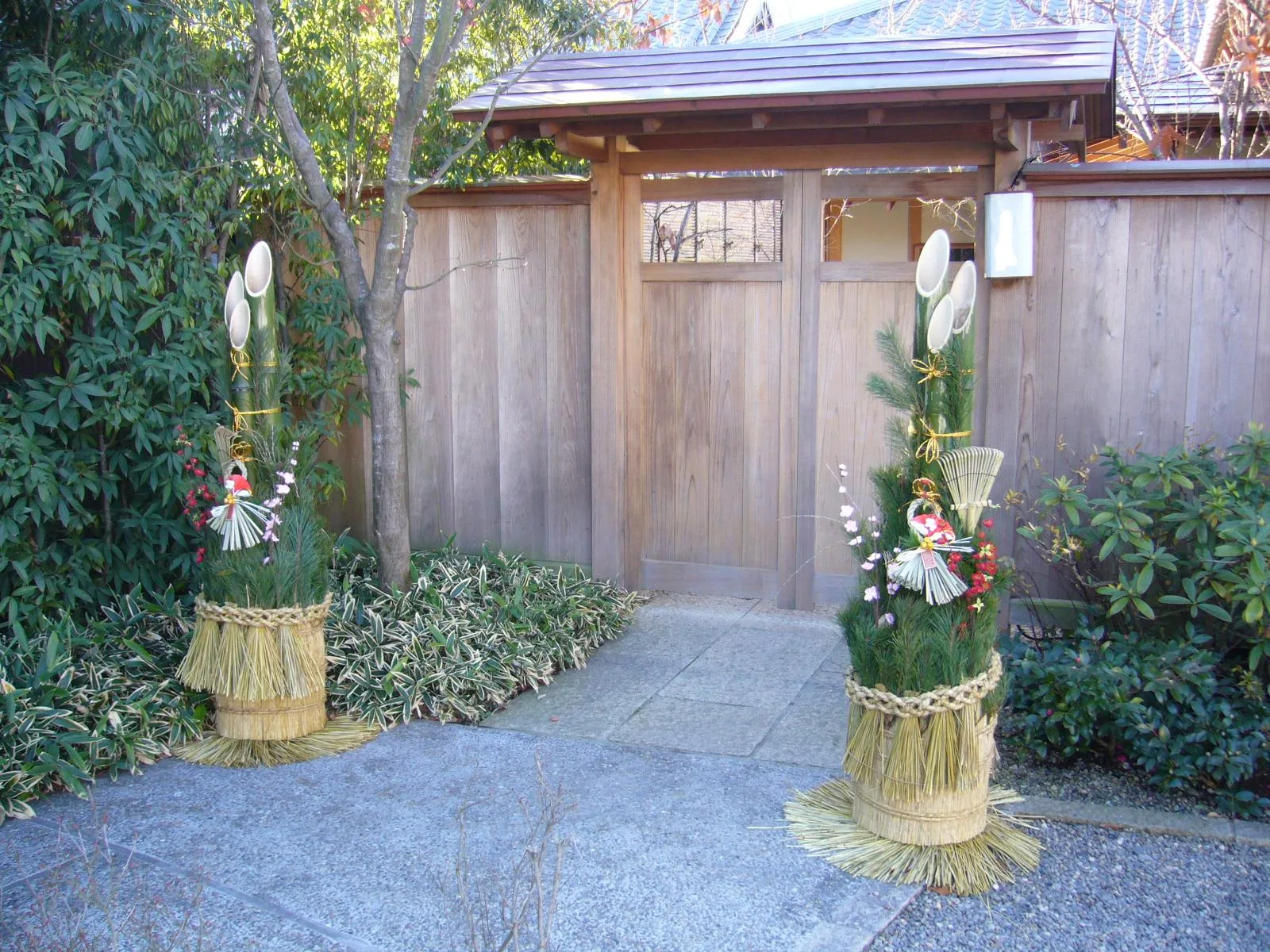
Kadomatsu, literally gate pine, is the decoration set up at the entrance of a house for the New Year. Bamboo has commonly been added to the pine since the medieval period, and the word appears in a court poetry collection of around 1105 to 1106. Japanese encyclopaedias generally describe the kadomatsu as having originally been a yorishiro, an object in which the visiting New Year deity, the toshigami, takes up residence. The Nihon Daihyakka Zensho cites the evidence of rural practice: in parts of central Japan and the Kanto region, festive food such as zoni was offered to the pine in straw bowls, and households addressed it respectfully as O-matsu-sama and prayed to it.
The calendar of the kadomatsu was fixed by custom. The pine was traditionally cut on 13 December and set up before the end of the year, and it was taken down on 4, 7 or 14 January depending on the region. The period it stands is called matsu no uchi, the time within the pines. Most areas burned the decorations at the Koshogatsu bonfires known as sagicho or dondo, while parts of Kyushu burned them on 7 January. Outdoor kadomatsu were usually placed in pairs, sometimes with a shimenawa rope stretched between them. The materials varied: oak, camellia, chestnut, sakaki and bamboo were all used, and many communities avoided pine altogether, explaining the taboo with a story that their guardian deity had once been injured in the eye by a pine. In the postwar period, forestry management and changing lifestyles reduced the cutting of pine, and printed pictures of pine pasted on doors took its place in many homes.
THE PINE ON THE NOH STAGE
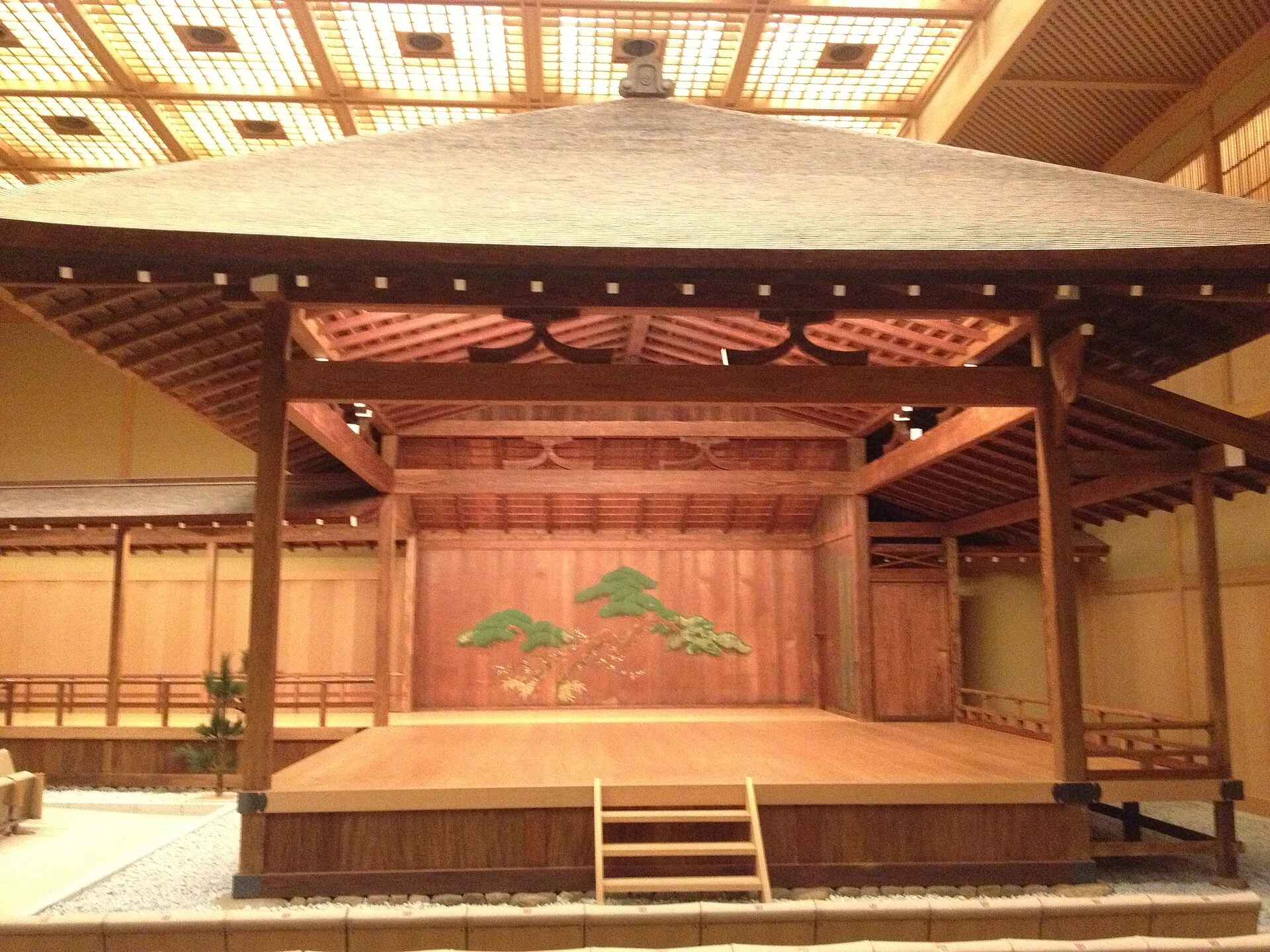
UNESCO, which inscribed Nogaku theatre on its Representative List of the Intangible Cultural Heritage of Humanity in 2008 after proclaiming it in 2001, traces Noh to Sangaku, a mix of acrobatics, song, dance and comic sketches transmitted from China in the 8th century; its heyday came in the 14th and 15th centuries. The Noh stage projects towards the audience and is connected by a walkway to the backstage area, and Noh and the comic Kyogen are performed in the same space.
Behind the performers stands the kagami-ita, the wooden back panel of the stage, painted with a large old pine, the oimatsu. Japanese dictionaries record that the painted tree is said to be modelled on the Yogo pine at Kasuga Shrine in Nara, a tree associated with the appearance of a deity. The Britannica International Encyclopaedia adds that the right-hand side panel is painted with young bamboo. The design was carried into Kabuki, where a backdrop imitating the Noh panel is called matsubame. Because the kagami-ita is a fixed part of the stage, the pine stands behind every Noh performance.
TAKASAGO: THE PAIRED PINES OF NOH
The pine is also the subject of Takasago, a Noh play attributed to Zeami and classed as waki-noh, or kami-mono, a celebratory god play. A Shinto priest from Aso Shrine in Higo province, travelling to the capital, stops at Takasago Bay and meets an elderly couple sweeping beneath a pine tree. They explain that the pine of Takasago and the pine of Sumiyoshi, though far apart, are aioi, a mutually growing pair, like a married couple. The couple then reveal themselves as the spirits of the two pines and leave by boat. The priest follows them to Sumiyoshi, where the deity appears and dances in blessing of a peaceful realm.
Because of its themes of a long marriage and peace, Takasago became a standard piece at celebrations, and its chant is often sung at weddings. The most famous passage is sung by the waki role and so is not formally classed as a celebratory chant, but other sections of the text are used in the same way. The play's name also passed into wedding custom: the seats where the bride and groom sit at a Japanese wedding reception are called the takasago.
PINE IN JAPANESE PAINTING AND LANDSCAPE
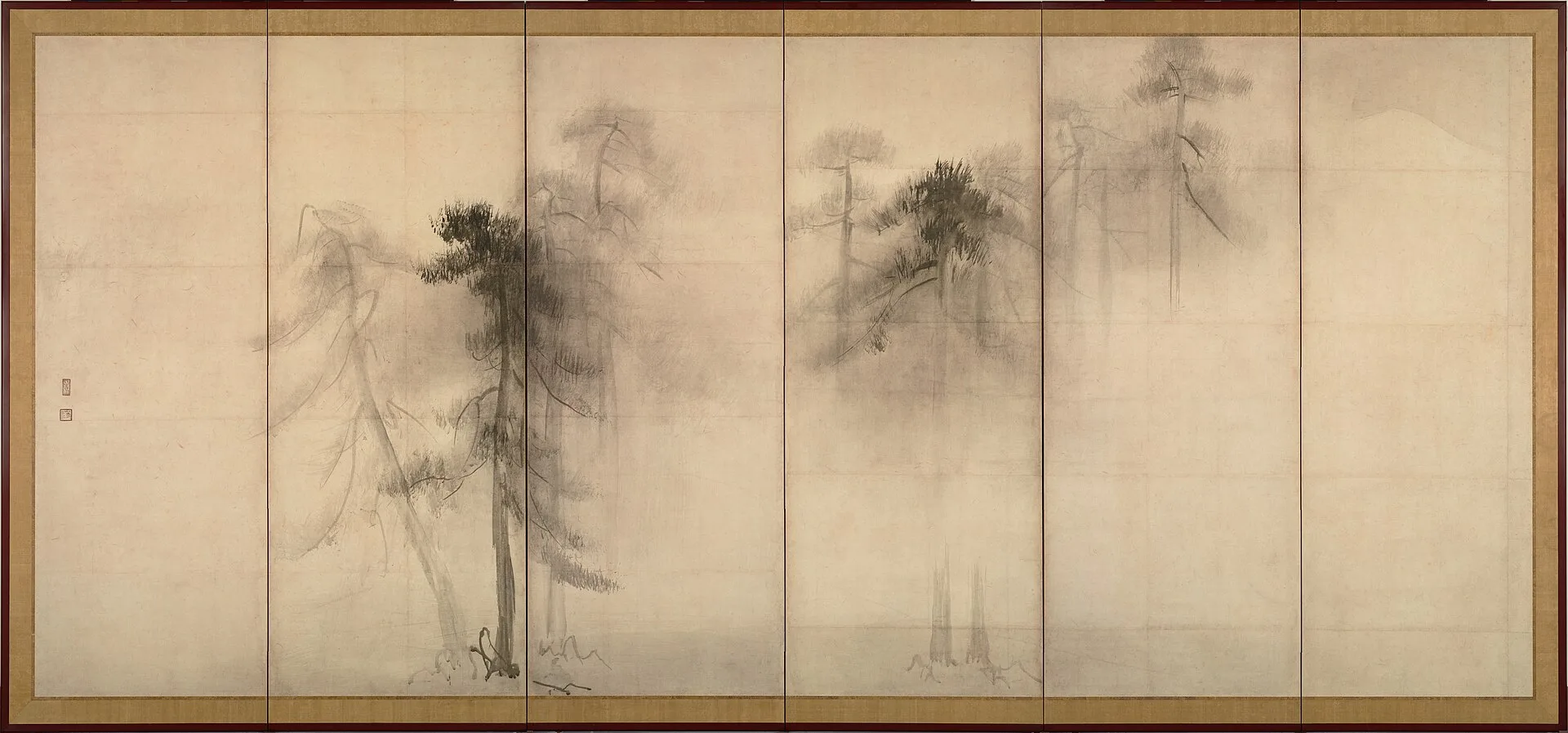
Hasegawa Tohaku (1539 to 1610), whom the Tokyo National Museum counts among the most important painters of his era, painted Pine Forest in ink on paper in the 16th century; the work is now in the museum's collection and is designated a National Treasure. The museum notes that Tohaku moved away from the bold outlines usual in ink painting and used rough brushwork and subtle gradations of tone to show wind-bent pines in hazy, mist-filtered light, giving the traditional pine forest subject a new, atmospheric treatment.
Coastal pines also helped define Japan's most famous view. Miho no Matsubara, a sand spit at the mouth of Suruga Bay covered with dense pines and facing Mount Fuji to the north, was designated a Place of Scenic Beauty in 1922. The Fujisan World Heritage property, inscribed by UNESCO in 2013, includes a pine tree grove on a sand beach among its 25 sites, and UNESCO notes that 19th-century woodblock prints of views from beaches with pine groves made Fujisan an internationally recognised symbol of Japan and influenced the development of Western art. Hiroshige's One Hundred Famous Views of Edo also includes a celebrated grove of black pines at Ueno.
RIN AND ITS PINE ROOM
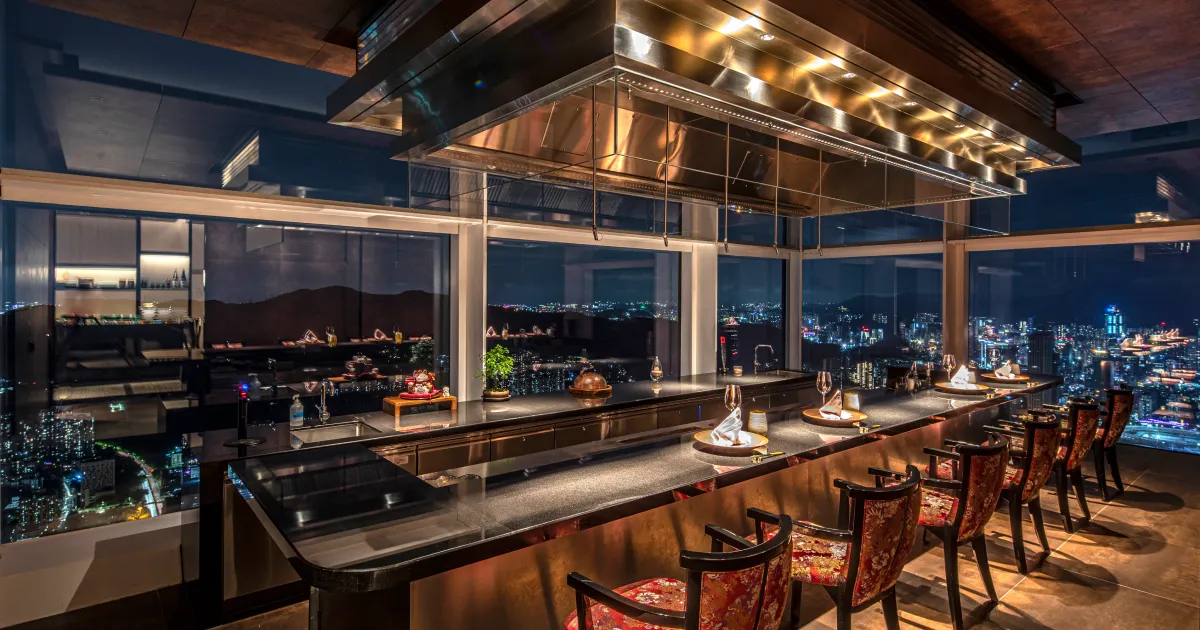
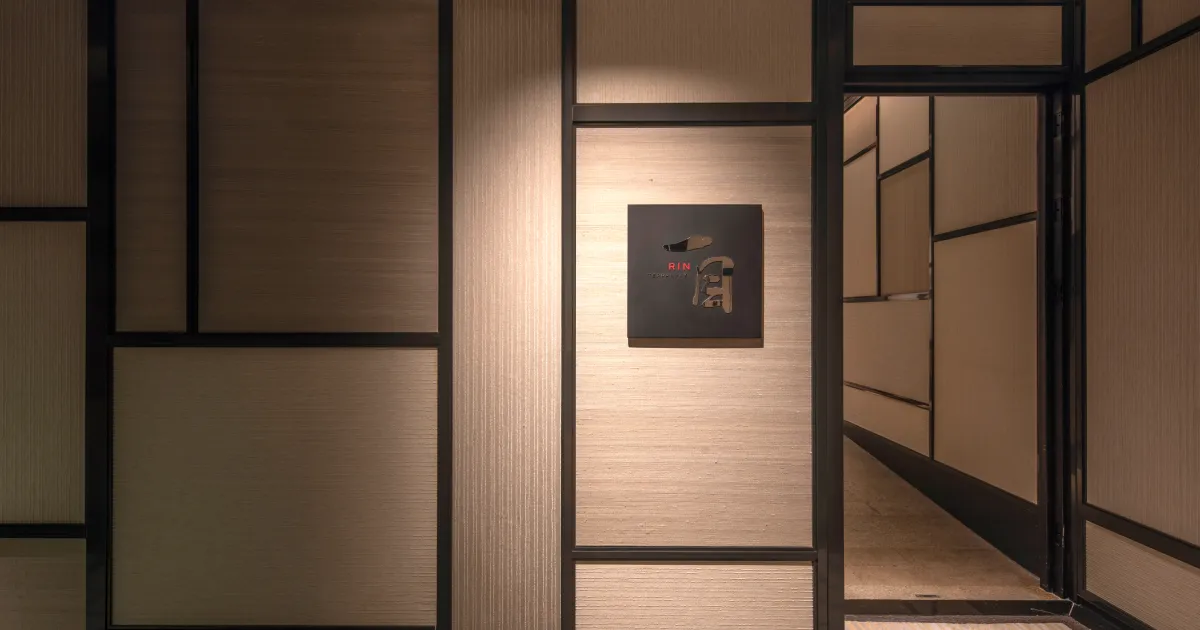
RIN is the signature Japanese restaurant at Mandarin Oriental Shenzhen, completed by Silverfox Studios in 2022 and led by chef Masanobu Hoshina. It is reservation-only, and every dining room is private. The cooking is teppanyaki, with ingredients prepared from raw in front of guests. Equipment sits under the counter so that the work surface stays clean, and the sightline runs past the chef to the city. Guests enter the three teppanyaki rooms from a Sake Lounge through low doors. The rooms are the Corten Steel Room, the Pine Room and the Concrete Room.
SOURCES
- Kotobank (Seisen-ban Nihon Kokugo Daijiten, Digital Daijisen) Matsu (pine)
- Kotobank (Nihon Daihyakka Zensho, Sekai Daihyakka Jiten, Britannica International Encyclopaedia) Kadomatsu
- Kotobank (Seisen-ban Nihon Kokugo Daijiten, Britannica International Encyclopaedia, Mypedia) Kagami-ita
- Kotobank (Sekai Daihyakka Jiten, Nihon Daihyakka Zensho) Takasago
- Kotobank (Nihon Daihyakka Zensho, Sekai Daihyakka Jiten) Bonsai
- UNESCO Intangible Cultural Heritage Nogaku theatre
- Tokyo National Museum Pine Forest, Hasegawa Tohaku
- UNESCO World Heritage Centre Fujisan, sacred place and source of artistic inspiration
- Agency for Cultural Affairs, Cultural Heritage Online Miho no Matsubara
- The Gymnosperm Database Pinus thunbergii